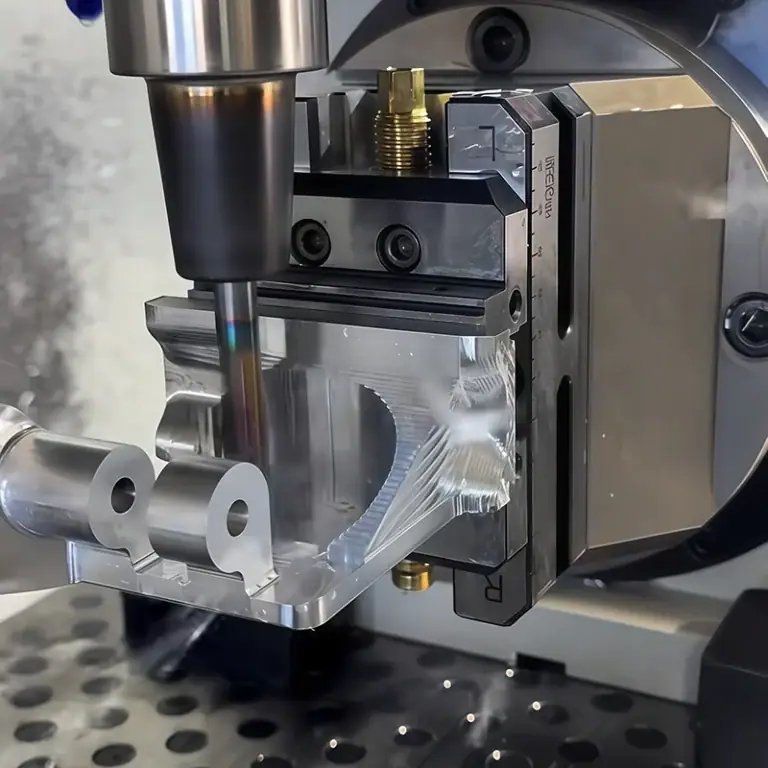
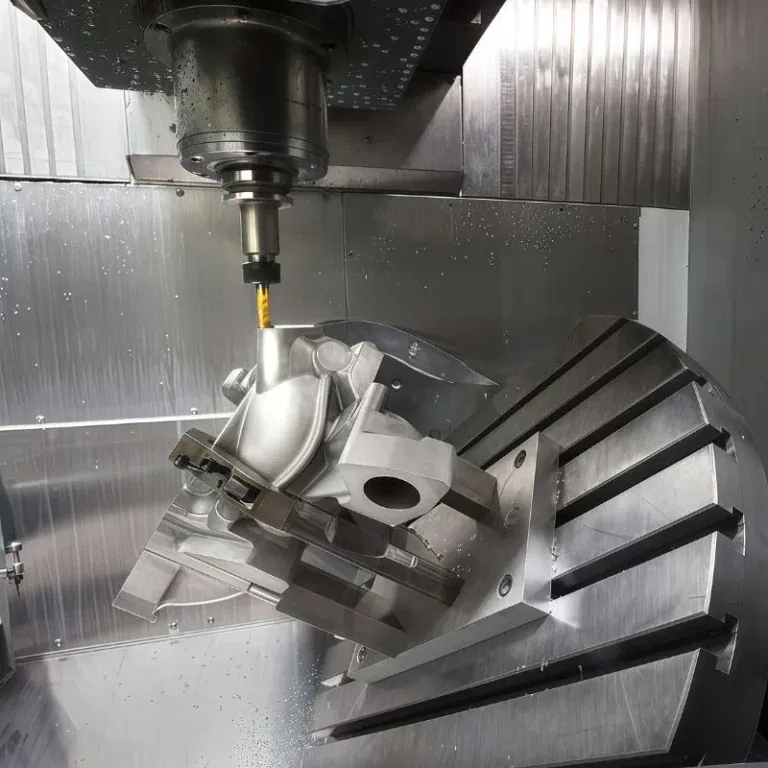
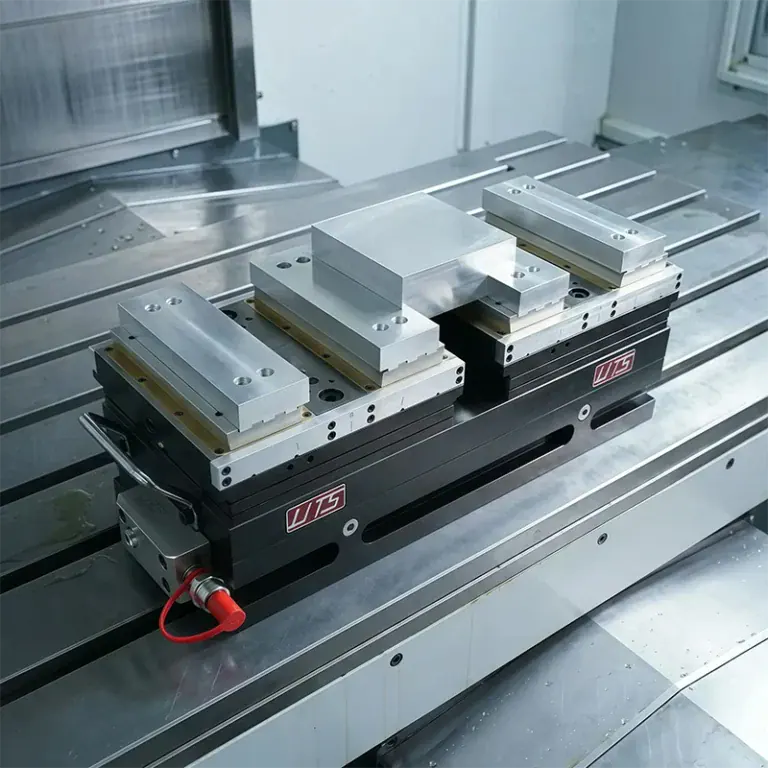
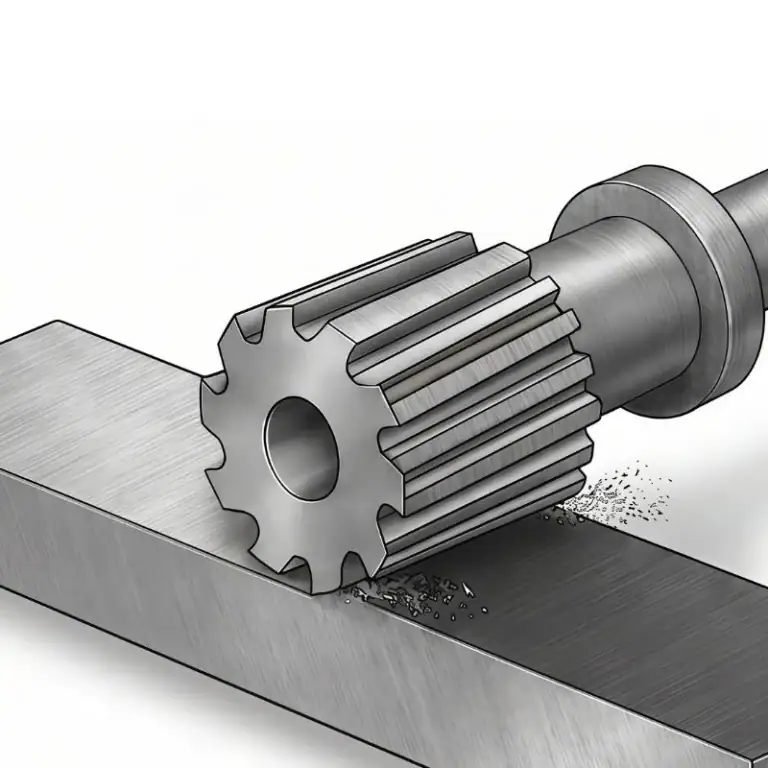
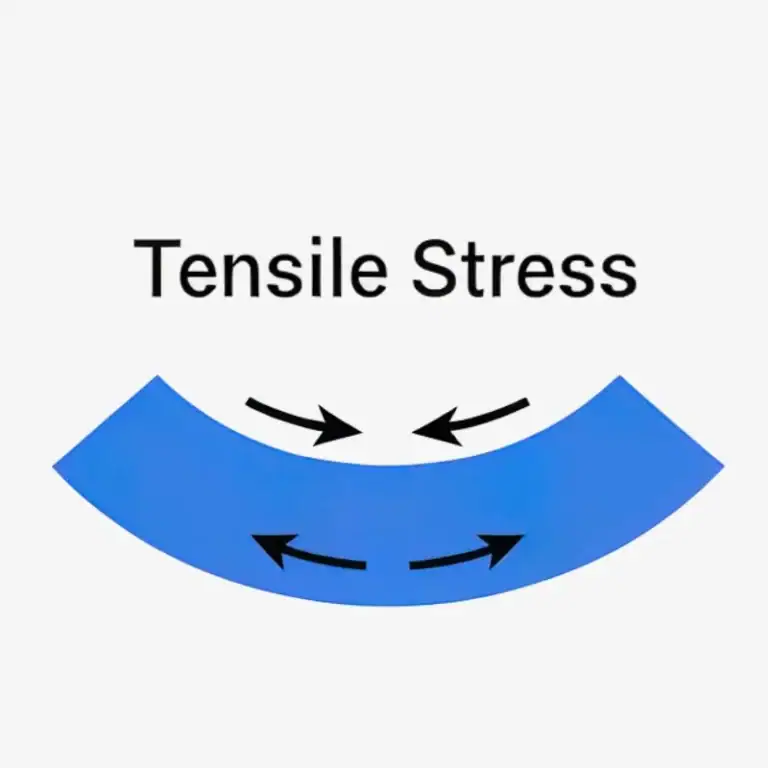
In CNC milling, chatter is one of the most common issues affecting machining quality and production efficiency. When abnormal vibration occurs during the cutting process, it can not only leave visible tool marks on the workpiece surface but also cause dimensional inaccuracies, accelerated tool wear, and even tool breakage. This issue is particularly critical in industries such as aerospace, automotive components, medical devices, and precision equipment manufacturing, where machining accuracy requirements are extremely high. To achieve stable machining performance, it is essential to optimize multiple factors, including tooling, cutting parameters, workholding, and machine conditions, in order to effectively reduce vibration risks and improve overall machining quality.
Choosing the Right Tool Is the First Step to Preventing Chatter
The cutting tool is directly involved in the machining process, and both its performance and installation condition affect machining stability. If the tool lacks rigidity, is excessively worn, or is improperly installed, vibration is more likely to occur. Therefore, tool selection, clamping conditions, and tool condition should be checked first, and chatter can often be reduced through proper tool configuration.
Reduce Tool Overhang Length
The longer the tool extends from the holder, the lower its rigidity and the more likely it is to vibrate during machining. This issue is especially noticeable in deep cavity machining or when using long, slender tools. Whenever possible, tool overhang should be minimized while still meeting machining requirements to improve stability.
- Why Longer Tools Are More Prone to Vibration
The longer the tool overhang, the lower the overall rigidity of the tool assembly. Under high-speed rotation and continuous cutting forces, longer tools are more susceptible to runout and elastic deformation. When subjected to periodic cutting loads, these small deformations can become amplified, leading to vibration. This is particularly evident in deep cavity machining, narrow slot machining, and high-wall component machining, where the tool must reach deeper areas. If vibration persists, it can negatively affect surface finish and may accelerate tool wear or even cause tool breakage.
- How to Control Tool Overhang
To improve machining stability, shorter tools should be selected whenever machining depth and part geometry allow, and unnecessary extension should be minimized. In actual production, short-flute tools with longer shanks or step-by-step machining strategies can be used to avoid relying on excessively long tools for the entire process. In addition, machining sequences should be planned according to part geometry to minimize the effective overhang when entering deep cavities. By increasing tool rigidity and stability, chatter risks can be significantly reduced while improving machining accuracy and surface quality.
Choose Tools with Higher Rigidity
Solid carbide tools offer greater rigidity and can effectively reduce vibration during high-speed cutting and precision machining. For specialized applications, tools with vibration-damping designs can also be selected to improve stability.
- Prioritize Solid Carbide Tools: Solid carbide tools provide excellent rigidity and wear resistance, making them suitable for high-precision machining while reducing chatter risks without sacrificing cutting efficiency.
- Match the Tool to the Material: When machining difficult materials such as stainless steel and titanium alloys, specially designed high-performance tools should be selected to achieve more stable cutting performance and longer tool life.
Choosing the right tool material and geometry not only helps reduce chatter but also improves machining quality and production efficiency.
Pay Attention to Tool Balance
Dynamic balancing is critical during high-speed machining. If there is any imbalance in the tool or tool holder, vibration can occur at high spindle speeds, affecting machining accuracy and tool life. Therefore, the condition of the tooling system should be checked before machining, and dynamically balanced tools and holders should be used when necessary. Problems caused by insufficient dynamic balance include:
- Even if the tool material and manufacturing accuracy are excellent, inadequate dynamic balance can still cause vibration during high-speed rotation.
- The higher the spindle speed, the more pronounced the effects of even minor imbalances become, reducing machining stability.
- Continuous vibration accelerates tool wear and shortens tool life.
- Surface defects such as tool marks and waviness can appear on the workpiece, affecting final machining quality.
- In severe cases, spindle loads may increase, negatively impacting machine accuracy and equipment lifespan.
Proper tool selection can reduce the likelihood of chatter at its source and create stable conditions for subsequent machining.
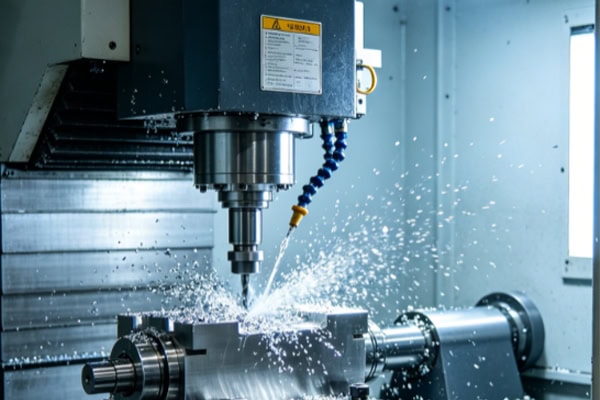
Optimizing Cutting Parameters Can Significantly Reduce Vibration
Many chatter issues are not caused by the machine itself but by improper parameter settings. In actual machining operations, even when the machine tool has high accuracy and the cutting tool is reliable, chatter can still occur if the cutting parameters do not match the material properties, tool specifications, or machining method. By scientifically adjusting spindle speed, feed rate, cutting depth, and cutting width, vibration during the cutting process can be effectively reduced, improving machining stability and surface quality.
Properly Adjust Spindle Speed
Spindle speed directly affects cutting frequency, which is closely related to vibration.
- Avoid Resonance Zones: Every machine tool and tool combination has a specific resonance frequency. When the spindle speed approaches this frequency, vibration increases significantly. In actual production, trial cuts can be used to identify a more stable speed range.
- Adjust Speed According to Material: Materials such as aluminum alloys, stainless steel, and titanium alloys require different spindle speeds. Setting appropriate speeds for different materials can effectively reduce the likelihood of chatter.
By properly adjusting spindle speed, manufacturers can not only reduce chatter but also improve machining efficiency and surface finish quality.
Control Cutting Depth and Cutting Width
The greater the cutting load, the greater the force acting on the tool. Therefore, controlling cutting depth and cutting width is essential.
- Reduce Cutting Depth Appropriately
When the cutting depth is too large, the tool must withstand higher cutting forces, making it more susceptible to elastic deformation and vibration. Reducing the cutting depth appropriately can effectively decrease tool load and improve machining stability.
- Control Cutting Width
Excessive radial cutting width can also increase cutting resistance and raise the risk of chatter. Especially during finishing operations, using a smaller cutting width often results in a smoother and more stable cutting process.
Adjust According to the Machining Stage
During rough machining, cutting volume can be increased appropriately to maintain efficiency. During finishing, however, machining stability and surface quality should take priority. Proper adjustment of cutting depth and width can help minimize vibration.Proper control of cutting depth and cutting width helps reduce chatter while improving machining accuracy, surface quality, and tool life.
Optimize Feed Rate
Optimizing feed rate is another important method for reducing chatter. Many operators immediately reduce the feed rate when chatter occurs, but if the feed rate is too low, the tool may rub against the workpiece instead of cutting effectively, which can actually worsen vibration. In practice, feed rates should be adjusted and tested in combination with spindle speed, tool specifications, and material characteristics to find a more stable cutting condition, thereby improving machining quality and reducing the risk of chatter.
Layered Machining Is More Stable Than Single-Pass Heavy Cutting
For deep slots, deep cavities, and large-part machining, multiple layered cuts are generally more stable than a single heavy cut. Removing material layer by layer effectively reduces the cutting load of each pass and minimizes fluctuations in tool forces, thereby lowering the likelihood of chatter. At the same time, properly matching spindle speed, feed rate, and cutting depth not only improves machining stability but also extends tool life, increases overall machining efficiency, and enhances workpiece quality.
Improving Workpiece Clamping Rigidity Should Not Be Overlooked
Even if the tool and cutting parameters are properly selected, chatter can still occur if the workpiece is not securely fixed. This is especially true when machining thin-walled parts, long workpieces, and large components, where the clamping method often determines the final machining quality.
Ensure Sufficient Clamping Force
The workpiece must remain stable throughout the cutting process. If it shifts or vibrates under cutting forces, dimensional accuracy may be affected, and tool marks or chatter may occur. Therefore, before machining begins, ensure that fixtures and locating devices provide sufficient clamping force to keep the workpiece securely fixed and prevent quality issues caused by looseness.
- Prevent Minor Workpiece Movement: Many dimensional errors are not caused by programming issues but by subtle workpiece movement during machining that is difficult to detect with the naked eye.
- Avoid Insufficient Clamping Force: Poor clamping allows the workpiece to vibrate under cutting forces, negatively affecting dimensional accuracy and surface finish.
By ensuring that the workpiece remains stable throughout the machining process, manufacturers can effectively reduce chatter and achieve higher machining accuracy and surface quality.
Add Auxiliary Support
For parts with special structures, fixtures alone may not be sufficient to meet machining requirements. Adding auxiliary support can improve workpiece rigidity, reduce vibration during cutting, and enhance machining accuracy and surface finish.
- Long Workpieces: Support blocks, support pins, or auxiliary fixtures can be added to improve overall rigidity.
- Large Workpieces: Multiple clamping points should be arranged properly to avoid uneven force distribution.
By adding auxiliary support, overall workpiece stability can be significantly improved, reducing vibration caused by insufficient rigidity during machining.
Minimize Unsupported Areas
When unsupported areas are too large, the workpiece is more likely to experience elastic deformation and vibration under cutting forces. This is particularly noticeable when machining long parts, thin-walled components, or edge regions. Therefore, during fixture design and process planning, the unsupported length should be minimized, and the cutting area should be positioned as close as possible to the clamping location to improve overall rigidity and machining stability, thereby reducing the risk of chatter.
Pay Special Attention to Thin-Walled Parts
Thin-walled components have relatively low rigidity due to their small wall thickness, making them more susceptible to cutting forces. As a result, they are among the most common workpieces to experience chatter and deformation.
- Leave Sufficient Finishing Allowance
Retain an appropriate amount of material during rough machining and perform finishing operations after internal stresses have been released.
- Use Symmetrical Machining Methods
Removing material evenly helps reduce vibration risks caused by localized stress concentration.
A stable and reliable clamping solution not only reduces chatter but also improves dimensional consistency and repeatability.
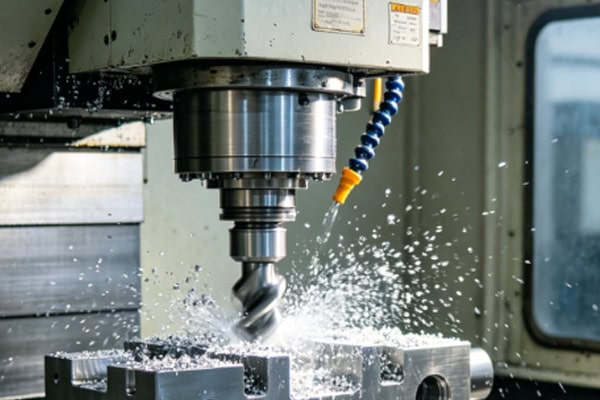
Machine Condition and Machining Strategy Are Equally Important
In addition to tools, parameters, and clamping methods, the operating condition of the machine tool and the planning of machining paths also affect chatter. Many persistent vibration problems are ultimately related to equipment maintenance or machining strategies.
Regularly Inspect Machine Condition
Machine condition directly affects machining stability and final part quality. Therefore, regular inspection and maintenance are important measures for reducing chatter.
Spindle System Inspection
The operating condition of key machine components such as the spindle, guideways, and ball screws directly affects machining stability. If spindle bearings are worn, dynamic balance is abnormal, or guideways and ball screws develop backlash due to long-term use, machine rigidity may decrease and vibration may increase. This can negatively affect machining accuracy, surface quality, and equipment lifespan. Regular inspection and maintenance should be carried out to address wear or abnormalities promptly and ensure the machine remains in optimal operating condition.
Optimize Toolpath Planning
Proper toolpath planning can reduce sudden impacts and load fluctuations during cutting, resulting in a smoother machining process, lower vibration risk, and improved machining quality.
- Avoid Sharp Turns: Sudden changes in tool direction generate significant instantaneous loads.
- Use Smooth Transition Paths: Continuous and stable tool movements are more conducive to achieving high machining quality.
By optimizing toolpath planning, cutting impacts and vibration can be effectively reduced, improving machining stability and surface finish quality.
Climb Milling Is Generally More Stable
In many CNC milling applications, climb milling provides more stable cutting conditions. Its main advantages include:
- Lower Cutting Impact: The tool engages the workpiece more smoothly, helping reduce the likelihood of vibration.
- Better Surface Finish: A more stable cutting process minimizes tool marks and surface defects.
- Longer Tool Life: Reduced impact loads help decrease tool wear.
Compared with conventional milling, climb milling generally provides a smoother cutting process and contributes positively to reducing chatter and improving machining quality.
Apply High-Speed Machining Technology Appropriately
With the advancement of modern CNC technology, high-speed machining has become an important method for improving machining quality.
- Reduce Cutting Load Fluctuations: Maintaining stable cutting conditions minimizes vibration caused by changes in cutting forces.
- Improve Machining Continuity: Smooth tool movements help reduce impact loads and minimize chatter.
- Increase Machining Efficiency: Material removal rates and production efficiency can be improved while maintaining machining quality.
In the long run, machine maintenance and process optimization are often more effective than simply adjusting a single parameter when it comes to continuously reducing chatter.
Conclusion
Chatter in CNC milling is typically not caused by a single factor but results from the combined effects of tooling, cutting parameters, workpiece clamping, and machine condition. Only through systematic optimization across multiple aspects can vibration be effectively reduced while improving surface finish quality and dimensional accuracy. For high-precision industries such as aerospace, medical devices, and automotive components, stable and reliable machining processes are particularly important. Tirapid specializes in high-precision CNC milling and precision component manufacturing, providing professional and efficient custom machining solutions for customers worldwide and helping projects achieve higher quality standards.