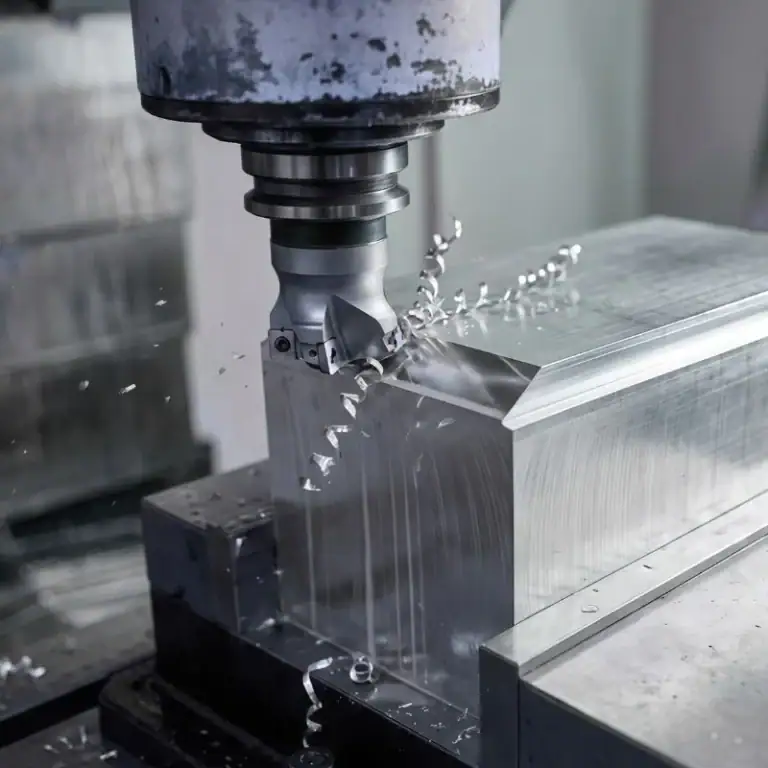
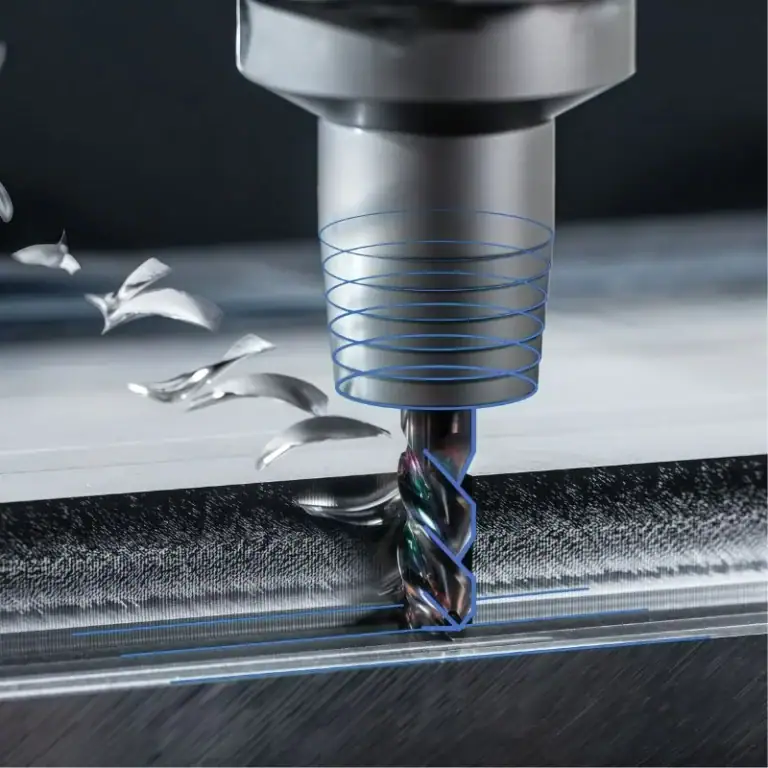
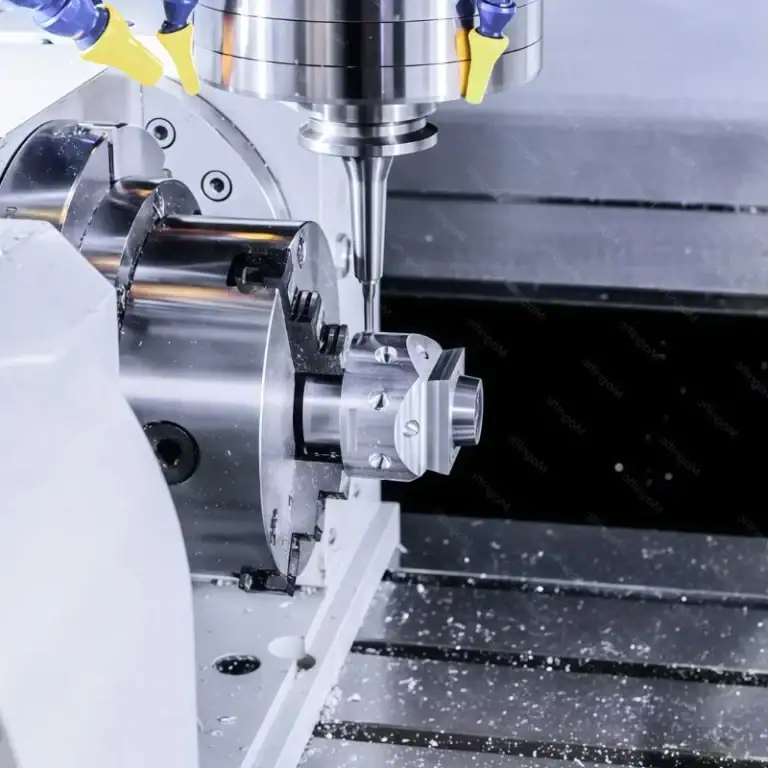
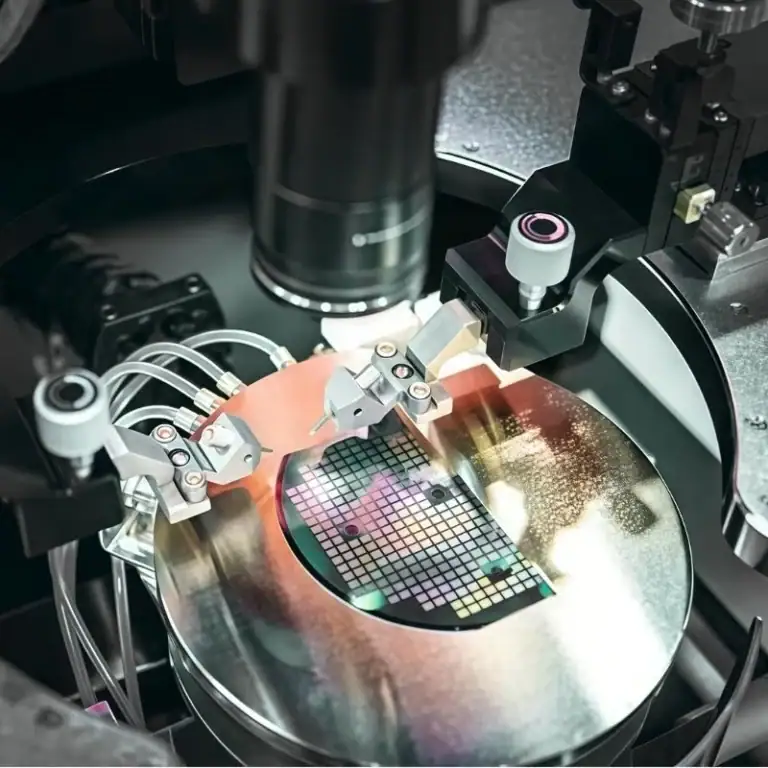
During CNC machining, plastic materials are subjected to cutting forces, cutting heat, and clamping stress, which can generate or release residual internal stresses. If these stresses are not effectively controlled, parts may experience dimensional changes, warping, cracking, or even reduced service life during subsequent machining, assembly, or long-term use. To improve machining quality and dimensional stability, many engineering plastics undergo an additional annealing process. Annealing is a heat treatment method that gradually relieves internal stress by controlling the heating temperature, holding time, and cooling rate.
What Is Plastic Annealing? Why Is Annealing Needed in CNC Machining?
Although plastic annealing is not as complex as metal heat treatment, it is a highly important process in precision plastic machining. The purpose of annealing is not to increase material hardness, but rather to reduce residual internal stress so that parts remain more stable during subsequent machining and service.
Basic Concept of Plastic Annealing
Annealing refers to the process of slowly heating a plastic material to a specified temperature, maintaining that temperature for a certain period, and then cooling it gradually at a controlled rate to relieve internal stress. Annealing does not change the material’s basic chemical composition, nor does it remelt the plastic. Instead, it allows the molecular chains to gradually return to a more stable arrangement.
Plastic annealing provides the following primary benefits:
- Relieves internal stress
- Improves dimensional stability
- Reduces the risk of deformation
- Minimizes the possibility of cracking
In the machining of high-precision components, annealing has become an important quality control process for many manufacturers, especially in the aerospace, medical, electronics, and semiconductor industries, where dimensional stability requirements are particularly stringent.
Which Plastics Are Suitable for Annealing?
Not all plastics require annealing, and different materials have different requirements for the process. For ordinary structural components with relatively low precision requirements, machining without annealing is often sufficient. However, for precision parts, annealing should be planned according to the characteristics of the material.
Common materials that are suitable for annealing include:
- PEEK (Polyether Ether Ketone)
- PA (Nylon)
- PC (Polycarbonate)
- PMMA (Acrylic)
- PET (Polyester)
- POM (Polyoxymethylene/Acetal)
These materials are prone to dimensional changes caused by cutting heat or internal stress during machining. Annealing further improves product stability, making it especially suitable for precision components and products intended for long-term use.
What Improvements Can Annealing Bring?
Annealing is not simply intended to make plastics “more heat resistant.” Its primary purpose is to gradually release the internal stresses accumulated during machining. Many parts appear dimensionally accurate immediately after machining, but may develop slight shrinkage, warping, or hole misalignment over time. These issues are often related to internal stress. After annealing, the material reaches a more stable internal condition, allowing the part to perform more reliably during assembly, transportation, and long-term service.
After incorporating an annealing process, manufacturers often find that product dimensions become more stable and machining yield improves. This is especially true for plastic parts with uneven wall thicknesses, complex geometries, or high precision requirements. Without annealing after rough machining, dimensional springback or localized deformation can easily occur during subsequent operations. Annealing allows the material to gradually reach equilibrium through controlled heating and slow cooling, making dimensions easier to control during finish machining and better preparing the part for assembly.
Annealed plastic components typically exhibit the following characteristics:
- Reduced dimensional changes
- Less warping and distortion
- Lower risk of stress cracking
- More stable subsequent machining
Although these improvements may appear subtle, they are highly significant in precision manufacturing. Reduced dimensional variation means that parts maintain their accuracy even after prolonged storage. Lower warpage allows flat and thin-walled components to remain straighter. Reduced stress cracking improves reliability under mechanical load and elevated temperatures. Greater machining stability also makes drilling, milling, and tapping easier to control. In mass production, these improvements are directly reflected in higher yields and more consistent product quality.Many high-precision components follow a “rough machining → annealing → finish machining” process. This allows most of the internal stress to be released before the final machining operation, enabling more accurate dimensional control. Although this adds an additional manufacturing step, it often reduces scrap and rework, ultimately lowering production costs.
How Is Plastic Annealing Performed?
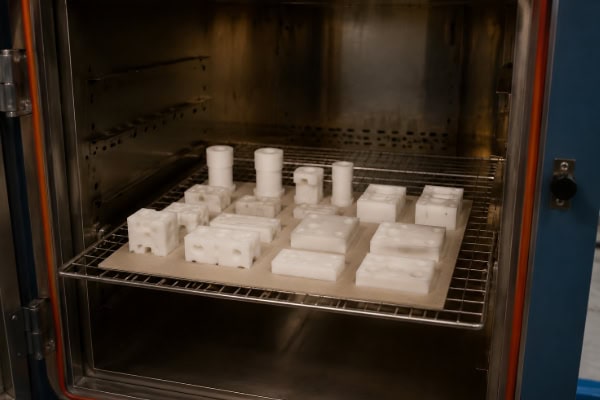
Annealing is not simply a matter of placing plastic parts into an oven for heating. It is a carefully controlled process that requires precise control of temperature, holding time, and cooling rate. Different materials have different annealing temperature ranges, so an appropriate process must be established based on the material properties before implementation. Only with proper process control can annealing achieve its intended results.
Determine the Material and Annealing Temperature
Before annealing, the material grade must be identified because different plastics have different heat resistance characteristics. Selecting the wrong material or using an incorrect temperature will significantly reduce the effectiveness of annealing and may even cause softening, deformation, or scrapping of the part.Engineering plastics vary considerably. Some require relatively low-temperature annealing, while others require much higher temperatures to relieve internal stress. Therefore, before annealing begins, the material source, grade, and supplier-recommended processing parameters should all be verified. Only after confirming the material information can an appropriate annealing process be established.
For example:
PA (Nylon): approximately 80°C–120°C
PC: approximately 120°C
POM: approximately 120°C
PEEK: above 200°C
The actual annealing temperature should always follow the recommendations provided by the material supplier to avoid affecting material performance due to excessive temperatures. Different production batches and material formulations may exhibit different heat resistance characteristics, so process parameters should never be based solely on experience. For moisture-sensitive materials, drying and annealing procedures should also be properly coordinated to prevent moisture from affecting surface quality during heating. The more accurate the temperature control, the better the dimensional stability after annealing, and the less likely the part is to change over time.Only by selecting the proper annealing temperature can internal stresses be effectively relieved while preventing deformation or degradation caused by overheating. Temperatures that are too low fail to release sufficient stress, while excessively high temperatures may cause surface tackiness, edge collapse, or deterioration of mechanical properties. Therefore, higher temperatures are not necessarily better. The correct approach is to identify the optimal temperature range permitted by the material and adjust it according to part thickness, geometry, and application requirements.
Control the Holding Time
Once the specified temperature is reached, it must be maintained for a sufficient period to allow heat to distribute evenly throughout the material. Many people mistakenly believe that annealing is complete as soon as the target temperature is reached. In reality, the holding stage is where stress relief actually occurs. Only when both the surface and the interior of the part reach a relatively uniform thermal condition can the polymer chains gradually rearrange and relieve internal stress. If the holding time is too short, the surface may reach the required temperature while the interior remains largely unchanged, resulting in incomplete stress relief.
Holding time is typically influenced by the following factors:
- Material type
- Material thickness
- Part size
- Product geometry
Thicker parts generally require longer holding times to ensure uniform heating throughout the entire component. Large parts or those with varying wall thicknesses transfer heat more slowly and therefore require extended holding periods. Conversely, although thin-walled components heat up quickly, they are also more susceptible to deformation caused by temperature fluctuations and therefore require equally careful control. Since different part geometries absorb heat differently, holding time must always be adjusted according to actual conditions.If the holding time is too short, internal stress cannot be fully relieved. If it is too long, production cycles become longer and certain materials may experience degradation. Insufficient holding time may cause parts to appear normal immediately after annealing, only to exhibit dimensional springback later. Excessive holding time reduces production efficiency and may increase the risk of material aging. Therefore, holding time should balance effectiveness with production efficiency.
Cool Slowly to Prevent New Internal Stress
The cooling stage is equally important after annealing. Many annealing failures are not caused by insufficient heating, but by excessively rapid cooling, which effectively locks new internal stresses back into the material. Plastics become relatively soft at elevated temperatures. If exposed suddenly to a much colder environment, the surface and interior cool at different rates, creating new thermal stresses that may result in warping, cracking, or dimensional deviation. Therefore, the cooling process must be gradual and carefully controlled.
Common cooling methods include:Natural cooling inside the oven、Stepwise cooling、Slow controlled cooling、Avoid removing the parts directly for rapid cooling.
Natural cooling is suitable for most standard components because it allows the material to gradually return to room temperature in a stable environment. Stepwise cooling is more suitable for products requiring extremely high dimensional stability, as the temperature is reduced gradually in several stages. Slow cooling minimizes thermal shock and is particularly beneficial for thick-walled or high-precision components. Regardless of the cooling method used, the primary objective is to ensure that the internal temperature changes as gradually as possible, thereby minimizing the formation of new deformation caused by temperature differences.If the material is exposed too quickly to cold air, new thermal stresses may form inside the part, reducing the effectiveness of annealing. Many components appear normal immediately after annealing but develop slight deformation hours or days later because of improper cooling. This situation is especially common in precision machining. Therefore, the cooling stage should never be overlooked. When necessary, support trays, insulated chambers, or programmable temperature-controlled equipment should be used to provide a stable cooling environment.
What Are the Technical Considerations During Plastic Annealing?
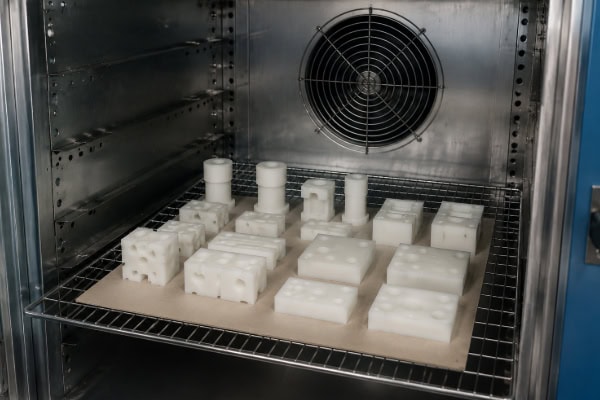
The effectiveness of annealing depends not only on temperature control but also on equipment, part placement, and process management. Standardized operating procedures improve consistency and reduce quality variations between production batches. Even when using the same material and temperature, different equipment conditions or part placement methods can produce significantly different results.
Avoid Excessive Temperatures
Many people believe that higher temperatures always produce better annealing results, but this is not the case. Unlike metals, plastics are highly sensitive to temperature. Exceeding the recommended range not only fails to improve stress relief but may also damage the material structure. Transparent components, thin-walled parts, and precision components are especially sensitive to excessive heat.If the temperature exceeds the material’s allowable range, the following issues may occur:
- Material softening
- Part deformation
- Surface bubbling
- Reduced material performance
Once these problems occur, they often directly affect both the appearance and functional performance of the part. Softened materials may develop impressions from supporting trays, deformation may cause hole misalignment and dimensional errors, surface bubbling affects cosmetic quality, and reduced material performance may only become apparent during service. Therefore, annealing temperatures should always remain within the recommended range and be monitored using reliable temperature-control equipment.Ideally, the equipment should include temperature recording and alarm functions to ensure any abnormalities can be detected promptly. For mass production, stable temperature control is more important than using higher temperatures because it ensures consistent quality across different production batches and facilitates standardized manufacturing.
Position Parts Properly
The way parts are positioned also influences annealing effectiveness. At elevated temperatures, plastic components become softer. Improper placement may cause parts to press against each other, experience uneven loading, or receive inadequate support, resulting in new deformation during annealing. Plates, long components, and thin-walled parts are particularly sensitive to support conditions.
Typical recommendations include:
- Lay parts flat with adequate support
- Avoid stacking parts
- Maintain proper spacing
- Use heat-resistant trays
These practices ensure even heat distribution, minimize localized stress, and reduce the risk of deformation during annealing. Flat support promotes uniform heating, avoiding unsupported areas. Preventing stacking protects parts from mutual compression. Proper spacing allows hot air to circulate freely, ensuring uniform heating. Heat-resistant trays provide stable support and minimize deformation caused by tray distortion at elevated temperatures. Although placement appears simple, it has a direct impact on flatness and dimensional consistency after annealing.For large sheet materials, additional support points should be added to prevent sagging at elevated temperatures. Since large flat components can bend under their own weight when heated, increasing support points, optimizing tray design, and limiting parts to a single layer are all effective methods of improving annealing quality.
Perform Finish Machining After Annealing
The purpose of this process is to remove most of the machining allowance during rough machining, relieve internal stress through annealing, and then achieve final dimensions through finish machining. This approach is especially common for components requiring high hole accuracy, precision mating surfaces, or complex assemblies. If the part is fully machined in a single operation, residual internal stress may gradually be released during service, causing dimensional drift and affecting assembly quality.
A typical process sequence is:
- Rough machining
- Annealing
- Finish machining
- Final inspection
This process effectively relieves the internal stress generated during rough machining before final machining ensures dimensional accuracy. As a result, it is widely used in the manufacture of precision plastic components. Rough machining removes most of the excess material but also introduces new internal stress. Annealing gradually relieves these stresses, while finish machining corrects dimensions based on the stabilized material condition. This approach improves accuracy and minimizes the risk of future deformation. For components with extremely demanding requirements, manufacturers may even allow parts to stabilize after annealing before beginning finish machining. Although this increases the number of production steps, it significantly reduces scrap and rework.
How Can Machining Quality Be Further Improved After Plastic Annealing?
Annealing is only one part of achieving high-quality machining results. Stable product quality also depends on proper control throughout the entire manufacturing process. From material management to final inspection, every step influences the final outcome. Even a perfectly executed annealing process cannot compensate for poor material selection, improper machining allowances, or inadequate inspection procedures.
Integrate Annealing into the Overall Machining Process
Annealing should be incorporated into the manufacturing process during product planning rather than added only after deformation occurs. Material properties, wall thickness distribution, assembly requirements, and subsequent machining operations should all be considered during the design stage. Adding annealing after dimensional instability has already appeared often affects delivery schedules and increases production costs. Proper planning allows rough machining, annealing, and finish machining to work together efficiently.
A well-planned machining process reduces rework, improves productivity, and helps control overall manufacturing costs. Some components benefit from leaving additional machining allowance before annealing and performing finish machining afterward, while others require support methods and fixture design to be considered before machining to minimize stress concentration. Including these factors in the initial process plan reduces trial-and-error and results in more stable production.
Strengthen Dimensional Inspection
After annealing, critical dimensions should be inspected promptly. Many parts show no obvious visual changes after annealing, yet their internal condition has changed and slight dimensional variations may have occurred. Without timely inspection, unstable components may proceed to the next manufacturing stage, where problems become much more difficult to correct during assembly.
Common inspection equipment includes:
- Vernier calipers
- Micrometers
- Coordinate Measuring Machines (CMMs)
- Height gauges
After dimensional stability has been verified, the component can proceed to the next machining operation with greater confidence, improving overall product consistency. For key features such as hole spacing, flatness, perpendicularity, and concentricity, clearly defined inspection standards should be established and measurement data recorded for every production batch. This not only identifies abnormalities quickly but also helps process engineers evaluate the consistency of the annealing process.
Establish Standardized Annealing Parameters
To ensure consistent quality across different production batches, manufacturers typically establish standardized annealing procedures that include:
- Temperature range
- Holding time
- Cooling method
- Inspection standards
Once standardized procedures have been established, machining stability improves, quality traceability becomes easier, and future process optimization becomes more efficient. The value of standardized procedures lies in transforming accumulated experience into repeatable operating practices, allowing different operators to achieve consistent results under identical conditions. As production volumes increase, standardized parameters also reduce setup time and improve manufacturing efficiency.Standardization does not mean that parameters should remain permanently unchanged. Process parameters should be adjusted as needed to accommodate changes in material batches, equipment conditions, or product structures. By maintaining complete production records, manufacturers can continuously improve the annealing process and accumulate valuable manufacturing experience.
Frequently Asked Questions
Do all plastic parts require annealing?
Not all plastic components require annealing. If a product has relatively low dimensional accuracy requirements, a simple structure, and operates under normal service conditions, it can often be machined directly without annealing. However, for components requiring high dimensional accuracy, thick wall sections, complex geometries, or long-term dimensional stability, annealing can significantly reduce residual stress while improving dimensional stability and service life. Whether annealing is necessary should be evaluated based on the material type, product geometry, tolerance requirements, and actual application conditions. An experienced machining engineer should determine the most appropriate manufacturing process.
Conclusion
Plastic annealing is an essential auxiliary process in CNC machining. It effectively relieves residual internal stress, improves dimensional stability, and reduces the risk of machining deformation and cracking. For engineering plastics such as PEEK, nylon, PC, POM, PET, and PMMA, properly incorporating an annealing process makes subsequent finish machining more stable while improving long-term product reliability. In actual production, annealing effectiveness depends not only on temperature settings but also on holding time, cooling rate, part placement, and the overall machining process. By establishing standardized annealing procedures and combining them with scientific dimensional inspection and finish machining processes, manufacturers can further improve product quality, reduce rework, and increase production efficiency.