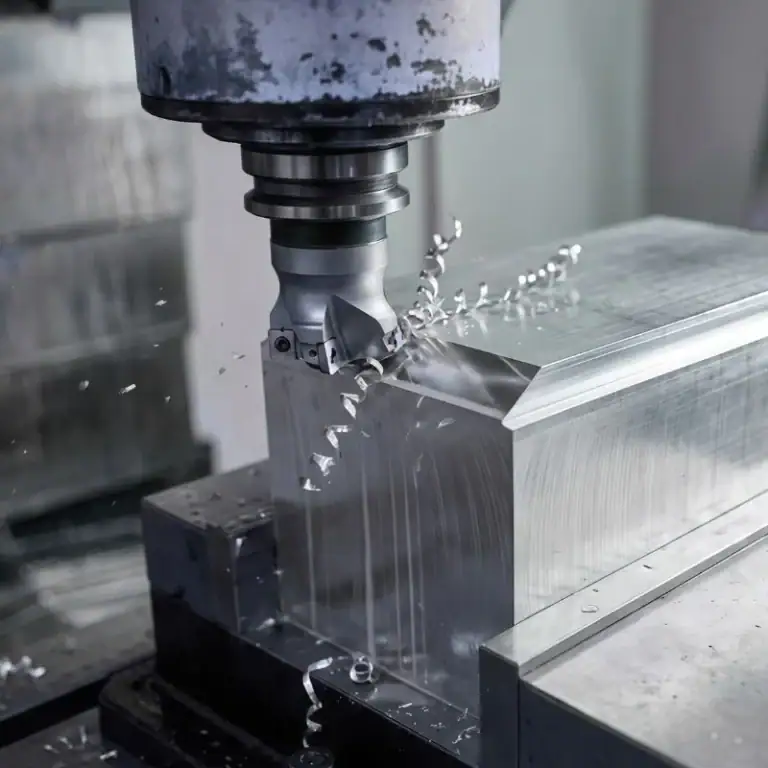
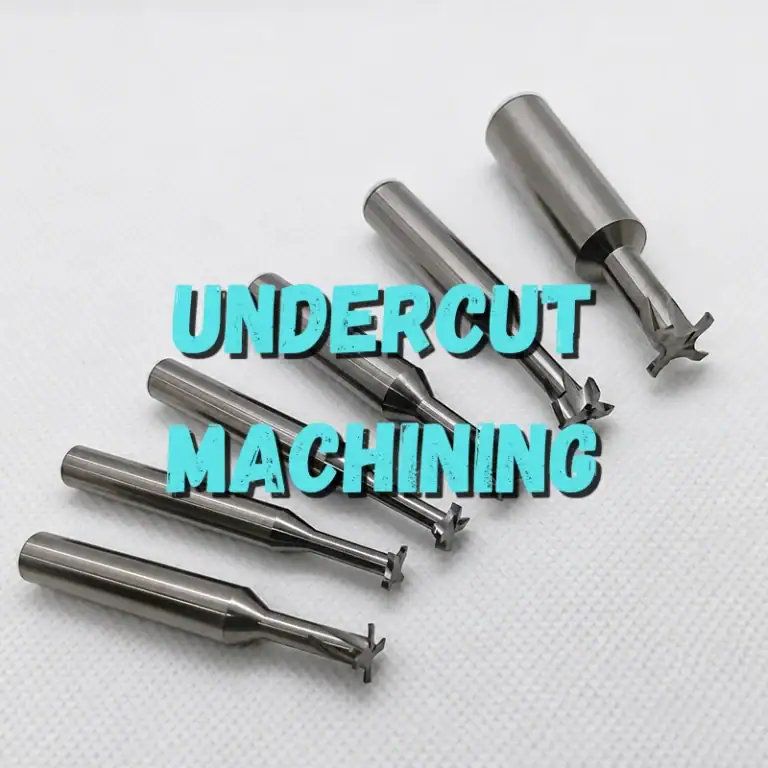
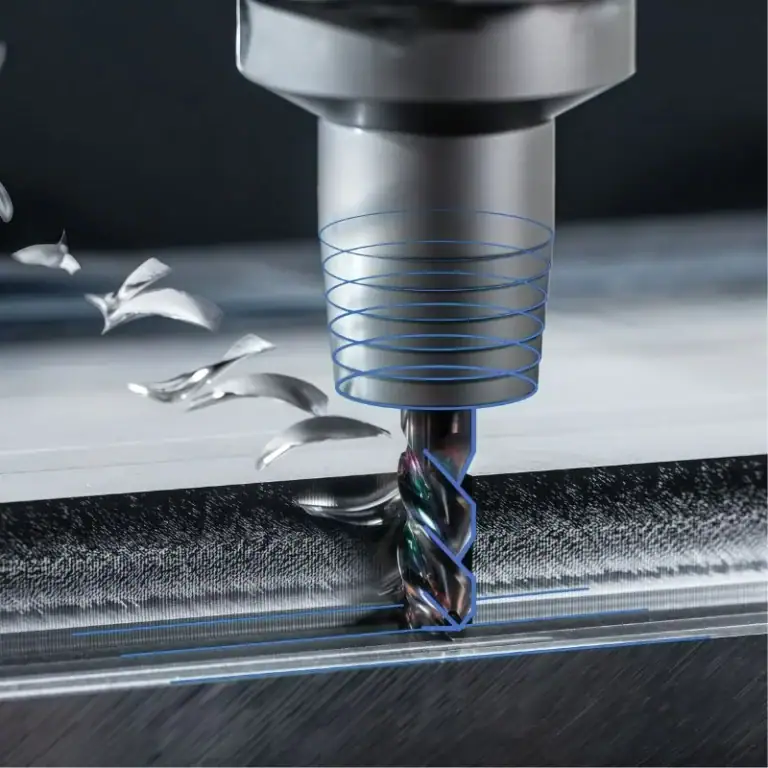
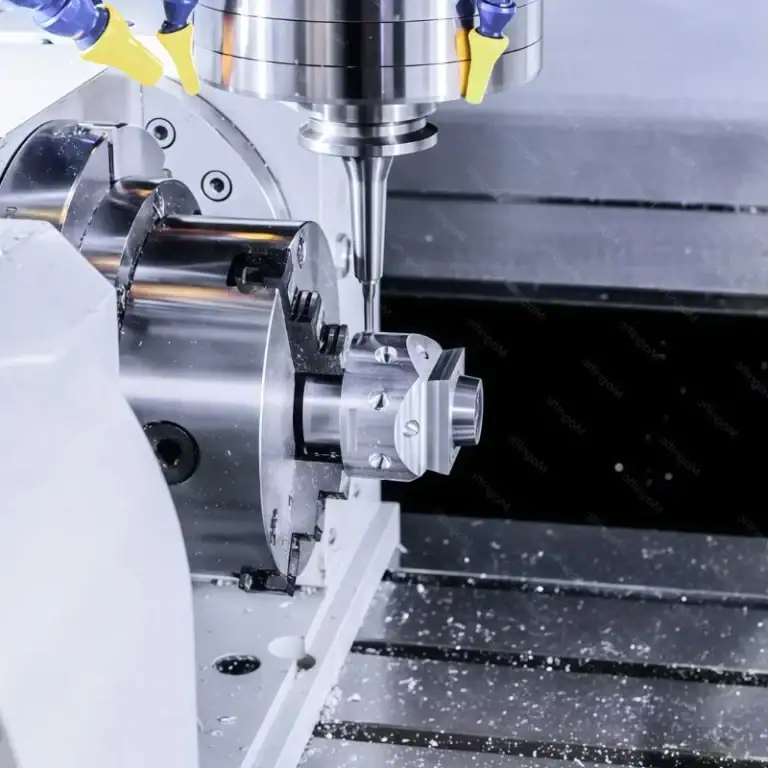
In precision manufacturing systems, surface roughness directly affects a part’s fit accuracy, motion performance, and service life. This is especially true in aerospace, medical devices, automotive components, and high-end mold manufacturing, where customers are placing increasingly strict demands on surface quality. Even minor surface defects may be magnified during assembly, friction, sealing, or visual inspection, ultimately affecting the delivery results of an entire batch of products. As one of the core processes in modern CNC machining, CNC milling can effectively improve the surface condition of a workpiece through high-precision toolpath control and stable cutting capability. However, in actual production, surface roughness is still influenced by many factors, including tool condition, machining parameters, material properties, and machine stability. To achieve an ideal surface finish, optimization and control must be carried out at a system level rather than relying on the adjustment of a single parameter.
Key Factors Affecting Surface Roughness in CNC Milling
Surface roughness is not caused by a single factor, but is the result of the combined effect of the tool, parameters, and material. Therefore, when analyzing the problem, the machining process must be viewed as a complete chain rather than focusing only on the final surface result.
The Impact of Tool Condition on Surface Quality
As the core component directly involved in cutting, the sharpness and structural condition of the tool directly determine the final appearance of the machined surface. During CNC milling, tool wear increases cutting force, and the cutting mode gradually changes from “cutting” to “extruding” and “tearing,” which can create obvious tool marks on the workpiece surface and even cause burrs, scratches, and localized whitening.
- Improving cutting edge sharpness can reduce material tearing, because a sharper edge can enter the material surface more smoothly, reducing extrusion and dragging on the workpiece surface and making the surface texture more uniform and refined.
- Tool wear can cause waviness and burrs on the surface, especially during long continuous machining or when processing harder materials, as worn tools are more likely to leave irregular marks on the surface.
- Proper tool life management helps stabilize machining quality. Through regular inspection, timely replacement, and batch usage of tools, surface quality inconsistencies caused by fluctuations in tool condition can be avoided.
A stable tool condition allows the cutting process to become smoother, reducing roughness fluctuations at the source and lowering the cost of rework and surface finishing.
The Impact of Machining Parameters on Surface Roughness
Spindle speed, feed rate, and cutting depth are important parameter combinations that determine surface quality. Improper parameter settings often directly damage the machined surface structure and may even turn a finish operation that could have been completed in one pass into a process requiring secondary finishing.
- Too low a spindle speed can easily produce visible tool marks, because the number of cutting actions per unit time is insufficient, making the remaining peaks and valleys on the surface more pronounced in both appearance and touch.
- Too high a feed rate can lead to surface tearing and vibration. When the tool cannot remove material stably in time, discontinuous cutting, surface smearing, and localized chatter marks are likely to occur.
- Excessive cutting depth can cause structural instability, especially in thin-walled parts, slender parts, or complex curved parts, where excessive cutting load amplifies vibration and affects final surface consistency.
Properly matching parameter combinations can significantly improve surface consistency and smoothness, while also maintaining a better balance between machining efficiency and quality.
The Impact of Material Properties on Machining Results
Different materials behave very differently during CNC milling. For example, aluminum alloys and stainless steel have completely different cutting characteristics. If material properties are ignored, it is common to encounter situations where “the parameters seem correct, but the surface result is unsatisfactory.”
- High-toughness materials are more prone to built-up edge formation, because the material tends to adhere to the cutting edge during machining, affecting cutting continuity and damaging surface flatness.
- Hard materials are more sensitive to tool wear. Although such materials are well suited for high-precision machining, if the tool selection is inappropriate, surface roughness will deteriorate rapidly.
- Material thermal conductivity affects the temperature distribution during machining. Materials with poor thermal conductivity are more likely to accumulate heat locally, leading to thermal deformation, surface glossing, or more pronounced cutting marks.
Understanding material properties is the basic prerequisite for optimizing surface quality. Only by first mastering the cutting behavior of the material can the subsequent tool, parameter, and cooling strategies be more effective.
Methods to Improve Surface Roughness by Optimizing CNC Milling Processes
To truly improve surface roughness, it is not enough to adjust a single parameter. Toolpath, process, and equipment must all be optimized simultaneously, because surface quality is essentially the result of the entire machining process working together.
Optimize Cutting Path Design
Reasonable toolpath planning can reduce air cutting and abrupt turns, lower surface impact, and allow the tool to maintain a more stable load during machining. Using climb milling helps reduce surface tearing and prevents the material from being dragged backward; at the same time, reducing sudden stops and sharp turns makes the cutting trajectory smoother. This is especially important in complex contours and curved surface machining, where it is easier to achieve a continuous and consistent surface finish. Optimizing curved surface paths can also reduce tool lifting and repeated entry, lowering seam marks and local roughness fluctuations, thereby improving overall machining quality.
Control the Cutting Parameter Combination
Using a staged parameter strategy in different machining phases can effectively improve the final surface finish, because rough machining, semi-finishing, and finishing do not require the same parameters and should not use one set of parameters throughout the entire process.
- The rough machining stage focuses on efficiency and stock removal, with the main goal of quickly removing most of the material and leaving a uniform and controllable machining allowance for subsequent finishing.
- Semi-finishing is used to stabilize the transition surface condition. Its role is to further correct the tool marks and errors left by rough machining, bringing the surface into a state more suitable for finishing.
- The finishing stage focuses on surface quality. At this stage, smaller cutting depths and smoother feed rates should be used to achieve a finer surface texture.
Staged control helps balance efficiency and precision, and also prevents excessive cutting load from affecting the final roughness.
Improve Machine Tool Operating Stability
Machine rigidity and dynamic stability have a long-term impact on surface roughness. Even if the tool and parameters are set correctly, surface quality is still difficult to guarantee if the machine itself is unstable.
- A high-rigidity structure can reduce machining vibration. Especially during high-speed cutting or heavy-load cutting, the stronger the rigidity, the less likely the toolpath is to deviate.
- A stable guideway system improves motion accuracy, making each axis move more smoothly and continuously, thereby reducing surface errors caused by mechanical clearance or shaking.
- A dynamic compensation system reduces error accumulation. By correcting machining deviations in real time, it can make the surface quality of complex parts more stable and consistent.
Stable equipment is the foundation for achieving high-quality surfaces and a key prerequisite for maintaining consistency in batch production.
The Impact of Tooling and Cooling Systems on Surface Quality
In addition to cutting parameters, tool selection and cooling conditions also directly affect the final surface finish, because they determine whether the cutting process is smooth, whether temperature is controllable, and whether chips can be removed in time.
Choose the Right Tool Type
Different tool structures directly affect cutting smoothness and surface texture. Therefore, in actual machining, one should not only look at tool price or standard specifications, but should comprehensively evaluate the material, geometry, and precision requirements.
- High-precision ball end mills are suitable for curved surface machining because the ball nose structure is better suited for complex contours and can reduce step marks while maintaining continuous cutting.
- Coated tools can reduce the coefficient of friction. Coatings not only improve wear resistance but also reduce the impact of built-up edge and cutting heat on the surface.
- Specialized tools improve material compatibility. Selecting the right tool for different materials such as aluminum alloys, stainless steel, or engineering plastics often significantly improves surface quality.
Proper tool selection can significantly improve surface uniformity and make the machining process more stable, reducing quality fluctuations caused by tool mismatch.
Maintain Good Cooling and Lubrication Conditions
The cooling system affects not only temperature control but also surface quality stability. Effective cooling can reduce thermal deformation of the material and prevent dimensional drift or surface abnormalities caused by excessive local temperature rise; lubrication reduces friction between the tool and the material, minimizing scratches and built-up edge; meanwhile, stable coolant flow also improves machining consistency and prevents temperature fluctuations from affecting the surface performance of the entire part. A good cooling environment not only reduces surface defects but also helps extend tool life and improve process controllability.
Optimize Chip Evacuation
Chip accumulation affects secondary cutting and can damage the surface structure. Therefore, chip evacuation directly determines whether the surface remains clean and whether there is a risk of scratching.
- Improving chip evacuation efficiency avoids repeated cutting. If chips are not removed in time, they may be pressed back into the surface by the tool, creating obvious scratches.
- Reducing chip buildup lowers the risk of scratching. This is especially important in deep cavities, narrow slots, and complex pocket machining, where poor chip evacuation can quickly degrade surface quality.
- Optimizing tool flute geometry improves chip evacuation paths. Through proper helix angle and flute design, chips can leave the cutting zone more quickly.
Smooth chip evacuation is an important condition for maintaining a clean surface and is also a critical but often overlooked part of high-quality CNC milling.
Systematic Strategies for Improving Surface Quality in CNC Milling
If stable surface quality is to be achieved continuously in batch production, a standardized and digital machining system must be established, because success in a single run does not mean the same level can be maintained in long-term production.
Introduce CAM Intelligent Optimization Technology
Modern CAM systems can automatically optimize toolpaths and parameter combinations, making the machining process more scientific and making it easier to achieve stable surface results on complex parts.
- Automatically generate smoother machining trajectories, reducing tool impact in corners and transition areas and thereby lowering seam marks and local roughness.
- Reduce human programming errors. Especially in complex curved surfaces and multi-operation machining, automated path planning can improve consistency.
- Improve machining efficiency for complex parts while ensuring surface quality and shortening programming and setup time.
Digital programming is becoming an important means of improving quality and a key direction for enhancing competitiveness in modern manufacturing.
Establish a Standardized Machining Process
Unified process standards help ensure consistency in batch products, because only when the process is stable can the results remain stable.
- Fixed parameter ranges reduce fluctuations, making machining results across different batches and shifts more consistent and avoiding quality inconsistencies caused by differences in experience.
- A standardized tool library improves stability. By unifying tool models, specifications, and usage standards, quality variations caused by tool selection differences can be reduced.
- Standardized process management ensures that every operation has clear criteria, making it easier to trace problems and continuously improve.
Standardization is the foundation of scaled production and an important guarantee for long-term control of surface roughness.
Strengthen Process Monitoring Capabilities
Real-time monitoring of machining conditions helps identify and correct problems in time, because many surface defects are not only discovered after machining is complete, but are gradually formed during the machining process.
- Monitoring vibration helps avoid surface defects. Once abnormal vibration is detected, parameters can be adjusted or tool condition checked in time to prevent the problem from escalating.
- Controlling temperature reduces thermal effects. By monitoring cutting temperature in real time, coolant insufficiency or material overheating can be detected earlier.
- Dynamically adjusting parameters improves quality. Timely correction of feed, speed, or cutting depth based on machining conditions helps maintain surface stability.
Process control capability determines final machining stability and is also an important means of achieving high consistency in high-end manufacturing.
Conclusion
In CNC milling, surface roughness is not determined by a single factor, but by the combined effect of machine performance, tool condition, machining parameters, and process strategy. Only through systematic optimization can stable and high-quality machined surfaces be continuously achieved. For companies that require high-precision part machining, choosing a partner with mature process capabilities and advanced equipment is especially important. TiRapid has extensive experience in CNC milling and can provide customers with stable and reliable high-quality machining solutions, helping improve product competitiveness and production efficiency.