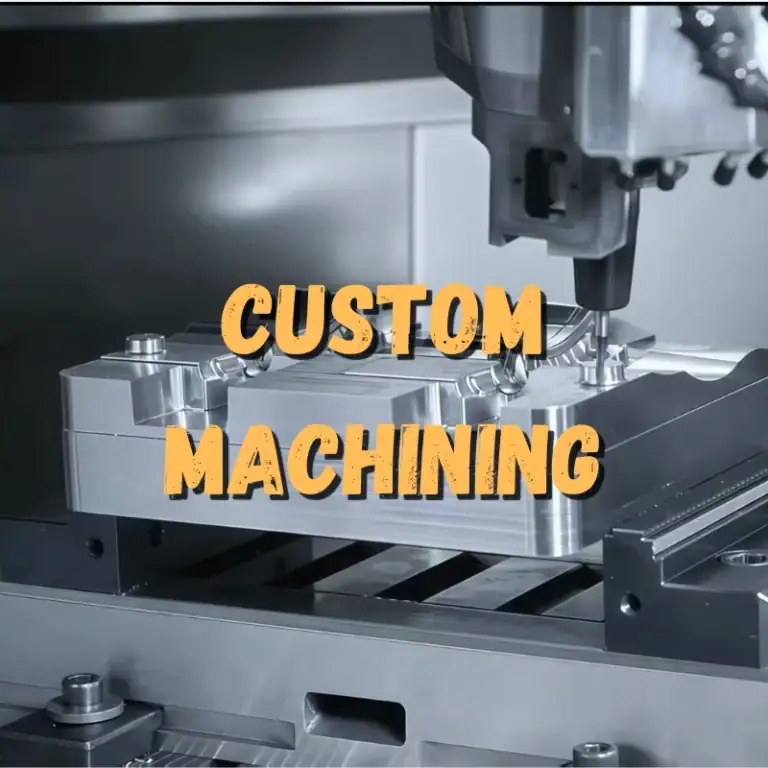
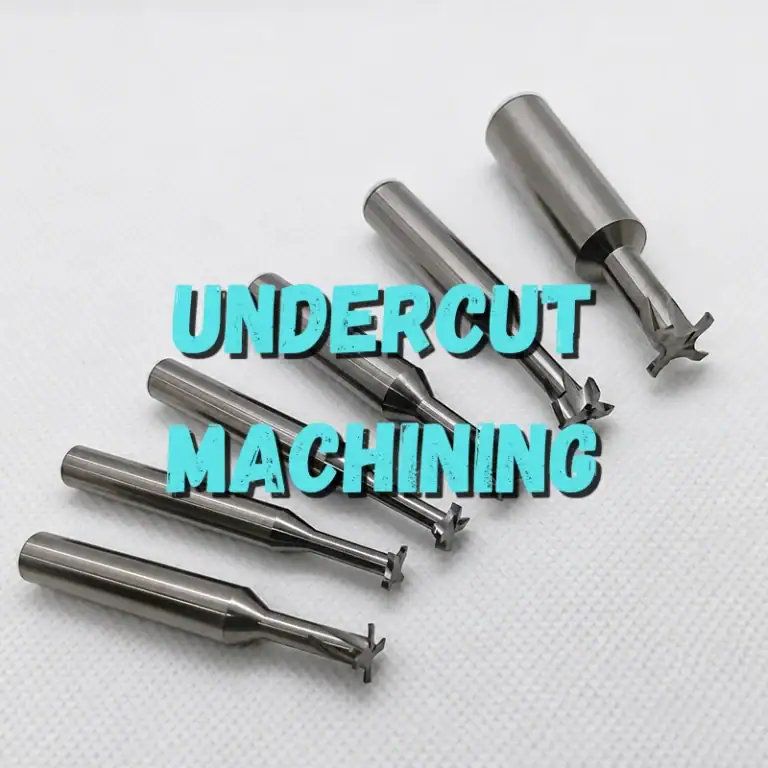
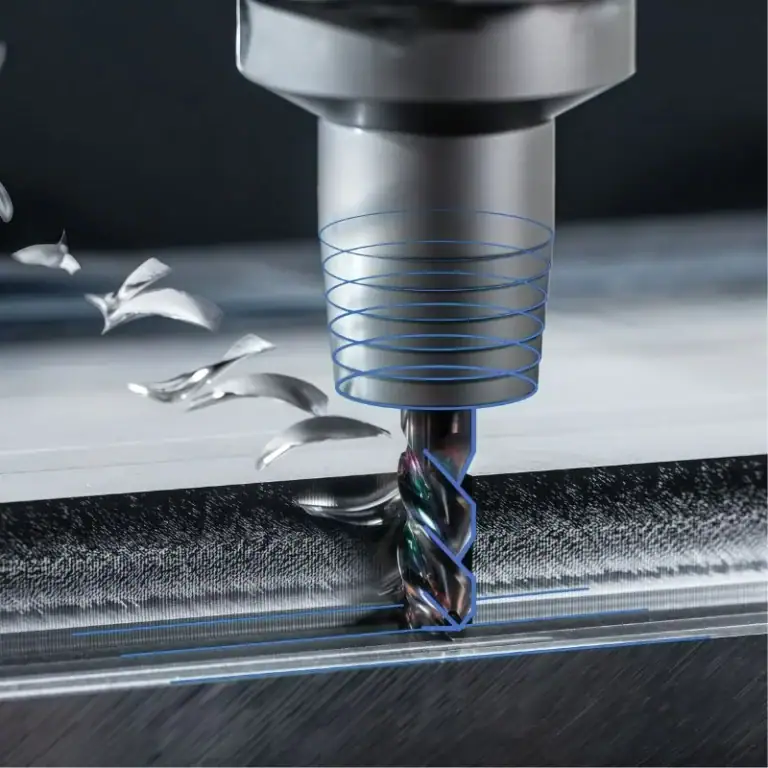
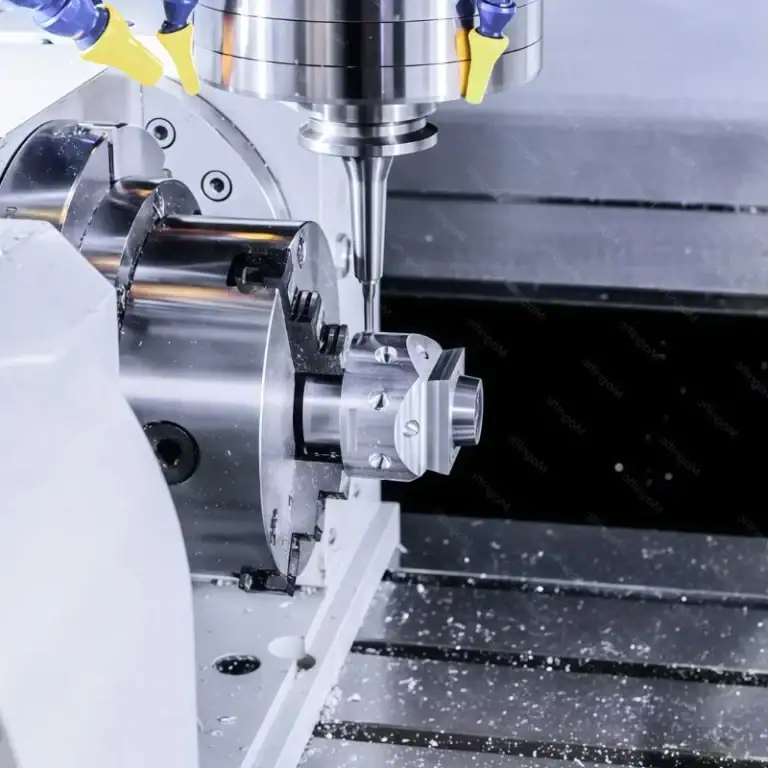
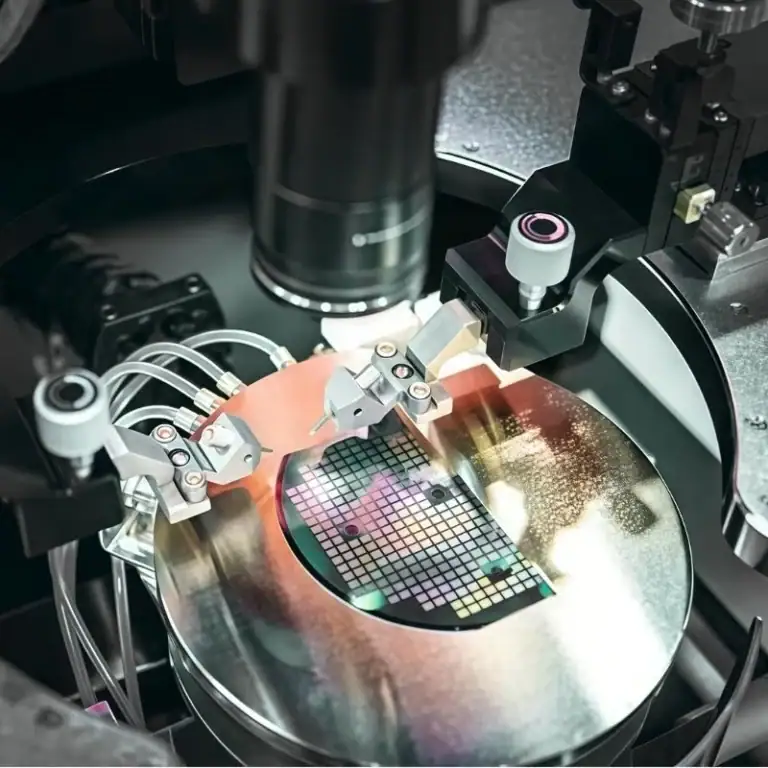
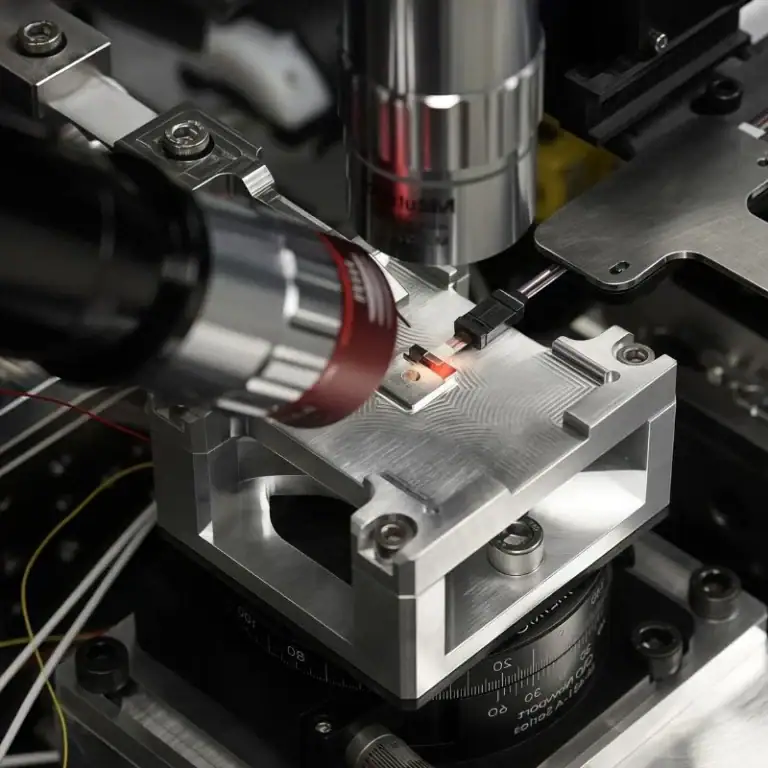
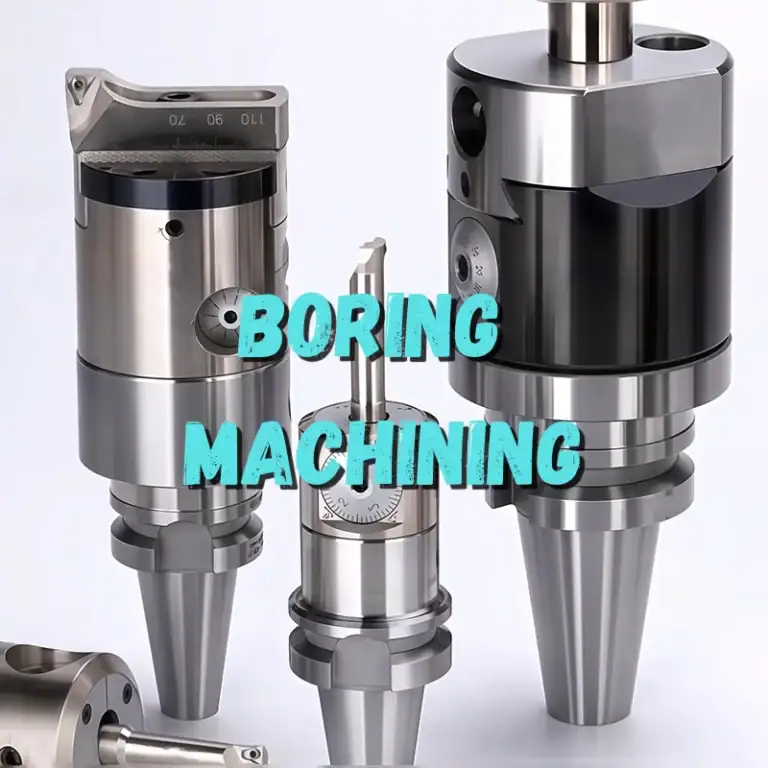
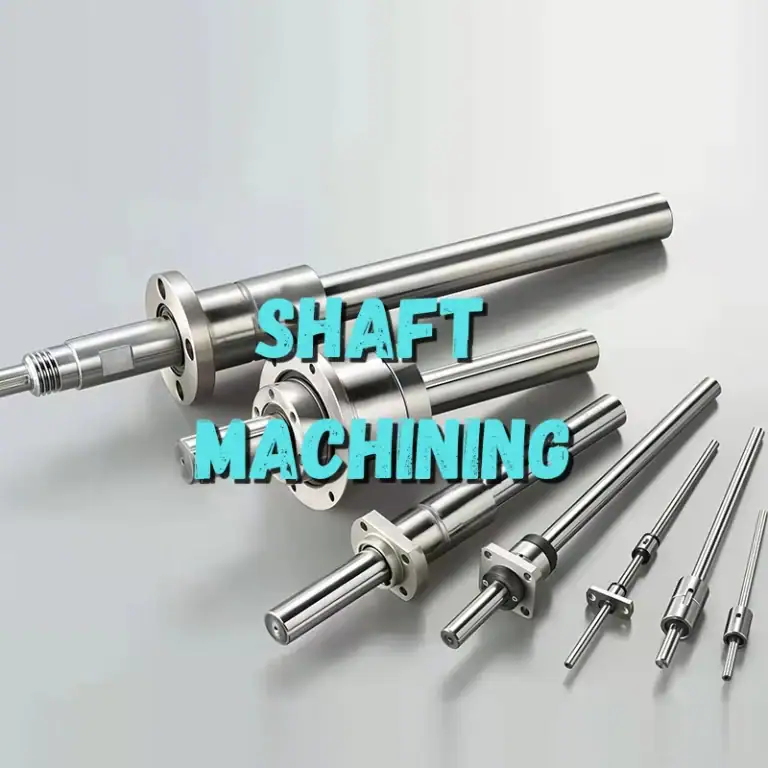
During mechanical part manufacturing, many customers encounter the same issue: the dimensions shown on the drawing are correct, but the finished parts still have slight deviations. Some parts may only have small dimensional changes, while others may affect assembly performance or fail to meet application requirements. For high-precision industries such as aerospace, medical equipment, automotive manufacturing, and automation systems, even a small deviation can influence overall product performance. Machining errors are rarely caused by a single factor. They are usually the result of multiple factors, including machine condition, material characteristics, tool wear, machining parameters, and inspection methods. To improve part quality, manufacturers need to control the entire production process, which is also a key part of precision machining.
What Are the Main Causes of Machining Errors in Mechanical Parts?
Mechanical machining is more complicated than simply following drawing dimensions. From raw material positioning and tool cutting to final inspection, every step can affect part accuracy. Even with advanced equipment, improper process planning can still result in unstable dimensions. Therefore, understanding the causes of machining errors is essential for optimizing precision machining processes.
Machine Tool Accuracy Affects Part Machining Results
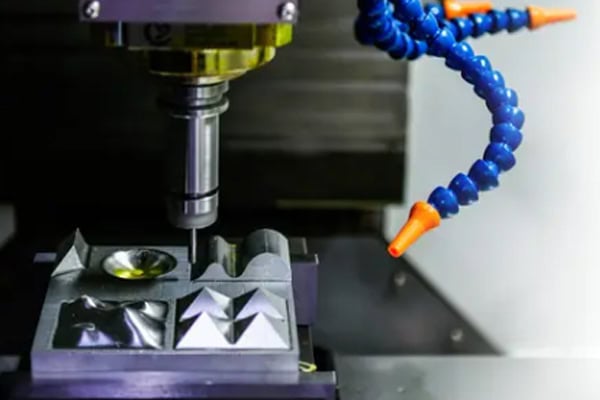
Machine tools are the foundation of mechanical part manufacturing, and their operating condition directly affects machining accuracy. After long-term use, internal components may experience wear, increased clearance, and reduced precision. These small changes can gradually appear in the final machined parts.
- Wear on machine guide rails can reduce positioning accuracy during movement.
- Spindle runout can cause errors in hole diameter, roundness, and concentricity.
- Machine vibration during operation can reduce surface quality.
- Heat generated during long machining cycles may affect equipment stability.
For high-demand precision machining projects, machine tool accuracy is the foundation of part quality. Regular maintenance, accuracy inspections, and equipment calibration can effectively reduce machining deviations caused by machine conditions and improve production stability.
Tool Wear Causes Dimensional Changes
Although cutting tools are small components in the machining process, they directly remove material and have a significant impact on part dimensions. As machining time increases, tool edges gradually wear, changing the cutting condition.
- Tool wear can cause actual machining dimensions to change.
- Incorrect tool installation may affect machining accuracy.
- Different materials require suitable tool selections.
In precision machining, tool management is a critical process. Selecting the right tools according to material and part structure, while replacing worn tools in time, can reduce machining errors and ensure better surface quality and dimensional stability.
Improper Machining Parameters
Machining parameters determine the cutting condition between the tool and the material, including cutting speed, feed rate, and cutting depth. If these parameters are not properly adjusted, machining results may become unstable.
- Excessive cutting speed can generate too much heat and cause dimensional changes.
- High feed rates may reduce surface finish quality.
- Excessive cutting depth can increase vibration during machining.
Optimizing machining parameters is an important way to improve precision machining results. Experienced engineers usually adjust parameters based on material properties, part structure, and equipment performance to achieve a more stable machining process.
Why Do Material Characteristics Affect Machining Accuracy?
Besides equipment and machining processes, the material itself also influences the final results. Different materials have different hardness, toughness, thermal conductivity, and internal stress characteristics. Without proper material analysis, problems such as deformation and dimensional deviation may occur after machining.
Internal Material Stress Causes Part Deformation
Some metal materials contain internal stress before machining. During cutting, changes in material structure may release this stress, causing deformation after machining.
- Thin-wall parts are easily bent by cutting forces.
- Large components may experience shape changes after machining.
- Complex structures are more sensitive to stress effects.
Therefore, during precision machining, manufacturers need to arrange machining sequences properly and use suitable fixturing methods to reduce deformation risks and ensure final dimensions meet requirements.
High-Hardness Materials Increase Machining Difficulty
Some high-performance materials offer excellent strength and wear resistance but are more difficult to machine. Materials such as titanium alloys, stainless steel, and high-temperature alloys require more advanced equipment and machining strategies.
- High-hardness materials accelerate tool wear.
- Increased cutting resistance may affect machining stability.
- More suitable tools and machining parameters are required.
- Temperature control becomes more important during processing.
For difficult-to-machine materials, precision machining requires not only advanced equipment but also extensive machining experience. Developing proper machining strategies can reduce material-related challenges and improve part quality.
Temperature Changes Affect Dimensional Stability
Machining inevitably generates heat. If temperature changes are not properly controlled, thermal expansion may occur and affect final part measurements.
- Long machining cycles can cause heat accumulation.
- Material expansion caused by temperature changes affects actual dimensions.
- Improper cooling methods may reduce machining stability.
For high-precision part manufacturing, controlling machining temperature and using professional inspection equipment are necessary to prevent thermal effects from reducing precision machining accuracy.
How Can Machining Errors in Mechanical Parts Be Reduced?
Although machining errors cannot be completely eliminated, they can be controlled within acceptable limits through better process planning and quality management. For customers, stable machining capability is often more important than simply pursuing faster production. Full-process control is the key to maintaining consistent part quality.
Optimize Machining Process Planning
A reasonable machining process can reduce unstable factors during production. Many machining problems are not caused by insufficient equipment capability but by improper planning of machining sequences, fixturing methods, or manufacturing strategies.
- Arrange machining steps according to part structure.
- Reduce positioning errors caused by repeated setups.
- Add finishing processes for critical dimensions.
- Analyze potential machining difficulties in advance.
Good process planning improves production efficiency while reducing rework. For precision machining projects, proper process design is an important foundation for maintaining stable part quality.
Strengthen In-Process Inspection
Inspection should not only be performed after machining is completed. Monitoring during production allows problems to be identified earlier and prevents larger losses from batch production issues.
- Use coordinate measuring machines to inspect critical dimensions.
- Regularly check machine and tool conditions.
- Adjust machining parameters according to inspection results.
A complete inspection system helps manufacturers quickly identify machining issues, improve dimensional control, and ensure finished parts meet customer requirements.
Improve Machining Experience and Skills
Equipment and technology are important, but operator experience also plays a major role in machining results. Experienced technicians can identify problems faster and adjust processes when dealing with different materials and complex structures.
- Understand machining characteristics of different materials.
- Identify abnormal conditions during processing.
- Optimize machining methods based on actual situations.
In precision machining, equipment, processes, and technical experience must work together to achieve stable and high-quality part manufacturing.
How Does Precision Machining Ensure Dimensional Stability?
As manufacturing industries continue to advance, customers require higher and higher accuracy from mechanical components. Modern precision machining focuses not only on whether a single part passes inspection but also on maintaining stable dimensions during continuous production. This requires advanced equipment, proper processes, and strict quality control systems.
Use High-Precision CNC Machining Equipment
CNC machining equipment controls tool movement through computer programs, reducing uncertainty caused by manual operations and improving machining consistency. For complex structures and high-precision parts, advanced equipment provides a more stable manufacturing environment.
- Reduces dimensional deviations caused by human operation.
- Suitable for complex parts and batch production.
- Improves automation levels during machining.
- Maintains consistency between different production batches.
Using high-precision CNC equipment can significantly improve production stability and reduce accumulated errors. It has become one of the most important manufacturing methods in modern precision machining.
Control Machining Parameters and Tool Conditions Properly
Machining conditions and tool management directly affect final part quality. Even with highly accurate equipment, poor process control can still cause dimensional variations.
- Adjust cutting speed according to material characteristics.
- Regularly check tool wear conditions.
- Optimize tool paths to reduce vibration.
By properly controlling machining conditions, manufacturers can achieve more stable cutting performance, improve surface quality, and meet customer requirements for high-quality precision machining.
Establish a Complete Quality Inspection System
Quality inspection is a key step in ensuring machining accuracy. Especially in high-precision manufacturing, product quality cannot rely only on machining experience.
- Perform professional inspections on critical dimensions.
- Identify machining issues quickly.
- Ensure parts meet design requirements.
A complete inspection process improves product reliability and makes every stage of precision machining more controllable, allowing customers to receive stable and reliable machined components.
Machining errors in mechanical parts are usually caused by multiple factors, including equipment, materials, tools, processes, and production management. Improving part accuracy requires comprehensive control from initial planning and machining processes to final inspection. Tirapid specializes in precision machining services, providing high-precision CNC machining solutions to help companies achieve stable and reliable custom part manufacturing.