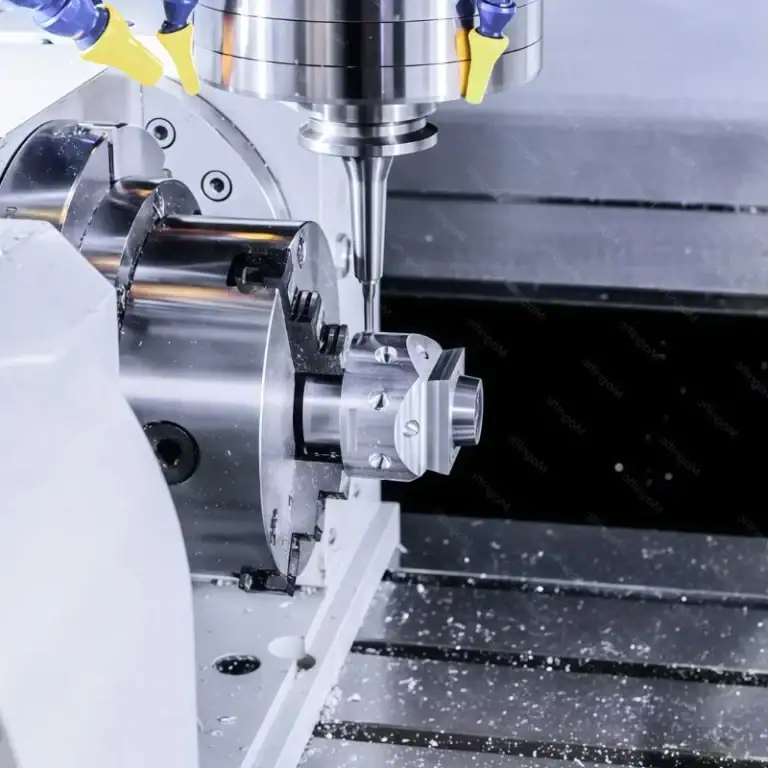
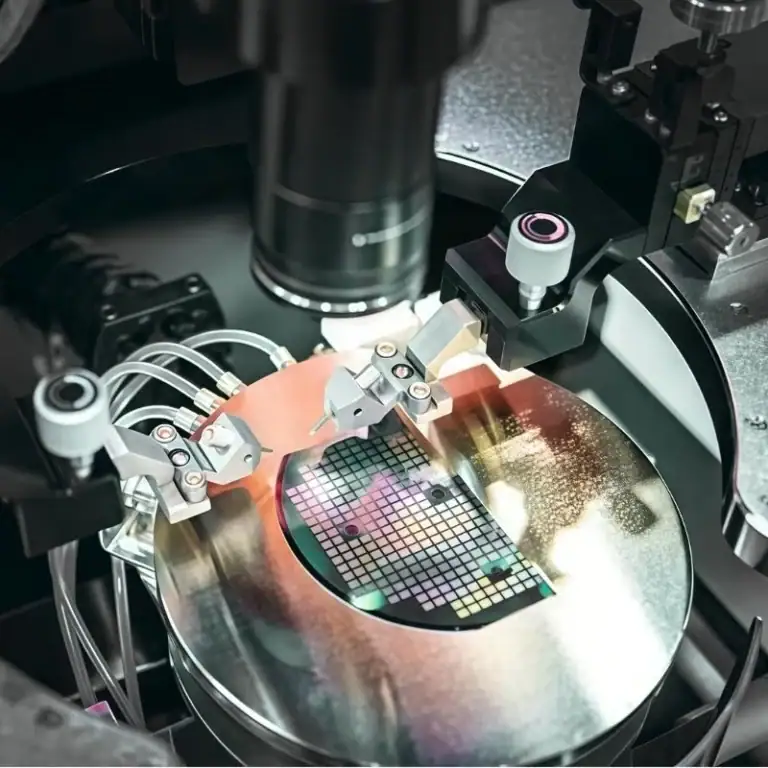
With the continuous development of electronic devices, medical devices, automotive parts, industrial automation, and consumer products towards lightweighting, high precision, and small-batch customization, CNC plastic parts machining has become a crucial processing method in modern manufacturing. Compared to traditional injection molding, manual machining, or ordinary machining, CNC plastic parts machining can not only quickly complete the manufacturing of complex structures but also ensure high dimensional accuracy and product consistency. Its advantages are particularly evident in product development, sample verification, small-batch production, and the production of high-performance engineering plastic parts.
Many companies need to quickly verify the rationality of the structure when developing new products. Directly creating molds is not only costly but also difficult to modify. CNC plastic parts machining, however, allows for direct cutting based on drawings, eliminating the need for molds and providing a significant advantage in the R&D stage. Furthermore, with the increasing application of high-performance engineering plastics, CNC machining is gradually becoming one of the important ways to replace some metal parts.
What is CNC Plastic Parts Machining?
Basic Definition of CNC Plastic Machining
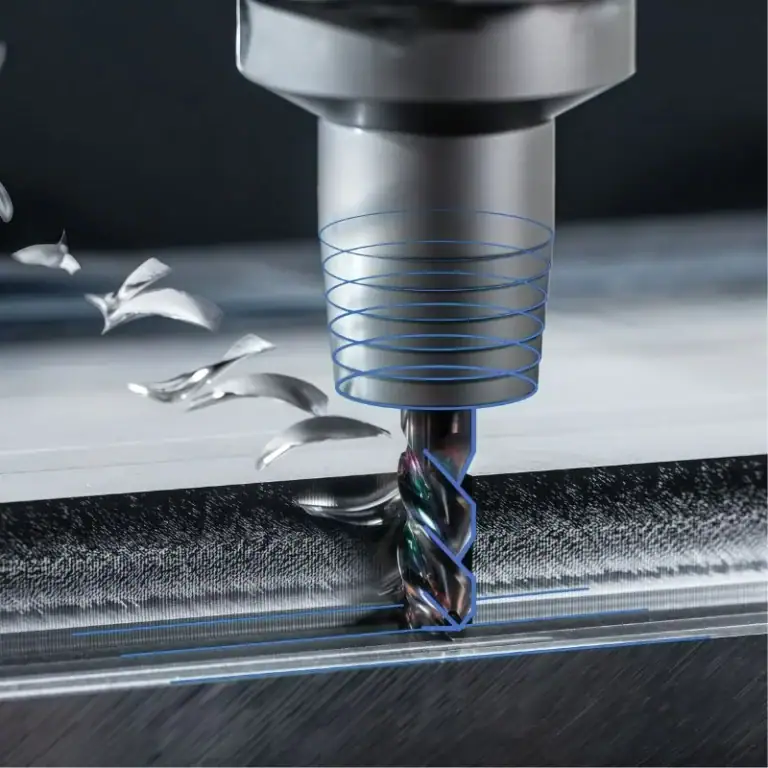
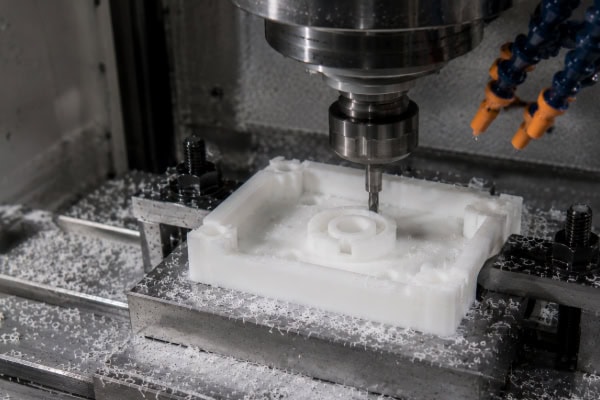
CNC plastic parts machining is a method that uses computer numerical control (CNC) equipment to automatically control cutting tools according to a program to perform cutting, drilling, milling, engraving, and other machining operations on plastic materials. The machining process can be executed precisely according to design drawings, making it ideal for manufacturing complex structural parts. Compared to traditional manual machining, CNC equipment is more stable, reducing human error and improving dimensional consistency. It can also adapt to a variety of plastic materials, including ABS, POM, nylon, PEEK, and acrylic, thus having a wide range of applications.
Core Advantages of CNC Plastic Machining
Compared to injection molding, the biggest advantage of CNC is that it eliminates the need for mold making. For small-batch orders, R&D samples, and non-standard structural parts, it can significantly reduce upfront investment costs. Furthermore, it has a short processing cycle and allows for flexible modifications, making it suitable for rapid product design iteration.In addition, CNC machining can complete many complex curved surfaces, irregular structures, and high-precision hole machining, which is difficult to achieve with ordinary machining methods.
Why are more and more industries using CNC plastic parts?
As industrial products become increasingly precise, many companies have higher requirements for the accuracy, weight, insulation, and corrosion resistance of parts. Plastic materials themselves possess characteristics such as lightweight, corrosion resistance, insulation, and wear resistance, while CNC machining further enhances structural precision. Therefore, the combination of the two is increasingly widely used in fields such as medical, semiconductor, electronic equipment, and robotics.
How are CNC plastic parts manufactured?
Drawing Analysis and Process Assessment
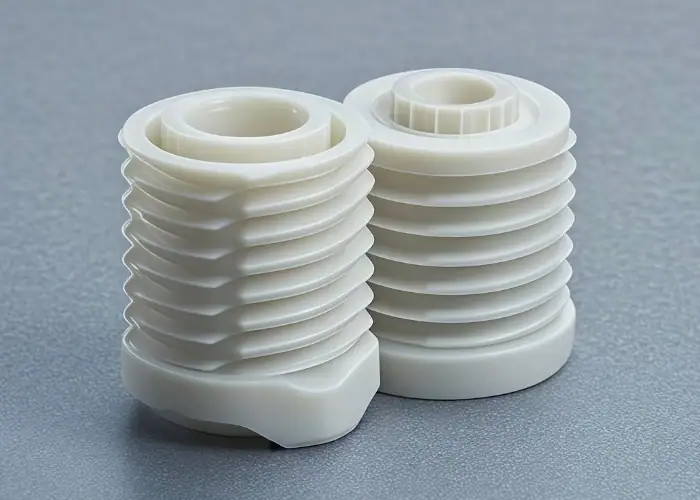
Before machining, engineers analyze the customer’s drawings, including dimensions, tolerances, structure, assembly relationships, and material requirements. By assessing the complexity of the part, they determine the number of axes to use, the tools, and the arrangement of processes. The advantage of this step is that it can identify machining difficulties in the design in advance, reducing rework later.
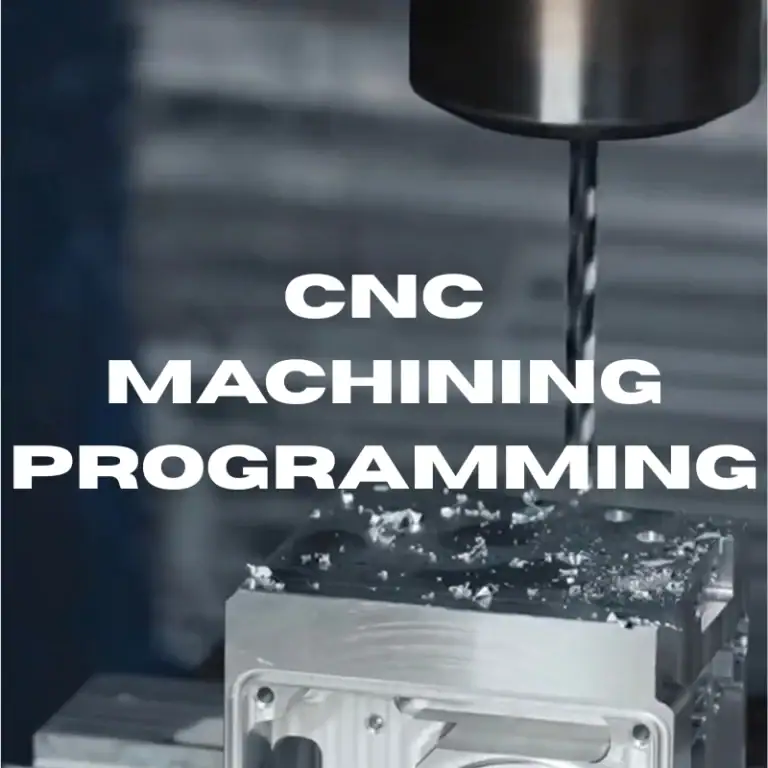
Programming and Path Planning
After confirming the process, toolpaths are generated using CAM software and imported into the CNC machine. Reasonable path planning not only affects machining speed but also surface quality and dimensional stability. For example, for thin-walled plastic parts, if the path arrangement is unreasonable, deformation, tool vibration, or edge chipping may occur.
Finishing and Dimensional Control
Rough machining is typically performed first, followed by finishing. Rough machining removes material quickly, while finishing controls the final dimensions and surface quality. This staged machining process reduces cutting heat and internal stress, making plastic parts more stable.
How to Ensure Quality in CNC Plastic Machining?
High Machining Precision
Modern CNC equipment can achieve high precision control, even reaching micron-level machining capabilities for some demanding parts. This is crucial for electronic insulation components, medical parts, and optical structural components. High precision not only means accurate dimensions but also smoother subsequent assembly.
More Stable Surface Quality
Poor surface machining of plastic parts can easily lead to burrs, weld edges, and tool marks. By properly controlling tool sharpness, speed, and feed parameters, surface finish can be effectively improved. Some transparent materials, such as acrylic, can also achieve better transparency through finishing.
More Suitable for Machining Complex Structures
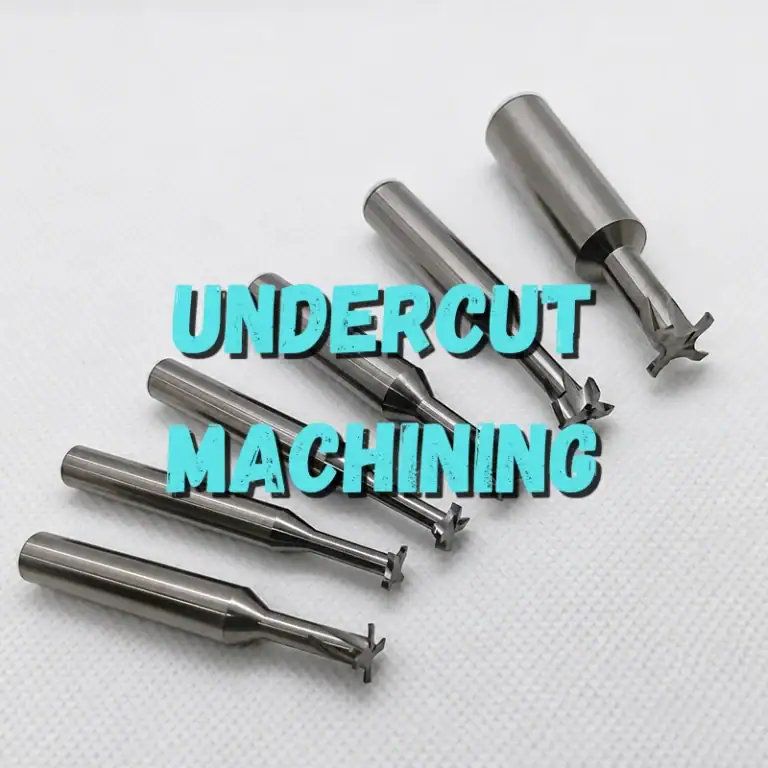
Many plastic parts have irregular grooves, curved surfaces, deep holes, and irregular structures that are difficult to machine with traditional equipment. Multi-axis CNC equipment can achieve one-time molding of complex structures through multi-angle machining. This not only reduces processes but also improves overall consistency.
More Flexible Costs for Small Batch Production
While injection molding is suitable for large-volume production, mold costs are high. CNC machining is suitable for small-batch orders of tens or hundreds of pieces. For R&D companies, new product testing, and custom equipment manufacturers, this can significantly reduce production pressure.
Advantages of Different Plastic Materials
In CNC plastic parts machining, material selection often directly affects the strength, wear resistance, stability, and subsequent service life of the parts. Different plastic materials have different physical properties, thus their suitable application scenarios are completely different. For companies, choosing the right material can not only improve product performance but also reduce processing difficulty and later maintenance costs.
ABS Material
- Why is ABS widely used?
ABS is a material frequently used in CNC plastic machining, balancing toughness, strength, and processing stability. Compared to some high-performance engineering plastics, ABS costs are easier to control, so it is often used in electronic casings, industrial structural parts, display components, and general mechanical parts.
- Advantages of ABS in Machining
ABS has stable cutting performance and is less prone to chipping during machining, making it suitable for various processes such as drilling, milling, and engraving. It also offers good post-processing results, easily achieving paint, electroplating, and screen printing, thus making it widely used in the field of appearance parts.
- Which Products are Suitable for with ABS?
ABS is frequently used for products such as instrument housings, control panels, consumer electronics structural components, and model verification parts. For projects that require a balance between appearance, strength, and cost, ABS is a mature and reliable choice.
POM material
- Core Characteristics of POM
POM, also known as acetal or polyoxymethylene, has the greatest advantages of high dimensional stability, good wear resistance, and a low coefficient of friction. Therefore, POM can replace some metal parts in many precision mechanical structures.
- Why is POM Suitable for CNC Machining?
POM has excellent cutting performance, is less prone to tool sticking during machining, and offers more stable dimensional control. The finished surface is usually smooth, reducing subsequent finishing processes.
- Common Application Scenarios
POM is frequently used in gears, sliders, guide rails, bushings, and automation equipment accessories. Especially under long-term frictional operating conditions, the advantages of POM become more apparent.
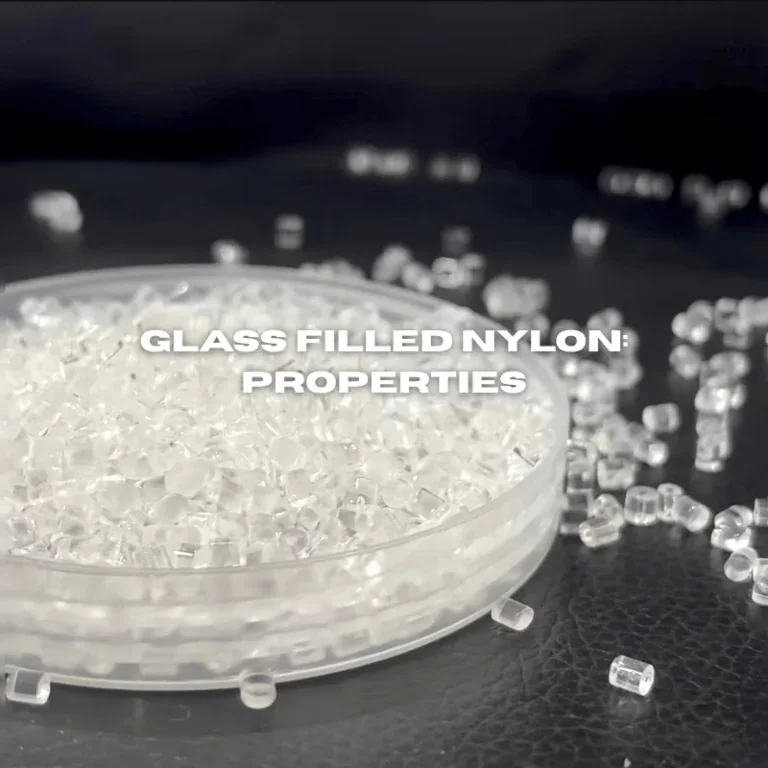
Nylon Material
- Advantages of Nylon Material
Nylon has good impact resistance and mechanical toughness, and is not easily broken even under repeated stress. Therefore, many moving structural components and load-bearing parts use nylon material.
- Performance in CNC Machining
Nylon has a certain degree of flexibility during machining, so special attention needs to be paid to the clamping method and cutting parameters when machining thin-walled parts. However, as long as the process control is reasonable, nylon can still achieve good machining results.
- Suitable Industrial Fields?
Conveying equipment parts, mechanical wear-resistant parts, rollers, support components, and some automotive parts are all common applications of nylon.
PC Material
- What is the biggest characteristic of PC?
The biggest advantage of PC (polycarbonate) is its high transparency, while also possessing strong impact resistance. Compared to ordinary transparent plastics, PC is less prone to cracking and breakage.
- Why are many transparent parts made of PC?
After CNC machining, PC can achieve good transparency while maintaining high structural strength. Therefore, many protective covers, observation windows, and transparent industrial structural components use this material.
- Which products is PC suitable for?
Observation windows for medical equipment, protective face shields, transparent instrument housings, lampshades, and safety protection structural components are all typical applications of PC.
PEEK Material
- Why is PEEK called a high-end engineering plastic?
PEEK possesses characteristics such as high temperature resistance, corrosion resistance, high strength, and excellent dimensional stability. It can maintain stable performance even in extreme environments, thus it is widely used in high-end industrial fields.
- What are the characteristics of CNC machining of PEEK?
Although PEEK is more difficult to machine, the precision after machining is stable, making it suitable for manufacturing high-requirement parts. It can withstand high temperatures and complex working environments, thus exhibiting very stable performance in long-term operation.
- Common high-end application areas
PEEK material is frequently used in aerospace, semiconductor equipment, medical implant components, and precision industrial parts.
Acrylic Material
- Main advantages of acrylic
Acrylic has excellent light transmittance and visual effects, therefore it is often used in display, decoration, and advertising products. Its transparency is almost comparable to glass, but it’s much lighter.
- Characteristics of Acrylic in CNC Machining
Through precision cutting and polishing, acrylic can achieve a high surface finish. It offers a strong visual advantage for parts requiring a display effect.
- Suitable Products
Display racks, advertising lettering, transparent panels, lighting structural components, and craft display products are all common applications of acrylic.
- How to Choose Plastic Materials Based on Product Needs?
In CNC machining of plastic parts, it’s not about “the higher the performance, the better,” but rather “suitability to product needs is paramount.” If the project prioritizes cost and appearance, ABS can be considered first; if high wear resistance and dimensional stability are required, POM is more suitable; if the product is subject to long-term impact and friction, nylon is more advantageous; and for high-temperature, highly corrosive environments, PEEK is usually considered.
Frequently Asked Questions
Many customers worry: “Why is CNC machining of plastic parts more expensive than ordinary plastic parts?” In reality, the cost of CNC machining mainly comes from equipment precision, machining time, tool consumption, and manual programming. Especially for high-precision, complex parts, the higher the machining difficulty, the higher the cost. However, compared to mold-based production, CNC machining eliminates the need for mold costs, making it more cost-effective for samples, small-batch orders, and customized products. Additionally, some customers worry about the insufficient strength of plastic parts. In fact, many engineering plastics can now replace some metal parts, and with proper material selection, they can meet long-term usage requirements.
In conclusion
The biggest advantage of CNC machining of plastic parts lies in its balance of flexibility, precision, and efficiency. It can quickly manufacture complex structures while reducing mold investment and shortening product development cycles. For R&D samples, small-batch orders, and high-performance engineering plastic parts, CNC machining has become a crucial manufacturing method. Furthermore, with the continuous upgrading of high-performance plastic materials, more and more industries are using plastics to replace some metal structural components, further driving the development of CNC plastic machining. From electronics to medical equipment, from automated machinery to aerospace parts, the application scope of CNC plastic machining is constantly expanding.