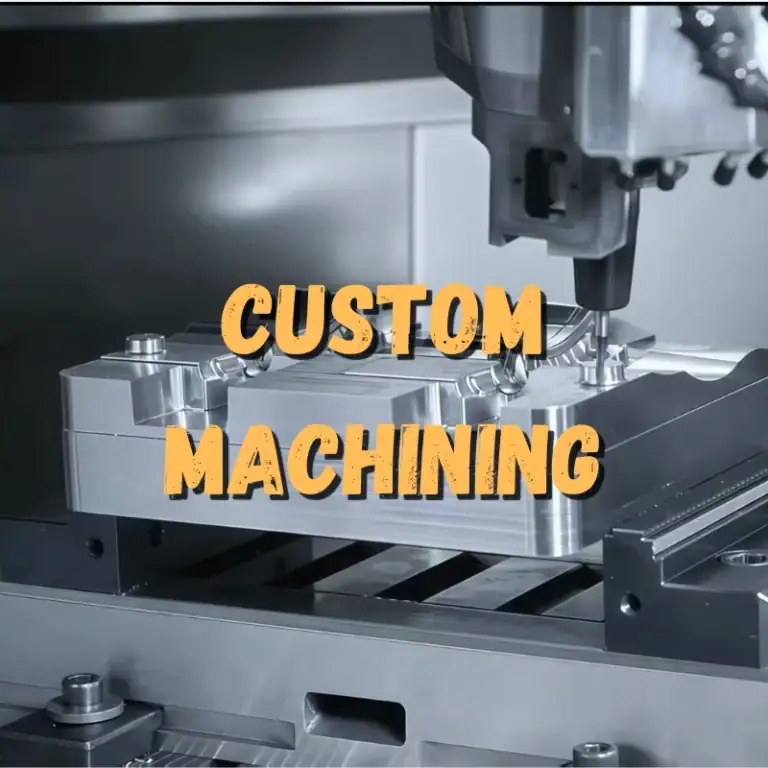
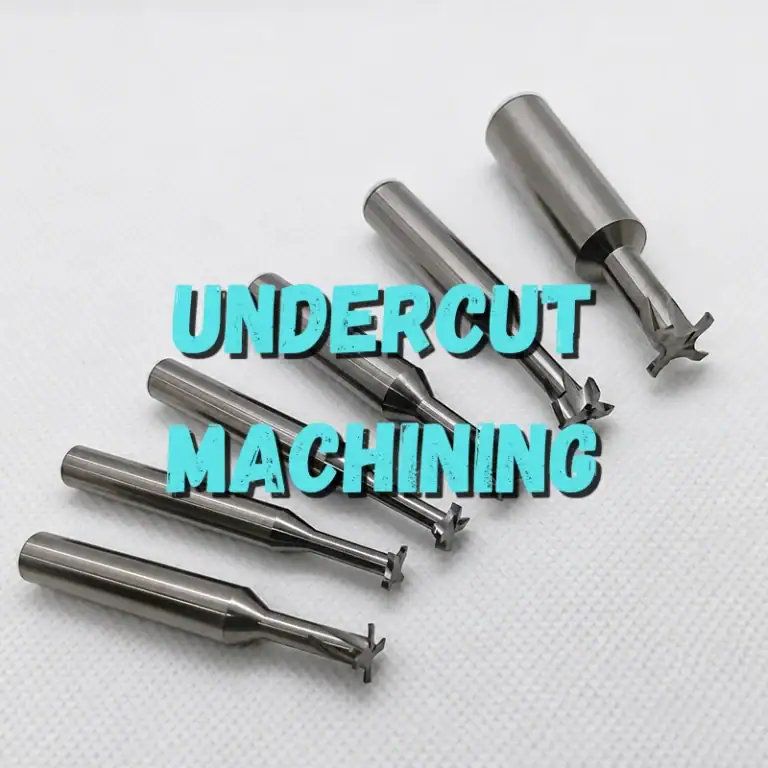
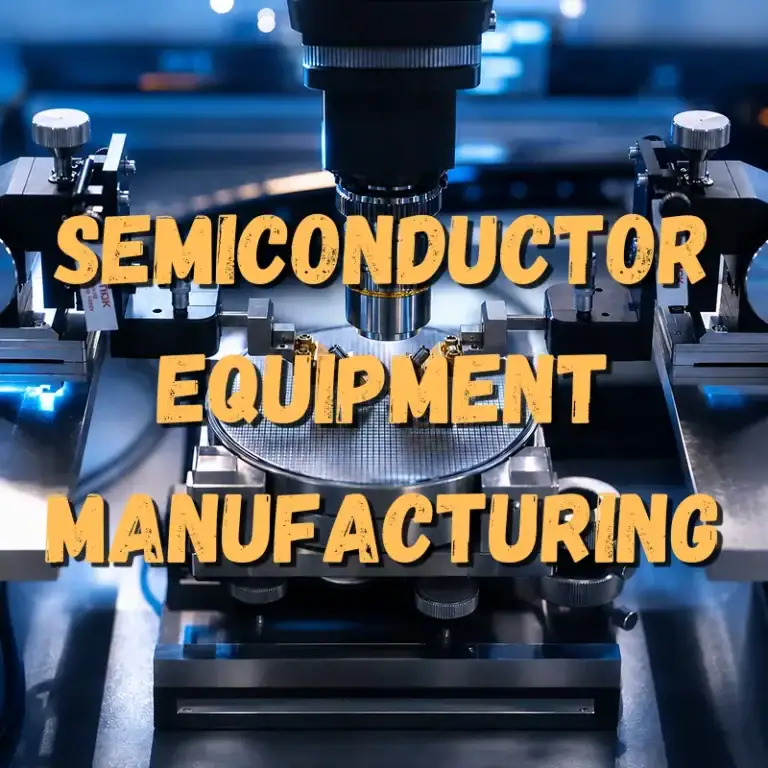
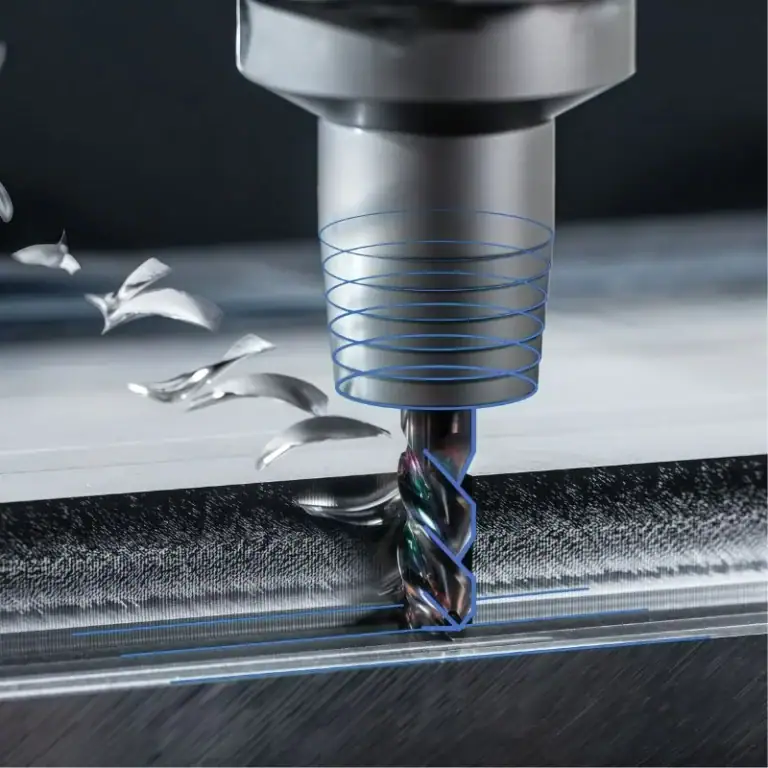
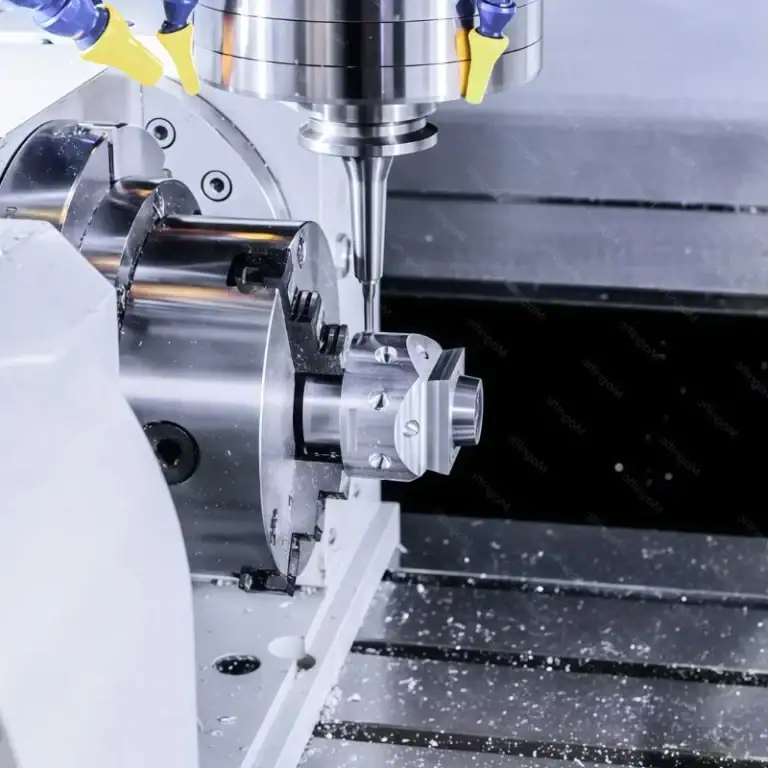
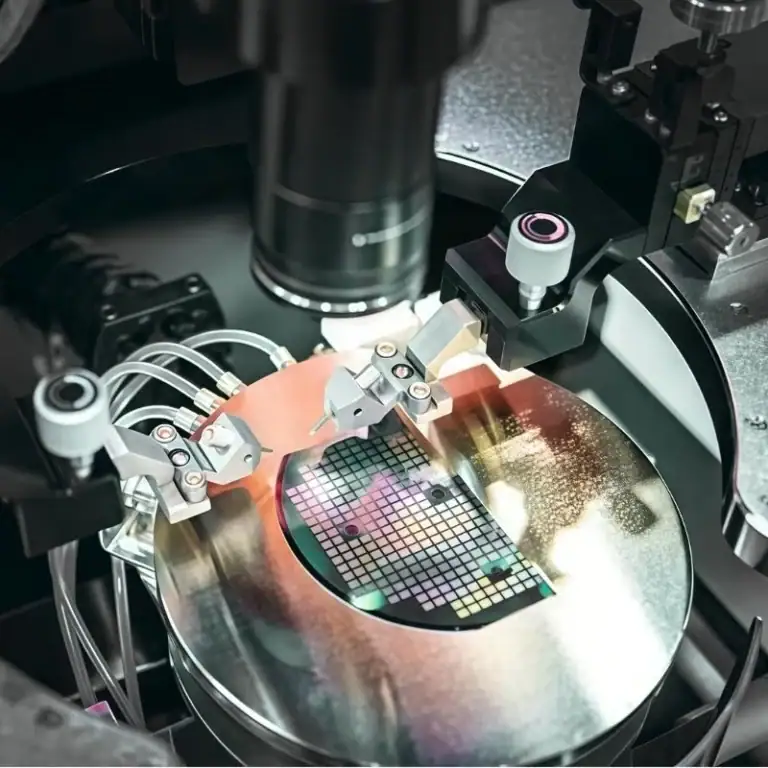
As automated equipment, medical instruments, semiconductor equipment, communication systems, and high-end electronic products continue to develop towards higher precision, miniaturization, and stability, more and more precision equipment is beginning to use plastic components extensively. Compared to traditional metal materials, engineering plastics are not only lighter but also possess advantages such as insulation, corrosion resistance, wear resistance, and flexible processing, thus occupying an increasingly important position in the field of precision equipment manufacturing. CNC plastic machining is a crucial manufacturing method for achieving these high-precision plastic parts. CNC machining utilizes computer numerical control equipment, controlled by a program, to perform precision machining operations such as cutting, drilling, engraving, and milling on plastic materials. Due to its high degree of automation, small error, and stable repeatability, the entire process is ideally suited for precision equipment with extremely high requirements for size, precision, and stability.
In modern industry, many equipment internal structures, although small in size, often require micron-level precision in the fitting of internal parts. For example, guide rail assemblies in medical testing equipment, insulating structural components in automated equipment, and anti-static components in semiconductor equipment all require CNC plastic machining. Compared to traditional injection molding, CNC machining is better suited for small-batch, high-precision, and customized production, making it particularly popular in the high-end equipment industry.
What is CNC Plastic Machining?
Basic Concepts of CNC Plastic Machining
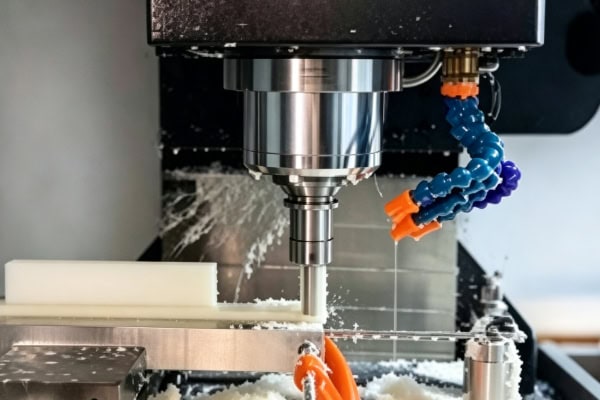
CNC plastic machining is essentially a machining method that uses CNC equipment to precisely cut plastic. Operators first import product drawings into the system, and then the program controls the machine tool to automatically complete the machining actions. The biggest advantage of this method is its ability to achieve high precision and high consistency in production. For complex structures, irregularly shaped parts, and special components in precision equipment, CNC machining is more stable than traditional manual machining. Many seemingly simple plastic parts inside high-end equipment actually require multi-axis CNC machining to complete.
Why is Precision Equipment Increasingly Reliant on Plastic Parts?
Precision equipment has high requirements for the dimensions, flatness, hole positions, and assembly fits of parts. If the machining of plastic parts is unstable, it will affect the overall machine’s precision, sealing, and service life. CNC plastic machining allows these parts to better conform to design standards and reduces rework and adjustments during assembly. In the past, many devices used metal parts, but with industry upgrades, engineering plastics have gradually become an important alternative material.
The main reasons include:
- Lighter weight, reducing the overall burden on the equipment
- Good insulation properties
- Rust-resistant and chemically resistant
- Low coefficient of friction, quieter operation
- Some materials have anti-static properties
Especially in the medical, electronics, and semiconductor industries, plastic parts have even become part of the core structure.
The Role of CNC Plastic Machining in Precision Equipment
It is commonly used in insulating supports, mounting bases, guides, protective covers, connectors, test fixtures, etc. These parts may seem small, but they directly affect the smooth operation, ease of maintenance, and stability of the equipment in complex environments. In precision equipment, CNC plastic machining mainly undertakes the following tasks:
- Manufacturing high-precision structural components
- Machining insulating parts
- Producing wear-resistant guide components
- Manufacturing anti-static components
- Realizing complex internal structures
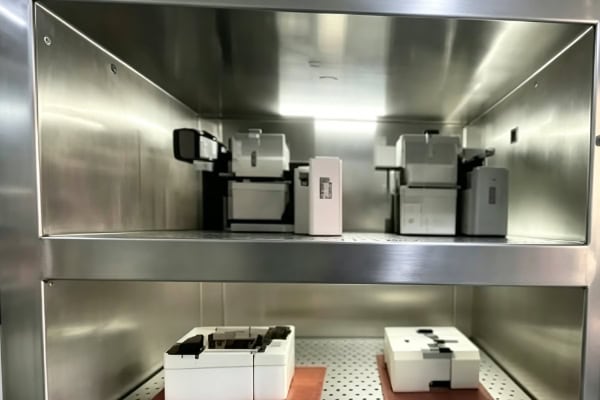
Many devices may not have visible plastic parts, but a large number of critical internal components rely on CNC plastic machining technology.
How are CNC plastic parts machined?
Drawing Design and Structural Analysis
Before machining, engineers first need to complete product modeling based on equipment requirements. This involves considering not only dimensions but also analyzing: part stress conditions, installation methods, thermal expansion, machining feasibility, and assembly tolerance requirements. An unreasonable design, even with high-precision equipment, can lead to part deformation or assembly failure.
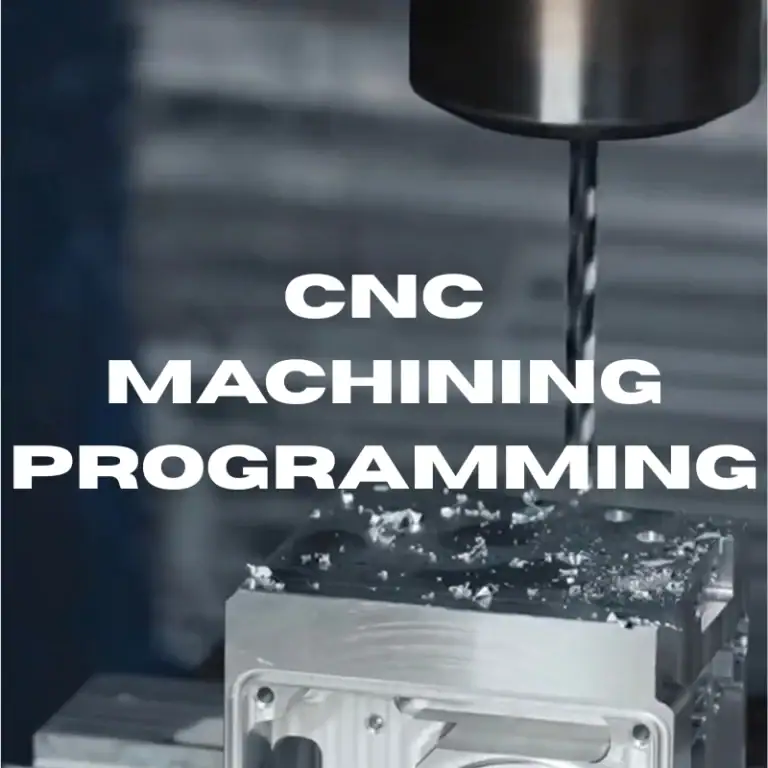
CNC Machining Program Development
After confirming the drawings, technicians use CAM software to generate machining paths.
The program sets: tool path, depth of cut, spindle speed, feed rate, and machining sequence.
This stage directly affects subsequent machining accuracy and surface quality.
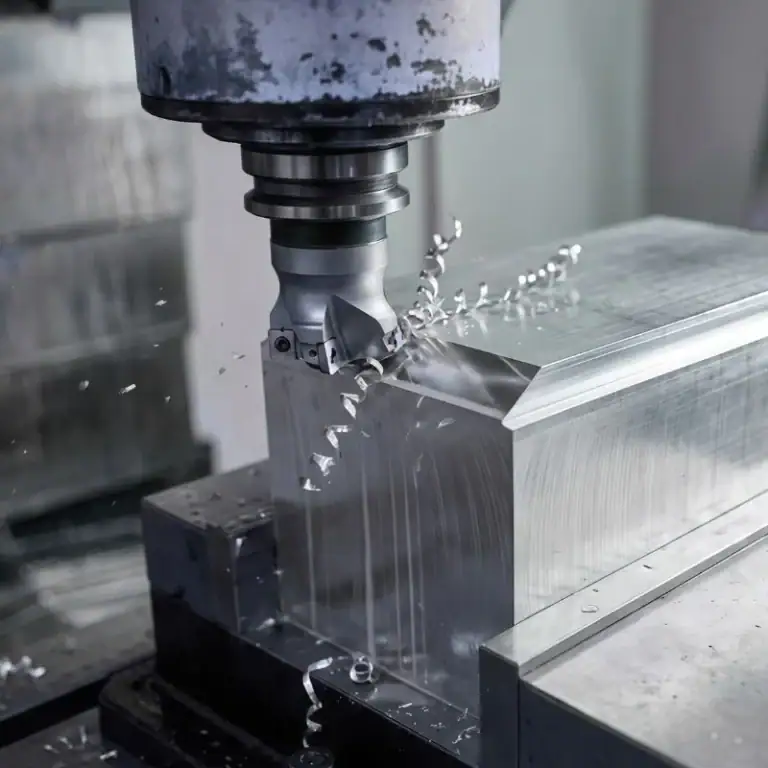
CNC Machine Tool Machining
After the program is imported, the machine tool begins automatic machining.
This typically involves:
- Roughing
- Semi-finishing
- Finishing
- Chamfering
- Drilling and Tapping
- Surface Treatment
For high-precision parts, secondary calibration machining is sometimes required.
Dimensional Inspection and Quality Control
Precision equipment has very strict error requirements; therefore, inspection is necessary after machining. Common inspection methods include: coordinate measuring machine (CMM), micrometer measurement, surface roughness inspection, concentricity inspection, and flatness inspection. Only after the dimensions meet the requirements can the part be formally put into equipment assembly.
What are the technical details in CNC plastic machining?
How to avoid deformation during plastic machining?
Unlike metals, plastics are prone to deformation during cutting due to frictional heating, especially thin-walled and large-area parts. During machining, it is necessary to rationally select the spindle speed, feed rate, and cutting tool to make the cutting smoother. At the same time, cooling and step-by-step machining should be used to reduce heat accumulation and ensure dimensional stability. Therefore, it is usually necessary to: control the cutting speed, reduce tool frictional heat, use sharp tools, perform layered cutting, and allow time for stress release. Special attention needs to be paid to the machining sequence, especially for thin-walled parts.
How to improve machining accuracy?
Many parts in precision equipment require errors to be controlled within ±0.02mm. To achieve this accuracy, it is usually necessary to: use a high-precision spindle; use stable fixtures; control the ambient temperature; use precision cutting tools; and perform secondary trimming. Some high-end machining centers even automatically compensate for errors. 3. Why is surface quality important?
Many precision equipment components require continuous movement. Therefore, plastic parts in precision equipment must not only be dimensionally accurate but also have a clean appearance and smooth edges. Tool sharpness, cutting angle, and feed rate all affect burrs and chipping. Optimizing tools and feed patterns makes parts easier to assemble and reduces subsequent grinding processes.
If the surface is rough: friction increases; dust is easily generated; lifespan decreases; and accuracy gradually deviates.
Therefore, many plastic parts undergo polishing or fine deburring after machining.
Why is CNC machining more suitable for small-batch customization?
Compared to injection molds, CNC machining does not require mold making. Therefore, it is particularly suitable for: R&D stage samples, small-batch orders, customized equipment, and non-standard structural parts. This flexibility is crucial for high-end equipment manufacturers.
Frequently Asked Questions
Why is CNC plastic machining more suitable for precision equipment than conventional machining?
Because precision equipment has higher requirements for part consistency, assembly accuracy, and long-term stability. CNC machining of plastic parts can more accurately translate drawing parameters into physical parts, reducing human error and allowing for better control over hole positions, thickness, flatness, and edge quality. This stability is crucial for equipment requiring repeated assembly and long-term operation.
In conclusion
As the precision equipment industry continues to upgrade, CNC machining of plastic parts is no longer just a simple parts manufacturing method, but a vital link affecting equipment performance, stability, and lifespan. From medical instruments to automated equipment, from semiconductor systems to electronic products, high-precision plastic parts are increasingly replacing traditional metal structures. Compared to ordinary machining methods, CNC machining of plastic parts can not only meet the needs of complex structures but also achieve higher dimensional accuracy and more stable product consistency. Its advantages are particularly evident in small-batch customization, R&D testing, and high-end equipment manufacturing. Of course, the true determinant of machining quality is not only the equipment itself but also many details such as material selection, tool control, machining processes, and quality inspection. Only by controlling all these aspects can high-quality plastic parts that meet the requirements of precision equipment be manufactured.