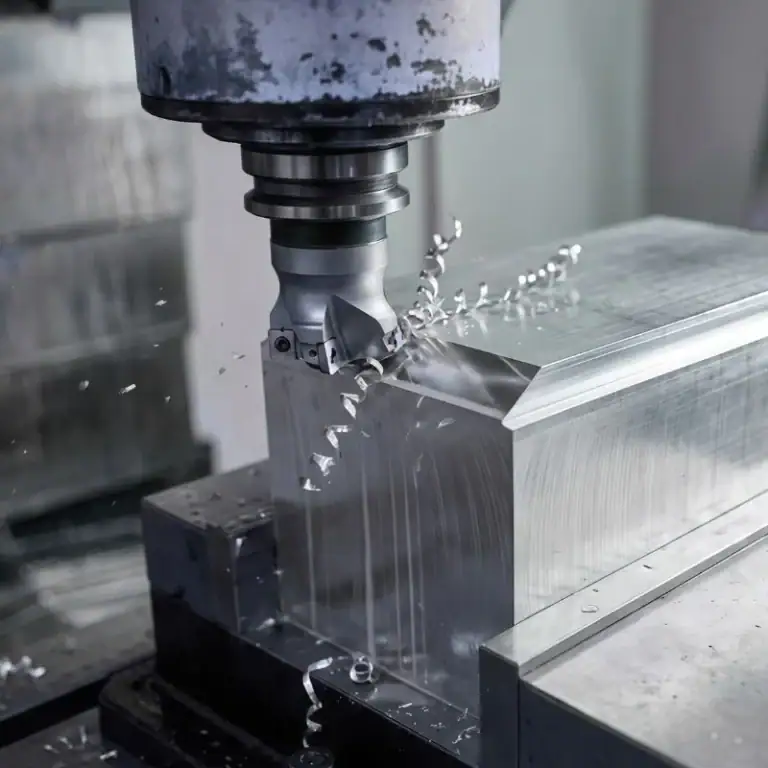
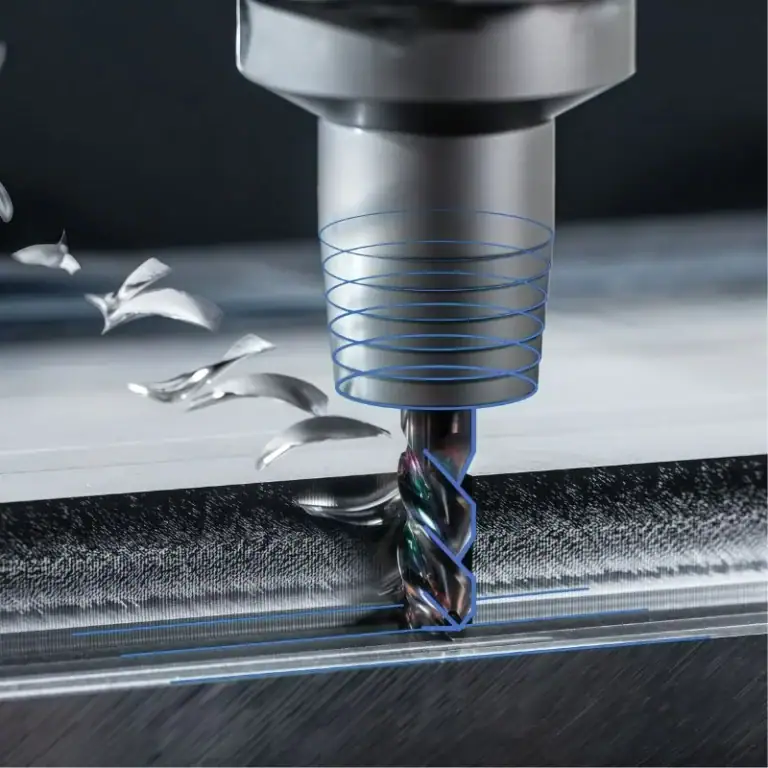
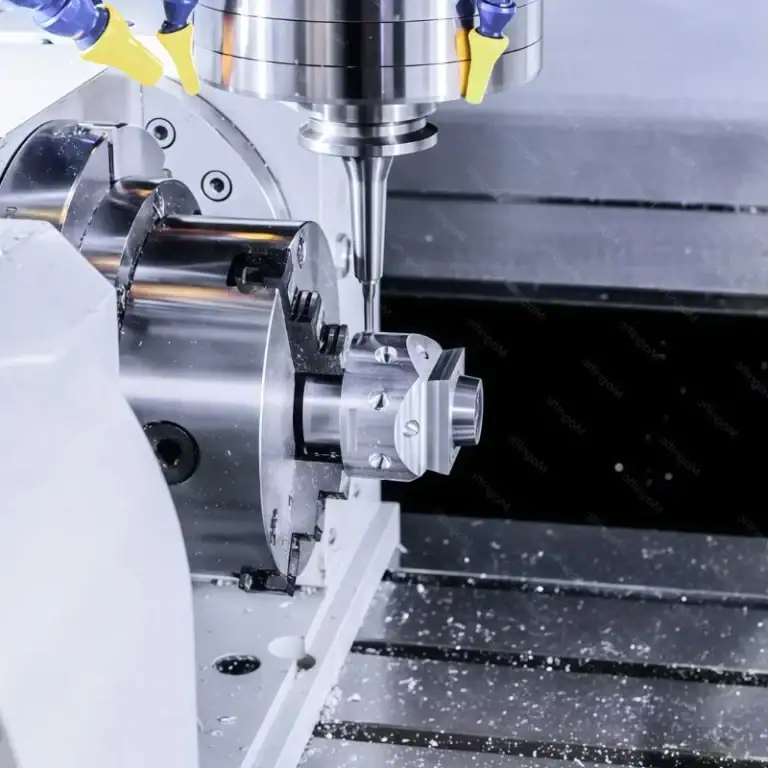
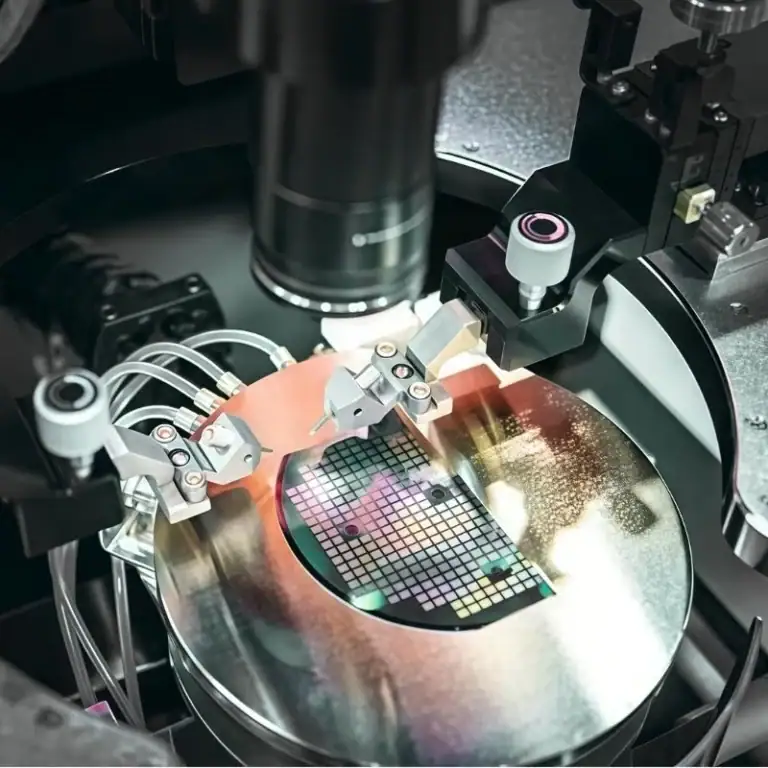
In modern industrial systems, equipment performance increasingly depends on the precision and structural stability of its components. From automated production lines to energy systems, from heavy machinery to high-end inspection instruments, industrial equipment is continuously evolving toward higher speed, heavier loads, and greater reliability. In this context, precision machining has become a core manufacturing technology supporting performance upgrades. It not only determines the quality of individual parts but also directly affects overall efficiency, stability, and service life.
Improving the Performance of Core Industrial Components
Core components in industrial equipment often operate under long-term high loads, requiring extremely high machining precision and stability. Precision machining plays a fundamental role in ensuring their performance.
Improving transmission system accuracy
The transmission system is the core of power delivery in industrial equipment, and even small errors can significantly affect overall operation.
- Precision machining ensures more accurate gear profiles, resulting in smoother meshing
- Higher shaft concentricity reduces vibration and eccentricity during rotation
- Improves energy transmission efficiency and reduces power loss
- Lowers noise and shock during high-speed operation
- Extends the service life of gears, bearings, and other key components
Higher transmission accuracy leads to better overall stability and energy efficiency.
Enhancing sealing performance of hydraulic and pneumatic systems
Hydraulic and pneumatic systems are widely used in industrial equipment, and their stability depends heavily on machining accuracy.
- Precision machining ensures high sealing performance of valve bodies and cylinders
- Reduces internal leakage caused by microscopic gaps, improving pressure retention
- Enhances system response speed for more precise operation
- Reduces energy loss and contamination risks caused by fluid or air leakage
- Improves long-term reliability and reduces maintenance frequency
Better sealing accuracy results in higher system efficiency and safety.
Strengthening structural load-bearing and fatigue resistance
Industrial structural components must withstand vibration, impact, and heavy loads over long periods.
- Precision machining reduces localized stress concentration for more even load distribution
- Improves dimensional consistency at key joints, reducing assembly stress
- Decreases the risk of micro-crack formation and enhances fatigue resistance
- Improves overall structural rigidity for more stable operation
- Extends the service life of frames and load-bearing structures
Higher structural stability ensures better safety and longer equipment life.
Supporting the Upgrade of High-End Industrial Equipment
With the development of automation and intelligent manufacturing, high-end equipment demands increasingly higher machining precision. Precision machining has become a key enabling technology.
Meeting high-precision motion requirements of automation equipment
Automation systems require extremely high repeat positioning accuracy and motion control.
- Precision machining ensures consistent dimensions of robotic joint components
- Improves guide rail and slider fit accuracy for smoother motion
- Reduces accumulated errors during long-term operation
- Supports high-speed continuous operation without stability loss
- Enhances overall production efficiency and equipment utilization
The higher the level of automation, the greater the reliance on precision machining.
Supporting energy and heavy industrial equipment
Energy systems and heavy machinery often operate under extreme conditions, requiring exceptional reliability.
- Wind power and nuclear equipment must operate stably for decades
- Precision machining ensures dimensional consistency of large structural parts
- Improves fatigue and impact resistance of key connections
- Reduces wear and deformation under high-load environments
- Enhances stability under extreme temperature and pressure conditions
High-reliability energy systems depend on high-precision manufacturing foundations.
Enhancing inspection and precision instrument performance
Industrial measurement and inspection equipment require extremely high accuracy, which is directly determined by machining quality.
- Precision machining ensures stable measurement reference structures
- Improves repeatability and reliability of measurement data
- Reduces structural influence from temperature and vibration changes
- Supports micron-level or even higher-precision measurement capabilities
- Widely used in research, metrology, and advanced industrial inspection
Instrument performance is ultimately limited by machining accuracy.
Improving Reliability and Service Life of Industrial Equipment
Industrial equipment must not only perform well but also operate reliably over long periods. Precision machining plays a key role in ensuring long-term stability.
Reducing equipment failure rates
High-precision components significantly reduce operational anomalies.
- Tighter part fits ensure smoother operation
- Reduces jamming and wear caused by uneven gaps
- Minimizes structural damage caused by vibration
- Improves overall system consistency
- Reduces unexpected downtime and improves production continuity
Higher stability directly improves production efficiency.
Enhancing long-term operational stability
Industrial equipment often runs continuously for long periods, requiring excellent structural stability.
- Precision machining reduces the impact of thermal deformation
- Improves internal stress distribution for better balance
- Enhances dimensional stability during long-term operation
- Reduces fatigue-related performance degradation
- Lowers maintenance and adjustment frequency
Long-term stability is a key competitive advantage in industrial equipment.
Extending overall equipment lifespan
High-quality machining directly influences equipment lifecycle and return on investment.
- Reduces wear rate of key components and improves durability
- Lowers frequency of part replacement and maintenance costs
- Enhances resistance to impact and fatigue
- Extends overall operational life of the equipment
- Improves total lifecycle economic value
A longer lifespan means lower total operating costs and higher returns.
Precision machining has become an indispensable foundation technology in modern industrial equipment. It is deeply integrated into transmission systems, hydraulic systems, structural components, and precision instruments, improving not only individual part accuracy but also overall machine performance and long-term reliability. As intelligent manufacturing continues to advance, platforms like Tirapid, specializing in high-precision machining and complex component manufacturing, provide more stable and high-quality manufacturing support for the industrial equipment sector, helping drive continuous improvement in overall industrial capability.