In manufacturing, pricing differences in precision machining are often significant. The same part may receive very different quotations from different suppliers. This is not arbitrary pricing but the result of multiple technical and production-related factors. Precision machining requires high standards in equipment, processes, materials, and quality control. Therefore, changes in any of these elements can directly affect the final cost structure. Understanding these cost drivers helps companies better manage budgets during the design and procurement stages.
Material and Design Complexity Impact on Cost
Material selection and structural design are fundamental cost drivers in precision machining and often determine most of the initial cost level.
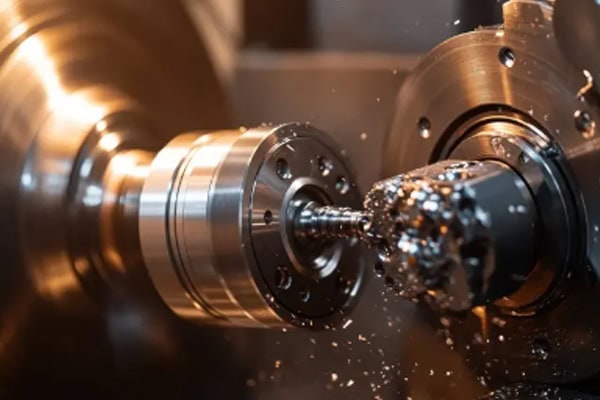
Material type determines machining difficulty
Different materials have different machinability, which directly affects efficiency and tool wear.
- Aluminum alloys are easier to machine and generally lower in cost
- Stainless steel and titanium alloys are harder and more expensive to process
- High-strength materials increase tool wear and replacement frequency
- Special materials may require dedicated machines and cutting parameters
- The harder the material, the higher the overall machining cost
Structural complexity affects machining time
The more complex the part structure, the more machining steps and cost required.
- Deep cavity structures require longer tool paths
- Thin-walled parts are prone to deformation and need staged machining
- Complex curved surfaces often require 5-axis machining
- Complex geometry increases programming and setup time
- Higher complexity leads to lower machining efficiency
Tolerance and precision requirements
Accuracy requirements are one of the key factors driving cost differences.
- Micron-level tolerances require slower and more stable machining
- High-precision parts require more inspection processes
- Tight tolerances increase scrap and rework risks
- Non-critical dimensions can be relaxed to reduce cost
- Higher precision requirements always increase overall cost
Machining Process and Equipment Costs
Process planning and equipment selection directly determine efficiency and resource consumption, making them a core part of cost structure.
Equipment level differences
Different machine capabilities lead to significant cost variations.
- 5-axis machining centers handle complex parts but are more expensive
- High-speed precision machines require higher investment and maintenance
- Standard 3-axis machines are cheaper but limited in capability
- Higher precision equipment leads to greater depreciation costs
- Equipment level directly affects quotation pricing
Process route complexity
More complex process planning leads to higher overall cost.
- Multi-step machining increases time and operational cost
- Roughing, semi-finishing, and finishing must be separated
- Process switching increases machine downtime
- Poor process planning increases risk of rework
- Better process optimization improves cost efficiency
Machining time and efficiency
Time cost is one of the largest components in precision machining.
- Cutting speeds are usually lower in precision machining
- Single-part machining time is significantly longer than conventional machining
- Complex parts require multiple inspections and adjustments
- Low efficiency increases unit cost
- Longer machining time results in higher total cost
Quality Control and Production Management Factors
Beyond machining itself, quality systems and production management also significantly affect overall cost.
Inspection and quality control costs
High-precision products require strict inspection systems.
- Coordinate Measuring Machines (CMM) and other tools are expensive
- Every critical dimension must be verified
- Inspection processes are time-consuming
- Higher precision requires more frequent measurements
- Quality control is a significant hidden cost factor
Scrap rate and rework cost
Defects during machining directly impact total budget.
- Precision machining has very low tolerance for errors
- Small deviations may lead to scrapped parts
- Rework consumes additional material and labor
- Process instability increases material waste
- Higher scrap rates lead to uncontrolled costs
Batch size and production planning
Production strategy significantly affects unit cost.
- Small batch production has higher per-unit cost
- Mass production helps spread fixed costs
- Frequent changeovers increase setup time
- Efficient scheduling improves machine utilization
- Larger production scale reduces average cost
Precision machining cost is not determined by a single factor but by the combined effect of materials, design, processes, equipment, and quality management. In real projects, proper structural planning and precision requirements in the early design stage, along with optimized machining routes and production planning, are essential to achieving a balance between cost and performance. In this field, platforms like Tirapid, specializing in high-precision machining and complex component manufacturing, help clients better control overall manufacturing costs through mature processes and stable production capabilities.