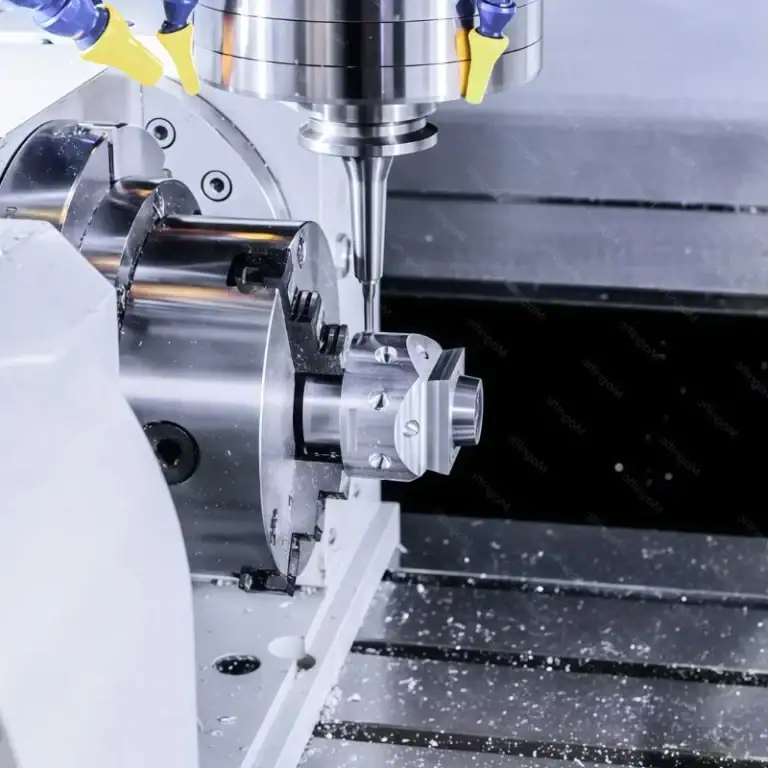
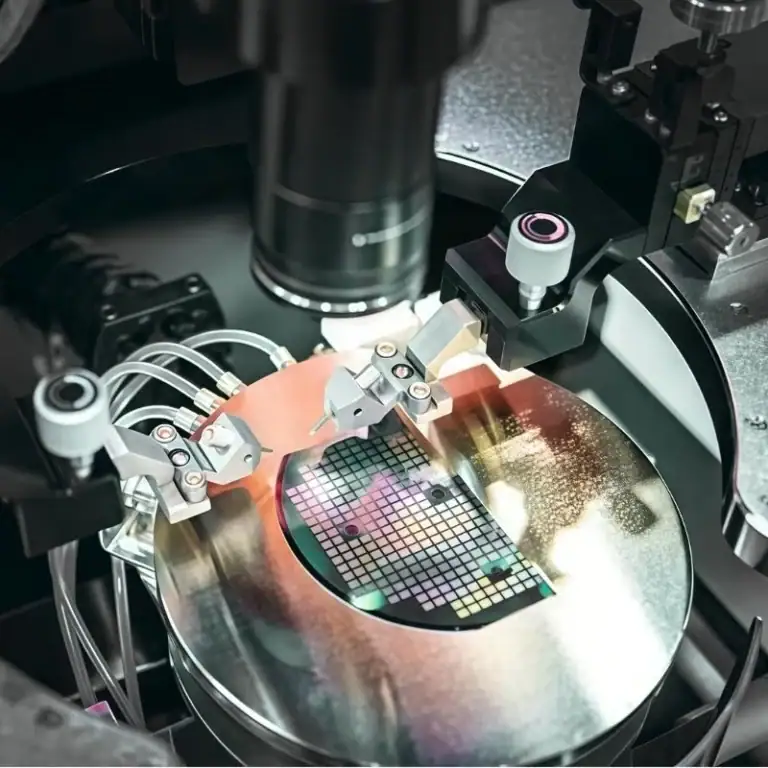
Electrode machining is a precision manufacturing process used to produce electrodes for EDM, mold making, die sinking, micro features, and complex tooling work. A well-machined electrode helps transfer accurate geometry to hard metals, deep cavities, sharp corners, ribs, slots, and details that are difficult to cut with standard tools.
This guide explains what electrode machining is, how it supports EDM, which electrode materials are commonly used, how electrodes are designed and machined, what quality factors matter, where the process is applied, and what information to include when requesting custom machined electrodes.
What Is Electrode Machining?
Electrode machining is the process of manufacturing a shaped electrode used in electrical discharge machining. The electrode is usually machined from graphite, copper, copper tungsten, or other conductive materials, then used to remove metal from a workpiece through controlled electrical sparks during EDM.
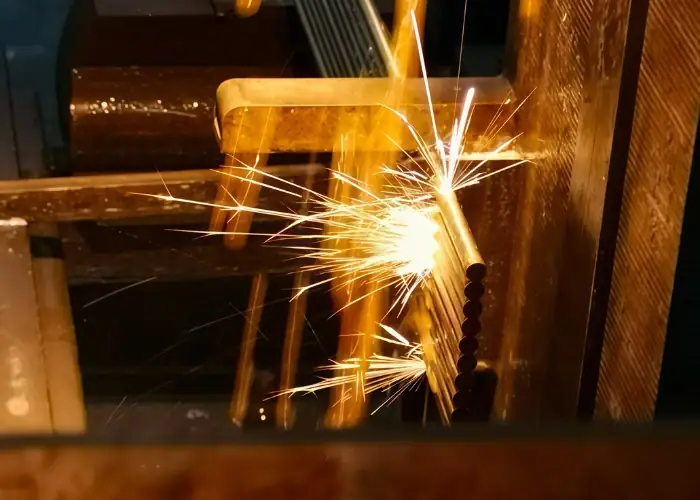
The electrode does not cut the workpiece by direct mechanical force. Instead, it creates a controlled spark gap in dielectric fluid, where electrical discharges erode the workpiece surface. This makes electrode machining important for hard metals, complex cavities, fine ribs, sharp corners, and difficult internal features.
A machined electrode must be accurate because its shape directly influences the final EDM cavity or feature. Electrode size, surface finish, corner detail, wear allowance, and alignment all affect EDM accuracy, tool life, machining time, and the quality of the finished mold or precision component.
How Electrode Machining Supports EDM
Electrode machining is closely connected with EDM because the electrode is the tool that transfers shape into the workpiece. If the electrode is poorly machined, even a good EDM machine may produce inaccurate geometry, rough surfaces, excessive wear, or poor repeatability during production.
In sinker EDM, the electrode is shaped like the negative form of the cavity or detail that must be produced. During machining, sparks occur between the electrode and the workpiece, gradually eroding the metal until the programmed geometry is achieved. This is useful for hardened steel and complex tooling.
The electrode must be designed with EDM clearance, wear compensation, flushing access, and reference features. These details help control spark gap, remove debris, reduce burning risk, and maintain stable machining performance. Good electrode preparation can reduce trial work and improve final part quality.
Sinker EDM Electrodes
Sinker EDM electrodes are used to create cavities, ribs, slots, text, sharp details, and complex internal forms. They are common in mold inserts, die components, tooling blocks, and hardened parts where milling tools cannot easily reach the required geometry. The electrode shape controls the final cavity form.
For sinker EDM, the electrode is often machined slightly different from the final cavity size to allow for spark gap and wear. Roughing electrodes may remove material quickly, while finishing electrodes create more accurate surfaces and details. This helps balance speed, accuracy, and electrode life.
A stable electrode design should include enough strength around thin ribs and small features. If the electrode is too thin or poorly supported, it may chip, wear unevenly, or lose accuracy during EDM. This is why electrode machining and EDM planning should be reviewed together before production.
EDM Electrode Wear
Electrode wear happens because electrical discharges remove small amounts of material from both the workpiece and the electrode. The wear rate depends on electrode material, EDM settings, polarity, flushing, spark energy, geometry, and whether the process is roughing or finishing.
Wear affects dimensional accuracy, corner sharpness, surface finish, and tool life. A roughing electrode may tolerate more wear, while a finishing electrode must preserve fine details more carefully. For tight-tolerance cavities, multiple electrodes may be needed to control final dimensions.
When electrode wear is expected, the design should include wear allowance and a clear machining plan. Critical EDM features may require separate roughing and finishing electrodes, inspection after machining, and stable datum features for repeatable alignment in the EDM machine.
Common Electrode Materials
Electrode material selection affects machining speed, detail accuracy, surface finish, wear resistance, cost, and EDM stability. The best material depends on workpiece material, cavity size, surface requirement, electrode geometry, discharge conditions, and production volume.
| Electrode Material | Main Advantages | Typical Use |
| Graphite | Fast machining, good EDM performance, stable wear behavior | Mold cavities, ribs, roughing and finishing electrodes |
| Copper | Good conductivity and fine detail capability | Fine surface finish, small electrodes, precision details |
| Copper Tungsten | High wear resistance and strength | Micro features, sharp details, high-precision EDM |
| Brass | Easy machining and good conductivity | Selected EDM tools, wire EDM-related components |
| Specialty Alloys | Application-specific performance | High-wear or special EDM requirements |
Graphite Electrodes
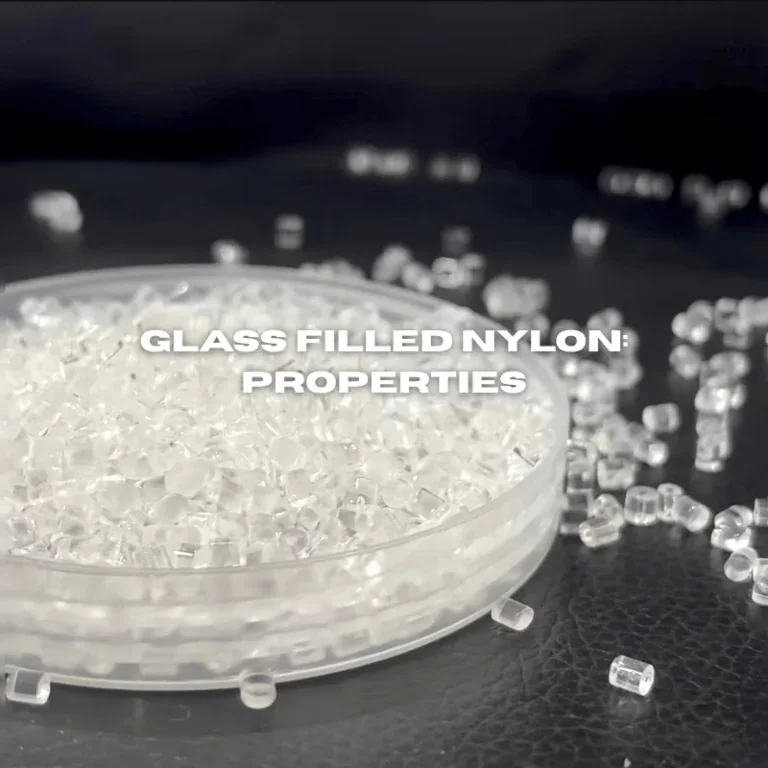
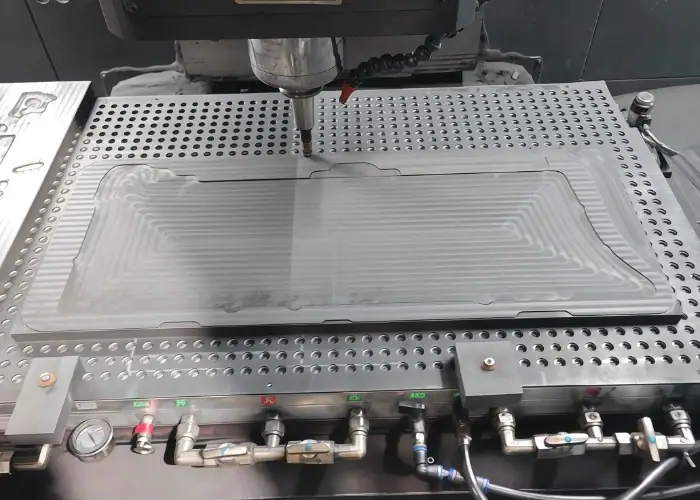
Graphite is widely used for EDM electrodes because it machines efficiently and performs well in many EDM applications. It can be milled into complex shapes, thin ribs, deep cavity forms, and fine details with suitable tools and dust control. Different graphite grades offer different grain size and wear behavior.
Fine-grain graphite can support better detail and surface finish, while coarser grades may be more economical for larger roughing electrodes. The material is lighter than copper and often easier to machine at high speed, which can reduce electrode manufacturing time for mold and tooling projects.
Graphite creates dust during machining, so proper extraction and machine protection are important. It can also chip if thin details are not designed carefully. For precision EDM work, graphite grade, electrode geometry, and machining strategy should be selected together.
Copper Electrodes
Copper electrodes offer strong electrical conductivity and can support fine surface finish in selected EDM applications. Copper is often used for small electrodes, fine details, text, thin features, and areas where a smoother EDM result is required. It can also be useful when electrode strength is important.
Compared with graphite, copper is heavier and may be slower to machine. It can also be more prone to burrs or tool loading if cutting parameters are not controlled properly. Sharp tools, stable workholding, and suitable machining strategies are needed to maintain clean electrode edges.
Copper is a good choice when surface finish, conductivity, and fine feature quality are more important than high-speed electrode production. For complex mold electrodes, engineers may compare copper and graphite before choosing the most practical option.
Copper Tungsten Electrodes
Copper tungsten combines the conductivity of copper with the wear resistance and strength of tungsten. It is often selected for high-precision EDM, small details, sharp corners, micro features, and applications where electrode wear must be tightly controlled.
This material is harder and more difficult to machine than copper or graphite. It may require slower cutting, rigid setup, suitable tooling, and careful inspection. Although it costs more, it can reduce EDM wear and improve stability in demanding work.
Copper tungsten is usually chosen when performance justifies the higher material and machining cost. For delicate electrodes, small cavities, and high-value tooling, it may provide better accuracy and longer electrode life than lower-cost materials.
Electrode Design Tips for EDM
Good electrode design helps EDM run more efficiently and produce accurate results. Before machining an electrode, engineers should review final cavity geometry, spark gap, wear allowance, flushing, electrode strength, datum locations, holder design, and inspection method.
Electrode design should not only copy the final part shape. It must include process details that allow EDM to remove material safely and predictably. Without these details, the electrode may wear too fast, burn unevenly, or fail to produce the required geometry.
Add Spark Gap and Wear Allowance
EDM requires a controlled gap between the electrode and the workpiece. The electrode size must account for this spark gap, otherwise the final cavity may become oversized, undersized, or inconsistent with the drawing requirement. This allowance depends on EDM settings and finishing goals.
Wear allowance is also important because the electrode slowly erodes during discharge. Roughing electrodes usually remove more material and experience more wear, while finishing electrodes use lighter settings to preserve detail. The machining plan should separate these needs when accuracy matters.
For precision cavities, the drawing or EDM plan should define whether the electrode is for roughing, semi-finishing, or finishing. This helps the machinist apply the correct offset and helps the EDM operator control final size more predictably.
Keep Thin Features Strong
Thin ribs, sharp corners, deep narrow details, and small text can make electrodes fragile. If these areas are too thin or unsupported, the electrode may chip during machining, wear quickly during EDM, or fail to reproduce the detail accurately in the workpiece.
Designers should check minimum wall thickness, feature depth, tool access, and material strength before finalizing the electrode. A slight design change may improve electrode durability without changing the functional result of the EDM cavity.
When very fine details are required, a higher-grade graphite, copper, or copper tungsten electrode may be needed. The supplier should review the geometry early to confirm whether the feature can be machined, inspected, and used reliably in EDM.
Plan Flushing and Debris Removal
EDM removes material through spark erosion, but debris must be flushed away from the spark gap. If flushing is poor, the process may become unstable, causing arcing, burning, rough surfaces, slow machining, or uneven electrode wear.
Electrode geometry should support dielectric flow around deep cavities, ribs, slots, and internal features. In some cases, flushing holes, relief areas, or adjusted electrode shapes may be needed to improve debris removal and maintain stable discharge conditions.
Flushing should be considered before electrode machining begins. Once the electrode is finished, adding flushing details may be difficult or may affect accuracy, so the EDM strategy and electrode design should be planned together.
How Electrodes Are Machined
Electrodes can be made by CNC milling, CNC turning, grinding, wire cutting, EDM, and polishing depending on material, shape, tolerance, and surface requirement. CNC milling is common for complex graphite and copper electrodes, while turning is useful for round electrodes and pins.
The machining method must match the electrode material. Graphite needs dust control and sharp tools, copper needs burr control and stable cutting, and copper tungsten may require slower machining with more rigid setup. The goal is to produce accurate geometry without damaging fine features.
CNC Milling for Electrodes
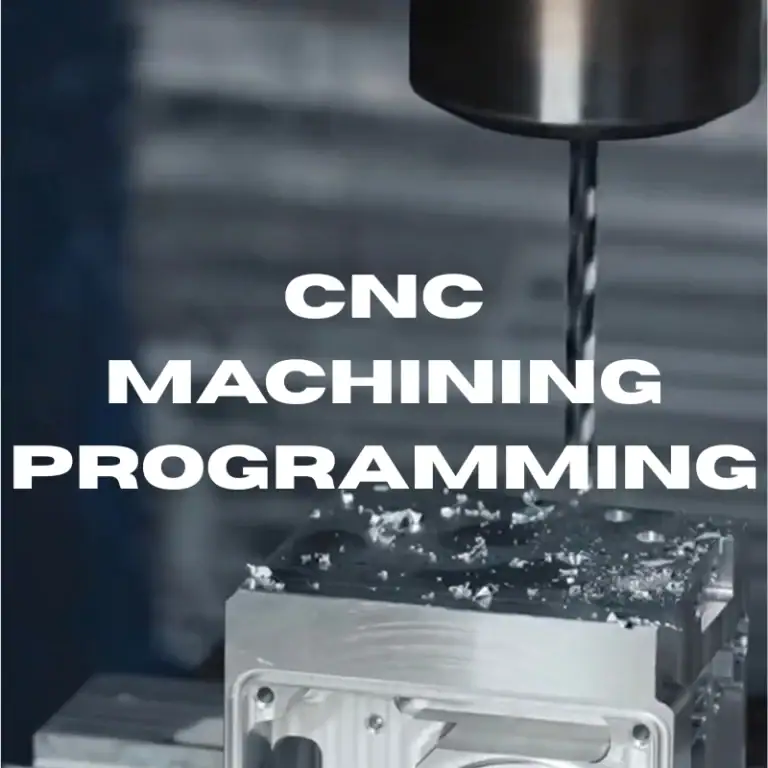
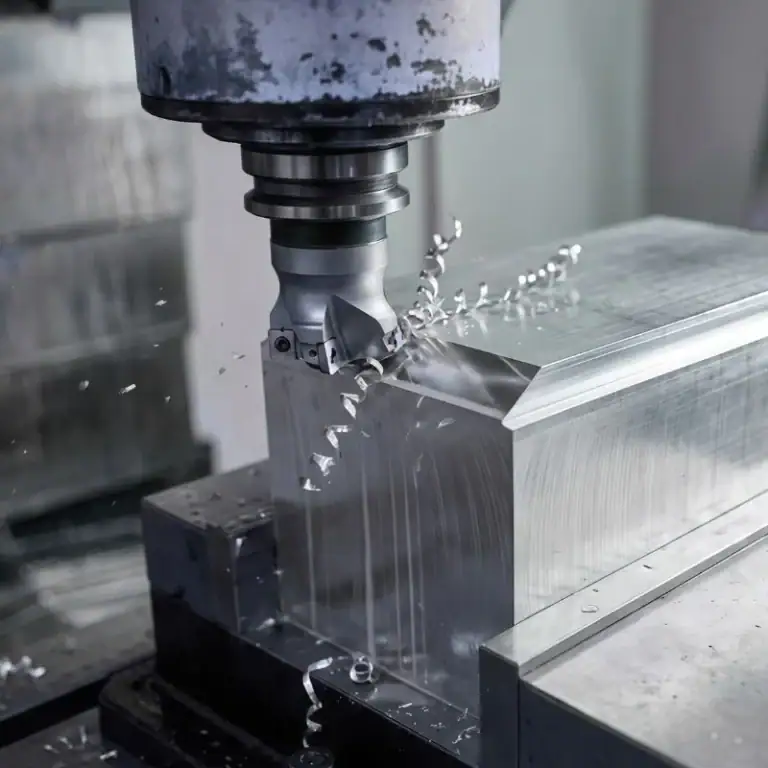
CNC milling is the main method for producing shaped EDM electrodes. It can create cavities, ribs, fine profiles, text, slots, and 3D surfaces in graphite, copper, and selected electrode materials. Toolpath strategy affects detail quality, surface finish, and machining time.
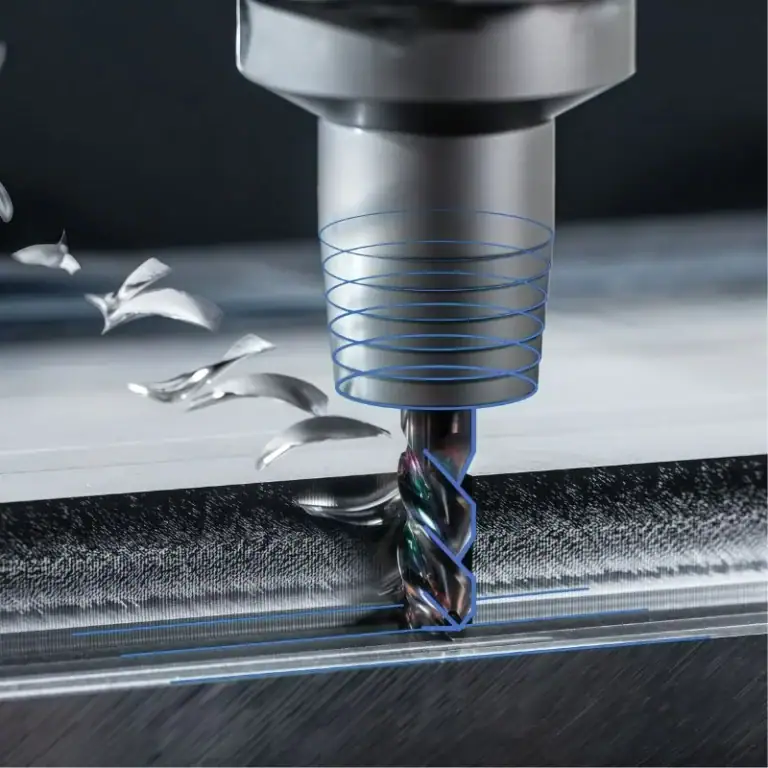
Small cutters are often needed for fine corners and narrow ribs, while larger tools remove bulk material faster. Roughing and finishing paths should be planned to reduce tool marks, avoid chipping, and maintain stable electrode geometry during machining.
For complex electrodes, high-speed milling and careful tool selection can improve productivity. However, fine electrode details still require controlled cutting forces, suitable stepovers, and inspection to confirm the machined shape before EDM use.
CNC Turning for Round Electrodes
CNC turning is used for round electrodes, cylindrical pins, small rods, threaded electrodes, and rotational EDM tools. It can create accurate diameters, grooves, tapers, shoulders, and concentric features with good repeatability.
Round electrodes are often used for holes, circular cavities, small details, and special EDM operations. Turning can be efficient when the electrode geometry is symmetrical and does not require complex milled features.
If the electrode also needs slots, flats, cross holes, or milled details, turning may be combined with live tooling or secondary milling. Keeping the part in one setup can improve concentricity and reduce alignment errors.
Finishing and Inspection
After machining, electrodes may need deburring, polishing, cleaning, or surface checking before EDM use. Graphite electrodes should be cleaned carefully to remove dust, while copper electrodes may need edge inspection to confirm that burrs do not affect the EDM result.
Inspection may include CMM, optical measurement, micrometers, profile checks, surface roughness testing, or visual inspection. Critical areas include thin ribs, corner radii, datum surfaces, holder interfaces, and features that directly transfer to the workpiece.
Good inspection helps prevent EDM errors before the electrode is used. If an electrode is wrong, every cavity it produces may also be wrong, so checking the electrode first is often more efficient than correcting tooling after EDM.
Electrode Machining Tolerances and Quality Control
Electrode machining tolerances depend on the final EDM feature, electrode material, machining method, and expected wear. A roughing electrode may allow wider tolerance, while a finishing electrode for a mold cavity or precision insert usually needs tighter control.
Quality control should consider not only the electrode itself but also how it will be mounted and used in EDM. Datum features, holder alignment, repeatability, and electrode offset all influence the final machined cavity or component.
Dimensional Accuracy
Dimensional accuracy is critical because the electrode shape affects the final EDM cavity. Key dimensions may include cavity-forming surfaces, ribs, steps, datum pads, reference holes, holder interfaces, and details that control final part size.
The required tolerance should match the EDM stage. A roughing electrode may focus on material removal, while a finishing electrode must control final geometry and surface detail more carefully. This helps avoid unnecessary cost on non-critical electrode surfaces.
For tight-tolerance work, the supplier should confirm electrode offsets, shrink or gap allowance, and inspection method before machining. This reduces the risk of misunderstanding between electrode manufacturing and final EDM requirements.
Surface Finish and Edge Quality
Electrode surface finish affects EDM performance and may influence the final workpiece surface. Tool marks, burrs, chipped edges, or rough details can transfer into the cavity or create unstable spark conditions during discharge machining.
Graphite electrodes require careful handling because sharp corners and thin ribs can chip. Copper electrodes need burr control, especially around small features and edges. Fine finishing passes can improve detail quality but may increase machining time.
The required electrode surface should match the EDM purpose. A roughing electrode does not need the same finish as a final finishing electrode, so drawings should identify which surfaces are critical and which are non-critical.
Datum and Mounting Control
Electrode accuracy also depends on how the electrode is located in the EDM machine. Datum surfaces, reference holes, holder interfaces, and repeatable mounting features must be controlled to keep the electrode aligned with the workpiece.
If the electrode is used multiple times or replaced between roughing and finishing, repeatable positioning becomes more important. Poor datum control can cause offset errors, mismatch, or inconsistent cavity geometry.
Electrode drawings should show datum references and mounting requirements clearly. This helps the machining supplier and EDM operator maintain alignment through the full tooling process.
Applications of Electrode Machining
Electrode machining is used when standard cutting tools cannot easily create the required details in hard metals or complex tooling features. It is especially useful for mold making, die components, precision inserts, medical tooling, aerospace parts, and small detailed cavities.
The process is often selected when the final workpiece is hardened, difficult to mill, or designed with deep ribs, sharp internal corners, narrow slots, fine text, or complex 3D cavity features. Electrode quality directly affects EDM efficiency and final part accuracy.
Mold and Die Manufacturing
Mold and die manufacturing is one of the main application areas for electrode machining. EDM electrodes are used to create cavity details, ribs, logos, textures, gates, slots, and sharp internal features that are difficult to reach with milling tools.
Injection mold inserts, die casting tools, stamping dies, and precision tooling blocks often require electrodes for final details after CNC machining and heat treatment. This helps produce features that would otherwise be slow, risky, or impossible to machine directly.
For mold projects, electrode machining should be planned together with core and cavity machining. Electrode quantity, material, offsets, finishing level, and inspection requirements all affect tooling lead time and final mold quality.
Aerospace, Medical, and Industrial Parts
Aerospace and medical components may require precise small features, narrow slots, hard metals, and controlled surfaces. Electrode machining supports EDM work on difficult materials where mechanical cutting force could damage fine geometry or create tool access problems.
Industrial equipment and automation tooling may use EDM electrodes for hardened inserts, wear parts, micro cavities, fluid features, and high-precision tooling details. EDM can help maintain accuracy when the material is already heat treated or very hard.
In these applications, electrode accuracy and EDM planning affect final part performance. The RFQ should clearly define critical geometry, material, tolerance, surface finish, and whether the electrode is for roughing, finishing, or both.
Common Electrode Machining Problems
Electrode machining requires stable geometry, clean edges, accurate reference surfaces, and proper material selection. Even small problems on the electrode can affect the final EDM cavity because the electrode shape is transferred into the workpiece during spark erosion. Understanding common issues helps improve machining quality and reduce EDM risk.
Chipping and Edge Damage
Chipping is common on thin ribs, sharp corners, small text, and fine graphite electrode details. These areas are fragile during CNC milling, handling, cleaning, and EDM setup. If an edge chips before EDM, the damaged shape may transfer into the mold cavity or tooling feature, causing visible defects or dimensional errors.
The risk depends on electrode material, grain size, tool sharpness, cutting force, feature thickness, and handling method. Graphite can chip if details are too thin, while copper may form burrs if the toolpath is not controlled. Fine features usually need careful finishing passes and proper inspection before EDM use.
To reduce chipping, designers should avoid unnecessarily thin unsupported features and confirm minimum detail size with the supplier. For critical corners, ribs, and text, a finer graphite grade, copper electrode, or copper tungsten electrode may be more suitable when accuracy and detail retention are more important than cost.
Burrs and Poor Surface Finish
Burrs and poor surface finish can affect both electrode quality and EDM performance. Copper electrodes may develop burrs around small edges, holes, or milled features, while graphite electrodes may show tool marks, dust residue, or rough areas if cutting conditions are not suitable. These issues can influence the final EDM result.
Surface defects may create unstable discharge, uneven wear, or unwanted marks on the workpiece. A roughing electrode can usually accept a less refined surface, but a finishing electrode should have cleaner details and better surface control. This is especially important for mold cavities, logos, sealing areas, and visible surfaces.
Good machining strategy helps prevent these problems. Sharp tools, suitable feed rates, stable clamping, fine finishing passes, and careful cleaning can improve electrode quality. Critical surfaces should be inspected before EDM so defects are found on the electrode instead of after the workpiece has already been machined.
Misalignment and Datum Errors
Misalignment can happen when electrode datum surfaces, holder interfaces, or reference features are not controlled correctly. Even if the electrode shape is accurate, poor positioning in the EDM machine can shift the final cavity, create mismatch, or affect the relationship between multiple EDM features.
This problem is more serious when several electrodes are used for roughing and finishing, or when one mold insert needs multiple EDM operations. If each electrode does not locate repeatably, the finished cavity may show steps, offset marks, uneven corners, or dimensional variation between related features.
To avoid datum errors, electrode drawings and machining plans should define reference surfaces, mounting points, and inspection datums clearly. Repeatable holders, accurate setup, and consistent electrode measurement help connect CNC electrode machining with final EDM accuracy.
FAQs
What is electrode machining used for?
Electrode machining is used to produce shaped EDM electrodes that create cavities, ribs, slots, text, sharp corners, and hard-to-machine details in metal parts. It is common in mold making, die sinking, tooling, aerospace parts, medical components, and precision industrial applications.
Which material is best for EDM electrodes?
There is no single best EDM electrode material for every project. Graphite is widely used for efficient EDM and complex mold electrodes, copper is useful for fine detail and surface finish, and copper tungsten is selected for high wear resistance, small features, and precision EDM work.
Why does electrode wear matter in EDM?
Electrode wear matters because the electrode shape directly affects the final EDM feature. If the electrode wears too much, the cavity size, corner detail, surface finish, and dimensional accuracy can change, especially during finishing work or tight-tolerance mold machining.
How does electrode material affect machining and EDM results?
Electrode material affects machining speed, detail accuracy, surface finish, wear rate, and EDM stability. Graphite is often efficient for complex mold electrodes, copper can support fine details and smooth finishes, while copper tungsten is better for small features or high-wear EDM work. The best choice depends on geometry, tolerance, workpiece material, and final surface requirements.
Conclusion
Electrode machining is essential for producing accurate EDM electrodes used in mold making, die sinking, tooling, and precision component manufacturing. Good results depend on electrode material, geometry, machining accuracy, surface finish, datum control, wear allowance, and EDM planning.
At TiRapid, we provide precision CNC machining for graphite, copper, and metal components, including custom electrodes, tooling parts, mold inserts, and precision machined features. Send us your 2D drawings, 3D files, material requirements, quantity, tolerance, and EDM application details, and our team can help review the best machining solution.