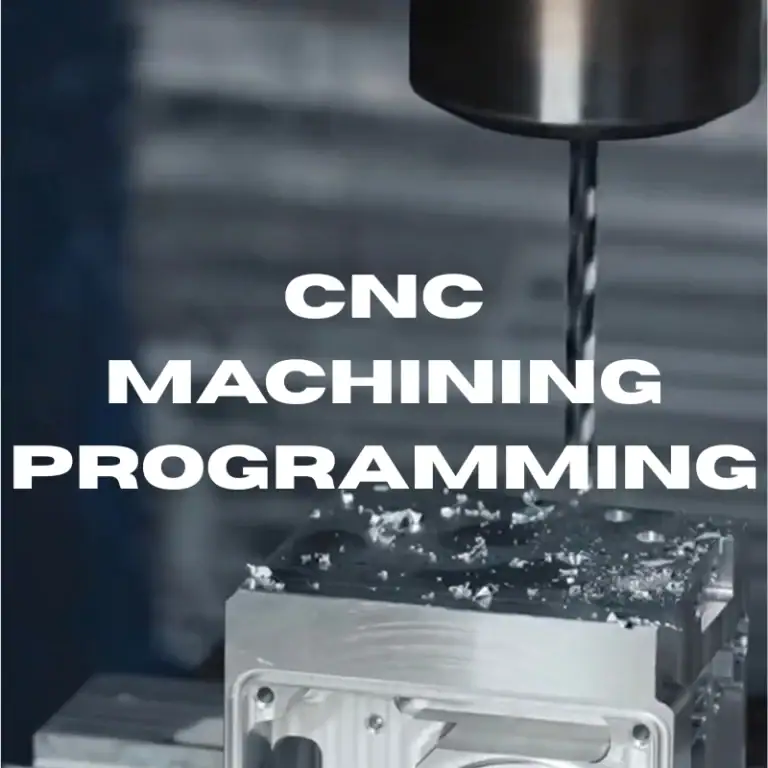
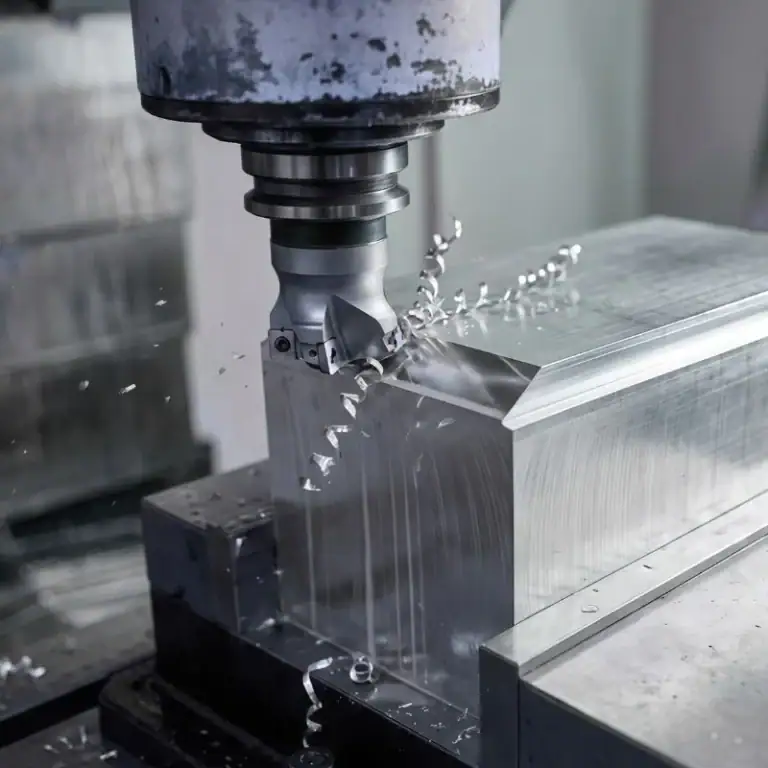
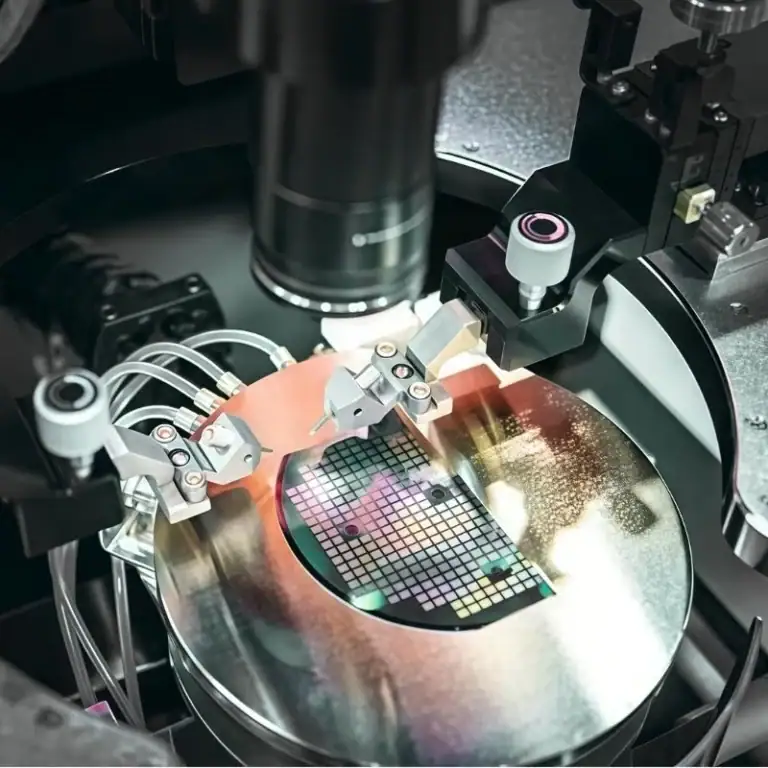
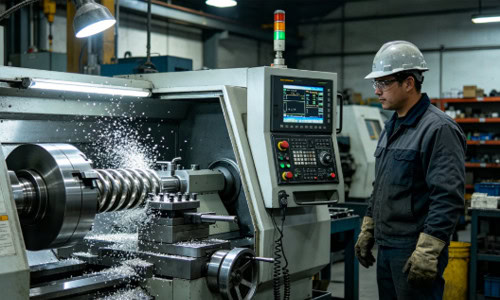
CNC turning technology is a core process in modern precision manufacturing, widely used to produce rotational parts with high accuracy and stable quality. By combining computer numerical control systems with traditional lathe machining principles, CNC turning enables automated cutting operations with consistent repeatability and high efficiency. It is applied across industries such as automotive engineering, aerospace manufacturing, medical device production, energy systems, and general machinery. The main applications of CNC turning technology are not limited to a single field but extend across multiple industrial sectors that require precision cylindrical components, threaded structures, and complex rotational geometries.
CNC Turning Applications in Automotive Manufacturing
Automotive manufacturing relies heavily on CNC turning technology for producing high-precision engine components, transmission parts, and structural connectors. The demand for durability, consistency, and tight tolerances makes CNC turning an essential process in vehicle production systems. Components such as crankshafts, camshafts, brake system parts, and wheel hubs require stable dimensional control and smooth surface finishing, both of which are achieved through CNC turning operations. The ability to produce large quantities of identical parts also supports mass production requirements in the automotive industry, ensuring interchangeability and performance stability across vehicle models.
Engine Component Production
CNC turning is widely used in the manufacturing of engine-related parts where precision and strength are essential. Crankshafts, pistons, and connecting rods require accurate dimensional control to ensure proper engine performance. CNC systems allow precise control of cutting depth and tool movement, resulting in consistent part geometry. This reduces vibration during engine operation and improves fuel efficiency. High-speed machining also helps maintain production efficiency while meeting strict automotive standards.
Transmission System Parts
Transmission systems depend on accurately machined gears, shafts, and housings. CNC turning ensures that these components meet strict tolerance requirements for smooth mechanical engagement. Proper machining reduces friction and wear between moving parts, extending the lifespan of the transmission system. The repeatability of CNC processes ensures consistent quality across large production batches.
Automotive Structural Components
Before listing key points, it is important to understand that structural automotive parts require both strength and precision.
- Wheel hubs and axle components require stable concentricity to ensure safe vehicle operation.
- Suspension system parts depend on accurate machining for load distribution.
- Fastening and connector components require precise threading and dimensional consistency.
These applications demonstrate how CNC turning supports both functional and structural requirements in automotive manufacturing.
CNC Turning Applications in Aerospace Engineering
Aerospace engineering requires extremely high precision and reliability, making CNC turning a critical process for producing aircraft components. Parts used in aircraft engines, landing systems, and structural assemblies must withstand extreme conditions while maintaining dimensional accuracy. CNC turning is capable of processing advanced materials such as titanium alloys, stainless steel, and high-temperature resistant alloys, which are commonly used in aerospace structures. The ability to maintain tight tolerances and smooth surface finishes makes CNC turning suitable for high-performance aerospace applications.
Aircraft Engine Components
Aircraft engines contain complex rotational parts that must perform under high stress and temperature conditions. CNC turning is used to produce turbine shafts, compressor components, and engine casings. These parts require high structural integrity and precise balance to ensure safe operation. CNC systems provide stable machining conditions that help maintain consistent performance in demanding environments.
Structural Aircraft Parts
Structural components in aircraft systems require both lightweight design and high strength. CNC turning helps produce connector elements, support rods, and housing structures with precise dimensional control. This ensures that parts fit together accurately during assembly and maintain structural stability during flight.
Precision Aerospace Fasteners
Before listing key points, it is important to highlight that aerospace fasteners require extreme accuracy.
- Threaded components must maintain strict dimensional consistency for secure assembly.
- Material integrity must be preserved during machining to ensure safety performance.
- Surface finishing quality directly affects fatigue resistance and durability.
These requirements make CNC turning essential in aerospace manufacturing environments.
CNC Turning in Medical Device Manufacturing
Medical device manufacturing requires extremely high precision and strict quality control, making CNC turning an important production method for surgical instruments, implants, and diagnostic equipment components. Biocompatible materials such as titanium, stainless steel, and medical-grade polymers are commonly processed using CNC turning. The ability to achieve smooth surface finishes and accurate dimensions ensures compatibility with human body applications and medical safety standards.
Surgical Instrument Production
CNC turning is used to manufacture surgical tools such as handles, shafts, and precision tips. These instruments require smooth surfaces to prevent contamination and ensure safe operation during medical procedures. CNC systems provide consistent accuracy, which is essential for sterile environments and repeated use.
Implant Component Manufacturing
Orthopedic implants and dental components require precise shaping to ensure proper fit within the human body. CNC turning enables accurate production of implant structures with controlled geometry and smooth finishing. This improves patient comfort and long-term stability after implantation.
Diagnostic Equipment Parts
Before listing key points, it is important to understand that diagnostic devices require stable and reliable components.
- Rotational housings must maintain precise alignment for accurate measurement.
- Sensor components require stable machining to ensure signal consistency.
- Enclosures must provide dimensional accuracy for proper device assembly.
These applications highlight the importance of CNC turning in medical technology.
CNC Turning Applications in Energy and Industrial Equipment
Energy systems such as oil and gas equipment, wind turbines, and hydraulic systems rely on CNC turning for producing durable and high-strength components. These industries require parts that can withstand high pressure, heavy load, and long-term operation. CNC turning provides stable machining for large-scale components and ensures reliability in demanding working conditions.
Hydraulic System Components
Hydraulic cylinders, pistons, and valve bodies require precise internal and external machining. CNC turning ensures tight sealing surfaces and accurate dimensions, which are essential for pressure control and fluid efficiency.
Energy Transmission Components
Wind turbines and industrial gear systems depend on large rotating shafts and connectors. CNC turning provides stable machining for these heavy-duty components, ensuring structural strength and operational reliability over long periods.
Oil and Gas Equipment Parts
Before listing key points, it is important to recognize that oil and gas equipment operates under extreme conditions.
- High-pressure valve components require precise sealing surfaces.
- Pipeline connectors must maintain structural integrity under stress.
- Rotational equipment parts require high wear resistance and durability.
These applications demonstrate CNC turning’s importance in energy industries.
CNC Turning in General Machinery and Electronics
General machinery manufacturing and electronics industries also rely on CNC turning for producing a wide range of components, including housings, connectors, shafts, and precision fittings. The flexibility of CNC turning allows it to adapt to different materials and design requirements, making it suitable for both large-scale industrial production and small precision components used in electronic devices.
Machinery Component Production
CNC turning is widely used in producing machine shafts, gears, and structural frames. These components require stable dimensional accuracy and mechanical strength to ensure proper machine operation.
Electronic Device Components
Electronic devices require miniature precision parts such as connectors, housings, and rotating interfaces. CNC turning provides high accuracy and smooth finishing for these compact components.
Industrial Equipment Applications
Before listing key points, it is important to highlight the role of CNC turning in industrial systems.
- Provides stable machining for continuous production environments.
- Supports customization of mechanical parts for different equipment types.
- Improves durability and reliability of industrial systems.
These applications show the versatility of CNC turning across industries.