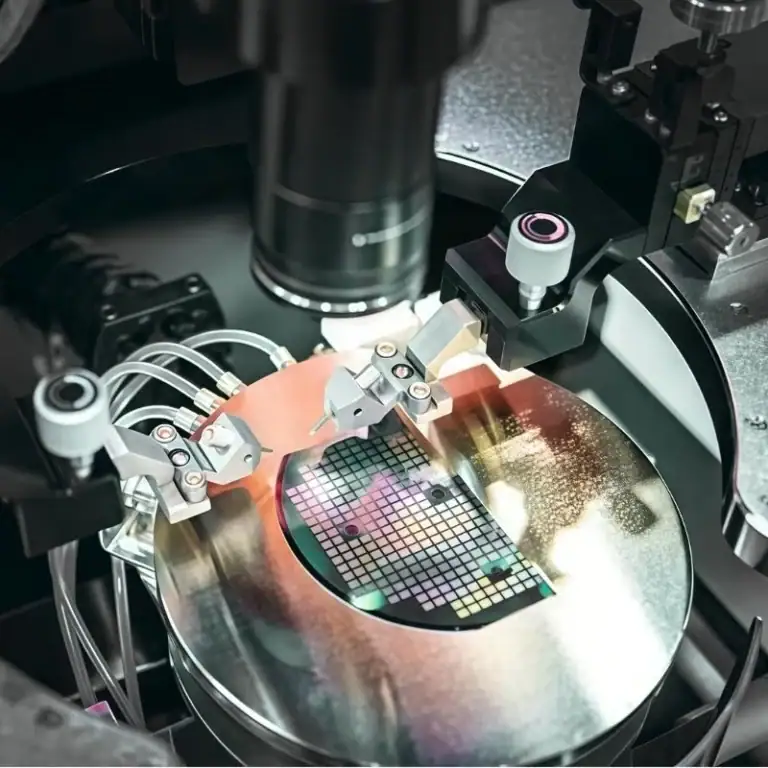
Threaded inserts are used to create strong, reusable threads in materials that may not hold screws reliably on their own, such as plastic, wood, thin metal sections, and repaired holes. They help improve fastening strength, reduce thread wear, and make repeated assembly more reliable in products that require long-term durability and stable connection performance.
In this guide, we will explain the main types of threaded inserts, show how they are classified, compare which insert types work best for different materials, and help you choose the right option based on installation method, load condition, and application needs.
What Is a Threaded Insert?
A threaded insert is a fastening component used to create durable internal threads in materials that may not hold screws well on their own, such as plastic, wood, thin metal sections, or worn holes. Instead of relying only on the base material to hold repeated fastening, the insert provides a stronger and more reliable threaded connection.
Threaded inserts are commonly used when a part needs better thread strength, repeated assembly, or longer service life. They are especially useful in applications where direct threads may wear out, strip, loosen, or lose stability over time. In many products, they help improve both fastening performance and maintenance reliability.
In practical manufacturing, threaded inserts are used in plastic housings, wood assemblies, metal repair work, and many mechanical components that require stable threaded fastening. Different insert types are designed for different materials, installation methods, and load conditions, which is why understanding them is important before choosing the right one.
What Are the Main Types of Threaded Inserts?
Threaded inserts come in several main types, and each one is suited to a different combination of material, installation method, and performance requirement. Some are designed for quick installation, while others are built for higher pull-out strength, better torque resistance, or repeated assembly in demanding environments. Understanding these common insert types makes it easier to choose the right fastening solution for plastic parts, wood assemblies, metal components, and repair work.
1.Press-In Inserts
Press-in inserts are installed by pressing them directly into a preformed hole without using heat. They are commonly used in softer plastic parts and in applications where fast installation is more important than maximum retention strength. Their external knurled surfaces help the insert grip the surrounding material and provide basic torque and pull-out resistance.
This type is often chosen for electronic housings, light-duty covers, and general plastic assemblies that do not face extremely high mechanical stress. The advantage is speed and simplicity, but press-in inserts are usually not the best choice when the joint must withstand high axial loads or repeated heavy service.
2.Self-Tapping Inserts
Self-tapping inserts cut or form their own external thread during installation. This allows them to achieve stronger mechanical engagement with the surrounding material, which is why they are often selected when better pull-out performance is required. In many plastic applications, they are considered a stronger option than simple press-in inserts.
They are especially useful in softer thermoplastics, certain thermoset materials, and repair situations where a damaged hole needs a more secure fastening point. Because they create their own seat during installation, they are well suited to parts that need stronger holding power and more dependable long-term performance.
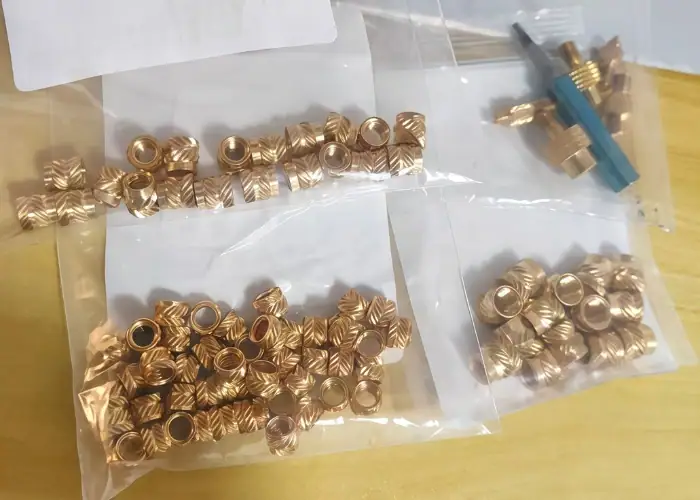
3.Heat-Set Inserts
Heat-set inserts are designed for thermoplastics and are installed by heating the insert so the surrounding plastic softens and flows around it. After cooling, the insert becomes locked in place with strong resistance to torque and pull-out. This makes heat-set inserts one of the most common choices for plastic housings and engineered plastic parts that require reliable threaded fastening.
They are widely used in products that combine plastic bodies with screws, such as enclosures, technical covers, and assembled plastic components. Compared with simple press-in options, heat-set inserts generally offer stronger retention and more consistent performance in repeated assembly.
4.Ultrasonic Inserts
Ultrasonic inserts are also used in thermoplastics, but instead of relying only on heat conduction, they are installed with ultrasonic energy that rapidly softens the plastic around the insert. This method is often used in production environments where speed, consistency, and secure retention are important.
Like heat-set inserts, ultrasonic inserts provide high torque-out and pull-out resistance when properly installed. They are often selected for technical plastic parts that require stable threaded fastening in medium- to high-volume assembly.
5.Molded-In Inserts
Molded-in inserts are placed into the mold before the plastic is formed, so the material solidifies around the insert during molding. Because the insert becomes part of the molded structure, this type can provide excellent retention and long-term durability. It is often used in production parts that need repeated assembly or higher mechanical strength.
This insert type is more common in established production programs than in early prototypes because it must be planned into the molding process. When used correctly, it can improve structural reliability and help protect the plastic part from thread wear over time.
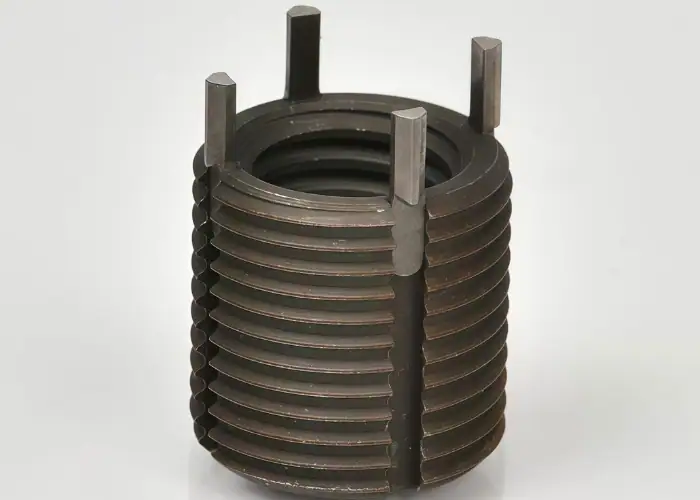
6.Helical Inserts
Helical inserts are coil-style threaded inserts widely used for thread repair and thread reinforcement. They are especially useful when an existing thread has been stripped or when a part must withstand repeated assembly, vibration, or higher mechanical loads. By distributing stress more evenly, they can improve thread durability and load-bearing performance.
They are common in maintenance, industrial equipment, and metal parts where restoring thread quality is more practical than replacing the entire component. In applications that demand long service life and reliable fastening, helical inserts are often used as both a repair solution and a durability upgrade.
7.Threaded Inserts for Wood
Threaded inserts for wood are designed to create durable internal threads in timber, hardwood, plywood, and similar materials. They are commonly used in furniture, wooden structures, and parts that need repeated assembly without damaging the surrounding wood. Depending on the design, they may be pressed in or screwed into place.
Compared with directly driving screws into wood, these inserts can improve thread life and provide a more secure fastening point for machine screws and bolts. They are especially useful in applications where components may need to be removed and reinstalled many times.
8.T-Nuts
T-nuts are flange-style inserts with prongs that lock into wood. They are commonly used in panels and wooden assemblies where a strong internal thread is needed from the back side of the material. Their holding performance depends heavily on installation direction, because the flange must be pulled against the wood under load.
T-nuts are simple to install and can provide a reliable threaded connection in wood-based structures. They are often chosen for furniture, fixtures, and assembly points where bolts are preferred over standard wood screws.
9.Specialty Threaded Inserts
In addition to standard round-body inserts, there are also specialty designs such as knurled inserts, hex body inserts, swaged inserts, and captive inserts. These are developed for more specific requirements, such as improved anti-rotation performance, better retention in thin materials, or stronger resistance in corrosive environments.
For example, hex body inserts can improve anti-rotation behavior, while different insert materials such as aluminum, brass, and steel are selected based on corrosion resistance, tensile strength, and application conditions. These specialty insert types are often used when standard insert designs do not provide enough structural or environmental performance.
How Are Threaded Inserts Classified?
Threaded inserts can be classified by installation method, base material, body design, and insert material. This matters because inserts that look similar may behave very differently in real use. Their pull-out strength, anti-rotation ability, corrosion resistance, and installation demands can vary a lot, so a clear classification system makes insert selection more practical and accurate.
By Installation Method
One common way to classify threaded inserts is by how they are installed into the part. Some are pressed into a prepared hole, some cut or form their own thread during installation, and others are fixed by heat, ultrasonic energy, molding, or swaging. This method-based view is useful because installation directly affects hole design, process control, and assembly speed.
Each installation method creates a different relationship between the insert and the base material. Press-in inserts depend on interference and surface grip, while self-tapping inserts create stronger mechanical engagement by forming threads in the surrounding material. Heat-set and ultrasonic inserts work by softening thermoplastic so it flows around the insert and locks it in place after cooling.
This classification is important in production because the installation process influences consistency as much as insert design does. A strong insert can still fail if it is installed with the wrong hole size or poor alignment. When batch size, efficiency, and repeatability matter, classifying inserts by installation method helps engineers choose solutions that fit both design and manufacturing needs.
By Base Material
Threaded inserts are also classified by the material they are intended to work with. Plastic, wood, metal, and thin-wall sections do not respond to fastening in the same way, so the insert must match the substrate. A design that performs well in thermoplastic may not work well in hardwood, and an insert meant for wood may not be suitable for repairing metal threads.
The base material affects how the insert is supported during installation and in service. Softer materials may deform more easily, while rigid materials may require different body features to prevent loosening or cracking. Moisture absorption, heat resistance, and long-term wear also vary by substrate, which means the same insert can show very different performance in different materials.
Material-based classification is often the most practical starting point in insert selection. Before comparing sizes or body styles, engineers should first ask what the part is made of and how that material behaves under load. This approach reduces selection errors and makes it easier to match insert design with real operating conditions instead of choosing only by appearance.
By Body Design
Body design is another useful way to classify threaded inserts because it has a direct effect on grip, rotation resistance, and pull-out performance. Some inserts have a simple round body, while others use knurls, grooves, flanges, hex shapes, or wire-coil structures. These features are not decorative. They are designed to improve holding performance in specific base materials and applications.
For example, knurled inserts are often used to increase grip in plastic, while hex body inserts help prevent rotation once installed. Flanged inserts can improve seating and spread load over a larger area, which is helpful in weaker materials. Helical inserts work in a different way from solid-body inserts because they reinforce threads through a coil structure rather than through a rigid outer wall.
This classification becomes especially important when the application has limited wall thickness, repeated assembly, or higher mechanical stress. In these cases, body shape often has as much influence on performance as material or thread size. Choosing the right body design helps improve durability, reduce installation risk, and achieve more stable fastening over the product’s service life.
By Insert Material
Insert material is also part of classification because it affects strength, corrosion resistance, wear behavior, and cost. Common insert materials include brass, steel, stainless steel, and sometimes aluminum. Each material offers a different balance of mechanical performance, environmental durability, and manufacturing practicality, so the material choice should match the service conditions of the final part.
Brass inserts are widely used because they offer good corrosion resistance and are often easy to install, especially in plastic applications. Steel inserts are usually selected when higher strength is needed, while stainless steel is preferred in humid, outdoor, or corrosive environments. Aluminum inserts may be chosen in weight-sensitive applications, though they are not always the strongest option.
Material classification becomes more important when the product must survive harsh environments or long service cycles. An insert that performs well indoors may not be the best choice for exposure to moisture, chemicals, or vibration. Looking at insert material as part of classification helps engineers avoid overdesign in simple jobs and underdesign in demanding applications.
Which Threaded Insert Type Works Best for Different Materials?
The best threaded insert always depends on the base material because plastic, wood, metal, and thin-wall sections do not behave the same under fastening loads. An insert that works well in one substrate may loosen, rotate, or fail in another. For this reason, material compatibility should be considered before many other factors, including body style, size, and even installation speed.
Best Inserts for Plastic Parts
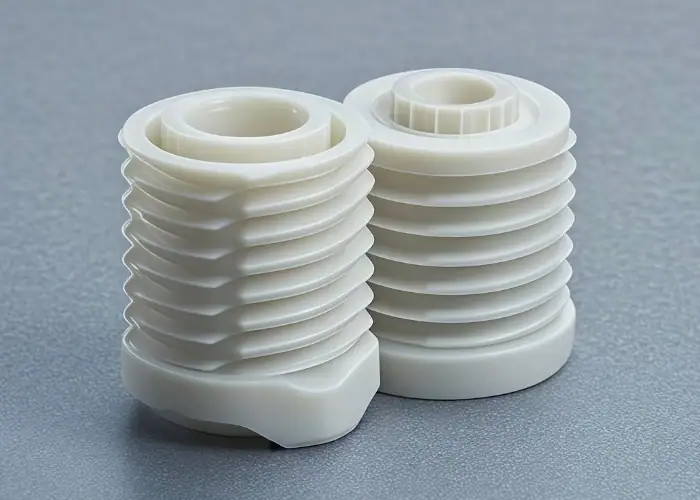
Plastic parts often need threaded inserts because direct threads in plastic can wear quickly, strip under load, or lose holding strength after repeated assembly. In many applications, inserts provide a more durable and reusable fastening point. The best insert for plastic depends on resin type, wall thickness, installation method, and how much pull-out and torque resistance the joint requires.
For thermoplastics, heat-set and ultrasonic inserts are often strong choices because the surrounding plastic softens during installation and then solidifies around the insert. This creates reliable retention and good resistance to torque and pull-out. Press-in inserts may still be used when faster installation is more important, while self-tapping inserts are often selected when stronger post-molding grip is needed.
Molded-in inserts are commonly used in production plastic parts that require high durability and repeated assembly, but they must be planned earlier in the design and molding process. In general, plastic insert selection should focus on how the resin behaves during installation and in service. A good match improves thread life, product reliability, and consistency in manufacturing.
Best Inserts for Wood Parts
Wood parts benefit from threaded inserts when the connection needs to be stronger and more repeatable than a normal wood screw joint. This is especially useful in furniture, fixtures, structural wood assemblies, and products that may be taken apart and reassembled many times. Inserts help protect the surrounding wood from wear and provide a more reliable thread for bolts or machine screws.
Many wood inserts are designed to screw into the material using external threads or shaped outer surfaces that lock into place. T-nuts are also common when a bolt needs to engage from one side and a flange anchors from the opposite side. These solutions can improve serviceability and strength, but they must be chosen based on the type of wood and the way the load is applied.
The best insert for wood depends on whether the material is solid wood, plywood, MDF, or another engineered board. Load direction also matters because some inserts perform better under pull loads while others resist rotation more effectively. In wood applications, insert selection should balance holding strength, ease of installation, and the risk of splitting or damaging the surrounding material.
Best Inserts for Metal Parts
Metal parts do not always need threaded inserts if the wall thickness is sufficient for direct tapping, but inserts become very valuable in repair, reinforcement, and high-cycle fastening applications. They are especially helpful when threads have been damaged or when repeated assembly may shorten the life of the original tapped hole. In these situations, inserts improve durability and reduce replacement cost.
Helical inserts are among the most common choices for metal because they can restore stripped threads and create durable internal threads with improved load distribution. They are widely used in maintenance, industrial equipment, and automotive applications where replacing the full component would be expensive or unnecessary. They also help improve thread performance in parts exposed to vibration or frequent disassembly.
Other insert types may be used in thin sheet metal or specialized assemblies, but for general repair and reinforcement, helical designs are often the most practical. The best insert for metal depends on whether the goal is to repair damage, improve wear resistance, reduce thread failure, or extend service life in demanding operating conditions. The insert should match both the metal part and the duty cycle.
Best Inserts for Thin or Weak Sections
Thin-wall parts and weak sections are among the most difficult applications for threaded inserts because there is limited surrounding material to support the insert. In these cases, standard insert designs may not provide enough holding force, and aggressive installation may damage the part. Insert selection must therefore focus on stress distribution as much as raw strength.
Special body designs such as flanged inserts, knurled inserts, and hex body inserts are often used to improve retention and reduce rotation in limited wall thickness. These features help the insert engage the material more effectively without relying only on depth. In some designs, the best solution is not the strongest insert overall, but the one that fits the wall condition without causing cracks or distortion.
For thin or weak parts, engineers should consider wall thickness, hole tolerance, installation force, and load direction together. A well-chosen insert can improve thread reliability even in a limited structure, while a poor choice may lead to pull-out, local cracking, or unstable assembly. In these applications, careful matching between insert design and part geometry is especially important.
How to Choose the Right Threaded Insert
Choosing the right threaded insert requires more than matching thread size. The insert must also fit the base material, load condition, installation method, and service environment. A good choice improves fastening reliability, helps prevent loosening or pull-out, and supports longer product life. A poor choice can lead to early failure, even if the insert looks correct on paper.
Base Material Compatibility
The first step in insert selection is understanding the base material. Plastic, wood, metal, and thin-wall sections all react differently to pressure, deformation, and repeated fastening. An insert that works well in one substrate may rotate, pull out, or damage another. That is why material compatibility should be checked before comparing shape, size, or thread details.
For plastic parts, the resin type matters because thermoplastics and thermosets do not behave the same during installation. Some plastics soften and flow around the insert, while others require a different locking method. In wood, density and structure are important because solid wood, plywood, and engineered boards do not provide the same support. In metal, inserts are often chosen for repair or reinforcement rather than basic thread creation.
Ignoring material compatibility often turns a strong insert into a weak fastening solution. The problem is not always the insert itself, but the mismatch between insert design and substrate behavior. A more reliable approach is to start with the material, then choose the insert type that best matches how that material performs during installation, tightening, vibration, and long-term service.
Pull-Out and Torque Resistance
Pull-out resistance and torque resistance are two of the most important factors in threaded insert performance. Pull-out resistance describes how well the insert stays in place under axial force, while torque resistance refers to its ability to resist turning inside the base material. If either one is too low, the fastening point may fail during assembly or loosen in service.
Different insert types achieve holding strength in different ways. Some rely on external threads, some use heat-based locking, and others depend on body features such as knurls, flanges, or hex shapes. These design differences affect how the insert grips the surrounding material and how well it resists movement under load. This is why two inserts of the same thread size can perform very differently in real applications.
The required level of pull-out and torque resistance depends on how the part will be used. A light plastic cover does not need the same holding power as a frequently serviced housing, a structural assembly, or a component exposed to vibration. Insert selection should therefore reflect actual service loads rather than simple thread size alone. Strength requirements should be tied to the real function of the part.
Installation Process
The installation process should be considered early because insert performance depends not only on design but also on how the insert is installed. Some inserts are easy to apply with basic tools, while others require controlled heat, ultrasonic equipment, or earlier planning during part production. The best insert is one that matches both the design goal and the manufacturing method.
A practical selection process looks at whether the insert will be installed after molding, after machining, during assembly, or during part production itself. Some inserts work well in manual assembly, while others are better suited to controlled production lines. If the chosen insert does not fit the actual installation process, performance can become inconsistent even when the insert itself is technically suitable.
Installation quality also depends on hole size, alignment, temperature control, and insertion force. A strong insert can still fail if the process is unstable or poorly matched to the material. That is why installation method should be treated as part of engineering selection rather than as a separate shop-floor detail. Good results depend on both insert design and repeatable installation conditions.
Corrosion Resistance and Environment
The service environment has a direct effect on insert selection because moisture, chemicals, heat, and vibration all influence long-term fastening performance. An insert that works well in a dry indoor product may not last in outdoor equipment, wet conditions, or corrosive industrial settings. Environmental fit is therefore an important part of choosing a durable insert, not just an afterthought.
Insert material plays a major role here. Brass is often used where corrosion resistance and installation ease are important, while steel is more common where higher strength is required. Stainless steel is often preferred in environments where moisture, chemicals, or outdoor exposure may shorten the life of standard materials. The right insert material should match both the application and the surrounding conditions.
Environmental selection is not only about preventing rust. It also affects wear, thread condition, maintenance intervals, and long-term joint stability. If the environment is ignored, the insert may corrode, seize, loosen, or wear faster than expected. Choosing an insert with suitable material properties helps protect both the fastening point and the surrounding part throughout the product’s service life.
Thread Size and Insert Length
Thread size and insert length still matter, but they should be considered after the more important selection factors have been reviewed. The insert must fit the screw or bolt being used, yet a correct thread size alone does not guarantee good performance. Body design, length, wall thickness, and installation method all influence whether the insert will actually work well in the part.
Insert length affects how much surface area engages with the base material, which influences holding strength and load distribution. A longer insert may improve retention in some applications, but it can also require more wall thickness or create added stress in weaker materials. In thin parts, simply choosing a longer insert is not always the right solution if the surrounding geometry cannot support it.
A better sizing decision balances thread requirements with real design limits. Engineers should review hole depth, edge distance, wall thickness, and expected service loads before finalizing insert dimensions. When size and length are chosen in this broader way, the result is usually a more reliable threaded connection that performs well both during assembly and over long-term use.
FAQs
Are threaded inserts stronger than tapped holes?
In many soft materials and repair applications, yes. A tapped hole works well when the base material is thick and strong enough to hold threads directly, but inserts usually provide better durability where threads may wear out, strip, or loosen after repeated use. They are especially valuable when the joint will be assembled many times or when the original material does not support long thread life.
Can threaded inserts be used to repair damaged threads?
Yes, this is one of their most practical uses. When a threaded hole becomes worn or stripped, an insert can restore the fastening point without forcing you to replace the whole part. This is especially useful in metal components, maintenance work, and industrial equipment where keeping the original part in service is often faster and more cost-effective than making a new one.
Are T-nuts the same as threaded inserts?
Not exactly. A T-nut is a specific type of insert mainly used in wood and panel applications, usually with a flange and prongs that anchor it from the back side. Threaded inserts is the broader category, covering many designs for plastic, wood, metal, and repair use. In other words, a T-nut is one option within the larger threaded insert family, not a direct synonym for all inserts.
What is the best threaded insert for MDF?
There is no single best option for every MDF application because performance depends on panel thickness, load direction, and how often the joint will be used. In general, inserts that can spread load well and reduce material breakout are better choices for MDF than aggressive fastening designs that may damage the board. If the joint will be assembled repeatedly, stability and resistance to pull-out should be prioritized over simple installation speed.
Conclusion
Threaded inserts create stronger, more durable threads in plastic, wood, metal, and other materials that may not hold fasteners reliably on their own. Different types of threaded inserts are designed for different materials, installation methods, and load conditions. Choosing the right insert improves fastening strength, assembly reliability, and long-term service life.
At TiRapid, we provide precision CNC machining services to manufacture custom metal parts, plastic components, and mechanical assemblies for industries such as automotive, robotics, and industrial equipment.