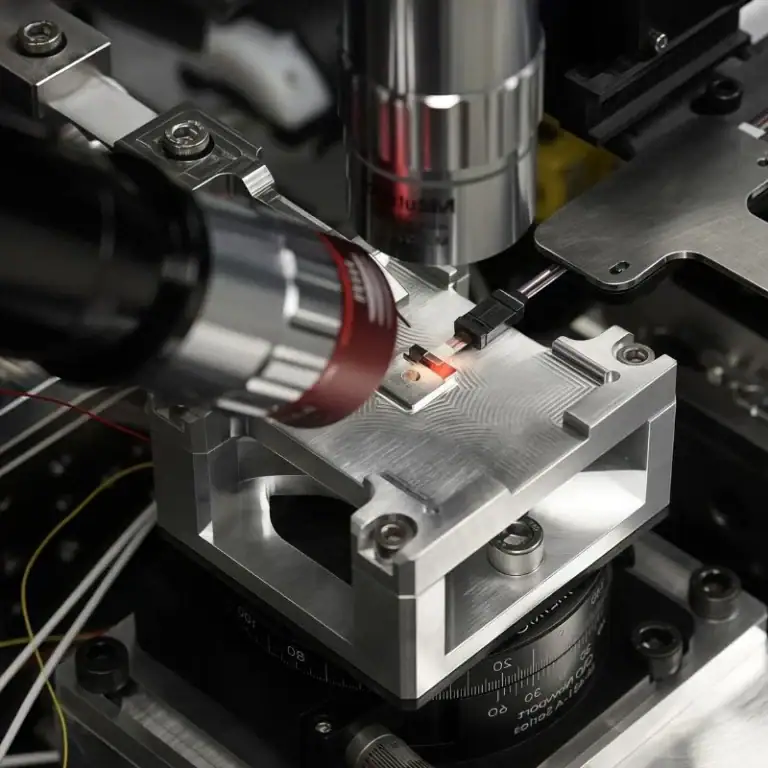
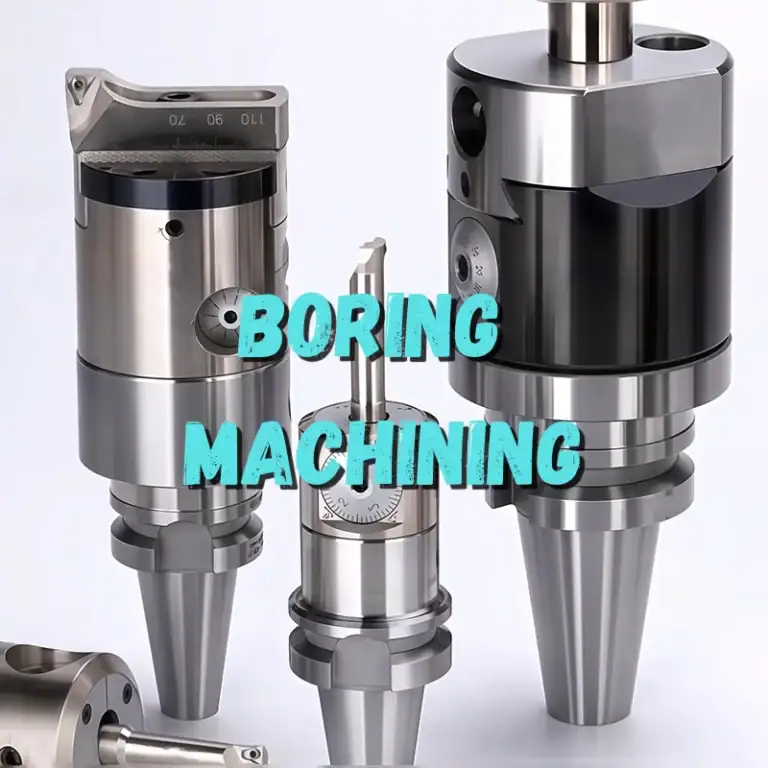
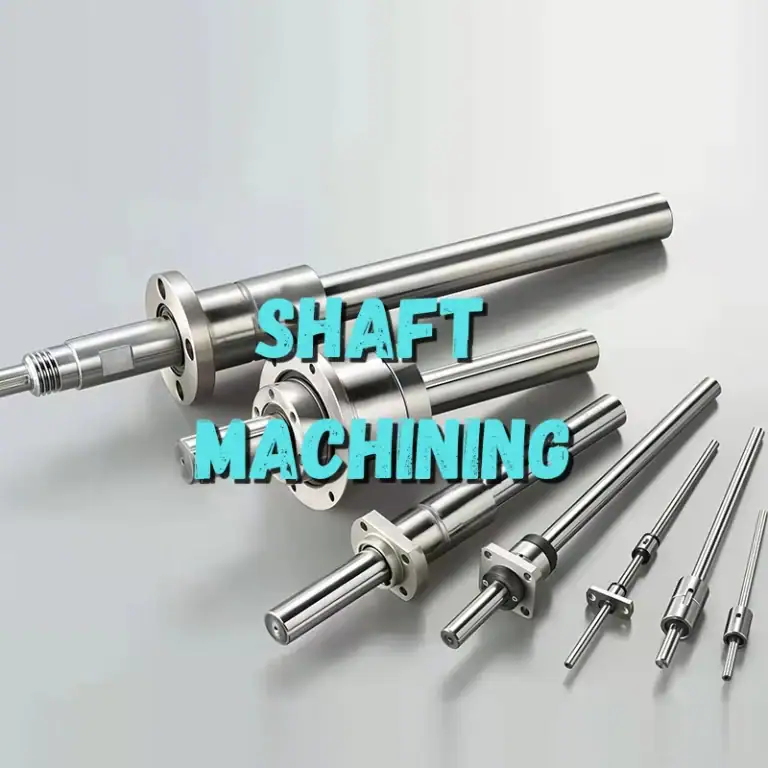
CNC turning and CNC milling are two fundamental machining processes widely used in modern manufacturing systems. Both rely on computer numerical control technology to achieve high-precision machining, but their working principles, tool movements, and application scenarios are significantly different. CNC turning focuses on rotating workpieces while cutting tools remain relatively fixed in position, whereas CNC milling relies on rotating cutting tools to remove material from a stationary or partially moving workpiece. These differences determine how each process is applied in industries such as automotive manufacturing, aerospace engineering, mold production, and precision mechanical parts fabrication. Understanding the distinctions between CNC turning and CNC milling helps improve process selection efficiency and machining quality in industrial production.
Differences in Machining Principles Between CNC Turning and CNC Milling
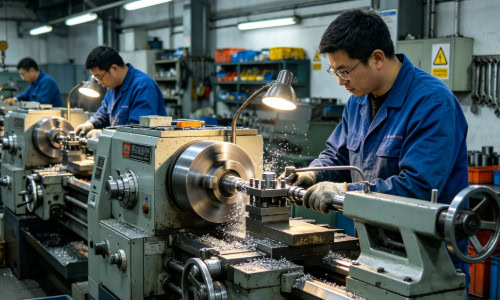
CNC turning and CNC milling are based on different mechanical motion principles, which directly influence how materials are removed during machining. In CNC turning, the workpiece rotates at high speed while the cutting tool moves along linear or curved paths to shape cylindrical surfaces. This method is highly suitable for producing round, symmetrical parts such as shafts, bushings, and discs. In contrast, CNC milling uses a rotating cutting tool that moves across multiple axes to remove material from a fixed workpiece. This allows milling to create complex geometries, including flat surfaces, grooves, slots, and 3D contours. The difference in motion systems determines the type of parts each process can efficiently produce and affects machining flexibility and complexity handling capability.
CNC Turning Motion Characteristics
CNC turning relies on rotational motion of the workpiece combined with linear tool movement. This structure makes it highly efficient for symmetrical parts. The cutting process is continuous and stable, allowing high-speed material removal. Turning machines typically operate with fewer tool movements compared to milling systems, which improves efficiency in cylindrical part production.
CNC Milling Motion Characteristics
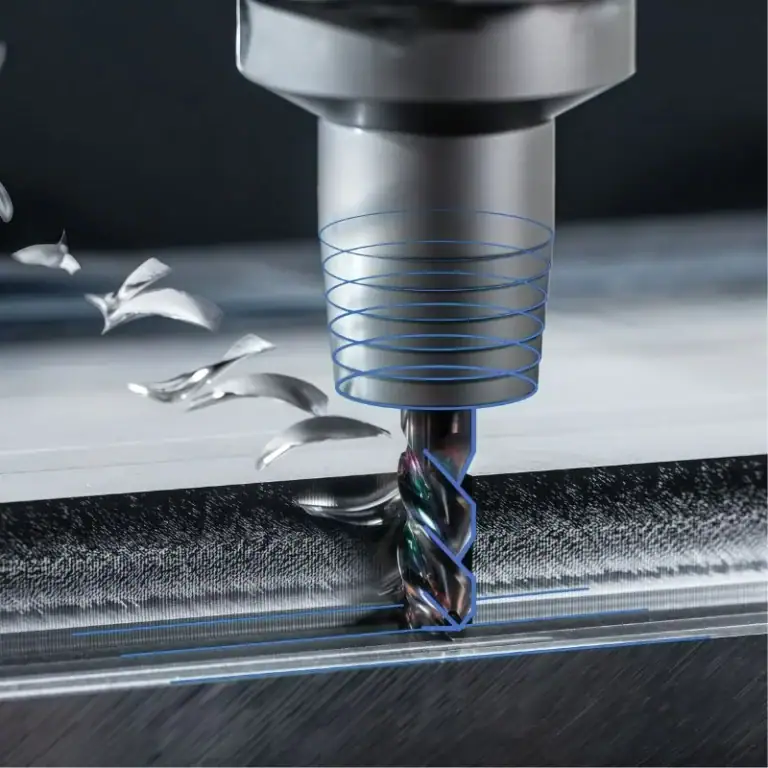
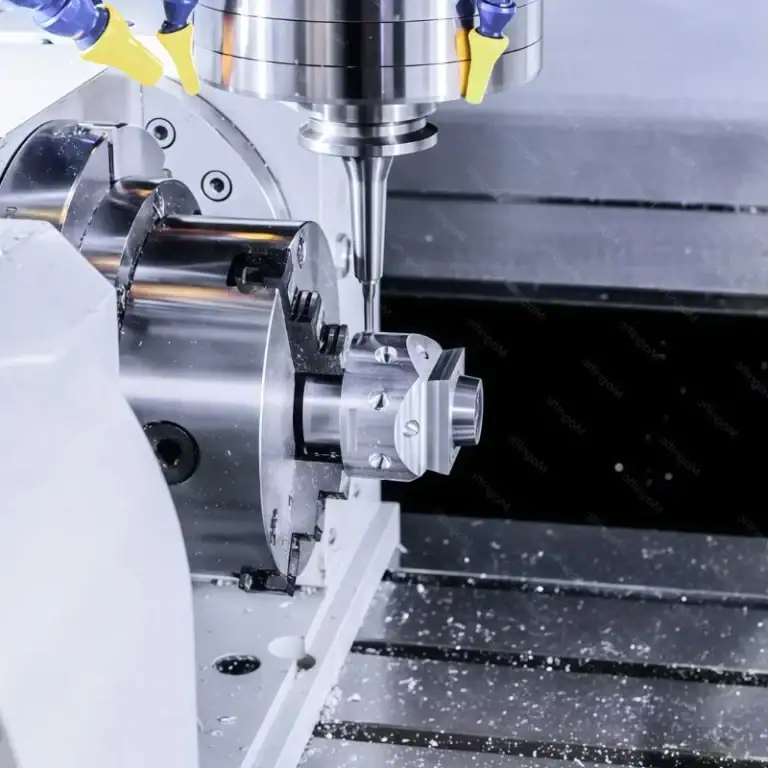
CNC milling uses rotating cutting tools that move along multiple axes such as X, Y, and Z. This allows the machining of complex shapes that cannot be achieved through turning. Milling is highly flexible and suitable for irregular geometries, flat surfaces, and multi-dimensional structures. The multi-axis capability increases design freedom but also introduces higher programming complexity.
Key Motion Differences in Practical Use
Before listing key distinctions, it is important to understand how motion affects machining results.
- Turning relies on workpiece rotation, while milling relies on tool rotation.
- Turning is optimized for cylindrical shapes, while milling handles complex geometries.
- Milling offers higher flexibility, while turning provides faster production for round parts.
These motion differences define the core separation between the two machining methods.
Differences in Tools and Cutting Mechanisms
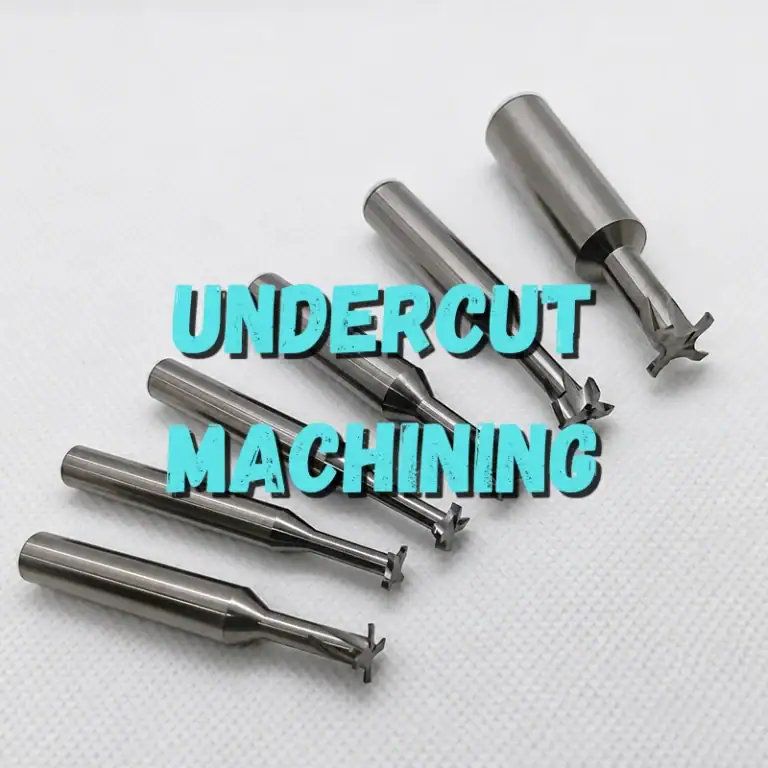
The tools used in CNC turning and CNC milling differ significantly in structure, function, and cutting behavior. CNC turning tools are typically single-point cutting tools that remove material through continuous contact with the rotating workpiece. These tools are designed for stability and high-speed cutting of cylindrical surfaces. CNC milling tools, on the other hand, are multi-point cutting tools that rotate at high speed and intermittently engage with the workpiece surface. This intermittent cutting action allows milling tools to handle more complex geometries but also increases tool wear complexity. Tool selection in both processes directly influences machining efficiency, surface quality, and production cost.
Turning Tool Structure and Function
Turning tools are usually single-point cutters designed for external and internal cylindrical machining. They provide stable cutting performance and are suitable for continuous material removal. Their structure allows precise control over diameter, taper, and threading operations.
Milling Tool Structure and Function
Milling tools contain multiple cutting edges and rotate at high speeds. They are capable of cutting in different directions and producing complex shapes. The multi-edge design distributes cutting load but requires careful control of speed and feed to maintain stability.
Tool Behavior Differences in Operation
Before listing key differences, it is important to highlight tool engagement behavior.
- Turning tools maintain continuous contact with the workpiece surface.
- Milling tools engage intermittently during rotation.
- Turning tools experience steady load, while milling tools face variable cutting forces.
These differences affect tool life, cutting stability, and machining efficiency.
Differences in Application Scenarios
CNC turning and CNC milling are applied in different industrial environments depending on part geometry and functional requirements. CNC turning is commonly used for producing rotational components such as shafts, rings, and threaded parts. It is highly efficient in mass production scenarios where uniform cylindrical shapes are required. CNC milling is used for producing complex structural components such as engine housings, molds, brackets, and custom mechanical parts. Its ability to create multi-surface geometries makes it suitable for industries requiring high design flexibility and structural complexity.
CNC Turning Application Range
CNC turning is widely used in manufacturing cylindrical parts that require high precision and symmetry. It is commonly applied in automotive shafts, hydraulic components, and connector fittings. The process is efficient for mass production and ensures consistent dimensional accuracy across large batches.
CNC Milling Application Range
CNC milling is used in industries requiring complex shapes and multi-surface machining. It is suitable for mold manufacturing, aerospace structural parts, and electronic device housings. Milling allows flexible design implementation and supports complex engineering requirements.
Industrial Usage Differences
Before listing key points, it is important to understand how industries select processes.
- Turning is preferred for round and symmetrical parts.
- Milling is preferred for complex and irregular geometries.
- Hybrid manufacturing systems may combine both processes for higher efficiency.
These usage differences influence production planning in modern manufacturing systems.
Differences in Machining Efficiency and Precision
CNC turning generally provides higher efficiency when producing cylindrical parts due to continuous cutting motion and simpler tool paths. It allows faster material removal and shorter cycle times in mass production. CNC milling, while more versatile, often requires more complex tool paths and longer machining times due to multi-axis movement and intermittent cutting behavior. In terms of precision, both processes can achieve high accuracy, but turning tends to provide better concentricity and roundness for rotational parts, while milling excels in geometric flexibility and surface complexity control. The choice between the two processes depends on balancing efficiency requirements and design complexity.
Efficiency Characteristics of CNC Turning
CNC turning offers fast production cycles and stable cutting conditions. It is highly suitable for continuous manufacturing environments where high output is required. Reduced tool changes and simplified motion paths contribute to improved efficiency.
Efficiency Characteristics of CNC Milling
CNC milling provides flexibility but generally requires longer machining time. Multi-axis movement and tool engagement variability increase processing duration but allow complex part production.
Precision Performance Comparison
Before listing key points, it is important to highlight precision behavior differences.
- Turning provides excellent roundness and axial symmetry.
- Milling achieves high precision in multi-surface structures.
- Both processes can reach micron-level accuracy with proper control systems.
Precision performance depends on machine condition, tooling quality, and programming accuracy.
Process Selection in Manufacturing Systems
In industrial production, selecting between CNC turning and CNC milling depends on part geometry, production volume, and required precision. Turning is more suitable for cylindrical and high-volume production tasks, while milling is preferred for complex shapes and flexible design requirements. In many manufacturing systems, both processes are integrated to complete different stages of production, improving overall efficiency and product quality.