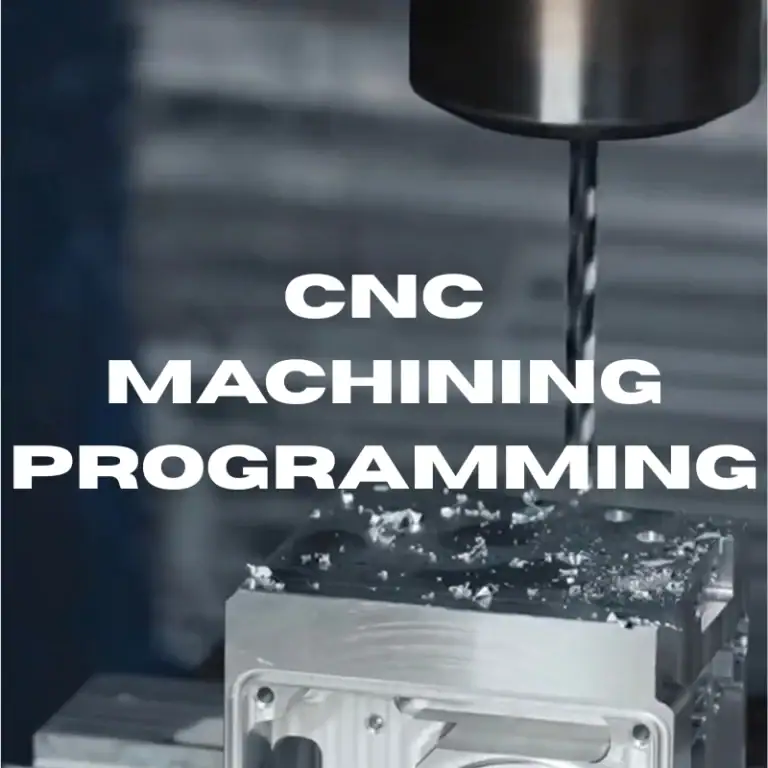
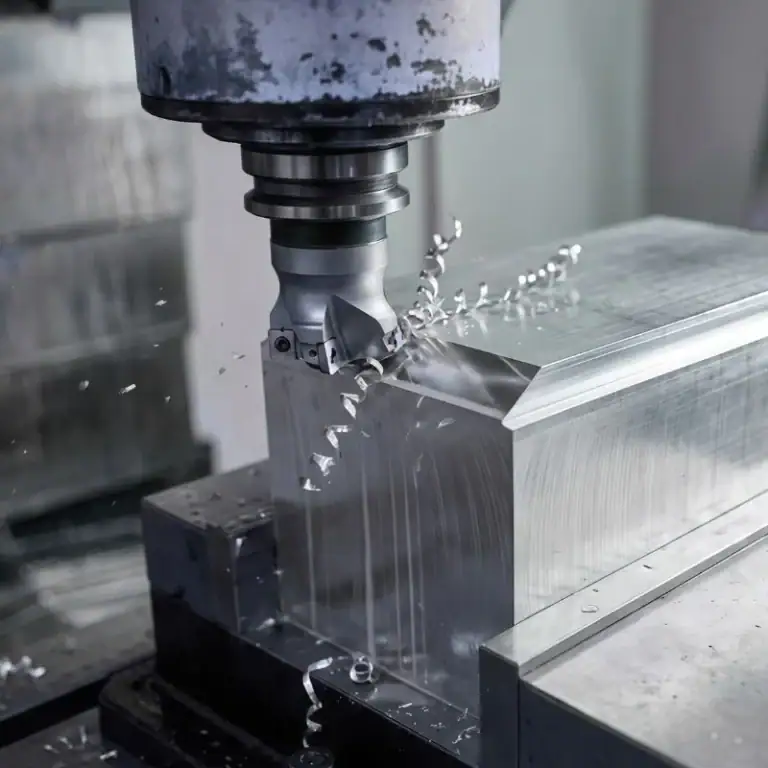
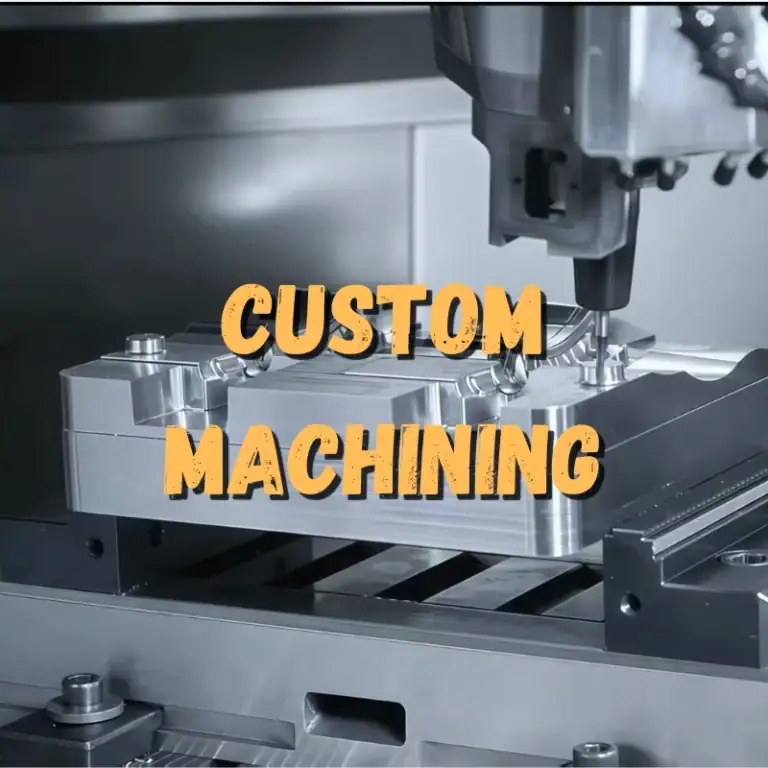
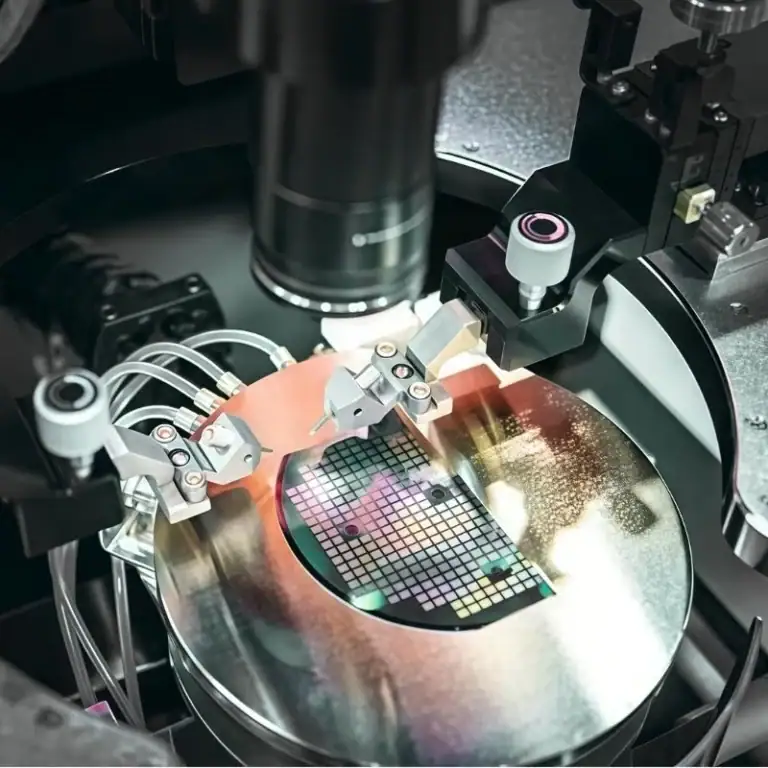
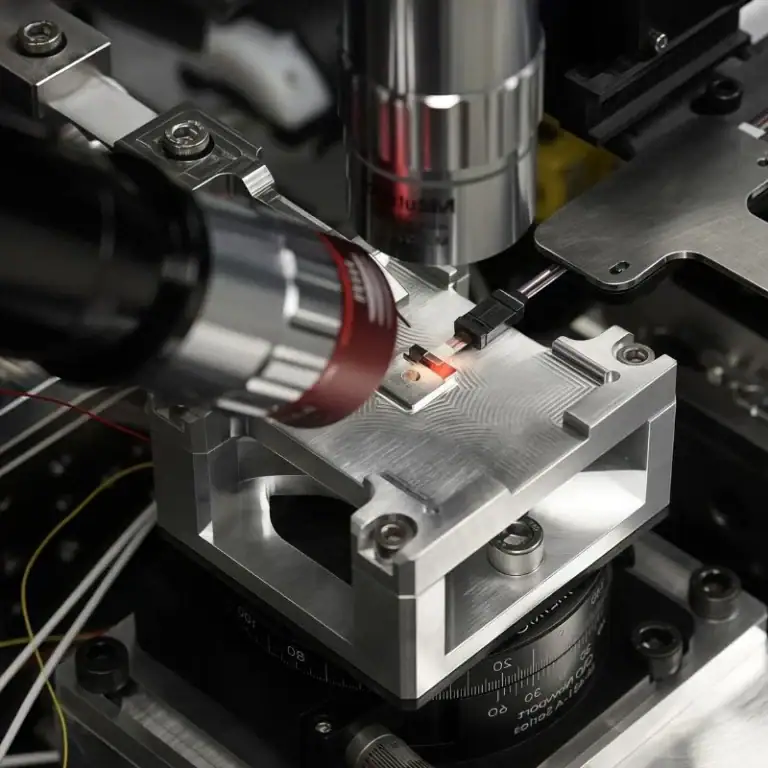
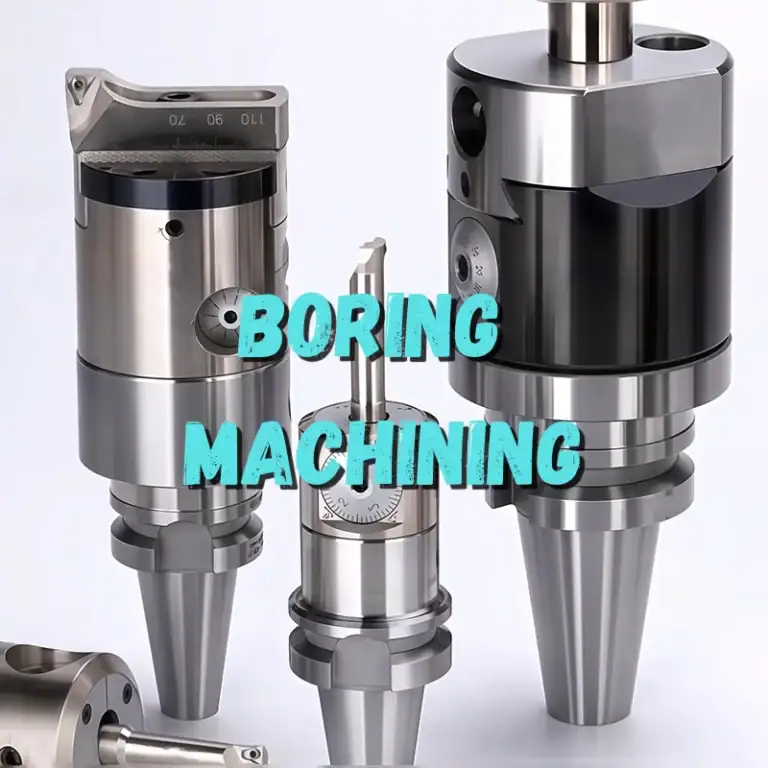
Among high-performance engineering plastics, PEEK (Polyether Ether Ketone) has long been regarded as one of the representatives of “high-end materials.” It not only offers high temperature resistance, wear resistance, and corrosion resistance, but also provides excellent mechanical strength. Therefore, it is widely used in medical, aerospace, semiconductor, automotive, and precision industrial equipment industries.However, precisely because of its strong performance, PEEK places higher demands on machining processes, equipment, and tooling during CNC machining. Many people encountering PEEK for the first time think that “it is just a plastic,” but after actual machining, they realize that its processing behavior is much closer to that of a high-performance industrial material rather than an ordinary plastic.
What Is CNC Machining of PEEK Material?
What Is PEEK Material?
PEEK is a high-performance engineering plastic characterized by high temperature resistance, high strength, and excellent dimensional stability. It also has strong chemical resistance and good wear resistance. Compared with ordinary plastics, PEEK can operate for long periods in high-temperature environments while withstanding significant mechanical loads, making it widely used in demanding industrial environments.
Why Is PEEK Suitable for Industrial Equipment?
PEEK is widely used in industry because it simultaneously provides the following advantages:
- Long-term high temperature resistance
- High strength with low weight
- Corrosion resistance
- Stable insulation performance
- Low friction coefficient
- Excellent dimensional stability
Therefore, in applications where metal cannot be used, or where weight reduction is desired, PEEK becomes an ideal alternative material.
Why Is PEEK Difficult to Machine?
Although PEEK is classified as a plastic, it is not as “easy to cut” as ordinary plastics. It has relatively high hardness and is sensitive to heat during machining. If cutting heat is not controlled properly, localized deformation, dimensional drift, or reduced surface quality can occur. In addition, PEEK material itself is expensive, so machining mistakes can lead to significant material loss costs. As a result, machining stability requirements are very high.
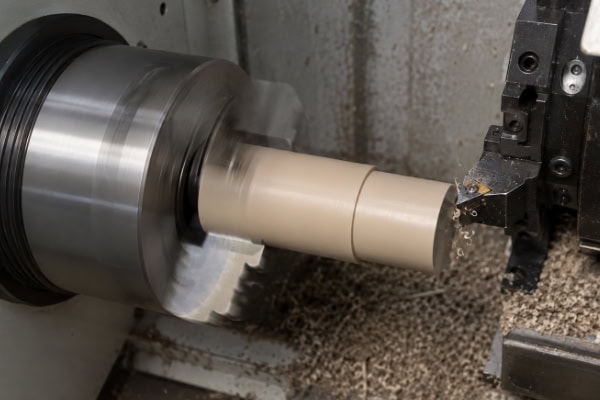
How Is PEEK Material CNC Machined?
Material Preparation Stage
PEEK is usually machined in the form of sheets, rods, or tubes. Before machining, it is necessary to confirm the material specifications, whether it contains glass fiber reinforcement, whether internal stress exists, and the intended application scenario. Different types of PEEK vary in machining behavior. For example, glass fiber reinforced PEEK has higher strength but causes more significant tool wear.
Programming and Machining Planning
PEEK machining relies heavily on stable tooling. During programming, large-area aggressive cutting is generally avoided. Instead, layered cutting and progressive machining methods are used to reduce localized heat accumulation. For deep grooves, thin walls, and complex structures, tool entry and exit paths must also be carefully controlled to avoid uneven local stress.
Clamping and Positioning
Although PEEK has high strength, uneven clamping during machining can still cause slight deformation. Therefore, stable fixture methods are typically used while minimizing localized pressure concentration. For high-precision parts, rough machining is often followed by a resting period to release internal stress before finishing operations.
Separation of Rough and Finish Machining
PEEK machining is usually not completed “in one step.” Rough machining is used to remove excess material quickly, while finish machining focuses on dimensional accuracy and surface quality. The purpose is to reduce thermal deformation during machining and improve final dimensional stability.
Inspection and Post-Processing
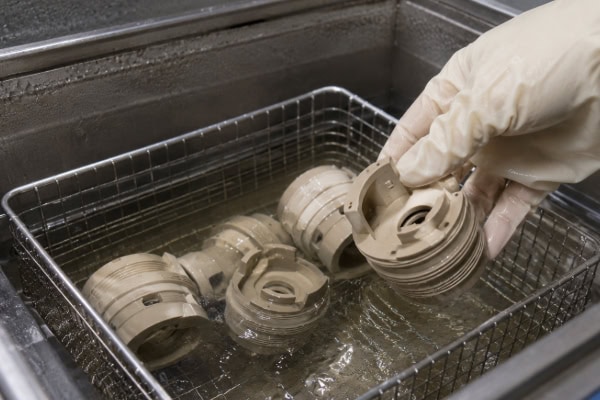
After machining, PEEK parts usually require inspection of critical dimensions, tolerances, flatness, and surface condition. For industries with high requirements, such as medical and semiconductor sectors, additional cleaning, deburring, or cleanroom processing may also be required.
Key Control Points in CNC Machining of PEEK Material
Heat Control Is the Core Issue
One of the biggest challenges in PEEK machining is thermal control. Although PEEK has high temperature resistance, localized heat accumulation during cutting can still affect dimensional stability and surface quality.
Therefore, machining typically requires:
- Using sharp cutting tools
- Avoiding prolonged friction cutting
- Controlling proper feed rates
- Maintaining smooth chip evacuation
The key to machining is not “how fast the material is cut,” but whether heat can be controlled consistently.
Tool Selection Requirements
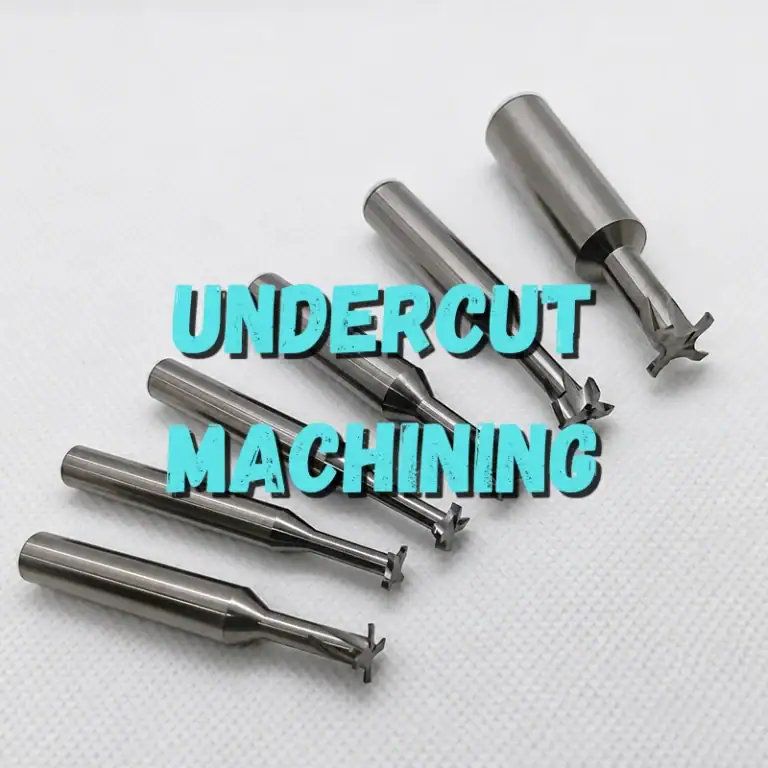
PEEK places high demands on cutting tools. If the tool is not sharp enough, burrs, excessive heat, and dimensional errors are likely to occur. High-sharpness tools designed for plastic machining are commonly used, and different tool diameters and geometries are selected depending on the structure being machined. For glass fiber reinforced PEEK, tool wear resistance must also be considered because reinforcing fibers accelerate tool wear.
Chip Removal Affects Surface Quality
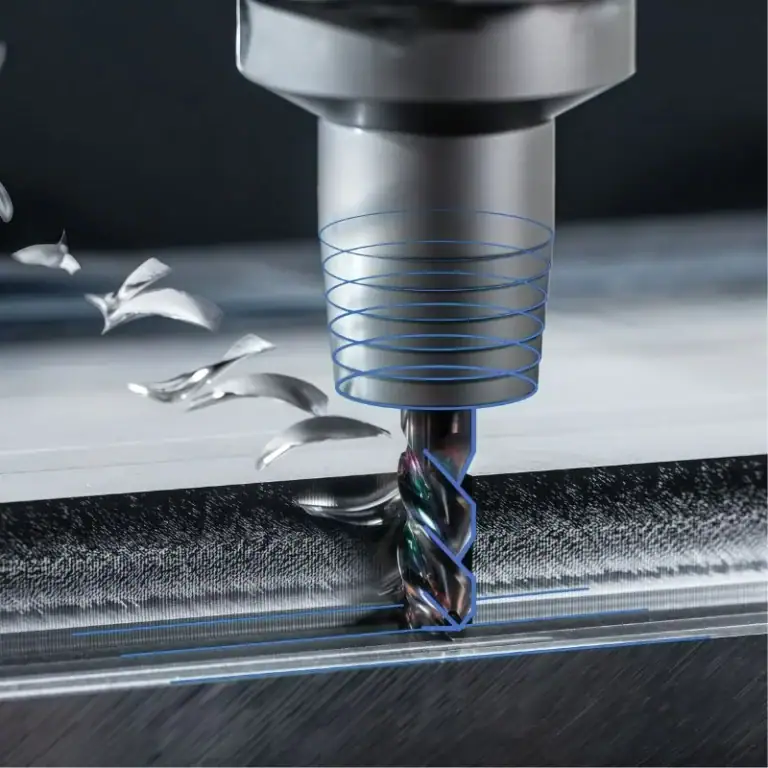
If chips generated during PEEK cutting are not removed promptly, secondary friction may occur between the tool and workpiece, causing surface heating and scratches. Therefore, chip evacuation paths are usually optimized during machining to prevent chip accumulation in deep grooves.
Dimensional Stability Requires Process Compensation
PEEK is a high-precision engineering plastic, and many components have strict dimensional requirements. To ensure stability, actual machining often includes:
- Segmented machining
- Resting and temperature recovery
- Secondary finishing
- Machining allowance compensation
Although these steps increase machining time, they significantly improve final accuracy.
High-Precision Equipment Improves Stability
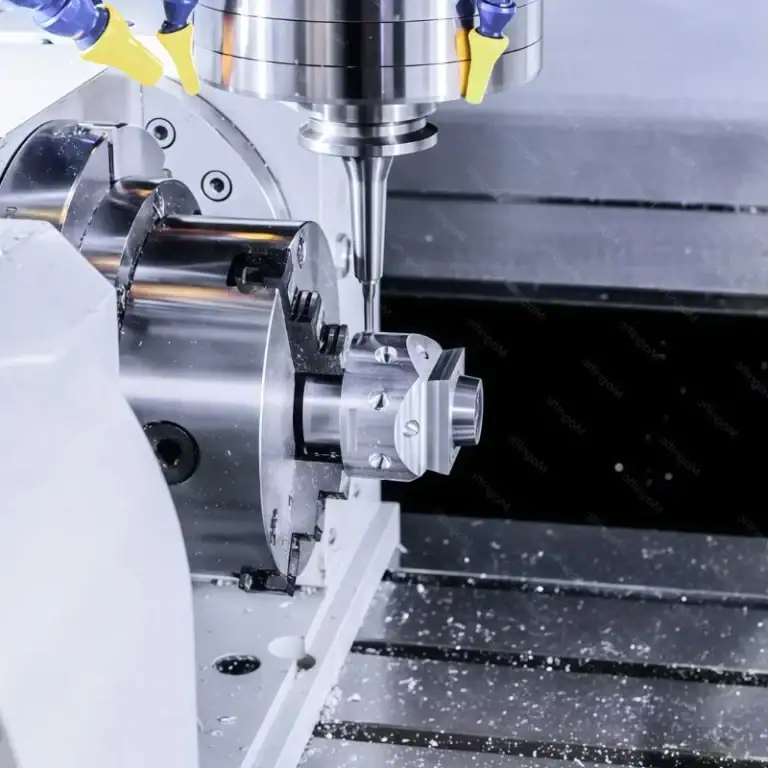
PEEK machining requires high machine stability. If equipment vibration is significant or spindle precision is insufficient, tool marks and dimensional fluctuations may appear on the surface. Therefore, high-end PEEK parts are usually machined on highly stable CNC equipment.
Core Characteristics of CNC Machining PEEK Material
Strong high-temperature resistance: suitable for long-term high-temperature environments
Excellent dimensional stability: suitable for high-precision industrial parts
Outstanding corrosion resistance: suitable for chemical and medical equipment
More difficult to machine than ordinary plastics: stricter tooling and process requirements
Thermal control is extremely important: localized heat affects dimensions and surface quality
Suitable for high-end industrial sectors: widely used in semiconductor, medical, and aerospace industries
Frequently Asked Questions
“Why is PEEK so much more expensive than ordinary plastics?”
The reason lies not only in the material itself, but also in machining difficulty. PEEK is a high-performance engineering plastic with inherently high raw material costs, while machining also requires higher standards for equipment, tooling, and process stability.
Ordinary plastic machining may focus more on “whether the part can be produced,” while PEEK machining focuses more on “whether the part can operate reliably over the long term.” Especially in medical, semiconductor, and precision equipment applications, components must not only maintain dimensional accuracy, but also remain stable, resist deformation, and avoid contamination over long-term use. Therefore, the value of PEEK lies more in reliability and long-term performance rather than material cost alone.
Conclusion
CNC machining of PEEK is no longer simply ordinary plastic machining, but is much closer to a form of high-performance industrial manufacturing. Its advantages include high strength, high temperature resistance, and excellent stability, but these also mean the machining process must be more precise and more stable. Whether in tool selection, thermal control, or dimensional compensation, stricter standards are required compared with ordinary plastics.For industrial equipment, the greatest value of PEEK is not just “durability,” but its ability to maintain stable operation over long periods in complex environments. This is why it is so widely used in high-end manufacturing industries.