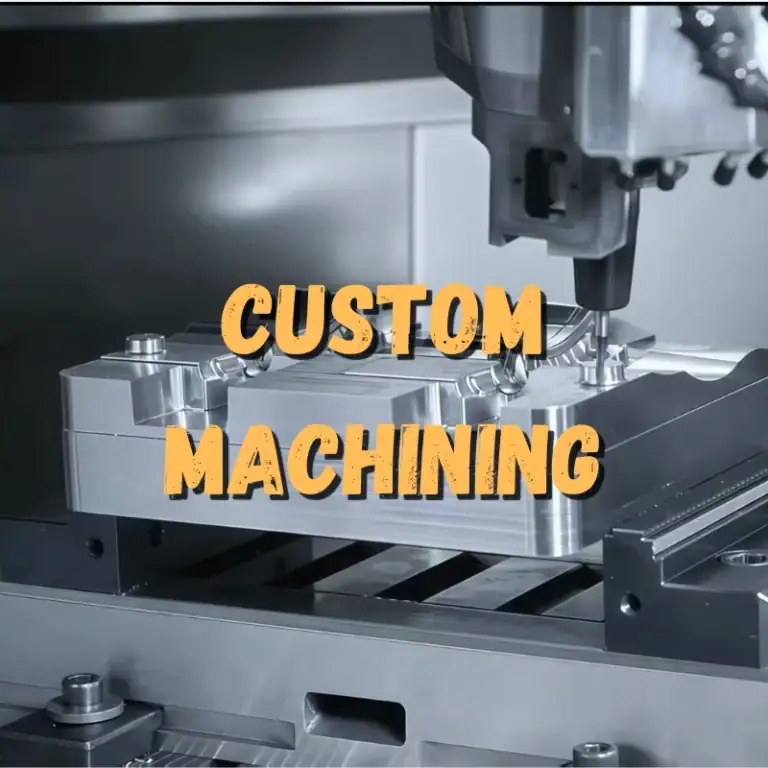
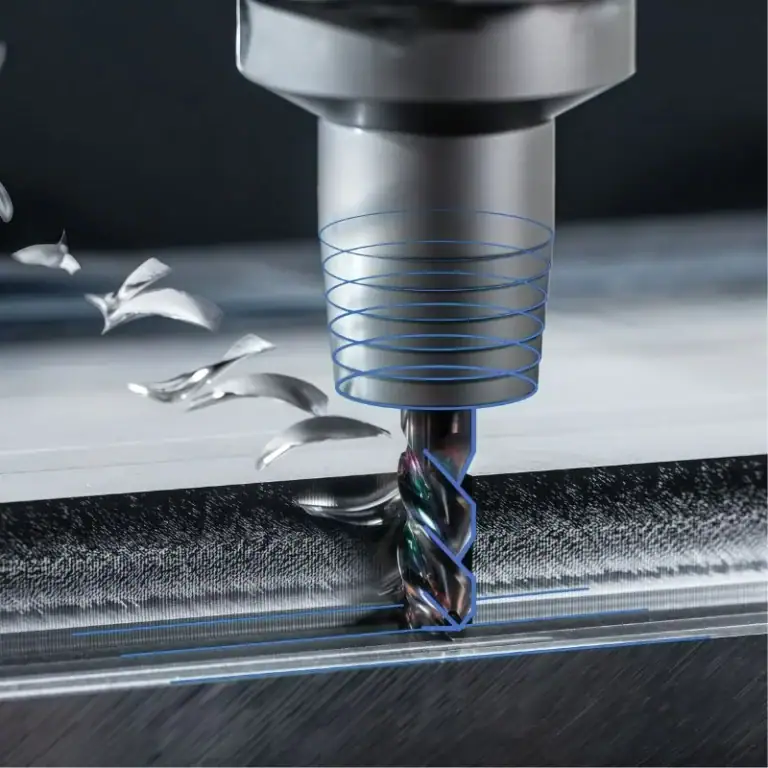
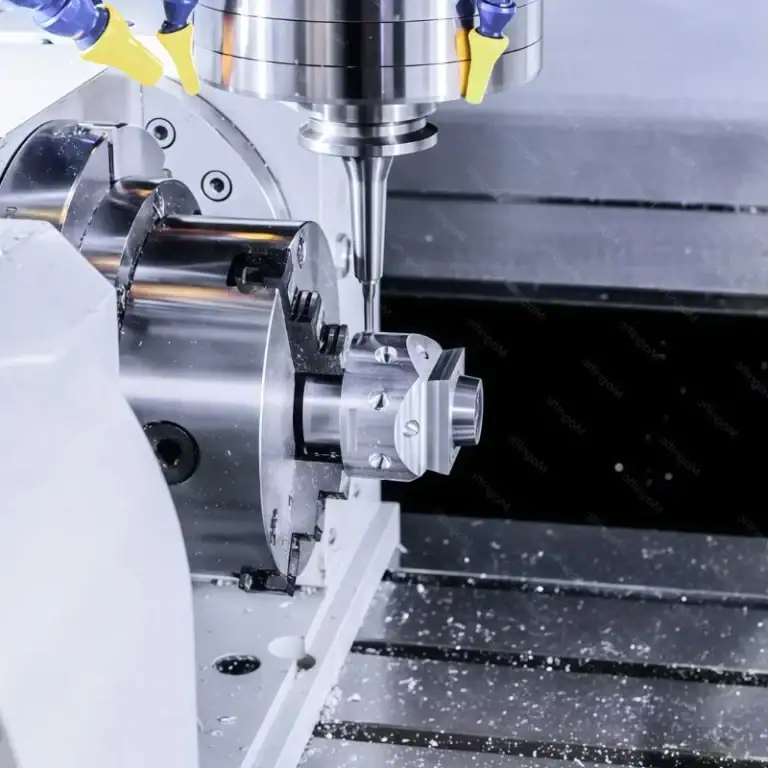
As modern manufacturing systems continuously upgrade, the increasing complexity of product structures and the rising precision requirements are reshaping the technological path of the entire machining industry. Digital design and automated production are gradually becoming the mainstream, shifting machining methods from reliance on manual experience to data-driven and program-controlled processes. CNC milling, as one of the core numerical control machining technologies, plays a crucial supporting role in precision manufacturing and mass production. It not only improves machining efficiency but also establishes new industrial standards in terms of stability and consistency. Its application scope is continuously expanding to more high-end manufacturing fields.
The Basic Principles of CNC Milling Technology
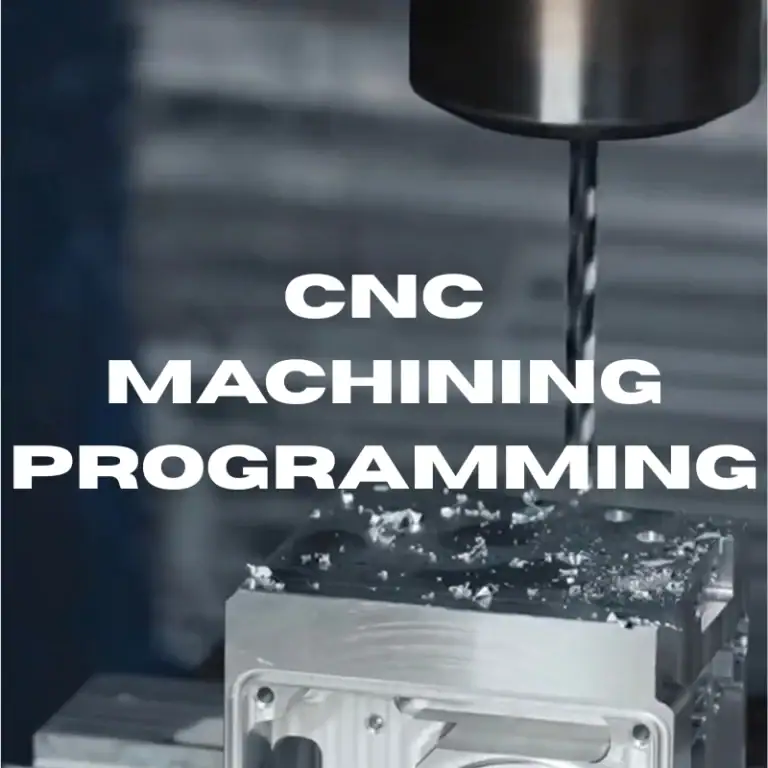
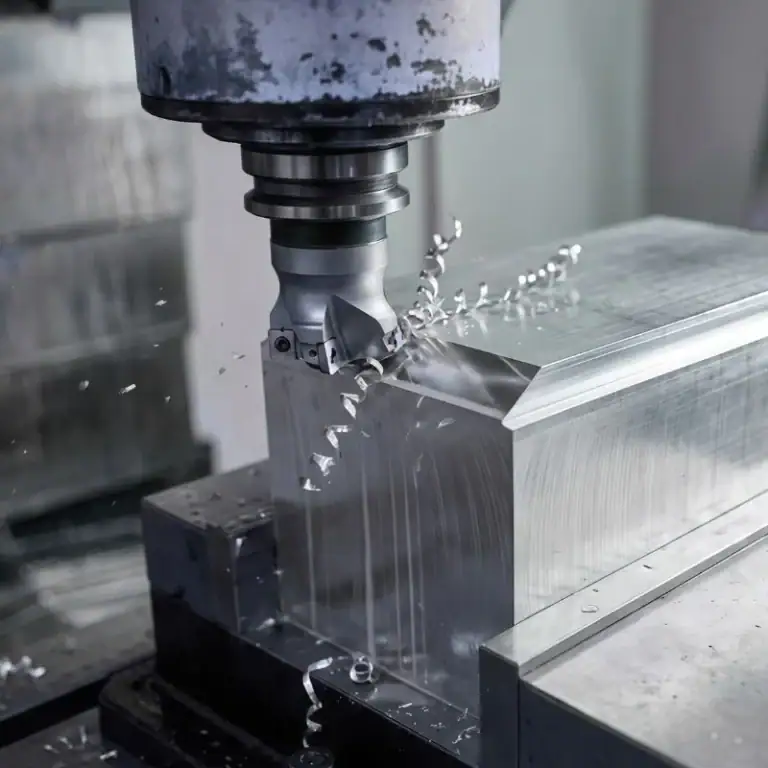
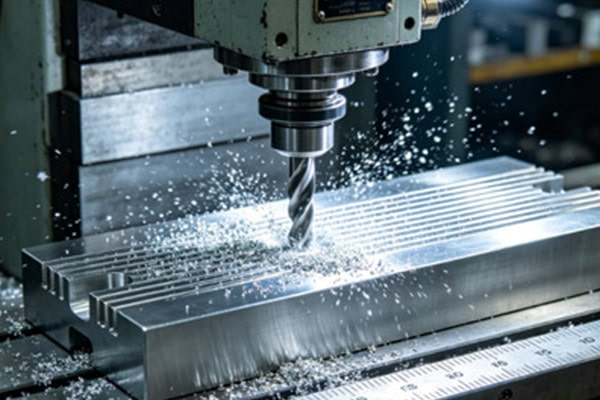
CNC milling is a machining method based on a computer numerical control system. It uses preset programs to control the movement trajectory of the cutting tool in multiple axes to precisely cut the workpiece. This technology, through CAD modeling and CAM programming, transforms design data into machine tool executable instructions, realizing an automated machining process. Its core lies in using digital control to replace manual operation, thereby improving machining accuracy and repeatability, which is also a crucial foundation of modern intelligent manufacturing.
The Role of CNC Milling in the Manufacturing Process
CNC milling runs through the core manufacturing chain from product design to finished product, and is a key link in achieving efficient and high-precision production.
In the design transformation stage: It can quickly convert 3D CAD models into executable machining paths, directly translating design intent into actual production.
In the process execution stage: Automatic tool movement is controlled by the CNC system, reducing manual intervention and improving machining stability and consistency.
In the mass production stage: CNC milling achieves uniform part quality output through standardized procedures, effectively reducing product volatility. Combined with inspection systems and data feedback, machining parameters can be continuously optimized, making the overall manufacturing process more intelligent and controllable.
CNC milling plays a core role in the manufacturing process, connecting design and production, and improving efficiency and quality.
CNC Milling Application Scenarios Analysis
CNC milling applications cover multiple levels from high-end manufacturing to general industry.
In high-precision manufacturing scenarios, it is used for machining complex curved surface parts and high-tolerance structural components, such as aerospace parts and precision molds.
In medium-scale industrial production, it is used for batch part manufacturing, such as mechanical structural parts and automotive parts.
In customized production scenarios, CNC milling can quickly respond to small-batch, multi-variety machining needs, improving production flexibility.
During the R&D and prototyping phases, it is used for rapid prototype production, accelerating product development cycles.
These application scenarios collectively demonstrate its high adaptability and industrial versatility.
Application Value in Different Industries
In the aerospace and automotive manufacturing sectors, CNC milling demonstrates extremely high engineering value.
The aerospace industry has extremely high requirements for the strength and precision of parts, and CNC milling can be used to machine complex, high-strength components such as engine blades and structural supports. In the automotive industry, it is widely used in engine blocks, transmission housings, and mold manufacturing, helping to improve overall vehicle consistency and production efficiency. At the same time, both industries have high requirements for material properties, and CNC milling can adapt to difficult-to-machine materials such as titanium alloys and high-strength steel, thus ensuring the stable quality of key components.
In the medical device and electronics manufacturing sectors, CNC milling also plays an important role.
In the medical industry, it is used to manufacture high-precision products such as surgical instruments and orthopedic implants, with extremely stringent requirements for dimensional safety and surface quality. In the electronics industry, CNC milling is used for machining mobile phone casings, heat dissipation structures, and precision connectors, contributing to lightweight and high-density structural designs. Furthermore, in the mold manufacturing industry, this technology can significantly improve mold precision and lifespan, thereby enhancing overall production efficiency and product consistency.
Technical Advantages of CNC Milling
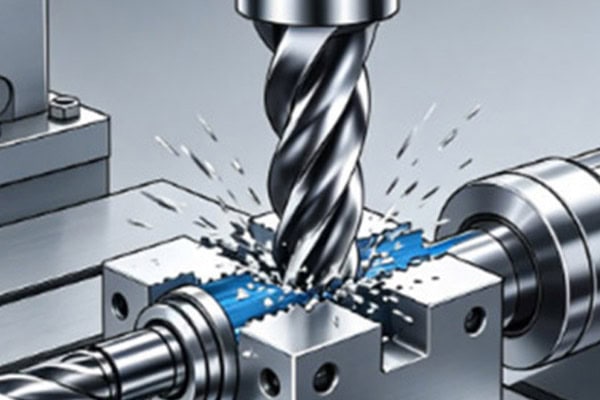
CNC milling features high precision, high efficiency, and high automation, enabling stable control of micron-level machining errors. Supported by multi-axis linkage technology, it can machine complex curved surfaces and irregularly shaped structures. Programmed control ensures high consistency in batch production while reducing fluctuations caused by human operation. In addition, optimizing toolpaths and cutting parameters can improve material utilization and machining efficiency, making overall manufacturing costs more controllable.
Challenges of CNC Milling
Despite its widespread application, CNC milling still faces several challenges in actual production.
- High equipment investment costs put pressure on small and medium-sized enterprises (SMEs) during initial implementation.
- The machining process relies on specialized programming and process design, requiring highly skilled technicians.
- The machining of complex parts is sensitive to path planning and parameter settings; improper control can easily affect the quality of the finished product.
- High-precision equipment has strict requirements for maintenance and environmental conditions; long-term thermal deformation and wear issues also require continuous management.
- In large-scale machining scenarios, limitations may arise due to machine tool travel and structural rigidity.
The Significance of CNC Milling in Modern Manufacturing
CNC milling is not merely a machining technology, but a crucial driving force for the structural upgrading of the manufacturing industry, its significance manifesting in multiple aspects.
At the production model level, CNC milling propels manufacturing from traditional experience-driven to data-driven approaches. Through digital program control, it standardizes the machining process, making production more stable and replicable. This shift improves product consistency and reduces reliance on the experience of individual technicians, making it easier for companies to achieve large-scale expansion.
At the technological capability level, CNC milling significantly enhances the manufacturing capabilities of complex parts. Multi-axis simultaneous machining allows complex surfaces and high-precision structures to be completed in a single setup, reducing error accumulation and improving overall machining quality. This provides crucial technological support for the development of aerospace, high-end equipment, and precision molds.
At the efficiency and cost level, despite higher equipment investment, its automation and high efficiency characteristics can reduce unit costs in long-term production. By optimizing toolpaths and machining strategies, material utilization can be improved, reducing resource waste and achieving a balance between cost control and production efficiency.
At the level of industrial upgrading, CNC milling is a crucial component of intelligent manufacturing systems. Its integration with industrial robots, automated production lines, and intelligent inspection systems is driving production processes towards automation and flexibility. Simultaneously, data collection and analysis enable continuous process optimization, propelling manufacturing towards intelligent manufacturing.
At the global competitive level, mastering high-precision CNC machining capabilities has become a critical factor for manufacturing enterprises to enhance their competitiveness. The demands for machining accuracy and stability in high-end manufacturing are constantly increasing, and CNC milling is one of the key technologies for achieving these goals. By improving their CNC machining capabilities, enterprises can better participate in the international division of labor and gain an advantage in the manufacturing of high-value-added products.
CNC milling is transforming from a single machining tool into a core foundational technology in modern manufacturing systems, profoundly impacting industrial efficiency, technological innovation, and industrial upgrading.
Conclusion
CNC milling technology has become an indispensable and vital component of modern manufacturing systems. It has changed the traditional experience-based machining model and restructured the technological path of precision manufacturing. From basic principles to application scenarios, from industry value to development direction, this technology permeates the entire modern industrial production chain. As the manufacturing industry continues to upgrade, its application scope continues to expand, and while improving efficiency and precision, it drives the industrial structure to evolve to a higher level.