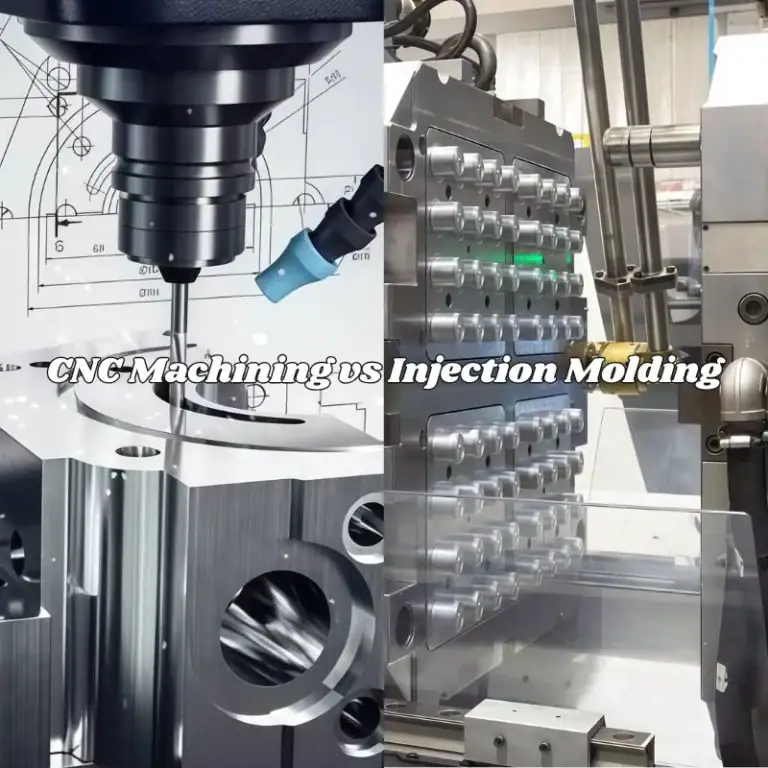
In modern manufacturing, the choice of production method for small-batch plastic parts is crucial. Many companies face a dilemma during product development or customization: injection molding or CNC machining? CNC machining is often more suitable for small-batch plastic parts because it offers significant advantages in cost, cycle time, flexibility, and precision.
The Essence of Small-Batch CNC Plastic Machining
-
Definition and Characteristics of Small-Batch Production
Small-batch plastic parts typically refer to a production model for components with small quantities, diverse specifications, and high update frequency, such as orders ranging from tens to hundreds of pieces. These products are often used for sample verification, functional testing, or customized needs, characterized by “rapid changes, short cycles, high precision requirements, but limited quantities.” Therefore, the flexibility of the production method is extremely important.
-
The Essential Advantages of CNC Machining
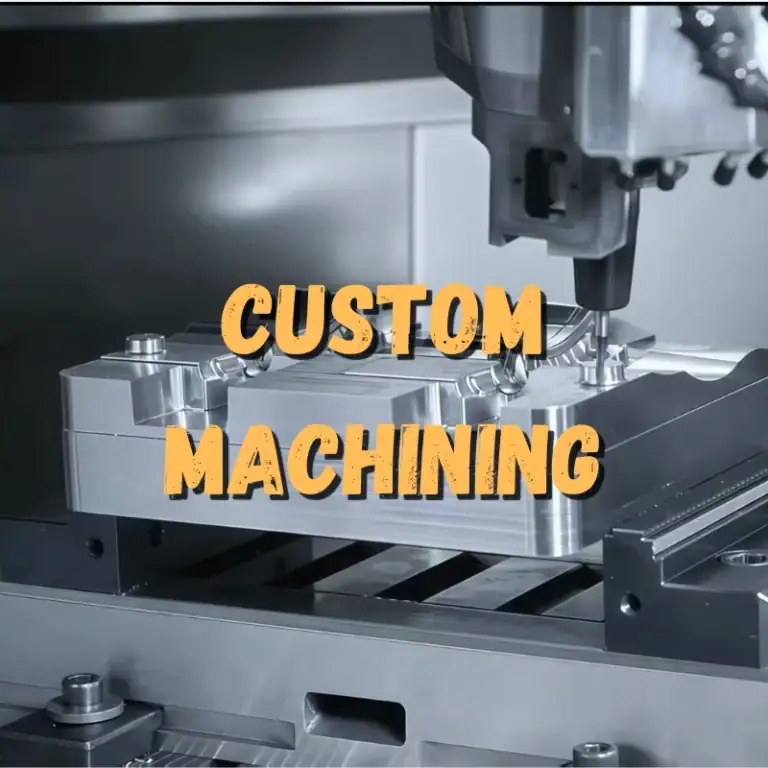
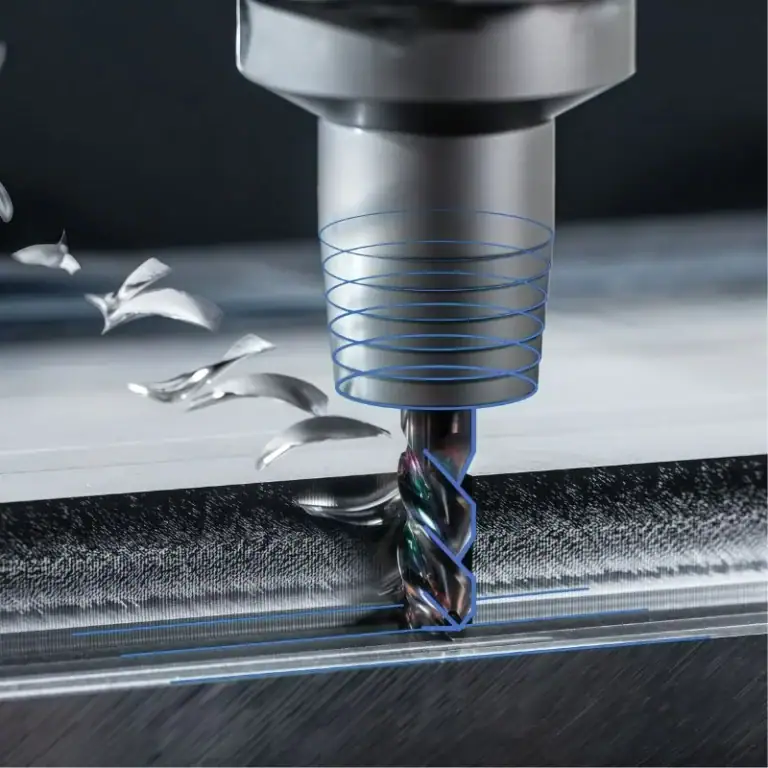
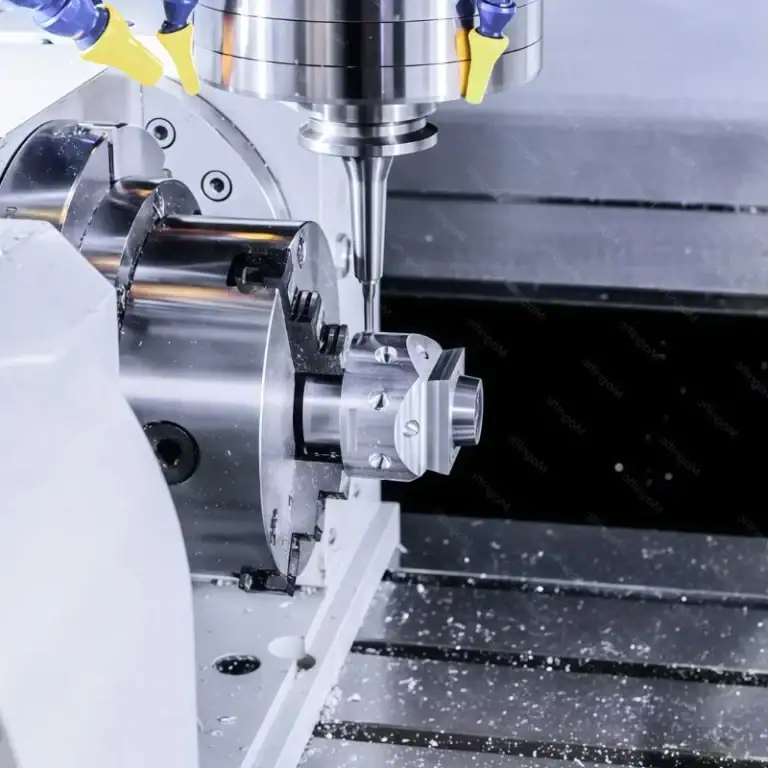
CNC machining is a subtractive manufacturing method based on digital control, where program-controlled tools directly cut plastic materials. It does not rely on molds and can directly process finished products from sheet or rod stock, making it ideal for small-batch, multi-variety production needs. Compared to mold making, CNC machining requires almost zero upfront investment, significantly reducing trial production costs.
-
The Core Challenge in Small-Batch Production
The core challenge in small-batch production lies in the trade-off between cost and flexibility. While injection molding offers lower unit costs, the molds themselves are expensive and time-consuming. CNC machining, although slightly more expensive per unit, eliminates the need for molds and allows for rapid response to design changes, making it more advantageous in small-batch production.
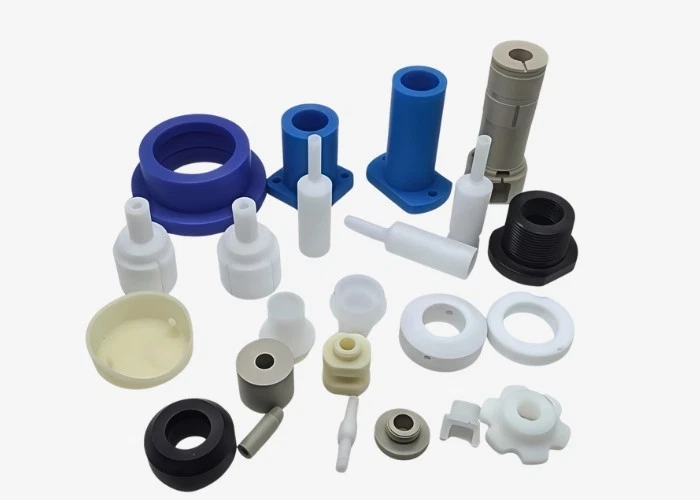
Standard Steps for CNC Small-Batch Machining
-
Design Confirmation and Rapid Programming
Time is crucial in small-batch production, necessitating rapid design and programming. Engineers analyze the structure based on customer-provided CAD drawings and quickly generate toolpath programs in the CAM system. This stage typically involves simplification and optimization, such as reducing unnecessary complex structures to improve machining efficiency and lower costs.
-
Material Preparation and Rapid Changeover
Small-batch production is characterized by diverse orders, resulting in frequent material changeovers. CNC machining can directly utilize standard sheet metal or bar stock, eliminating the need for custom molds and significantly reducing preparation time. Furthermore, standardized material inventory allows for rapid response to different order demands, enhancing production flexibility.
-
Flexible Scheduling and Batch Processing
Due to smaller order quantities, CNC machining typically employs flexible scheduling, allowing multiple projects to be processed alternately. This approach not only improves equipment utilization but also reduces waiting time, enabling rapid switching between different customer orders.
-
Rapid Inspection and Delivery
Small-batch production usually demands high delivery speeds, so dimensional and visual inspections are performed immediately after machining. Due to the small quantity, a full inspection can be implemented to ensure every part meets requirements, thereby improving overall reliability.
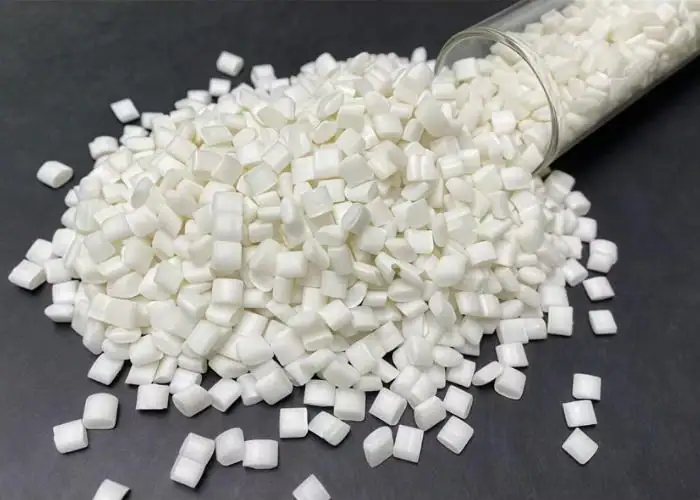
Why CNC is More Suitable for Small Batch Production?
-
Efficiency Advantages of Mold-Free Production
Traditional injection molding requires mold creation. Mold design, machining, and debugging typically take weeks or even months, while CNC machining can skip this stage; production can begin immediately after program input. This “mold-skipping” capability significantly shortens the small-batch production cycle, making it ideal for rapid product iteration.
-
Nearly Zero Modification Costs
Design changes are very common during the small-batch development phase. If molds are used, each modification may mean re-creating the mold or modifying the mold structure, resulting in extremely high costs. CNC machining only requires program modifications for adjustments, incurring almost no additional cost, making it ideal for the R&D stage.
-
Stable Precision and High Controllability
CNC machining controls the toolpath through a numerical control system, resulting in high precision and stability, independent of human experience. For small-batch production, each piece may be used for testing or assembly, making consistency crucial. CNC effectively ensures batch consistency.
-
Capability for Multi-Product Mixed Production
Small-batch production often involves diverse product demands. CNC equipment can process different products on the same machine tool by changing programs, without changing molds or production lines, greatly improving production flexibility—a feature injection molding cannot match.
Key Factors Affecting the Effectiveness of Small-Batch CNC
-
High-Stability Materials are More Suitable for Rapid Machining
In small-batch CNC machining, materials with high machining stability, such as POM or ABS, are typically preferred. These materials have good machinability and minimal deformation, reducing setup time and increasing production efficiency, making them ideal for rapid delivery requirements.
-
General-purpose materials meet most applications
Materials like ABS and PC are widely used in small-batch production because they offer a balanced performance, possessing both sufficient strength and ease of processing. For functional verification parts or structural components, these materials offer excellent cost-effectiveness.
-
Specialty materials are suitable for high-end customization
For medical or industrial applications, high-performance materials such as PEEK may be used. Although more expensive, they offer greater stability and environmental resistance, making them suitable for small-batch orders with high performance requirements.
-
Core factors in material selection
In small-batch CNC machining, material selection should prioritize a balance between processing efficiency, stability, and cost. Because production quantities are limited, material selection has a relatively small impact on overall cost but a significant impact on processing cycle and stability.
Frequently Asked Questions
Why can’t small-batch injection molding be cheaper?
Many customers believe that injection molding has a lower unit cost, therefore small-batch production should also be more cost-effective, but this is not actually the case. The cost structure of injection molding is mainly concentrated on the mold, and mold costs are usually very high. If the order quantity is small, the unit cost cannot be significantly amortized, making it actually very expensive. Furthermore, mold making has a long cycle time and is difficult to modify, requiring additional costs for any design changes. While CNC machining has a slightly higher unit cost, it eliminates the need for mold investment, allowing for rapid production and modifications. Therefore, in the small-batch stage, the overall cost and efficiency are actually superior.
In conclusion
The reason why CNC machining is more suitable for small-batch plastic parts is that it better meets the production requirements of “flexibility, speed, and low barriers to entry.” Small-batch orders often change rapidly and are few in quantity. If mold making is used, it is not only costly and time-consuming, but also leads to additional waste if the design is adjusted. CNC machining is completely different. It does not require molds, can be machined directly from drawings, and is very easy to modify, making it ideal for product development, sample testing, and customized production. At the same time, CNC machining can better control precision and consistency, ensuring the consistent quality of each part even in small quantities, which is crucial for testing and assembly. In addition, flexible material selection allows for quick switching between different projects, resulting in higher overall production efficiency.