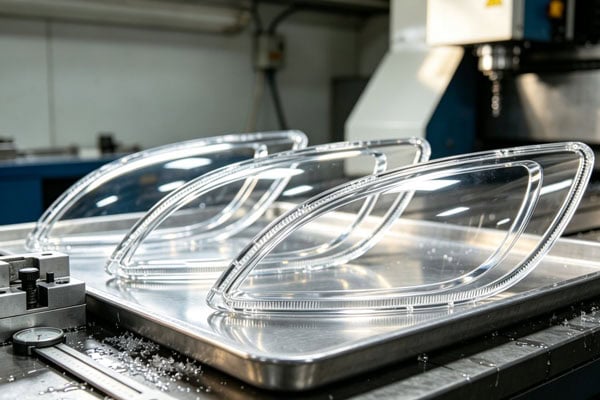
Automotive lighting fixtures not only provide lighting and signaling functions, but are also closely related to vehicle appearance, installation space, heat dissipation, and long-term operating stability. Lighting assemblies usually contain mounting brackets, lamp body connectors, heat dissipation structures, adjustment bases, fixing bases, lens supports, reflector structure connectors, and other precision metal or plastic parts. These components may be relatively small in size, but the hole positions, mounting surfaces, connection points, and surface quality can directly affect the final assembly result. During automotive lighting development, parts often need to be customized according to the vehicle model, lighting structure, and installation position. Traditional standard parts may not meet all dimensional requirements, making CNC machining an important manufacturing method for prototype validation, small-batch production, and the production of certain functional components. By selecting appropriate materials, machining methods, positioning methods, and post-processing processes, a better balance can be achieved between dimensional accuracy, assembly stability, and surface quality.
Machining Requirements for Automotive Lighting Parts
Machining Dimensions and Installation Positions
Parts used in automotive lighting fixtures usually need to be assembled with lamp housings, lamp brackets, vehicle body connectors, or other electronic components. Deviations in mounting hole positions, hole diameters, planar dimensions, or connection surface heights may cause assembly difficulties and, in serious cases, affect the overall position of the lighting fixture. Therefore, key dimensions need to be confirmed based on 3D CAD models and engineering drawings before machining. For mounting holes, positioning holes, shaft holes, and connection surfaces, dimensional requirements should be confirmed separately, and the machining sequence should be arranged according to the part structure.
Common CNC-machined automotive lighting parts include:
- Lighting mounting brackets
- LED light assembly fixing bases
- Lamp body connectors
- Heat sink connecting components
- Lighting adjustment structure components
- Lighting positioning bases
- Lens or reflector structure mounting components
- Internal metal support components for automotive lights
Not all of these components require highly complex machining, but key installation dimensions need to remain consistent.
Machining Technology for Thin-Wall, Deep-Groove, and Small-Hole Structures
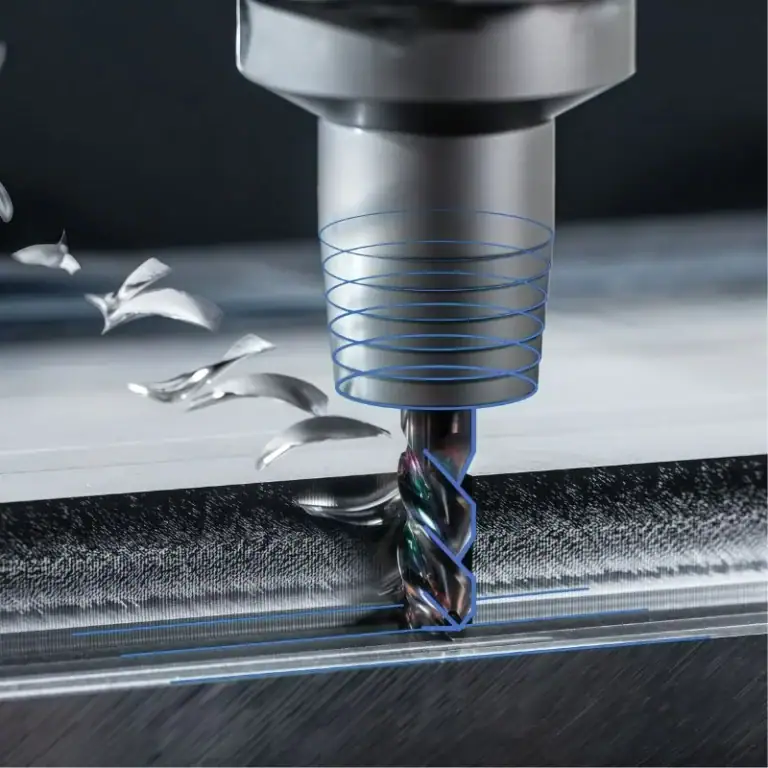
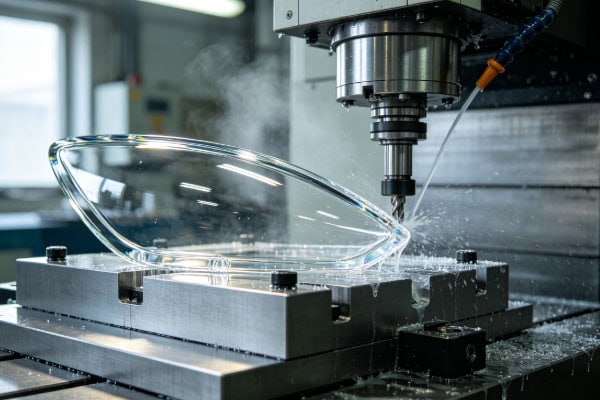
The internal space of automotive lighting fixtures is usually limited, so part designs may include thin walls, narrow grooves, small holes, counterbores, and complex curved surfaces. When the part size is small, deformation, burrs, or local dimensional changes are more likely to occur during machining. The clamping method needs to be determined according to the part geometry, while roughing and finishing processes should be arranged appropriately. For structures that are prone to vibration, the cutting depth per pass can be reduced, allowing the final dimensions to be achieved through multiple machining passes. If a part requires machining on multiple surfaces, the dimensional relationship after repositioning also needs to be considered. A reasonable machining sequence can reduce repeated clamping and improve positional consistency between different machined surfaces.
Appearance and Functional Requirements for Automotive Lighting
Automotive lighting fixtures are part of the vehicle’s exterior appearance. Some exposed components need to meet assembly requirements while also providing good surface quality. For example, aluminum alloy lighting brackets or decorative components may require anodizing, sandblasting, painting, electroplating, or other surface treatments after CNC machining. The TiRapid website currently provides a variety of material and surface treatment options, allowing corresponding machining and post-processing solutions to be developed according to the application of each part.
| Part Type | Common Materials | Machining Focus | Possible Post-Processing |
| Lighting Mounting Bracket | Aluminum Alloy, Stainless Steel | Hole Positions, Flat Surfaces, Assembly Dimensions | Anodizing, Sandblasting, Painting |
| Lamp Body Connector | Aluminum Alloy, Steel | Hole Positions, Connection Surfaces | Anodizing, Plating |
| Heat Dissipation Structure | Aluminum Alloy | Grooves, Thin Walls, Heat Dissipation Surfaces | Anodizing |
| Adjustment Base | Aluminum Alloy, Engineering Plastics | Hole Diameter, Shaft Position, Mating Dimensions | Selected According to Application |
| Internal Fixing Component | Aluminum Alloy, Plastics | Dimensions, Weight, Assembly | Selected According to Function |
How to Develop a Custom Machining Solution
Confirming Drawings and Models
Automotive lighting part machining usually starts with 3D CAD files, 2D engineering drawings, or samples provided by the customer. Before machining, the material, quantity, critical dimensions, tolerances, surface requirements, and special assembly requirements need to be confirmed. If the drawings contain potential machining risks, such as grooves that are too narrow, internal corners that are too small, or thin-wall areas that are difficult to clamp, DFM analysis can be performed before production. This approach helps resolve potential issues before machining instead of waiting until the parts are completed and then performing rework. TiRapid supports customers in uploading 3D CAD files such as STP and STEP and provides DFM recommendations and quotation services.
Select the Machining Method According to the Part Structure
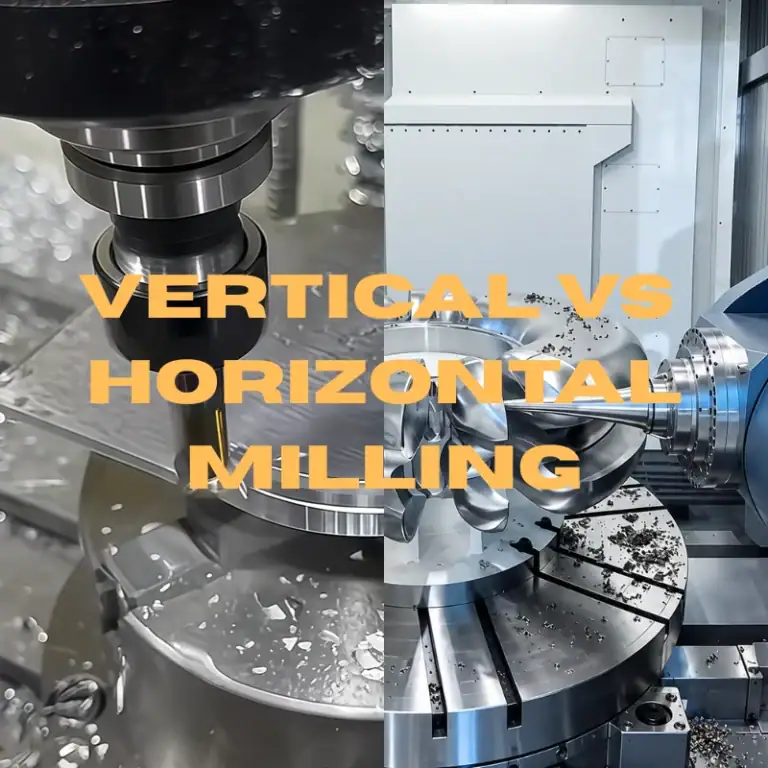
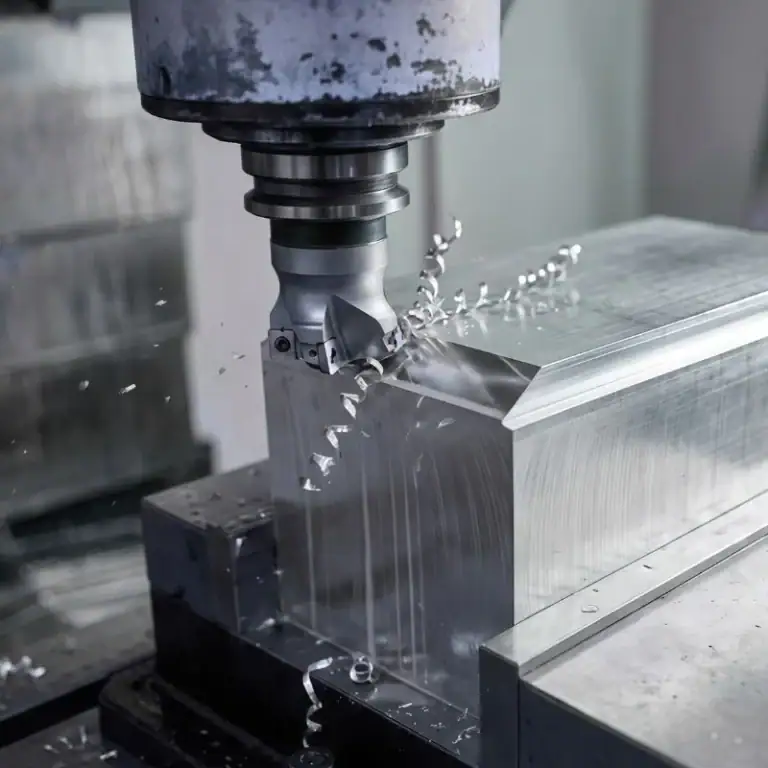
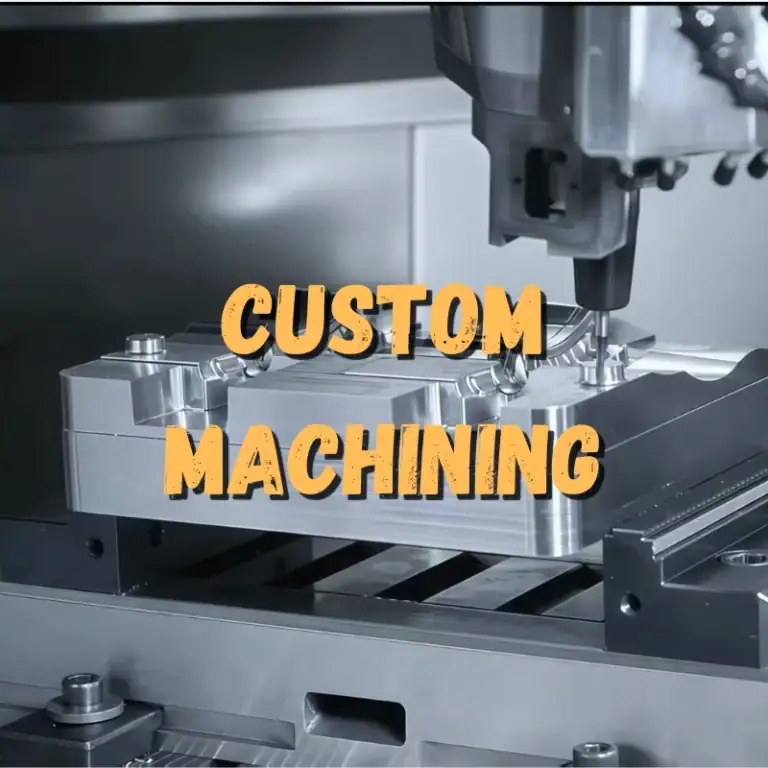
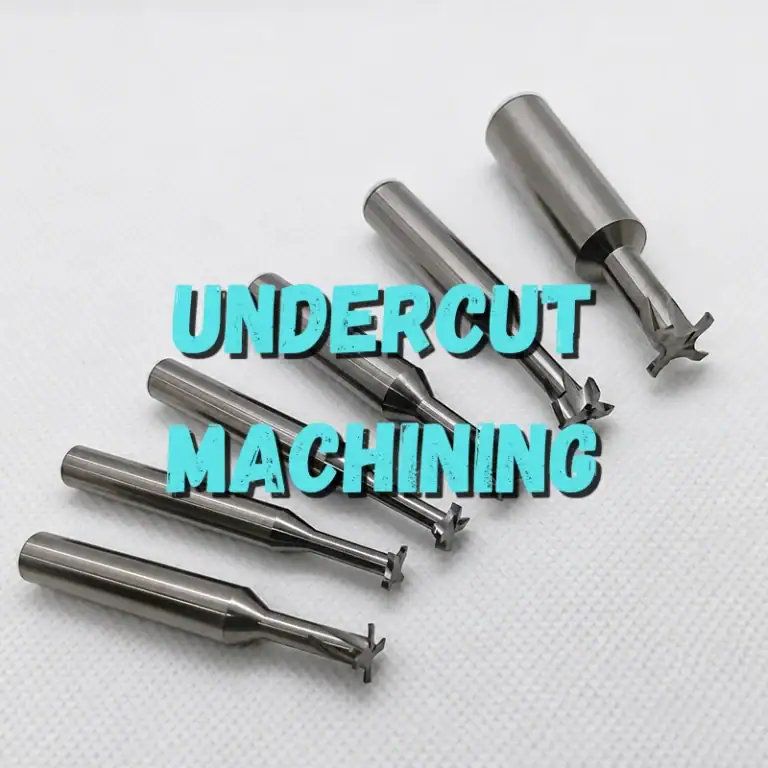
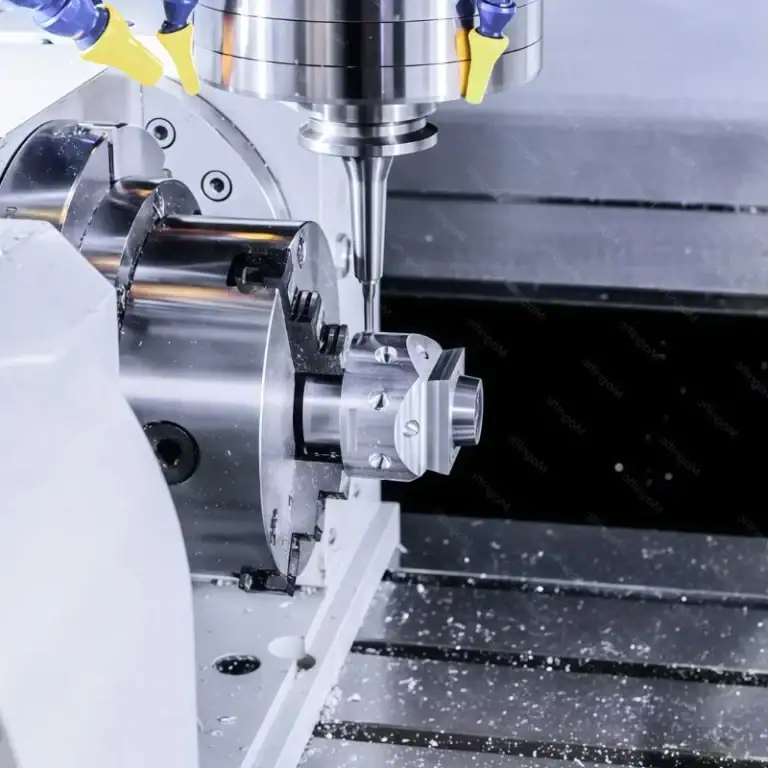
Automotive lighting parts vary significantly in structure, so the same machining method cannot be applied to every component. Relatively regular brackets, fixing bases, and connection plates can be manufactured through CNC milling. Parts requiring machining on multiple surfaces can use four-axis or five-axis machining according to their structure, reducing repeated clamping. For components with cylindrical structures, shaft features, or rotating surfaces, CNC turning can be combined with other machining processes. For localized fine structures, other machining processes can be selected according to the actual design.
Use Different Arrangements for Small-Batch and Mass Production
Automotive lighting projects usually go through several stages, including prototypes, design validation, small-batch production, and formal production. During the prototype stage, dimensional validation and assembly performance are usually the main priorities, allowing a small number of parts to be produced quickly. After the design is finalized, the machining process and production schedule can be adjusted according to the order quantity. This approach can reduce the initial investment during the early project stage and also allows engineering teams to adjust hole positions, thicknesses, and connection structures based on physical test results.
Quality Control and Delivery Management
Continuous Inspection During Machining
Quality inspection of automotive lighting parts should not only be performed after machining is completed. During production, critical dimensions need to be checked according to the drawing requirements. For mounting holes, positioning holes, shaft positions, and important flat surfaces, inspections should be performed during machining to prevent errors from continuing into the final inspection stage. After machining, the overall dimensions, hole positions, surface quality, burrs, and compliance with drawing requirements also need to be checked.
Confirm Critical Dimensions
The inspection focus for automotive lighting parts can be adjusted according to their installation position.
| Inspection Item | Main Confirmation Content | Impact on Assembly |
| Overall Dimensions | Length, Width, Height | Affect Overall Installation |
| Mounting Holes | Hole Diameter, Hole Spacing, Position | Affect Screw and Connector Installation |
| Positioning Structure | Positioning Holes, Positioning Surfaces | Affect Part Position |
| Mating Dimensions | Shaft Holes, Grooves, Connection Surfaces | Affect Part Assembly |
| Surface Quality | Burrs, Scratches, Roughness | Affect Appearance and Contact Performance |
| Surface Treatment | Color, Coating, Coverage | Affect Durability and Appearance |
If lighting parts need to be assembled with components manufactured by other suppliers, special attention should also be given to datum dimensions and assembly relationships. Clarifying these requirements before machining can reduce problems during subsequent assembly.
Packaging Requirements for Finished Parts
Many automotive lighting parts are small precision components. If parts are stacked directly together after machining, scratches or impacts may occur during transportation. Therefore, packaging needs to be designed according to the part dimensions, surface treatment, and structural characteristics. For parts that have undergone anodizing, painting, or polishing, individual protective packaging can be added to reduce friction during transportation.
Frequently Asked Questions
Can automotive lighting parts be customized?
Yes. Automotive lighting components usually need to be designed according to the specific vehicle model, lighting structure, and available installation space, making custom machining a common requirement. Customers can provide 3D CAD files, 2D drawings, or existing sample information, after which a machining solution can be developed according to the material, quantity, and surface requirements.
What materials are suitable for automotive lighting parts?
Common materials include aluminum alloys, stainless steel, steel, and certain engineering plastics. Aluminum alloys are suitable for structural components that require reduced weight while maintaining heat dissipation performance. Stainless steel and steel are suitable for connectors requiring higher strength. Engineering plastics can be used for certain lightweight and insulating structures. The actual material should be selected based on the part function, operating environment, assembly requirements, and cost.
Can only a few prototype parts be machined?
Yes. Automotive projects often require only a small number of prototypes during the design validation stage. CNC machining is suitable for quickly producing prototypes and small-batch parts. After prototype assembly and validation, subsequent production can be arranged according to the final design. TiRapid supports single-piece prototypes, small-batch production, and mass manufacturing, allowing the production quantity to be adjusted according to different project stages.
Can the drawings be checked before machining?
Yes. DFM inspection can identify certain structures that are difficult to machine, such as excessively small internal corners, overly deep grooves, thin-wall structures, and unreasonable hole positions. Adjusting the design in advance can help reduce rework and unnecessary machining costs.
Can automotive lighting parts receive surface treatment?
Yes. Different materials can be matched with different surface treatment methods, such as anodizing, sandblasting, painting, polishing, or other treatments suitable for the intended application of the part. The specific solution needs to be determined according to the material, appearance requirements, and operating environment.
TiRapid Custom Automotive Lighting Parts Machining Services
The machining quality of automotive lighting parts directly affects the assembly accuracy, structural stability, and operating performance of the lighting fixture. From mounting brackets and fixing bases to heat dissipation connectors, different components have different dimensional, tolerance, material, and surface treatment requirements, so the machining process needs to be arranged according to the specific structure. TiRapid can work with 3D CAD models, 2D engineering drawings, and sample information provided by customers to handle material confirmation, machining process analysis, dimensional control, surface treatment, and finished-part inspection. Whether prototype machining is required during new product development or mass production is needed after the design has been finalized, an appropriate manufacturing process can be arranged according to the project requirements. Through design evaluation before machining and quality control during production, unnecessary rework can be reduced, helping automotive lighting parts maintain stable dimensions, appearance, and assembly performance while providing reliable component support for subsequent product development and production.
If you are looking for CNC machining services for automotive lighting mounting brackets, fixing components, heat dissipation structures, adjustment bases, or other custom parts, you can submit your drawings and specific requirements to TiRapid. The engineering team can provide corresponding machining recommendations and quotations based on the part structure and production quantity.
Email: projects@tirapid.com
Phone: +86 760 8999 8536