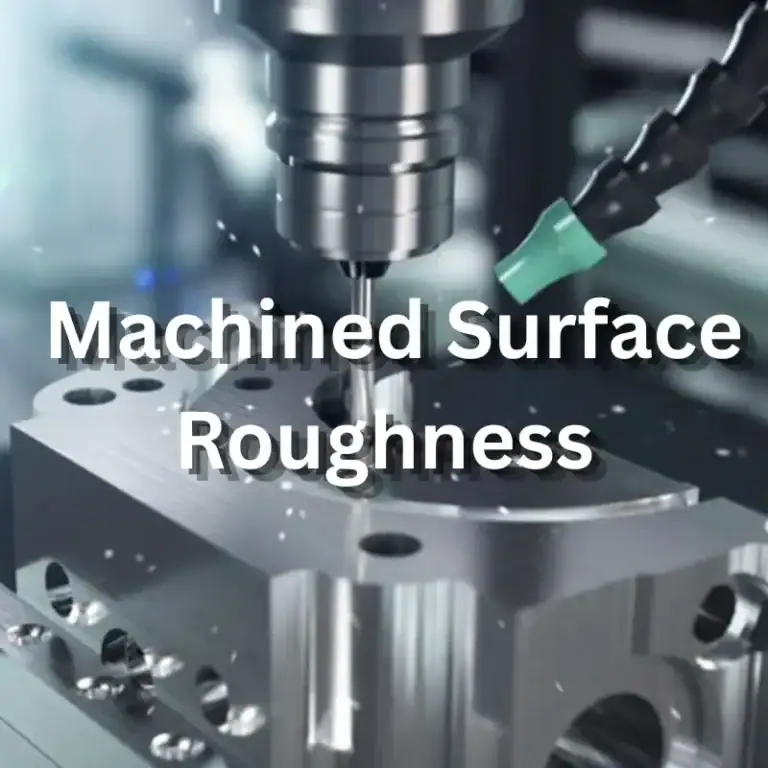
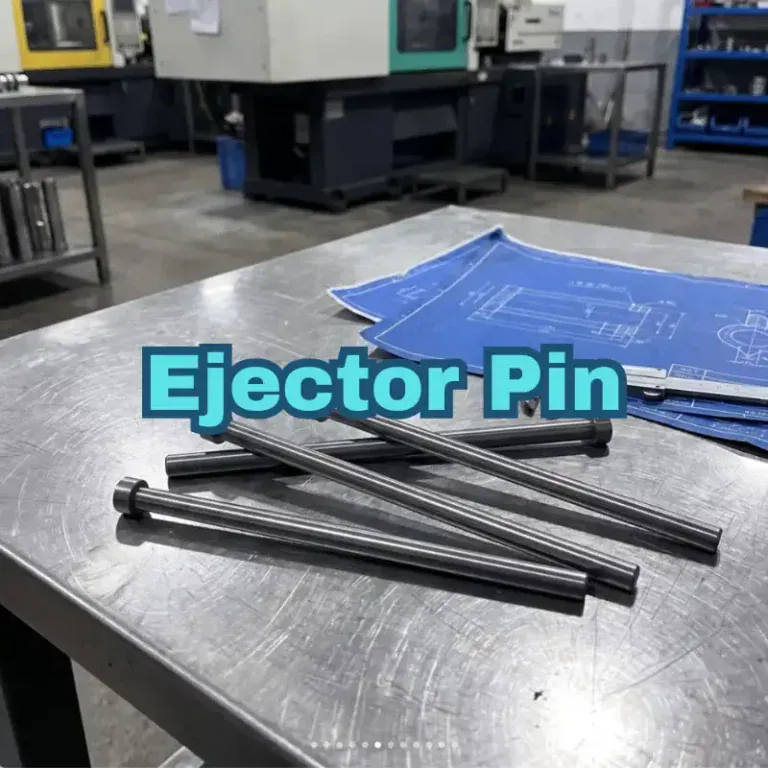
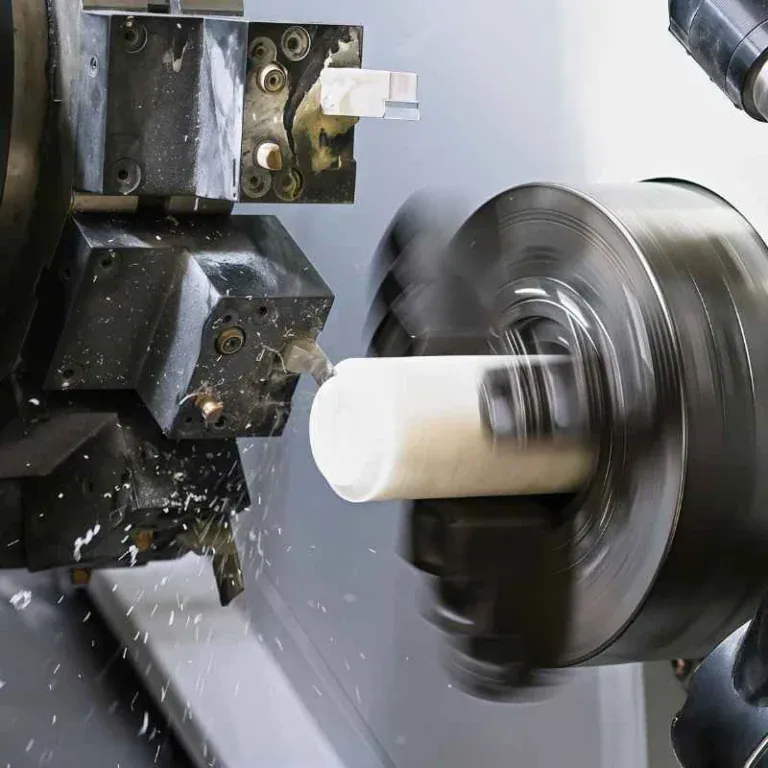
Semiconductor equipment requires high standards for component accuracy, material performance, and surface quality. Electrode machining involves more than simply matching the shape shown in an engineering drawing. Incorrect hole positions can affect installation, surface burrs can make cleaning more difficult, and unsuitable materials may compromise performance under specific process conditions. For semiconductor equipment manufacturers, choosing the right precision machining solution means addressing complex geometries and tight tolerances while maintaining production efficiency, batch consistency, and delivery schedules. CNC machining uses programmed toolpaths and cutting parameters to reduce variations caused by manual operations, providing more consistent manufacturing support for custom electrodes.
What Are the Advantages of CNC Machining for Semiconductor Equipment Electrodes?
Semiconductor equipment electrodes may feature precision holes, complex contours, connecting slots, and specialized mating surfaces. Traditional machining methods may require repeated positioning and adjustments when processing parts with multiple features, increasing the risk of dimensional errors. CNC machining follows programmed instructions to perform repeatable cutting operations, offering flexibility for electrodes with complex structures and demanding dimensional requirements.

How Does CNC Machining Improve Semiconductor Electrode Accuracy?
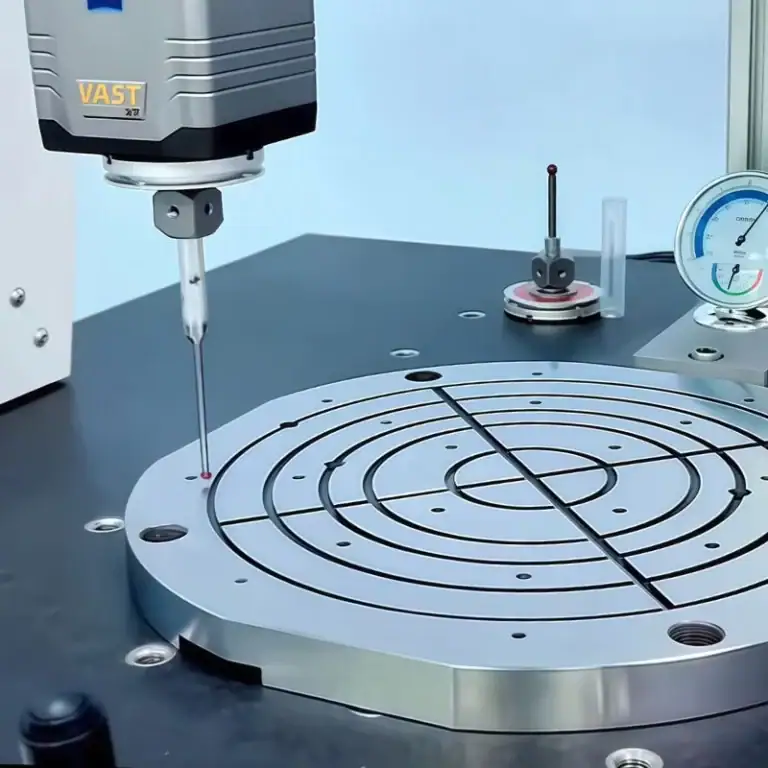
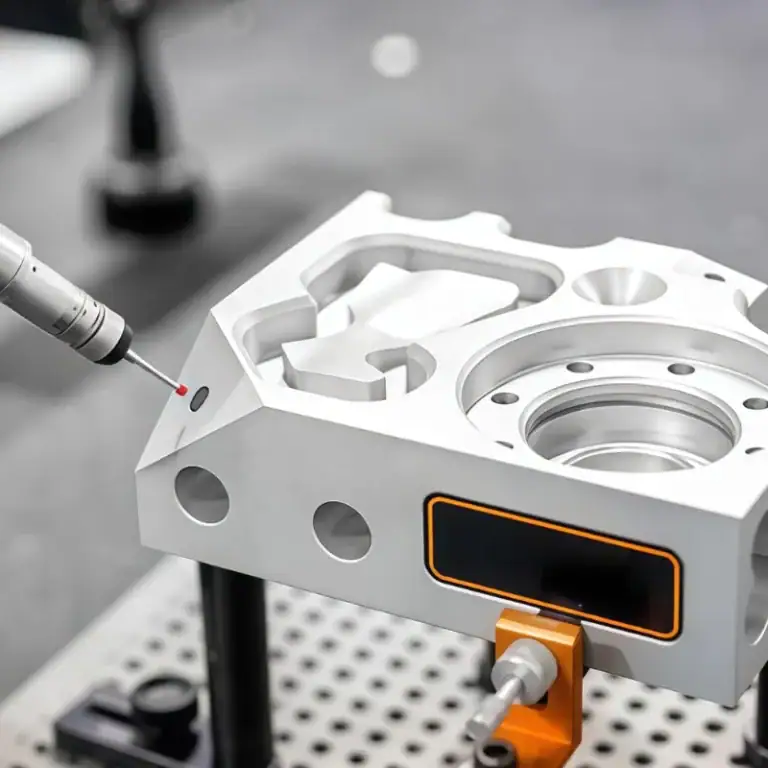
Accurate electrode installation depends on hole diameters, hole spacing, flatness, and contour dimensions. CNC machines control tool movements through programmed instructions, helping maintain consistent machining paths. Combined with appropriate fixturing, tool selection, and dimensional inspection, this approach can reduce errors caused by repeated positioning. Planning the machining sequence in advance is also useful for controlling the positional relationships between multiple holes and complex slots.
- More consistent dimensional control: Helps machine critical features to drawing specifications.
- Flexible complex geometry machining: Supports various slots, steps, and curved surfaces.
- Repeatable production: Verified programs and process parameters can be reused for subsequent batches.
Actual accuracy still depends on machine condition, material properties, fixture design, and inspection methods. The type of CNC equipment alone does not guarantee that a finished part will meet its specifications.
How Can Custom Semiconductor Electrode Machining Reduce Assembly Problems?
Electrode designs vary significantly between semiconductor equipment models, and standard-sized parts may not fit existing assemblies. Custom CNC machining can produce specific dimensions, mounting holes, and connection features from 2D engineering drawings or 3D models, reducing the need for modifications after production. For electrodes that must fit other precision components, defining machining datums, critical tolerances, and installation positions in advance helps align the machining process with actual application requirements.
Which Semiconductor Equipment Electrodes Are Suitable for Precision CNC Machining?
Electrode material, geometry, and operating environment all influence process selection. Some components require precise conductive contact surfaces, while others need accurately positioned mounting holes or complex contours and deep features. Common electrode types and their machining requirements include:
| Electrode Type | Key Machining Requirements | Common CNC Processes |
| Flat electrodes | Thickness, flatness, surface quality | CNC milling, precision finishing |
| Multi-hole electrodes | Hole diameter, spacing, positional accuracy | CNC drilling, boring |
| Custom-shaped electrodes | Complex contours, multi-face dimensional relationships | CNC milling, multi-axis machining |
| Copper conductive electrodes | Dimensions, burr control, surface condition | CNC milling, precision finishing |
| Threaded electrodes | Thread accuracy, connection positions | Drilling, tapping, CNC milling |
How to Choose Materials for Semiconductor Equipment Electrode Machining?
Material selection affects electrical conductivity, corrosion resistance, machining difficulty, and service life. Since process environments vary between semiconductor equipment applications, no single material is suitable for every electrode. In addition to mechanical properties, material purity, surface treatment requirements, and potential contamination risks must be considered. Components used in vacuum chambers or specialized process environments require particular attention to applicable technical specifications.
What Are the Characteristics of CNC Machining Copper Electrodes?
Copper and copper alloys offer good electrical and thermal conductivity, making them suitable for components that require these properties. However, copper is relatively soft, and certain grades may develop burrs or surface scratches during machining. Tool condition and cutting parameters must be carefully controlled. For precision copper electrodes, inspection should focus on hole edges, external edges, and contact surfaces to ensure compliance with engineering drawings.
What Is the Difference Between Machining Aluminum Alloy and Stainless Steel Electrodes?
Aluminum alloys are lightweight and generally offer good machinability, making them suitable for some lightweight structural components. Stainless steel provides good corrosion resistance, but machining may generate considerable heat and requires appropriate tool selection and cutting parameters. The final material choice should reflect the component’s function and equipment operating conditions rather than machining convenience alone.
- Aluminum alloys: Suitable for lightweight components; thin-wall parts require careful clamping to prevent deformation.
- Stainless steel: Suitable for specific corrosion-resistant applications; cutting heat and tool wear need control.
- Copper and copper alloys: Suitable for conductive or heat-transfer applications; burrs and surface protection require attention.
How to Control Surface Quality and Cleanliness in Semiconductor Electrode Machining?
The surface condition of a finished electrode can affect assembly, cleaning, and subsequent use. Burrs, cutting residue, scratches, and unsuitable surface treatments must be controlled according to the component’s requirements. If the equipment has specific cleanliness standards, cleaning methods, acceptance criteria, and packaging conditions should be defined before machining begins to avoid extensive rework later.
| Quality Inspection Item | What to Check | Why It Matters |
| Dimensions and tolerances | Hole diameters, spacing, thickness, contours | Ensures proper installation and fit |
| Surface quality | Roughness, scratches, burrs | Helps minimize surface defects |
| Material requirements | Material grade and relevant documentation | Confirms compliance with design specifications |
| Cleaning and packaging | Residue and protective packaging | Reduces the risk of transport damage and contamination |
How to Control Costs and Lead Times for Precision Semiconductor Electrode Machining?
CNC machining quotes depend on more than component size. Material prices, structural complexity, tolerance requirements, machining time, and inspection standards all affect the final cost. For electrodes with specialized requirements, complete technical documentation makes it easier to select a suitable process and avoid misunderstandings about dimensions or acceptance criteria after production has started.

What Information Is Needed for a Semiconductor Electrode CNC Machining Quote?
Complete technical documentation helps assess machining difficulty and plan production more accurately. When requesting a quote, prepare the following information:
- Part drawings: Provide 2D engineering drawings or 3D models with critical tolerances clearly marked.
- Material specifications: Identify the material grade, performance requirements, and any material restrictions.
- Surface treatment requirements: Specify coatings, cleaning requirements, and surface roughness standards.
- Order quantity: State prototype quantities and expected production volumes.
- Inspection requirements: Identify any required dimensional reports, material certificates, or other documentation.
If the component must fit existing equipment, provide interface dimensions or relevant assembly information as well. This helps reduce the risk of producing parts that do not match actual installation conditions.
How Can CNC Machining Improve Semiconductor Electrode Production Efficiency?
A well-planned machining route can reduce unnecessary setups, tool changes, and repeated finishing operations. For electrodes with multiple machined faces, multi-axis machining may be worth evaluating. Simpler components, however, may not require unnecessarily complex processes. Focusing machining resources on critical dimensions and surfaces is often more practical than applying excessively tight tolerances to every feature.
How to Maintain Machining Quality and Meet Semiconductor Electrode Delivery Schedules?
Reliable delivery depends on smooth coordination between machining, inspection, and post-processing. Confirming drawing revisions and acceptance criteria before production, checking critical dimensions during machining, and inspecting surface condition, cleanliness, and packaging before shipment can reduce unexpected changes and rework. If specialized surface treatments or additional inspections are required, these steps should be included in the production schedule from the beginning.
Semiconductor equipment electrode machining requires a balance of dimensional accuracy, material performance, surface quality, and production efficiency. The right CNC machining solution can improve dimensional consistency, reduce repeated setups, and produce custom electrodes that better meet equipment requirements. TIRAPID provides precision CNC machining services and evaluates custom solutions based on electrode drawings, materials, and tolerance requirements. Submit your part specifications to request a quote.