Medical automation equipment is widely used in sample handling, reagent dispensing, analytical testing, and laboratory workflow management. Components such as positioning brackets, transmission assemblies, mounting bases, and housings serve different functions, and their manufacturing quality affects overall assembly, operational efficiency, and maintenance costs. For equipment developers and procurement teams, part manufacturing must meet drawing specifications while considering material suitability, surface condition, batch consistency, and delivery schedules. A well-defined machining and inspection plan can reduce component compatibility issues and improve production coordination.
Manufacturing Requirements for Medical Automation Parts
Components differ in structure and function, so manufacturing solutions should be tailored to their intended applications rather than applying identical requirements to every part.
Dimensional Accuracy and Assembly Precision
The fit between components directly affects equipment assembly and movement. Drawings should clearly specify the precision requirements of critical features.
- Mounting Structures: Pay attention to hole positions, mating surfaces, and connection points to reduce assembly deviations.
- Moving Components: Control the geometric relationships between relevant surfaces according to operating requirements to reduce misalignment or jamming.
- Thin-Walled Structures: Arrange machining sequences and clamping methods appropriately to prevent noticeable deformation after machining.
Defining critical requirements in engineering drawings and inspection procedures helps improve compatibility between individual parts and the complete equipment.
Material Selection and Surface Treatment
Material selection should consider component loads, operating environments, and maintenance requirements rather than relying solely on material cost.
- Metal Materials: Select suitable metals according to weight, strength, and environmental requirements while considering machinability and application needs.
- Plastic Materials: For support, insulation, and guiding structures, evaluate stiffness, environmental resistance, and dimensional stability.
- Surface Treatment: Choose suitable treatments according to contact media, cleaning methods, and appearance requirements, and confirm the relevant technical specifications in advance.
Confirming material and surface requirements before machining can reduce subsequent process adjustments and component replacement.

CNC Machining Solutions for Medical Automation Parts
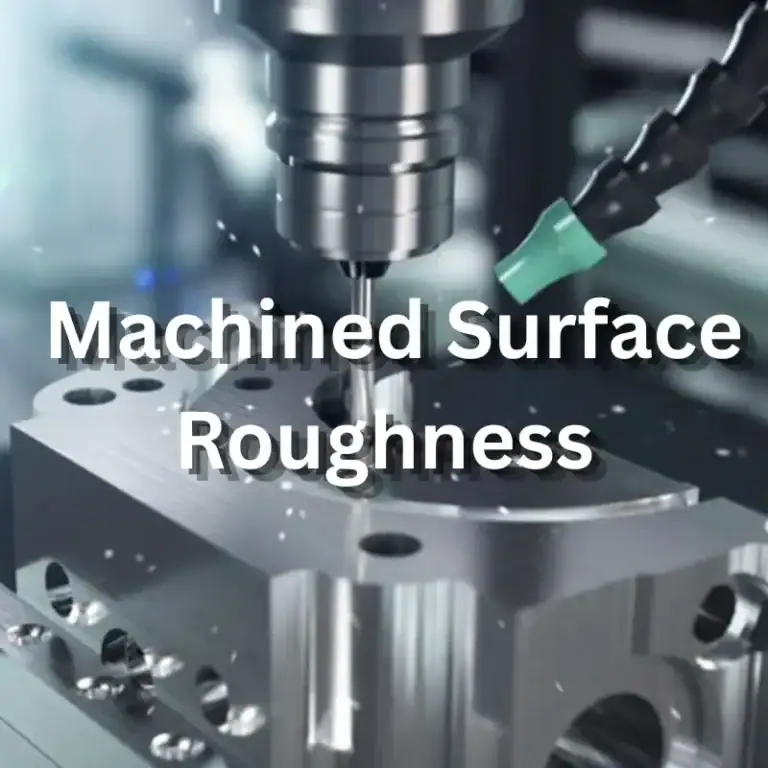
CNC machining supports the customized manufacturing of components with various structures. The process should be planned according to part geometry, machining complexity, and final assembly requirements.
Planning Machining Sequences and Clamping Methods
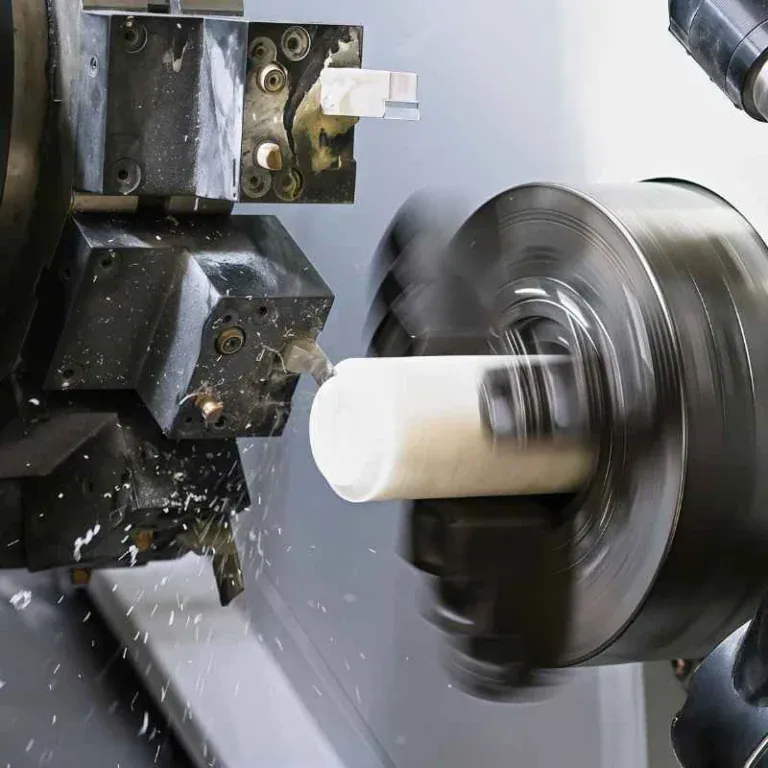
Appropriate process planning can improve dimensional consistency and reduce the cost of repeated machining. Complex parts can be machined in stages, while thin-walled components require suitable support and clamping to minimize deformation. Related holes and mounting surfaces should use consistent machining datums to reduce positioning errors. After prototype production, critical dimensions and assembly results should be evaluated to establish a stable manufacturing process.
Removing Burrs, Residues, and Surface Defects
Machined parts require appropriate cleaning and inspection to ensure that their surface condition meets subsequent application requirements.
- Deburring: Inspect hole edges, component edges, and grooves to prevent residual burrs from interfering with assembly or breaking off.
- Cleaning Management: Select cleaning procedures according to component applications and control chips, machining residues, and other contaminants that could affect equipment operation.
- Packaging Protection: Protect inspected parts appropriately to reduce contamination and physical damage during storage and transportation.
For components with specific cleanliness requirements, the required cleanliness level, acceptance method, and packaging conditions should be defined in the order.
Quality Inspection of Medical Automation Parts
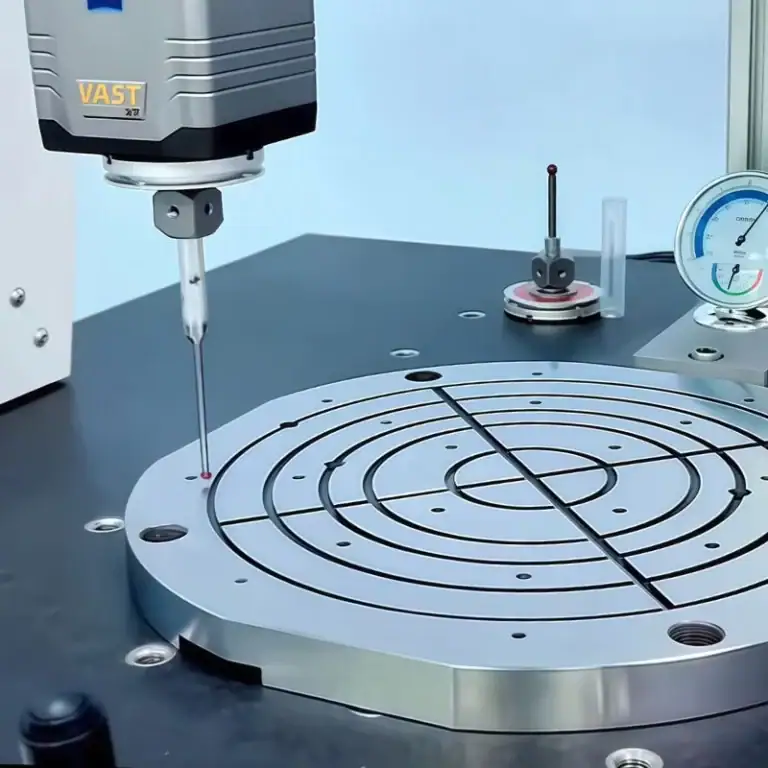
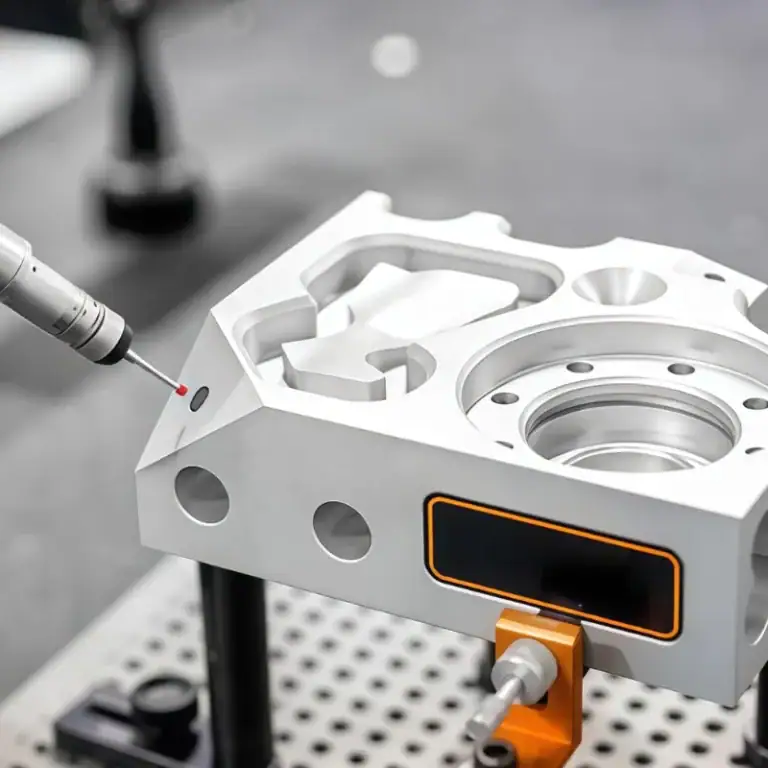
Inspection should correspond to component functions, verifying machining results and identifying defects that could affect assembly or operation.
Defining Inspection Priorities by Component Type
The following table summarizes the key inspection priorities for different types of medical automation components and their corresponding purposes.
| Component Type | Inspection Focus | Inspection Purpose |
| Positioning Brackets | Mounting holes, datum surfaces, geometric relationships | Ensure accurate positioning |
| Transmission Assemblies | Mating dimensions, relevant surface conditions | Meet operating requirements |
| Equipment Housings | Overall dimensions, connection points, appearance | Ensure proper assembly |
| Fluid-Path Components | Internal condition, residues, critical dimensions | Meet component application requirements |
| Plastic Supports | Overall dimensions, mating dimensions, structural integrity | Maintain installation stability |
Inspection items should follow customer drawings and mutually agreed technical requirements to ensure that critical functional features are not overlooked.
Strengthening Production Process Management
Batch production requires consistent processes and acceptance criteria. A successful first-article inspection alone cannot guarantee the quality of an entire batch. During production, sampling inspections should be arranged according to order requirements, with attention to how equipment conditions, tool changes, and clamping variations affect machining results. When abnormalities occur, the cause should be identified promptly, and the affected parts should be assessed for rework or reinspection. Combining in-process checks with final inspection helps reduce quality variations between batches.
How to Choose a Medical Automation Parts Manufacturing Supplier
Supplier selection affects project costs, component quality, and delivery schedules. Before placing an order, evaluate both technical coordination and production management capabilities.
Evaluating Machining Capabilities and Technical Coordination
The supplier should understand the intended application of each component and organize manufacturing according to drawing requirements.
- Drawing Evaluation: Confirm component geometry, critical dimensions, mating requirements, and machining challenges. Discuss potential design-for-manufacturing issues in advance.
- Prototype Verification: Check prototype dimensions and assembly performance before batch production, adjusting the process when necessary.
- Quality Documentation: Define inspection records, acceptance criteria, and required delivery documents according to project needs to prevent misunderstandings about quality requirements.
Effective technical communication helps reduce production changes and repeated machining.
Confirming Delivery Arrangements and Procurement Costs
Procurement decisions should consider not only component prices but also order quantities, production lead times, and ongoing coordination efficiency.
- Order Planning: Confirm quantities, delivery dates, and replenishment arrangements according to prototype development and batch production needs.
- Cost Evaluation: Consider machining, surface treatment, inspection, packaging, and transportation costs, and clarify which services are included in the quotation.
- Issue Resolution: Agree in advance on communication and handling procedures for dimensional nonconformities, delivery changes, or component damage.
Clearly defined delivery conditions and quality responsibilities improve procurement coordination and reduce uncertainty during project execution.
Manufacturing medical automation system parts requires a balanced approach to structural design, machining precision, surface quality, and delivery management. Equipment manufacturers should define requirements according to each component’s function and verify prototype dimensions and assembly performance before starting full-scale production. Clear technical communication helps minimize subsequent modifications and improves coordination between component supply and equipment production schedules. TiRapid provides customized CNC machining services based on customer drawings, materials, and order requirements, supporting the production of precision components for medical automation equipment.