Powersports equipment includes motorcycles, ATVs, UTVs, off-road vehicles, racing vehicles, and other high-performance recreational machines. These vehicles often operate under demanding conditions involving vibration, impact, heat, dust, mud, and uneven terrain. As a result, their components require high dimensional accuracy, mechanical strength, lightweight construction, and long-term durability. Precision machining for powersports equipment uses advanced CNC manufacturing technologies to produce high-quality structural and functional components from aluminum alloys, steel, stainless steel, engineering plastics, and other materials. This provides powersports manufacturers with reliable and consistent precision parts for different applications.
Why Do Powersports Equipment Need Precision Machined Parts?
Powersports components are often exposed to continuous vibration and significant dynamic loads. Components such as suspension brackets, wheel hubs, bushings, shafts, mounting brackets, and engine-related parts must maintain accurate dimensions to ensure proper assembly and stable vehicle performance.
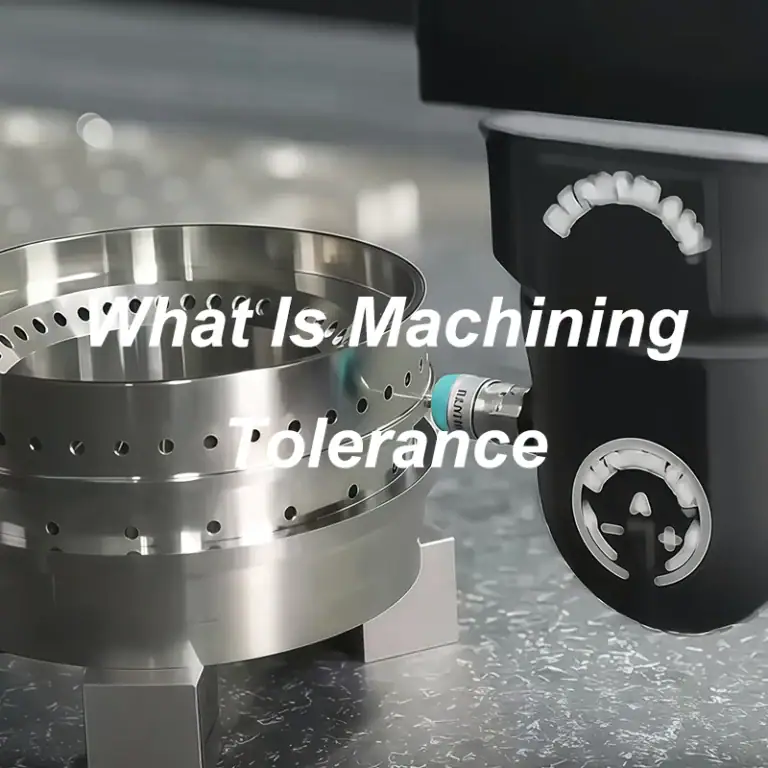
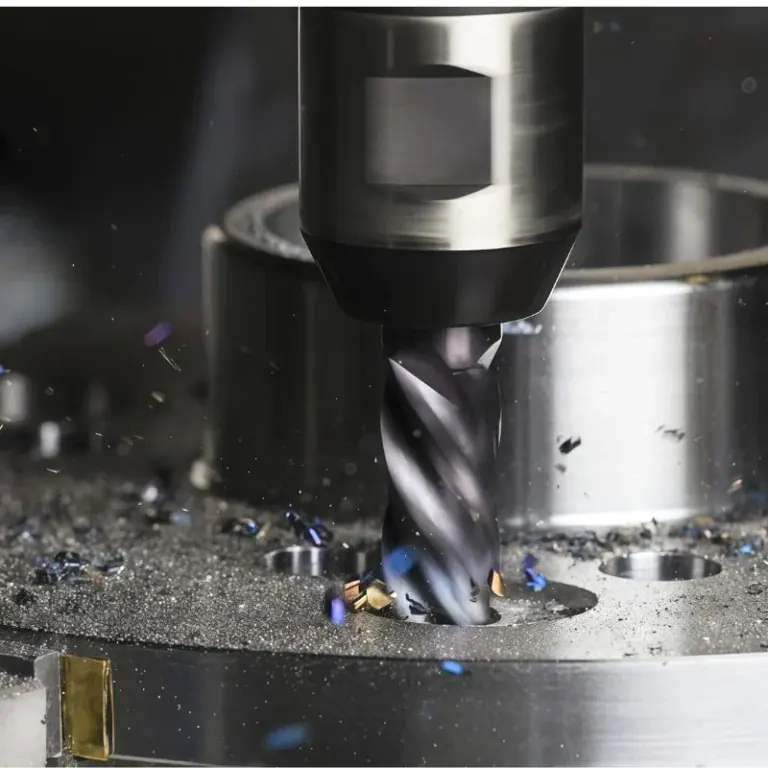
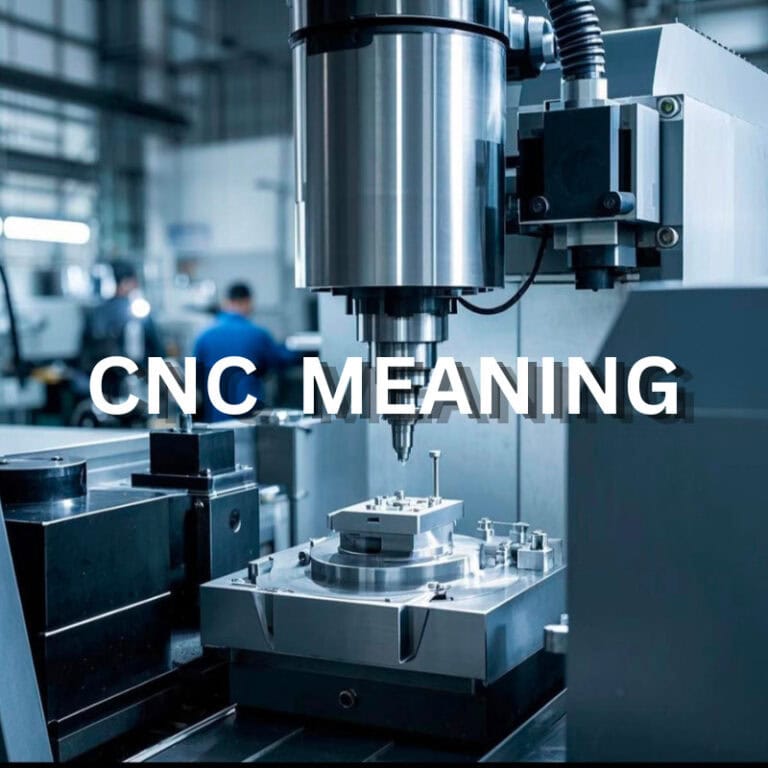
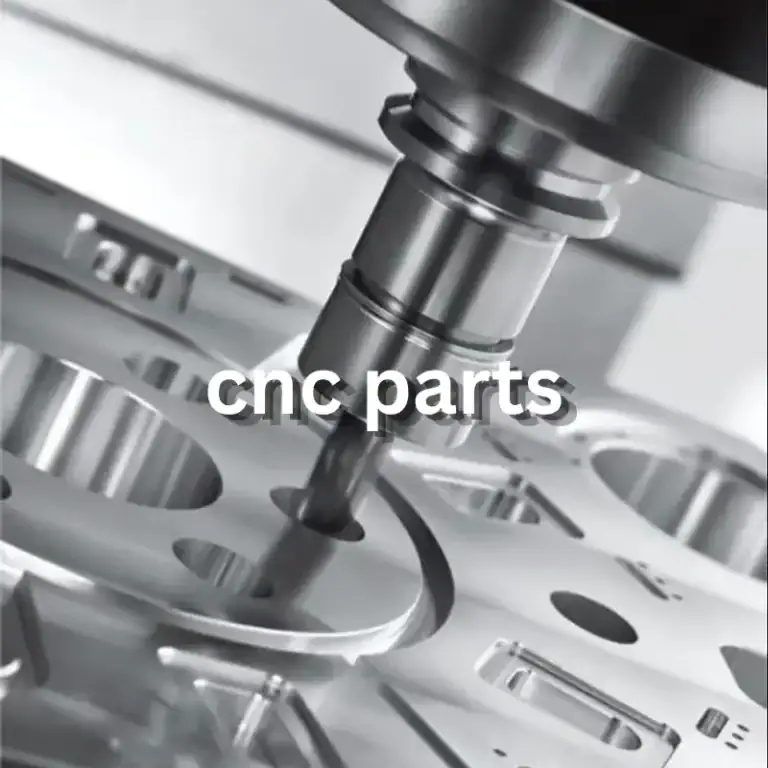
CNC precision machining uses computer-controlled tools to achieve accurate dimensions and complex geometries. It is suitable for machining intricate contours, holes, threads, curved surfaces, and other detailed features. TiRapid provides precision CNC machining with typical tolerances down to ±0.01 mm, supporting projects from prototypes and low-volume production to larger-scale manufacturing.
Common Powersports Precision Machined Parts
| Part Type | Common Materials | Key Machining Requirements | Typical Applications |
| Engine Components | 6061/7075 Aluminum, Steel | Dimensional accuracy, heat resistance | Motorcycles, ATVs |
| Wheel Hubs & Bushings | Aluminum, Stainless Steel | Concentricity, hole accuracy | ATVs, UTVs |
| Suspension Brackets | 7075 Aluminum, Alloy Steel | Strength, lightweight design | Off-road Vehicles, Racing |
| Brake Components | Stainless Steel, Aluminum | Fit accuracy, surface quality | Motorcycles, Racing Vehicles |
| Footpegs & Connectors | Aluminum, Steel | Strength, wear resistance | Motorcycles |
| Sensor Mounts | 6061 Aluminum, POM | Hole positioning, lightweight construction | Smart Powersports Equipment |
CNC Machining Solutions for Powersports Equipment
CNC Milling
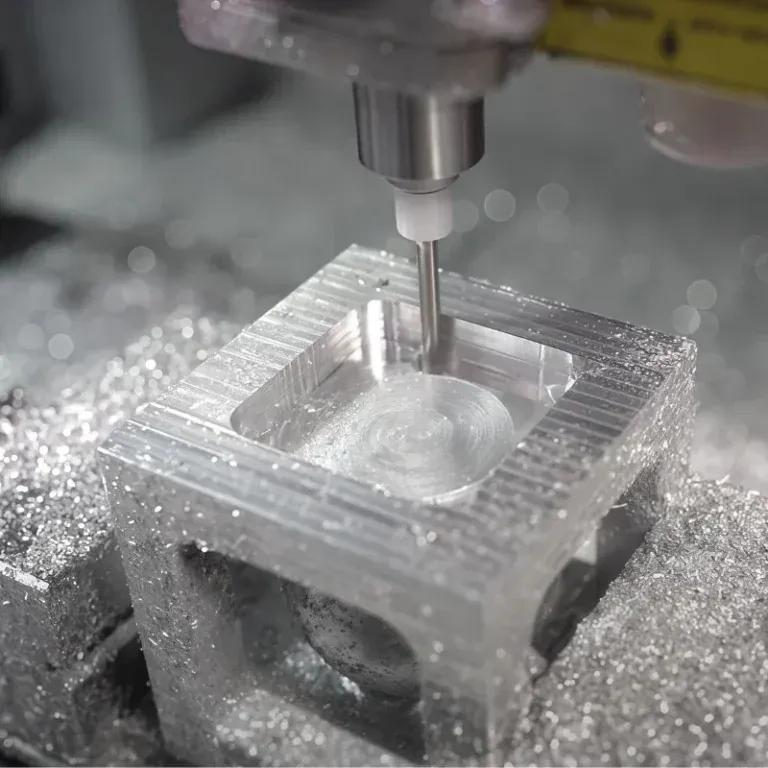
CNC milling is suitable for brackets, housings, mounting bases, suspension components, and other parts with complex flat surfaces and curved geometries. For powersports equipment, CNC-machined aluminum parts can help reduce component weight while maintaining the required structural strength.
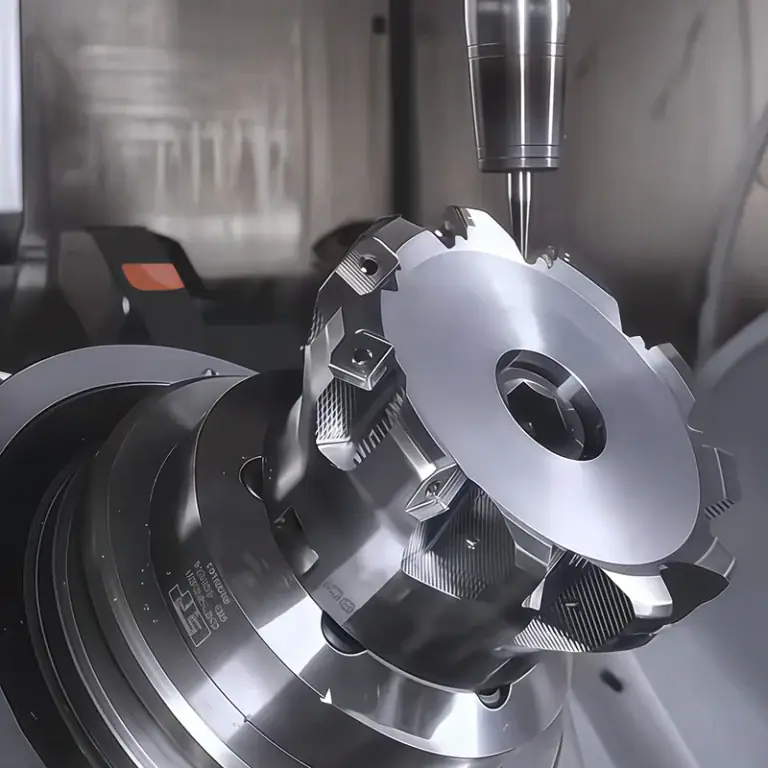
TiRapid provides 3-axis, 4-axis, and 5-axis CNC machining. The appropriate machining method can be selected according to the geometry and functional requirements of each component. For parts with multi-directional surfaces, deep cavities, or complex contours, 5-axis machining can reduce the number of setups and improve machining consistency.
CNC Turning
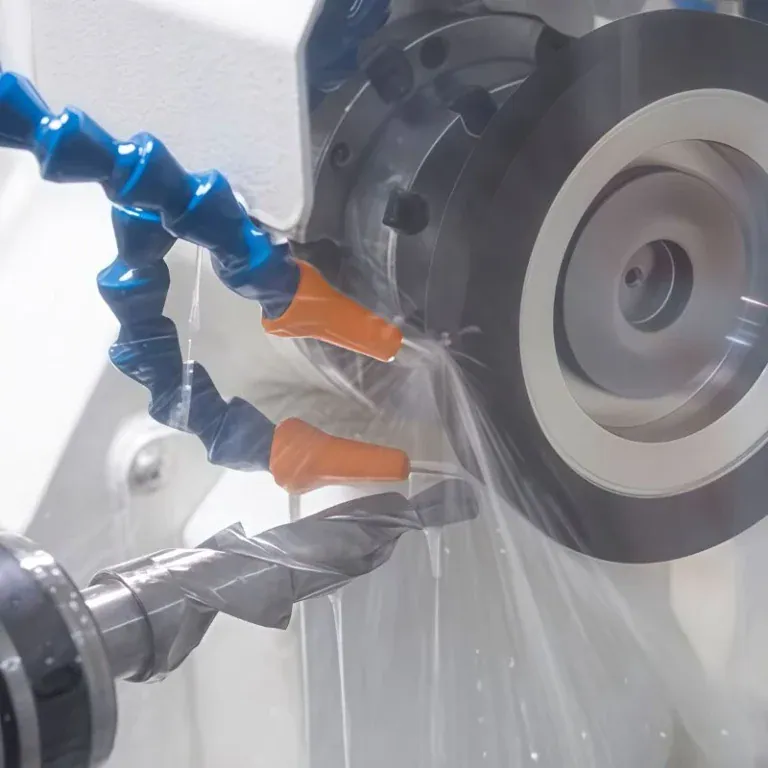
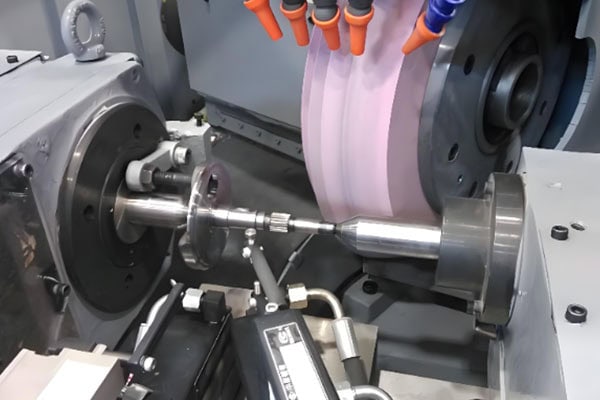
Shafts, pins, bushings, threaded components, and cylindrical connectors are commonly manufactured using CNC turning. Precise control of outside diameters, internal bores, threads, and end faces helps ensure reliable connections between components such as bearings, shafts, and other assemblies.
3-Axis to 5-Axis Machining for Complex Parts
Complex structural components used in racing vehicles, off-road motorcycles, ATVs, and UTVs may require multiple machining operations when conventional manufacturing methods are used. Multi-axis CNC machining can process complex curves, angled holes, thin-wall structures, and deep grooves while reducing positioning errors.For high-performance powersports components, 5-axis CNC machining can also support lightweight structural designs and complex geometries that are difficult to manufacture using traditional machining processes.
EDM and Precision Machining
Some powersports components contain narrow slots, small holes, sharp corners, or other intricate features that may be difficult to manufacture with conventional cutting tools. EDM and wire EDM can provide an effective complementary manufacturing method for hard materials and precision structures.These processes can be used when component geometry requires detailed features, tight dimensional control, or machining capabilities beyond conventional CNC cutting.
How Material Selection Affects Powersports Parts
Material selection plays an important role in powersports component performance. Manufacturers need to balance strength, weight, machinability, corrosion resistance, and durability according to the specific application.
6061 aluminum alloy offers good machinability, strength, and corrosion resistance, making it suitable for brackets, housings, mounting components, and general structural parts. 7075 aluminum alloy provides a higher strength-to-weight ratio and is well suited for racing and high-performance components where both strength and lightweight construction are important.
For parts exposed to heavy mechanical loads or wear, alloy steel and stainless steel can be considered. Engineering plastics such as POM, PEEK, and nylon may also be suitable for components requiring electrical insulation, wear resistance, low friction, or reduced weight.
Selecting the right material together with the appropriate machining process can improve component performance while helping manufacturers control overall production costs.
From Prototypes to Volume Production
New powersports equipment generally goes through several stages, including product design, prototype development, functional testing, structural optimization, and mass production. Moving directly into high-volume manufacturing before validating the design can increase the cost of design changes.
Precision CNC prototyping allows manufacturers to quickly produce functional samples for assembly and performance testing. Potential problems related to dimensions, structure, installation, or component interaction can be identified before volume production begins.
After the design is verified, the same manufacturing process can be gradually transferred to low-volume and larger-scale production. This provides a more flexible path from prototype development to commercial manufacturing.
Quality Control for Precision Powersports Parts
Producing a component is only part of the manufacturing process. Precision powersports parts must also maintain stable quality and dimensional consistency from batch to batch.
- Key Quality Control Processes
- Raw material specification verification
- CNC programming and machining parameter inspection
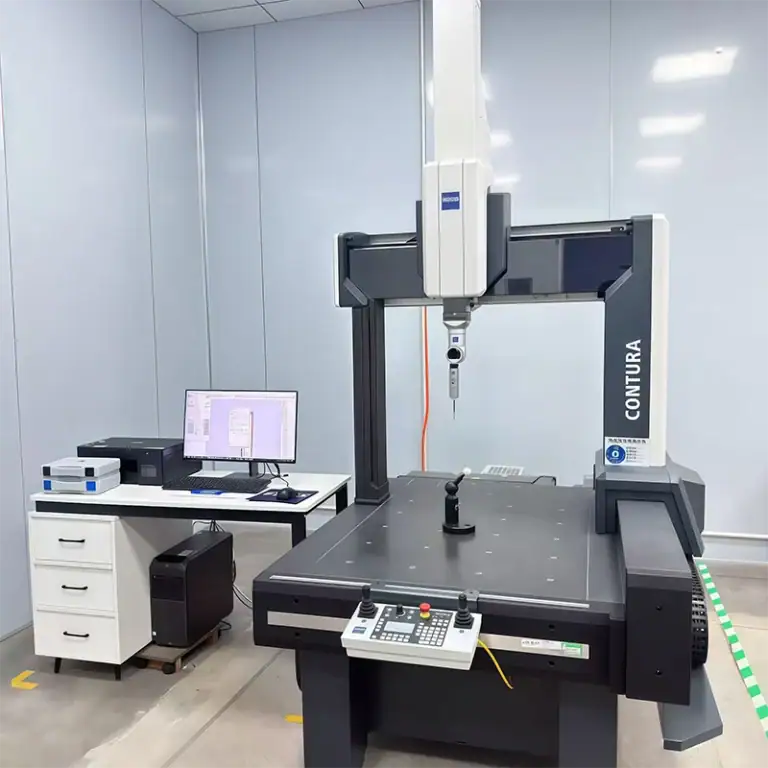
- First-article inspection
- Critical hole and shaft diameter measurement
- Geometric tolerance inspection
- Surface roughness inspection
- Final dimensional and visual inspection
For high-precision powersports components, an inspection plan can be developed according to engineering drawings and functional requirements. This helps ensure that each component meets the required dimensional and assembly specifications.
TiRapid Precision Machining for Powersports Applications
TiRapid provides CNC machining services covering CNC milling, CNC turning, 5-axis machining, EDM, rapid prototyping, and volume production. The company supports a wide range of metals and engineering plastics, providing flexible manufacturing options for different powersports applications.For powersports manufacturers, an integrated machining solution can connect design evaluation, DFM analysis, prototype production, testing, and volume manufacturing within a streamlined production process.
With a professional precision parts machining solution for powersports equipment, manufacturers can better control dimensional accuracy, structural strength, component weight, and production costs. Whether you need CNC motorcycle parts, precision ATV and UTV components, lightweight racing parts, or custom powersports components, selecting the right material, machining process, and quality control method can improve product reliability and overall market competitiveness.