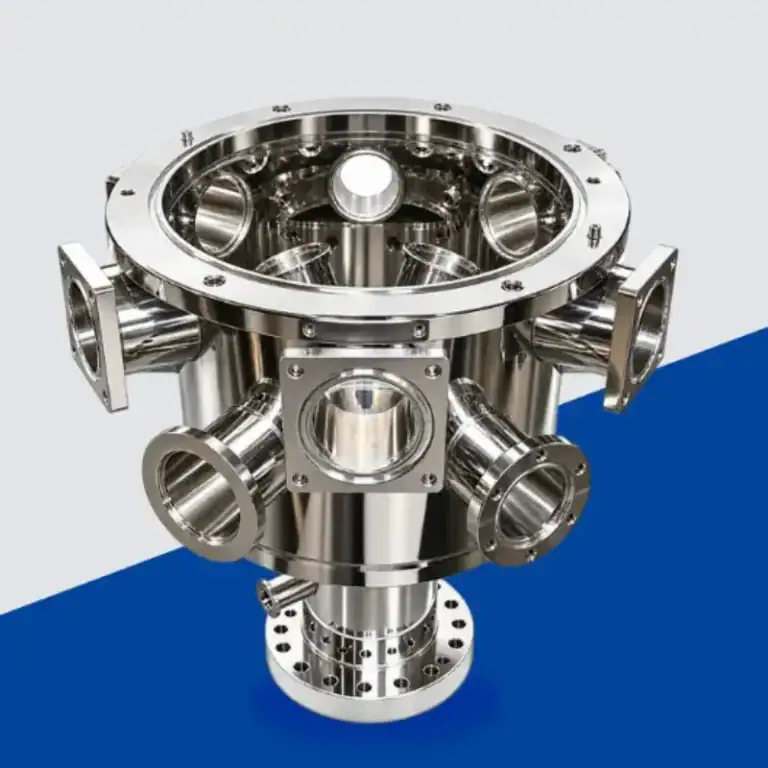
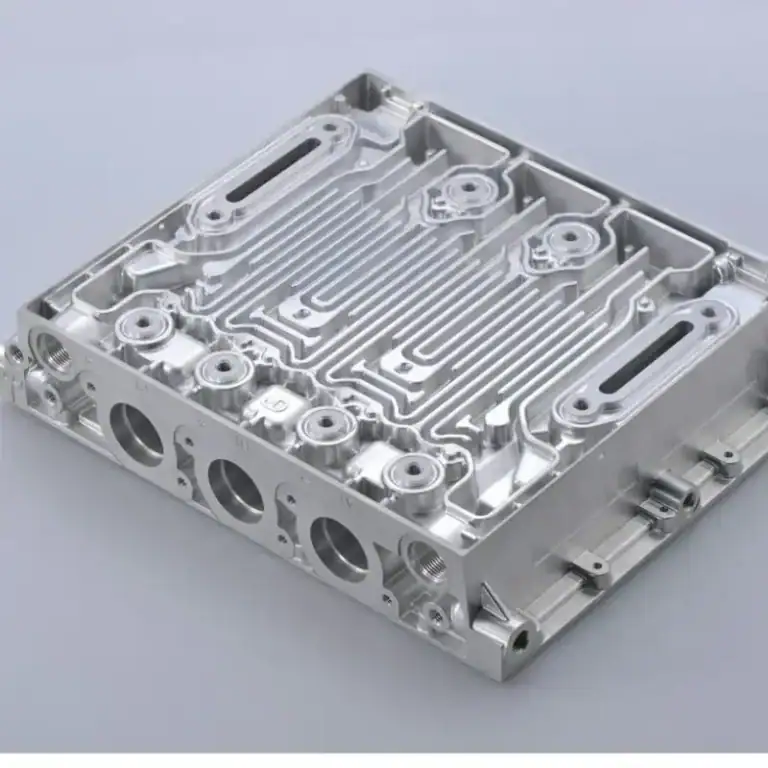
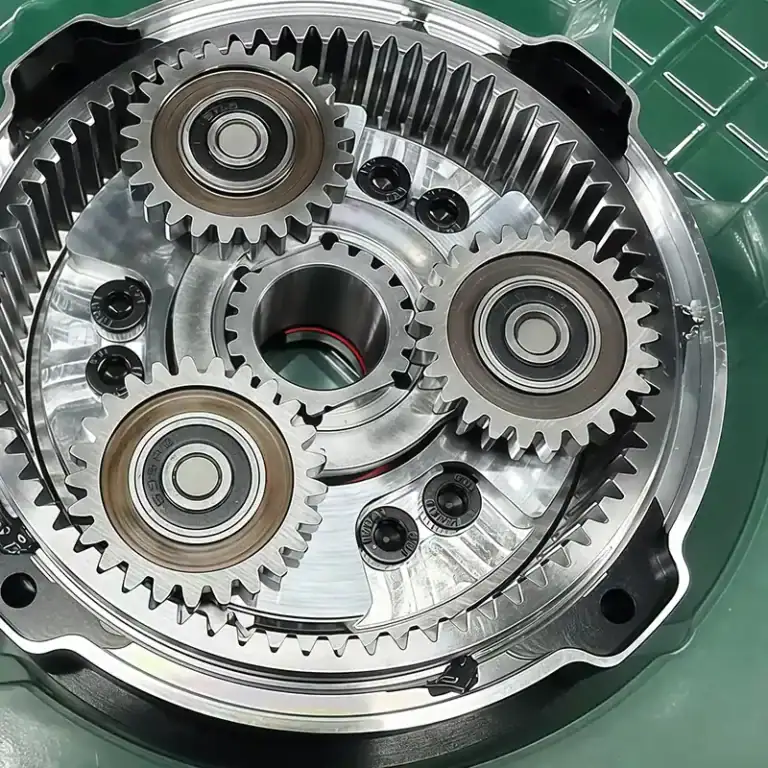
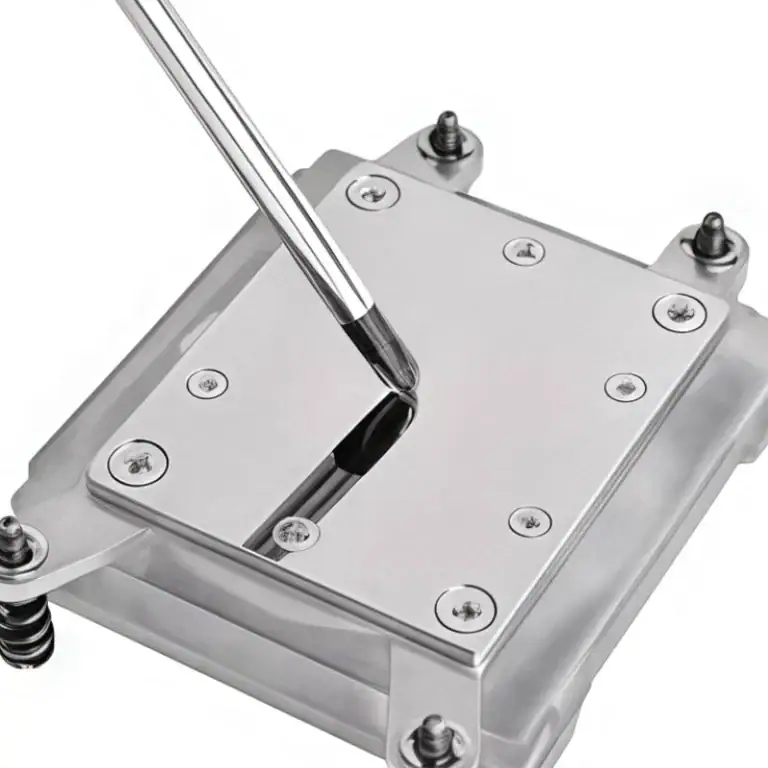
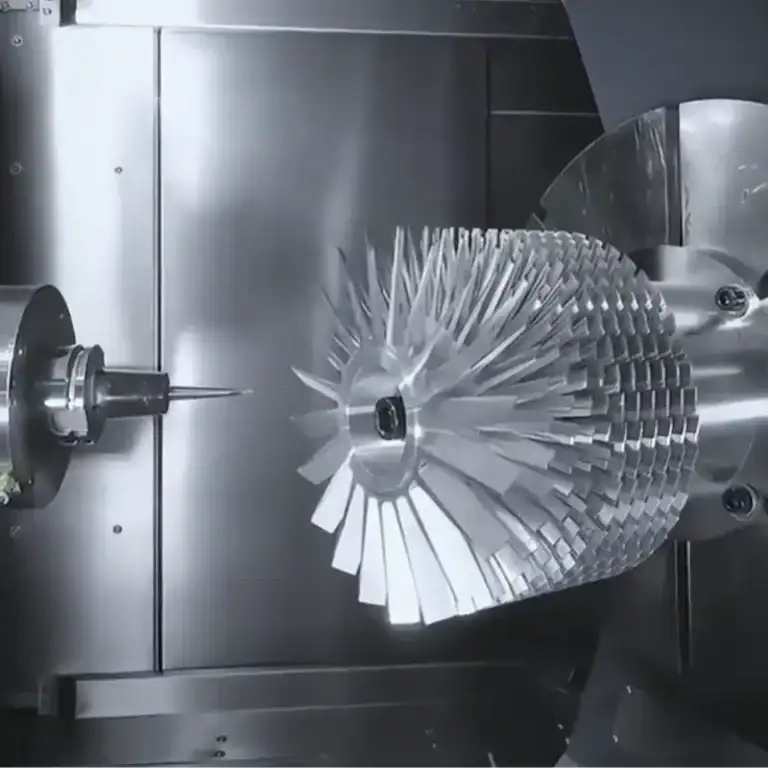
A CNC machine shop is valuable when it can do more than run a machine program. Customers also need a team that can interpret drawings, identify manufacturing risks, choose a suitable process, hold critical dimensions, coordinate finishing, and reproduce an approved part when the next order arrives. TiRapid has spent 16 years building this kind of precision-parts manufacturing experience for customers in aerospace, automation, automotive, robotics, medical equipment, electronics, and industrial machinery.
Based in Zhongshan, China, TiRapid provides CNC milling, CNC turning, 3-axis, 4-axis, and 5-axis machining, micro-part machining, and large-part machining. The shop supports projects from prototype validation and low-volume production to repeat manufacturing. This range matters because custom components rarely share one geometry, one material, or one production route. A housing, shaft, impeller, equipment plate, and miniature connector may belong to the same product, but each requires a different machining strategy.
Sixteen Years of Experience Shows Up Before the First Cut
Machining experience is most useful during process planning. A drawing may specify dimensions and tolerances, but it does not automatically determine the most suitable datum, setup sequence, fixture, cutting tool, or inspection method. TiRapid’s engineering team reviews the relationship between geometry, material, tolerance, surface finish, and quantity before production begins.
For a thin-wall aluminum housing, the main risk may be distortion after material removal. A long stainless-steel shaft may require control of deflection and concentricity. A deep cavity can restrict tool access, while a group of holes on several faces may create positional errors if the part is repeatedly reclamped. Recognizing these issues early allows the machining route to be designed around the part instead of correcting avoidable problems after the part has been cut.
This is also where practical DFM support becomes useful. TiRapid can review 3D models and 2D drawings together, checking critical fits, datum relationships, thread specifications, corner radii, wall thickness, tool access, finishing allowances, and inspection requirements. The purpose is not to change the product unnecessarily, but to turn design intent into a stable manufacturing plan.
TiRapid Selects the Machining Route Around the Part
The term “CNC machine shop” covers several very different processes. Using the right one affects setup count, positional accuracy, surface quality, lead time, and cost. TiRapid’s shop combines multiple machining capabilities so that a customer does not need to force every component into the same production method.
CNC Milling for Housings, Brackets, Plates, and Large Components
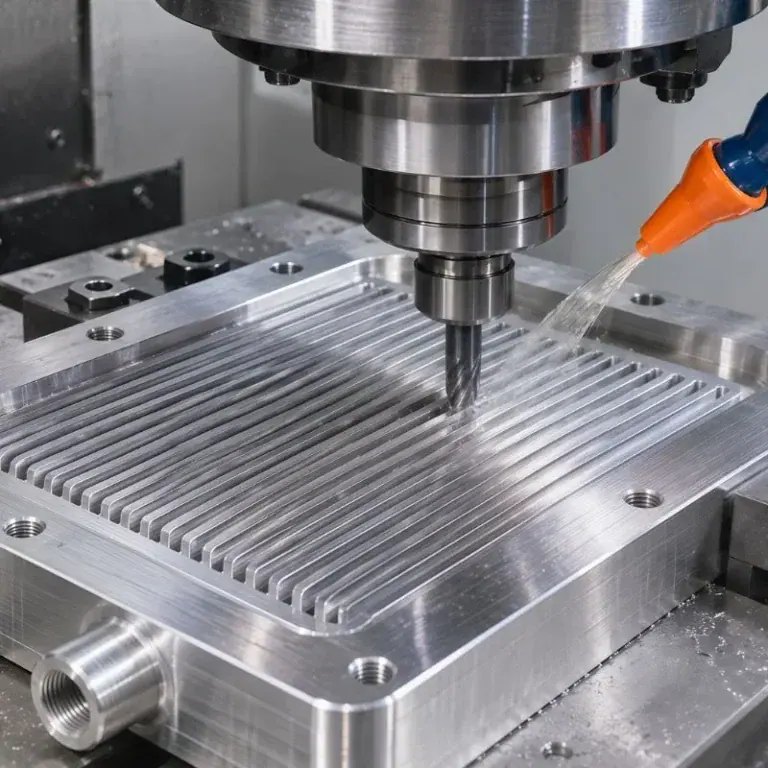
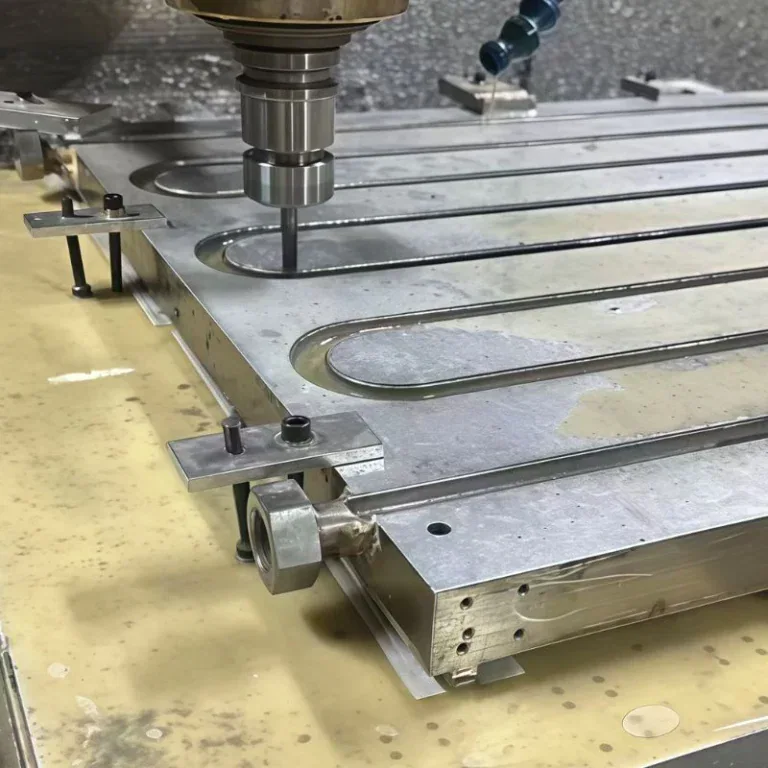
Three-axis CNC milling is practical for components dominated by flat faces, pockets, profiles, and holes that can be reached from straightforward directions. Four-axis machining adds rotational access for cylindrical surfaces and features distributed around a component. TiRapid’s milling capacity also covers long and oversized workpieces, with machining length reaching up to 3,000 mm for parts such as equipment plates, rails, frames, bases, and structural components.
The value of large-part capacity is not simply machine travel. Long and heavy parts require stable fixturing, planned machining sequences, and appropriate inspection references. The same discipline applies to smaller housings and brackets: the process must preserve the dimensions that control assembly rather than treating every dimension as equally critical.
CNC Turning for Shafts, Sleeves, Fittings, and Small Precision Parts
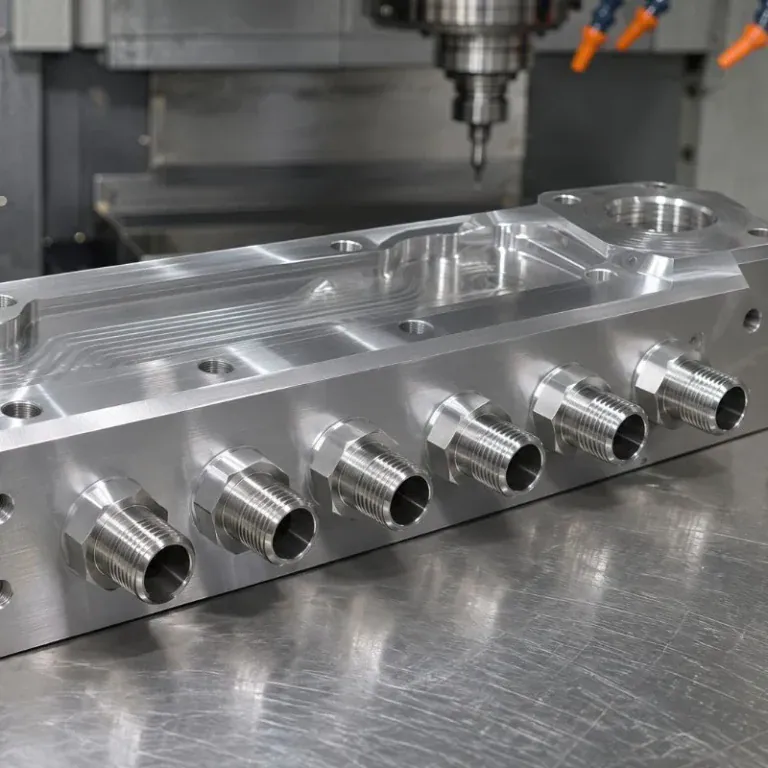
Rotational components such as shafts, pins, sleeves, bushings, flanges, and threaded fittings are generally suited to CNC turning. TiRapid can machine turned parts as small as 2 mm and can add milled flats, cross holes, slots, and other secondary features when a component combines rotational and prismatic geometry. Its turning capability can achieve surface finishes down to Ra 0.6 for suitable parts and processes.
Small size does not make a component simple. Miniature parts can be sensitive to workholding force, tool runout, burr formation, heat, and measurement method. Sixteen years of shop experience helps the team choose tools and inspection methods that fit the scale of the feature rather than treating a 2 mm component like a reduced version of a large part.
Five-Axis Machining for Multi-Sided and Contoured Components
Five-axis machining is useful when several faces, compound angles, deep cavities, or contoured surfaces must maintain a close relationship. By reaching more features in one setup, it can reduce reclamping and the positional variation associated with moving a part between fixtures. TiRapid has completed more than 30,000 five-axis projects and can machine five-axis parts up to 600 mm in length.
Not every complex-looking part needs five-axis machining. In some cases, a well-planned three-axis or four-axis route is more efficient. The shop’s role is to choose the process that matches the geometry and tolerance requirements, not simply the machine with the highest axis count.
Material Knowledge Connects Machining with Part Performance
TiRapid supports more than 80 metal and plastic materials. Common metal options include aluminum alloys, stainless steels, carbon and alloy steels, brass, copper, bronze, and titanium. Engineering plastics include POM, nylon, ABS, PC, PMMA, PEEK, PTFE, HDPE, UHMW-PE, PVC, and ULTEM.
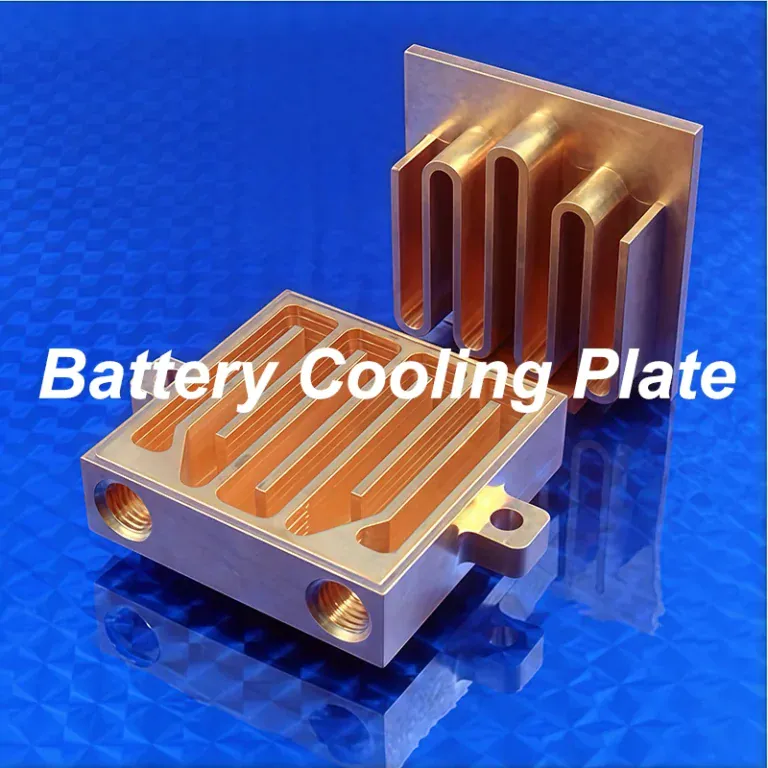
These materials behave differently during machining. Aluminum can be efficient to cut but thin sections still require distortion control. Stainless steel can work-harden and demands suitable tooling and cutting parameters. Copper transfers heat readily but can be difficult to machine cleanly in some geometries. Engineering plastics vary in thermal expansion, moisture absorption, rigidity, and internal stress. TiRapid uses the specified grade and the part’s operating requirements to plan workholding, cutting, and measurement.
Surface treatment is coordinated with machining rather than added as an unrelated final step. Anodizing, hardcoat anodizing, bead blasting, polishing, passivation, black oxide, plating, and powder coating can affect appearance, corrosion resistance, wear behavior, and dimensions. Masking areas, mating surfaces, threads, and coating allowances are therefore considered before the machining plan is finalized.
Quality Control Follows the Part Through the Shop
TiRapid operates under an ISO 9001 quality management system. Its workflow links incoming material inspection, in-process checks, and final inspection instead of relying only on a measurement at the end. Typical CNC machining tolerances can reach ±0.01 mm, and the inspection approach is selected around the drawing requirements and feature geometry.
Operators and inspectors use tools such as coordinate measuring machines, optical projectors, micrometers, calipers, gauges, and surface-measurement equipment. The important point is not the name of the instrument but whether the measurement method can verify the required feature. A bore, profile, thread, flatness requirement, and positional tolerance may each need a different approach.
Drawing revisions, material requirements, critical dimensions, finish specifications, and inspection results are kept connected to the job. This makes it easier to confirm a first article and then reproduce the same approved requirements during later orders.
One Shop Can Support the Product Beyond a Single Machined Part
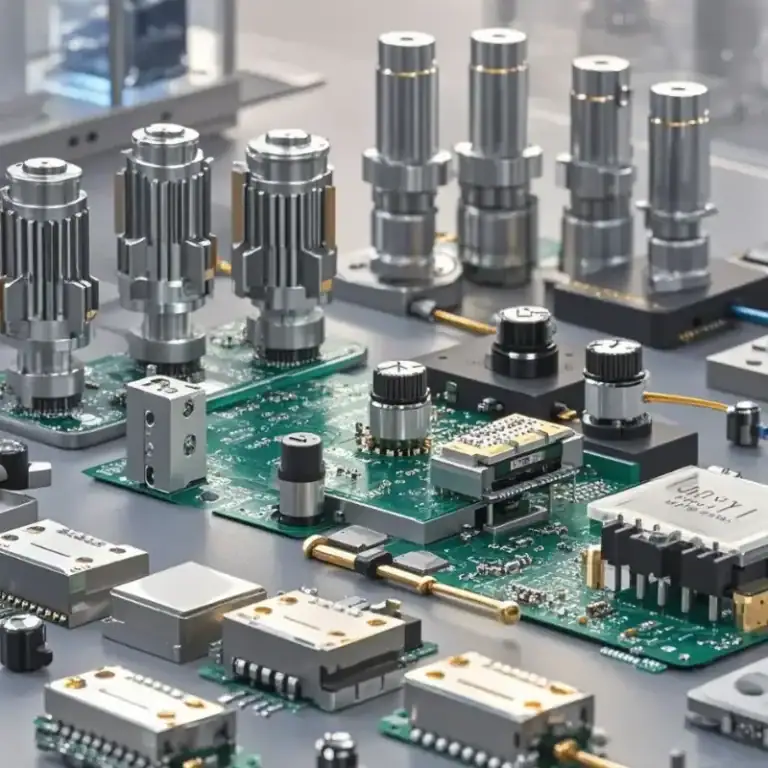
Many products combine several types of components. An automation system may contain an aluminum frame, stainless-steel shafts, POM guides, sheet-metal covers, and molded plastic parts. TiRapid’s supply chain extends beyond CNC machining to sheet-metal fabrication, injection molding, metal stamping, 3D printing, and aluminum extrusion. These supporting services can be coordinated when a project requires more than machined parts alone.
For customers, this reduces the need to explain the same assembly relationships, drawing revisions, cosmetic standards, and delivery priorities to several unrelated suppliers. The CNC machine shop remains the engineering center of the project, while complementary processes are organized around the same product requirements.
Why TiRapid Fits the Role of a Long-Term CNC Machine Shop
TiRapid combines 16 years of precision-parts manufacturing experience with a machining range that extends from 2 mm turned components to 3,000 mm milled parts. Its 3-axis, 4-axis, and 5-axis capabilities cover straightforward components, multi-sided parts, and complex surfaces, while more than 80 material options allow the manufacturing route to follow the intended application.
For engineers and purchasing teams, the practical advantage is continuity. The same team can review the design, plan the process, machine the part, coordinate finishing, inspect the result, and retain the manufacturing information needed for a repeat order. That is what turns TiRapid from a source of individual CNC parts into a CNC machine shop that can support ongoing product development and production.