With the continuous development of 5G networks, data centers, high-speed optical communications, network switching equipment, and industrial communication systems, high-speed communication equipment requires increasingly strict standards for component precision, structural stability, and assembly consistency. Communication equipment often integrates RF modules, signal processing units, heat dissipation systems, connection components, and precision mounting structures. Although these components vary in size and design, they commonly feature dense hole patterns, thin walls, tight dimensional tolerances, and demanding surface quality requirements.
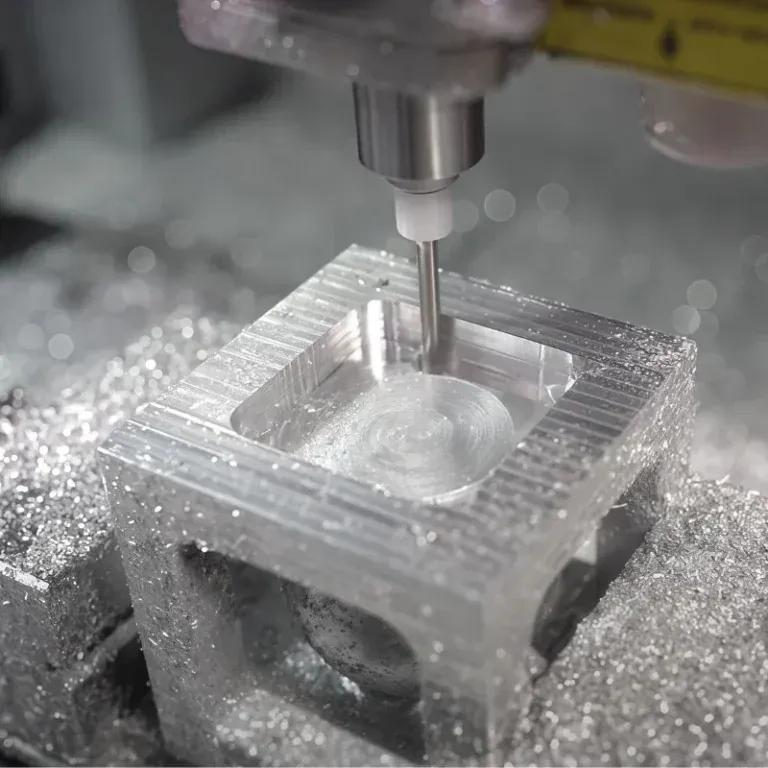
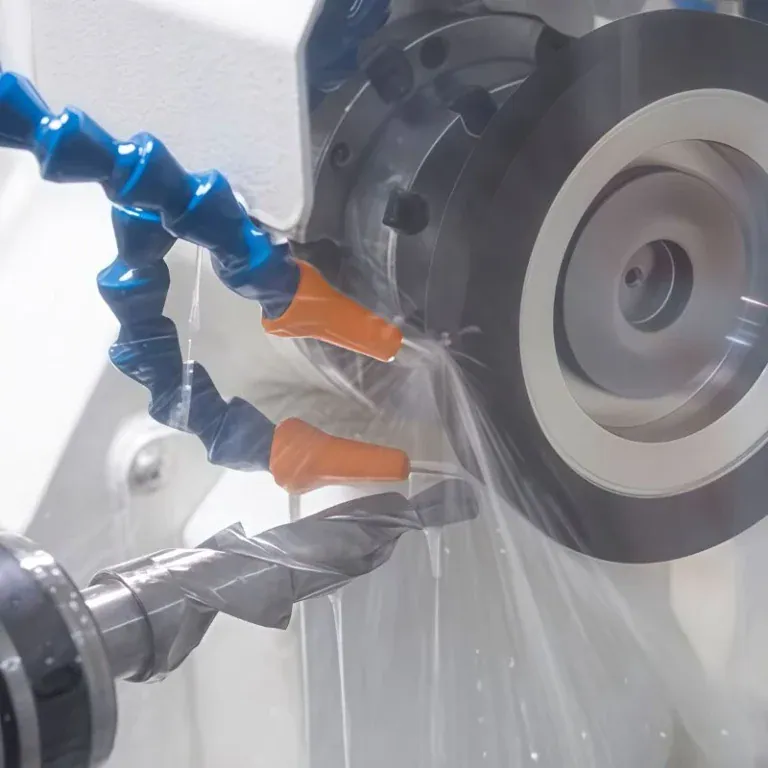
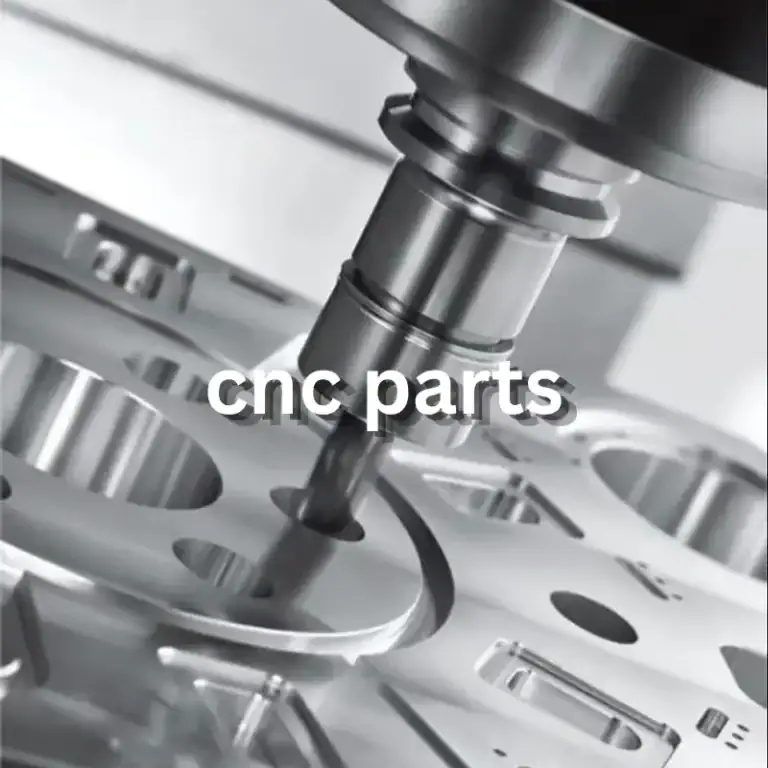
CNC precision machining can use digitally controlled tool movements to manufacture aluminum alloy, copper alloy, stainless steel, and other materials with stable dimensional accuracy. It is suitable for prototype production, small-batch customization, and volume manufacturing. Based on the structural requirements of high-speed communication equipment, precision turning, CNC milling, drilling, tapping, precision boring, and surface finishing can be combined into an integrated manufacturing process. This approach provides reliable machining support for equipment housings, mounting bases, RF structural components, heat sinks, connectors, and precision support parts.
CNC Machining Technology and Manufacturing Advantages for High-Speed Communication Components
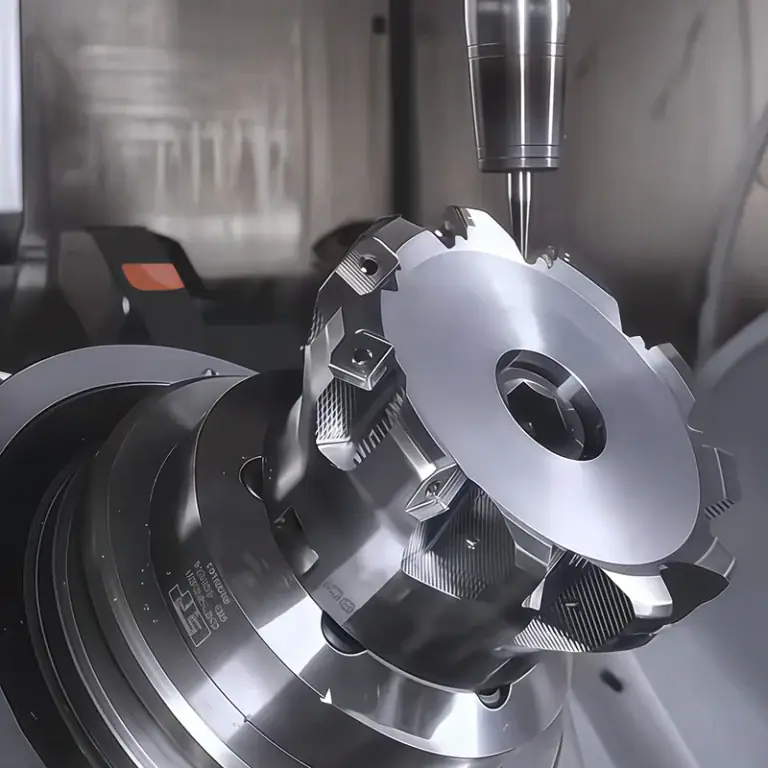
Precision components used in high-speed communication equipment must satisfy both mechanical installation requirements and the operating conditions of communication systems. During machining, manufacturers need to control not only dimensions but also flatness, perpendicularity, concentricity, hole positioning, and the relationship between different mounting features. CNC machining equipment can execute programmed toolpaths according to 3D models and engineering drawings, reducing dimensional variations caused by manual operations. For communication components with complex surfaces, deep grooves, dense hole patterns, and multi-operation requirements, multi-axis machining and high-precision CNC equipment can reduce repeated clamping and improve positional accuracy between critical features.
Precision CNC Machining Processes for High-Speed Communication Components
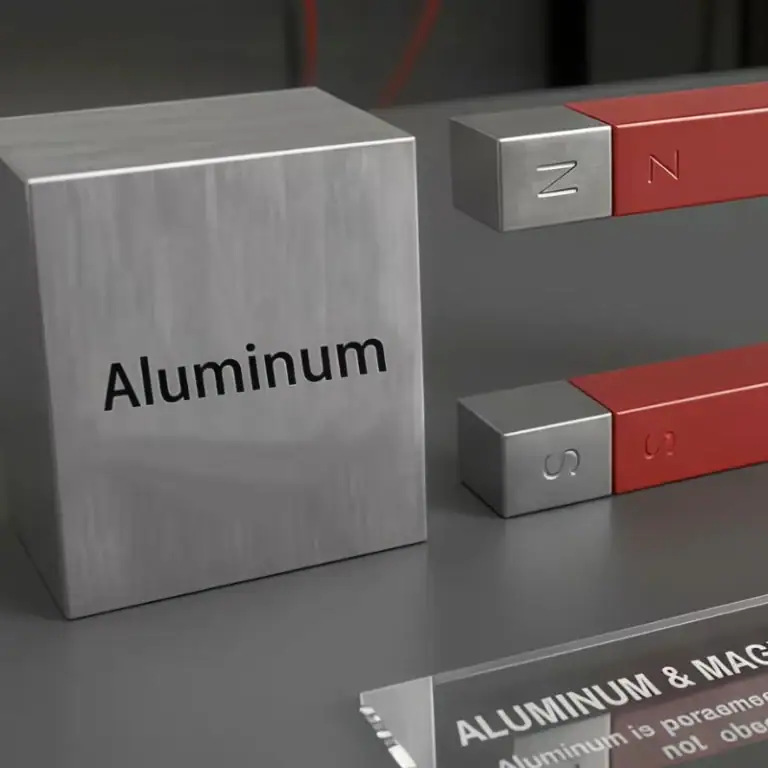
High-speed communication component manufacturing generally begins with material preparation. Material selection depends on structural design, strength requirements, weight limitations, thermal conductivity, and operating conditions. Aluminum alloys are lightweight, easy to machine, and provide good thermal conductivity, making them suitable for communication housings, heat dissipation structures, module enclosures, and mounting brackets. Copper alloys are suitable for selected thermal, conductive, and RF structural components. Stainless steel can be used for parts requiring higher strength, corrosion resistance, or mechanical stability.
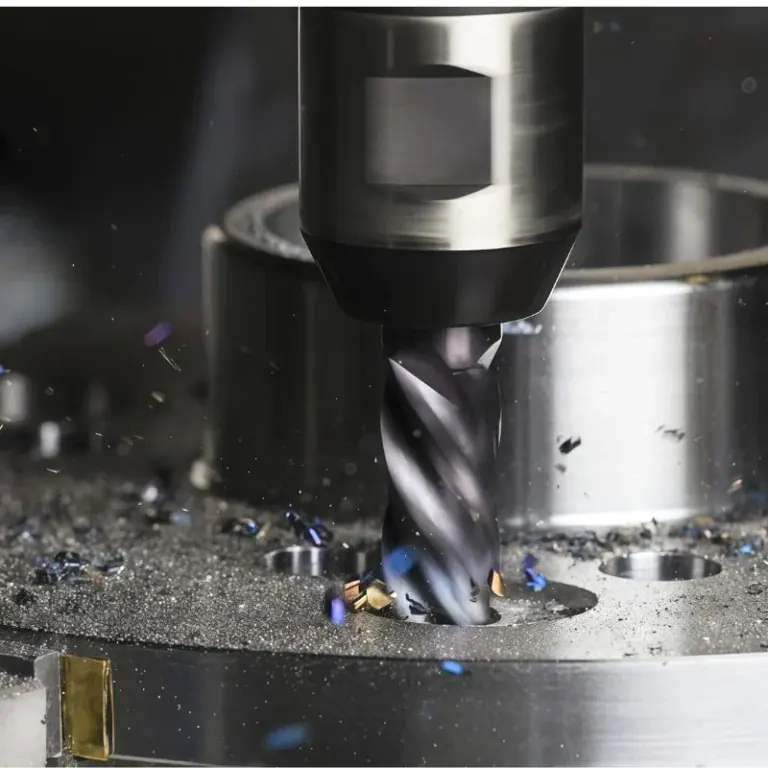
A machining strategy that separates roughing and finishing can provide better dimensional control. Rough machining rapidly removes excess material, while finishing operations establish final dimensions, mounting surfaces, holes, and critical profiles. Thin-wall communication components require carefully selected cutting depths and feed rates to minimize machining deformation. For deep holes, threaded holes, and high-density hole arrays, drilling, reaming, tapping, and precision boring can be combined to improve hole consistency and assembly reliability.
CNC Machining Workflow for High-Speed Communication Components
The manufacturing process needs to maintain dimensional information consistently from engineering drawings to finished components. A well-planned workflow can reduce rework and improve production stability. The actual sequence can be adjusted according to component complexity.
- Drawing and 3D Model Verification: Check dimensions, tolerances, material specifications, hole locations, thread specifications, and surface treatment requirements while confirming critical datums.
- Material and Blank Preparation: Select aluminum alloy, copper alloy, stainless steel, or other engineering materials according to the component requirements, leaving an appropriate machining allowance.
- CNC Rough Machining: Rapidly remove excess material and establish the main external profile, grooves, and basic structures.
- Finishing and Hole Machining: Complete precision surfaces, positioning holes, mounting holes, threaded holes, and critical contours.
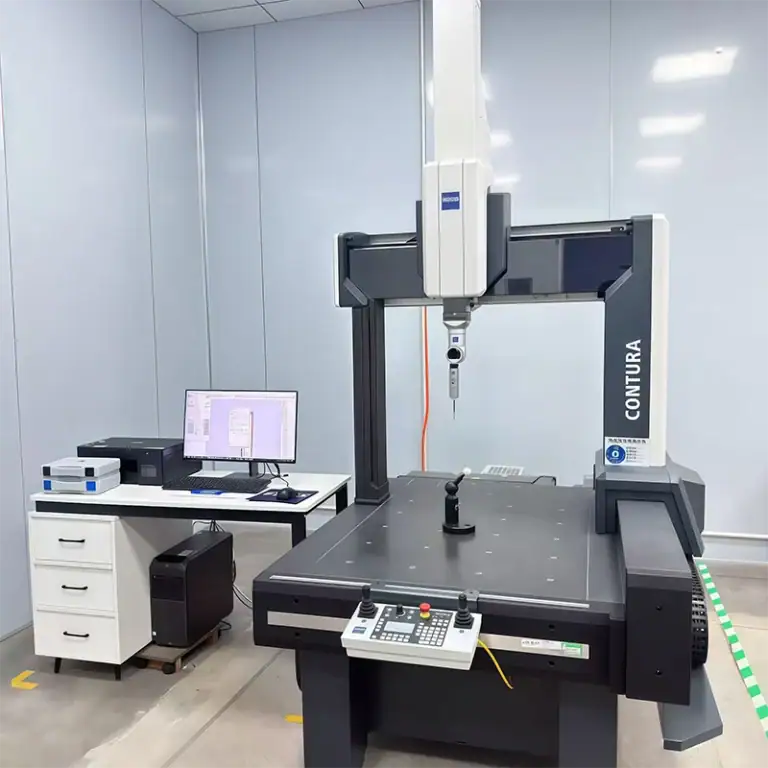
- Dimensional Inspection: Use calipers, micrometers, height gauges, coordinate measuring equipment, and other inspection tools to verify critical dimensions.
- Surface Treatment: Apply anodizing, sandblasting, passivation, plating, or other finishing processes according to application requirements.
- Final Inspection and Packaging: Verify appearance, dimensions, threads, and assembly conditions before using protective packaging against scratches and moisture.
A stable machining workflow enables communication components to move from raw material to finished products while maintaining engineering drawing requirements and reducing dimensional fluctuations caused by clamping, datum shifts, or operational errors.
Common Materials and Performance of Precision Communication Components
Material selection directly affects component weight, strength, thermal conductivity, machining efficiency, and service life. Common materials include:
| Material | Main Characteristics | Common Communication Components | Typical Requirements |
| Aluminum Alloy | Lightweight, easy to machine, good thermal conductivity | Housings, heat sinks, brackets | Weight reduction and thermal management |
| Copper Alloy | Good electrical and thermal conductivity | Thermal components, conductive parts | Electrical and heat transfer |
| Stainless Steel | High strength and corrosion resistance | Mounting and fastening structures | Structural strength |
| Titanium Alloy | High strength with relatively low weight | Specialized precision components | High strength and lightweight design |
| Engineering Plastics | Electrical insulation and low weight | Insulating supports, protective parts | Electrical isolation |
Proper material selection helps precision components maintain stable mechanical properties during long-term equipment operation while also supporting efficient machining and surface finishing.
Applications, Functions, and Performance of High-Speed Communication Components
High-speed communication equipment continues to achieve higher operating frequencies, faster data transmission, and greater internal integration. Precision components are required for positioning, connection, protection, thermal management, structural support, and electromagnetic-related assembly functions. CNC machining can manufacture customized components according to the structural requirements of different communication systems, providing a closer fit between individual parts and the overall equipment design.
For communication equipment that requires frequent assembly and maintenance, hole positioning, thread quality, and mounting surface flatness are particularly important. Components used in continuously operating systems also need stable dimensions and suitable environmental resistance.
Precision Components for 5G Base Stations and High-Speed Wireless Communication Equipment
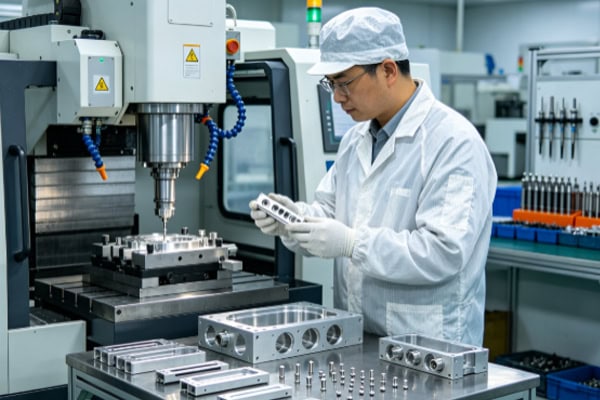
5G base stations contain RF units, signal processing modules, power components, and thermal management structures, creating demand for a wide range of precision mechanical components. CNC machining can be used to manufacture RF module housings, mounting bases, equipment brackets, connection structures, heat dissipation plates, and precision positioning components.
These components often feature numerous mounting holes, complex assembly relationships, and strict weight requirements. CNC machining aluminum alloys can provide a combination of lightweight construction and mechanical strength, while anodizing can improve surface hardness and corrosion resistance. For RF-related structural components, accurate control of mounting dimensions and connection positions helps minimize the influence of mechanical assembly errors on overall equipment stability.
Precision Parts for Data Centers, Network Switches, and Optical Communication Equipment
Data centers contain switches, routers, server communication modules, and optical communication systems that often operate continuously. High-density equipment installation places demanding requirements on component precision and thermal management. CNC machining can produce equipment panels, module mounting brackets, optical module structures, connector components, thermal bases, and precision support parts.
In high-speed data transmission equipment, mechanical components may also contribute to thermal transfer and module positioning in addition to providing structural support. During machining, the relationship between mounting surfaces and hole positions must be carefully controlled to minimize assembly deviation. For small optical communication components with complex structures, small-diameter cutting tools, precision hole machining, and multi-axis machining can be used to manufacture intricate details.
Functional and Performance Requirements for High-Speed Communication Components
Precision components for high-speed communication equipment must work reliably with electronic modules, circuit boards, connectors, and enclosure structures. Manufacturing requirements should be established according to actual operating conditions and engineering drawings. Typical requirements include:
| Performance Indicator | Typical Requirement | Equipment Function |
| Dimensional Accuracy | Controlled according to drawing tolerances | Accurate component assembly |
| Hole Position Accuracy | Controlled hole diameter and positional relationships | Reliable module positioning |
| Flatness | Meets mounting datum requirements | Reduced assembly gaps |
| Surface Roughness | Determined by contact and sealing requirements | Improved mating quality |
| Structural Strength | Meets equipment load requirements | Long-term operational stability |
| Thermal Performance | Matched to equipment heat load | Efficient heat transfer |
| Corrosion Resistance | Improved through suitable surface treatment | Extended component service life |
Precision components can provide better long-term performance when dimensions, structural design, surface condition, and material properties are properly matched to communication equipment requirements.
Custom CNC Machining and Quality Control for High-Speed Communication Components
Communication equipment is upgraded rapidly, and new products often require prototype manufacturing and structural verification during development. Small-batch production may also involve different component specifications being manufactured simultaneously. CNC custom machining can produce components based on 3D models, 2D drawings, samples, or engineering requirements, while machining programs can be adjusted quickly as product designs evolve.
For communication equipment manufacturers, this production method reduces dependence on dedicated molds and creates a flexible manufacturing connection between product development, testing, validation, and volume production.
How CNC Machining Improves Precision for High-Speed Communication Components
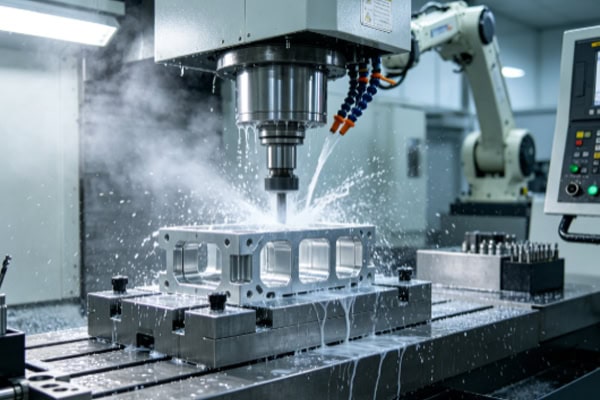
Precision control continues throughout the machining process, from clamping and positioning to tool condition and final inspection. A suitable machining strategy can reduce datum changes and complete critical dimensions within fewer clamping operations.
- Optimize Clamping and Positioning: Design suitable fixtures or soft jaws according to component datums to reduce positioning errors caused by repeated clamping.
- Control Tool Condition: Select suitable tool materials, cutting-edge geometries, and cutting parameters for aluminum alloys, copper alloys, stainless steel, and other materials.
- Separate Roughing and Finishing: Use appropriate machining allowances to reduce the influence of internal material stress on final dimensions.
- Prioritize Hole-System Accuracy: Establish dedicated inspection requirements for connector holes, positioning holes, threaded holes, and other critical features.
- Perform In-Process Inspection: Verify dimensions after critical operations to identify dimensional drift and adjust machining parameters in time.
- Complete Final Quality Inspection: Use precision measuring equipment to verify critical dimensions, geometric tolerances, and surface conditions.
Stable machining accuracy improves assembly consistency and reduces downstream assembly issues caused by hole-position deviations, surface errors, and dimensional fluctuations.
Surface Treatment and Application Methods for Communication Precision Components
After CNC machining, high-speed communication components can receive suitable surface treatments according to their operating environment. Aluminum components are commonly anodized to improve surface hardness, corrosion resistance, and appearance. Steel components can undergo passivation, plating, or other protective treatments. Components requiring consistent visual quality can also receive sandblasting or fine surface finishing.
During actual assembly, appropriate tools and fastening methods should be selected according to component design. Excessive tightening force should be avoided because it can deform thin-wall components. Precision threaded areas, positioning holes, and sealing surfaces should remain clean to prevent chips, dust, or other contaminants from entering the assembly interface.
For components installed in outdoor communication equipment for extended periods, material selection and surface protection should account for temperature fluctuations, humidity, rainwater, salt spray, and other environmental conditions.
Quality Inspection and Custom Manufacturing Services for High-Speed Communication Components
Quality inspection for high-speed communication precision components can be established according to customer drawings, tolerance requirements, and actual assembly conditions. Standard inspection procedures can cover external dimensions, hole diameters, hole spacing, threads, flatness, perpendicularity, concentricity, and surface quality. For complex high-precision components, coordinate measuring machines can be used to inspect spatial dimensions and geometric tolerances.
Custom CNC machining services can cover prototype production, small-batch orders, volume production, and subsequent surface treatment. Before production, 3D drawings are reviewed to confirm datums and critical dimensions. During production, first-piece inspection and process sampling can be implemented. Final inspection is then performed to maintain dimensional consistency between batches.
For communication equipment customers requiring long-term component supply, historical machining data can also be used to optimize tool life, process scheduling, and inspection standards, helping improve production efficiency for subsequent orders.
High-speed communication equipment precision machining requires more than meeting dimensional requirements on engineering drawings. Components must also support lightweight design, high-density installation, continuous operation, and rapid product development. By combining high-precision CNC equipment, suitable material selection, stable machining processes, precision inspection, and customized manufacturing services, manufacturers can provide reliable precision components for 5G base stations, data centers, network switching equipment, optical communication systems, and communication power equipment.