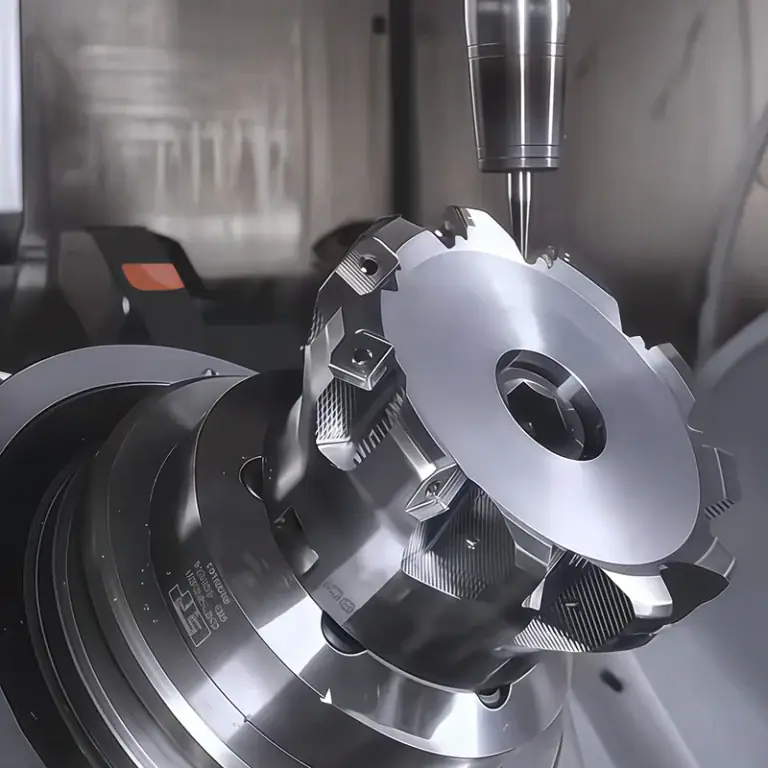
Core components of communication equipment perform essential functions such as module connection, structural positioning, signal transmission support, equipment fixation, and internal space organization. Their machining accuracy can directly affect assembly efficiency and long-term operating stability. As 5G communication, optical fiber communication, network switching, data centers, and industrial communication systems continue to develop toward higher speeds, compact structures, and greater integration, conventional standardized mechanical components may no longer fully satisfy the requirements of complex communication equipment.
CNC precision machining can manufacture customized components according to 3D models, 2D engineering drawings, and customer samples. It is suitable for connector housings, module mounting bases, precision support components, RF structural parts, communication equipment bases, shielding structures, and other high-precision metal components. Through suitable material selection, process planning, tool configuration, precision inspection, and surface treatment, communication equipment core components can achieve reliable dimensional accuracy, assembly compatibility, mechanical strength, corrosion resistance, and long-term stability.
CNC Machining Processes and Manufacturing Advantages for Communication Equipment Core Components
Communication equipment core components typically feature precise dimensions, complex structures, dense interfaces, and strict assembly requirements. A seemingly simple mounting base or connection structure may contain multiple positioning holes, threaded holes, steps, grooves, and precision mating surfaces. Excessive dimensional deviation in these structures can affect module installation, connector engagement, and overall equipment assembly.
CNC machining uses programmed tool movements to produce stable and repeatable results. Multiple machining operations can be combined to manufacture complex structures while maintaining better control from raw material to finished component.
Precision CNC Machining Processes for Communication Core Components
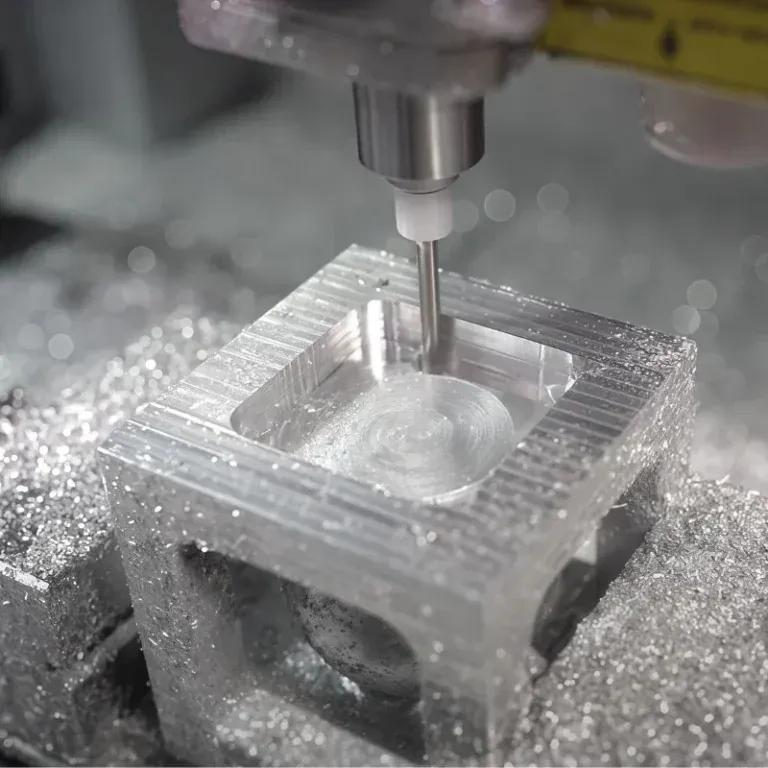
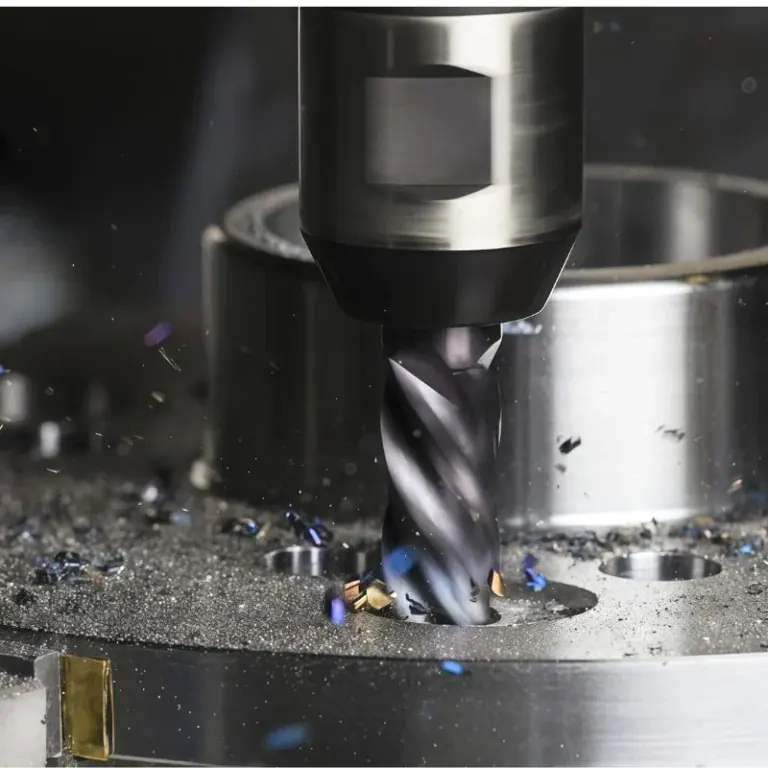
The machining sequence needs to be selected according to the structure of each component. For aluminum communication components, high-speed milling can be used to efficiently produce external profiles and internal cavities, followed by finishing tools for positioning surfaces, interface areas, and precision holes. For stainless steel, copper alloys, and other materials, cutting tools, spindle speeds, and feed rates should be selected according to material hardness and thermal characteristics.
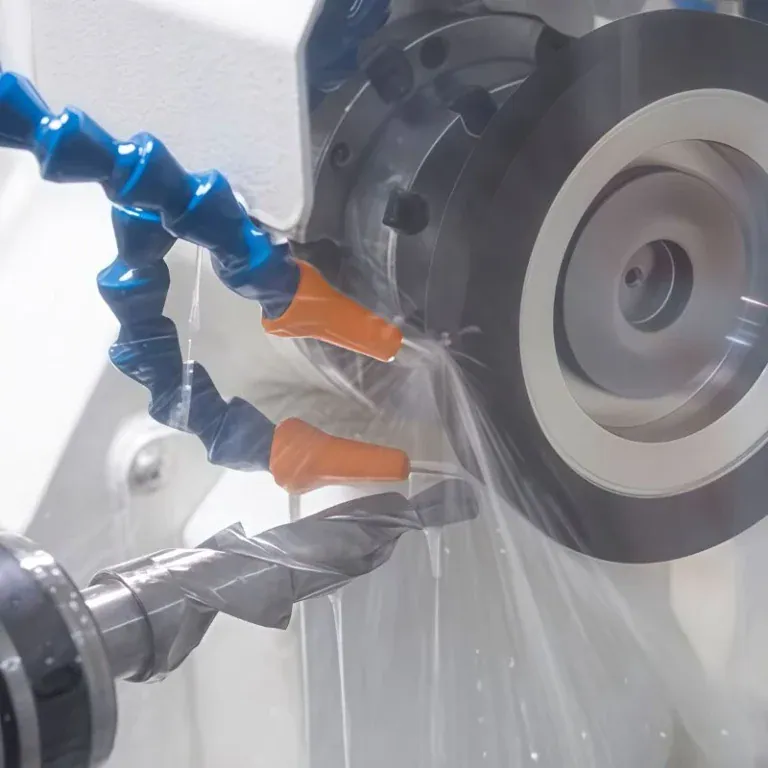
For communication components with complex internal cavities, multi-axis CNC machining can reduce repeated clamping and help maintain positional relationships between structures on different surfaces. Connector mounting holes, precision positioning holes, and threaded structures can be produced through drilling, reaming, and tapping processes to control hole dimensions and thread quality. Critical mating surfaces can receive finishing operations to create stable interfaces with circuit boards, connectors, and module housings.
CNC Machining Workflow for Communication Equipment Core Components
Communication core components require a complete manufacturing workflow from engineering documentation to final delivery. A well-planned process can reduce changes in workholding references and improve consistency between production batches.
- Engineering Drawing Verification: Check dimensions, tolerances, materials, threads, hole locations, chamfers, surface roughness, and special technical requirements.
- Material Preparation: Select suitable metal materials according to weight, strength, conductivity, corrosion resistance, and machining requirements.
- Process Planning: Determine clamping methods, machining datums, tool combinations, roughing and finishing sequences, and critical dimensional operations.
- CNC Rough Machining: Remove most of the material allowance and establish the component profile, cavities, and basic structures.
- Precision Machining: Complete positioning surfaces, mounting surfaces, hole systems, threads, grooves, and other critical features.
- Deburring and Cleaning: Remove sharp edges, burrs, and machining residue to prepare components for assembly.
- Surface Treatment: Apply anodizing, sandblasting, passivation, plating, or other finishing processes according to application requirements.
- Quality Inspection and Packaging: Inspect dimensions, geometric tolerances, threads, and appearance before protective packaging for transportation.
A clear manufacturing workflow helps maintain stable dimensional references throughout production and reduces rework caused by inefficient process coordination.
Common Materials and Performance of Communication Core Components
Material selection needs to match the actual operating requirements of communication equipment. Material properties influence machining efficiency as well as component weight, strength, conductivity, and environmental resistance.
| Material | Material Characteristics | Typical Components | Common Application Requirements |
| 6061 Aluminum Alloy | Lightweight, easy to machine, moderate strength | Mounting bases, housings, brackets | Lightweight structures |
| 7075 Aluminum Alloy | High strength with relatively low weight | Precision supports, structural components | High-strength connections |
| Copper Alloy | Good electrical and thermal conductivity | Contact components, conductive structures | Electrical connections |
| Stainless Steel | High strength and corrosion resistance | Fastening structures, support components | Outdoor and high-strength applications |
| Brass | Good machinability and electrical conductivity | Wiring structures, connection components | Electrical interfaces |
| PEEK and Other Engineering Plastics | Electrical insulation, heat resistance, low weight | Insulating support components | Electrical isolation |
Selecting the right material for a communication equipment component allows manufacturers to balance mechanical performance, machining efficiency, and surface treatment requirements.
Applications, Functions, and Performance of Communication Equipment Core Components
Communication equipment core components are not simply mechanical fastening parts. They may perform module positioning, interface connection, structural support, shielding, and protective functions within limited internal spaces. As communication equipment becomes more compact and highly integrated, the spatial relationship between components becomes increasingly important.
Precision CNC machining helps transform complex engineering designs into accurate physical components. Different communication systems have different structural requirements, allowing CNC custom manufacturing to adapt component dimensions, materials, structures, and surface finishes to specific applications.
Core Components for 5G Base Stations, RF Modules, and Wireless Communication Equipment
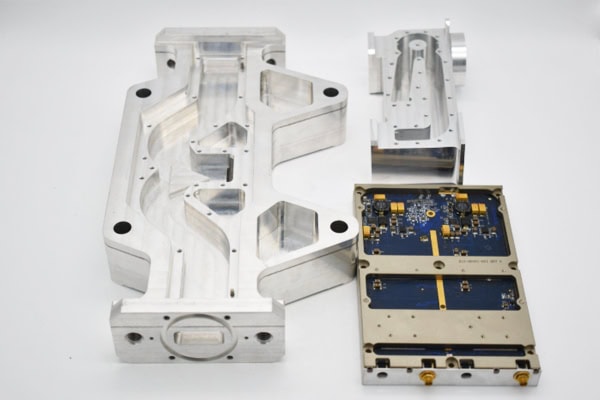
5G base stations and wireless communication equipment contain RF modules, signal processing units, connectors, antenna interfaces, and numerous precision mounting structures. CNC machining can manufacture RF module mounting bases, interface mounting components, module connection structures, precision supports, and internal positioning components.
These components need to correspond accurately with electronic modules and mechanical structures. The accuracy of positioning and mounting holes can affect module fixation, while interface dimensions influence connector installation and operation. For modules requiring repeated installation and removal, thread quality and mating dimensions also need to remain consistent.
High-precision CNC machining allows manufacturers to produce dedicated components for different communication equipment models, making the process suitable for research prototypes, functional testing, and small-batch production.
Core Components for Optical Communication, Network Switches, and Data Centers
Optical communication equipment, network switches, and data center systems use high-density modular structures. Precision mechanical components are required to position optical modules, interface boards, circuit boards, and mounting assemblies. CNC machining can produce optical module holders, interface panels, module guides, circuit board supports, equipment connection blocks, and precision structural bases.
Some optical communication components are relatively small while containing dense holes and complex interfaces. High positional consistency is essential during machining. For components containing multiple interfaces, hole spacing and reference surface stability are particularly important.
CNC machining equipment can use programmed movements to repeatedly produce identical structures, helping maintain dimensional consistency across batches and providing a stable foundation for automated assembly.
Functional and Performance Requirements for Communication Core Components
Core components perform different tasks within communication equipment, so critical technical specifications should be established according to the intended application. Common performance requirements include:
| Performance Indicator | Machining Requirement | Role in Communication Equipment |
| Dimensional Accuracy | Machined according to engineering tolerances | Ensures accurate component assembly |
| Positional Accuracy | Controls relationships between holes, grooves, and interfaces | Improves module positioning consistency |
| Flatness | Controls critical mounting reference surfaces | Reduces assembly deviation |
| Thread Accuracy | Ensures proper thread profile and effective depth | Improves connection reliability |
| Surface Roughness | Determined according to mating requirements | Improves contact and assembly conditions |
| Mechanical Strength | Material selected according to equipment loads | Enhances structural stability |
| Corrosion Resistance | Achieved through suitable materials and surface treatment | Supports long-term operation |
| Dimensional Consistency | Controls variation during batch production | Supports repeatable assembly |
These requirements work together to determine whether communication core components can form stable and reliable connections with electronic modules and mechanical structures.
Custom CNC Machining and Quality Control for Communication Core Components
Communication equipment is upgraded rapidly, and manufacturers may need prototypes, testing components, and small-batch production within relatively short development cycles. CNC machining does not require complex dedicated molds for every new component design. Instead, machining programs can be created directly from CAD drawings or 3D models.
When the product design changes, the corresponding CNC program and process parameters can be modified to produce updated components. This manufacturing method is particularly suitable for communication equipment development, prototype verification, and customized projects with multiple specifications.
Methods for Improving Communication Core Component Precision with CNC Machining
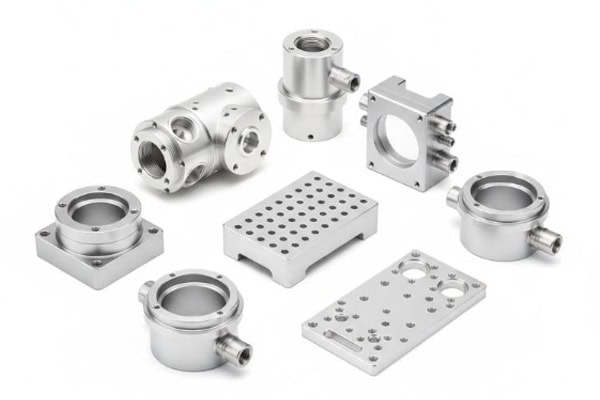
Precision control needs to be maintained throughout machining, including datum selection, tooling, workholding, and inspection. For complex components, unnecessary re-clamping should be minimized, allowing critical dimensions to be machined under stable positioning conditions.
- Establish Consistent Machining Datums: Select reliable reference surfaces according to design requirements to reduce datum changes between operations.
- Optimize Fixture Design: Use suitable fixtures for thin-wall, small, or complex components to prevent deformation caused by excessive clamping force.
- Select Appropriate Cutting Tools: Choose suitable tool materials and cutting-edge geometries for aluminum alloys, copper alloys, stainless steel, and other materials.
- Control Cutting Parameters: Adjust spindle speed, feed rate, and cutting depth according to component dimensions, tool diameter, and material characteristics.
- Inspect Critical Dimensions Separately: Establish dedicated inspection procedures for interfaces, positioning holes, threads, and mounting surfaces.
- Perform First-Piece Inspection: Verify dimensions and assembly conditions before batch production to minimize production-wide dimensional deviations.
- Conduct In-Process Sampling: Regularly inspect critical dimensions during production to identify tool wear or dimensional drift.
- Complete Final Inspection: Use precision measuring equipment to verify dimensions and geometric tolerances before delivery.
Stable machining parameters and strict process control can improve consistency between production batches while reducing the possibility of dimensional mismatch during final assembly.
Surface Treatment and Application Methods for Communication Core Components
After CNC machining, communication core components can receive surface treatments according to their installation environment. Aluminum alloy components are commonly anodized to improve surface wear resistance and corrosion resistance while achieving the required appearance. Stainless steel components can undergo passivation or other protective treatments according to operating conditions. Components requiring specific electrical properties can receive suitable surface finishing according to engineering requirements.
During assembly, mounting surfaces, positioning holes, and threaded areas should remain clean. Excessive assembly force should be avoided because it may damage holes, thin-wall structures, or threads. Communication equipment intended for long-term operation should use materials and surface treatments appropriate for its installation environment.
Outdoor communication equipment needs protection against humidity, rainwater, and salt spray, while data center equipment places greater emphasis on dimensional stability and structural reliability during continuous operation.
Quality Inspection and Custom Manufacturing Services for Communication Core Components
Quality inspection for high-precision communication components can be established according to customer engineering drawings and tolerance requirements. Standard inspection procedures can include external dimensions, hole diameters, hole spacing, thread depth, flatness, perpendicularity, concentricity, and surface quality.
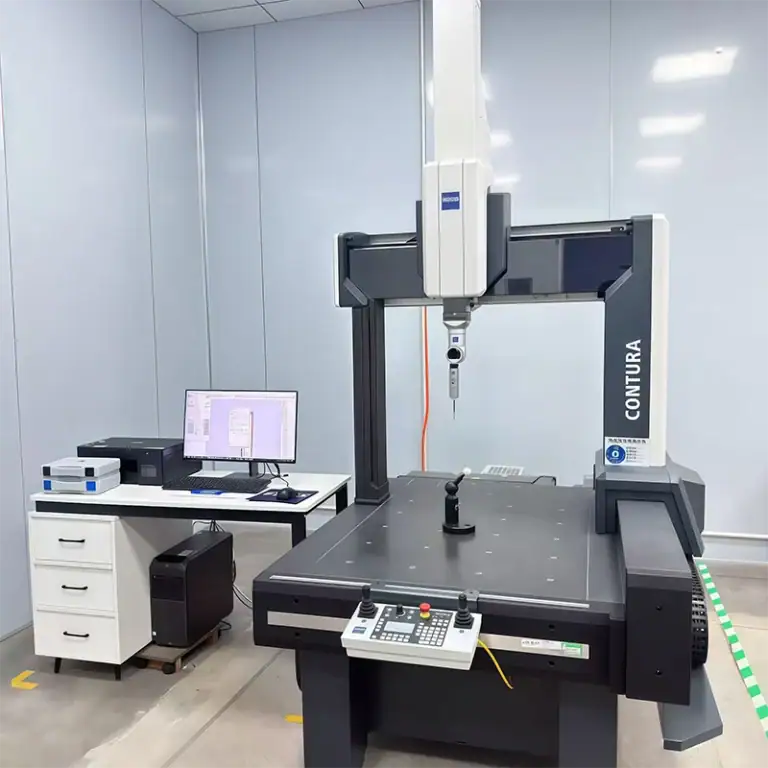
For components with complex structures or tight tolerances, coordinate measuring machines can be used to inspect spatial dimensions and verify positional relationships between critical features.
CNC custom machining services can cover prototype production, small-batch manufacturing, medium-volume orders, and long-term volume supply. Before production, 3D models and engineering drawings are reviewed to confirm critical dimensions and machining datums. During production, first-piece inspection and process sampling can be performed. Final inspection then verifies dimensional and visual quality.
For long-term communication equipment customers, historical production data can also be used to establish stable machining parameters and inspection standards, helping improve efficiency for future orders.
The manufacturing quality of communication equipment core components can affect module installation, interface connections, structural stability, and long-term equipment operation. By combining high-precision CNC equipment, suitable machining processes, optimized materials, strict dimensional inspection, and flexible custom manufacturing services, manufacturers can provide reliable precision components for 5G base stations, wireless communication equipment, optical communication systems, network switching equipment, and data center applications.