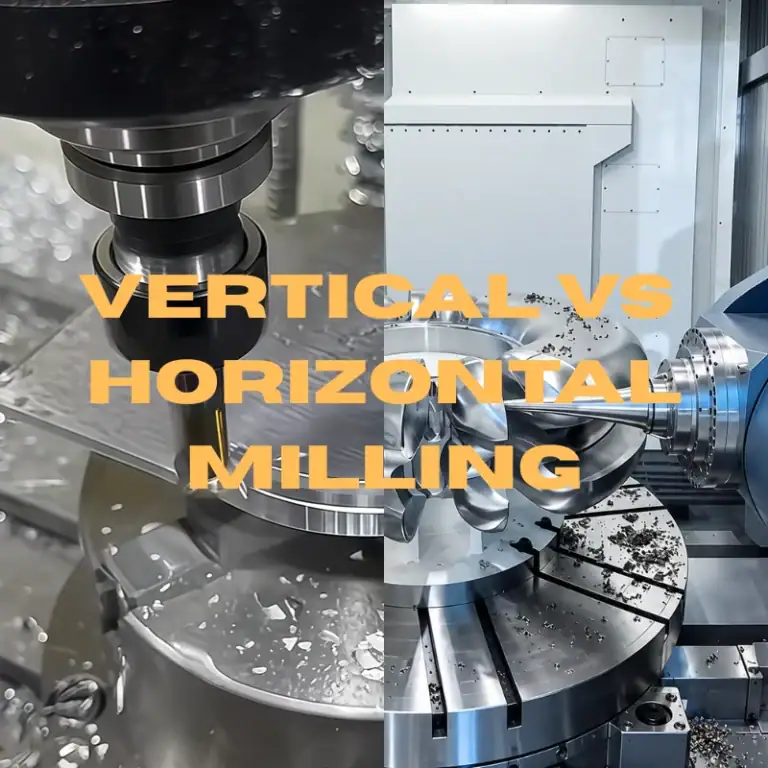
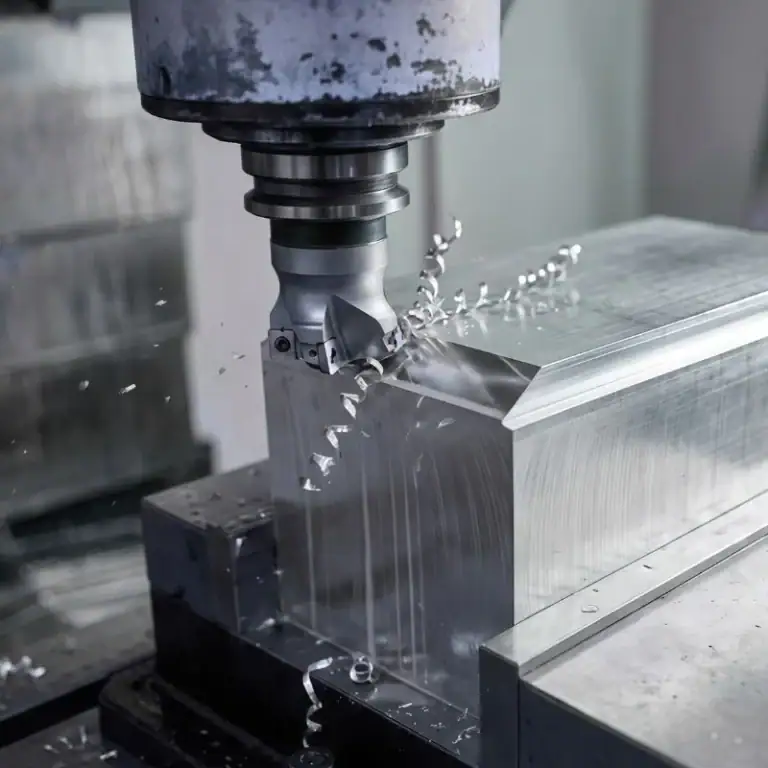
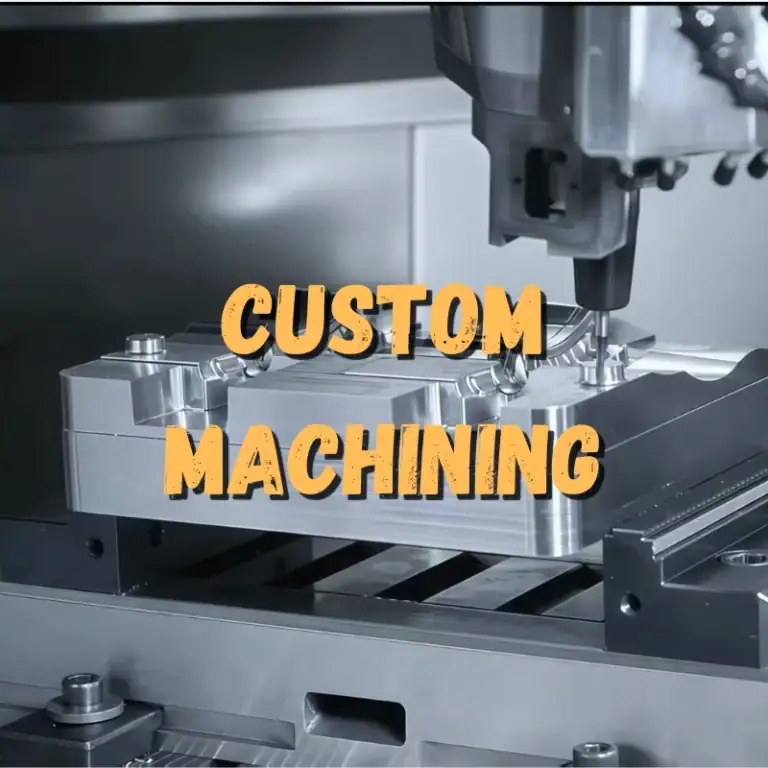
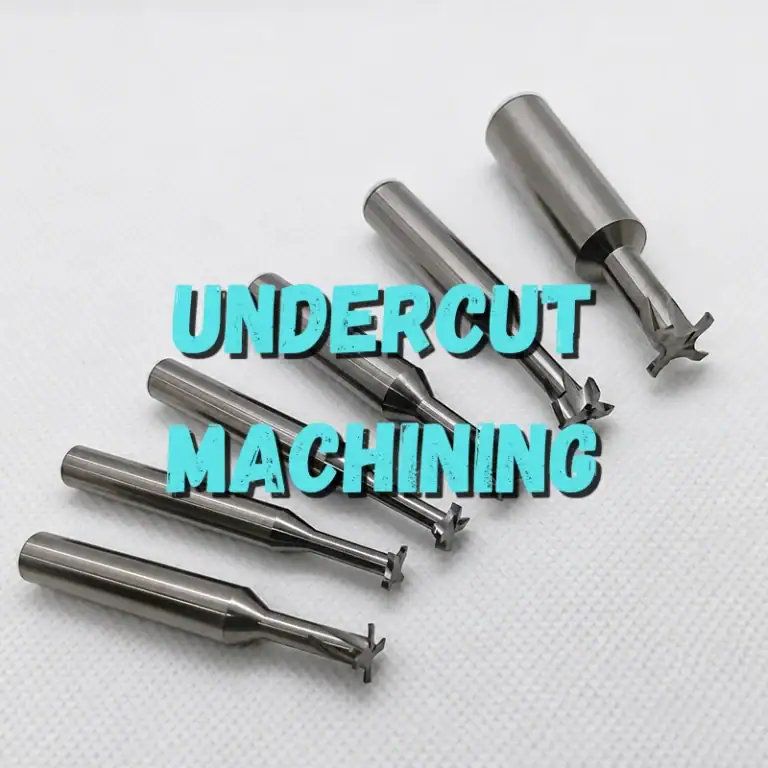
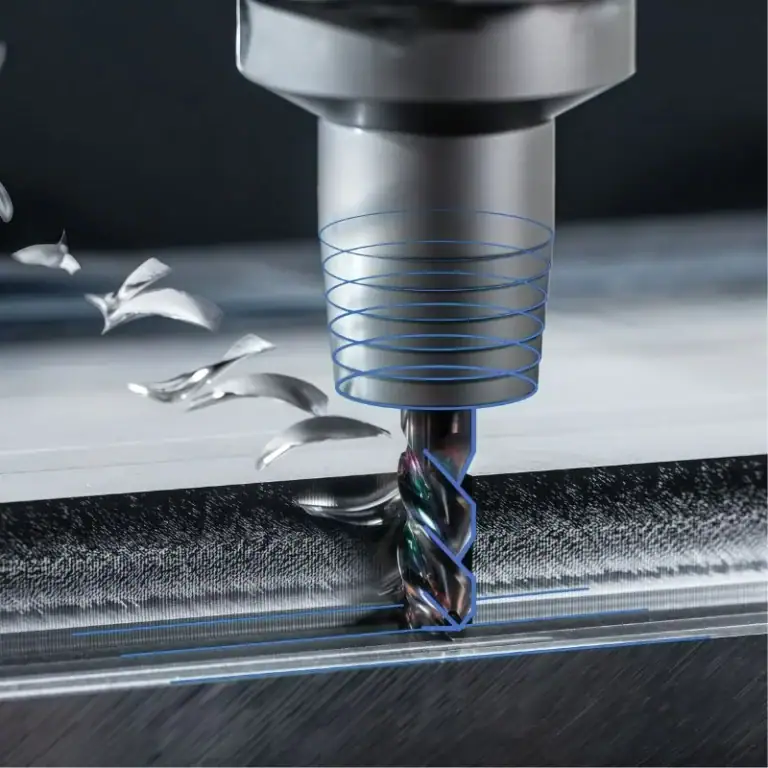
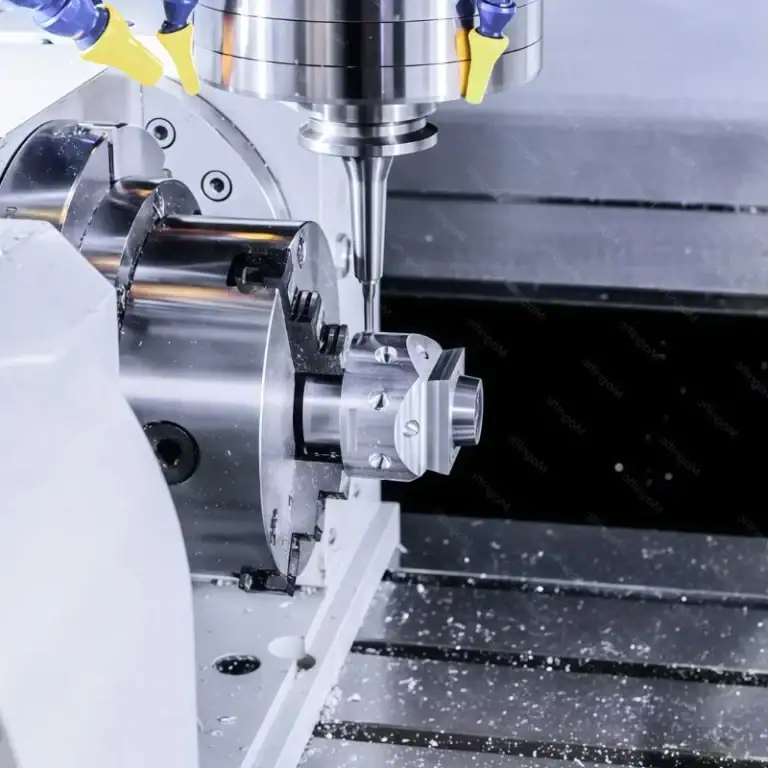
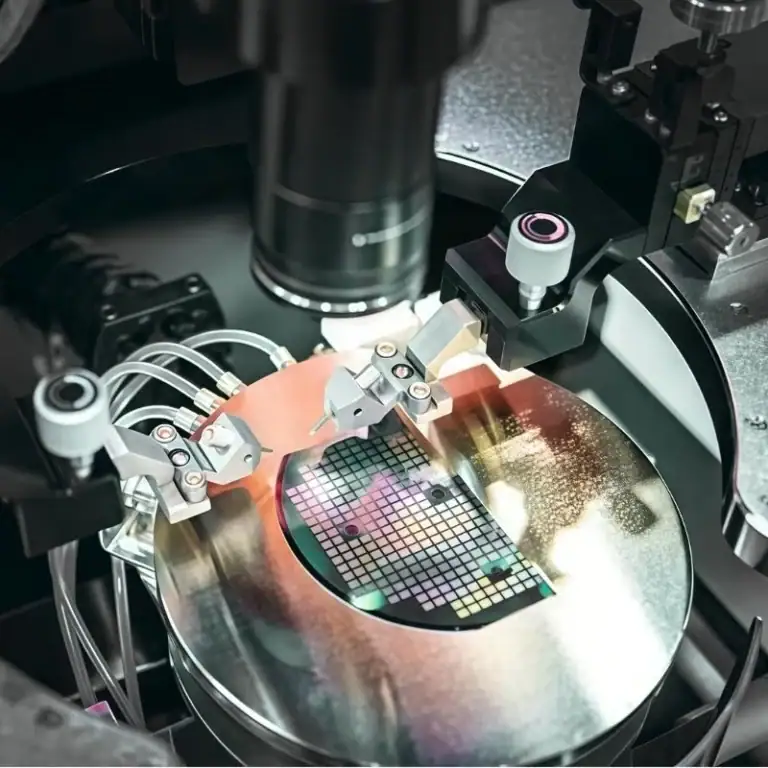
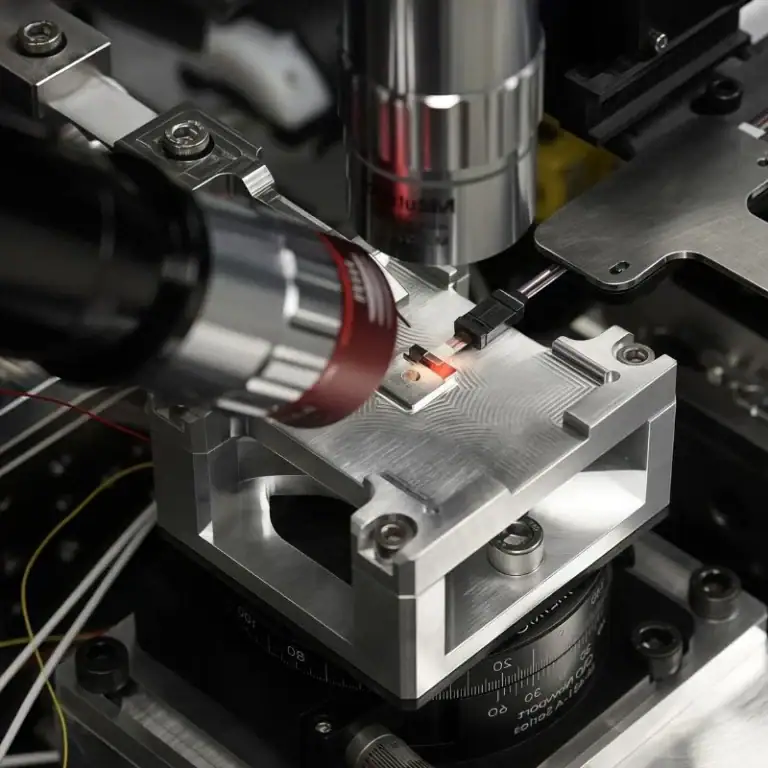
As 5G base stations, optical communication equipment, RF modules, network switches, satellite communication terminals, and edge computing devices continue to develop, communication equipment manufacturers are placing higher requirements on dimensional accuracy, assembly stability, heat dissipation, and electromagnetic shielding. Precision CNC machining can manufacture aluminum alloy, stainless steel, copper alloy, and other components according to CAD drawings. The process can include milling, turning, drilling, tapping, precision finishing, and surface treatment. It is suitable for communication equipment housings, heat sinks, RF cavities, connector components, mounting brackets, optical module structural parts, and other products. A well-planned machining process helps maintain stable dimensions during mass production while supporting complex structures and precision assembly requirements.
Key Advantages of Precision CNC Machining for Communication Equipment Components
Communication equipment components often feature thin walls, deep cavities, dense hole patterns, complex curved surfaces, and precision assembly interfaces. Conventional machining methods may have difficulty maintaining both dimensional consistency and production efficiency. CNC machining equipment can execute multiple operations according to digital programs. Combined with dedicated fixtures, precision cutting tools, and inspection equipment, CNC machining can effectively control dimensional variations and provide reliable production quality for complex communication components.
High Precision Improves Assembly Compatibility
Communication equipment components often need to work with circuit boards, connectors, RF modules, heat dissipation assemblies, and housings. CNC machines can perform precision machining on mounting holes, positioning holes, threaded holes, sealing grooves, and reference surfaces to maintain stable positional relationships and critical dimensions.
For communication chassis, RF cavities, and optical module structural components, critical tolerances can be specified according to engineering drawings. First-piece inspection, in-process inspection, and final inspection can then be used to reduce dimensional variation during batch production.
Multi-Material Compatibility for Different Communication Structures
Communication components are manufactured from different materials depending on their functional requirements. Aluminum alloys are lightweight, offer good thermal conductivity, and are highly suitable for machining, making them common choices for heat sinks, housings, bases, and RF cavities. Copper and copper alloys are suitable for components requiring good electrical and thermal conductivity. Stainless steel is useful for connectors and structural parts requiring high strength and corrosion resistance.
CNC machining can be adjusted according to material characteristics, including tool selection, spindle speed, feed rate, cutting depth, and cooling methods. This allows different materials to achieve stable machining results while meeting the requirements of communication equipment applications.
Complex Structure Machining Provides Greater Design Flexibility
Communication equipment is increasingly becoming compact and highly integrated, resulting in more limited internal space. Four-axis and five-axis CNC machining can process angled holes, irregular cavities, complex curved surfaces, and multi-sided structures while reducing positioning errors caused by repeated clamping.
For RF filter cavities, waveguide structures, precision connector housings, and compact communication equipment enclosures, machining paths can be developed according to the actual engineering drawings. This makes complex designs easier to convert into stable and repeatable components.
CNC Machining Methods and Applications for Communication Equipment
Precision communication components generally require a complete production process beginning with drawing review, material preparation, and process planning, followed by rough machining, semi-finishing, precision machining, deburring, surface treatment, and dimensional inspection. The machining sequence and clamping method should be selected according to the component structure. Particular attention should be paid to thin-wall deformation, chip removal from deep cavities, heat sink fin machining, and critical hole positioning.
For batch orders, standardized programs and dedicated fixtures can also be established to maintain dimensional consistency between different production batches.

Standard Workflow for Precision CNC Machining
A clear production workflow is important for communication component manufacturing because improper process planning may result in rework. A typical production procedure can include the following steps:
- Drawing and Model Verification: Check 2D engineering drawings, 3D models, material grades, critical dimensions, tolerances, thread specifications, and surface treatment requirements.
- Process Planning: Arrange rough milling, precision milling, drilling, tapping, turning, chamfering, and other operations according to the component structure while establishing suitable machining references.
- Raw Material and Fixture Preparation: Select appropriate aluminum, copper, stainless steel, or engineering plastic materials and develop a stable clamping solution.
- CNC Programming and Machining: Create CNC programs based on the component geometry and set suitable tool paths, cutting parameters, and cooling methods.
- In-Process Inspection: Inspect critical hole diameters, hole spacing, flatness, thickness, and external dimensions during production and adjust machining parameters when necessary.
- Surface Treatment and Final Inspection:Apply anodizing, sandblasting, plating, or other treatments according to application requirements, followed by final dimensional and appearance inspection.
A standardized workflow helps communication components transition from prototype production to stable batch manufacturing while also making future repeat orders easier to manage.
Applications in 5G Base Stations and Network Equipment
5G base stations, remote radio units, active antenna units, switches, routers, and related products require numerous precision structural components. CNC machining can be used to produce equipment housings, heat dissipation bases, mounting brackets, RF module housings, connection plates, and internal fixing components.
Outdoor base station equipment also requires suitable protective structures. CNC machining can be used to create sealing grooves, mounting holes, and interface areas according to equipment requirements. This allows components to better withstand temperature fluctuations, humidity, dust, and other environmental conditions.
Applications in RF, Optical Communication, and Satellite Equipment
RF filters, waveguides, power distribution structures, optical module housings, and satellite communication terminals all require precision mechanical components. RF products place high requirements on cavity dimensions, internal structures, and surface quality, while optical communication components require stable connector positioning and mechanical interfaces related to optical transmission.
CNC machining can produce multi-cavity structures, dense hole patterns, precision positioning surfaces, and other complex geometries according to engineering drawings. These components provide a reliable mechanical foundation for signal transmission, module installation, and equipment maintenance.
Common Communication Equipment CNC Components and Machining Requirements
| Component Type | Common Materials | Main Machining Processes | Key Performance Requirements |
| 5G Equipment Housing | 6061 Aluminum, 7075 Aluminum | CNC milling, drilling, tapping | Dimensional stability, heat dissipation, structural strength |
| RF Cavity | Aluminum alloy, copper alloy | Precision milling, deep-cavity machining | Cavity accuracy, surface quality |
| Heat Sink | Aluminum alloy, copper | CNC milling, precision finishing | Thermal conductivity, heat dissipation, flatness |
| Connector Housing | Aluminum alloy, stainless steel, copper alloy | Turning, milling, tapping | Concentricity, hole diameter accuracy |
| Optical Module Structural Part | Aluminum alloy, stainless steel | Precision milling, drilling | Positioning accuracy, assembly stability |
| Antenna Mounting Bracket | Aluminum alloy, stainless steel | Milling, drilling | Strength, hole positioning accuracy |
Although these components have different structures, they all require machining solutions based on installation dimensions, operating environments, and long-term performance requirements.
Functional and Performance Control of Precision CNC Communication Components
Precision communication components do more than provide mechanical connections. They can also contribute to heat dissipation, electromagnetic shielding, positioning, protection, and module fixation. During machining, functional requirements should be converted into measurable dimensional specifications and then controlled through machine accuracy, tool condition, fixture stability, and inspection procedures.
For long-term batch supply projects, production records covering material batches, machining parameters, and inspection results can also be maintained. This helps improve product consistency and supports stable repeated production.

Integrated Heat Dissipation, Shielding, and Protection Functions
Communication equipment generates heat during operation, particularly in power modules, RF units, and high-density electronic assemblies. CNC machining can produce fine heat sink fins, thermal base plates, component mounting surfaces, and cooling structures to improve contact between heat-generating components and thermal structures.
Metal housings and cavities can also provide electromagnetic shielding and equipment protection. Proper structural design, sealing grooves, and connection interfaces can help reduce the impact of external environmental conditions on internal modules.
Dimensional Consistency and Long-Term Operating Performance
Communication equipment often operates continuously for extended periods, making dimensional stability an important factor in assembly reliability. Batch CNC machining can use standardized programs, controlled tooling, dedicated fixtures, and in-process inspection to reduce variations caused by manual operations.
Critical dimensions can be verified using coordinate measuring machines, optical inspection systems, or dedicated gauges. Inspection standards can be established for flatness, hole diameter, hole spacing, concentricity, and perpendicularity.
With stable process control, CNC communication components can better meet batch assembly requirements while reducing subsequent adjustment and maintenance work.
Precision CNC machining for communication equipment components is suitable for applications ranging from prototype development and small-batch verification to large-scale production. It is particularly suitable for 5G base stations, RF modules, optical communication equipment, network switches, satellite communication systems, and data center hardware.
Through appropriate material selection, precision machining, surface treatment, and quality inspection, manufacturers can achieve a balanced combination of dimensional accuracy, structural strength, heat dissipation, electromagnetic shielding, and assembly stability. This provides a reliable component manufacturing solution for modern communication equipment and supports consistent production for long-term projects.