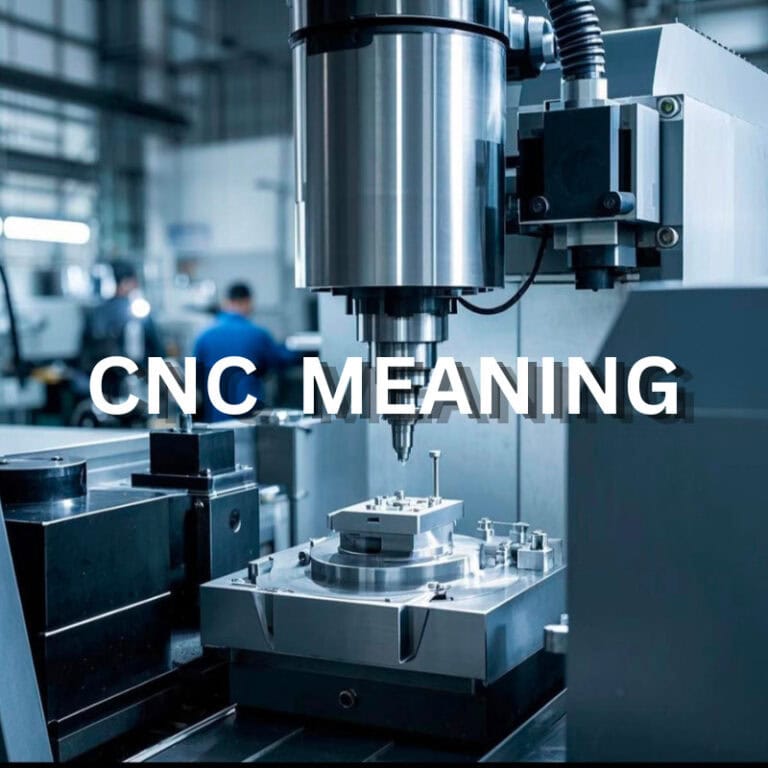
Plastic components used in semiconductor equipment may not look particularly important. They may simply be insulation parts, positioning components, or support structures, but even a small dimensional error or surface defect can affect equipment assembly and operation. Unlike metal parts, plastics are more sensitive to temperature, clamping force, and residual stress during machining. Materials such as PEEK, PTFE, PPS, and POM offer excellent performance, but machining them accurately and consistently requires more than simply applying metal machining parameters. CNC machining requires careful control of material characteristics, tooling, fixturing, machining parameters, and inspection throughout the entire process.
Why Are Semiconductor Equipment Plastic Parts Difficult to Machine?
Plastic components used in semiconductor equipment are very different from ordinary plastic housings. Many of these parts need to operate under vacuum, chemical exposure, temperature changes, or controlled clean environments, which places strict requirements on dimensional stability and surface condition. For procurement teams, the key question is usually not whether a part can be machined, but whether it can be assembled properly, perform reliably, and maintain consistent quality during future production.
Plastic Materials Are Sensitive to Heat and Machining Stress
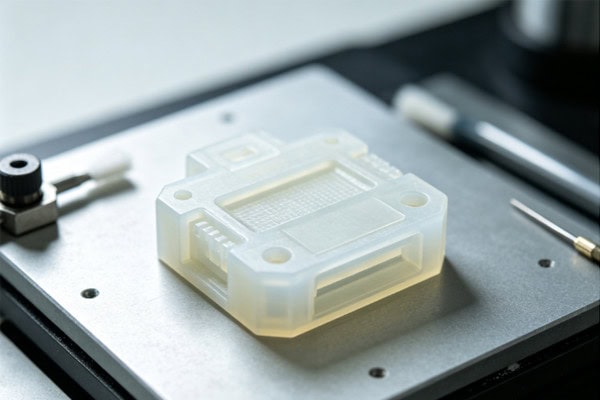
Plastics generally have lower thermal conductivity than metals, which means machining heat is not dissipated as quickly. When cutting temperatures increase, some materials may soften, deform, or experience dimensional changes. High-precision parts also need to account for residual stress. A component may pass inspection immediately after machining but change slightly after reaching a stable condition, which is a common concern in precision plastic machining.
- Cutting heat needs to be controlled effectively to prevent excessive temperature from affecting dimensional accuracy.
- Clamping force must be carefully managed, as thin plastic parts can deform under excessive pressure.
- Machining allowances need to be planned properly, since removing too much material at once can increase internal stress and dimensional variation.
- High-precision parts may require stabilization time before final inspection rather than being measured immediately after machining.
This is one of the challenging aspects of CNC plastic machining: machine parameters are only part of the equation. How the material behaves during processing can also directly affect the final result.
Different Materials Require Different Machining Strategies
Common plastic materials used in semiconductor equipment include PEEK, PTFE, PPS, and POM. They differ significantly in hardness, thermal resistance, chemical resistance, rigidity, friction characteristics, and dimensional stability.
| Plastic Material | Common Characteristics | CNC Machining Considerations | Typical Parts |
| PEEK | High temperature resistance, chemical resistance, high strength | Heat control, sharp tooling, dimensional stability | Insulation parts, supports, wear-resistant components |
| PTFE | Low friction, strong chemical resistance | Deformation, burrs, dimensional control | Sealing parts, sliding components |
| PPS | Heat resistance, good chemical resistance | Tool condition, surface quality | Insulation parts, structural components |
| POM | Good rigidity and dimensional stability | Cutting parameters, burr control | Gears, positioning parts, fixtures |
Material selection should not be based on material cost alone. Operating temperature, chemical exposure, loading conditions, cleanliness requirements, and dimensional tolerances all affect the final CNC machining process.
Semiconductor Equipment Requires Higher Cleanliness Standards
After ordinary plastic parts are machined, removing visible burrs and chips may be sufficient for delivery. Semiconductor equipment components often require much stricter cleanliness control. Residual plastic chips, oil, dust, or even contamination introduced during packaging can affect subsequent equipment operation. The machining process should minimize burrs and debris, while finished parts require appropriate cleaning, inspection, and packaging. For components intended for controlled clean environments, cleanliness requirements should be confirmed before production rather than handled as an afterthought.
What Needs to Be Controlled When CNC Machining Semiconductor Plastic Parts?
Plastic machining may look straightforward, but producing precision components requires strong process control. Thin walls, deep grooves, small holes, and multi-step structures can be particularly challenging. An unsuitable tool or poorly designed fixturing method can easily cause dimensional variation. When evaluating a machining supplier, procurement teams should look beyond machine specifications and consider whether the supplier has real experience machining high-performance engineering plastics.

Tooling and Cutting Parameters Must Be Optimized for Plastics
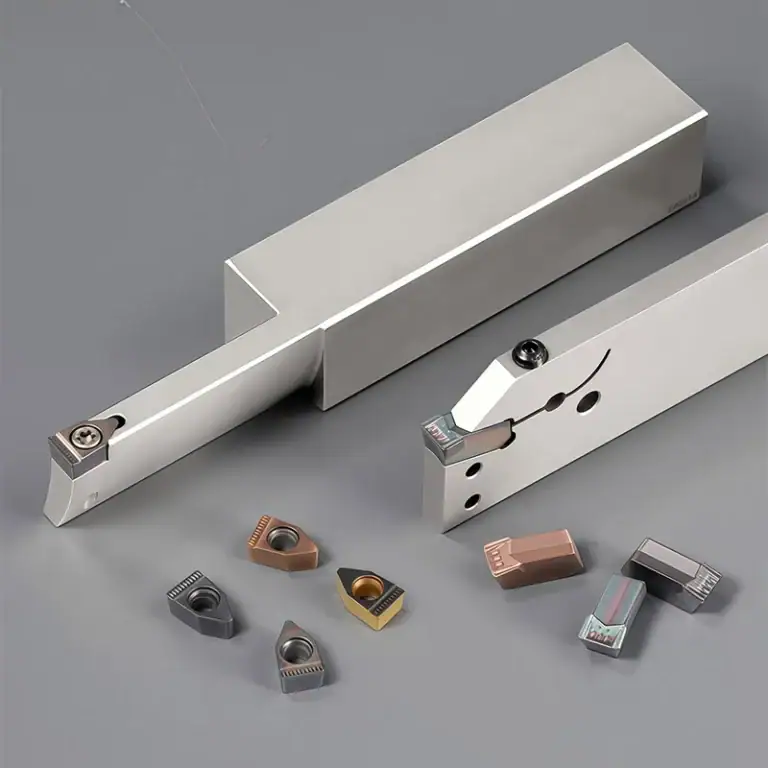
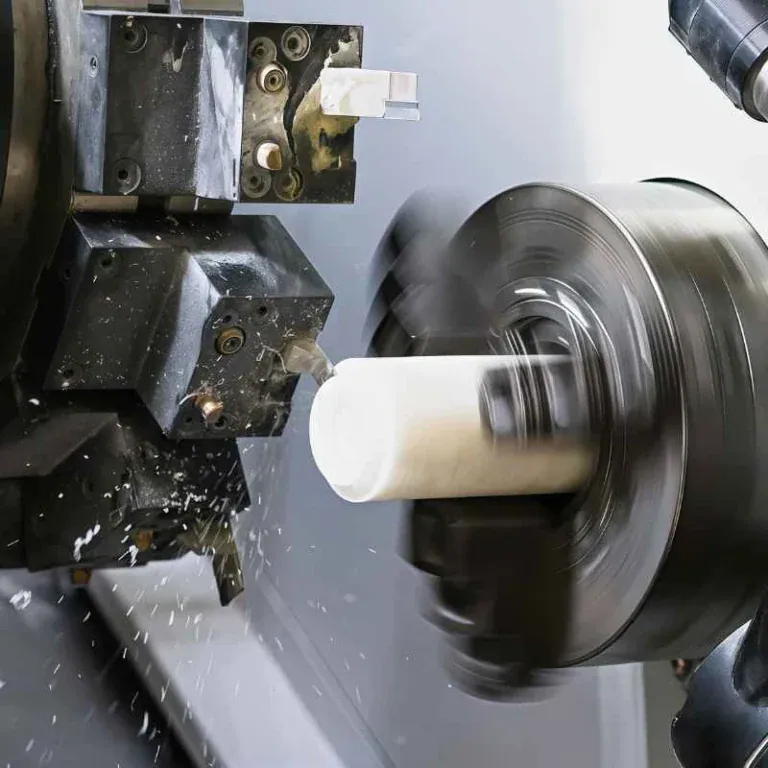
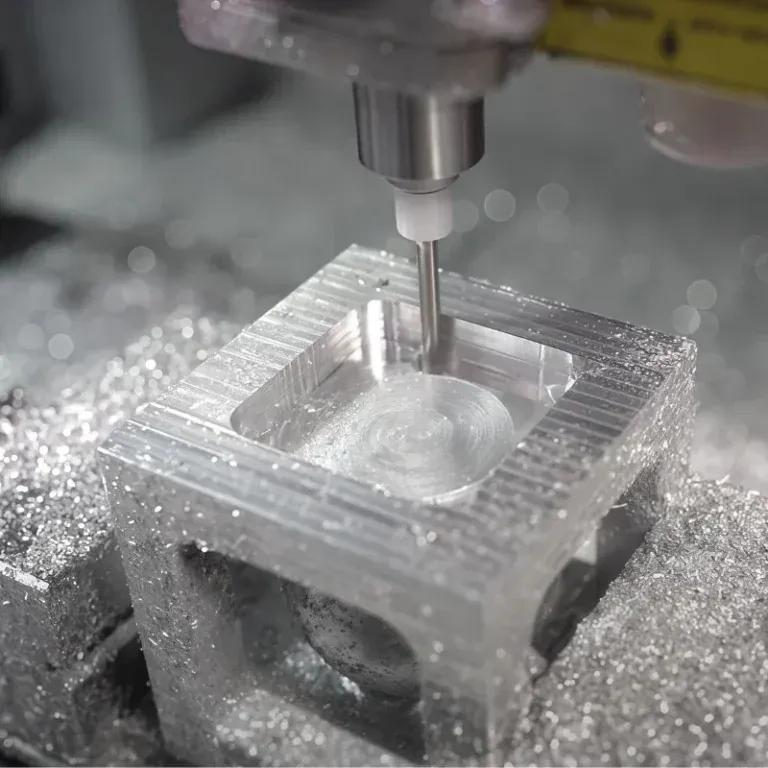
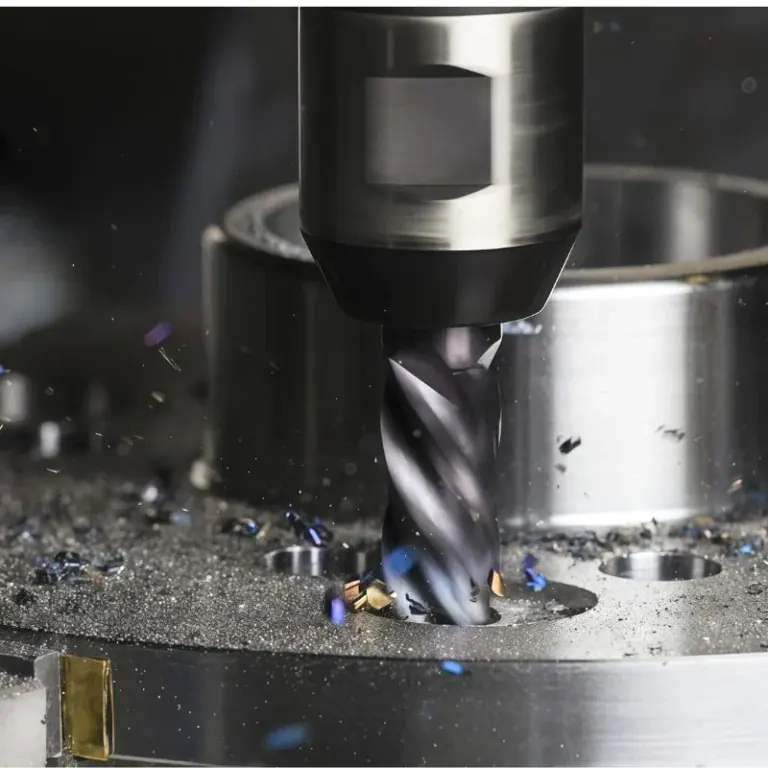
Machining experience with metals cannot simply be transferred to PEEK, PPS, POM, or other engineering plastics. Plastics are more sensitive to heat buildup and localized pressure. If the cutting tool is not sufficiently sharp, cutting can become more like rubbing and compressing the material, which can quickly affect surface quality.
- Keep cutting tools sharp to reduce material compression during machining.
- Control cutting heat to prevent localized temperature buildup during continuous operations.
- Optimize feed rates and cutting depths to maintain stable machining conditions.
- Remove chips efficiently to prevent recutting and surface damage.
The stability of CNC plastic machining depends heavily on whether the parameters are genuinely suitable for the material rather than simply maximizing cutting speed. Once the cutting process becomes stable, dimensional control, surface quality, and tool life become much easier to maintain.
Thin-Wall and Small Plastic Parts Require Careful Fixturing
Plastic components used in semiconductor equipment are often lightweight and thin, with mounting holes or positioning grooves in critical areas. Excessive clamping can cause deformation, while insufficient clamping can allow the workpiece to move during machining. This balance needs to be addressed before production. In practice, manufacturers can optimize support locations, clamping methods, machining sequences, and material allowances to minimize additional stress. For thin-wall structures, separating roughing and finishing operations can also make final dimensional control more predictable.
Small Holes, Deep Grooves, and Complex Structures Require More Than High Cutting Speed
Semiconductor equipment plastic parts often contain small holes, narrow grooves, steps, and irregular contours. These features place higher demands on tool access and chip evacuation. If chips cannot leave a deep groove efficiently, they may repeatedly rub against the machined surface, affecting both surface quality and local temperature. Difficult areas should be analyzed separately before CNC machining to determine suitable tool sizes, machining sequences, and inspection methods. For complex parts, minimizing unnecessary re-fixturing can also help maintain the positional relationship between different machined surfaces.
How Can Quality Be Controlled When CNC Machining Semiconductor Plastic Parts?
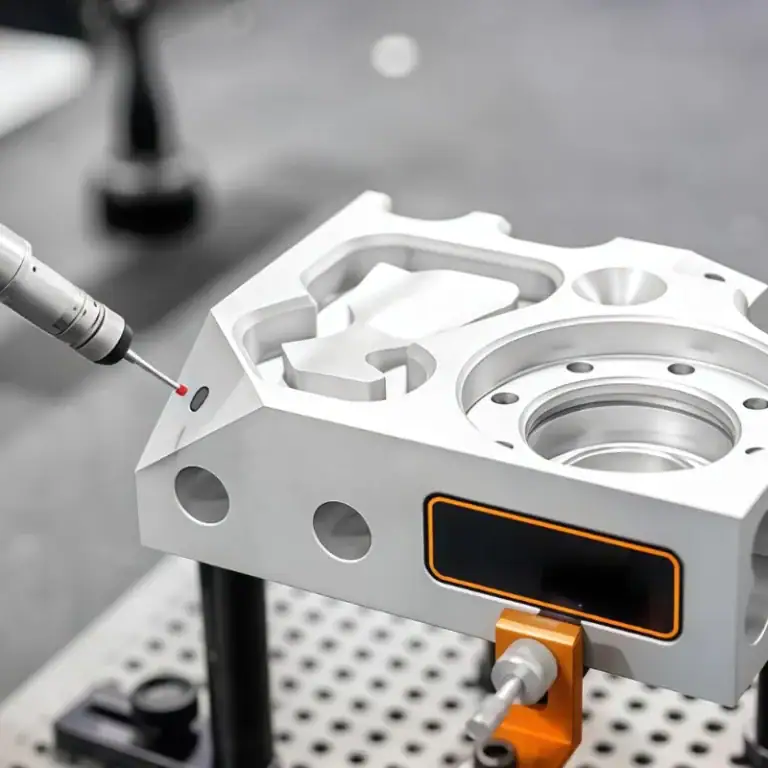
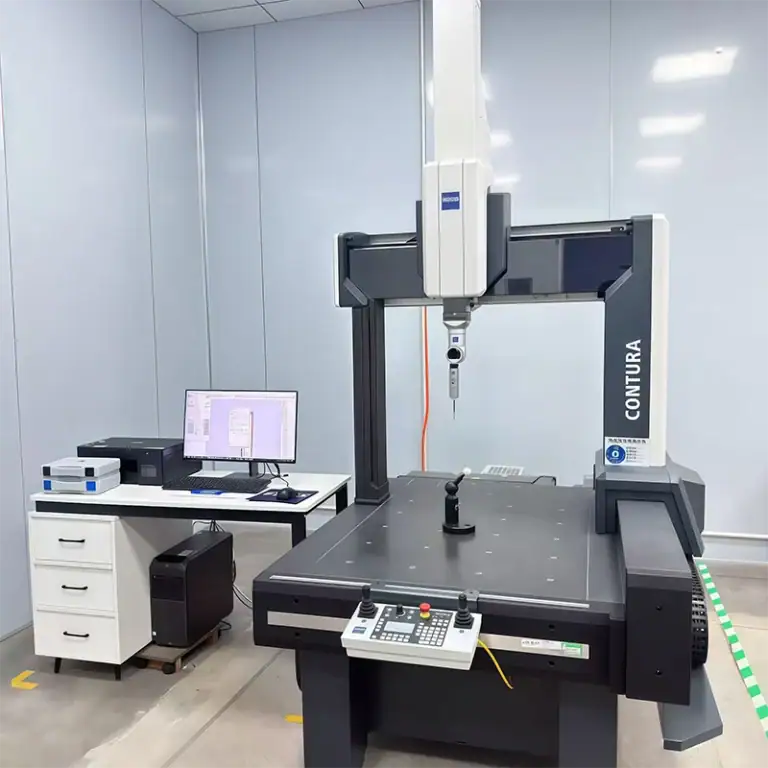
Inspection of plastic components should not end after measuring a few dimensions with a caliper. Material temperature, measurement conditions, residual stress, and clamping state can all affect measurement results. For high-performance plastics such as PEEK and PTFE, precision components often require carefully controlled inspection conditions. Procurement teams should also pay attention to whether the machining supplier maintains complete inspection records rather than simply providing a basic pass/fail result at delivery.
Critical Dimensions Should Have Dedicated Inspection Requirements
Every component has certain dimensions that directly affect assembly and performance. Inspection should focus on these critical features rather than treating every dimension in exactly the same way.
- Mounting hole positions require close inspection to prevent misalignment with equipment interfaces.
- Thickness and height dimensions need to remain stable to prevent unwanted gaps during assembly.
- Flatness and perpendicularity should be controlled, particularly for positioning and support components.
- Threads and mating surfaces need to be verified to prevent installation problems, binding, or excessive looseness.
Matching inspection requirements directly with engineering drawings makes acceptance much clearer and also helps maintain consistent standards during batch production.
Plastic Parts Should Not Always Be Treated as Final-Size Components Immediately After Machining
Plastic materials can continue to experience dimensional changes after machining due to cutting heat, clamping force, and internal stress. For conventional structural components, inspection may be performed after the material returns to a stable temperature. For high-precision plastic components, stricter control of measurement conditions and stabilization time may be required. This stage may seem minor, but it can directly affect acceptance results, particularly for semiconductor equipment parts with tight dimensional tolerances.
Cleanliness Inspection Is Equally Important
In addition to dimensional accuracy, semiconductor equipment plastic parts need to be checked for visible burrs, chips, oil, dust, and other machining residues. This is particularly important for components used in vacuum systems, positioning mechanisms, wafer handling, and insulation applications, where surface condition can directly affect subsequent assembly and operation.
| Inspection Item | Key Checks | Main Purpose |
| Dimensions | Length, hole diameter, thickness | Confirm assembly dimensions |
| Positional Accuracy | Hole spacing, center position | Ensure equipment interface compatibility |
| Surface Quality | Burrs, scratches, machining marks | Reduce operational risks |
| Cleanliness | Chips, dust, oil | Control contamination |
| Overall Integrity | Cracks, chips, deformation | Prevent defective parts from entering assembly |
Packaging should also match the intended application after inspection. Components with strict cleanliness requirements should not be packaged in the same manner as ordinary mechanical parts, otherwise the cleaning work completed during production can easily be compromised during the final handling stage.
What Should Procurement Teams Look for When Purchasing Semiconductor Equipment Plastic Parts?
A low quotation does not necessarily mean a lower overall manufacturing cost. If plastic parts are dimensionally unstable and problems are only discovered during equipment assembly, rework, remanufacturing, and waiting time can create additional costs. What matters more is whether the machining supplier has experience with high-performance plastics and can translate drawing requirements into consistent production results.
Does the Supplier Have Experience with the Required Materials?
PEEK, PTFE, PPS, and POM are all engineering plastics, but their machining behavior is different. Before placing an order, it is useful to ask which materials the supplier has actually machined, what types of structures they have produced, and whether they have established processes for thin walls, small holes, deep grooves, and other difficult features. A team with practical experience is more likely to identify potential issues during prototyping and reduce rework risks during later production.
Can the Supplier Support Prototypes and Small-Batch Production?
Semiconductor equipment components are often customized parts, and production quantities may be relatively small. Designs may also change during equipment development and testing. CNC machining does not require dedicated injection molds for each component, making it well suited to prototyping and small-batch production. For procurement teams, producing a small number of samples, confirming assembly, and then moving into small-batch production can be a more controlled approach, particularly for dimension-sensitive plastic components. This process provides an opportunity to identify material, structural, and machining issues before larger quantities are produced.
- Start with a small number of prototypes so engineering teams can confirm assembly relationships and dimensional stability.
- Update CNC programs promptly when designs change to prevent outdated versions from entering production.
- Increase production quantities after validation to reduce the cost pressure associated with batch rework.
Can the Supplier Maintain Consistent Quality for Repeat Orders?
Semiconductor equipment parts are rarely one-time purchases. The same component may need to be reordered after a period of operation. Producing one accurate batch does not automatically mean the next batch will have identical results. Drawing revisions, material batches, machining programs, and inspection records all need to be properly managed. A mature CNC machining process keeps the parameters and inspection requirements validated during prototyping, allowing future orders to be produced without starting the process from scratch. This reduces communication time and makes dimensional consistency between batches easier to maintain.
CNC machining of semiconductor equipment plastic parts is not mainly about machining speed. The real challenge is controlling material behavior, dimensional accuracy, fixturing, cutting conditions, and cleanliness throughout the process. For procurement teams, producing one batch that installs successfully is only the baseline requirement; maintaining the same dimensions and stable performance across future batches is much more valuable. Materials such as PEEK, PTFE, PPS, and POM require clear process planning from the beginning to reduce rework and communication costs later. When selecting a machining supplier, it is worth confirming material experience, prototype capabilities, inspection procedures, and batch production records in advance rather than discovering problems only after parts arrive at the assembly stage. For semiconductor equipment that needs long-term stable operation, reliable CNC machining capability affects not only whether an individual plastic component meets specifications, but also the efficiency of equipment assembly, maintenance, and future spare-part supply.