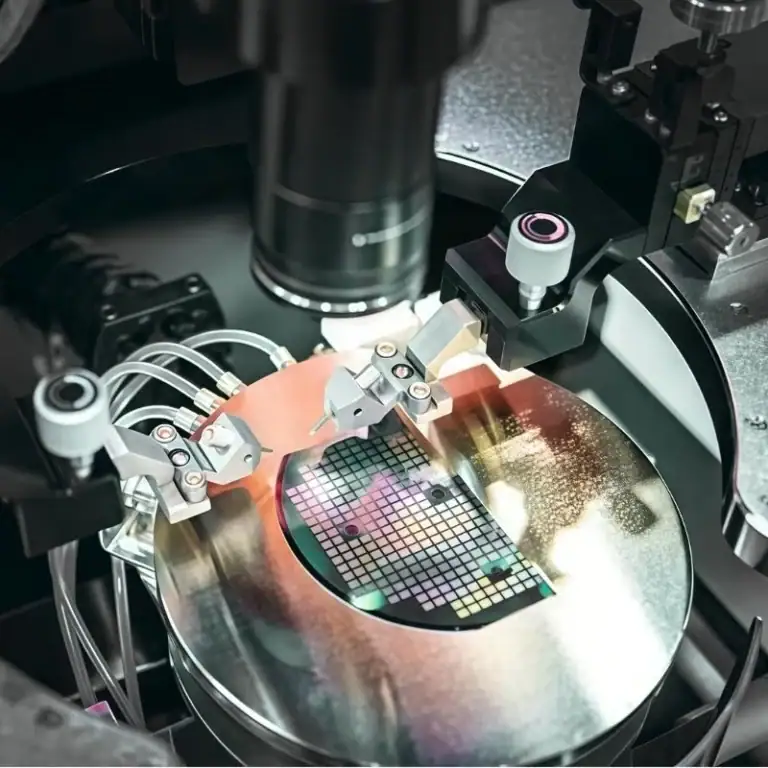
Polyimide (PI) is a high-performance plastic widely used in industries that demand exceptional material properties. While it is renowned for its high temperature resistance, corrosion resistance, and electrical performance, Polyimide is considered one of the most durable plastics, often referred to as the “diamond among plastics.”
In this guide, we compare Polyimide (PI) by its core properties such as strength, heat resistance, electrical insulation, and machinability, as well as its common applications in various industries.
What Is PI Material
Polyimide (PI) is a type of polymer material containing imide structural units in the main chain. It is one of the very few engineering plastics that can maintain stable performance under extremely high temperatures. According to the structure of the main chain, PI can be subdivided into aromatic, aliphatic and semi-aromatic types. Aromatic PI is the most widely used type in industrial applications because its rigid molecular structure brings excellent thermal stability and mechanical properties.
I have chosen aromatic polyimide as a key material many times in medical device and semiconductor precision component projects. For example, in the processing of wafer trays and high-voltage insulation parts, customers require a long-term operating temperature of 260°C and a dimensional error within ±0.02 mm, which is difficult to meet with other engineering plastics. The performance of aromatic PI materials exceeded expectations, especially in repeated thermal cycle tests without obvious deformation or degradation.
The glass transition temperature (Tg) of aromatic PI is generally over 300°C, and the thermal decomposition temperature can reach 500–600°C. Some modified grades can even withstand instantaneous high temperatures up to 800°C.
Its mechanical properties are also outstanding, with a tensile strength of 100–180 MPa and an elastic modulus in the range of 3.0–4.5 GPa, and it can still maintain more than 80% of its strength at high temperatures.
In terms of electrical insulation, aromatic PI has a volume resistivity of up to 10^16 Ω·cm and a breakdown voltage of over 200 kV/cm, making it an ideal choice for high-frequency electronics and high-voltage equipment.
In my actual application, PI material has the following characteristics compared with other high-performance plastics:
Compared With PEEK , PI has stronger heat resistance, especially in the range of >300°C, it can still maintain mechanical strength , but its toughness is slightly lower, so care should be taken to prevent micro cracks during processing .
Compared With PPS , PI has better electrical insulation and thermal aging life .
Compared With POM (Delrin) , PI’s dimensional stability and creep resistance are far superior under high temperature and high humidity conditions, making it suitable for precision machinery and microelectronics manufacturing.
Therefore, I believe that polyimide is not a panacea, but a strategic material that provides the only solution in certain extreme scenarios. The key to choosing PI is to understand its performance boundaries and match the appropriate grade and molding method according to the needs.
What Is the Performance of PI Materials?
Polyimide (PI) is a high-performance engineering plastic that can operate stably under high temperature, high voltage, and strong chemical corrosion environments. I have used PI extensively in a variety of projects such as aerospace, semiconductors, and medical equipment. It has demonstrated industry-leading levels in thermal, mechanical, electrical, and dimensional stability. Compared with materials such as PEEK, PPS, and POM, PI performs more reliably under harsh working conditions and is often selected as a lightweight solution to replace metal or multi-layer composite structures.
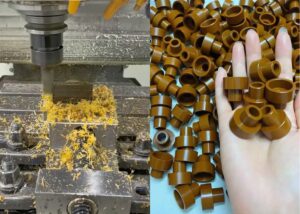
Thermal Performance : PI’s thermal decomposition temperature can be as high as 500-600°C, much higher than PEEK (343°C) and PPS (280°C). Its thermal deformation temperature exceeds 300°C, and can reach up to 400°C for short-term use. In a high-temperature insulation shell project I led, we put the PI material into a 385°C constant temperature furnace for continuous testing for 48 hours, and the deformation was controlled within ±0.02 mm, with no cracks or carbonization.
Mechanical Properties : PI’s tensile strength is generally 100–180 MPa, and its elastic modulus is 3.0–4.2 GPa. Even at high temperatures or long-term operation, its mechanical strength remains stable. I once tested a PI part used in a probe arm structure, which only had a permanent deformation of 0.05 mm after 10⁶ fatigue cycles, far outperforming similar engineering plastics.
In Terms Of Electrical Performance : the dielectric strength of PI material is >150 kV/mm, and the volume resistivity is as high as 10^15–10^17 Ω·cm, which is suitable for high-voltage insulation applications. The PI high-voltage sheet material we customized for a nuclear power instrumentation customer has a breakdown strength of over 190 kV/cm under 25 kV conditions, which fully meets its safety redundancy requirements.
Chemical Stability : PI is resistant to strong acids (such as sulfuric acid and nitric acid), strong bases (such as potassium hydroxide) and most organic solvents (such as DMF and MEK). I have used PI pipe fittings in a chlorine and hydrofluoric acid mixed transmission system and found no signs of corrosion, delamination or embrittlement for 6 consecutive months, which is far better than PTFE or PPS alternatives.
In Terms Of Dimensional Stability : the linear expansion coefficient of PI is <20 ppm/°C, and the moisture absorption rate is generally less than 0.5%, and some aromatic PIs can reach 0.2%. I used PI in a micron-level meshing precision gear and placed it in a 95% RH, 60°C hot and humid environment for 14 days. The dimensional change was less than ±0.01 mm.
Flame Retardant Performance : PI materials are naturally flame retardant, UL94 can reach V-0 level, there is no dripping after burning, and the released gas is low in toxicity. In a PI insulation part used in a high-speed rail signal system, it successfully passed the EN45545 s1 and HL3 level tests and became the preferred material in the customer’s compliant material library.
In summary, PI is one of the very few engineering plastics that can operate stably and long-term in the four dimensions of heat, electricity, force, and chemistry. When faced with extremely harsh application conditions, I usually recommend PI materials first – although it is expensive, its performance and reliability are enough to cover the entire life cycle cost, and it is an indispensable core material in high-end manufacturing. If you have a project with high standards for precision, electrical insulation or structural strength, PI is a trustworthy and preferred option.
What Are The Processing Methods Of PI ?
Although polyimide (PI) is known for its excellent performance, it is also quite difficult to process. For products of different forms, I usually use CNC machining , thermoplastic forming processes (such as injection molding, hot pressing and extrusion), and high-precision film material processing technology. These three methods need to be adjusted according to the part structure, dimensional tolerance and final use.
CNC Precision Machining
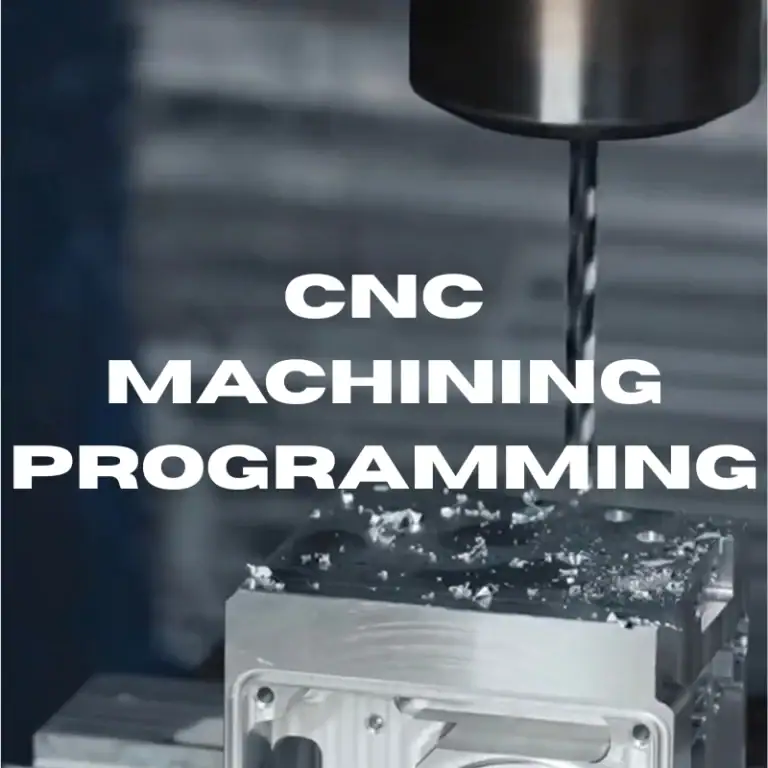
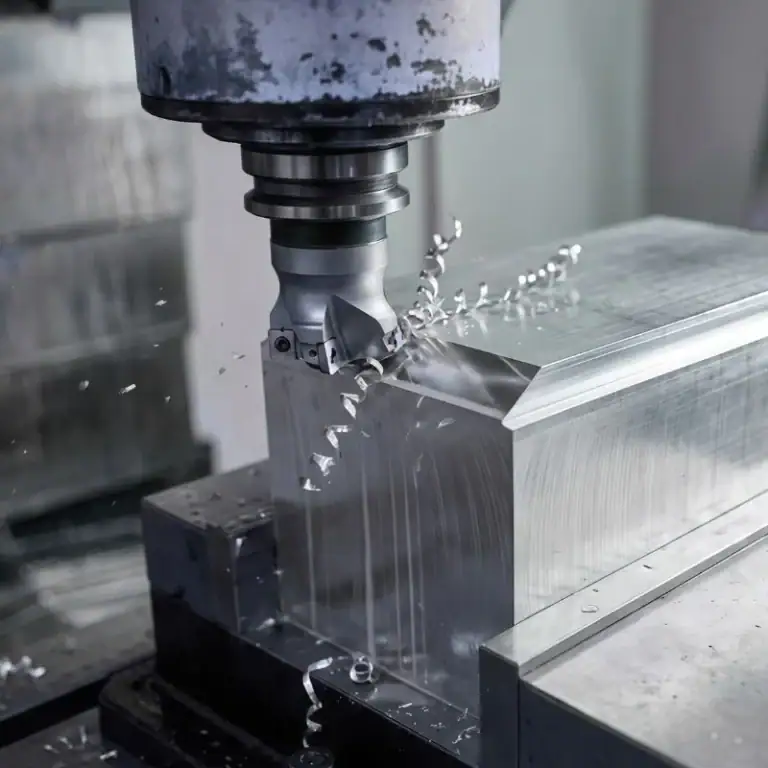
Processing Polyimide (PI) material can be challenging due to its inherent high hardness and low ductility, making it difficult to machine. However, with the right tools and machining strategies, excellent results can be achieved. Below is a detailed overview of the key considerations and techniques when machining PI materials in CNC applications.
1. Tool Selection for PI Machining
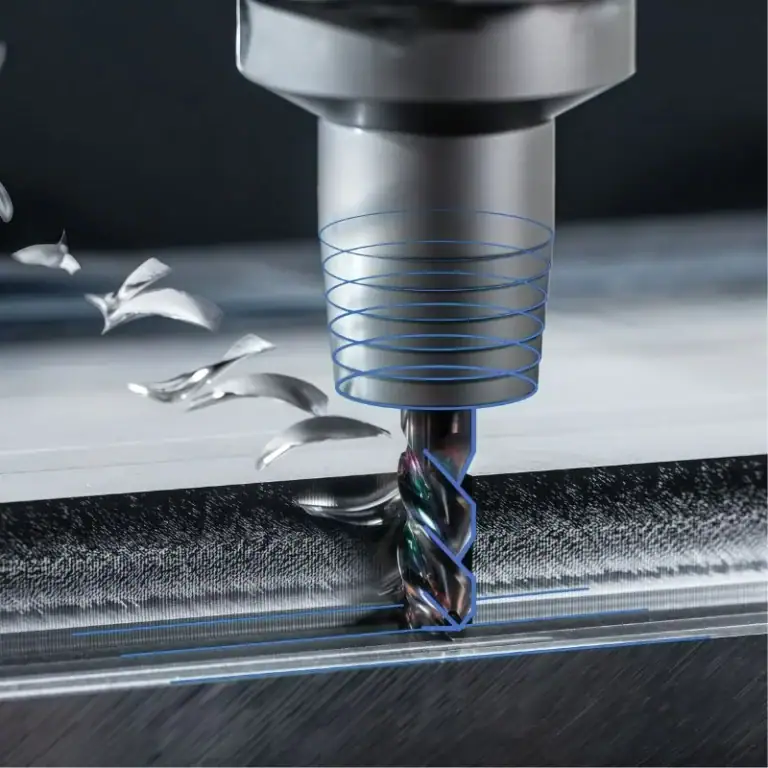
The biggest challenge when machining PI is the material’s hardness, which can rapidly wear down standard cutting tools. To combat this, diamond-coated tools or PCD (Polycrystalline Diamond) tools are highly recommended. These tools offer superior wear resistance and maintain cutting stability, which is essential for achieving precise results. The use of such tools significantly extends tool life, reducing the frequency of tool changes and improving overall efficiency.
2. Cutting Parameters
For PI machining, the recommended spindle speed ranges between 4000 and 8000 rpm. This range ensures sufficient cutting force while maintaining tool integrity. The feed rate should be set between 0.05–0.1 mm/rev. This is optimal for balancing material removal rate and tool longevity. The depth of cut should not exceed 0.2 mm to avoid excessive strain on the tool and to achieve a smooth surface finish.
3. Cutting Method
The preferred cutting methods for PI are dry cutting or air cooling. Both methods are designed to minimize the risk of damage to the material. Using coolants can be detrimental, as it may cause hairline cracks or interlayer delamination, compromising the integrity of the material.
When air cooling, it’s essential to use a well-maintained compressed air system to keep the cutting area cool without introducing moisture, which could negatively impact the PI material.
4. Machining Thin-Walled and Slender Structures
PI is often used in precision applications like connectors, probe fixtures, and optical brackets, which frequently have thin-walled structures. These parts are particularly sensitive to deformation during machining, and using conventional cutting methods can lead to surface imperfections or structural instability.
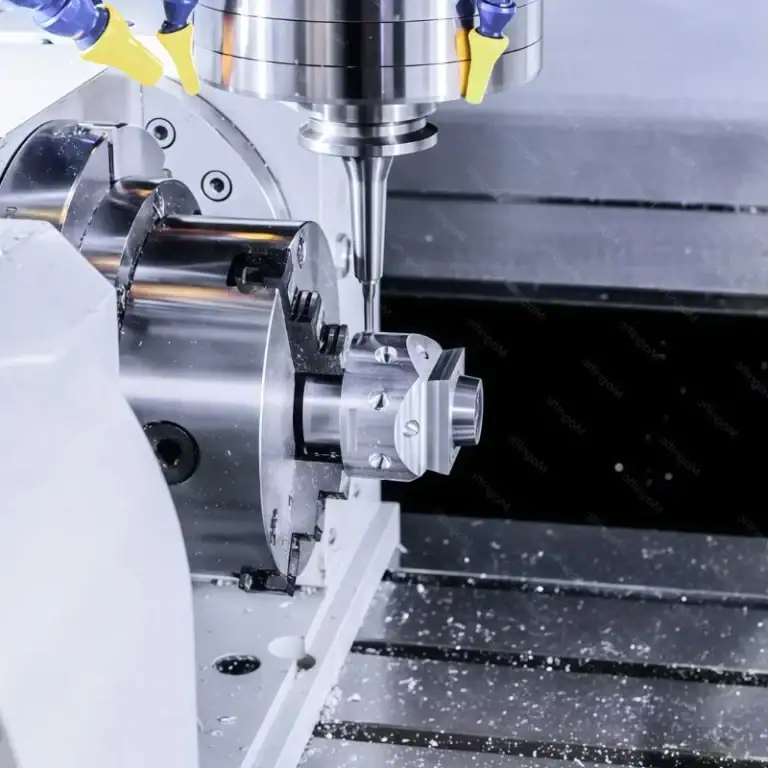
To address these challenges, four-axis or five-axis CNC linkage is recommended. This advanced machining technique allows for better control of the cutting process and minimizes the chances of warping or damage to delicate parts. Additionally, shock-absorbing fixtures should be used to reduce vibrations, providing better stability during cutting.
5. Achieving High Surface Quality
The surface finish is crucial, especially in industries like semiconductors and medical devices, where high cleanliness and smooth surfaces are mandatory. With the right tooling and machining techniques, Ra values of 0.6–0.8 µm can be achieved. This level of surface finish is ideal for ensuring the functionality and performance of the final components, particularly in precision industries where even the smallest imperfections can affect the performance of the parts.
6. Applications in Precision Industries
PI’s exceptional thermal and electrical properties make it highly valuable in semiconductor applications. Components such as precision connectors and probe fixtures are often manufactured using PI, requiring tight tolerances and a high degree of surface cleanliness.
PI’s biocompatibility and resistance to high temperatures make it suitable for use in medical devices. Precision machining ensures that parts meet the stringent requirements for performance, reliability, and safety in medical applications.
Injection Molding, Hot Pressing, and Extrusion
Polyimide (PI) is a high-performance polymer known for its exceptional thermal stability. However, its narrow melt processing window and poor fluidity make it a challenging material to process. To ensure optimal results when manufacturing PI components through processes like injection molding, hot pressing, or extrusion, the processing conditions must be carefully controlled. Below is an overview of the key parameters and considerations for PI processing.
1. Melt Temperature and Mold Temperature
- Melt Temperature: The recommended melt temperature for PI is between 380–430°C. Exceeding this range can lead to material degradation, while lower temperatures can hinder the proper flow and molding of the material.
- Mold Temperature: The mold temperature should be kept between 170–210°C. This temperature range helps ensure proper material flow and avoids issues such as warping or incomplete molding.
2. Moisture Control
- PI materials must be fully dried before molding to prevent moisture absorption. Moisture can cause defects such as bubbles or silver streaks in the final product. It is recommended to dry the material at 180°C for 10-12 hours prior to processing to achieve the best results.
3. Screw Design and Processing Parameters
- Screw L/D Ratio: A L/D ratio (length-to-diameter ratio) of no less than 22 is recommended for the injection molding process. This ensures proper mixing and material flow during processing.
- Back Pressure: Moderate back pressure should be applied to control the shear rate of the material, which helps prevent issues related to excessive material stress and ensures uniformity in the molded part.
4. Case Study: Multi-Cavity PI Injection Mold Development
- In one example, I developed a multi-cavity PI injection mold for a medical company. By strictly controlling the processing parameters, the product tolerance was successfully maintained at ±0.03 mm, and batch stability was achieved at an impressive 99.6%. This demonstrates that with proper control, PI can be effectively processed to meet the stringent requirements of precision industries, such as medical device manufacturing.
5. Hot Pressing and Extrusion Considerations
- While injection molding is commonly used for PI, hot pressing and extrusion are also viable options, depending on the part geometry and production volume. For hot pressing, careful temperature and pressure control are necessary to avoid material degradation and ensure uniform material flow. In extrusion, maintaining a consistent temperature profile along the extrusion process is key to producing high-quality PI products.
Special Processing of PI Film
Polyimide (PI) films are widely used in high-precision, flexible applications such as 5G antennas, OLED displays, and battery separators. The thickness of PI films typically ranges from 4 μm to 125 μm, and these materials are often chosen for their excellent thermal stability and electrical properties in flexible electronics. However, processing ultra-thin PI films comes with unique challenges that require careful control to ensure high quality and precision.
1. Ultra-Thin Film Processing
- When working with ultra-thin PI films, special care must be taken to avoid warping and displacement of the film during processing. To achieve this, constant temperature tension transmission equipment and roller platforms are employed. These systems help maintain uniform tension across the film, preventing deformation and ensuring high precision during fabrication.
2. Surface Treatment for Improved Bonding
- Plasma or UV surface treatments are commonly used to enhance the interlayer bonding of PI films. These treatments significantly increase the bonding strength, often improving it by more than two times. This step is particularly important for applications where strong adhesion between layers or to other materials is critical, such as in flexible electronics or multilayer circuit boards.
3. Laser Microhole Creation
- For applications requiring microelectronic through-holes or ventilation structures, laser microhole drilling is used. The diameter of these holes can be controlled within a range of 30–50 μm, making them ideal for fine, high-precision components used in microelectronics. Laser drilling offers high accuracy and is capable of creating intricate patterns without affecting the material’s overall structural integrity.
4. Surface Deformation Control
- One of the key quality concerns when processing PI films is surface deformation. To ensure the uniformity and conductivity of the functional film layer, it is crucial to control the surface deformation rate. The goal is to keep this rate within 0.05%, ensuring the film maintains its functional properties, especially in applications where electrical performance is essential.
5. Customized Processing Routes
- The three main processing methods—temperature-controlled tension, surface treatment, and laser microhole drilling—depend largely on the product structure and specific requirements of the application. I often develop a dedicated process route tailored to the purpose, structural complexity, tolerance level, and batch size. By customizing the process, the desired properties of the PI film can be achieved, improving both product performance and yield.
6. Expertise in PI Material Processing
- When considering PI materials for your project, it is crucial to partner with a team that has professional processing experience in handling this material. Inadequate processing techniques can lead to increased costs and lower yield rates. A skilled team can optimize the processing steps, ensuring high-quality results while minimizing waste and maximizing production efficiency.
Application Industry
Among the many demanding projects I have participated in, polyimide (PI) is widely used in core fields such as aerospace, semiconductors, medical, new energy and precision industrial equipment due to its excellent thermal stability, electrical insulation, mechanical strength and chemical resistance.
Especially in environments with drastic temperature differences, high pressure and high temperature, radiation or micro-pollution, other polymer materials are prone to performance degradation, while PI can maintain dimensional stability and reliable functions for a long time. It is not only an engineering plastic, but also a material solution for future technological challenges, with irreplaceable strategic value.
| Application Industry | Representative application examples | Key performance requirements |
| Aerospace | High temperature structural parts, electronic insulation films, engine brackets | Continuous temperature resistance >300°C, dimensional stability, low outgassing rate |
| Medical Industry | Pharmaceutical packaging films, autoclavable device parts, delivery tubes | Biocompatible (USP Class VI, ISO 10993), clean and heat-resistant |
| Semiconductor Manufacturing | Wafer trays, probe cards, chip packaging pads, photolithography films | Low moisture absorption, low thermal expansion, chemical and plasma etching resistance |
| New energy and automobile | EV battery insulation film, sensor module thermal control material, electronic connection insulation layer | Electrical insulation, flame retardancy UL94 V-0, thermal management performance |
| Industrial Equipment | High temperature slide rails, sealing gaskets, corrosion resistant pump housings and valve seats | Wear resistance, creep resistance, solvent resistance, long life |
If you are designing a component structure involving the above complex environment, PI is one of the materials that deserves priority consideration. I can help you evaluate its suitability and cost-effectiveness under specific working conditions.
Environmental Protection And Compliance
Compared with many high-performance thermoplastics, polyimide (PI) not only excels in functionality, but is also highly competitive in green manufacturing and regulatory compliance. Although PI is not a thermoplastic material that can be melted and reused, its excellent durability greatly extends the product life cycle and reduces resource waste from the source.
While meeting functional requirements, PI also complies with a number of international environmental standards and can be widely used in fields that are highly sensitive to environmental impacts, such as medical devices, avionics, and electric vehicles.
RoHS And REACH Certification : Most commercial PI brands (such as Kapton®, TECASINT®, Vespel®) comply with the EU RoHS Directive and REACH regulations, do not contain restricted substances such as lead, mercury, and hexavalent chromium, and meet the environmental protection thresholds in the electronics and medical fields.
Recyclability And Processing Methods : PI is a non-meltable thermosetting or semi-crystalline thermoplastic material, and traditional melt recycling is not feasible. However, it can be recovered through physical crushing and refilling, or processed by high-temperature cracking. During the processing, we will centrally manage PI scraps to avoid high-temperature incineration that releases harmful gases such as CO and NOx.
Lifecycle Value : PI materials can maintain structural integrity and electrical properties for more than 10 years in high heat, high pressure, high radiation and other environments. Compared with metal or multi-layer composite materials, its lightweight and durability advantages are significant, helping customers achieve carbon emission targets and product green design certification (such as ISO 14001, LEED).
If you have clear requirements for the environmental properties of the material, PI is undoubtedly one of the few strategic polymer solutions that can meet both extreme performance and regulatory and sustainability goals.
How to Choose PI Material for Your Project
Selecting the right material for your project is crucial, and when it comes to demanding applications, Polyimide (PI) is often an ideal choice. However, understanding how to properly evaluate PI for your needs is key to ensuring optimal performance and cost-effectiveness. Here are the main factors to consider when choosing PI material for your project:
Assess Performance Requirements
- Temperature Resistance: If your application involves high-temperature environments, PI’s ability to withstand temperatures up to 260°C is a significant advantage. For applications that require even higher thermal stability, PI is often the go-to material.
- Electrical Insulation: If the project involves electrical components that need high dielectric strength and insulation, PI’s excellent electrical properties make it a suitable choice.
- Mechanical Stress: For projects requiring excellent mechanical strength, PI’s ability to maintain dimensional stability under stress, along with its tensile strength, makes it ideal.
Consider the Operating Environment
- Harsh Chemicals and Solvents: PI’s chemical resistance ensures it performs well in environments with exposure to solvents, fuels, and acids. If your project involves such conditions, PI may be the most reliable material.
- Dimensional Stability: If the application involves parts that need to maintain their shape and functionality under thermal and mechanical stresses, PI is known for its minimal thermal expansion and stability.
Choose Based on Manufacturing Process
- Machinability: PI can be processed via CNC machining and injection molding, so consider which method fits best with your project. For complex shapes, injection molding can be an efficient process. For high-precision parts, CNC machining might be necessary.
- Custom Parts: If your project requires custom dimensions or shapes, PI allows for flexible machining, making it easy to produce unique parts.
Evaluate Cost vs. Performance
- Budget Constraints: While PI offers high performance, it can be more expensive than standard plastics. If budget is a concern, weigh the performance benefits of PI against the costs. For high-performance, long-lasting parts, the investment in PI material is often worth the price.
Application Industry Needs
- Aerospace, Medical, and Electronics: PI is commonly used in industries such as aerospace for high-performance seals, in medical devices for biocompatible components, and in electronics for flexible circuits and insulation. If your project falls into any of these industries, PI may be the ideal material.
FAQs
What Type of Insulation Is PI?
Polyimide (PI) is a high-performance electrical insulation material. It’s ideal for extreme environments, with a volume resistivity greater than 10¹⁵ Ω·cm and a dielectric strength over 150 kV/mm. PI remains stable across a wide temperature range, from -200°C to 300°C, making it suitable for both high-temperature and cryogenic applications. It’s commonly used in aerospace, medical devices, and electronics where consistent electrical performance is required in harsh conditions.
What Is the Material for PI?
PI is synthesized from aromatic dianhydrides and diamines. Commercial forms like Kapton® and TECASINT® are used in my projects for their strength (modulus over 3 GPa), flame resistance (UL94 V-0), and low thermal expansion (less than 20 ppm/°C). These forms are widely used in industries that require materials with high durability and stability under extreme conditions, such as aerospace and electronics.
What Is PI Made For?
PI is made for applications requiring thermal, chemical, and structural stability. It’s perfect for aerospace insulation, EV battery films, and high-precision medical parts. PI can endure temperatures of 300–400°C without deformation or breakdown, making it essential for critical applications where reliability and performance are paramount.
Conclusion
Polyimide (PI) is a high-performance material that maintains thermal stability, electrical insulation, and dimensional accuracy, even in extreme environments. It is a popular choice in industries like aerospace, semiconductors, and more, effectively solving technical challenges related to high temperatures, strong electric fields, and corrosion.
At TiRapid, we provide precision CNC machining services for custom parts across various industries. If you’re considering Polyimide (PI) for your project, upload your design or share your material requirements, and we’ll offer a tailored solution for your needs.