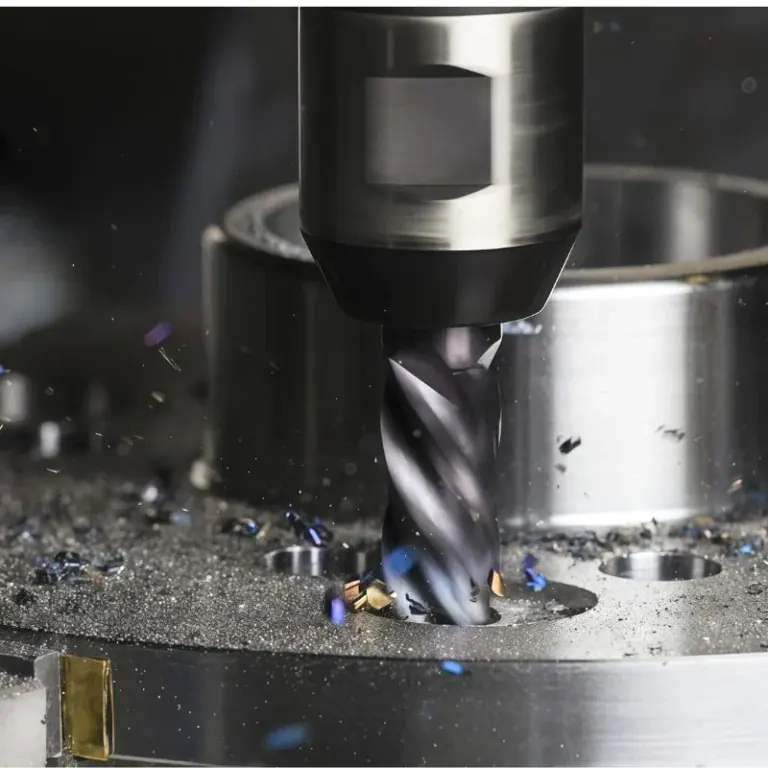
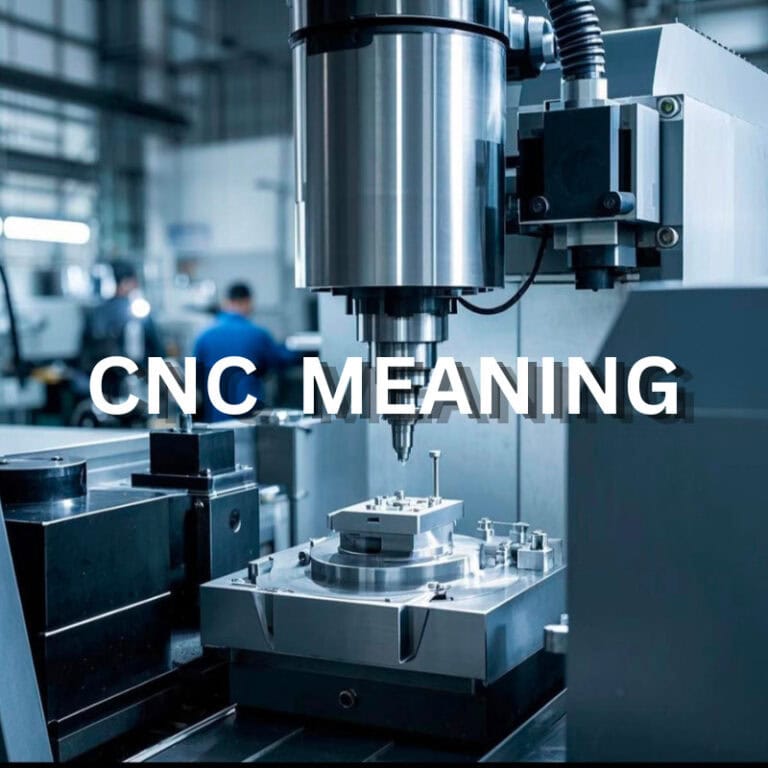
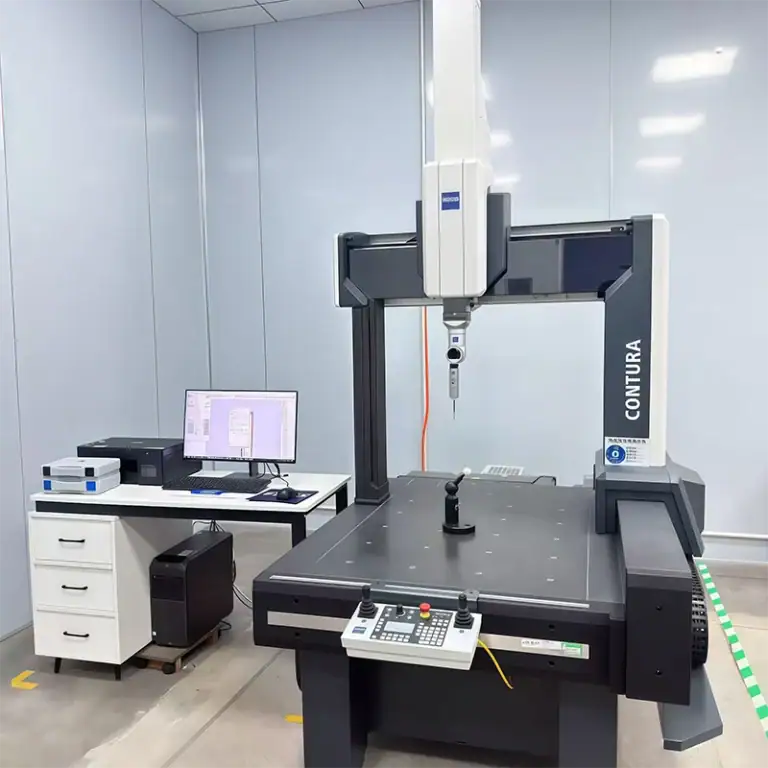
PEEK vs PA66 is an important engineering plastic comparison for parts that need strength, wear resistance, heat resistance, and reliable long-term performance. PEEK is usually selected for high-temperature and harsh industrial environments, while PA66 is often chosen for cost-effective mechanical parts with good strength and wear resistance.
This guide explains the key differences between PEEK and PA66, including material properties, heat resistance, mechanical strength, moisture behavior, CNC machining performance, applications, cost, and how to choose the right plastic for your project.
What Is PEEK?
PEEK is a high-performance engineering plastic known for excellent heat resistance, chemical resistance, mechanical strength, and dimensional stability. The full name of PEEK is Polyetheretherketone, and it is often used when standard engineering plastics cannot meet demanding temperature, load, or chemical exposure requirements.
PEEK performs well in harsh environments where parts must maintain strength and shape over long periods. It has strong creep resistance, fatigue resistance, and thermal stability, making it suitable for precision components used in aerospace, semiconductor equipment, medical devices, oil and gas, automotive, and industrial systems.
Compared with PA66, PEEK is usually selected for more demanding applications. It costs much more than PA66, but it can provide better long-term reliability when the part must resist heat, chemicals, wear, pressure, or repeated mechanical stress in critical working conditions.
What Is PA66?
PA66 is a strong engineering thermoplastic known for good mechanical strength, wear resistance, toughness, and cost-effective performance. It is also called Nylon 66 and is widely used in automotive, electrical, industrial, consumer, and mechanical applications.
PA66 material is often selected for gears, bushings, fasteners, connectors, housings, clips, rollers, and structural plastic parts. It offers a practical balance between strength, processability, availability, and cost, making it one of the most common engineering plastics for high-volume production.
Compared with PEEK, PA66 is more affordable and easier to justify for general mechanical parts. However, it cannot match PEEK in high-temperature resistance, chemical stability, creep resistance, or dimensional stability under harsh operating conditions.
PEEK vs PA66 Quick Comparison
PEEK vs PA66 can be summarized as high-performance durability versus cost-effective engineering strength. PEEK is better for extreme heat, chemicals, and critical industrial environments, while PA66 is better for general mechanical parts that need strength, toughness, wear resistance, and lower material cost.
| Property | PEEK | PA66 |
| Full Name | Polyetheretherketone | Polyamide 66 / Nylon 66 |
| Material Level | High-performance engineering plastic | Engineering thermoplastic |
| Heat Resistance | Excellent | Good |
| Mechanical Strength | Excellent | Good |
| Wear Resistance | Excellent | Good |
| Chemical Resistance | Excellent | Moderate to good |
| Moisture Absorption | Very low | Higher |
| Dimensional Stability | Excellent | Moderate |
| Creep Resistance | Excellent | Moderate |
| CNC Machinability | Good but more demanding | Good but moisture-sensitive |
| Material Cost | Very high | Lower |
| Best Use | Harsh and high-performance parts | General mechanical and industrial parts |
This comparison shows that PEEK and PA66 are not direct substitutes in every application. PA66 can be a smart choice when the environment is moderate and cost matters, while PEEK is more suitable when failure risk, heat exposure, chemical contact, or dimensional stability is the main concern.
Key Differences Between PEEK and PA66
The key differences between PEEK and PA66 are heat resistance, chemical stability, moisture absorption, creep resistance, dimensional control, and cost. PEEK performs better in harsh environments, while PA66 provides a more economical solution for general mechanical applications.
Heat Resistance
PEEK has much higher heat resistance than PA66 and is better for parts exposed to elevated operating temperatures. The melting point of PEEK is much higher than the PA66 melting point, which allows PEEK to maintain mechanical strength and dimensional stability in hotter environments.
PA66 can handle many normal industrial and automotive temperatures, but it may lose stiffness or dimensional accuracy when exposed to higher heat for long periods. Heat can also increase moisture-related movement and affect long-term part performance, especially in close-tolerance assemblies.
Choose PEEK when heat resistance is a critical requirement. Choose PA66 when the part works in a moderate-temperature environment and does not need extreme thermal stability. This is one of the most important differences in a peek vs pa66 material decision.
Mechanical Strength and Rigidity
PEEK generally provides higher mechanical strength and rigidity than PA66, especially under heat, load, and long-term stress. It maintains stable performance in demanding systems where parts must resist deformation and support precision assembly requirements.
PA66 also offers good mechanical strength and toughness, which makes it useful for many structural and moving parts. It can perform well in gears, clips, housings, and fasteners, but its strength can be affected by moisture absorption, temperature, and long-term loading conditions.
If the part must carry load while keeping tight dimensions, PEEK is usually the safer option. If the part needs good strength at a lower cost and the environment is not extreme, PA66 material may provide enough performance.
Creep and Fatigue Resistance
PEEK has excellent creep and fatigue resistance, which means it can maintain shape and mechanical performance under repeated stress or long-term load. This is important for parts that must stay stable in high-value equipment or critical assemblies.
PA66 has useful fatigue resistance in many mechanical parts, but it is more sensitive to moisture, temperature, and sustained load. Over time, PA66 parts may deform or lose dimensional accuracy if the design does not properly account for working conditions.
For long-life components under constant stress, PEEK has a clear advantage. For moderate-load parts with reasonable tolerance requirements, PA66 can still be a practical material, especially when cost and production volume are important.
Wear Resistance and Friction Performance
PEEK offers excellent wear resistance and can perform well in demanding sliding, bearing, and friction applications. Filled grades such as carbon-filled, glass-filled, or PTFE-filled PEEK can further improve wear behavior, stiffness, or friction performance depending on the application.
PA66 also provides good wear resistance and is widely used for gears, rollers, bushings, and sliding components. However, PA66 absorbs more moisture than PEEK, and this can affect size, friction behavior, and long-term stability in precision mechanical systems.
Choose PEEK for high-load, high-temperature, or chemically exposed wear parts. Choose PA66 for cost-effective wear components in normal operating environments where moisture, heat, and tight tolerance requirements are easier to manage.
Chemical Resistance
PEEK has better chemical resistance than PA66 and can withstand many aggressive fluids, solvents, fuels, and industrial chemicals. This makes it suitable for chemical processing, oil and gas, semiconductor equipment, medical devices, and fluid-handling components.
PA66 has moderate to good chemical resistance, but it is more vulnerable to certain acids, strong chemicals, hot water, and moisture-related property changes. Chemical compatibility should always be checked before using PA66 in fluid-contact or cleaning environments.
If chemical exposure is a major risk, PEEK is usually the better choice. If the part is used in a controlled environment with limited chemical contact, PA66 may be suitable and more economical.
Moisture Absorption and Dimensional Stability
PEEK has very low moisture absorption and excellent dimensional stability, which makes it suitable for precision parts that must hold tight tolerances. It is often used when parts need accurate holes, flatness, sealing surfaces, or stable fit after machining.
PA66 absorbs more moisture than PEEK, and this can cause swelling, dimensional change, and mechanical property variation. In some cases, moisture can improve toughness, but it can also reduce precision in parts that need stable geometry.
For close-tolerance CNC machined components, PEEK is usually easier to control in changing environments. PA66 can still be used, but the design should consider moisture conditioning, tolerance range, and final working environment.
Electrical and Semiconductor Performance
PEEK is often preferred for electrical and semiconductor-related applications because it combines heat resistance, dimensional stability, chemical resistance, and low contamination potential in suitable grades. It can be used for test sockets, CMP rings, electrical insulators, and semiconductor equipment components.
PA66 can also be used in electrical parts such as connectors, housings, clips, and insulation components. Flame-retardant or glass-filled PA66 grades are common in electrical and electronic applications, but PA66 may not be suitable for high-temperature or high-purity semiconductor environments.
For demanding semiconductor, electrical, or precision equipment parts, PEEK usually provides stronger reliability. For general electrical housings or connectors where cost and moldability matter, PA66 may be the better practical choice.
Cost and Availability
PA66 is much more cost-effective than PEEK and is widely available for injection molding, extrusion, and CNC machining. This makes it a common choice for high-volume industrial and consumer products where extreme performance is not required.
PEEK has a much higher material cost, and machining PEEK also requires careful process control. However, the higher cost can be justified when the part must survive heat, chemicals, wear, vacuum, sterilization, or long-term mechanical stress.
The best choice depends on total value, not only raw material price. PA66 is better for cost-sensitive parts, while PEEK is better when failure would be expensive, dangerous, or difficult to repair.
Common PEEK Grades and Material Types
Common PEEK grades include unfilled PEEK, glass-filled PEEK, carbon-filled PEEK, PTFE-filled PEEK, ceramic-filled PEEK, medical-grade PEEK, and food-contact grades. Each grade changes the balance of stiffness, wear resistance, strength, friction, compliance, and machinability.

Unfilled PEEK
Unfilled PEEK is the standard grade used for many high-performance parts requiring heat resistance, chemical stability, and good mechanical strength. It provides a balanced property profile and is commonly supplied as rods, sheets, plates, tubes, and machinable stock.
This grade is suitable for custom CNC machined parts, brackets, insulators, seals, bushings, valve components, and structural plastic parts. It is often chosen when the design needs strong performance without special fillers.
Unfilled PEEK is a good starting point for material selection, but it may not be the best grade for every application. If the part needs higher stiffness, better wear resistance, lower friction, or special compliance, a modified PEEK grade may be more suitable.
Glass-Filled and Carbon-Filled PEEK
Glass-filled and carbon-filled PEEK are reinforced grades designed to improve stiffness, strength, creep resistance, and dimensional stability. These materials are often used when unfilled PEEK is not rigid enough for load-bearing or precision mechanical applications.
Glass-filled PEEK can improve mechanical strength and reduce thermal expansion, while carbon-filled PEEK can provide higher stiffness and improved wear behavior. These grades are useful for structural parts, bearing components, fixtures, and high-performance mechanical systems.
Reinforced PEEK can be more abrasive during machining, which may increase tool wear. When quoting reinforced PEEK parts, manufacturers should review tool selection, cutting parameters, surface finish requirements, and inspection needs carefully.
PTFE-Filled PEEK
PTFE-filled PEEK is used when lower friction and better sliding behavior are required. The PTFE filler helps improve wear performance in applications such as bearings, bushings, seals, guide parts, and moving components.
This grade is useful when lubrication is limited or when parts must move smoothly under load. It provides a stronger balance of wear resistance, temperature resistance, and mechanical reliability than many standard low-friction plastics.
However, PTFE-filled PEEK may have different strength and stiffness compared with unfilled or reinforced PEEK. Engineers should confirm whether friction reduction or structural strength is the main requirement before choosing this grade.
Ceramic-Filled PEEK
Ceramic-filled PEEK is often selected for high-precision applications requiring stiffness, thermal stability, and stable dimensional performance. It can be useful for semiconductor test sockets, electronic components, and parts that require controlled expansion or high wear stability.
This grade can provide strong performance in demanding technical environments where standard plastics may not meet accuracy or stability requirements. It is often selected when precision, heat resistance, and material stability must work together.
Because ceramic-filled PEEK can be more difficult to machine than unfilled PEEK, proper process planning is important. Tool wear, surface finish, edge quality, and tolerance control should be reviewed before production.
Medical and Biocompatible PEEK
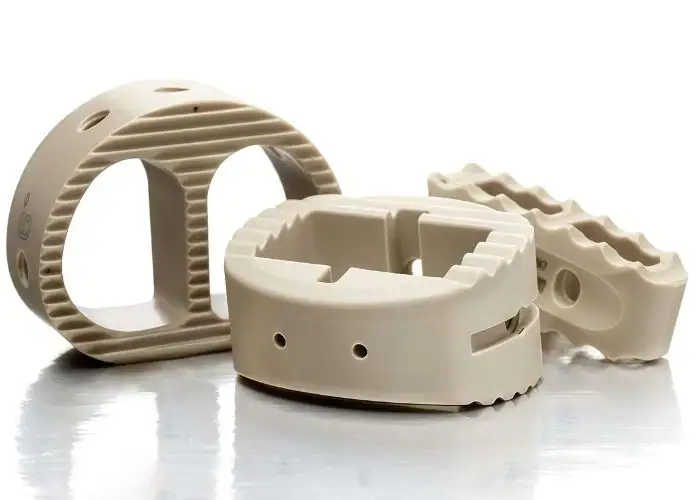
Medical and biocompatible PEEK grades are used when parts must meet specific healthcare, sterilization, or biocompatibility requirements. These grades may be selected for surgical tools, dental components, trauma-related parts, and medical device components.
PEEK is valued in medical applications because it can provide strength, chemical resistance, sterilization compatibility, and long-term stability. However, medical use depends on the exact grade, certification, and regulatory requirements.
For medical projects, engineers should not use general industrial PEEK without verification. Material certificates, ISO requirements, sterilization method, and final product testing must be confirmed before production.
Food-Contact and Detector-Grade PEEK
Food-contact and detector-grade PEEK materials are used in food processing, packaging, and inspection systems where safety, durability, and detectability may be required. These grades can support parts exposed to heat, cleaning cycles, and mechanical wear.
PEEK may be used for scrapers, guides, bushings, wear components, and custom parts in food-contact equipment. Detector-grade materials can help identify fragments in controlled production environments, depending on the grade and detection system.
These applications require proper material documentation. Engineers should confirm food-contact compliance, cleaning method, operating temperature, color, filler system, and production environment before selecting a specific PEEK grade.
Common PA66 Grades and Material Types
Common PA66 grades include standard PA66, glass-filled PA66, flame-retardant PA66, wear-resistant PA66, and recycled PA66. These grades allow designers to adjust strength, stiffness, flame behavior, wear resistance, cost, and sustainability depending on the application.
Standard PA66
Standard PA66 is used for general engineering parts requiring strength, toughness, and wear resistance. It is widely available and commonly processed by injection molding, extrusion, and CNC machining.
This grade is suitable for clips, housings, spacers, fasteners, gears, rollers, and other components used in moderate working environments. It provides good performance at a much lower cost than PEEK.
However, standard PA66 is more sensitive to moisture and heat than PEEK. For tight-tolerance or high-temperature parts, engineers should evaluate whether PA66 can maintain the required dimensions and mechanical performance over time.
Glass-Filled PA66
Glass-filled PA66 improves stiffness, strength, and dimensional stability compared with standard PA66. It is commonly used in automotive, electrical, and industrial components where higher rigidity and better load-bearing behavior are required.
This grade is useful for brackets, housings, structural parts, connectors, and components that must resist deformation. It can provide a strong cost-performance balance for many mass-production applications.
However, glass-filled PA66 may be more abrasive during machining and can be more brittle than unfilled PA66. Designers should consider wall thickness, impact requirements, tool wear, and surface finish when using this material.
Flame-Retardant PA66
Flame-retardant PA66 is used when electrical or safety requirements are important. It is commonly selected for connectors, switch components, housings, insulation parts, and other electrical applications where flame behavior must meet specific standards.
This grade helps PA66 meet stricter safety requirements while keeping useful mechanical strength and processability. It is often used in electronics, automotive electrical systems, industrial controls, and appliance components.
The exact flame rating depends on the formulation and certification. Engineers should confirm UL rating, color, reinforcement, mechanical properties, and processing method before selecting a flame-retardant PA66 grade.
Wear-Resistant PA66
Wear-resistant PA66 grades are designed for moving components such as gears, rollers, bushings, guides, and sliding parts. These grades may include lubricants, fillers, or formulation changes to improve friction and wear performance.
This material can be a cost-effective option for moderate-load motion systems. It works well when the part does not face extreme heat, aggressive chemicals, or very tight dimensional requirements.
Compared with PEEK, wear-resistant PA66 is less expensive but less stable in harsh environments. For high-performance wear applications, especially under heat or chemicals, PEEK or filled PEEK may be more reliable.
Recycled PA66
Recycled PA66 is used when cost control and sustainability are important. It can be suitable for non-critical parts where mechanical performance, color consistency, and certification requirements are less strict.
This grade may be used for general industrial components, molded products, and cost-sensitive applications. However, recycled PA66 can have more variation in properties than virgin PA66, depending on source and processing control.
For precision or safety-critical parts, recycled PA66 should be reviewed carefully. Engineers should confirm material data, batch consistency, mechanical requirements, and whether the part can tolerate variation.
PEEK vs PA66 CNC Machining
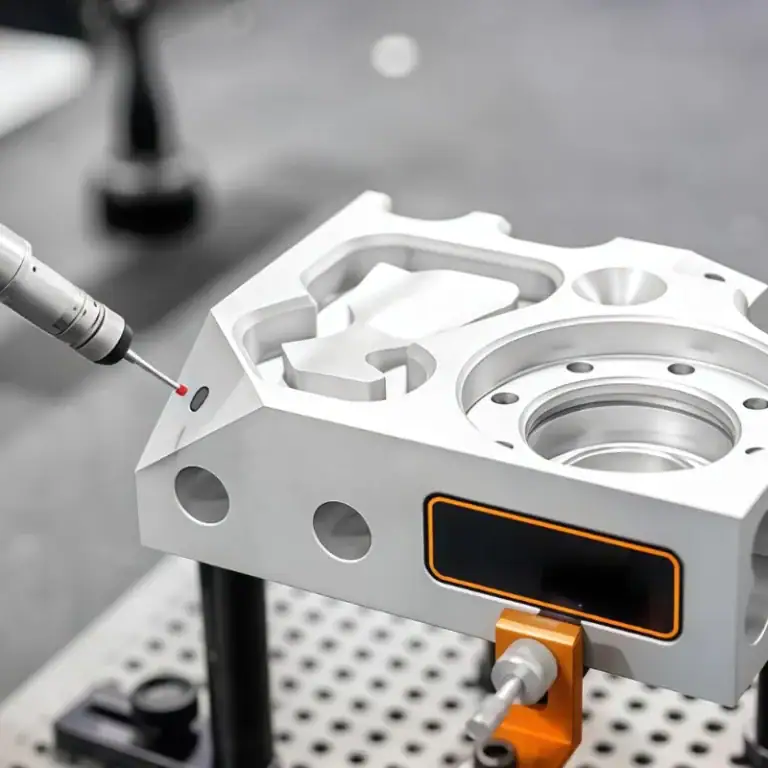
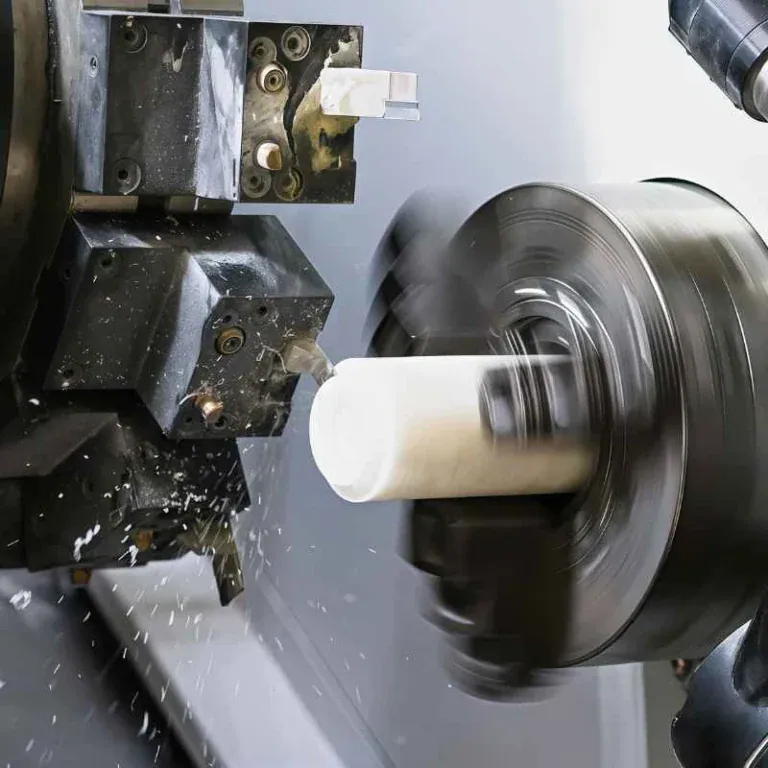
PEEK vs PA66 CNC machining is mainly a comparison between high-performance precision machining and cost-effective engineering plastic machining. PEEK is more stable under heat and load, while PA66 is easier to justify for general machined parts but needs more attention to moisture and dimensional change.
Machining PEEK Parts
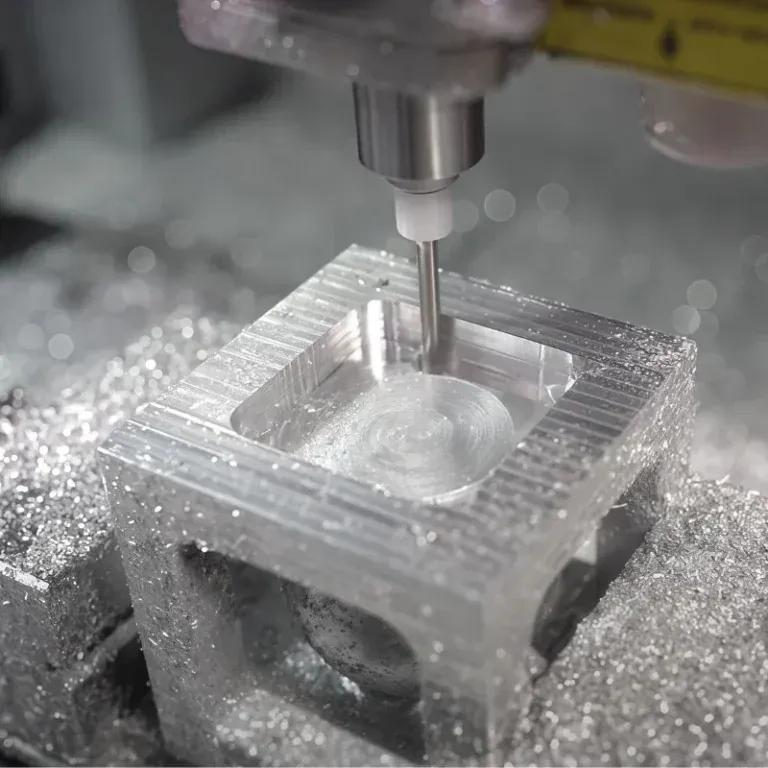
Machining PEEK parts requires sharp tools, stable workholding, controlled cutting heat, and careful finishing. PEEK is strong and dimensionally stable, but its high material cost means scrap risk must be reduced through proper process planning.
PEEK is CNC milling, turning, drilling, boring, threading, and finishing into precision components. It is working well for parts requiring tight features, high heat resistance, chemical stability, and long-term performance.
For complex PEEK parts, manufacturers should review wall thickness, deep pockets, small holes, surface finish, and inspection requirements before machining. Filled PEEK grades may require more attention because they can increase tool wear.
Machining PA66 Parts
Machining PA66 parts is practical for many custom mechanical components, but the material’s moisture absorption and flexibility must be considered. PA66 can be milled, turned, drilled, tapped, and cut into gears, spacers, bushings, guides, and fixture parts.
Compared with PEEK, PA66 is more affordable, but it may be less dimensionally stable after machining. Moisture conditioning, storage environment, and final use conditions can influence the finished part size.
Sharp tools and controlled cutting parameters help reduce burrs, heat buildup, and surface defects. For close-tolerance PA66 parts, engineers should confirm whether the tolerance is realistic for the material and working environment.
Tolerance and Surface Finish Considerations
PEEK usually holds tighter tolerances more reliably than PA66 because it has lower moisture absorption and better dimensional stability. This is important for precision assemblies, sealing surfaces, test fixtures, and machined parts with critical holes or flatness requirements.
PA66 can still achieve useful tolerances, but it may change dimensions after machining due to moisture absorption or temperature exposure. For parts with tight fits, designers should consider practical tolerance ranges and the environment where the part will be used.
Surface finish depends on tool condition, cutting parameters, material grade, and part geometry. PEEK can produce clean precision surfaces, while PA66 may need more control to reduce burrs, fuzzing, or dimensional movement.
Design Tips for Machined PEEK and PA66 Components
Good design for machined PEEK and PA66 parts should avoid unnecessary thin walls, deep narrow slots, sharp internal corners, and unrealistic tolerances. These features can increase machining difficulty, cost, and dimensional risk.
For PEEK, design should focus on reducing scrap risk and using material efficiently because the raw material is expensive. For PA66, design should consider moisture absorption, wall thickness, and tolerance stability in the final environment.
A clear RFQ should include 2D drawings, 3D files, material grade, color, tolerance, surface finish, quantity, and operating conditions. This allows the machining team to review risks and suggest the best process before production.
Applications of PEEK and PA66
PEEK and PA66 are both used in industrial applications, but they serve different performance levels. PEEK is used for high-performance, harsh-environment, and critical parts, while PA66 is used for cost-effective mechanical, electrical, and general engineering components.
Semiconductor and Electrical Applications
PEEK is often used in semiconductor and electrical applications because it provides heat resistance, chemical stability, dimensional stability, and reliable insulation behavior in suitable grades. It can be used for CMP rings, test sockets, fixtures, insulators, and precision equipment components.
PA66 is widely used in electrical applications such as connectors, housings, cable parts, clips, and insulation components. Flame-retardant and glass-filled PA66 grades are especially useful for electrical systems that need strength and safer material behavior.
Choose PEEK for demanding semiconductor and high-temperature electrical parts. Choose PA66 for general electrical components where cost, moldability, and practical strength are more important.
Automotive and Industrial Equipment
PEEK is used in automotive and industrial equipment when parts must handle high temperature, chemical exposure, friction, or long-term load. Examples include seals, bushings, valve components, pump parts, bearing components, and high-performance structural parts.
PA66 is very common in automotive and industrial equipment because it offers good strength, toughness, wear resistance, and lower cost. It is widely used for clips, gears, housings, fasteners, brackets, connectors, and under-hood components.
For extreme industrial environments, PEEK is more reliable. For standard mechanical and automotive applications, PA66 often provides the best balance of cost and performance.
Medical and Dental Applications
PEEK is used in medical and dental applications because selected grades can provide biocompatibility, sterilization resistance, strength, and long-term stability. It may be used for surgical tools, dental components, implant-related parts, and device housings depending on certification.
PA66 can be used in medical-related products such as handles, housings, connectors, and disposable or non-implant components when the grade meets application requirements. However, it is not usually selected for the same high-performance medical roles as PEEK.
For regulated medical parts, material grade and documentation are critical. Engineers should confirm biocompatibility, sterilization method, regulatory needs, and final application before choosing either material.
Gears, Bearings, and Wear Components
PEEK is a strong choice for gears, bearings, and wear components that must operate under heat, load, or chemical exposure. Filled PEEK grades can improve wear performance and reduce friction in demanding motion systems.
PA66 is widely used for gears, rollers, bushings, and sliding parts in moderate environments. It provides good toughness and wear resistance at a much lower cost than PEEK, making it suitable for many general mechanical designs.
Choose PEEK when performance risk is high. Choose PA66 when the application is less demanding and cost-effective wear performance is the main goal.
Robotics and Automation Parts
PEEK can be used in robotics and automation parts where high stiffness, lightweight performance, wear resistance, and precision are required. It is suitable for high-performance joints, guides, insulation parts, and custom machined components.
PA66 is also useful in automation systems for gears, clips, rollers, brackets, housings, and cable management parts. It supports lightweight design and cost-effective production for many repeated-motion components.
For high-precision or harsh-environment robotics parts, PEEK may be more reliable. For general automation equipment, PA66 often provides enough performance with better cost control.
Food-Contact and Detection Equipment
PEEK can be used in food-contact and detection equipment when suitable grades are selected. It is useful for high-temperature, wear-resistant, and chemically cleaned parts in food-processing and inspection systems.
PA66 can also be used in food-related equipment depending on grade and compliance, but moisture absorption and cleaning conditions must be reviewed. It may be suitable for rollers, guides, spacers, and mechanical components in moderate conditions.
For hot, chemically cleaned, or high-wear food equipment, PEEK may be the safer choice. For lower-cost mechanical parts with proper compliance, PA66 can be a practical option.
Advantages and Limitations of PEEK and PA66
PEEK and PA66 both offer useful engineering performance, but they are designed for different levels of demand. PEEK provides stronger heat resistance, chemical stability, wear resistance, and dimensional control, while PA66 is more cost-effective and suitable for many general mechanical parts.
PA66’s main advantage is its balance of mechanical strength, toughness, wear resistance, processability, and cost. It is widely used for gears, rollers, clips, housings, fasteners, connectors, brackets, and general industrial components. With glass-filled, flame-retardant, or wear-resistant grades, PA66 can meet many automotive, electrical, and mechanical application needs at a much lower cost than PEEK.
| Material | Main Advantages | Main Limitations | Best Used For |
| PEEK | High heat resistance, excellent chemical resistance, low moisture absorption, strong creep resistance, long-term dimensional stability | High material cost, more careful machining and grade selection required | High-temperature, chemical-resistant, precision, medical, semiconductor, aerospace, and harsh-environment parts |
| PA66 | Good strength, toughness, wear resistance, easy processing, lower cost, wide availability | Higher moisture absorption, lower heat resistance, weaker chemical stability, less suitable for tight tolerance in humid environments | Automotive, electrical, gears, clips, housings, rollers, fasteners, and cost-effective mechanical parts |
The main limitation of PEEK is cost, so it should not be chosen only because it is a premium plastic. If the part works in a normal temperature range with moderate load and limited chemical exposure, PA66 may provide enough performance. However, if the part must hold tight dimensions under heat, moisture, chemicals, or long-term stress, PEEK is usually the safer choice.
How to Choose Between PEEK and PA66?
Choose PEEK when the part must handle high temperature, aggressive chemicals, tight tolerances, low moisture absorption, creep resistance, or long-term reliability in harsh environments. It is the better choice for critical parts where failure cost is high.
Choose PA66 when the part needs good strength, wear resistance, toughness, and lower cost in a moderate operating environment. It is suitable for general mechanical parts, automotive components, electrical housings, clips, gears, and cost-sensitive production.
The decision should be based on real working conditions. If the part is exposed to heat, chemicals, moisture, or tight tolerance requirements, PEEK may be worth the cost. If the part is used in normal conditions, PA66 may provide the better value.
FAQs
Is Nylon 66 Better Than PEEK?
Nylon 66 is not generally better than PEEK for high-performance parts. PEEK offers higher heat resistance, with continuous use temperatures around 250–260°C, while Nylon 66 is usually used below about 100–120°C. PEEK also has better chemical resistance, lower moisture absorption, and stronger dimensional stability. However, Nylon 66 is much cheaper and easier to process, so it is suitable for low-cost parts, gears, bushings, and general mechanical components.
Is PEEK The Strongest Plastic?
PEEK is one of the strongest high-performance thermoplastics, but it is not always the strongest plastic in every category. Unfilled PEEK usually has tensile strength around 90–100 MPa, while glass-filled or carbon-filled PEEK can reach much higher strength and stiffness. Some materials, such as PAI or reinforced engineering plastics, may exceed PEEK in specific strength or wear conditions. PEEK is popular because it balances strength, heat resistance, wear resistance, and chemical stability.
Are PEEK And PTFE The Same?
PEEK and PTFE are not the same. PEEK is a high-strength engineering thermoplastic with tensile strength around 90–100 MPa and continuous use temperature up to about 260°C. PTFE has much lower strength, usually around 20–35 MPa, but offers extremely low friction and excellent chemical resistance. In CNC machining, PEEK is better for load-bearing parts, while PTFE is better for seals, liners, low-friction parts, and chemically resistant components.
What Is Another Name For PEEK Material?
Another name for PEEK is Polyether Ether Ketone. It belongs to the PAEK family, which includes high-performance polymers designed for heat, strength, and chemical resistance. In engineering drawings or material specifications, PEEK may appear as “PEEK,” “Polyetheretherketone,” or sometimes with grade details such as natural PEEK, black PEEK, glass-filled PEEK, or carbon-filled PEEK. For CNC machining, the exact grade should always be confirmed before quotation or production.
Is PEEK Similar To Teflon?
PEEK and Teflon are both high-performance plastics, but they serve different purposes. Teflon is the trade name for PTFE, known for very low friction, with a coefficient of friction around 0.05–0.10. PEEK has higher strength, better stiffness, and stronger load-bearing ability. PEEK is preferred for gears, bearings, fixtures, and structural parts, while Teflon is better for non-stick, sealing, sliding, and chemical-resistant applications.
Conclusion
PEEK and PA66 are both valuable engineering plastics, but they are designed for different performance levels. PEEK offers superior heat resistance, chemical resistance, creep resistance, and dimensional stability, while PA66 provides good strength, wear resistance, toughness, and lower cost for general engineering parts.
At TiRapid, we provide precision CNC machining services for PEEK, PA66, and other engineering plastics. Send us your 2D drawings, 3D files, material requirements, quantities, and operating conditions, and our team can help review the best machining solution for your project.