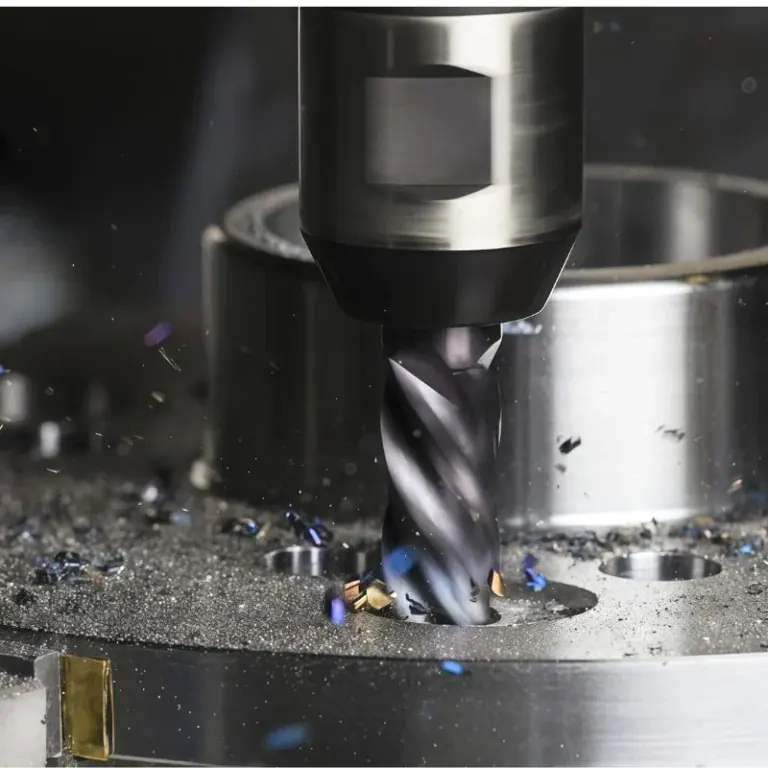
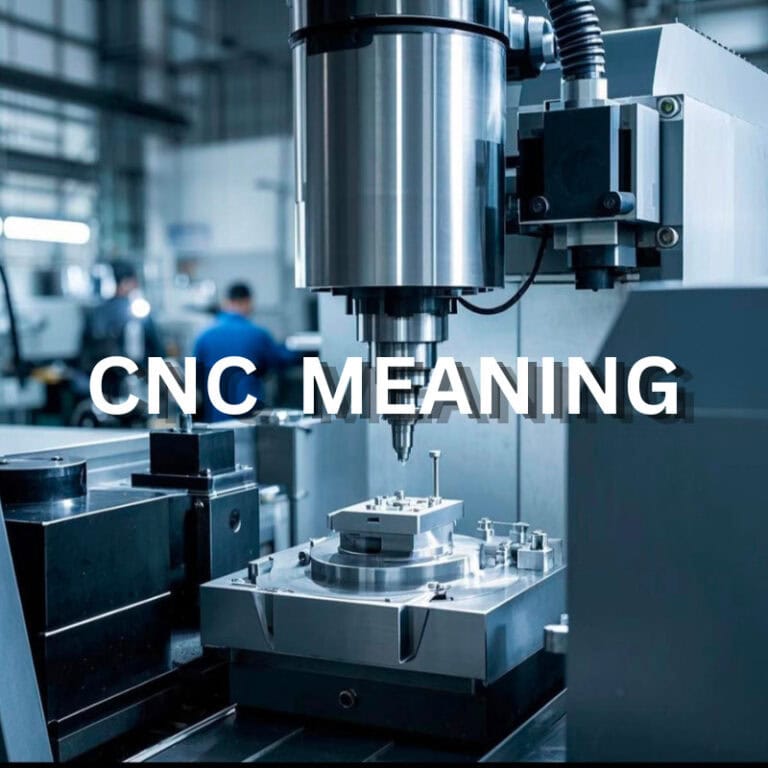
Automation equipment has been widely applied in automotive manufacturing, electronic assembly, medical devices, and logistics warehousing. Its operational stability heavily depends on the machining quality of core components. Under the multiple requirements of complex structural design, high-precision assembly, and fast delivery, traditional machining methods are gradually unable to meet modern manufacturing needs. CNC precision machining, with its high dimensional accuracy, consistent repeatability, and broad material compatibility, has become a key technical approach in automation equipment manufacturing. For equipment manufacturers, choosing an experienced CNC machining partner helps improve product reliability, accelerate R&D progress, and optimize overall manufacturing costs, thereby enhancing project delivery capability.
Why Does Automation Equipment Require CNC Precision Machining?
Automation equipment has strict requirements for part accuracy and stability, so the choice of machining process directly affects overall machine performance.
Meeting High-Precision Assembly Requirements
Automation equipment is typically composed of a large number of precision parts, requiring extremely high dimensional consistency.
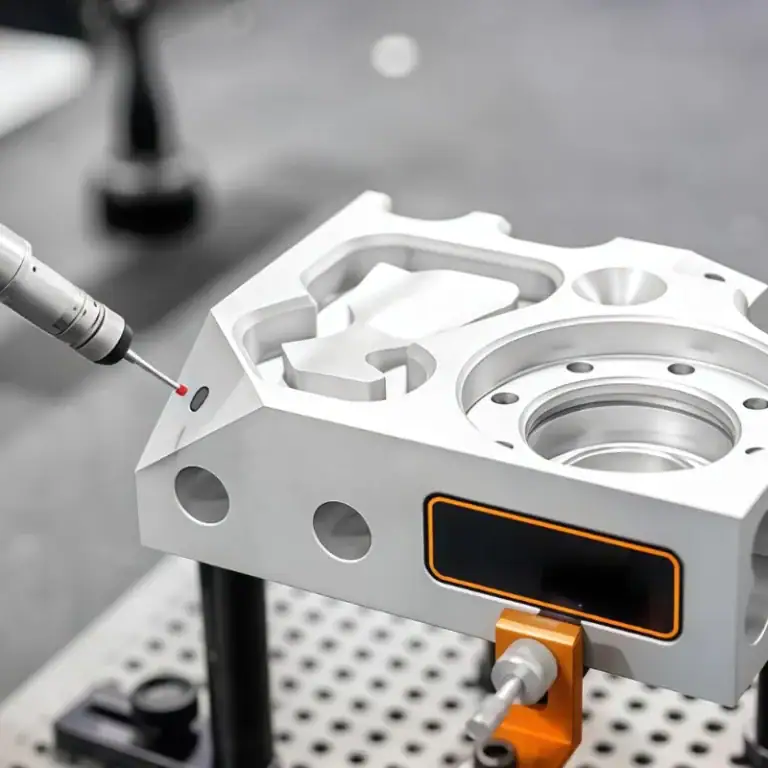
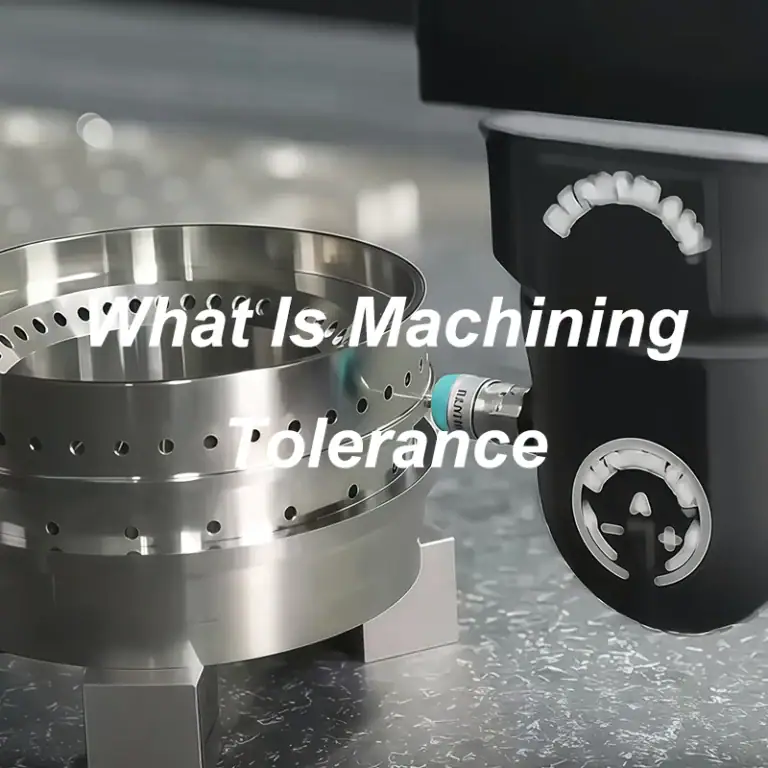
- CNC machining enables micron-level precision control, improving assembly fit and reducing debugging processes.
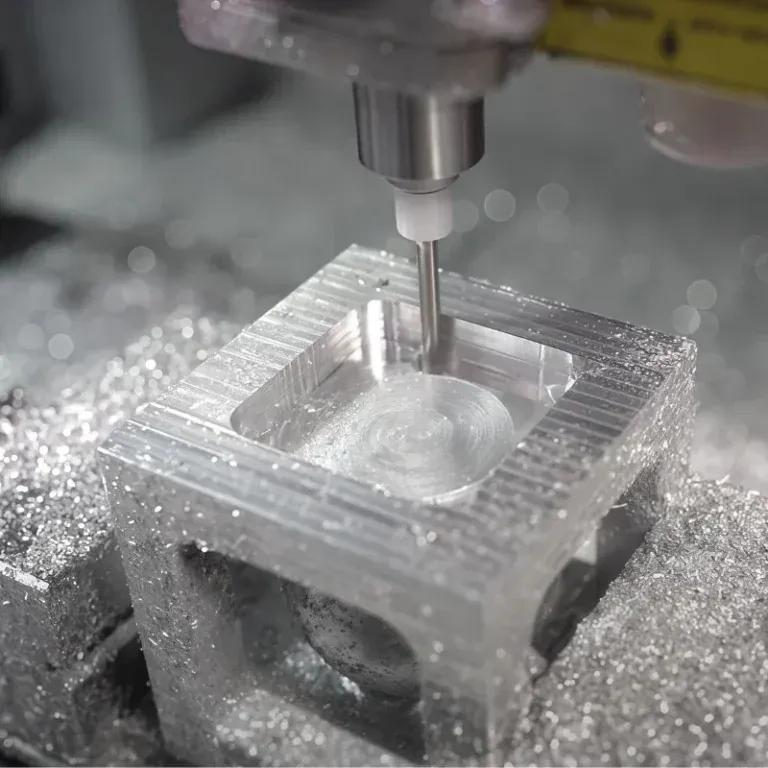
- Multi-axis machining can produce complex surfaces and irregular structures, meeting high-end equipment design requirements.
High-precision manufacturing not only ensures stable equipment operation but also helps reduce long-term maintenance costs.
Compatibility with Diverse Material Processing
Different components require different material properties, and machining capability directly affects final product performance.
- Supports aluminum alloy, stainless steel, titanium alloy, copper, and engineering plastics.
- Optimizes machining processes based on functional requirements to improve strength, wear resistance, and corrosion resistance.
- Combined with surface treatment processes, achieves both performance and appearance optimization.
Multi-material capability enables broader application scenarios in automation equipment.
| Automation Equipment Requirements | CNC Machining Solutions |
| High dimensional accuracy | Multi-axis precision machining |
| Complex geometric structures | 5-axis CNC machining |
| Multi-material compatibility | Metal & engineering plastic machining |
| Small-batch validation | Rapid prototyping |
| Mass production stability | Standardized manufacturing process |
Core Value of CNC Precision Machining in Automation Equipment
CNC machining is not only a manufacturing method but also a key support for improving equipment performance and R&D efficiency.
Enhancing Complex Structure Realization Capability
Automation equipment has complex structures, requiring higher machining capabilities.
- Enables high-precision machining of deep cavities, thin walls, and complex curved surfaces.
- Increases design freedom, making innovative structures easier to implement.
- Reduces deviation between design and manufacturing, improving first-pass yield.
Improved machining capability directly expands product design possibilities.
Improving Overall Machine Stability
Part quality directly affects equipment operating performance. High-consistency components reduce vibration and errors during operation. Precision-fit structures improve transmission efficiency and extend service life, while also reducing downtime and maintenance caused by dimensional deviations, thereby enhancing overall equipment reliability.
Accelerating R&D and Product Iteration
The automation industry evolves rapidly, requiring continuous improvement in R&D efficiency.
- Rapid prototyping supports design validation and functional testing.
- Small-batch production enables structural optimization and process adjustment.
- Flexible machining solutions shorten product development cycles.
CNC machining makes the R&D process more efficient and controllable.

How CNC Machining Improves Project Efficiency in Automation Equipment?
In project execution, machining efficiency directly affects overall delivery speed.
Accelerating Product Development
Equipment development typically goes through multiple stages such as design, validation, and optimization, requiring fast response capability.
- Rapid prototyping helps engineers validate design feasibility in time.
- CAD modifications can be quickly re-machined without mold development.
High responsiveness helps shorten time-to-market.
Ensuring Consistency in Mass Production
Once entering mass production, stability becomes a key metric.
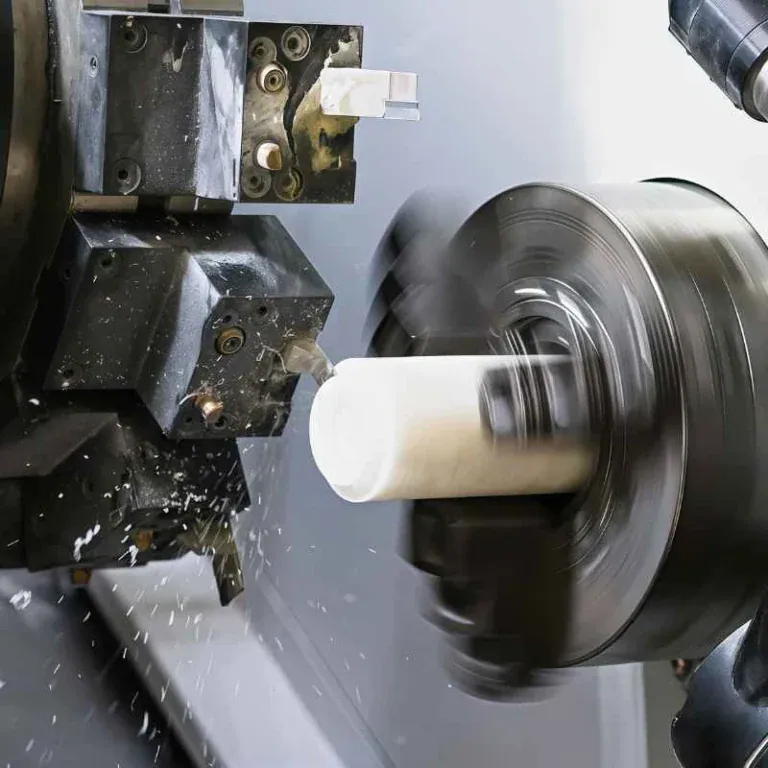
- CNC program control reduces human error.
- In-process inspection ensures key dimensions meet design standards.
- Standardized processes improve overall consistency.
Stable production capability significantly reduces rework rates.
Optimizing Overall Manufacturing Cost
Manufacturing cost is not only determined by unit price but also by overall input.
- No mold investment required, suitable for R&D and small-to-medium batch production.
- High material utilization reduces waste.
- Precision machining reduces assembly and rework costs.
Proper process planning improves overall cost efficiency.
How to Choose a CNC Machining Partner for Automation Equipment?
Selecting the right machining partner is a key factor in project success.
Strong Capability in Complex Part Machining
Automation equipment structures vary significantly, making machining capability critical.
- Equipped with 3-axis, 4-axis, and 5-axis machining centers.
- Capable of producing complex surfaces, deep cavities, and high-precision structures.
Comprehensive equipment capability supports broader industry applications.
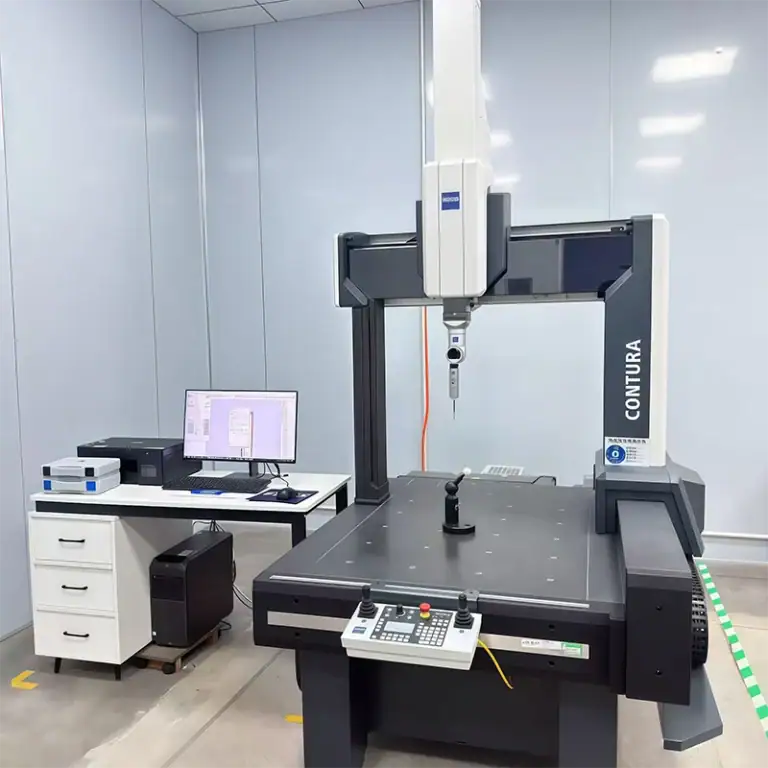
Complete Quality Control System
Stable quality is essential for long-term equipment operation. By establishing strict dimensional inspection processes, providing material certificates and inspection reports, and enabling full-process traceability, each batch of products can be ensured consistent. A mature quality management system enhances customer confidence in project delivery.
One-Stop Manufacturing Services
Customers prefer to reduce supply chain communication costs.
- Provides DFM analysis to improve manufacturability.
- Supports surface finishing, assembly, and packaging services.
- Covers needs from prototyping to mass production.
One-stop service helps save time and improve project management efficiency.
Automation equipment is continuously evolving toward higher precision, intelligence, and customization, placing greater demands on component manufacturing. CNC precision machining, with its stable processing capability, flexible production methods, and broad material compatibility, provides reliable support for automation equipment. It also helps companies shorten R&D cycles, improve product quality, and optimize manufacturing costs. TiRapid provides professional CNC precision machining solutions, supporting the full-process manufacturing needs of automation equipment from rapid prototyping to mass production.