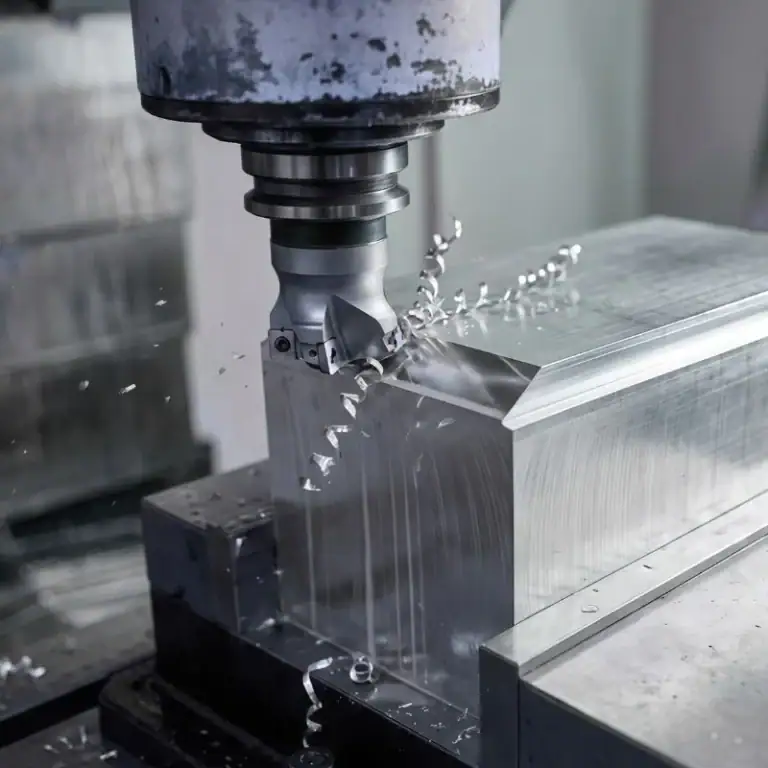
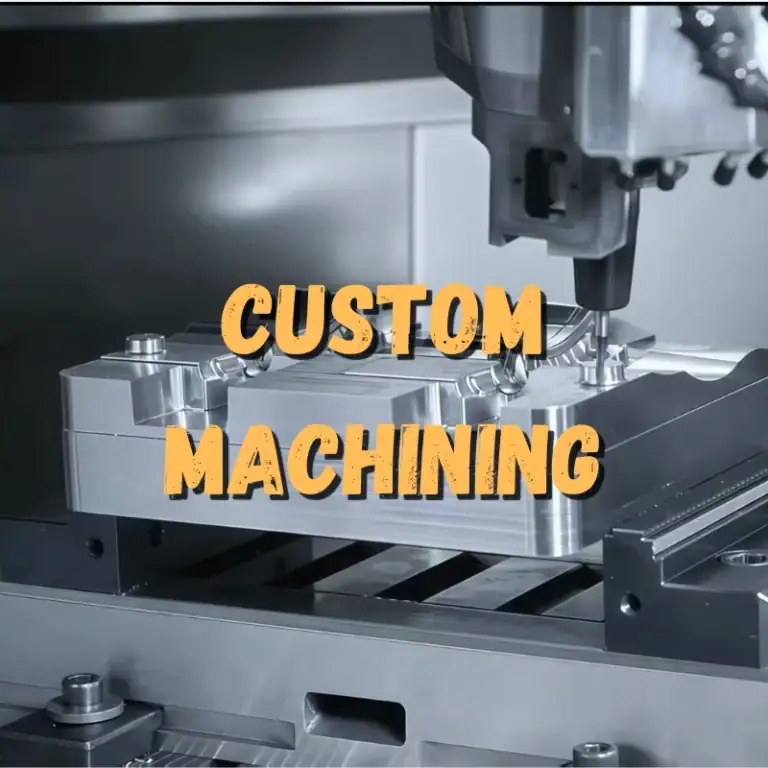
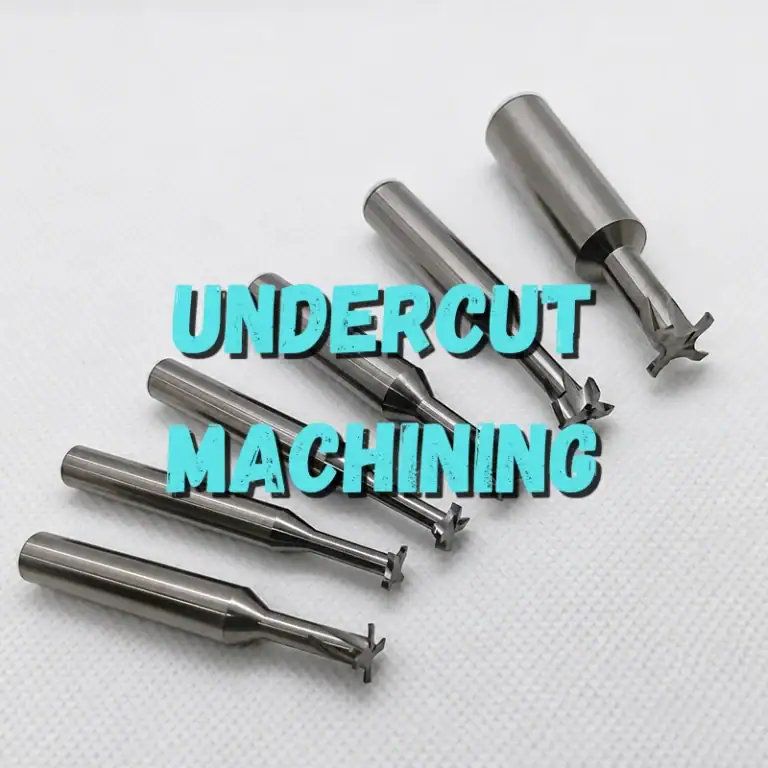
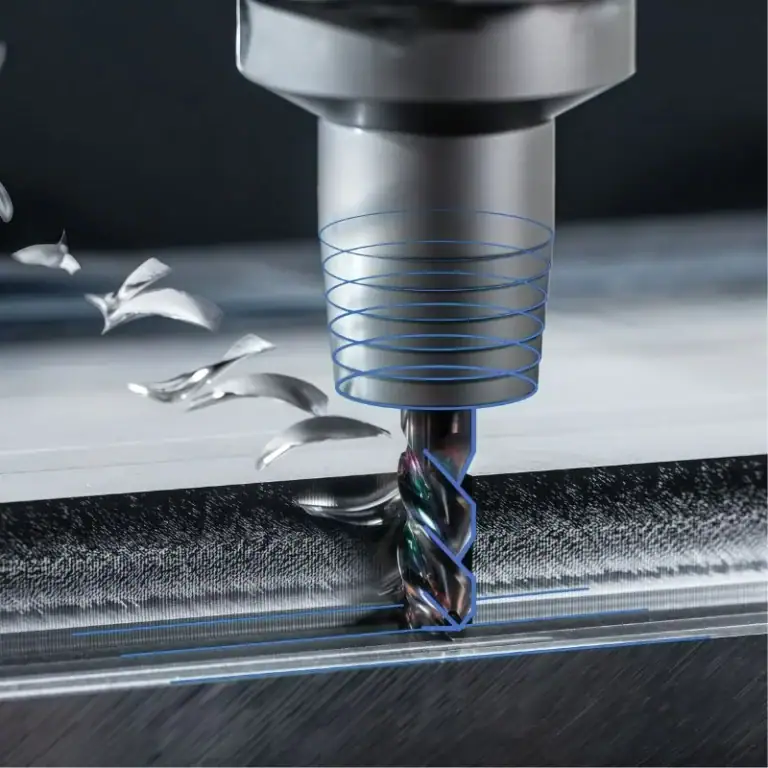
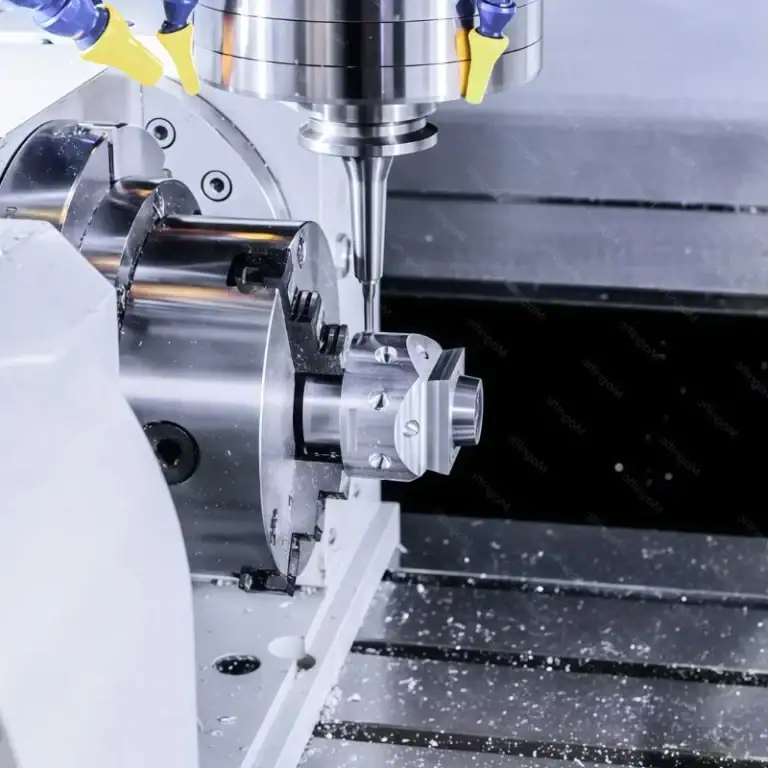
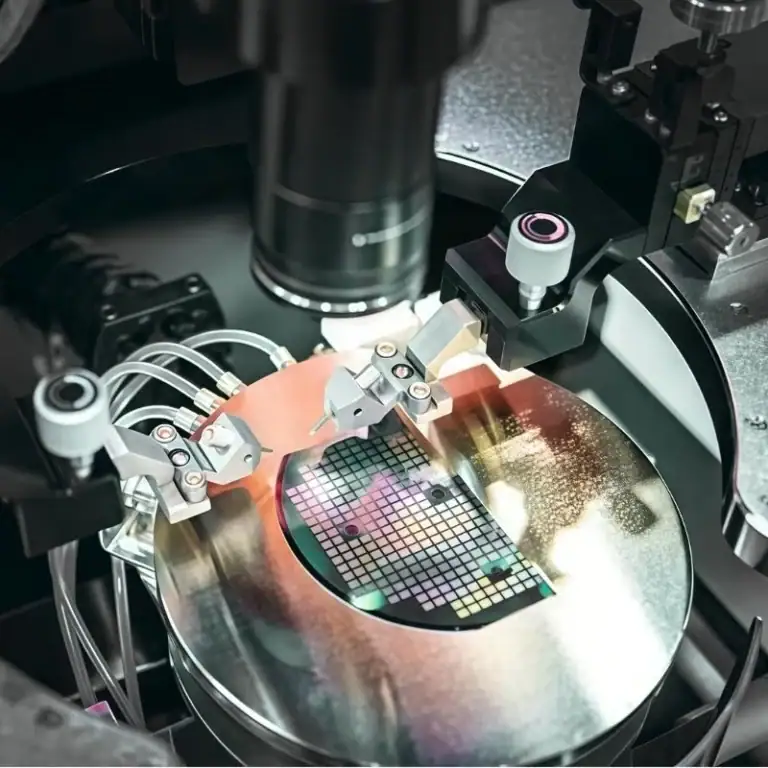
In the modern manufacturing industry’s continuous pursuit of higher efficiency and precision, product consistency has become a crucial standard for measuring production quality. For industries such as aerospace, medical devices, automotive parts, and electronic equipment, the stability of part dimensions, structure, and surface quality directly impacts product performance and subsequent assembly results. CNC milling technology, with its automated control and high-precision machining capabilities, offers significant advantages in improving product consistency. Compared to traditional manual machining methods, CNC milling effectively reduces human error, ensuring greater uniformity in dimensions and machining results for parts within the same batch.
Programmed Machining Improves Dimensional Uniformity
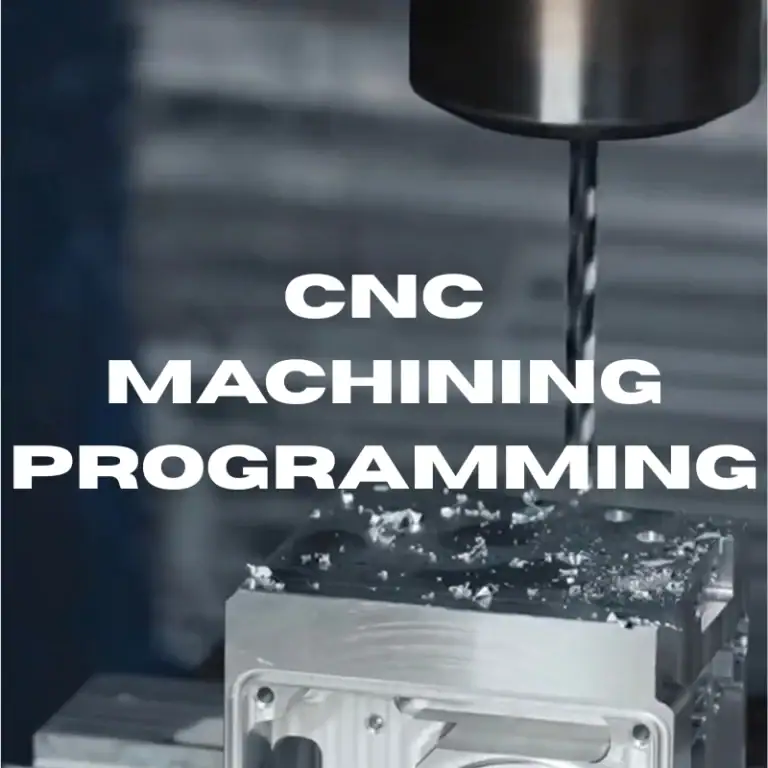
A stable CNC program is the core foundation for ensuring product consistency.
- CNC systems control toolpaths through preset programs, reducing human error.
- The same program can be repeatedly called, ensuring consistent dimensions for batch parts.
- Automated path control reduces machining deviations in complex structures.
- More stable machining trajectories contribute to improved overall machining accuracy.
Programmed machining effectively controls dimensional fluctuations in mass production.
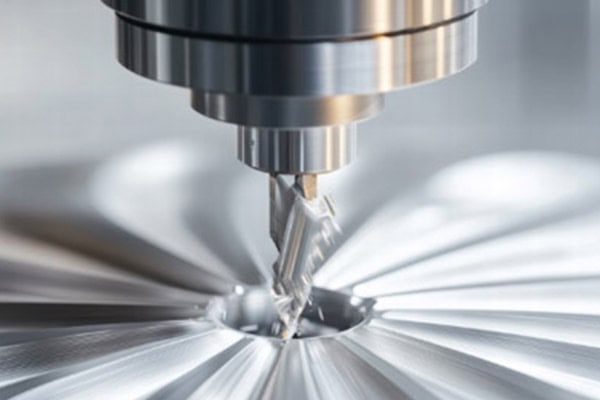
High-Precision Equipment Improves Machining Stability
Equipment performance directly affects the consistency and stability of product machining results.
- High-rigidity machine tool structure reduces vibration:Higher overall machine tool rigidity reduces displacement and vibration during high-speed cutting, thus reducing machining errors and dimensional fluctuations.
- High-precision guideways improve motion stability:Guideway systems ensure smoother tool movement, reduce path deviations, and improve consistency in machining complex contours.
- Stable spindle system ensures cutting accuracy:Spindle speed stability directly affects cutting results; high-performance spindles reduce runout and cutting deviation.
- Servo control system improves positioning accuracy:High-response servo systems achieve more precise position control, reducing repetitive machining errors.
- Automatic compensation function reduces long-term errors:Modern CNC equipment automatically corrects thermal deformation and mechanical deviations, improving long-term machining stability.
- Multi-axis linkage improves consistency in complex parts:During the machining of complex structures, multi-axis synchronous control reduces the accumulation of errors caused by manual repositioning.
High-performance equipment not only improves the quality of individual parts but also maintains stable output in long-term mass production.
Tool management optimizes machining results
Tool status directly affects the stability of machining quality.
- High-quality cutting tools maintain stable cutting results.
- Regular tool replacement reduces dimensional error fluctuations.
- Proper tool coatings reduce wear rates.
- Tool life management helps maintain long-term machining consistency.
Scientific tool management is a crucial aspect of improving mass production quality.
Optimizing cutting parameters reduces errors.
Proper parameter configuration significantly improves machining stability and product consistency.
(1) Stable feed rate reduces surface fluctuations.
Excessive feed rate can cause vibration, while insufficient feed rate may increase friction and heat accumulation. Proper control improves surface quality stability.
(2) Optimizing spindle speed reduces cutting impact.
Different materials require different spindle speeds. Appropriate speeds reduce tool wear and stabilize machining.
(3) Controlling depth of cut reduces workpiece deformation.
Excessive cutting load can cause part deformation. Layered machining effectively reduces machining pressure.
(4) Reducing sudden stops and turns improves path smoothness.
Smooth tool movement reduces impact and improves machining stability for complex structures.
(5) Parameter standardization improves batch consistency.
Uniform cutting parameters reduce machining differences between batches.
(6) Dynamically adjusting parameters based on material properties.
Different materials have different hardness and thermal conductivity. Targeted parameter settings help improve machining accuracy.
Scientific cutting parameter control effectively reduces error accumulation and improves overall machining efficiency.
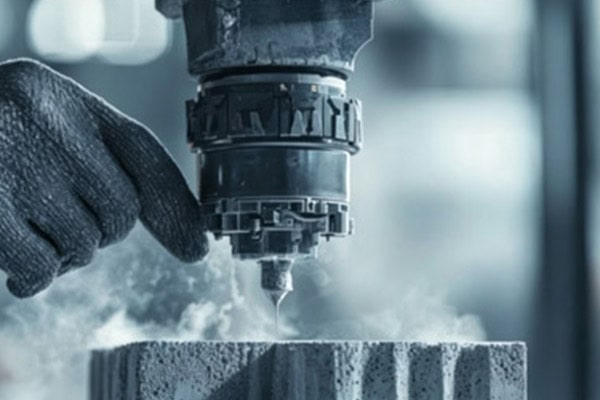
Automated inspection enhances quality control capabilities
An inspection system is a key guarantee for ensuring product consistency.
- Online inspection enables timely detection of dimensional deviations.
- Automated measurement systems improve inspection efficiency and accuracy.
- Data recording facilitates analysis of processing stability.
- Batch quality tracking enhances overall production reliability.
A robust inspection system helps maintain stable processing quality over the long term.
Cooling and temperature control stabilize the processing environment
Temperature stability directly affects dimensional accuracy and surface quality.
- High-efficiency cooling systems reduce cutting temperatures:A large amount of heat is generated during cutting; coolant quickly removes this heat, reducing the impact of localized high temperatures.
- Reducing thermal expansion improves dimensional stability:Workpieces and tools are prone to expansion at high temperatures; stable temperature reduces dimensional deviations.
- Extending tool life:Proper cooling reduces tool wear rate, maintaining continuous and stable cutting capability.
- Improved chip removal enhances processing continuity:Coolant helps chips escape quickly, reducing accumulation and secondary cutting problems.
- Avoiding surface burns and deformation:Excessive temperature affects workpiece surface quality; stable cooling improves the appearance of the finished product.
- Constant temperature processing environment improves long-term stability:In high-precision machining, workshop temperature control is equally important, reducing error variations caused by environmental temperature differences.
Stable temperature control not only improves machining accuracy but also enhances overall consistency in batch production.
Standardized processes enhance mass production capabilities.
Standardized processes are crucial for achieving stable, large-scale production.
- Unified process standards help reduce human error.
- Fixed machining processes improve the stability of mass manufacturing.
- Automatic tool changing and positioning improve repeatability.
- Standardized management reduces production process fluctuations.
A standardized production system continuously improves overall manufacturing quality.
Conclusion
CNC milling demonstrates significant advantages in improving product consistency. Through programmed control, high-precision equipment, and automated management, batch parts can maintain more stable dimensional and quality performance. Improving product consistency depends not only on the equipment itself but also on comprehensive control through tool management, process optimization, and inspection systems. Only when multiple links operate stably and collaboratively can high-standard mass manufacturing be truly achieved. CNC milling technology not only improves production efficiency but also enhances the machining stability of complex parts, making the manufacturing process more controllable. In the future, with the continuous development of automation and intelligent manufacturing technologies, the role of CNC milling in high-consistency production will be further strengthened, providing more stable and reliable machining support for the precision manufacturing industry.