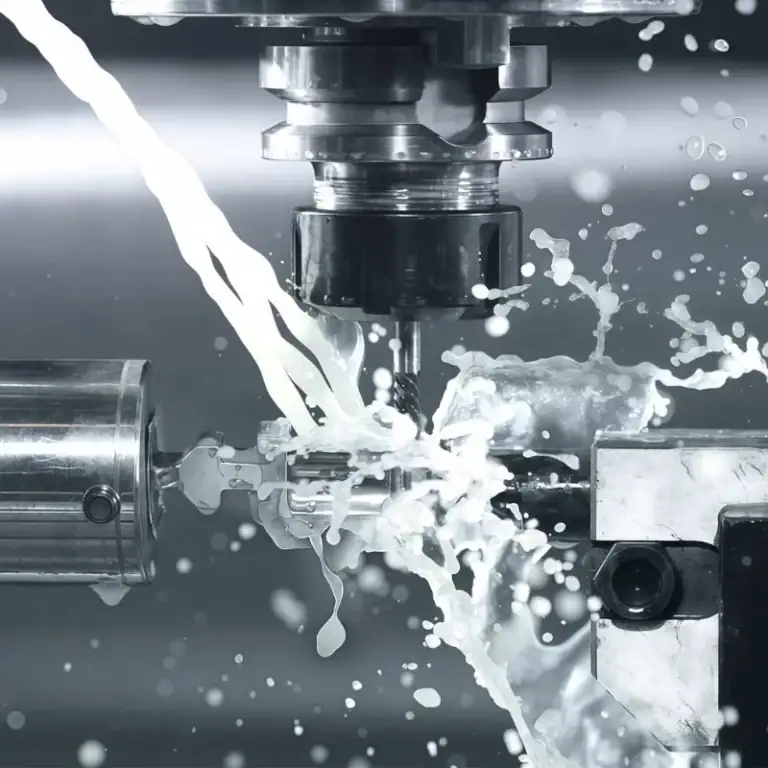
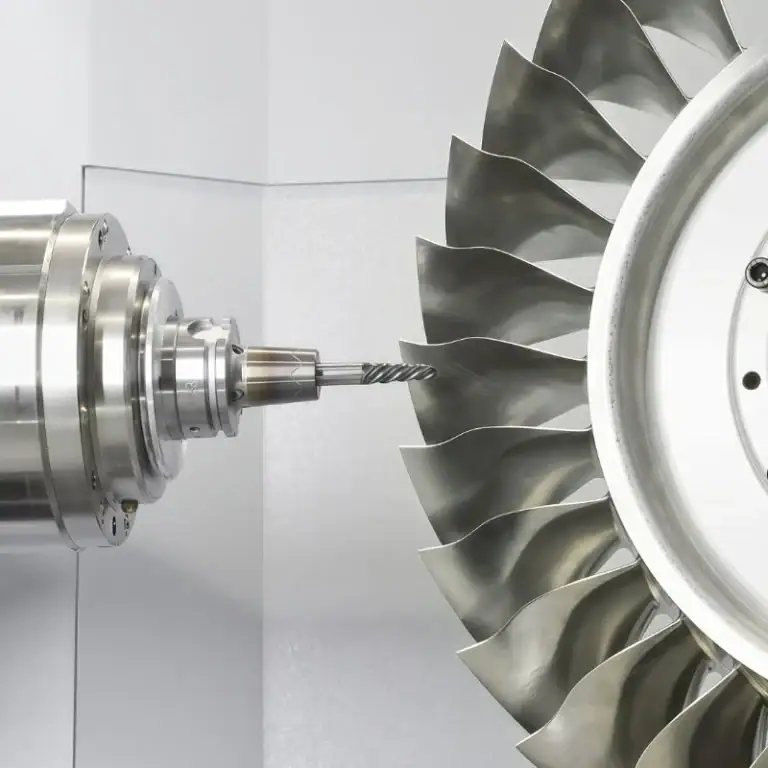
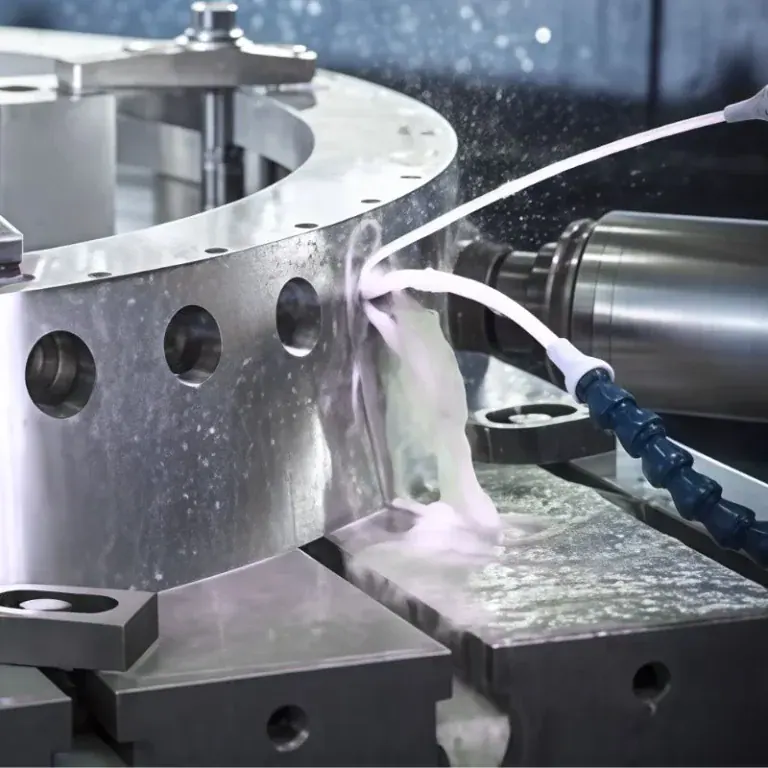
Semiconductor equipment contains many small metal components that play an important role in gas delivery, vacuum conditions, and overall equipment performance. High-purity stainless steel parts require particular attention because their surfaces must remain free from contamination, internal passages must be free of burrs, and critical dimensions must meet strict tolerances. The real machining challenges are often hidden inside the component rather than visible on its exterior. Complex cavities, microchannels, and thin-wall structures can be difficult to produce efficiently while maintaining precision. A well-planned CNC machining process helps achieve more consistent dimensions, geometries, and surface conditions.
What Are the Main Machining Challenges of High-Purity Stainless Steel Parts for Semiconductor Equipment?
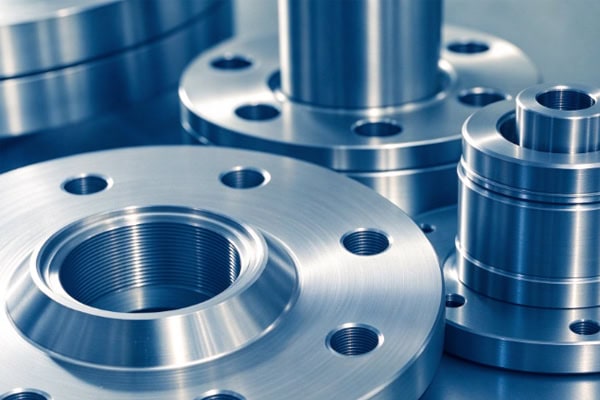
High-purity stainless steel components are commonly used in semiconductor gas delivery systems, vacuum chambers, fluid control devices, and equipment connection structures. Although these parts may be relatively small, they can contain multiple passages, intersecting holes, and precision sealing surfaces. Focusing only on external dimensions during machining can lead to overlooked internal features and cleanliness issues. Equipment manufacturers need to make sure that finished components meet installation requirements, support proper media flow, and remain reliable during long-term operation.
How Can Hole Position Errors Be Avoided When Machining Complex Stainless Steel Flow Channels?
Gas delivery components often contain straight holes, angled holes, cross-drilled passages, and internal channels with different diameters. Even a slight hole position deviation can affect channel connections and may cause partial blockages or abnormal flow. CNC machining uses programmed tool paths to control hole positions and depths, but deep-hole operations still require careful management of chip removal, tool wear, and cutting fluid.
The following factors require particular attention when machining complex flow channels:
- Hole position and diameter: Ensure that different passages connect accurately without misalignment.
- Deep-hole chip removal: Remove chips efficiently to prevent blockages and scratches on internal walls.
- Cross-hole intersections: Inspect intersecting areas carefully to prevent residual burrs from interfering with media flow.
For components with complicated internal structures, drilling sequences and machining references should be planned in advance. Some parts may also require borescope inspections or dedicated cleanliness checks. External dimensional measurements alone cannot confirm the quality of internal passages.
Why Must Particles and Metal Residues Be Controlled on Semiconductor Stainless Steel Components?
For high-cleanliness components, the main concern is not simply whether the surface looks polished. It is whether machining leaves behind contaminants that are difficult to detect. Cutting fluids, oil, fine metal particles, and chips trapped inside passages can all complicate subsequent cleaning. This is particularly important for gas-contact components and vacuum system parts, where internal residues may affect the cleanliness of the equipment environment. Machining areas, cutting tools, and workpiece contact surfaces should be kept clean. After machining, components should undergo the required cleaning, drying, and protective packaging processes.
How Can Machining Deformation Be Reduced in Thin-Walled Stainless Steel Components?
Some semiconductor equipment parts are designed to be lightweight and feature thin walls, narrow slots, or irregular cavities. Stainless steel generates heat during cutting, while clamping pressure and cutting forces can deform thin sections. Simply increasing clamping force is not a reliable solution. A better approach is to plan support positions carefully, remove material in stages, and inspect dimensional changes after critical operations. This helps prevent shape deviations that may remain even after finishing.
How Can CNC Machining Achieve Precision Manufacturing of High-Cleanliness Stainless Steel Parts?
The quality of complex components depends heavily on how machining operations are planned. Semiconductor equipment parts may contain mounting holes, sealing grooves, internal passages, and precision mating surfaces. Excessive re-clamping can introduce positional errors between these features. CNC machining allows different operations to be organized into a coordinated process plan, reducing unnecessary repositioning. For high-precision components, machining, deburring, and surface treatment should also be managed as connected stages of production.
How Can Positional Accuracy Be Maintained When Machining Stainless Steel Parts with Multiple Holes?
Components with multiple mounting and connection holes are common in gas control modules and equipment support structures. A consistent machining datum is essential to prevent positional deviations caused by repeated re-clamping. For parts with dense hole patterns, CNC programs can control hole spacing, depth, and machining sequence, while critical positions can receive additional dimensional inspection. This helps reduce hole alignment errors and makes it easier to connect pipes and other components during assembly.
How Can Burrs Be Reduced When Machining Micro-Holes and Narrow Slots?
Micro-holes, narrow slots, and cross-drilled passages are among the more challenging features in precision stainless steel machining. Small cutting tools have limited chip evacuation space, and unsuitable machining conditions can lead to burrs, raised hole edges, or localized surface damage. Tool selection and cutting parameters should be adjusted to suit each feature:
- Micro-hole machining: Control tool runout and feed rate to minimize diameter deviations.
- Narrow-slot machining: Select suitable tool diameters and cutting depths to reduce visible vibration marks on slot walls.
- Cross-hole deburring: Pay special attention to internal intersections to prevent small metal residues from remaining.
- Post-machining inspection: Carry out appropriate internal checks on critical passages to identify hidden defects.
Deburring should not be limited to the outer edges of a component. Residues inside flow channels may remain at bends or intersections, so the treatment method should match the internal geometry. Cleaning and drying after machining can further reduce the risk of chips entering subsequent assembly operations.
How Should Surface Treatments Be Selected for High-Purity Stainless Steel Parts?
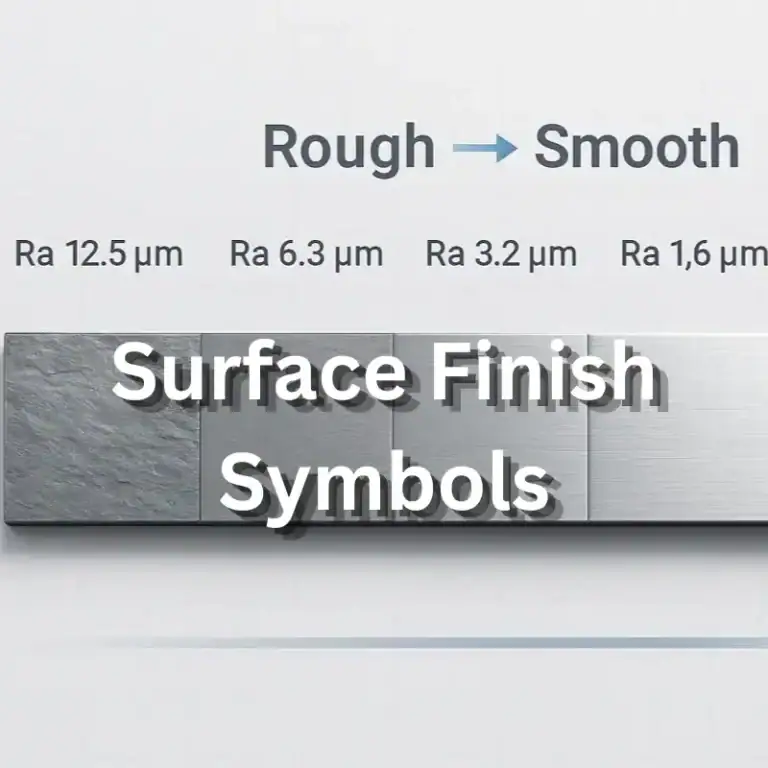
Surface treatment for semiconductor components is not simply about achieving a brighter finish. The process must match the component’s actual operating requirements. Mechanical polishing is suitable for certain structures that need improved surface roughness. Electropolishing can improve the microscopic surface condition and reduce raised areas, while passivation is mainly used to improve stainless steel corrosion resistance. Different treatments may affect surface characteristics and dimensions. For critical features such as sealing grooves and mating holes, the treatment areas and allowable dimensional changes should be specified in advance.
How Can Custom Semiconductor Stainless Steel Parts Balance Lead Time and Batch Consistency?
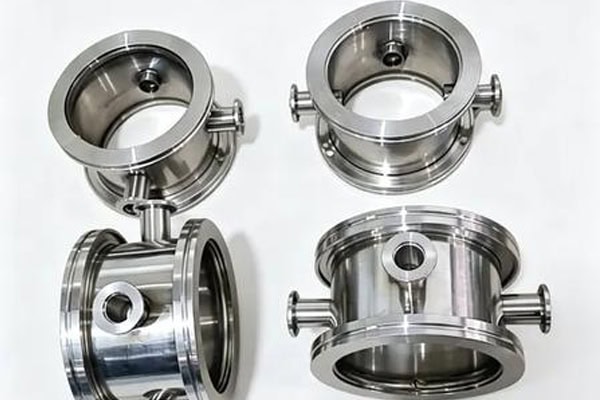
Semiconductor equipment components often involve extensive customization and frequent design changes. Even parts within the same product category may have different hole positions, mounting dimensions, or internal passages depending on the equipment model. For machining manufacturers, the challenge is not just producing one acceptable component but maintaining consistency across repeat orders. When requesting a quotation, equipment manufacturers should also consider production lead time, inspection requirements, and delivery conditions to avoid receiving parts that cannot be assembled directly.
How Can Dimensional Variations Be Reduced in Batch Production of Precision Stainless Steel Parts?
Individual adjustments may be manageable during small-batch production, but repeated orders introduce other variables. Tool wear, changes in workholding, and machining temperatures can all affect dimensional consistency. Batch production should use consistent machining references and process parameters, with in-process inspections for critical dimensions. Tool usage should also be recorded and monitored. For components with tight tolerances, first-article inspection before full production can help reduce the risk of deviations across an entire batch.
What Quality Inspections Are Required for Semiconductor Stainless Steel Parts?
Different component geometries require different inspection methods. External mounting dimensions can be checked using conventional measuring equipment, while complex internal passages may need inspection methods suited to their geometry. Common quality control items include:
| Inspection Item | Main Inspection Details | Potential Issues |
| Dimensional inspection | Hole diameter, hole spacing, slot width, and overall dimensions | Out-of-tolerance dimensions and positional deviations |
| Surface inspection | Roughness, scratches, and machining defects | Surface damage and uneven areas |
| Internal feature inspection | Passages, cross-holes, and deep-hole areas | Burrs, blockages, and residual chips |
| Cleanliness inspection | Oil, particles, and machining residues | Risk of secondary contamination |
For components with specific cleanliness requirements, cleaning methods, packaging materials, and delivery conditions should also be clearly defined. Clear inspection standards make it easier to maintain consistency during both production and final acceptance.
What Information Is Needed for a Custom CNC Machining Quotation?
Complete quotation information directly affects process planning and pricing accuracy. It is recommended to provide 2D engineering drawings or 3D models, along with the stainless steel grade, passage dimensions, critical tolerances, and surface roughness requirements. If the components require electropolishing, passivation, precision cleaning, or special packaging, these requirements should also be listed in advance. For complex parts, clearly marking internal passages and critical inspection locations can help prevent repeated revisions caused by unclear technical specifications.
Manufacturing high-purity stainless steel parts requires careful control of every detail. From complex flow channels and micro-holes to thin-wall structures and clean surfaces, each production stage can affect semiconductor equipment assembly and performance. Choosing the right CNC machining process helps improve consistency in complex components, reduce rework, and maintain reliable delivery quality. TIRAPID provides custom CNC machining services based on semiconductor equipment drawings and technical specifications. Contact us to discuss your machining requirements and request a quotation.