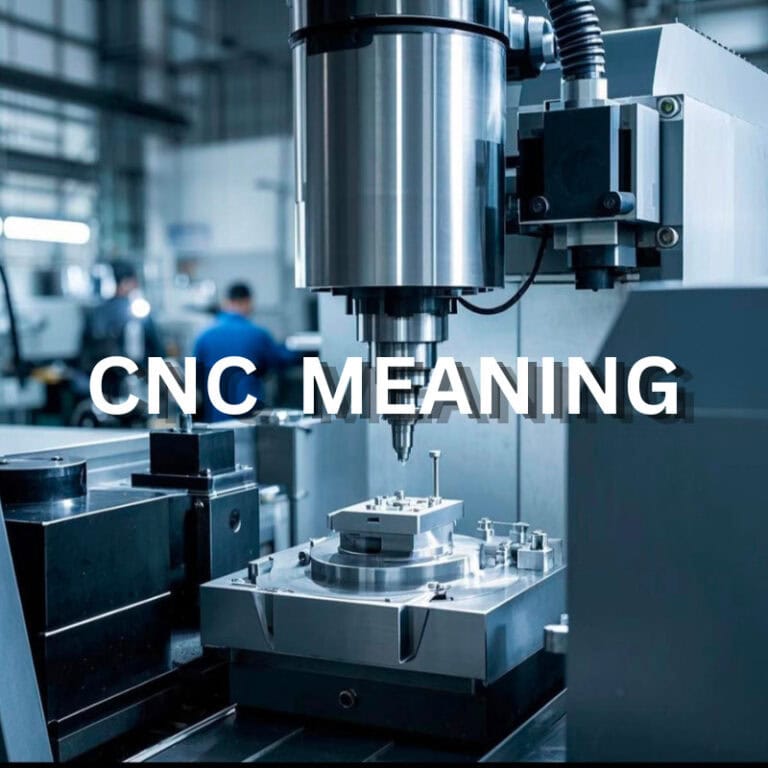
Engine components have high requirements for dimensional accuracy, assembly relationships, material properties, and machining stability. During the R&D, testing, and product iteration stages of automotive engines, motorcycle engines, construction machinery engines, and other power equipment, products usually do not enter mass production directly. Instead, a small number of prototypes, small-batch parts, or trial-production components are manufactured first. Small-batch CNC machining for engine components can reduce tooling investment while shortening the time from drawings to physical parts. For cylinder heads, piston-related parts, mounting bases, mounting brackets, end covers, shaft components, flanges, and other precision structural parts, machining solutions can be developed according to 3D models, 2D engineering drawings, and actual application requirements. TiRapid provides precision CNC machining services and can combine milling, turning, five-axis machining, and other processes to manufacture engine components with different structures. Through services such as DFM analysis, dimensional inspection, and surface treatment, TiRapid helps customers complete the manufacturing process from prototypes to small-batch production.
Small-Batch Machining Requirements for Engine Components
Suitable for R&D and Trial Production
During engine product development, a small number of parts are often required for assembly verification. Traditional mass-production methods require consideration of molds, tooling, and relatively high upfront investment, while CNC machining can manufacture parts directly from CAD files, making it more suitable for small-batch requirements ranging from 1 piece and several pieces to hundreds of pieces. Small-batch CNC machining is suitable not only for new product development, but also for engine structure modifications, improvements to existing model parts, equipment maintenance, and replacement part production. After designers modify the dimensions, updated files can be submitted for machining without the need to manufacture complex molds again.
Common Engine Components
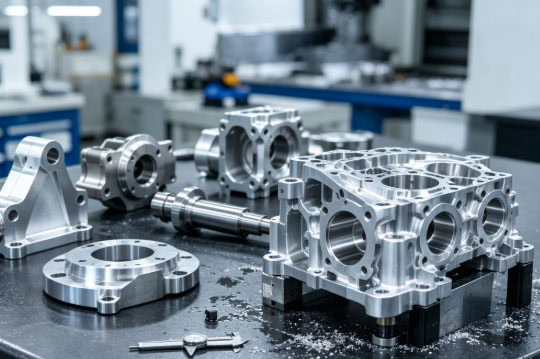
Different engine structures have different machining requirements. Parts with many flat surfaces, holes, and slots are generally suitable for CNC milling. Cylindrical or rotational components are more suitable for CNC turning, while parts with complex curved surfaces and machining areas in multiple directions can use five-axis machining.
| Common Engine Component Machining Content Small-Batch Machining Value | ||
| Cylinder head-related parts | Flat surfaces, hole positions, slots, mounting surfaces | Suitable for R&D prototypes and trial production |
| Piston-related parts | Outer diameter, inner holes, slots | Suitable for dimensional verification |
| End covers | Hole positions, sealing surfaces, outer profiles | Suitable for rapid customization |
| Mounting brackets | Hole positions, flat surfaces, profiles | Suitable for small-batch assembly |
| Flange components | Hole arrays, end faces, outer diameter | Convenient for rapid modifications |
| Mounting bases | Hole positions, threads, locating surfaces | Suitable for functional verification |
| Shaft components | Outer diameter, inner holes, slots | Suitable for trial production and replacement |
Machining Preparation from Drawings to Parts
Before machining engine components, the material, dimensions, tolerances, hole positions, threads, surface treatment, and critical dimensional requirements need to be confirmed based on the drawings. For parts with complex structures, it is also necessary to check whether cutting tools can properly access the machining areas and whether stable machining can be completed after the part is fixtured. TiRapid can provide DFM design analysis before formal production to help identify potential machining issues. Adjusting the structure or machining method in advance can reduce rework and improve production efficiency for small-batch orders.
Material and Machining Process Selection
Common Metal Materials
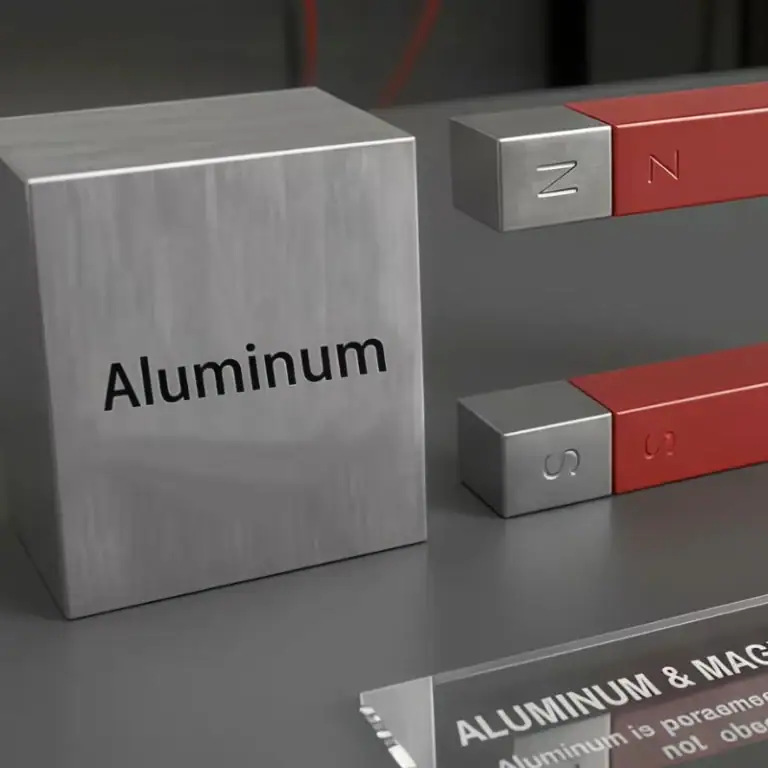
Engine components commonly use aluminum alloys, stainless steel, steel, brass, and other materials. Different materials vary in weight, strength, heat resistance, wear resistance, and machining difficulty, so material selection cannot be determined only by the appearance of the part. Aluminum alloys are relatively lightweight and offer high machining efficiency, making them commonly used for engine housings, mounting bases, brackets, and certain structural components. Stainless steel and steel provide good strength and wear resistance and can be used for parts subject to higher loads. Material selection should be based on the actual working environment of the part and the requirements of the engineering drawings. The CNC materials displayed on the TiRapid website include aluminum alloys, 304 stainless steel, 316L stainless steel, brass, and others, which can be selected according to project requirements.
CNC Milling and Turning Arrangement
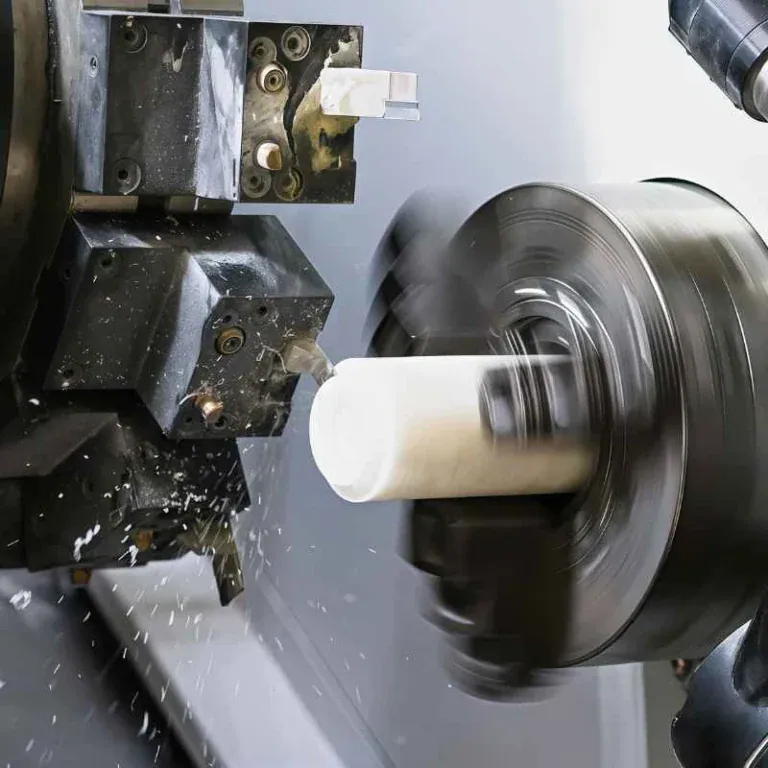
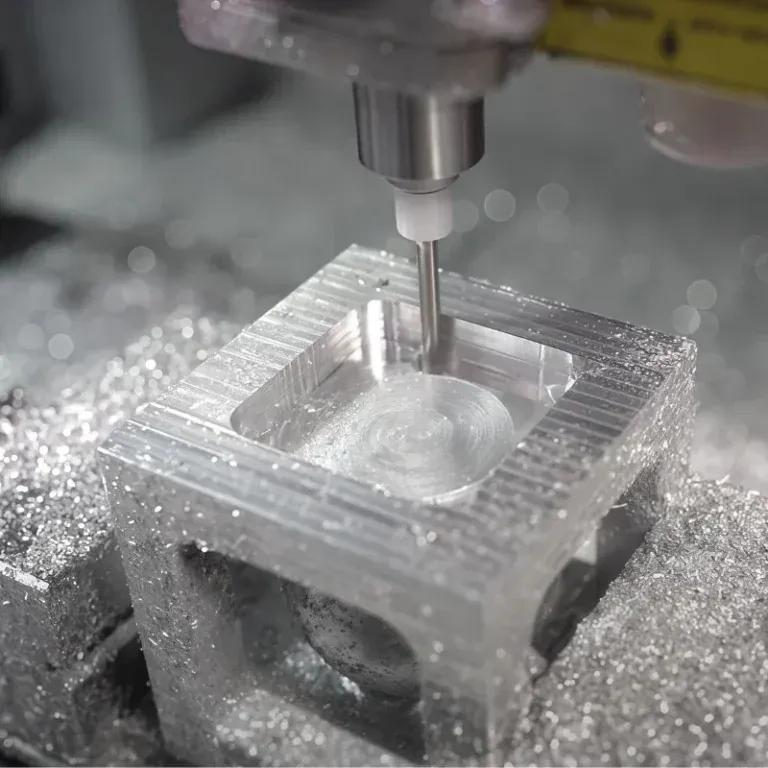
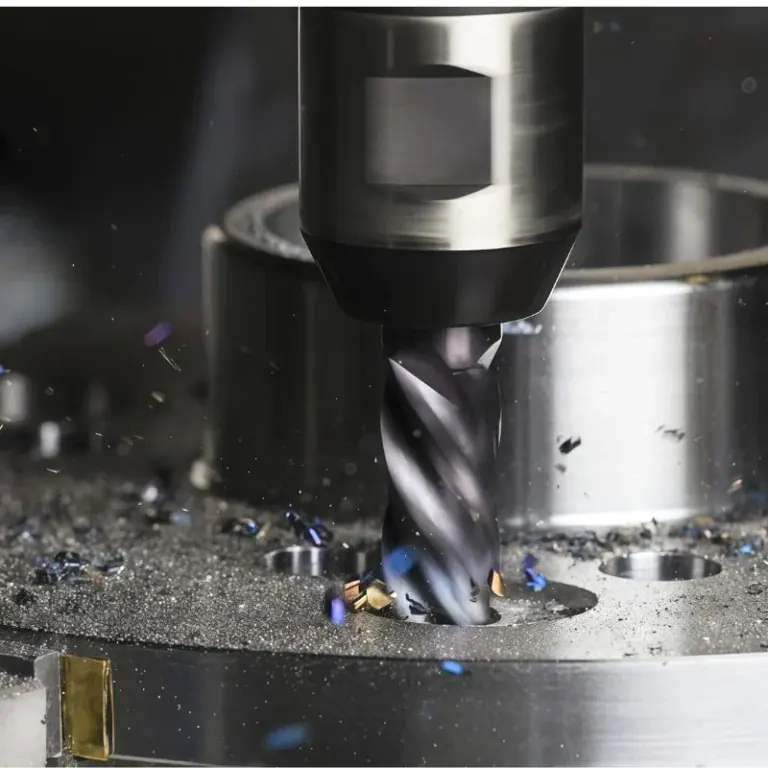
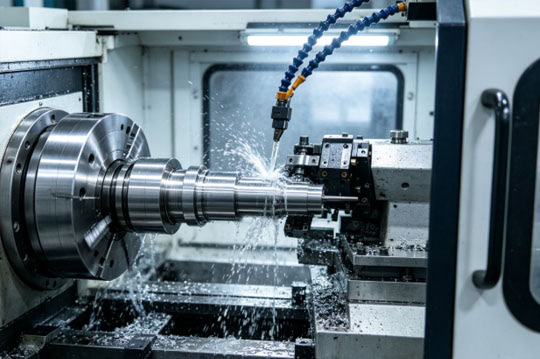
Engine components often contain flat surfaces, holes, slots, outer diameters, and inner holes at the same time. A single machining method may not efficiently complete all features, so the machining sequence needs to be arranged according to the part structure. CNC milling is suitable for flat surfaces, steps, holes, slots, and complex profiles, while CNC turning is suitable for shafts, cylindrical parts, and rotational structures. For complex parts requiring machining from multiple directions, five-axis machining can be used according to actual requirements. Proper machining process planning can reduce repeated fixturing while lowering the risk of dimensional errors. For small-batch orders, this approach also helps control production time and manufacturing costs.
Surface Treatment and Dimensional Inspection
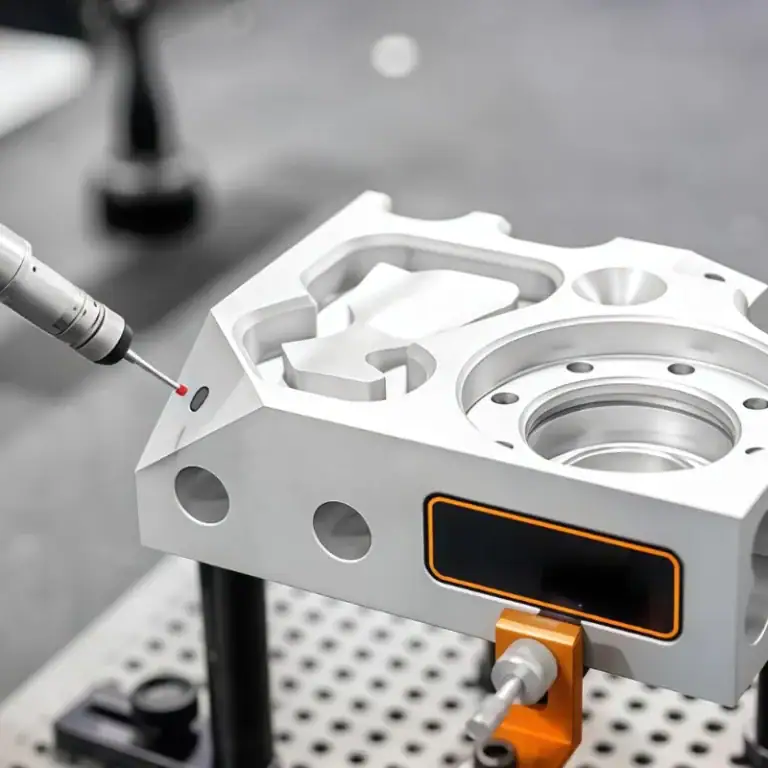
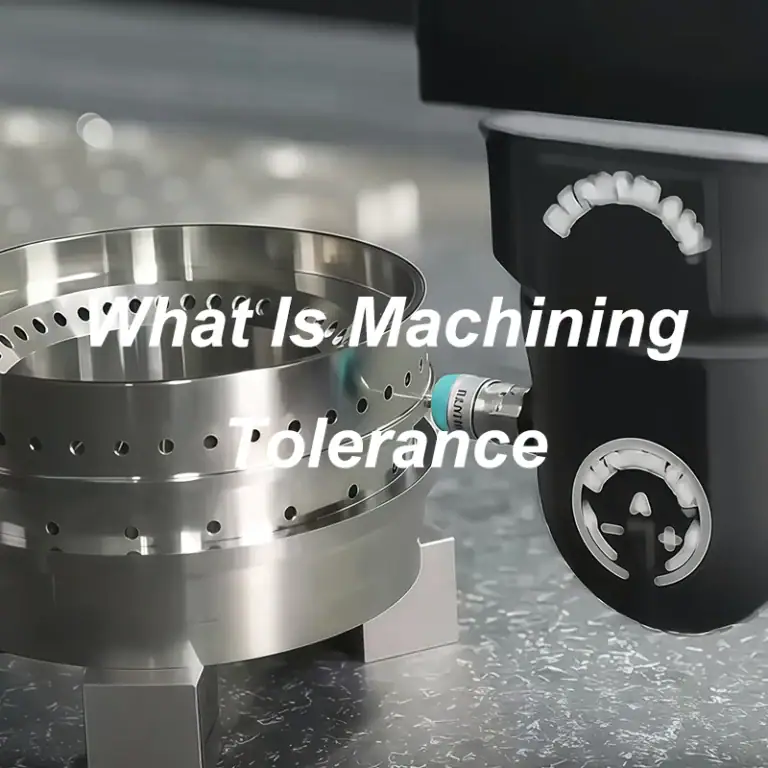
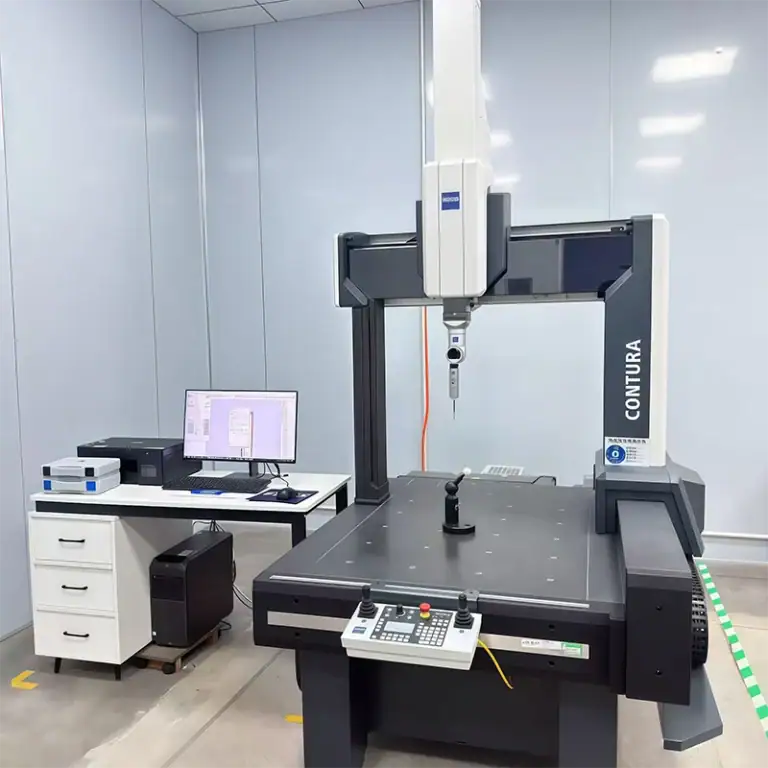
After CNC machining, engine components may require anodizing, sandblasting, passivation, polishing, or other surface treatments depending on the application environment. Surface treatment can improve appearance and, depending on the material and application, enhance corrosion resistance or surface durability. At the same time, critical hole diameters, lengths, flatness, and assembly dimensions should be inspected before delivery. TiRapid provides quality control capabilities such as CMM inspection for dimensional verification of precision components.
Small-Batch CNC Machining Process
Drawing and 3D File Confirmation
Customers can provide 3D CAD files such as STEP and STP, together with 2D engineering drawings and relevant technical requirements. The machining team reviews the files to confirm the part structure, material, dimensions, tolerances, and surface treatment requirements. If the design contains machining challenges, a DFM review can be conducted before production, with corresponding adjustment recommendations. This helps prevent problems such as unmachinable features or unnecessarily high machining costs from being discovered only after production has started.
Quotation and Production Arrangement
Small-batch order pricing is generally related to material, part dimensions, machining time, quantity, surface treatment, and inspection requirements. When the quantity is small, the machining cost per part may be higher than mass production, but there is no need to bear the cost of traditional mold manufacturing, making CNC machining suitable for R&D and small-scale trial production. TiRapid supports online CAD file submission for quotation and lead-time information. The TiRapid website states that some standard rapid machining projects can have lead times as short as 1–7 days. The actual lead time needs to be confirmed according to part structure, quantity, and machining requirements.
Machining, Inspection, and Delivery
After the machining solution is confirmed, production begins. Once machining is completed, dimensional inspection and appearance checks are performed according to order requirements. CMM inspection and surface treatment can also be provided when required. Precision engine components should be properly protected to reduce the possibility of impact, scratches, or deformation during transportation.
| Item TiRapid Small-Batch CNC Services | |
| Order Types | Single-piece prototypes, small-batch production, mass production |
| Machining Methods | CNC milling, CNC turning, five-axis CNC, etc. |
| File Support | 3D CAD and engineering drawings |
| Pre-Production Support | Free DFM analysis |
| Quality Control | Dimensional inspection, CMM inspection, etc. |
| Surface Treatment | Supporting services available according to part requirements |
| Other Manufacturing | Sheet metal fabrication, 3D printing, etc. |
| Quote Response | Response within 3 minutes |
| Free Quotation | Free quotation within 4 hours |
Practical Value of Small-Batch CNC Machining for Engine Components
Reduce Upfront Investment
New engine components often require repeated modifications during the R&D stage. CNC machining can produce prototypes directly from existing design files without requiring a high investment in molds for small quantities. After the design is confirmed, production volume can be increased according to the final requirements, making the manufacturing plan more flexible.
Facilitate Design Modifications
Engine components involve multiple assembly dimensions. A change to one hole position, slot, or mounting surface may affect the overall assembly. Small-batch CNC machining allows production to be rearranged according to updated drawings. This approach is suitable for product validation, engineering testing, and structural optimization, while allowing R&D teams to obtain updated physical parts within a relatively short period.
Extend from Prototypes to Small-Batch Production
Engine component projects do not necessarily stop at the prototype stage. After testing, if dozens, hundreds, or larger quantities of parts are required, CNC machining can continue to be used for production. TiRapid supports manufacturing from single-piece prototypes and small-batch production to larger-scale manufacturing, and provides CNC machining, sheet metal fabrication, and 3D printing services. This can reduce repeated communication between different suppliers and allow projects to progress from R&D prototypes toward formal production.
Frequently Asked Questions
Can CNC machining be used if only a few engine components are needed?
Yes. CNC machining is suitable for prototype and small-batch manufacturing. As long as the part structure and material are suitable for machining, even one or a small number of parts can be manufactured according to the drawings.
Can I get a quotation without a complete 2D drawing?
Yes. You can provide a 3D CAD file first. To accurately confirm critical dimensions, tolerances, and surface treatment requirements, it is recommended to provide engineering drawings or relevant technical specifications as well. TiRapid can conduct a DFM review before production.
Can aluminum alloy engine components be machined?
Yes. Aluminum alloys are common CNC machining materials and are suitable for certain engine structural components, housings, brackets, end covers, and connectors. The specific alloy grade should be selected according to the actual operating conditions of the part.
How long does small-batch machining take?
Lead time depends on part structure, quantity, material, machining process, surface treatment, and inspection requirements. Some rapid machining projects listed on the TiRapid website can be completed within 1–7 days. The actual lead time needs to be confirmed according to the drawings and order quantity.
Can you help check whether a design is suitable for CNC machining?
Yes. TiRapid provides DFM analysis to review part structures and machining requirements before production and can provide recommendations for designs that may increase machining difficulty or cost.
TiRapid Engine Component CNC Machining Services
The machining quality of engine components directly affects assembly accuracy, operating stability, and subsequent test results. For R&D prototypes, small-batch trial production, and replacement part manufacturing, material and dimensional requirements need to be considered together with part structure, machining processes, surface treatment, inspection standards, and delivery time. A suitable CNC machining solution can reduce upfront investment, improve design validation efficiency, and provide a reliable foundation for subsequent mass production. TiRapid provides CNC milling, CNC turning, five-axis machining, sheet metal fabrication, and 3D printing services, supporting single-piece prototypes, small-batch trial production, and subsequent mass production of engine components. Through DFM analysis, process evaluation, dimensional inspection, and project follow-up, TiRapid helps customers reduce machining risks and improve the consistency and controllability of part delivery.
If you already have a 3D model, 2D engineering drawing, or photos of the physical part, you are welcome to submit the project materials to TiRapid for technical evaluation. The project team can review the material, quantity, tolerances, surface treatment, and inspection requirements to help confirm suitable machining methods, estimated costs, and delivery time, while providing targeted manufacturing recommendations. Whether you are at the engine component design validation, prototype trial production, or small-batch manufacturing stage, TiRapid can provide integrated support covering design analysis, machining, quality inspection, and delivery. Submit your project information to obtain professional evaluation and a free quotation.
Email:projects@tirapid.com
Phone:+86 760 8999 8536