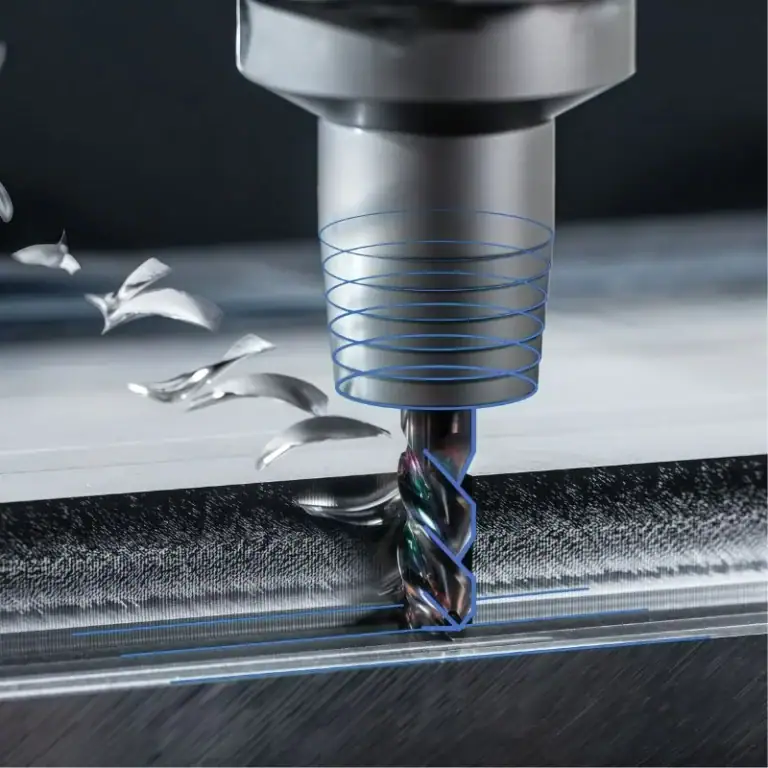
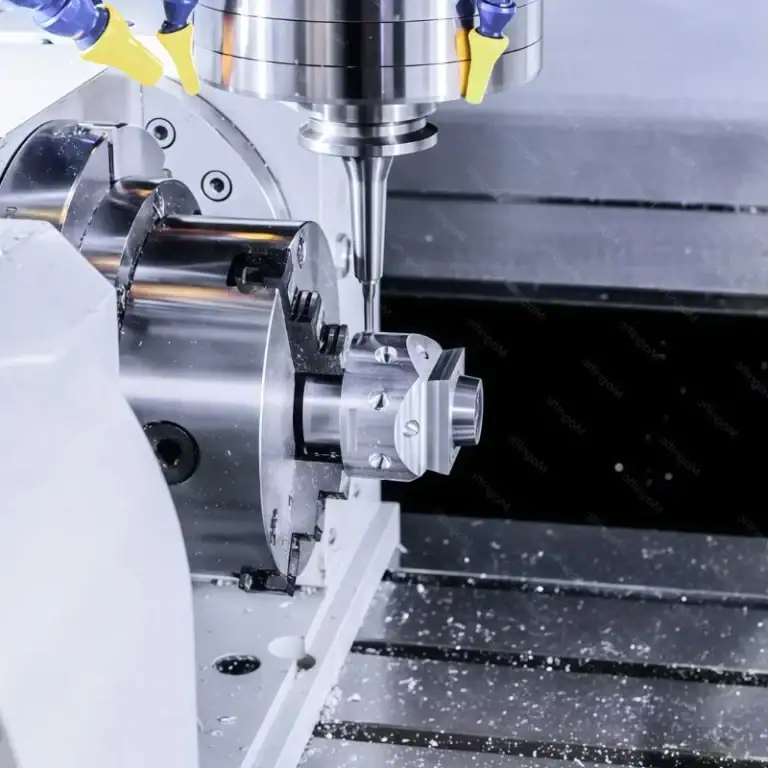
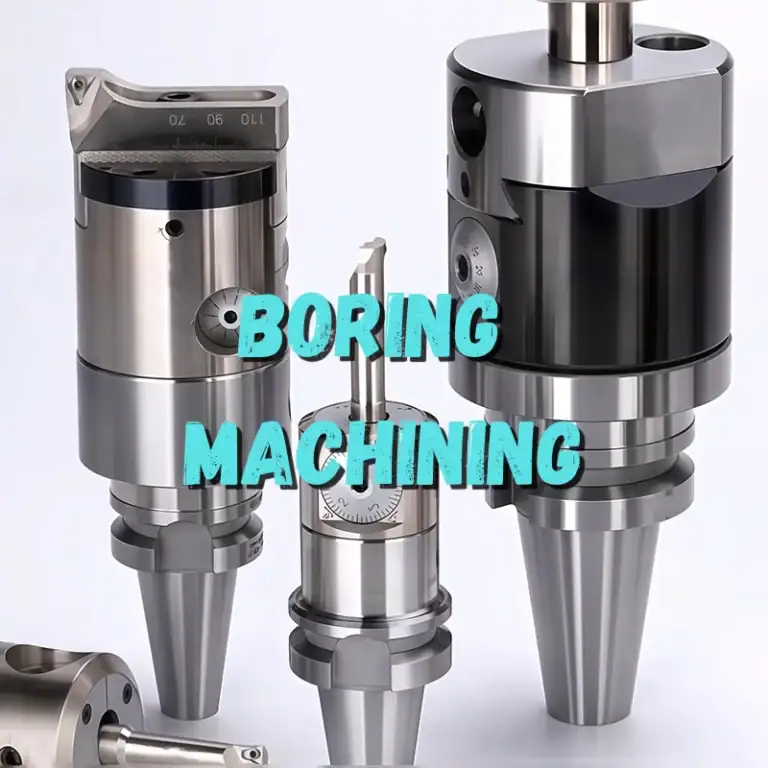
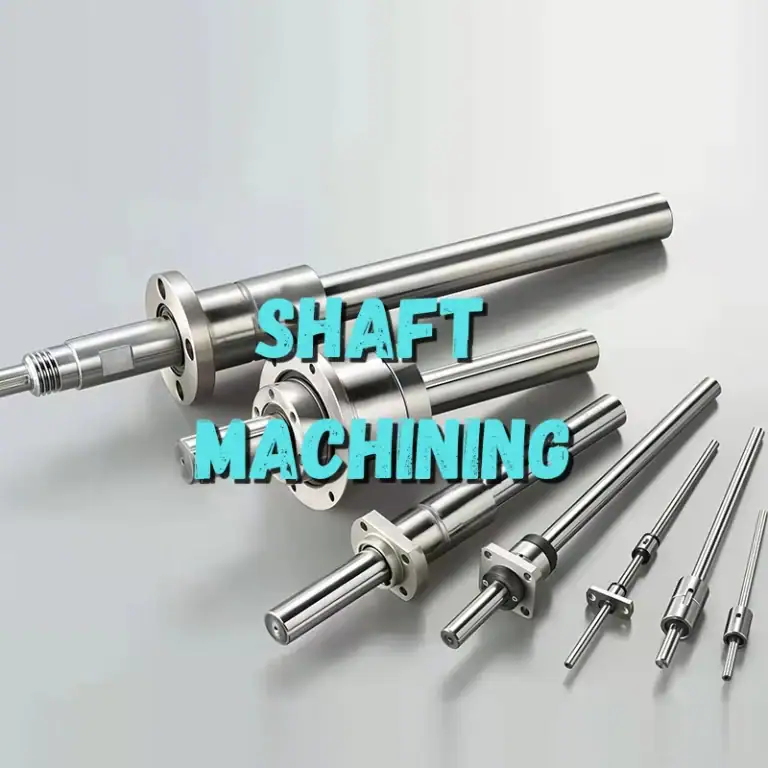
Oil transportation equipment is responsible for transporting crude oil, refined oil products, and related media over long periods. Valve bodies, pipe fittings, flanges, pump components, shafts, and mounting structures must maintain reliable performance under pressure, temperature, corrosion, and continuous operating conditions. For equipment manufacturers and procurement personnel, part dimensional accuracy, sealing surface quality, material compatibility, and machining consistency all affect equipment assembly efficiency and operational stability. CNC precision machining can produce customized parts with complex structures based on drawings and 3D models, while flexible process planning can meet the manufacturing requirements of parts with different specifications.
What Are the Core Requirements for Machining Oil Transportation Equipment Parts?
Machining oil transportation equipment parts is not only about achieving a single level of machining accuracy. The machining process must also be developed based on the medium, pressure, structure, and assembly relationships.
Dimensional Accuracy Affects Equipment Assembly
Flanges, valves, fittings, and pump components used in transportation equipment usually contain multiple mating dimensions. Critical hole positions, threads, and shaft bores must remain stable.
- Flange connection surfaces require control of flatness and hole positions.
- Pipe fittings require attention to threads, concentricity, and interface dimensions.
- Shaft components require control of shaft diameter, roundness, and mating relationships with bearings and other components.
Stable critical dimensions can reduce on-site fitting and assembly adjustments, improving equipment assembly efficiency.
Materials Must Match the Transported Medium
Oil transportation environments may involve crude oil, water-containing media, and complex operating conditions containing sulfur or carbon dioxide. Materials should not be selected solely based on machining difficulty. For general structural components, suitable steel, aluminum alloy, or other materials can be selected according to strength, weight, and cost requirements. For parts that directly contact corrosive media, corrosion-resistant materials should be selected based on the composition, temperature, and pressure of the medium. After the material is determined, heat treatment and surface treatment requirements must also be considered to avoid performance mismatches after machining.
Sealing and Connection Structures Require Strict Control
In oil transportation equipment, components such as valve bodies, flanges, and fittings are typically responsible for connecting or controlling the medium. Their machining quality directly affects the mating performance.
| Part Type | Common Material Options | CNC Machining Focus |
| Valve bodies and bonnets | Stainless steel, alloy steel, etc. | Sealing surfaces, internal cavities, threads, and holes |
| Pipe fittings | Stainless steel, alloy steel, etc. | Threads, concentricity, and interface dimensions |
| Flanges | Carbon steel, stainless steel, etc. | Hole spacing, end faces, and flatness |
| Pump components | Stainless steel, aluminum alloy, alloy materials, etc. | Flow passages, mounting surfaces, and mating dimensions |
| Shaft components | Alloy steel, stainless steel, etc. | Shaft diameter, roundness, and concentricity |
| Mounting brackets | Steel, aluminum alloy, etc. | Hole positions, flatness, and structural rigidity |
Selecting materials, machining methods, and inspection items according to the function of each part helps ensure that machining accuracy matches actual application requirements.
How Can CNC Machining Improve the Production Efficiency of Oil Transportation Equipment Parts?
Oil transportation equipment is available in many models, and part structures may vary depending on the project and equipment specifications. For these non-standard parts, manufacturers need to balance development speed with long-term production stability.
CNC Prototype Machining Is Suitable for New Equipment Development
During the design stage of new transportation equipment, valve body structures, connection dimensions, mounting positions, and flow passage designs need to be verified. CNC machining can quickly produce prototypes based on CAD drawings or 3D models without the need to manufacture dedicated molds. This makes it easier to inspect part structures and assembly relationships, identify issues such as hole interference, installation clearances, and interface dimensions in a timely manner, and quickly adjust machining programs after design modifications. It is suitable for multiple rounds of trial production of new equipment, helping shorten development cycles and reduce prototype production costs.
Small-Batch Machining Is Suitable for Equipment Prototypes and Repairs
Oil transportation equipment often requires prototypes, spare parts, and parts with special specifications. Small-batch CNC machining can reduce the initial investment in tooling.
- Suitable for trial production of new equipment models.
- Suitable for replacement parts with special specifications.
- Suitable for equipment modification projects.
- Allows continued adjustment of part structures based on test results.
This production method maintains good machining flexibility when production quantities are relatively small.
Batch Production Places Greater Emphasis on Dimensional Consistency
When parts of the same model enter a stable procurement stage, the machining accuracy of a single part can no longer fully represent a supplier’s capabilities. Consistency across continuous batches must also be considered. The following areas typically require particular attention during batch production:
- Keep machining programs stable to avoid dimensional differences between batches.
- Check tool conditions regularly to reduce the impact of tool wear on accuracy.
- Optimize workholding methods to reduce repeated positioning errors.
- Perform first-piece inspection and in-process inspection for critical dimensions.
- Conduct necessary dimensional and visual inspections on finished products.
Stable batch machining can reduce assembly differences between batches and help lower rework and on-site adjustment costs.
Which Oil Transportation Equipment Parts Are Suitable for Customized CNC Machining?
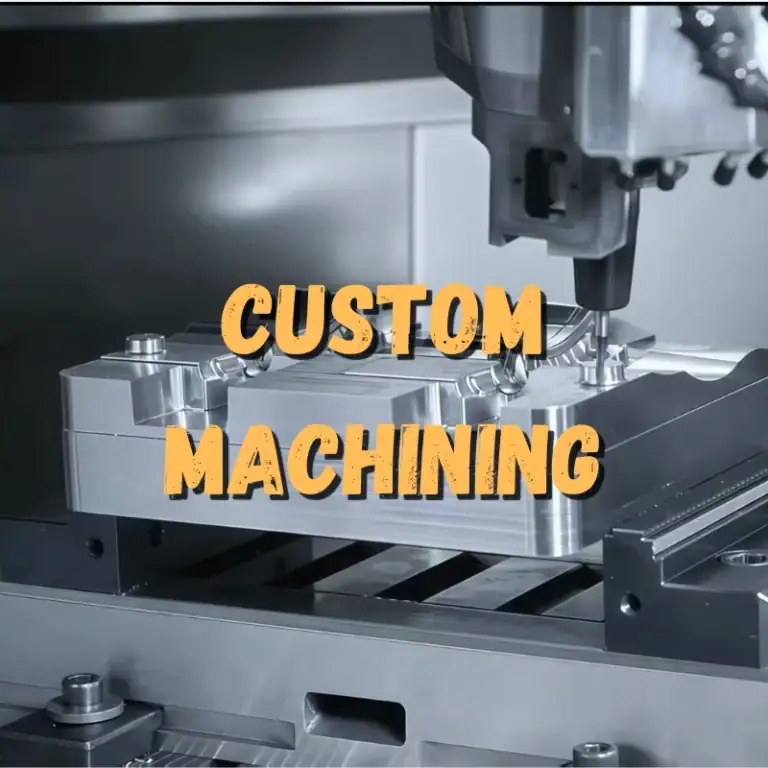
Oil transportation systems contain many non-standard structures. Parts with complex internal cavities, precision interfaces, and multi-sided machining requirements are particularly suitable for digital CNC machining processes.
Valve Bodies, Bonnets, and Fluid Control Components
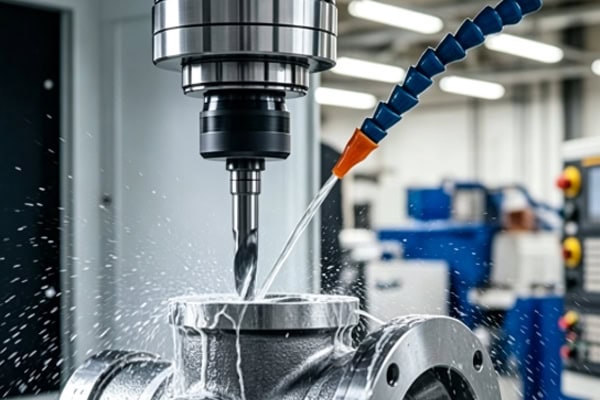
Valve body machining typically includes flow passages, mounting holes, threads, and sealing surfaces. Workholding, machining sequences, and tool paths must be arranged appropriately according to the structure. Key control points include:
- The machining sequence for flow passages and internal cavities;
- Dimensional accuracy of mounting holes, threads, and sealing surfaces;
- Workholding and positioning accuracy to reduce repeated positioning errors;
- Selection of suitable tools and cutting parameters according to the material;
- Dimensional inspection, non-destructive testing, and pressure testing according to project requirements.
Pressure-bearing valve bodies also involve cast or forged blanks, material inspection, machining, and finished-product inspection. CNC machining is only one part of the overall manufacturing process.
Flanges, Pipe Fittings, and Connection Components
Although these parts may appear structurally simple, they directly affect the quality of pipe connections. CNC machining can focus on controlling:
- Flange hole spacing and mounting hole diameters;
- Fitting thread dimensions;
- End-face flatness;
- Interface concentricity;
- Mating dimensions related to sealing.
For transportation systems operating over long periods, stable interface dimensions can help reduce adjustment work during installation and maintenance.
Pump Components, Shafts, and Mounting Structures
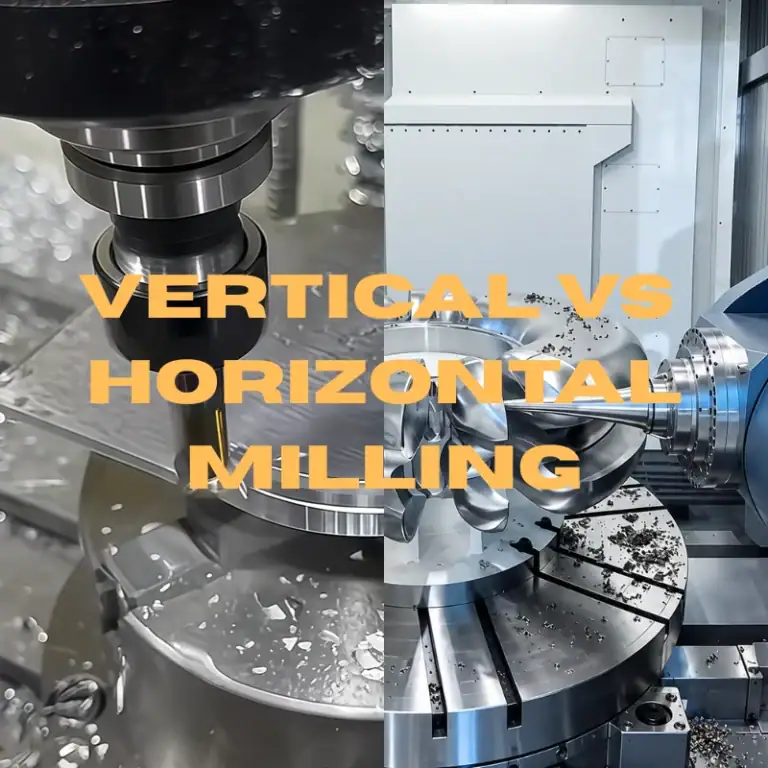
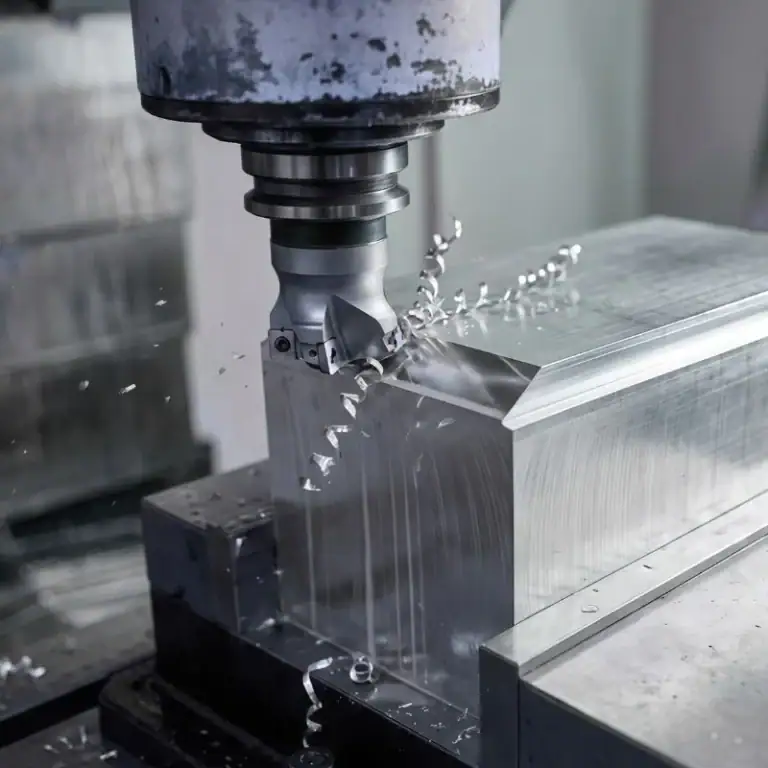
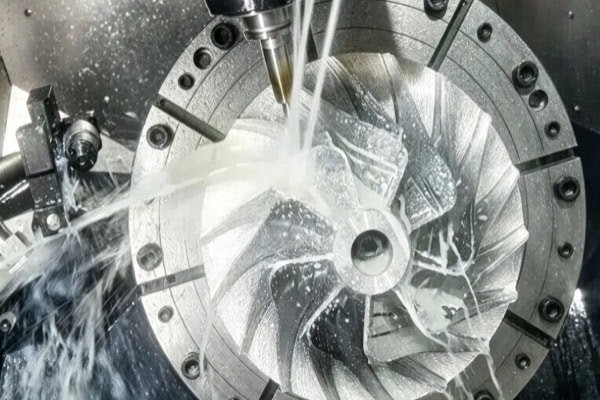
Pump bodies, pump covers, shaft sleeves, drive shafts, and mounting bases all have requirements for dimensional fit and structural rigidity. Depending on the structure, CNC milling, turning, and 3-axis, 4-axis, or 5-axis machining can be used. Complex multi-sided parts can reduce positioning errors by minimizing repeated workholding operations. TiRapid currently provides 3-axis, 4-axis, and 5-axis CNC machining as well as turning capabilities, covering different stages from prototyping to production.
How Should You Choose a CNC Machining Supplier for Oil Transportation Equipment Parts?
When procuring these parts, simply comparing quotations cannot determine the final manufacturing cost. Material processing capabilities, complex part machining capabilities, quality inspection, and batch delivery stability also deserve close attention.
Evaluate Material and Complex Part Machining Capabilities
The supplier should be able to develop machining processes according to the material and structure of each part rather than using a single type of equipment for all products. Key points to confirm include:
- Experience machining aluminum alloys, stainless steel, steel, high-strength alloys, and other materials;
- The ability to process deep holes, internal cavities, threads, and multi-sided structures;
- 3-axis, 4-axis, 5-axis, and other machining capabilities;
- The ability to conduct DFM analysis based on drawings and identify machining risks in advance.
Matching equipment and processes can help reduce repeated workholding, deformation, and rework.
Evaluate Inspection Processes and Quality Control
Oil transportation equipment parts require close inspection of dimensions, accuracy, and assembly relationships. During procurement, you can determine whether the supplier has the following capabilities:
- First-piece inspection;
- Monitoring of critical dimensions;
- Provision of dimensional inspection reports;
- Appropriate measuring equipment;
- Material, surface treatment, and performance inspections according to project requirements.
A complete inspection process helps reduce dimensional deviations, assembly problems, and delivery risks.
Determine Whether the Supplier Can Transition Smoothly from Prototypes to Batch Production
Oil transportation equipment parts often go through design, prototyping, trial assembly, small-batch validation, and formal procurement. If a supplier can cover these stages, the buyer does not need to repeatedly transfer the project between different suppliers. Establishing a continuous manufacturing process from drawing review and CNC prototyping to small-batch and batch production can reduce repeated communication and process revalidation, making project execution more stable.
The focus of machining oil transportation equipment parts is not simply to “produce the parts,” but to ensure that the materials, dimensions, interfaces, sealing structures, and batch consistency match the actual operating conditions. Valve bodies, flanges, fittings, pump components, and shafts in particular require machining and inspection requirements based on their specific applications. TiRapid can provide CNC precision machining, prototyping, small-batch production, and batch production services for oil transportation equipment, helping equipment manufacturers complete the development and procurement of non-standard parts more efficiently.