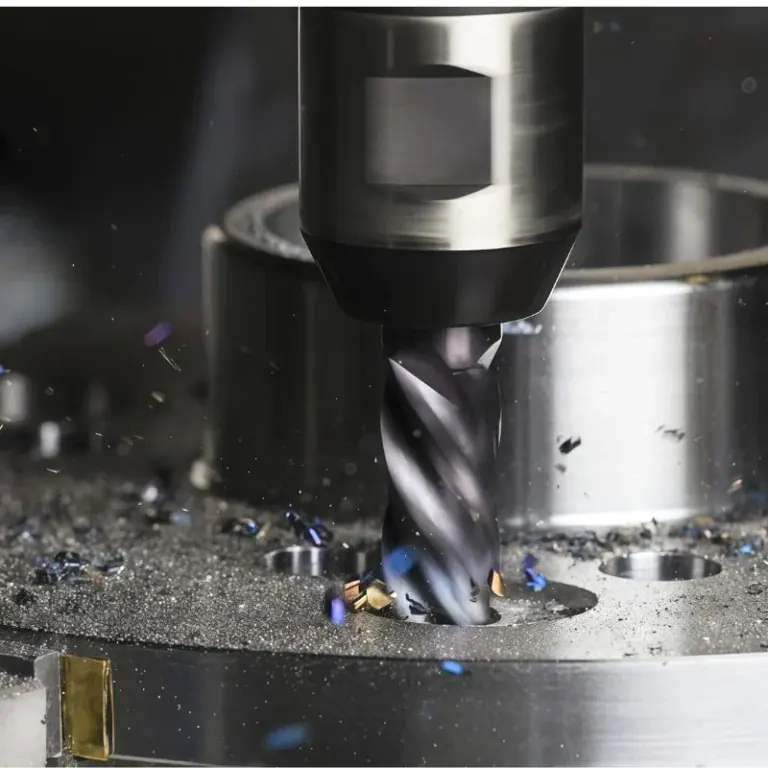
Automation equipment typically requires a large number of dedicated structural components. Equipment bases, mounting plates, connectors, fixtures, locating blocks, and guide rail brackets all need to be designed according to the overall machine layout. For R&D and procurement teams, non-standard part machining involves drawing interpretation, tolerance management, material selection, surface finishing, assembly relationships, and delivery schedules. CNC machining can directly process 2D engineering drawings and 3D models, making it suitable for prototype development, small-batch production, and volume supply of automation equipment parts.
What Are the Key Requirements for Custom Non-Standard Parts for Automation Equipment?
Dedicated parts in automation equipment perform functions such as fastening, positioning, connection, guidance, and transmission. The manufacturing solution must match the equipment structure, load conditions, and operating environment.
Dimensional Accuracy Directly Affects Equipment Assembly
Mounting holes, locating holes, mating surfaces, and connecting surfaces have strict positional relationships. Deviations in critical dimensions can easily lead to assembly difficulties, repeated adjustments, mechanism misalignment, or motion jamming.
- CNC machining can control hole diameters, hole spacing, steps, and mounting surface dimensions according to the drawings.
- Focused inspection of mating areas helps reduce assembly clearance and positioning errors.
- For batch orders, using stable programs and consistent reference datums improves dimensional consistency between parts.
Stable control of critical dimensions can reduce subsequent assembly adjustments and make equipment commissioning more efficient.
Non-Standard Structures Require Flexible Machining Methods
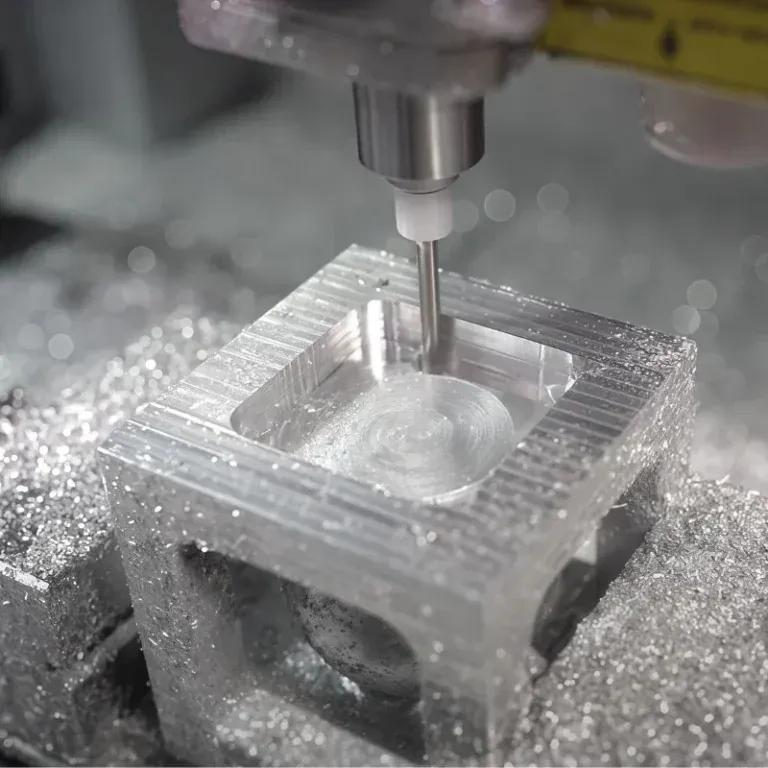
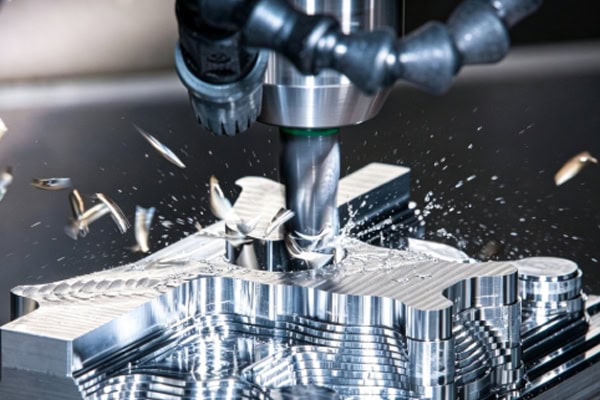
Brackets, fixtures, and connecting blocks used in automation projects usually have unique structures. Common features include slots, cavities, inclined surfaces, irregular contours, and holes in multiple directions. CNC machining can complete complex features based on 3D models. For multi-sided parts, 4-axis or 5-axis machining can also be used to reduce positioning errors caused by repeated clamping. Flexible manufacturing methods are suitable for equipment structures that require frequent optimization and can also shorten the production cycle for revised parts.
Materials Should Be Selected According to Part Function
Different parts are subject to different loads, motion frequencies, and operating environments. Material selection needs to balance strength, weight, wear resistance, corrosion resistance, and machining cost.
| Non-Standard Part Type | Common Materials | Machining Focus |
| Equipment mounting bases | Aluminum alloys, steel | Flatness, hole positions, overall dimensions |
| Robotic arm connectors | Aluminum alloys, stainless steel | Weight, strength, connection accuracy |
| Tooling fixtures | Aluminum alloys, tool steel, engineering plastics | Positioning accuracy, wear resistance |
| Guide rail brackets | Aluminum alloys, stainless steel | Mounting surfaces, hole spacing, rigidity |
| Precision locating blocks | Steel, aluminum alloys | Mating dimensions, positional accuracy |
Matching materials, cutting tools, and machining parameters can control manufacturing costs while meeting functional requirements.
How Can CNC Improve the Efficiency of Custom Non-Standard Automation Parts?
Automation equipment projects usually require rapid structural validation. Part delivery speed can affect the development, trial assembly, and customer testing schedules of the entire machine.
Rapid Prototype Production Based on Drawings
During the R&D stage, hole positions, structural weight reduction, or assembly relationships are often modified. CNC machining can produce parts directly from updated drawings or 3D models, reducing the upfront investment associated with traditional tooling methods.
- Single-piece or low-volume trial production does not require dedicated molds.
- Completed prototypes can be used directly for complete machine assembly verification.
- When the structure changes, only the programs and machining files need to be updated.
- Physical feedback helps engineers identify interference, clearance, and installation issues in a timely manner.
This approach is suitable for rapid design validation and shortens the time from modeling to machine installation and testing.
Small-Batch Production Reduces Trial Production Pressure
After automation equipment enters the testing stage, it typically requires dozens to hundreds of structural parts. CNC machining can bridge the gap between prototyping and mass production, avoiding premature investment in tooling. Small-batch CNC machining is suitable for the following scenarios:
- Procurement of structural parts during equipment trial production.
- Spare parts required for customer site testing.
- Process validation before replicating multiple machines.
- Stage-based production when the design has not yet been fully finalized.
Small-batch supply can meet trial assembly, testing, and equipment delivery requirements while allowing the part structure to be further optimized based on on-site feedback.
Batch Machining Focuses on Consistency
When multiple sets of equipment need to be replicated, the same parts are often purchased continuously. The supplier’s batch stability directly affects assembly efficiency, equipment commissioning time, and after-sales maintenance costs.
- Standardize proven programs, tooling solutions, and positioning datums.
- Conduct in-process inspections of critical hole positions, mating surfaces, and mounting dimensions.
- Monitor tool wear, fixture condition, and the thermal stability of the equipment.
- Reduce batch variation through first-article approval, in-process inspection, and final inspection.
Stable batch processes can reduce on-site fitting and minimize assembly losses caused by nonconforming parts.
Which Automation Equipment Parts Are Suitable for Custom Machining?
Non-standard CNC machining covers various structural and functional parts used in automation equipment. It is especially suitable for parts with special specifications, complex structures, or fluctuating quantities.
Mounting Bases and Connecting Plates
Mounting bases and connecting plates are used to secure motors, modules, cylinders, sensors, and other equipment components. They require high accuracy for hole positions and mounting surfaces. CNC machining can produce multiple holes, counterbores, locating slots, and irregular contours. Common parts include:
- Motor mounting bases.
- Module connecting plates.
- Cylinder mounting plates.
- Sensor mounting plates.
Accurate mounting structures can improve the connection between modules and enhance the assembly stability of the complete machine.
Tooling Fixtures and Locating Components
Tooling fixtures are usually customized according to the product shape and are used for positioning, clamping, and assembly. CNC machining can produce locating holes, clamping slots, stop surfaces, and contoured structures. Common materials include aluminum alloys, steel, and engineering plastics. Typical machining applications include:
- Product locating blocks and locating pin bases.
- Automatic loading and unloading fixtures.
- Inspection and assembly tooling.
- Clamping slots, stop surfaces, and contoured structures.
- Wear-resistant or insulating plastic parts.
Dimensionally stable fixtures can improve repeatability during loading and unloading, inspection, and assembly operations.
Guide Rail Brackets, Robotic Arm Connectors, and Transmission Parts
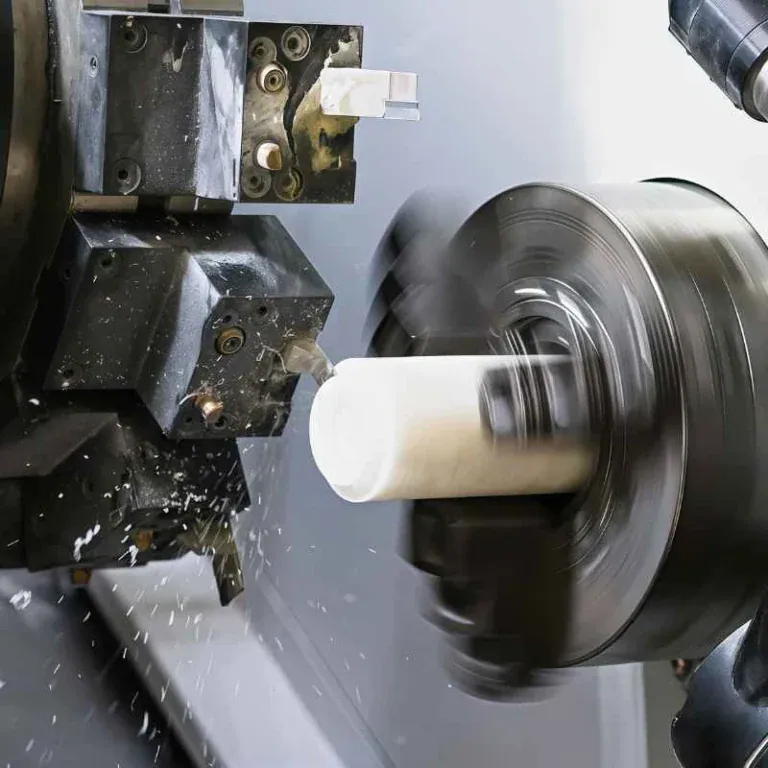
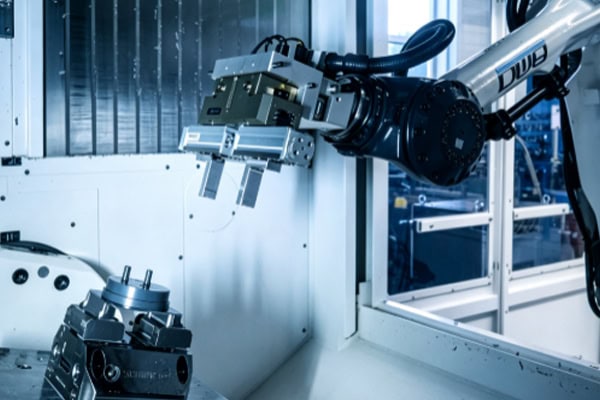
Guide rail brackets, robotic arm connecting blocks, bushings, and transmission parts are exposed to long-term reciprocating motion and require high dimensional accuracy, rigidity, and wear resistance. Depending on the part structure, turning-milling or multi-axis CNC machining can be used. Anodizing, plating, or other surface treatments can also be selected according to the actual operating conditions. Stable motion components can reduce vibration, misalignment, and abnormal wear during operation, extending equipment maintenance intervals.
How Should You Choose a Supplier of Non-Standard Automation Equipment Parts?
The procurement of non-standard parts requires a comprehensive evaluation of pricing, process understanding, quality control, delivery capability, and ongoing service.
Evaluate Complex Non-Standard Part Machining Capabilities
The supplier should be equipped with CNC machines of different specifications and be capable of machining common materials such as aluminum alloys, stainless steel, steel, copper, and engineering plastics. The supplier should also have experience handling deep cavities, thin walls, multiple holes, and multi-angle structures. During procurement, focus on the following capabilities:
- Equipped with 3-axis, 4-axis, or 5-axis CNC machining equipment.
- Experienced in deep-cavity, thin-wall, and complex-surface machining.
- Covers commonly used materials for automation equipment.
- Supports turning-milling and multi-process machining.
- Can coordinate post-processing services such as anodizing and plating.
A high level of compatibility between the equipment configuration and part structure helps reduce outsourcing, repeated clamping, and delivery delays.
Evaluate Whether the Inspection System Covers Critical Dimensions
Deviations in automation parts often become apparent only during assembly. Therefore, quality management must cover dimensions, positions, and surface conditions rather than focusing only on appearance.
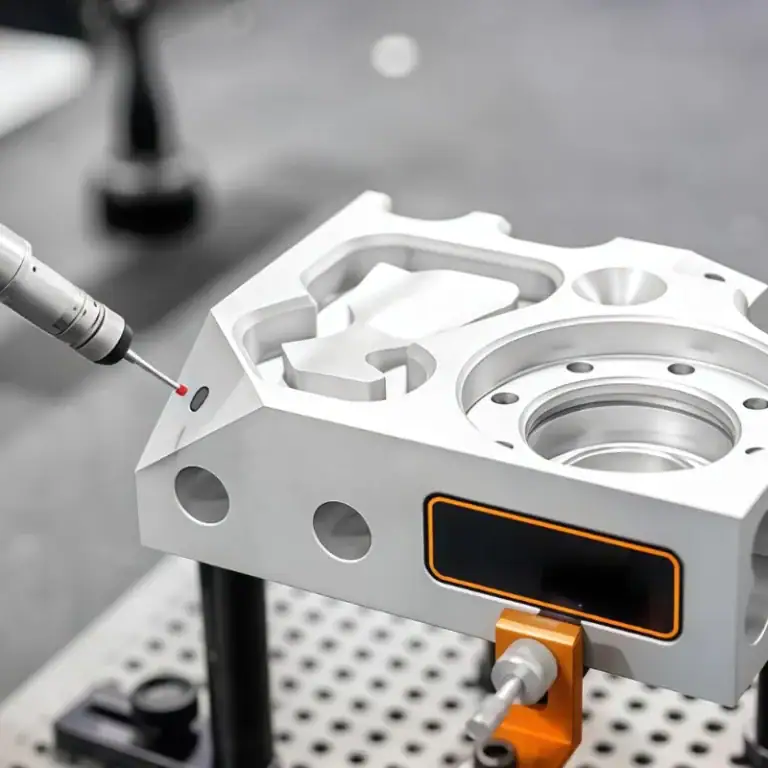
- Verify critical dimensions, hole diameters, and hole spacing.
- Inspect important mating and locating surfaces.
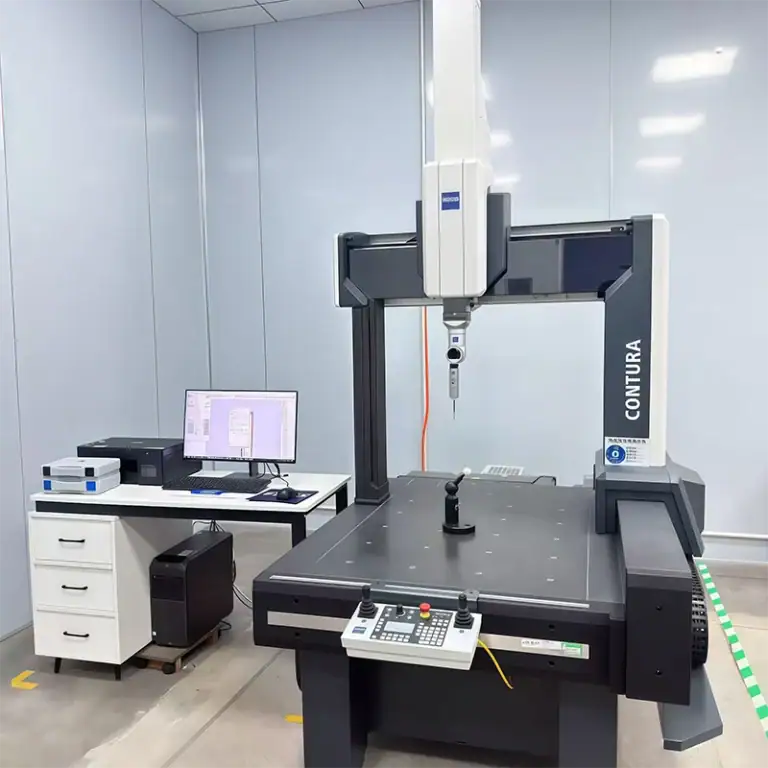
- Use coordinate measuring machines, optical measurement equipment, and other inspection tools according to project requirements.
- Establish first-article, in-process, and finished-product inspection procedures for batch orders.
A complete inspection system can identify machining deviations in advance and reduce rework and assembly risks after the parts arrive at the customer’s facility.
Evaluate the Ability to Support the Process from Prototyping to Batch Production
Automation projects typically go through design prototyping, small-batch trial production, equipment replication, and ongoing replenishment orders. A supplier with full-process support can reduce the time required to find new machining vendors, repeatedly validate processes, and reconfirm quality standards. Smooth coordination across drawing review, CNC prototyping, surface finishing, dimensional inspection, and batch delivery is more suitable for automation equipment companies seeking long-term procurement partnerships.
The key to customizing non-standard automation equipment parts is maintaining stability in accuracy, materials, assembly relationships, and batch delivery. TiRapid provides CNC machining services for non-standard automation equipment parts, supporting prototypes, small-batch production, and volume manufacturing. We help customers reduce supply chain communication steps and improve the procurement efficiency of non-standard parts.