Petroleum testing equipment is commonly used for oil analysis, pressure monitoring, and on-site data collection. Equipment structures may vary depending on the testing object, installation method, and functional configuration. Detection chambers, fluid connectors, instrument housings, mounting brackets, and precision positioning components perform different functions, including media flow guidance, component fixation, equipment protection, and structural positioning. For equipment developers and procurement personnel, whether components can be assembled accurately, interfaces can be connected reliably, and the structure is easy to maintain will all affect the overall equipment performance.
What Are the Core Requirements for CNC Machining Petroleum Testing Equipment Components?
Components used in petroleum testing equipment perform different functions, including testing, connection, sealing, support, and positioning. The machining plan needs to be developed based on the structure, tolerances, materials, and operating environment.
Precision Dimensions Affect the Assembly of Testing Components
Testing instruments typically include sensors, detection chambers, pipeline interfaces, and positioning structures. Components must maintain accurate fits. During machining, particular attention should be paid to hole diameter, hole spacing, flatness, concentricity, and critical fit dimensions.
- Deviations in fluid interface dimensions may affect connection and sealing.
- Deviations in sensor mounting holes may affect positioning.
- Sealing surfaces, positioning surfaces, and mating surfaces should be machined and inspected according to the drawing tolerances.
Stable critical dimensions can reduce assembly adjustments and rework.
Material Selection Must Be Based on the Actual Corrosive Environment
Petroleum testing equipment may come into contact with crude oil, produced water, brine, and oil and gas media containing H₂S and CO₂. Materials should be selected according to the medium, temperature, pressure, and contact conditions.
- Aluminum alloys can be used for certain housings and brackets, but the appropriate grade and surface treatment must be selected.
- Detection chambers, connectors, and sealing components that directly contact corrosive fluids should use materials selected according to the operating conditions. 316L is suitable for general corrosive environments, while 2205 and 2507 are suitable for more severe chloride-containing media. In special highly corrosive environments, nickel-based alloys such as Inconel may be considered.
- In H₂S-containing environments, the material’s resistance to sulfide stress cracking must be evaluated.
- Engineering plastics can be used for insulation, low-friction, and positioning structures, but their temperature resistance, chemical resistance, and mechanical properties must be confirmed.
After the material is determined, the machining and surface treatment requirements should also be considered to ensure corrosion resistance, dimensional stability, and service life.
Complex Structures Require Proper Machining Process Planning
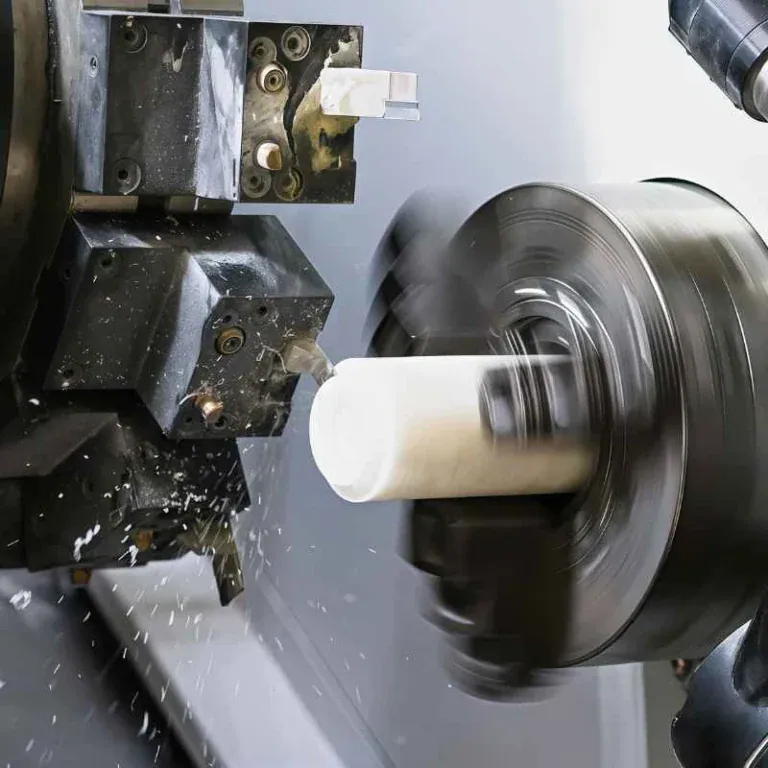
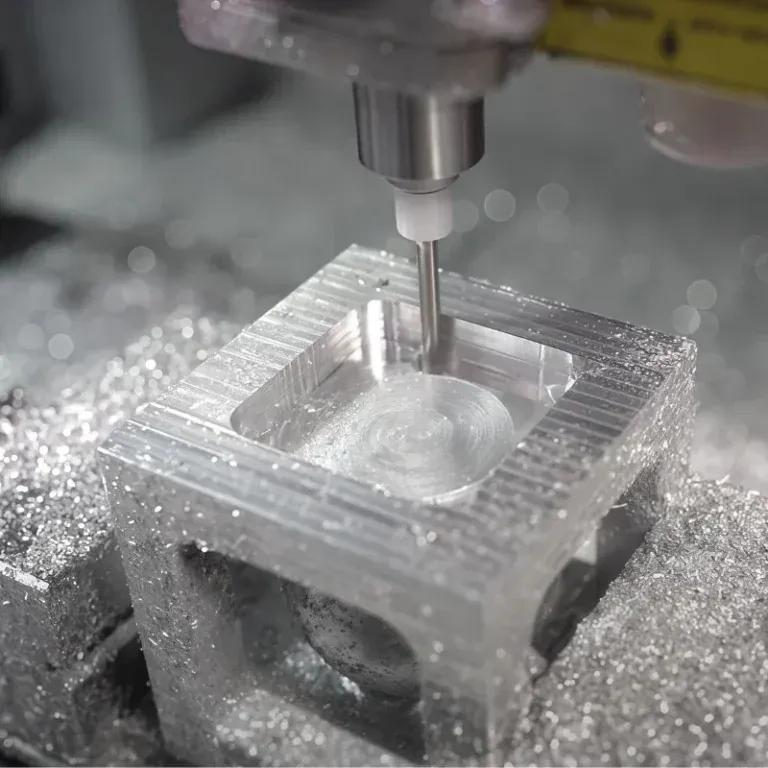
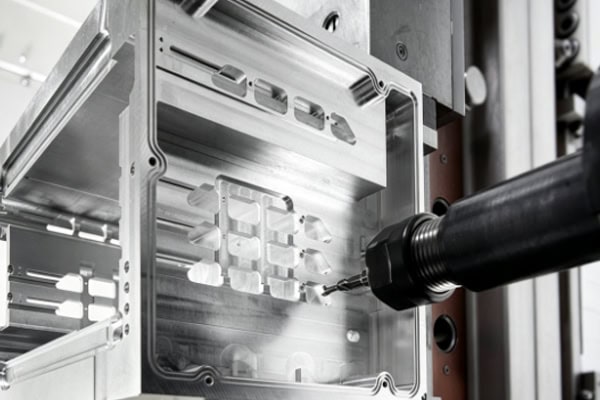
Detection chambers, instrument housings, and connection components often include deep holes, internal cavities, threads, sealing grooves, and multi-angle mounting surfaces. Depending on the structure, 3-axis, 4-axis, or 5-axis CNC machining can be used. Proper fixturing can reduce errors caused by repeated positioning.
| Component Type | Common Material Selection Examples | CNC Machining Focus |
| Detection chamber | 316L, 2205/2507, nickel-based alloys, etc. | Internal cavities, flow channels, interfaces, sealing structures |
| Instrument housing | Aluminum alloys, suitable stainless steel grades | Wall thickness, hole positions, mounting surfaces |
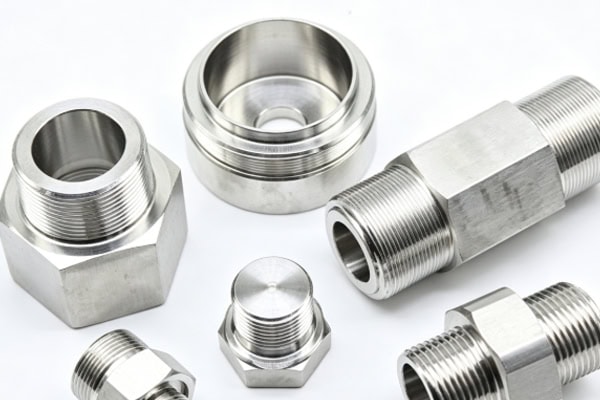
| Pipeline connectors | 316L, duplex stainless steel, nickel-based alloys, etc. | Threads, concentricity, sealing surfaces |
| Sensor mounting base | Aluminum alloys, suitable stainless steel grades | Positioning holes, mounting surfaces, fit dimensions |
| Precision positioning components | Steel, aluminum alloys, engineering plastics | Dimensions, tolerances, fit accuracy |
Matching materials and processes according to component function, media environment, and design requirements helps balance performance, machining accuracy, and manufacturing cost.
How Can CNC Machining Improve the Manufacturing Efficiency of Petroleum Testing Equipment Components?
Petroleum testing equipment is generally highly customized. During the development stage, detection chambers, interfaces, and mounting structures may be modified frequently. The supplier’s response speed can directly affect equipment development progress.
Rapid Production of Testing Equipment Prototypes
During the development stage, the detection chamber, fluid interfaces, or sensor mounting structures may need to be modified. CNC can rapidly produce prototypes based on updated drawings and 3D models without the need to manufacture molds.
- Suitable for single-piece and small-batch machining.
- Enables rapid verification of assembly performance.
- Makes it easier to identify structural interference, clearance, and interface dimension issues.
- Once the design is confirmed, the validated machining process can continue to be used.
This approach is suitable for rapid trial production and structural verification of testing equipment.
Small-Batch Machining Meets Equipment Trial Production Requirements
During the testing stage, a batch of components is usually required for complete equipment assembly and performance verification. Small-batch CNC machining can:
- Reduce mold investment.
- Meet trial production requirements.
- Support field testing and delivery preparation.
- Facilitate component modifications based on test results.
Small-batch CNC machining helps equipment transition smoothly from prototype verification to trial production.
Mass Production Requires Consistent Component Quality
After the equipment enters stable production, the machining programs, positioning methods, tool conditions, and inspection procedures must remain consistent.
- Focus on controlling hole diameter, hole spacing, threads, and fit dimensions.
- Confirm machining results through first-article inspection.
- Monitor dimensional changes caused by tool wear.
- Strengthen the inspection of sealing and mounting surfaces.
- Confirm batch quality through finished-part inspection.
Stable mass-production processes can reduce assembly adjustments and defective products, lowering delivery risks.
Which Petroleum Testing Equipment Components Are Suitable for CNC Customization?
Petroleum testing equipment involves many non-standard mechanical components. CNC machining is particularly suitable for products with complex structures, special specifications, and uncertain order quantities.
Detection Chambers and Fluid Connection Components
Detection chambers are used for the flow and testing of oil, gas, or other media and typically include channels, interfaces, and sealing grooves. CNC can machine complex internal cavities and precision connection areas according to drawings. Components that directly contact corrosive media should use materials selected according to the actual operating conditions. Particular attention should be paid to flow channels, sealing grooves, mating surfaces, and interface concentricity to reduce assembly leakage.
Sensor Mounting Bases and Positioning Components
Sensor mounting bases are used to secure and position sensors. CNC can machine positioning holes, mounting holes, steps, and adjustment slots. The main considerations include:
- Controlling the dimensional accuracy of hole positions and mounting surfaces.
- Selecting suitable materials according to the medium and temperature.
- Determining the surface treatment according to the operating environment.
- Inspecting the assembly relationship with the sensor, bracket, and detection chamber.
Proper control of dimensions and materials can improve sensor mounting stability and reduce measurement deviations.
Instrument Housings, Brackets, and Connectors
Equipment housings and brackets need to balance installation requirements, weight, rigidity, and the operating environment. Aluminum alloys are suitable for certain lightweight structures, while corrosion-resistant alloys or suitable stainless steel grades can be used for connectors and support components in corrosive environments. Materials and surface treatments should be selected according to the actual operating conditions to improve component stability during use.
How Should You Choose a CNC Machining Supplier for Petroleum Testing Equipment?
When purchasing testing equipment components, simply comparing machining quotations can easily overlook material compatibility, subsequent assembly, and quality-related costs. It is more important to evaluate the supplier’s overall manufacturing capabilities.
Evaluate Non-Standard Precision Component Machining Capabilities
When selecting a supplier, focus on its material processing capabilities, experience with complex components, and process planning capabilities:
- Ability to machine aluminum alloys, stainless steel, duplex stainless steel, steel, copper alloys, engineering plastics, and other materials.
- Experience machining 316L, 2205, 2507, and nickel-based alloys.
- Familiarity with machining detection chambers, multi-hole components, thin-wall parts, and multi-surface structures.
- Ability to develop machining plans based on drawings, materials, structures, and fixturing conditions.
- Machining capabilities that match the material, structure, and precision requirements of the components, reducing deformation, rework, and outsourcing.
You should also confirm whether the supplier can deliver consistently and provide complete quality traceability documentation.
Confirm Quality Inspection Capabilities
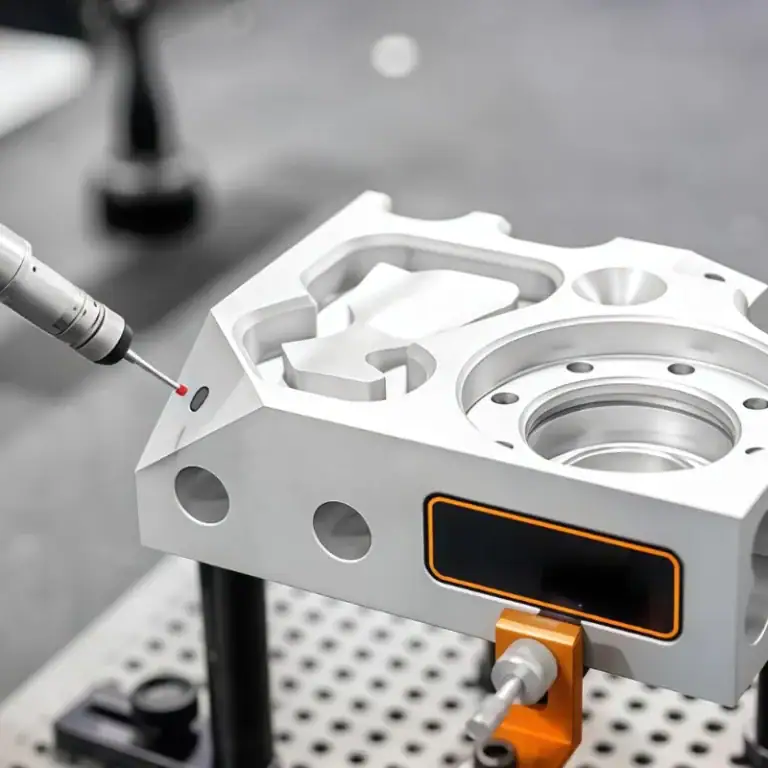
Petroleum testing equipment components require more than visual inspection. Critical dimensions, geometric accuracy, and sealing-related dimensions must also be verified.
- Inspect hole diameter, hole spacing, threads, and fit dimensions.
- Inspect mounting surfaces, positioning surfaces, sealing surfaces, and flatness.
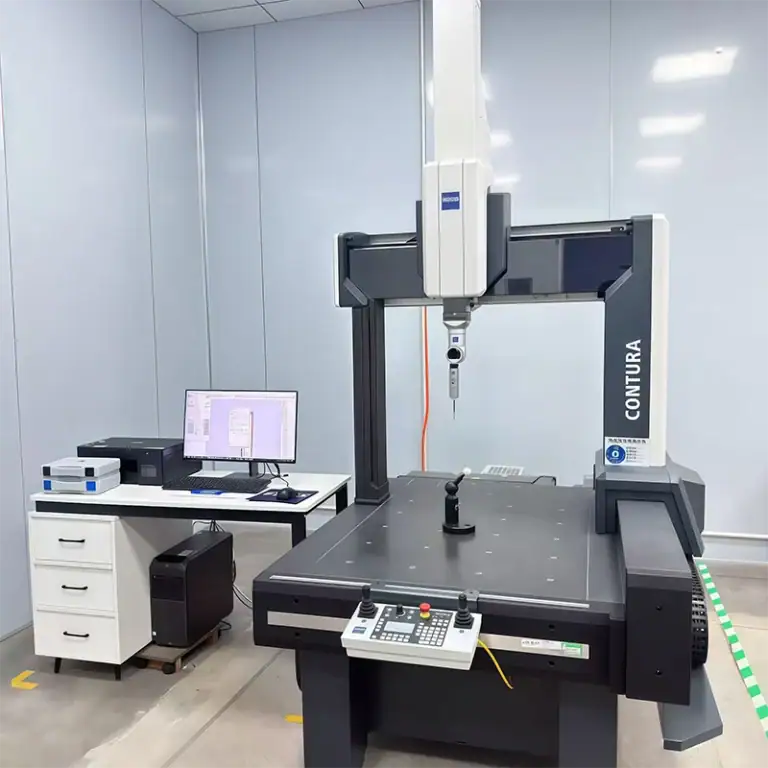
- Use coordinate measuring machines, optical measurement equipment, and other tools according to the accuracy requirements.
- Perform first-article, in-process, and finished-part inspections during mass production.
- Retain quality documentation for materials, surface treatments, and other requirements as specified.
A complete inspection process helps identify problems in advance and reduce assembly and batch procurement risks.
Consider the Supplier’s Ability to Transition from Prototypes to Mass Production
Petroleum testing equipment typically goes through prototyping, testing, small-batch trial production, and mass delivery. Choosing a supplier capable of handling the entire process can reduce the time required for repeated supplier searches and process verification. For components made from special materials or with complex structures, materials, machining requirements, inspection items, and acceptance standards should be confirmed in advance.
The core of CNC machining for petroleum testing equipment is to ensure that components meet requirements for dimensional accuracy, interface fit, material compatibility, and batch consistency at the same time. For components that directly contact oil and gas, produced water, or highly mineralized media, material and manufacturing solutions must be determined based on the actual operating conditions. TiRapid provides CNC machining services for non-standard petroleum testing equipment components, supporting prototypes, small-batch production, and mass production. Based on customer drawings and 3D models, TiRapid can manufacture precision structural components and help equipment companies improve procurement coordination and project delivery efficiency.