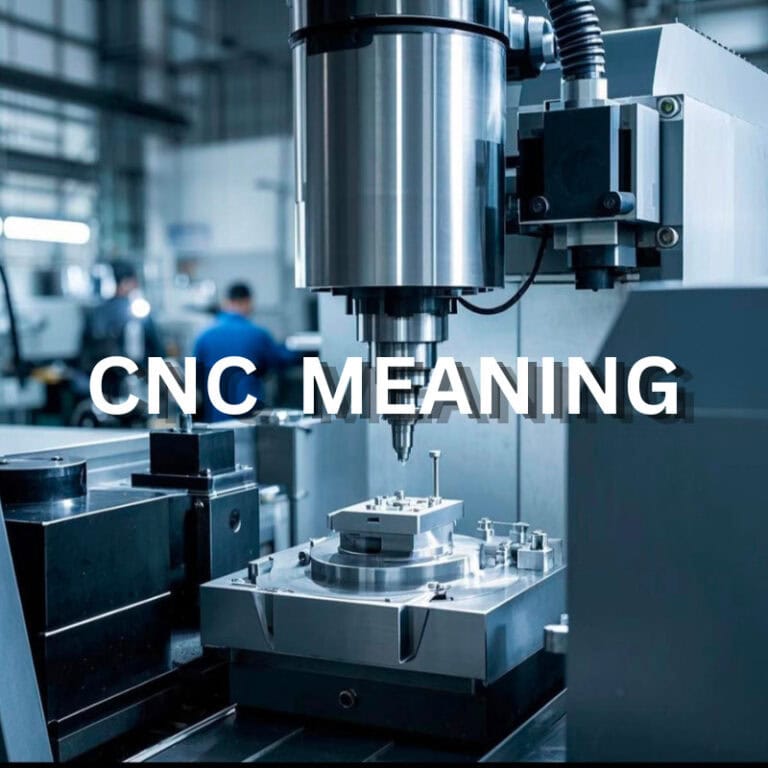
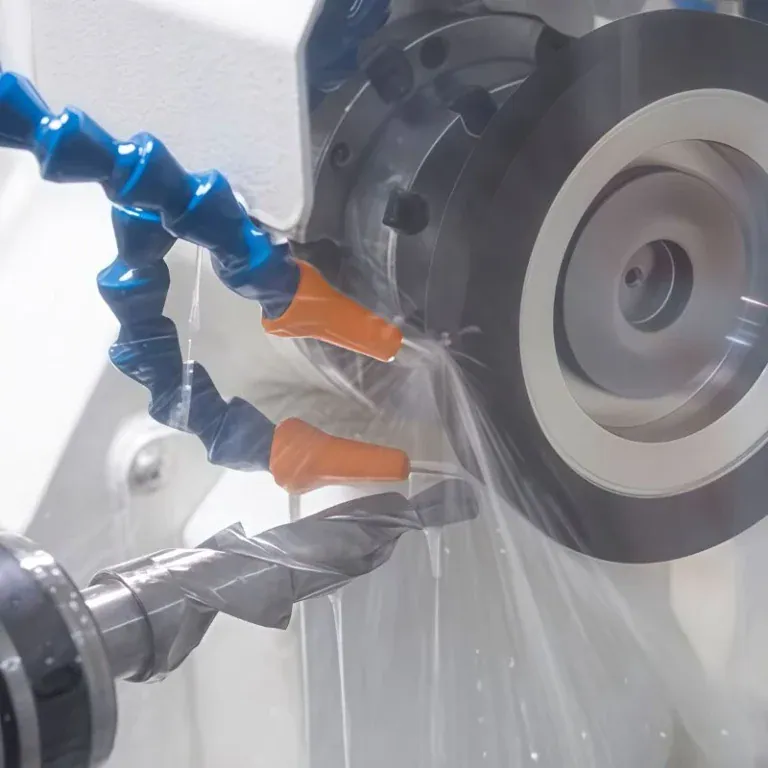
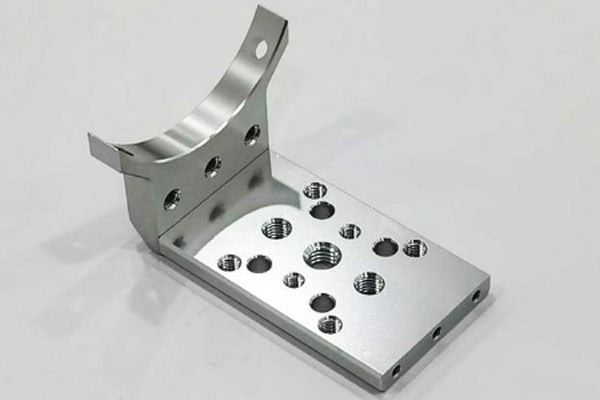
Although brackets in medical reagent equipment are not as complex as core detection modules, they directly perform functions such as fixing, supporting, positioning, and connecting components. Reagent cartridges, detection modules, sensors, wiring assemblies, and other precision components all need to be securely installed during equipment operation. If the bracket holes are misaligned, the mounting surface is uneven, or significant deformation occurs after machining, component assembly may be affected, and in severe cases, equipment debugging time may increase. Brackets also commonly involve single-piece prototyping, small-batch validation, frequent design modifications, and tight lead times. CNC machining does not require dedicated molds and can directly machine parts based on 3D drawings, making it more suitable for R&D-stage and small-batch projects. The TiRapid website currently provides manufacturing services including CNC milling, turning, 5-axis machining, precision machining, sheet metal fabrication, and 3D printing, supporting projects from prototypes through mass production.
Why Medical Reagent Equipment Brackets Are Suitable for Custom CNC Machining
Medical reagent equipment brackets typically need to connect with equipment frames, detection modules, sensors, or other components. Their structures commonly include mounting holes, locating holes, threaded holes, steps, grooves, and reinforcing ribs. Compared with standard brackets, custom brackets depend more heavily on the overall equipment structure, making drawing-based machining more convenient.
Determine the Bracket Structure Based on Equipment Function
Even when two parts are both brackets, their requirements can be completely different depending on the reagent equipment. For example, some brackets are mainly used to secure detection modules and need to ensure a stable mounting position; some are designed for sensors and therefore require higher accuracy for hole locations and positioning dimensions; others need to handle wiring fixation and equipment connections at the same time. Therefore, before CNC machining, the actual installation position and function of the bracket should first be confirmed. If the bracket is simply a standard supporting component, material cost, machining time, and structural strength can be prioritized. If it performs precision positioning, dimensions such as hole spacing, mounting surfaces, and flatness should receive greater attention. If the bracket requires frequent assembly and disassembly, the durability of threaded holes should also be considered. This approach avoids applying extremely strict tolerances to every dimension. For areas that do not affect assembly, there is no need to unnecessarily increase machining requirements, as this can easily increase machining time and cost.
How to Select Common Materials
Common materials for medical reagent equipment brackets include aluminum alloys, stainless steel, and certain engineering plastics. More expensive materials are not necessarily better. Material selection should instead be based on equipment weight, operating environment, corrosion resistance requirements, and budget.
| Material | Common Characteristics | Typical Applications |
| 6061 Aluminum Alloy | Lightweight, easy to machine | General equipment brackets, internal structural components |
| 7075 Aluminum Alloy | High strength, lightweight | Brackets requiring higher strength |
| 304 Stainless Steel | Corrosion resistant, good strength | Equipment requiring higher durability |
| 316L Stainless Steel | Good corrosion resistance | Applications with higher material-environment requirements |
| POM | Lightweight, easy to machine | Insulating, light-load auxiliary structures |
| PEEK | Heat resistant, good chemical resistance | Internal components of special equipment |
TiRapid lists materials including 6061, 7075, 304, and 316L metals on its website, while also offering engineering plastics such as POM, PPS, and PEEK. It should be noted that a medical reagent equipment bracket is not the same as an implantable medical component. If the part is simply an internal structural support component of the equipment, the material should generally be selected according to the actual operating environment rather than simply pursuing medical-grade materials.
Consider Machining Costs During the Design Stage
Sending a completed bracket design directly to a manufacturer for production can lead to problems that could have been avoided. For example, grooves that are too deep, internal corners that are too small, walls that are too thin, and holes positioned too close to edges can all increase machining difficulty. Experience in medical bracket machining also generally emphasizes that appropriately arranging wall thickness, hole locations, and machining directions during the bracket design stage can help reduce deformation and lower costs. TiRapid can perform a DFM design-for-manufacturing review before machining and provide suggestions regarding structure, machining methods, and production difficulty based on the drawings, allowing R&D personnel to identify problems before machining begins.
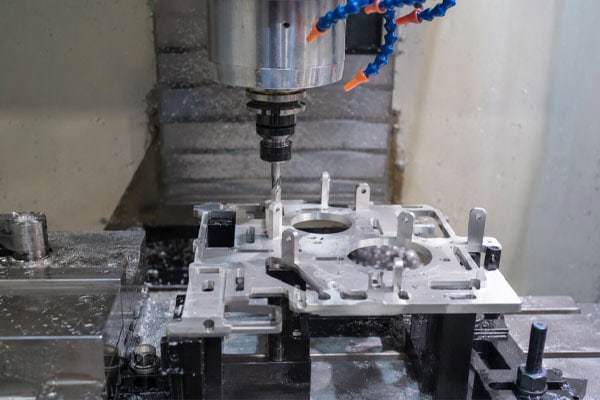
CNC Machining Solution for Medical Reagent Equipment Brackets
Once the material and drawings have been confirmed, the next step is the actual production process. A recommended workflow is “Drawing Confirmation — DFM Review — Material Preparation — CNC Machining — Surface Treatment — Dimensional Inspection — Packaging and Delivery.”
Confirming the 3D Drawings
Customers can provide 3D CAD files such as STEP and STP, which can also be used together with PDF engineering drawings. Machining personnel need to focus on the bracket’s overall dimensions, hole locations, threads, mounting surfaces, chamfers, and surface treatment requirements. If a bracket contains multiple critical mounting positions, it should be clarified in advance which dimensions actually affect assembly. Examples include equipment mounting hole locations, mounting surfaces that contact detection modules, sensor locating holes, threaded hole dimensions, and connection dimensions between brackets. These dimensions can be treated as key inspection points rather than applying the same high-precision requirements to every dimension.
Arrange the CNC Machining Sequence Properly
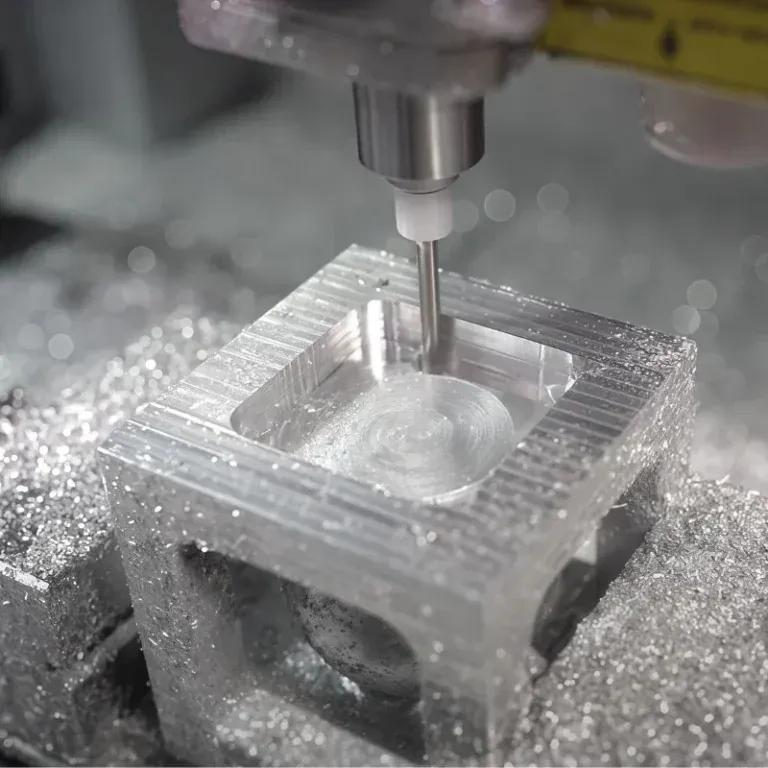
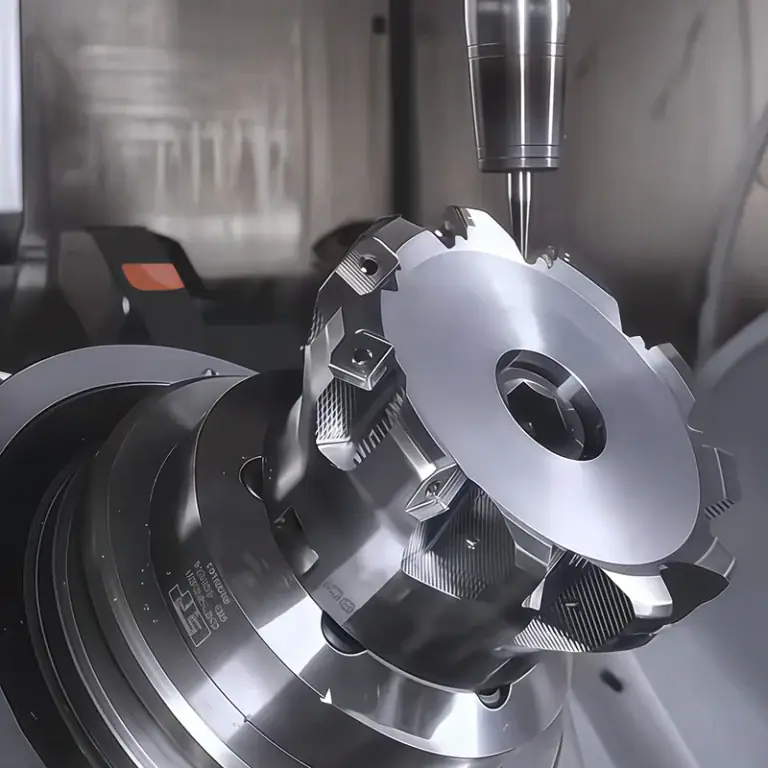
Most medical reagent equipment brackets have plate-like, block-like, or stepped structures and are commonly manufactured through CNC milling. For relatively complex structures, 4-axis or 5-axis machining can be used to reduce the number of setups. During machining, an appropriate fixturing method should be selected according to the bracket’s shape. If the bracket is relatively thin, excessive clamping force may cause deformation. If multiple surfaces need to be machined, an unreasonable setup datum may cause dimensional deviations between different surfaces.
Hole Locations and Mounting Surfaces Are Inspection Points
The final purpose of a reagent equipment bracket is to be installed onto equipment, so hole dimensions require particular attention. For example, even if a bracket is designed to be 100 mm long and there is a small deviation in the external dimensions, assembly can often still be completed smoothly as long as the mounting holes are positioned accurately. However, if the center-to-center distance between two mounting holes has a significant deviation, screws may not be installable.
Therefore, inspection can focus on the following areas
| Inspection Area | Key Items to Confirm | Impact on Assembly |
| Mounting Holes | Hole diameter, hole spacing, position | Directly affects installation |
| Threaded Holes | Thread specification, depth | Affects screw connections |
| Mounting Surfaces | Flatness, dimensions | Affects component fit |
| Locating Holes | Hole diameter, center position | Affects module positioning |
| External Profile | Length, width, height, chamfers | Affects overall installation space |
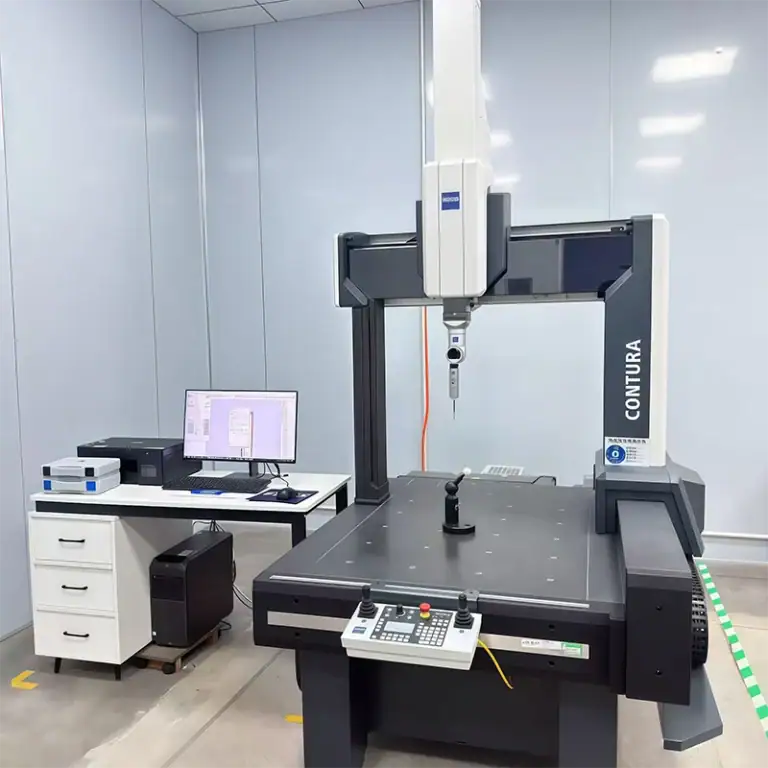
TiRapid has CMM inspection capabilities, and its website also lists CMM inspection as part of its manufacturing services, which can be used to verify the dimensions of precision components.
Quality Control from Prototypes to Small-Batch Production
Medical reagent equipment development is often not completed in a single design cycle. Several prototypes may first be produced for installation and testing, followed by structural modifications based on the test results.
Validate Assembly During the Prototype Stage
If the bracket is being manufactured for the first time, a small number of prototypes can be produced initially. After completion, customers can install the prototypes onto the actual equipment to check for interference, verify hole positioning, confirm whether the detection module can be installed properly, and determine whether sufficient space is available for wiring. If design problems are discovered, the CAD file can be modified directly before entering the next machining cycle. Compared with producing a large quantity of parts and only discovering design errors afterward, small-batch validation can reduce risks during the R&D stage.
Maintain Dimensional Consistency During Batch Production
After the prototypes are confirmed to be satisfactory, the project can move into small-batch production. At this stage, the focus changes from “Can it be assembled?” to “Can every part maintain consistency?” For orders of 10, 50, 100, or even more pieces, consistent machining datums, tool conditions, and inspection standards need to be maintained. Common service models in medical equipment machining also include single-piece prototyping, small-batch production, and subsequent volume manufacturing. TiRapid itself supports production from single-piece prototypes and small batches to scaled manufacturing and provides CNC machining, sheet metal fabrication, and 3D printing services, allowing customers to adjust production methods according to the project stage.
Surface Treatment Options
Whether a bracket requires surface treatment after CNC machining should be determined according to the material and operating environment. Aluminum alloy brackets can undergo anodizing, sandblasting, and other treatments as required, while stainless steel can be treated with suitable surface finishing methods based on its intended application. If the bracket is installed inside the equipment, surface treatment may primarily focus on corrosion resistance, appearance, and cleanliness. If it is an exposed structural component, color and the overall equipment appearance should also be considered. For medical-related equipment, the surface treatment solution should be confirmed according to the actual requirements of the equipment manufacturer, operating environment, and applicable regulatory requirements. The treatment method should not be determined solely by the fact that the component is used in “medical equipment.”
TiRapid Custom Manufacturing Services for Medical Reagent Equipment Brackets
Although medical reagent equipment brackets are structural components, the process from drawings to final assembly involves multiple stages, including material selection, machining, inspection, and delivery. When choosing a machining supplier, customers should consider not only unit price but also communication speed, design feedback, machining capabilities, and support for small-batch production.
Fast Customization for the R&D Stage
TiRapid provides CNC milling, CNC turning, 5-axis machining, precision machining, and other manufacturing capabilities, as well as sheet metal fabrication and 3D printing services. According to its website, its production services cover prototypes, small batches, and scaled manufacturing, with more than 100 material options and 60 surface treatment options.
For medical reagent equipment development projects, the process can proceed as follows:
3D Drawing → DFM Review → Quotation → Prototype → Assembly Testing → Modification → Small-Batch Production
This approach is suitable for new product development, equipment modifications, and replacement parts for existing equipment.
Extend from Machined Components to Complete Manufacturing Services
If a customer only needs a single bracket, CNC machining can solve the problem. If a project also requires equipment housings, connectors, mounting plates, plastic structural components, and other parts, different manufacturing methods can be combined.
For example:
| Project Requirement | Available Manufacturing Method |
| Aluminum Alloy Bracket | CNC Machining |
| Stainless Steel Mounting Plate | Sheet Metal Fabrication |
| Equipment Housing | CNC / Sheet Metal Fabrication |
| Plastic Locating Component | CNC Plastic Machining / 3D Printing |
| R&D Prototype | CNC / 3D Printing |
| Small-Batch Structural Components | CNC Machining |
| Complex Curved-Surface Components | Multi-Axis CNC Machining |
TiRapid’s website clearly provides CNC machining, sheet metal fabrication, 3D printing, and other value-added manufacturing services, while also supporting CAD files, assembly, supply chain sourcing, packaging, and related services.
Simplify Quotation and Production Communication
For medical reagent equipment bracket projects, customers do not necessarily need to determine every machining detail in advance. They can provide 3D CAD files and engineering drawings, allowing the engineering team to first review the structure and then determine the machining solution based on material, quantity, surface treatment, and precision requirements. TiRapid provides free DFM reports, instant quoting, and dedicated support. Its website states that it can respond within 3 minutes and provide free quotations within 4 hours. If your bracket is currently in the R&D, prototyping, or small-batch production stage, you can send the drawings directly to TiRapid for evaluation.
Common Questions
Q1: Can I get a quotation if I only have a STEP file without a complete engineering drawing?
In most cases, an initial evaluation can be performed. If requirements involve critical dimensions, threads, surface treatments, or other specifications, combining the STEP file with an engineering drawing will provide a more accurate assessment.
Q2: Does the bracket have to be made of stainless steel?
Not necessarily. If the bracket is mainly used for internal equipment fixation, 6061 aluminum alloy may already meet the requirements while offering lower weight and easier machining. The final choice should be based on strength, environment, and equipment requirements.
Q3: Can small-batch production ensure consistent dimensions for every part?
Consistency can be controlled through standardized machining datums, machining parameters, and inspection standards. Additional dimensional inspections can also be performed for critical dimensions.
Q4: What if the drawing is not suitable for CNC machining?
A DFM review can be conducted before production. Structures that are too thin, grooves that are too deep, and internal corners that are too small can all increase machining difficulty. Making modifications in advance is generally more time-efficient than reworking parts after machining.
Q5: Can TiRapid manufacture other medical equipment components besides brackets?
Yes. Based on TiRapid’s existing service capabilities, it can also provide manufacturing services for other CNC components, sheet metal parts, and 3D-printed parts, making it suitable for equipment projects that require multiple structural components to be developed together.
Medical reagent equipment brackets have strict requirements for dimensions, hole locations, materials, and machining quality. Especially during the development of new equipment, many brackets cannot be finalized in a single iteration. It may be necessary to produce one or two prototypes first, install them, make adjustments, and then manufacture a second or third version. This is where the value of custom CNC machining becomes clear — there is no need to create a mold first, designs can be modified quickly according to updated drawings, and production can gradually increase from a single prototype to dozens or hundreds of pieces. For ordinary internal equipment brackets, there is no need to make every dimension excessively tight. Positions that directly affect installation should be carefully controlled. Materials also do not need to be the most expensive option; aluminum alloy, stainless steel, or suitable engineering plastics can all be considered as long as they meet the equipment’s requirements. After machining, surface treatment and dimensional inspection can then be carried out according to actual needs.
If you already have a 3D drawing for a medical reagent equipment bracket but are unsure how to select the material, whether the structure is suitable for machining, or how the quotation should be calculated, you can provide the drawing to a machining manufacturer for a DFM review. This can usually help identify potential problems more quickly. TiRapid can support the project from preliminary design evaluation and CNC prototyping through small-batch production, helping transform the bracket from a digital model into a functional component that can be installed and used.
Email: projects@tirapid.com
Phone: +86 760 8999 8536