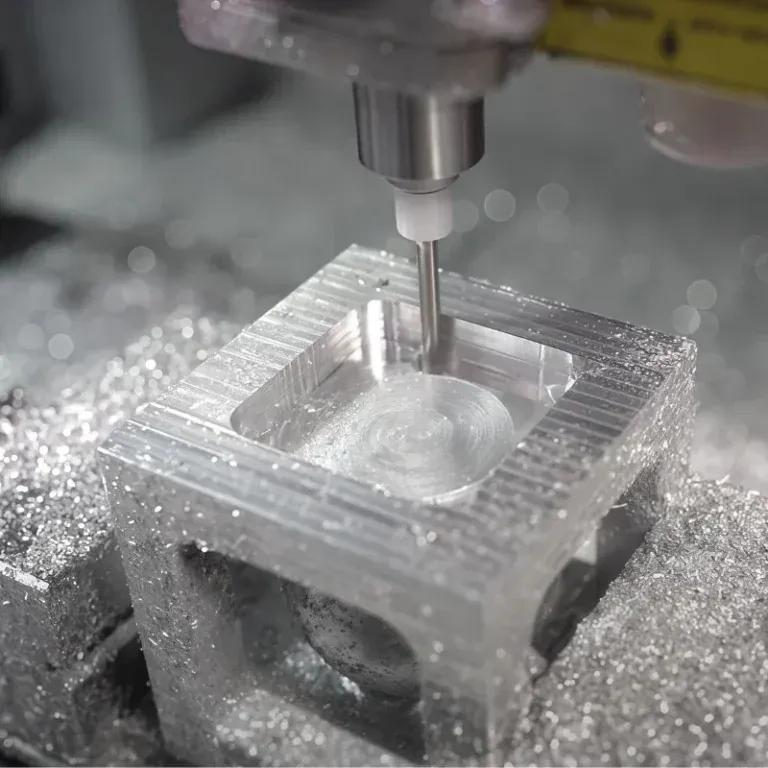
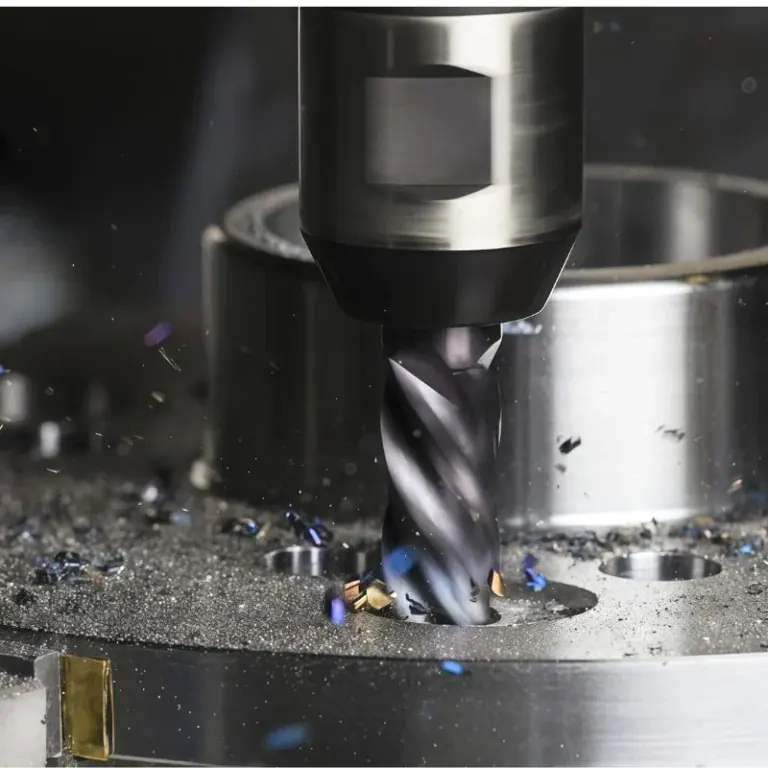
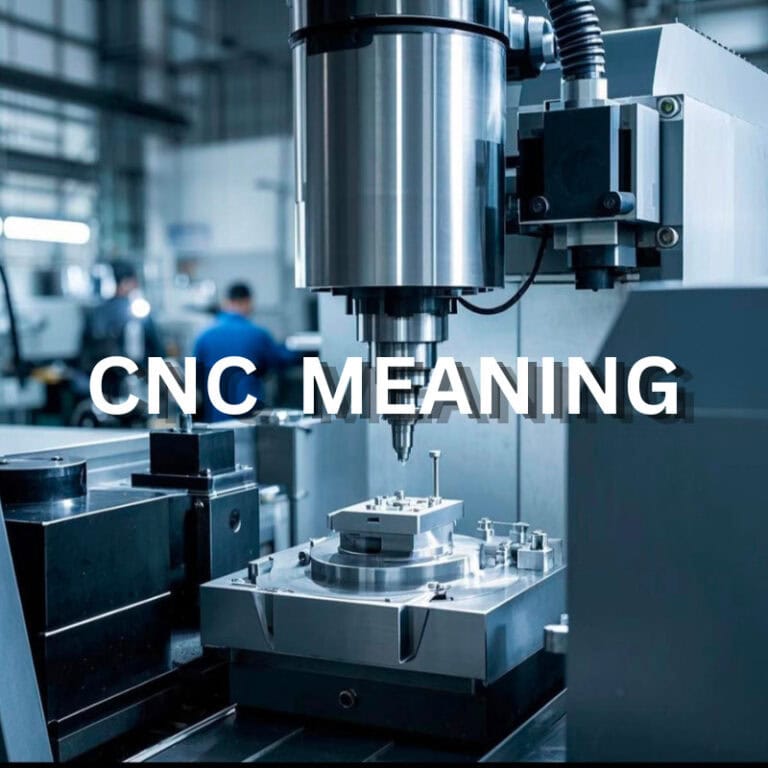
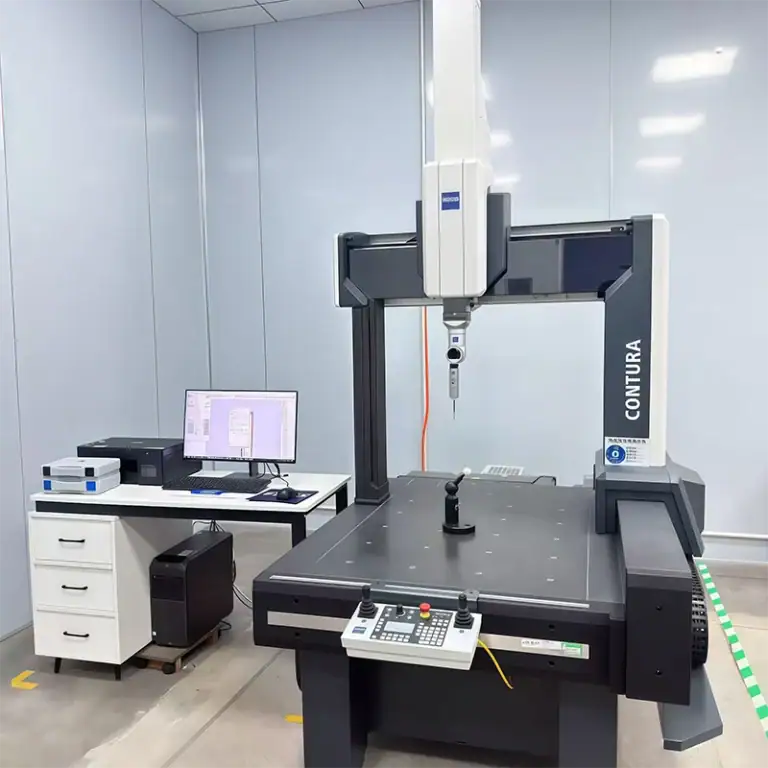
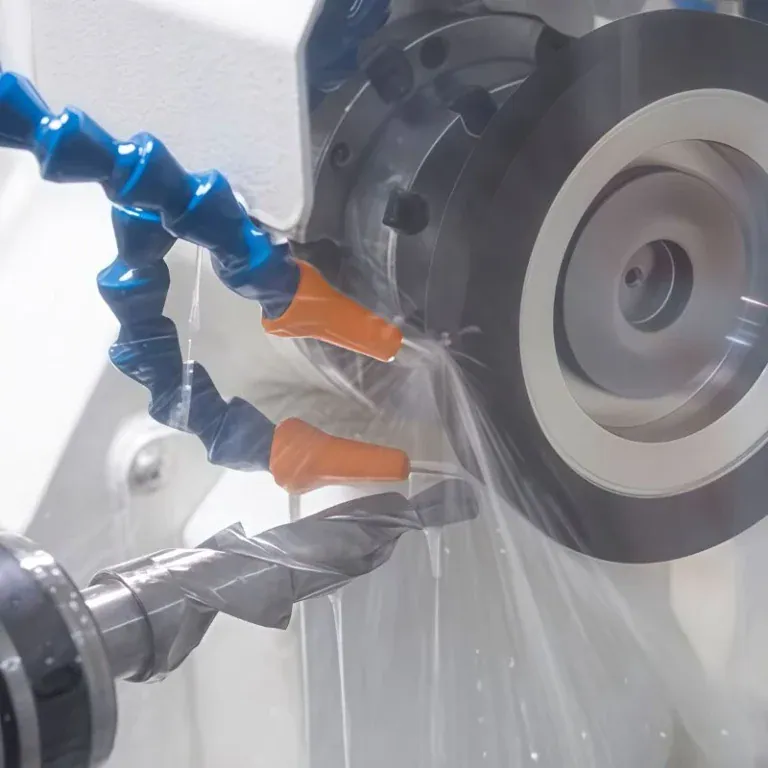
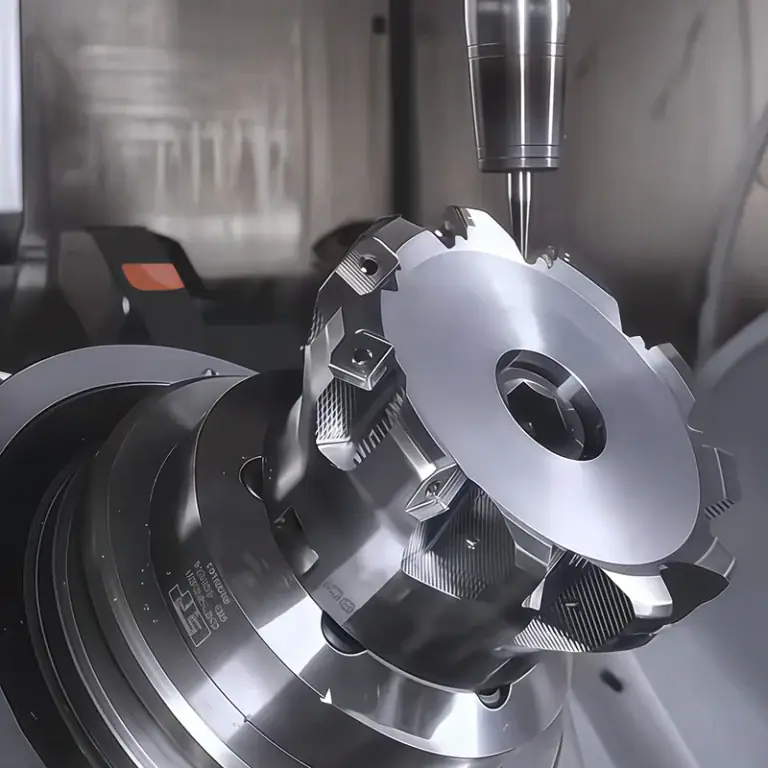
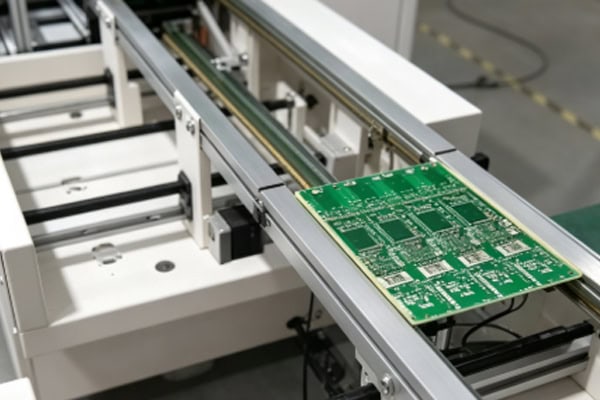
Automated electronics production lines cover multiple processes, including conveying, positioning, inspection, assembly, and pick-and-place operations. The non-standard mechanical components used in these systems must maintain consistent dimensions and proper structural compatibility. If components such as mounting bases, connectors, locating blocks, fixtures, and guide rail brackets have excessive machining deviations, they may affect equipment assembly, workpiece positioning, and the operating efficiency of the entire production line. CNC precision machining can manufacture automated equipment components in various specifications based on drawings and 3D models, making it suitable for R&D prototypes, trial production orders, and subsequent production requirements.
What Are the Core Requirements for Machining Components for Automated Electronics Production Lines?
Electronics production lines typically contain numerous mechanical components that work together. Machining processes must therefore be planned according to the component’s function, assembly accuracy, and production volume.
Accuracy Directly Affects Equipment Assembly
Mounting holes, locating holes, mating surfaces, and connection structures in automated equipment have clearly defined positional relationships. Dimensional deviations may be further amplified during assembly.
- CNC machining can consistently control the accuracy of critical dimensions, hole positions, and mounting surfaces.
- Focused inspection of precision mating areas can reduce assembly gaps and positioning deviations.
- Maintaining consistent machining programs during mass production helps reduce dimensional differences between components.
Stable dimensional control can reduce adjustment work during equipment assembly and commissioning.
Non-Standard Structures Require Flexible Manufacturing
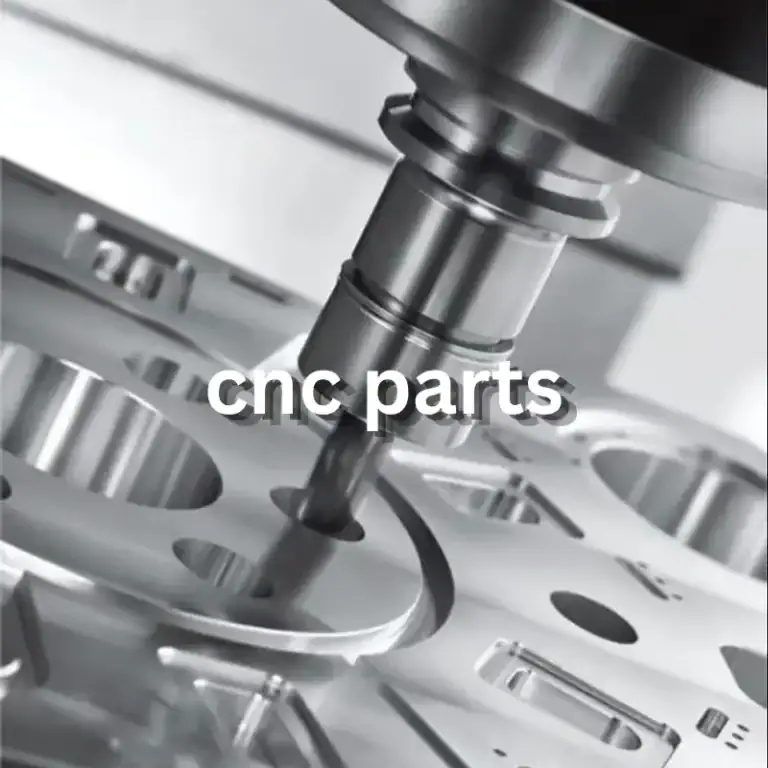
Different electronic products involve significantly different production processes. Components such as fixtures, brackets, and connection blocks on production lines often need to be customized according to the equipment structure. Complex contours, irregular structures, slots, holes, and multi-angle mounting positions can all be machined based on CAD drawings or 3D models. Components with more complex structures can also be manufactured using multi-axis CNC machining processes.
Material Selection Affects Component Performance
Components used in electronics production lines must be made from materials selected according to load, movement frequency, weight, and operating environment. Common materials include aluminum alloys, stainless steel, alloy steel, and engineering plastics.
| Machining Requirement | Recommended CNC Machining Solution | Common Components |
| High-precision assembly | CNC precision milling | Mounting bases, locating blocks |
| Lightweight moving structures | Aluminum alloy CNC machining | Robotic arm connectors, brackets |
| Wear resistance and high strength | Precision alloy steel machining | Drive shafts, connecting shafts |
| Corrosion-resistant structures | Stainless steel CNC machining | Equipment connectors, mounting components |
| New equipment development | Rapid CNC prototyping | Non-standard prototypes, test components |
Proper material and process selection helps balance component performance, machining costs, and equipment operating stability.
How Can CNC Machining Improve the Manufacturing Efficiency of Electronics Production Line Components?
The development cycles for automated electronics equipment are often tight. How quickly components can enter the validation stage directly affects the progress of complete equipment development.
Accelerating Prototyping and Validation of New Equipment
During equipment development, fixture structures, mounting positions, and moving components are often modified. CNC machining can directly produce prototypes based on updated design files, eliminating the need to create dedicated molds for every adjustment.
- Reduce mold preparation time: Non-standard components can be machined without first producing dedicated molds.
- Complete prototype manufacturing quickly: Components can be machined based on CAD drawings or 3D models, reducing waiting time.
- Facilitate assembly validation: Completed prototypes can be directly used for equipment assembly and functional testing.
- Identify design issues promptly: Problems such as structural interference and dimensional mismatches can be identified more quickly.
Rapid prototyping and validation can shorten the design modification cycle and improve the development efficiency of new equipment.
Maintaining Assembly Consistency for Batch Components
Electronics production lines often require large quantities of similar components. The fact that one component meets specifications does not necessarily mean that the entire batch can be assembled smoothly.
- Use consistent CNC machining programs: Perform machining according to approved drawings and process requirements to reduce variations caused by manual operations.
- Control critical dimensions: Pay particular attention to hole diameters, hole spacing, mounting surfaces, and mating dimensions.
- Strengthen first-article and in-process inspection: Identify machining deviations promptly and prevent issues from affecting the entire batch.
- Manage batch consistency effectively: Record and compare critical dimensions to reduce differences between production batches.
Stable batch machining capabilities can reduce the risks of rework, repeated commissioning, and production line downtime.
Adapting to Different Purchase Volumes
Automated electronics production line projects may involve R&D prototypes, small-batch trial production, and subsequent mass-production orders at the same time. CNC machining does not require separate mold investment for each non-standard component, allowing purchase quantities to be adjusted flexibly according to the project stage.
- Support R&D prototype machining: Suitable for validating new structures and testing equipment functions.
- Meet small-batch trial production needs: Small quantities of components can be produced according to trial production plans.
- Connect with subsequent mass production: After design approval, mature processes can continue to be used for batch manufacturing.
- Reduce supplier switching costs: Having the same supplier handle the process from prototypes to mass production helps maintain process continuity.
This flexible production model helps shorten development cycles, control procurement costs, and ensure a smoother transition from prototype validation to stable mass production.
Common CNC Machining Applications for Automated Electronics Production Line Components
CNC precision machining can cover various structural and functional components used in automated electronics equipment, especially mechanical components with a high degree of customization.
Equipment Mounting Bases and Locating Components
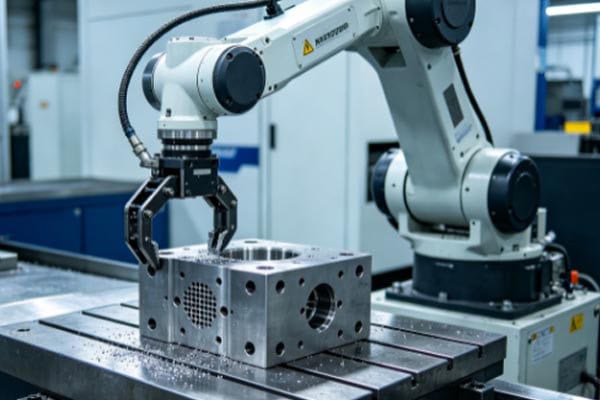
Mounting bases, locating blocks, and connection bases are used to secure and position equipment. They typically require high accuracy for hole positions and mating surfaces. CNC machining can customize dimensions according to different equipment models and produce structures with multiple holes, slots, and other features.
- Equipment base machining: Used to secure production line modules and mechanical components.
- Locating block machining: Used for repeatable positioning of workpieces or equipment components.
- Connection base machining: Used to create stable connections between different structures.
- Multi-hole structure machining: Meets requirements for bolt installation, adjustment, and fixation.
Accurate locating components provide a stable foundation for equipment assembly and repeatable positioning on production lines.
Robotic Arm Connectors and Fixtures
Robotic arm connectors must balance structural strength, weight, and mounting accuracy, while fixtures for electronic products are typically customized according to workpiece dimensions.
- Robotic arm connectors: Aluminum alloy machining can reduce weight while meeting mounting accuracy requirements.
- Equipment fixtures: Clamping structures can be customized according to the shape and dimensions of electronic products.
- High-load connection components: Stainless steel or alloy steel machining can improve structural strength and wear resistance.
- Precision mounting areas: Controlling the dimensions of connection holes, locating surfaces, and mating surfaces helps ensure stable movement mechanism performance.
Suitable materials and machining processes help maintain stable operation of moving mechanisms while reducing the risk of deformation and wear during long-term fixture use.
Guide Rail Brackets and Transmission Components
Conveying and handling mechanisms perform repetitive movements over long periods. The machining accuracy of guide rail mounting components, slide table connectors, drive shafts, and other parts affects movement stability.
- Guide rail brackets: Used to secure linear guides and moving components.
- Slide table connectors: Used to connect slide tables, robotic arms, or other actuators.
- Drive shafts: Used to transmit power and maintain synchronization between moving components.
- Precision mounting structures: Controlling mounting surface and shaft hole dimensions helps reduce movement deviations.
- Surface-treated components: Anodizing, plating, or other surface treatments can be added according to the operating environment to improve wear resistance and appearance.
Stable manufacturing of motion-related components can reduce commissioning and maintenance pressure during long-term production line operation.
How to Choose a Machining Supplier for Automated Electronics Production Lines?
For automated electronics equipment manufacturers, a supplier must not only complete component machining but also support R&D changes and subsequent batch deliveries.
Evaluate Non-Standard Precision Machining Capabilities
Confirm whether the supplier has 3-axis, 4-axis, or 5-axis CNC equipment, as well as experience machining common materials such as aluminum alloys, stainless steel, engineering plastics, and alloy steel. Whether complex drawings can be consistently converted into finished components is an important indicator of a supplier’s technical capabilities.
Evaluate the Quality Inspection System
Components used in electronics production lines typically involve numerous mating dimensions, so quality control should cover the entire machining process.
- Inspect critical dimensions, hole positions, and mounting surfaces.
- Confirm first articles to reduce batch production risks.
- Maintain dimensional consistency between prototypes and batch-produced components.
- Provide corresponding inspection documentation according to project requirements.
A comprehensive quality management system can reduce the risk of machining problems being discovered only during assembly.
Determine Whether the Supplier Can Support the Entire Process from Prototyping to Mass Production
If a supplier can provide DFM analysis, rapid CNC prototyping, precision machining, surface treatment, and batch manufacturing, customers can reduce repetitive communication between different suppliers. This continuous manufacturing support is particularly important for electronics production line projects that undergo ongoing design iterations.
Manufacturing components for automated electronics production lines requires a balance of accuracy, material selection, assembly requirements, lead time, and batch consistency. Choosing the right machining solution can reduce uncertainty during equipment development and procurement. TiRapid provides CNC precision machining services for automated electronics production line components, supporting rapid prototyping, small-batch production, and mass manufacturing based on drawings and 3D models, helping customers complete non-standard automation component sourcing more efficiently.