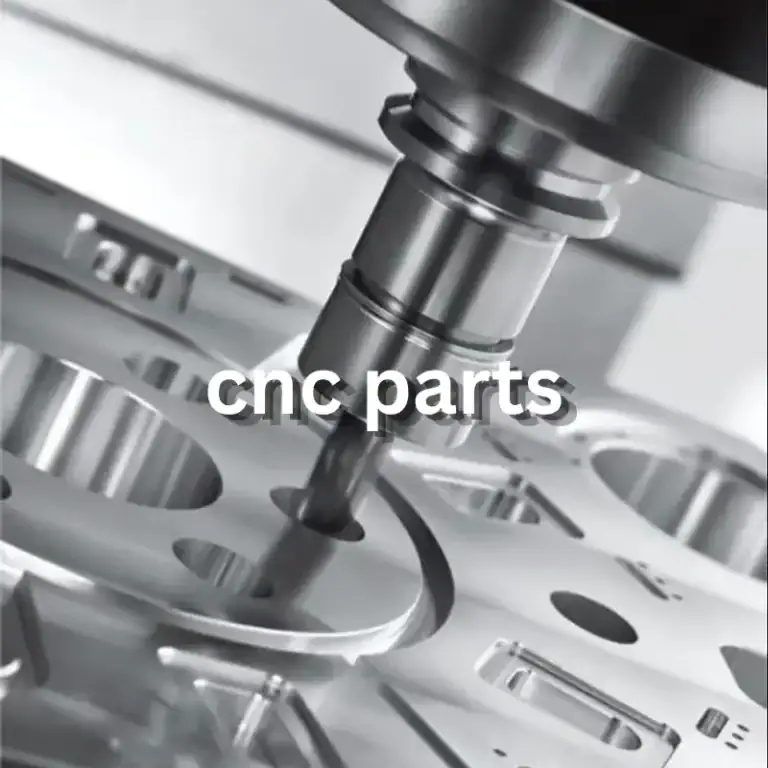
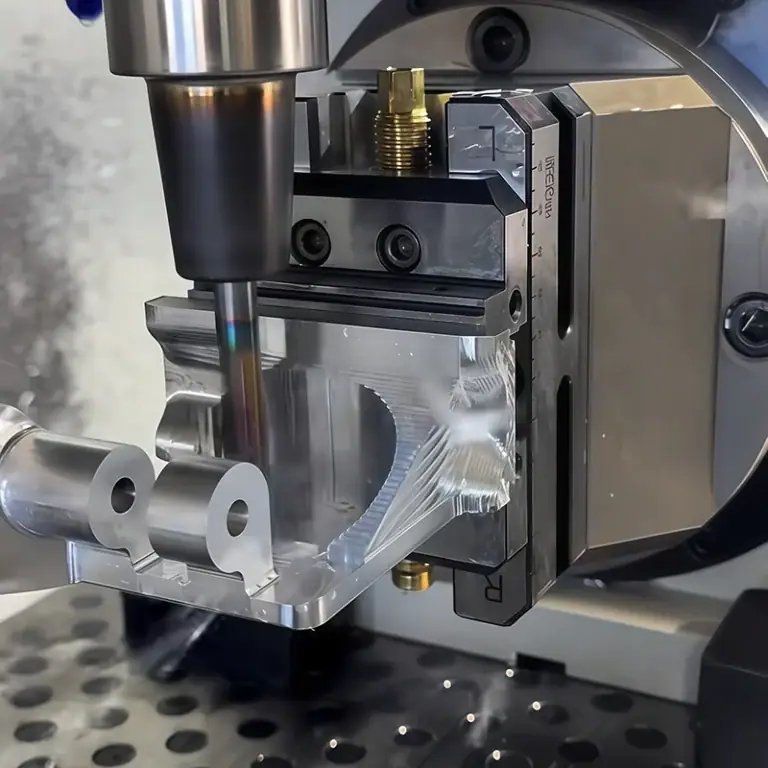
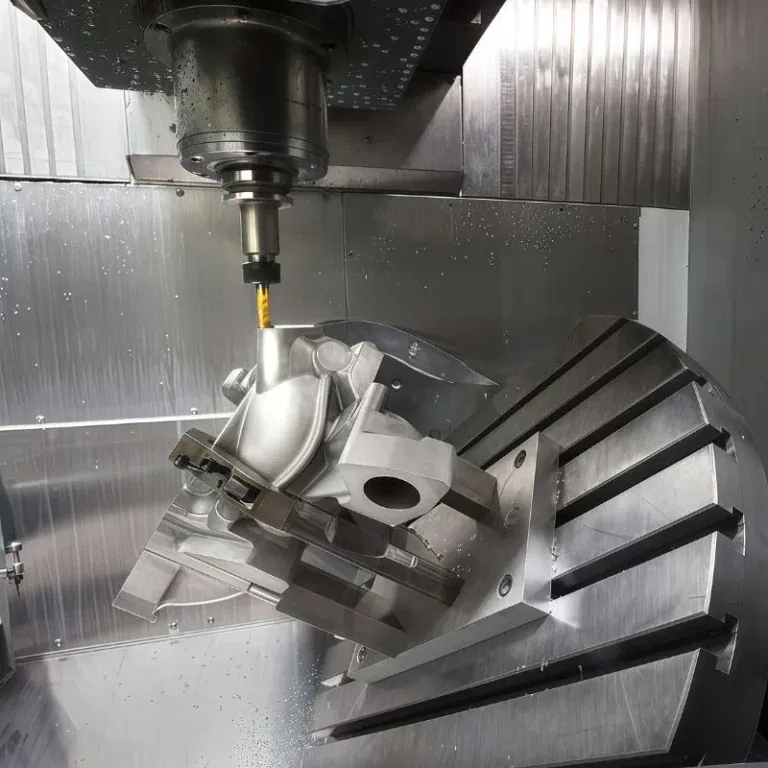
In oil and gas equipment, some parts may seem insignificant during normal operation, but once corrosion starts to affect them, the consequences can be serious. Salt spray on offshore platforms, high-pressure downhole environments, and corrosive substances in transported fluids can all place long-term demands on part materials and machining quality. When sourcing corrosion-resistant components, it is not enough to look only at whether the material is corrosion resistant. Dimensional accuracy, sealing performance, surface condition, and actual assembly results all matter. CNC machining can process materials such as stainless steel, titanium alloys, and nickel-based alloys, providing flexible custom manufacturing solutions for oil and gas industrial equipment.
What Makes Corrosion-Resistant Parts Difficult to Machine for the Oil and Gas Industry?
The real challenge in manufacturing corrosion-resistant parts is often not producing the basic shape, but achieving the right balance between material performance, dimensional accuracy, and actual operating requirements. Oil and gas equipment operates in demanding environments, while its components may also be exposed to pressure, friction, and repeated movement. Any machining issue that is overlooked during production can become a problem later during assembly or operation.
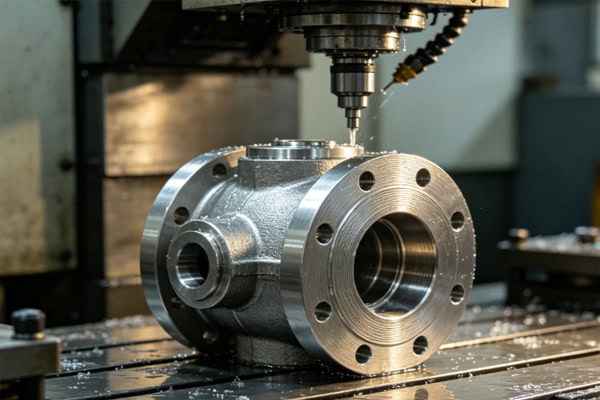
Special Materials Can Accelerate Tool Wear
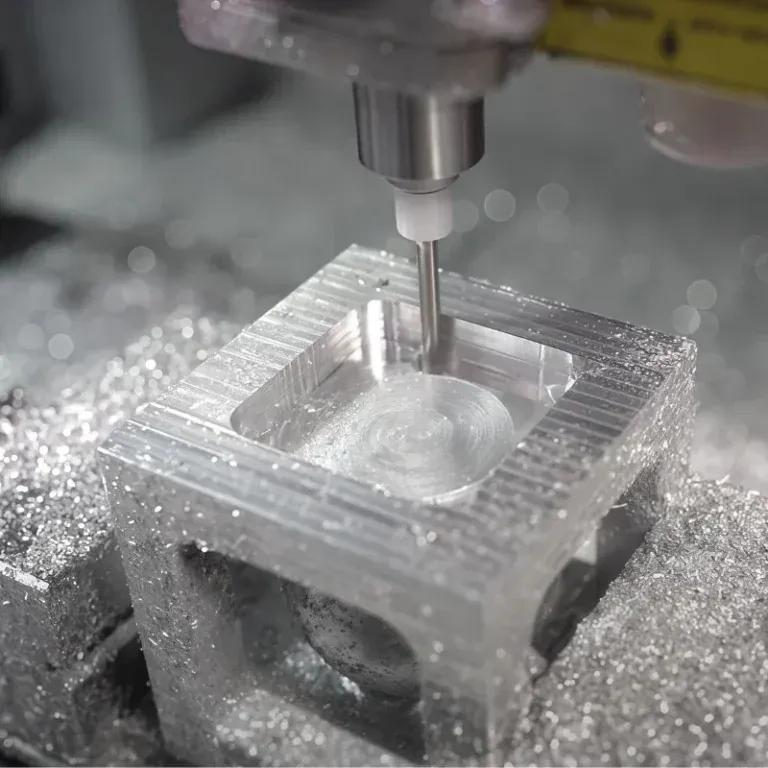
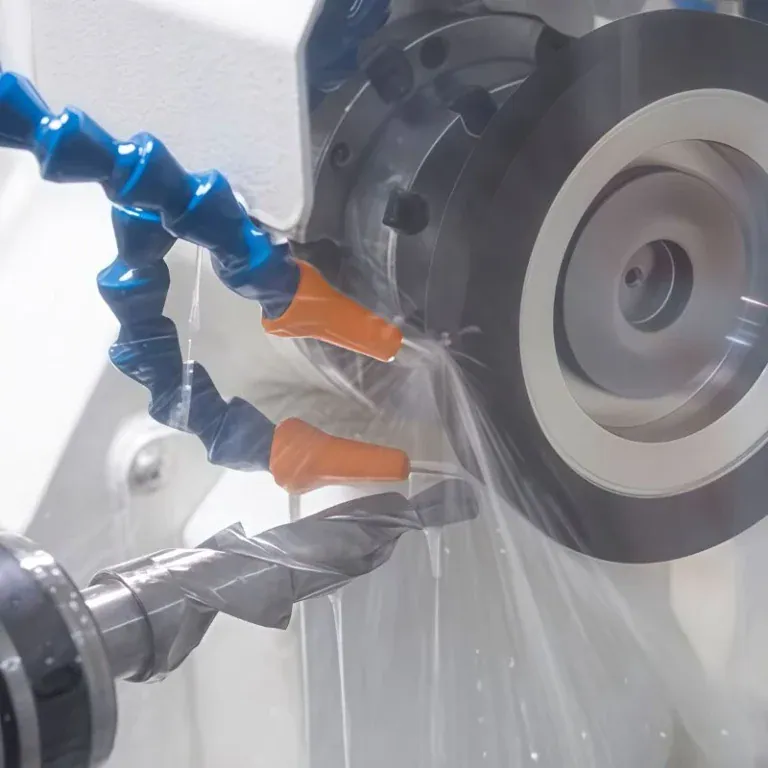
Corrosion-resistant materials generally offer excellent strength and chemical resistance, but they are not always easy to cut. Stainless steel can experience work hardening, nickel-based alloys create relatively high cutting resistance, and titanium alloys tend to generate concentrated machining heat. If tool conditions are unstable, both surface quality and dimensional accuracy can be affected.
- Stainless steel machining requires control of work hardening to prevent subsequent cutting from becoming increasingly difficult.
- Nickel-based alloys place higher demands on tool wear resistance, and overly aggressive parameters can accelerate tool damage.
- Titanium alloy machining requires close attention to cutting heat to reduce dimensional changes and surface damage.
Proper CNC machining parameters can maintain a more stable cutting condition, reduce unnecessary tool changes, and minimize rework during custom part production.
Sealing Areas Require More Than Dimensional Accuracy
Many corrosion-resistant components used in oil and gas equipment perform connection, control, or sealing functions. A sealing surface with scratches, an incorrectly positioned hole, or an unsuitable mating dimension can cause leakage or operating problems even when the material itself has excellent corrosion resistance.
The Operating Environment Determines Material Selection
Oil and gas equipment used on offshore platforms, land-based pipelines, and downhole tools can face very different operating conditions. When sourcing components, factors such as the medium, temperature, pressure, and expected service life need to be considered rather than simply choosing the lowest-cost material.
| Operating Environment | Common Material Choices | Machining Considerations |
| General oil and gas equipment | Stainless steel, alloy steel | Dimensional accuracy, surface quality |
| Offshore platforms | Stainless steel, titanium alloy | Salt spray environment, corrosion resistance |
| Highly corrosive media | Nickel-based alloys | Tool wear, cutting heat |
| Special sealing locations | PEEK, PTFE | Dimensional stability, machining deformation |
What Process Controls Are Important for CNC Machining Corrosion-Resistant Parts?
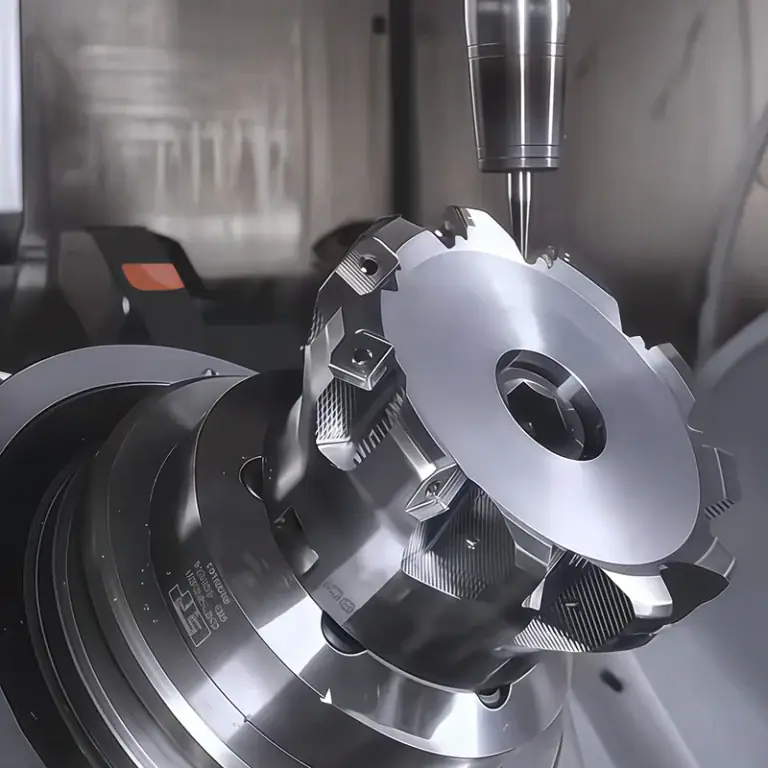
Machining corrosion-resistant components for oil and gas applications requires more than simply applying standard machining practices used for conventional steel parts. Different materials require different tools and cutting parameters, while different structures may require different machining sequences. Components with deep holes, threads, sealing surfaces, and precision mating areas require careful process planning from the beginning to avoid unnecessary problems later in production.
Match Cutting Tools and Parameters to the Material
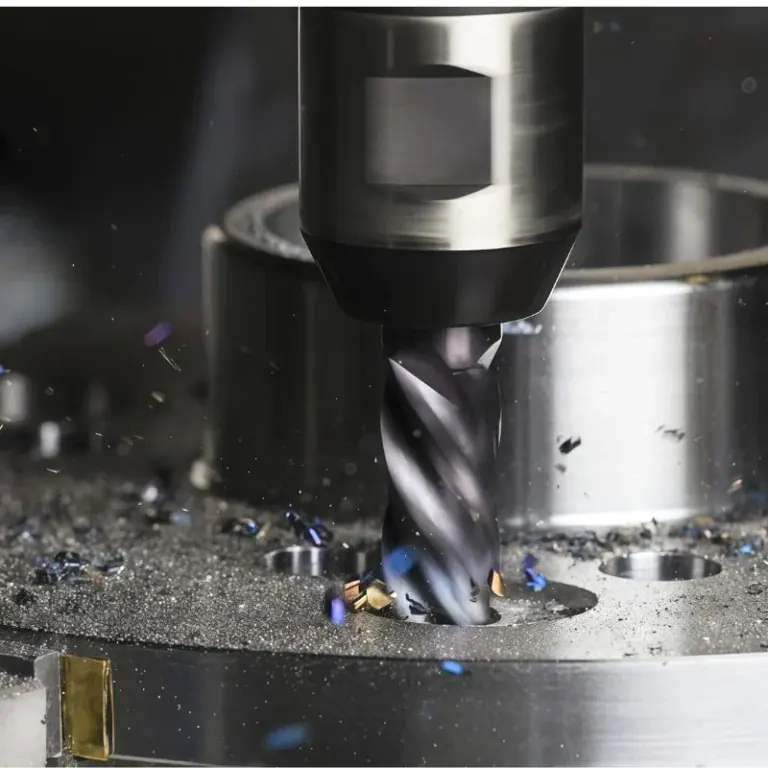
Tool selection has a direct impact on machining efficiency and finished-part quality when working with corrosion-resistant materials. A dull tool can generate excessive material pressure, while overly aggressive parameters can cause excessive heat and abnormal tool wear. Production teams need to monitor cutting speed, feed rate, depth of cut, and cooling conditions to maintain stable tool performance.
- Stainless steel machining focuses on controlling work hardening and built-up edge.
- Nickel-based alloys require careful control of prolonged high-load cutting.
- Titanium alloy machining requires effective control of heat accumulation.
When the parameters are properly adjusted, tool life can improve while surface defects are reduced and dimensional accuracy becomes easier to maintain.
Separate Roughing and Finishing Operations
Some corrosion-resistant materials are relatively expensive, making machining allowance control particularly important. Roughing should focus on material removal and establishing the basic geometry, while finishing can be used for sealing surfaces, precision holes, threads, and other critical areas. This reduces the load on finishing tools and provides better control over final dimensions.
Pay Special Attention to Deep Holes and Threads
Oil and gas components often contain deep holes, intersecting holes, or specialized threads. Internal features can be difficult to inspect during machining, while chip evacuation can also become more challenging. Proper tool entry paths and chip removal strategies are important for reducing internal burrs and maintaining hole accuracy. Critical features should also be inspected after machining.
Which Corrosion-Resistant Oil and Gas Parts Are Suitable for CNC Machining?
The oil and gas industry uses a large number of custom and low-volume components. Non-standard dimensions are particularly common during equipment maintenance, system upgrades, and new equipment development. CNC machining does not require extensive tooling investment, making it flexible for single-piece, small-batch, and different-size production. For purchasing teams, this production method also makes it easier to modify drawings and respond quickly to additional orders.
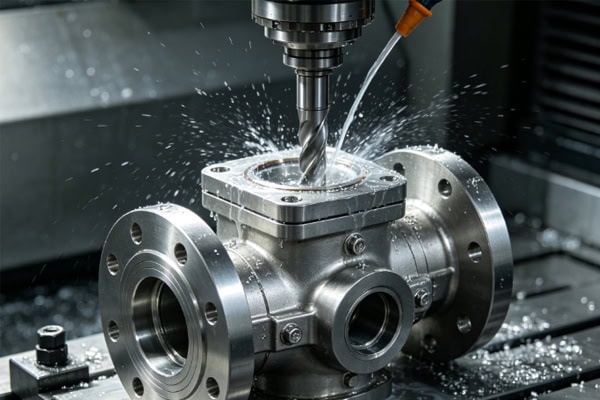
Corrosion-Resistant Valve Components
Valve bodies, valve cores, valve stems, and valve seats may remain in direct contact with process fluids for extended periods, creating strict requirements for both material performance and machining accuracy. CNC machining can produce internal passages, mounting holes, threads, and precision mating surfaces, making it suitable for customized valve component manufacturing.
Pipe Fittings and Flanges
Fittings, flanges, adapters, and special transition components may appear relatively simple, but their hole positions, threads, and connection dimensions must remain accurate. Equipment renovation projects often require non-standard components made to specific site dimensions, which is a strong application scenario for CNC machining.
Pump Bodies and Pressure-Control Components
Pump bodies and pressure-control components often contain internal cavities, passages, and sealing structures. Machining must account for both corrosion resistance and critical dimensional requirements. Precision CNC machining can reduce assembly adjustments and improve compatibility with industrial equipment.
| Part Category | Common Materials | Key CNC Machining Requirements |
| Valve bodies and valve cores | Stainless steel, nickel-based alloys | Passages, sealing surfaces, dimensions |
| Valve stems and seats | Stainless steel, alloy materials | Mating accuracy, surface quality |
| Flanges and pipe fittings | Stainless steel, titanium alloy | Hole positions, threads, connection dimensions |
| Pump body components | Stainless steel, alloy materials | Internal cavities, sealing areas, mounting surfaces |
What Should You Check When Purchasing Corrosion-Resistant CNC Parts?
When purchasing these components, the quotation is only one reference point. What really affects subsequent use is whether the right material has been selected, whether critical dimensions have been controlled, and whether the finished parts can be installed smoothly. Since oil and gas equipment often operates in demanding environments, clearly defining inspection and acceptance requirements in advance can reduce unnecessary communication and production delays.
Material Information Must Be Clearly Defined
When sourcing corrosion-resistant components, confirm the material grade, material condition, and relevant material documentation before production. This helps prevent situations where the parts have already been machined but the material does not meet project requirements. For special alloys, supply availability and machining difficulty should also be considered in advance.
Critical Dimensions Need to Be Measured
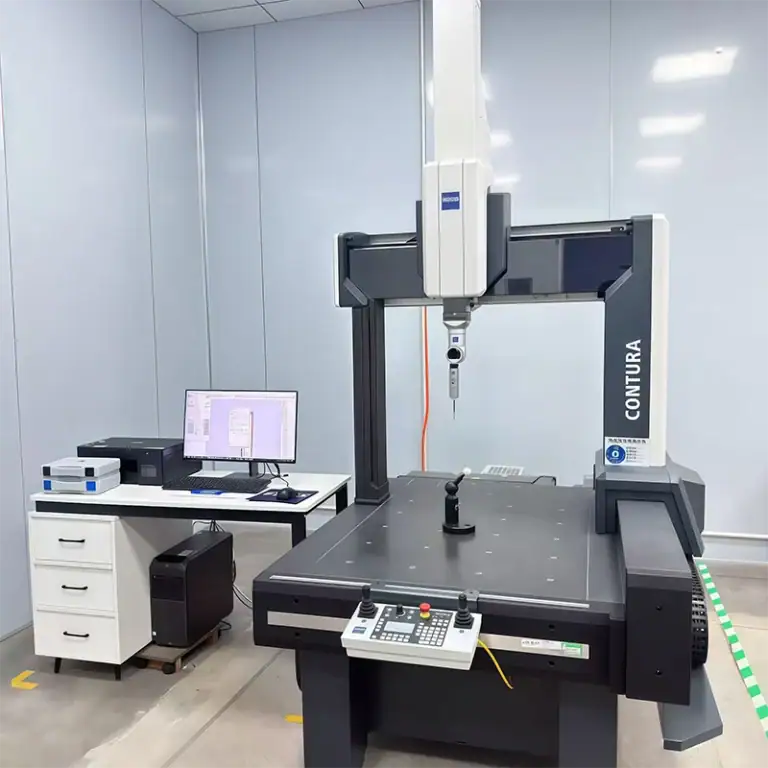
A visually attractive part does not necessarily mean it meets the required specifications. Hole diameters, threads, sealing surfaces, and critical positional dimensions should all be inspected. For components with strict mating requirements, dimensional inspection data can also support later assembly and quality traceability.
Surface Condition Should Not Be Overlooked
After machining, burrs, scratches, and machining residues should be properly removed. Features exposed to process fluids and sealing areas require particular attention, as even small surface defects may affect equipment performance.
Corrosion-resistant part machining for the oil and gas industry requires strong material-processing experience, precise dimensional control, and careful attention to manufacturing details. From stainless steel, titanium alloys, and nickel-based alloys to valves, pipe fittings, flanges, and pump components, a well-planned CNC machining process can help manufacturers achieve stable custom parts for demanding applications. TIRAPID specializes in precision CNC machining services for the oil and gas industry, providing customized corrosion-resistant part manufacturing for different materials, structures, and precision requirements.