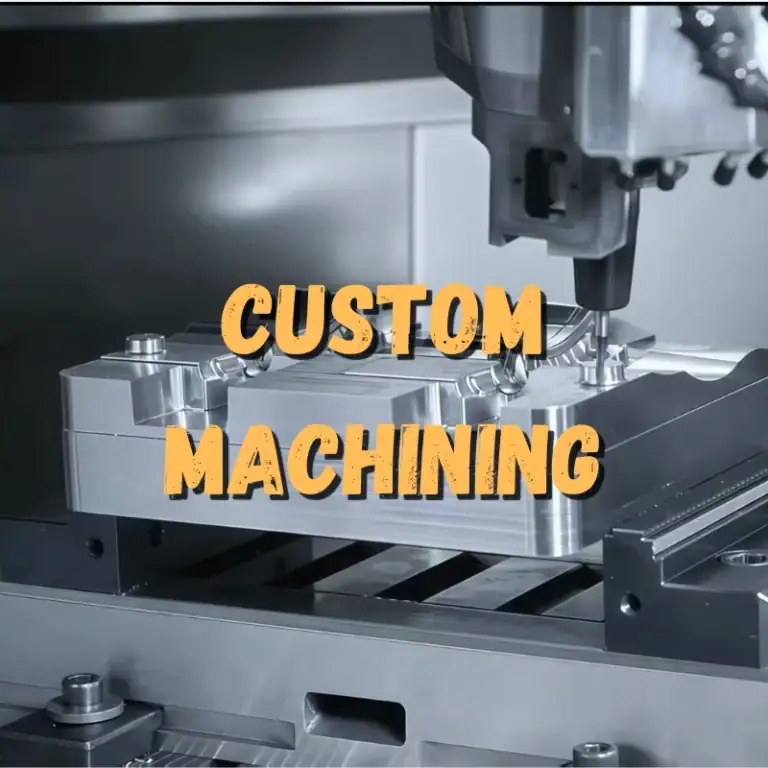
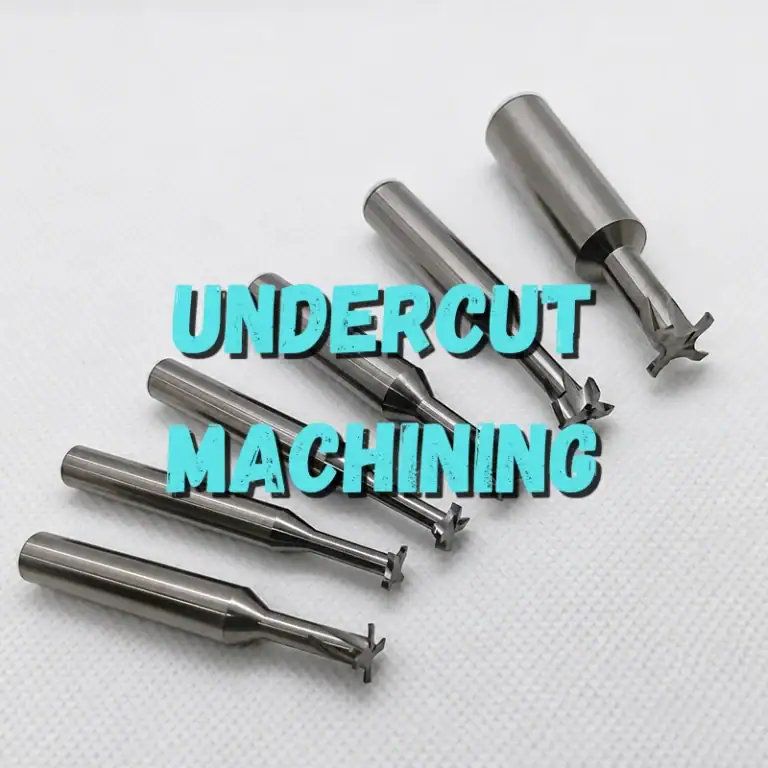
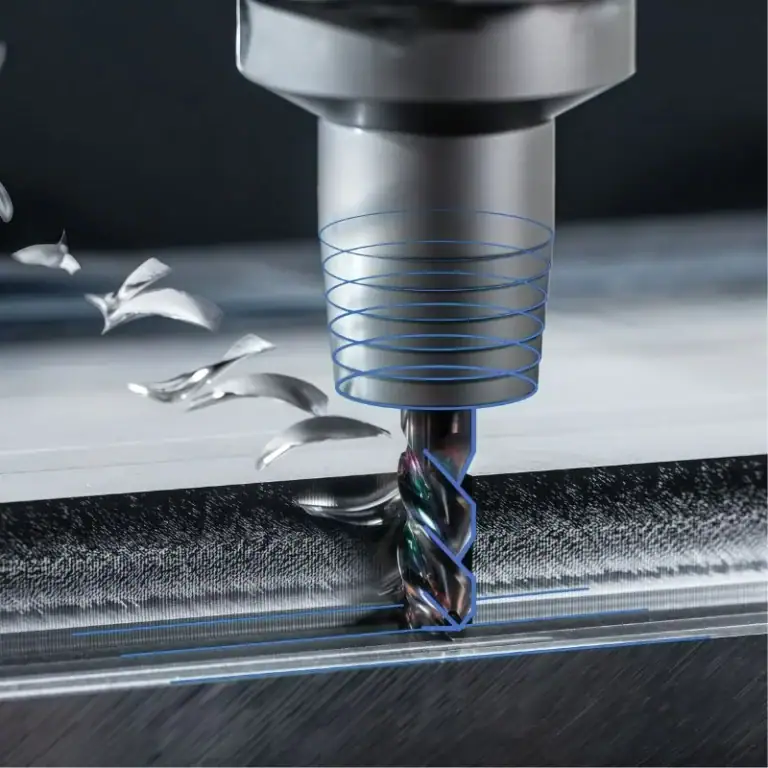
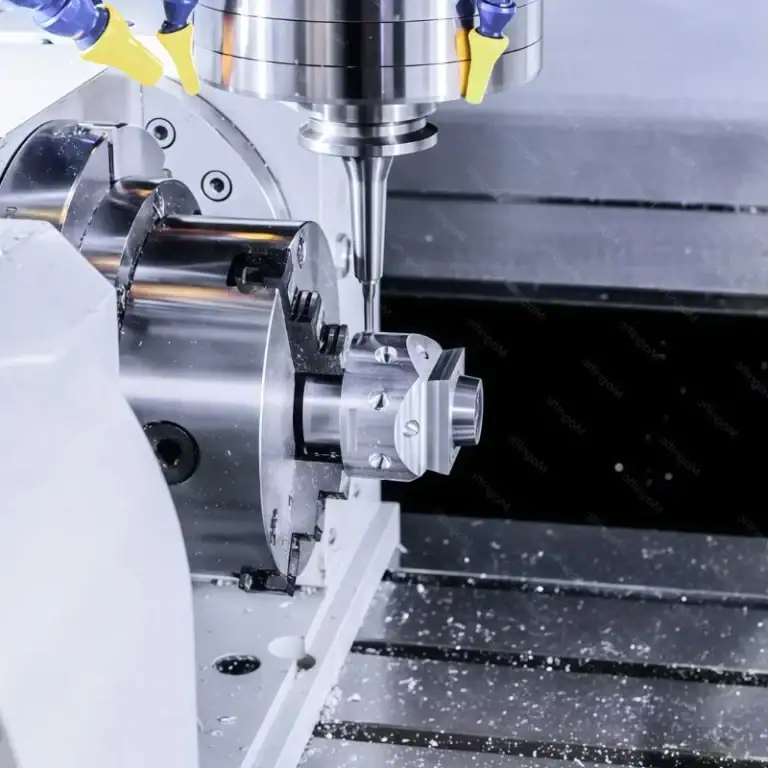
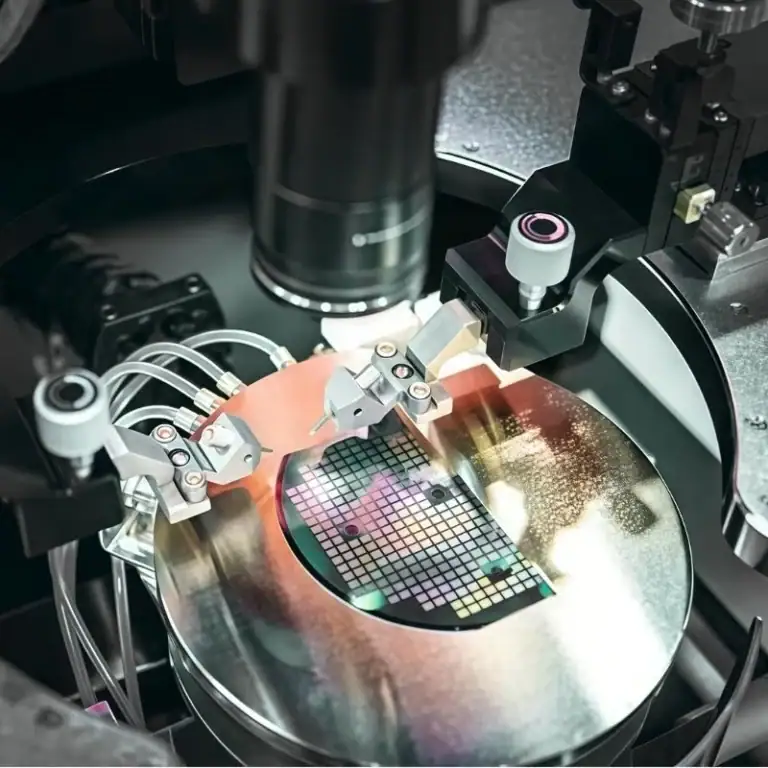
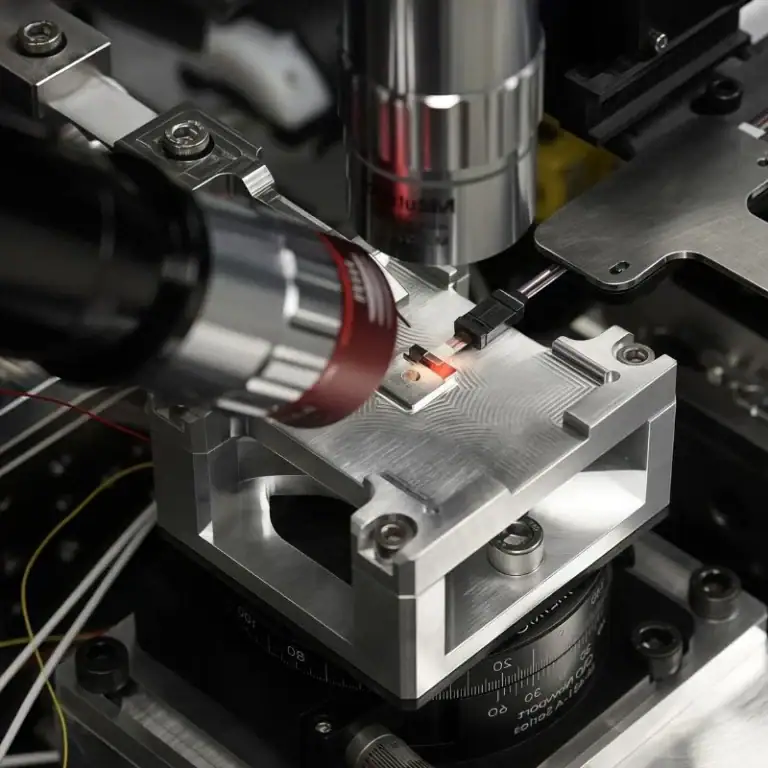
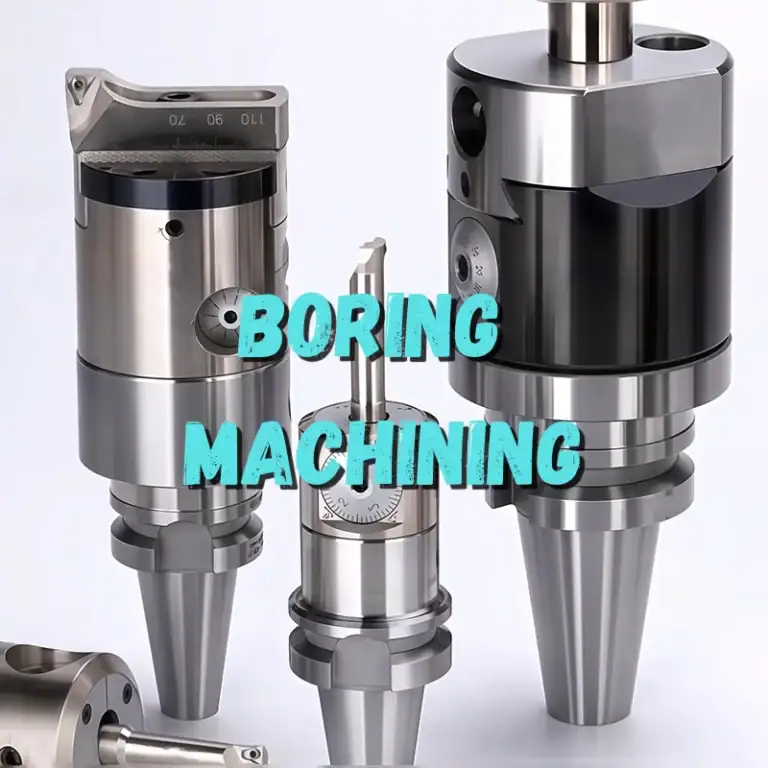
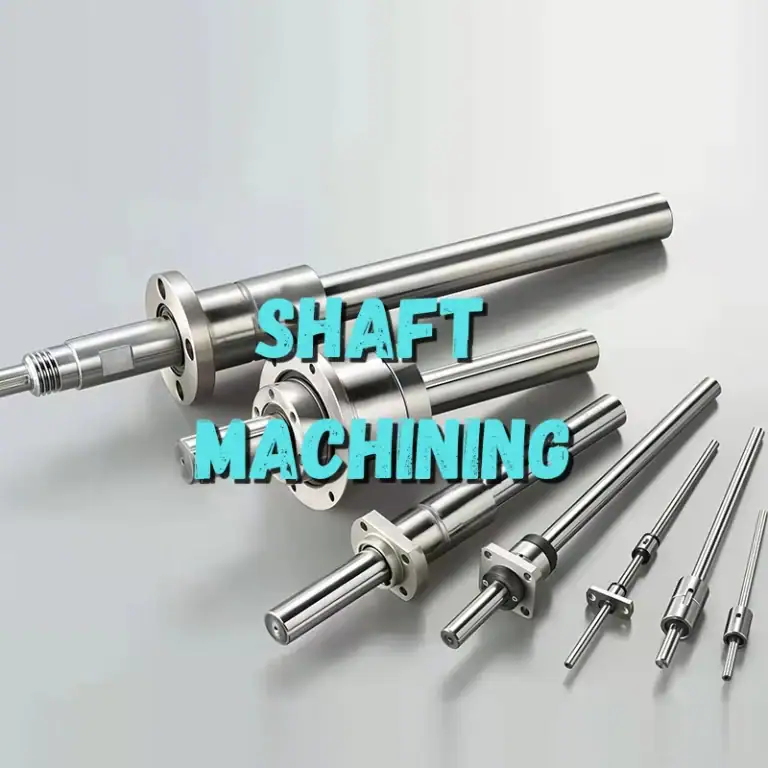
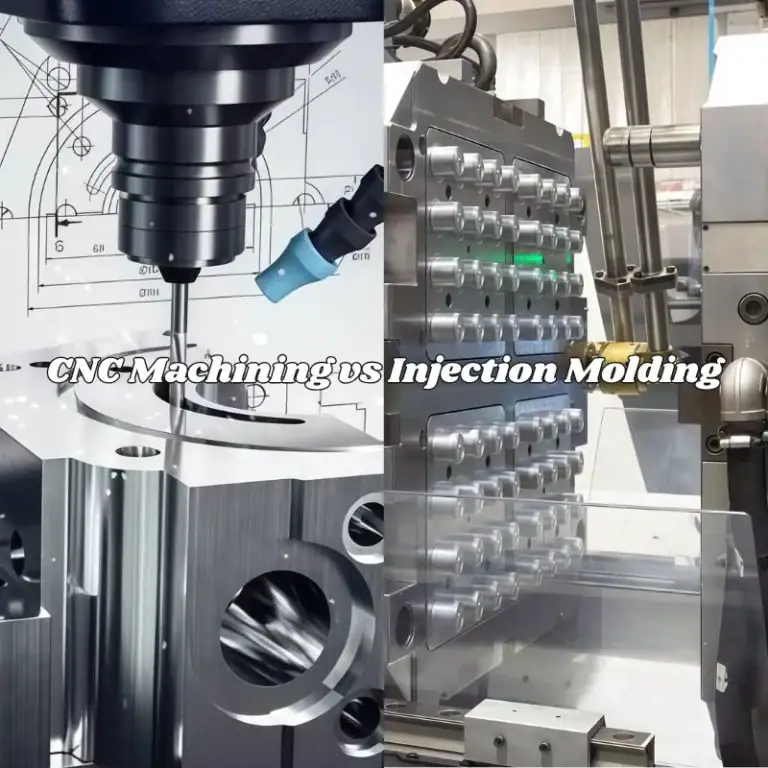
In CNC plastic machining, tool selection often directly determines the upper limit of machining quality. Compared with metal machining, plastic materials are more “sensitive”: they are prone to heat, compression, dull tools, and are more likely to develop burrs, stringing, burning edges, or dimensional deviations due to inappropriate tooling. Therefore, cutting tools are not simply a matter of “being able to cut,” but must be selected based on material characteristics, machining methods, and precision requirements.
What Is Tool Selection in CNC Plastic Machining?
The role of cutting tools in plastic machining
In CNC machining, the role of cutting tools is to remove material. However, in plastic machining, tools are not only “cutting instruments,” but also function as “heat controllers” and “deformation controllers.”Unlike metals, plastics have low rigidity. They soften when heated and deform under force. Therefore, tool sharpness, chip evacuation capability, and geometric angles directly affect the final result.
Why is plastic machining more sensitive to tools?
Plastics have low thermal conductivity, meaning heat generated during cutting cannot dissipate quickly and tends to concentrate in the cutting zone. If the tool design is not appropriate, localized temperature rise can occur, leading to material melting or tool adhesion.In addition, plastics have high elasticity. If the tool becomes dull or exerts excessive pressure, the material is not “cut,” but “torn,” resulting in burrs or dimensional distortion.
Basic Steps for Tool Selection
Identify the material type
Different plastics require different tools. For example:
Soft plastics (e.g., PE, PP): easily deformable, require extremely sharp tools
Engineering plastics (e.g., ABS, PC): require a balance between cutting efficiency and stability
High-performance plastics (e.g., PEEK, PPS): require heat-resistant and low-friction tools
Different materials require completely different tool geometries and coatings.
Determine the machining process
Roughing, finishing, contouring, and drilling all require different tooling requirements. Roughing focuses on chip evacuation and efficiency, while finishing focuses on surface quality and dimensional stability. Therefore, multiple tool combinations are typically used instead of a single tool for the entire process.
Adjust tool parameters
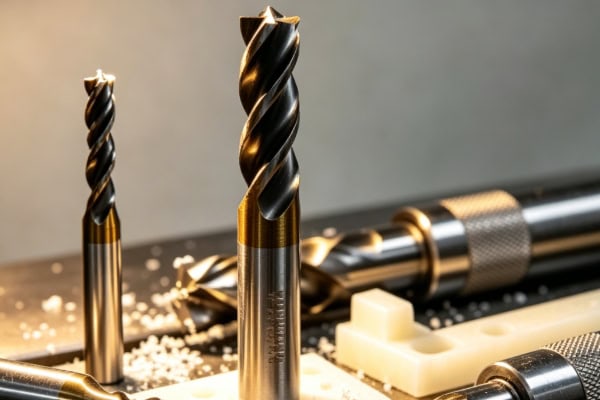
This includes rake angle, clearance angle, helix angle, and cutting edge sharpness. Plastic machining typically requires a larger rake angle and sharper cutting edges to reduce compression and heat generation.At the same time, chip flutes must be smooth and unobstructed; otherwise, chip accumulation can cause secondary friction and heat buildup.
Trial cutting and optimization
Even if parameters are well-matched, trial cutting is necessary for validation. By observing burr formation, surface finish, and dimensional deviation, tools or parameters can be fine-tuned. This is an essential step in real production.
Control Points in Tool Selection
Tool sharpness is more important than hardness
In metal machining, wear resistance is critical. However, in plastic machining, sharpness is the priority.If the tool is not sharp enough, the plastic is not “cut,” but “pushed,” leading to burrs, stringing, or edge collapse.
Chip evacuation determines surface quality
Plastic cutting produces continuous or semi-molten chips. If chip evacuation is poor, these chips re-enter friction zones, causing localized heat buildup.Therefore, helix angle design and flute width are critical, especially in deep grooves or complex geometries.
Heat control is the core issue
The biggest risk in plastic machining is heat accumulation. Tool design must reduce friction heat rather than simply improve cutting efficiency.Some dedicated plastic tools use highly polished cutting edges to reduce adhesion and friction coefficient.
Tool Coating Selection Must Be Careful
Not all coatings are suitable for plastic machining. Some high-hardness coatings may improve wear resistance but also increase friction, leading to higher heat generation.Therefore, in many plastic machining applications, uncoated or low-friction coated tools are preferred.
Tool Wear Must Be Managed in Advance
Plastic machining is extremely sensitive to tool wear. Once the cutting edge becomes dull, surface quality deteriorates rapidly.Therefore, in batch production, a tool life management system must be established rather than replacing tools only after obvious defects appear.
Tool Selection Strategies for Different Plastics
Soft plastics (PE, PP)
These materials deform easily and require extremely sharp tools with minimal cutting force. Large rake angle and high helix angle tools are typically used for light cutting and fast chip evacuation.
Engineering plastics (ABS, PC, PA)
These materials have balanced properties but are prone to stress cracking or whitening at edges. Tool selection must balance sharpness and stability to avoid overheating or excessive cutting.
High-performance plastics (PEEK, PPS, PEI)
These materials are highly temperature-sensitive and relatively hard. High-precision, low-friction tools are required, and cutting parameters must be strictly controlled to avoid dimensional drift or surface burning.
Special material (PTFE)
PTFE has an extremely low friction coefficient but is soft and prone to tool dragging. Tools must be extremely sharp and avoid compression, or edge deformation and dimensional instability may occur.
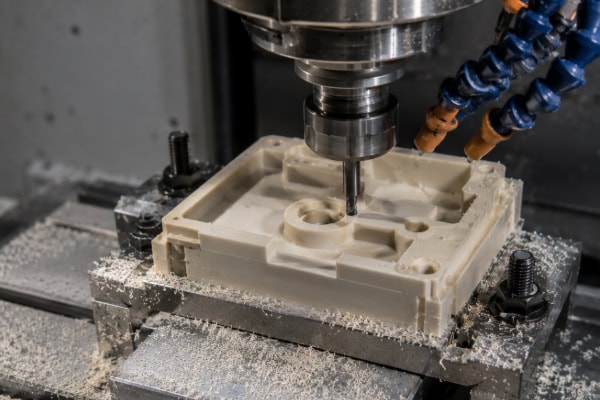
Considerations for CNC Plastic Machining Tool Selection
Sharpness first: Plastics are cut by shearing, not “breaking.” Dull tools directly cause burrs and stringing.
Smooth chip evacuation is essential: Poor chip removal leads to secondary friction and heat buildup, affecting dimensional stability.
Avoid excessive cutting force: Improper tool geometry leads to deformation instead of cutting.
Heat control is critical: Plastics are highly heat-sensitive; tool design must minimize friction heat.
Tool life must be managed: Plastic machining is extremely sensitive to tool wear, requiring regular replacement.
Common Questions
“Why does the same material sometimes machine well, but other times produce burrs or dimensional instability?”
The root cause is often not the material itself, but the condition of the cutting tool. Plastic machining is highly sensitive to tool wear and parameter changes. Even slight dulling or minor parameter variation can lead to noticeable differences in surface quality.In batch production, if tool standards or tool life management are not unified, batch inconsistencies are likely to occur. Therefore, professional machining typically establishes standardized tool selection systems from the beginning, including tool type, geometry, service life, and replacement cycles to ensure stable output.
In conclusion
Tool selection in CNC plastic machining not only affects cutting smoothness, but also determines dimensional stability, surface quality, and assembly performance.Therefore, selecting the right tool is only the first step. More importantly, the tool, material, and process parameters must be properly matched. Only when all three are aligned can issues such as burrs, deformation, and burning edges be avoided, ensuring a more stable machining process.In production, proper tool selection reduces rework, improves efficiency, and reduces material waste. Especially in high-precision plastic part machining, tooling is often not the most expensive factor, but it is one of the most critical influences on final quality.