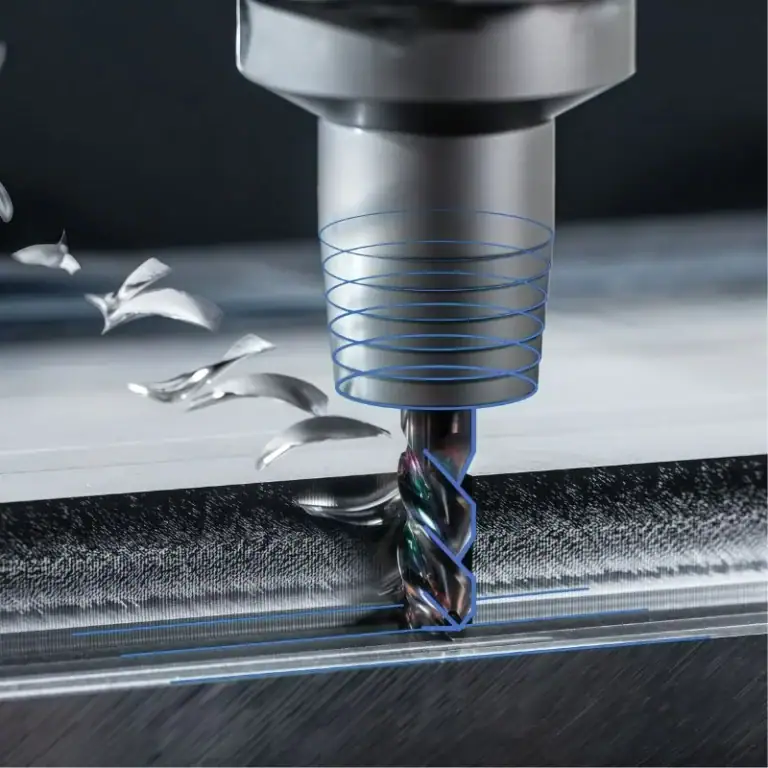
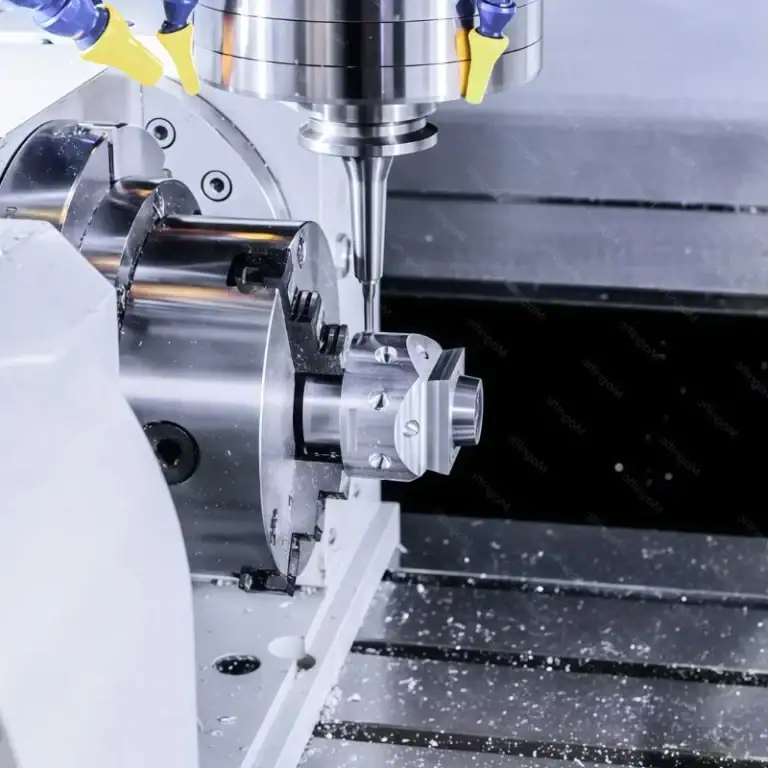
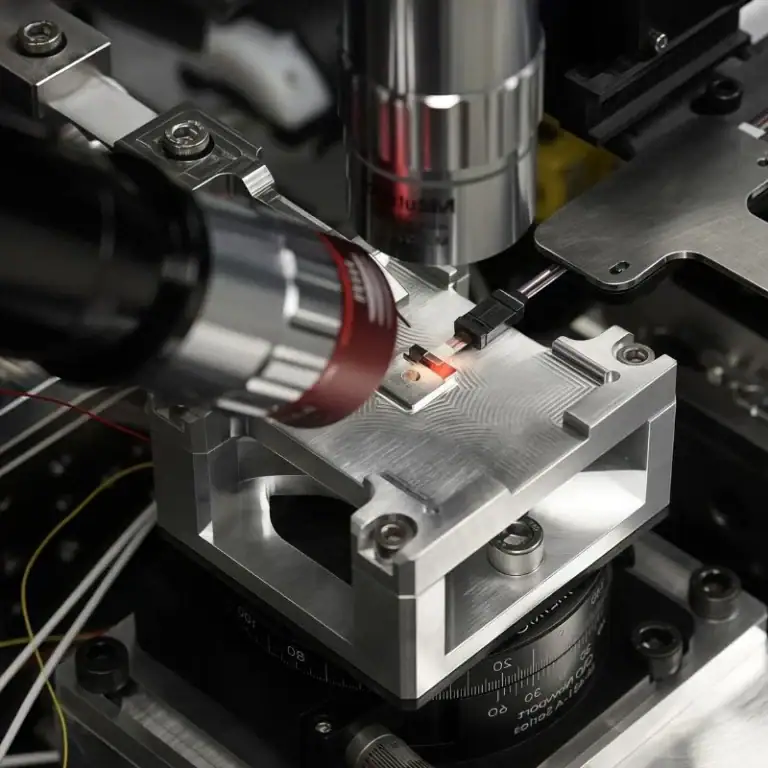
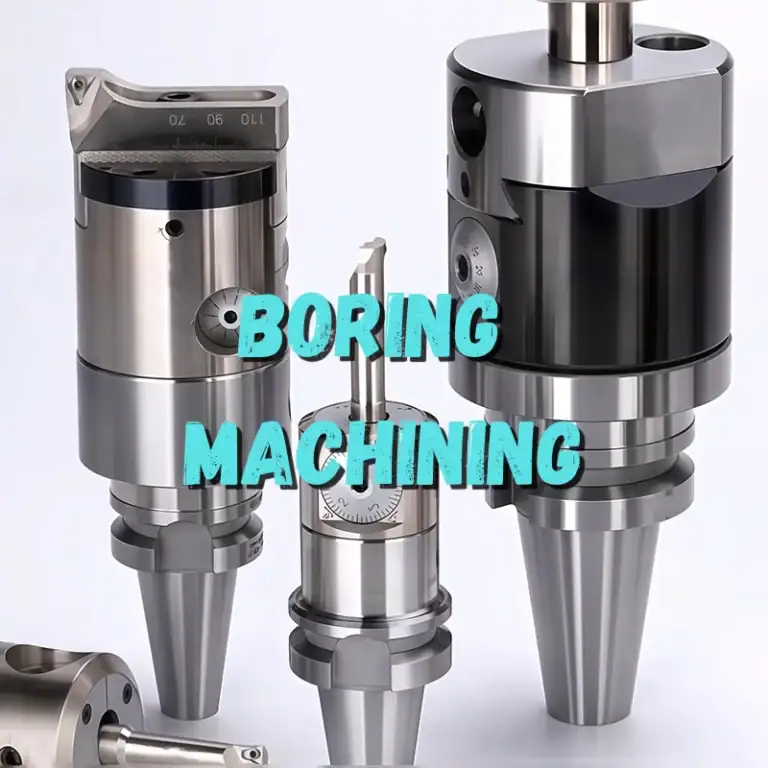
Communication equipment typically includes precision components such as enclosures, RF cavities, shielding parts, connectors, thermal structures, and mounting brackets. These products must meet module installation and signal transmission requirements while also addressing heat dissipation, electromagnetic shielding, dimensional tolerances, and long-term operational stability. For equipment R&D and procurement teams, suppliers need to provide rapid prototyping, small-batch validation, stable mass production, and quality traceability. CNC precision machining can manufacture complex communication equipment components based on 2D drawings and 3D models, providing a flexible manufacturing method from product development to mass production.
What Are the Core Requirements for CNC Precision Machining of Communication Equipment?
Communication equipment components vary significantly in structure and function. Machining solutions need to be planned around dimensional accuracy, heat dissipation, shielding, and assembly relationships.
Dimensional Accuracy Directly Affects Module Assembly
Communication equipment typically contains PCBs, connectors, RF modules, and thermal components. Their mounting holes, locating structures, and mating dimensions must maintain precise spatial relationships.
- Enclosures, mounting plates, and brackets require controlled hole spacing, flatness, and critical locating dimensions.
- Connector mounting areas require stable hole positions and interface dimensions.
- When multiple modules are assembled together, the assembly clearances between components must also be controlled.
Stable dimensional accuracy can reduce on-site fitting and repeated debugging, helping components from different batches maintain good assembly consistency.
Thermal Structures Must Balance Machining Accuracy
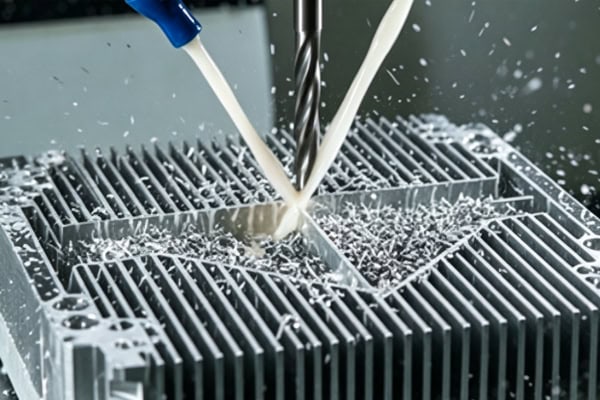
High-power communication equipment generates considerable heat during operation. The machining quality of heat sinks, thermal baseplates, and cooling structures affects heat transfer.
- The heat-dissipation base surface must maintain good flatness and surface quality.
- Heat sink fins, grooves, and cooling channels must be machined according to the design dimensions.
- The thermal contact area corresponding to chips or power modules requires controlled flatness and surface roughness to ensure efficient heat transfer after the thermal interface material (TIM) is applied.
A good thermal contact interface helps the equipment maintain a reasonable operating temperature and reduces heat dissipation risks caused by assembly deviations.
RF Structures and Shielding Parts Require Attention to Detail
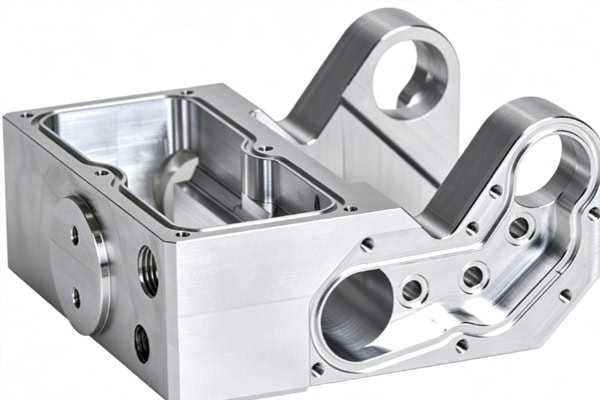
Cavities, shielding covers, and conductive structures in RF communication equipment are sensitive to dimensions, surface conditions, and assembly clearances. CNC machining can produce complex cavities, steps, holes, threads, and sealing or contact structures, making it suitable for customized RF components.
| Communication Equipment Component | Common Materials | CNC Machining Focus |
| RF cavity | Aluminum alloys, copper alloys, etc. | Internal cavities, hole positions, contact surfaces |
| Equipment enclosure | Aluminum alloys, stainless steel, etc. | Wall thickness, mounting holes, flatness |
| Heat sink | Aluminum alloys, copper, etc. | Fins, base surface, thermal contact areas |
| Shielding cover | Aluminum alloys, copper alloys, etc. | Overall shape, steps, assembly clearances |
| Connectors and mounting components | Copper alloys, stainless steel, etc. | Hole positions, threads, concentricity |
| Mounting brackets | Aluminum alloys, steel, etc. | Hole spacing, locating surfaces, structural rigidity |
Selecting materials and machining processes according to the function of each component helps meet structural strength, thermal conductivity, electrical conductivity, and assembly requirements simultaneously.
How Can CNC Machining Improve the R&D and Production Efficiency of Communication Equipment?
Communication equipment is updated and iterated rapidly. During the R&D stage, enclosure dimensions, mounting positions, and internal structures often need to be adjusted, so the manufacturing method must respond quickly to design changes.
Rapid CNC Prototyping Shortens the R&D Validation Cycle
During the prototype stage, communication equipment usually needs to verify module installation, interface positions, thermal structures, and overall dimensions. CNC machining can directly produce prototypes based on updated 3D models and engineering drawings.
- No dedicated tooling investment is required for individual prototypes.
- It is suitable for complex cavities, mounting plates, and customized brackets.
- Physical parts can be directly used for complete equipment assembly testing.
- Machining programs can be quickly adjusted after design modifications.
By validating structures with physical parts, engineering teams can identify interference, clearance, and assembly issues at an earlier stage.
Small-Batch Manufacturing Is Suitable for Communication Equipment Pilot Production
Communication products typically go through a pilot production stage between prototyping and formal mass production. A certain quantity of components is required for field testing, reliability validation, and customer testing. CNC small-batch machining can meet the manufacturing needs of this stage.Small-batch production can satisfy testing quantities while avoiding excessive investment before the product is finalized. It also makes it easier to continue adjusting component structures based on test results.
Consistency Is More Important in Mass Production
After communication equipment enters stable production, enclosures, heat sinks, and brackets of the same model may be purchased continuously. At this stage, machining programs, tool conditions, fixturing methods, and inspection standards need to be controlled.
- Key hole positions, mounting surfaces, and interface dimensions should be inspected with particular attention.
- Stable machining parameters should be confirmed through first-article inspection.
- Dimensional changes caused by tool wear should be monitored.
- Continuous batches should undergo sampling or 100% inspection according to project quality requirements.
A stable mass-production machining process can reduce assembly variations and help lower rework and on-site debugging costs.
Which Communication Equipment Components Are Suitable for CNC Precision Machining?
There are many types of non-standard metal components used in communication equipment. Components with complex structures, high precision requirements, or fluctuating order quantities are particularly suitable for CNC machining.
RF Cavities and Shielding Structures
RF cavities typically contain multiple chambers, holes, steps, and mounting surfaces, resulting in high machining accuracy requirements. CNC precision machining mainly includes:
- Machining complex chambers, grooves, and internal channels.
- Precisely machining connection holes, mounting holes, and locating holes.
- Using 4-axis or 5-axis machining to reduce errors caused by repeated fixturing.
- Controlling the flatness and surface quality of mounting surfaces, sealing surfaces, and conductive contact surfaces.
- Inspecting critical dimensions such as cavity depth, wall thickness, hole spacing, and step height.
- Selecting suitable machining parameters and surface treatments according to application requirements.
A reasonable machining and inspection process can improve the dimensional consistency, assembly stability, and operational reliability of RF cavities.
Communication Equipment Enclosures and Thermal Structures
Enclosures must provide protection, mounting, shielding, and heat dissipation at the same time. Common structures include mounting holes, internal reinforcing ribs, locating grooves, interface openings, and heat-dissipation areas. Heat sinks require particular control of the base surface, fin geometry, and mounting hole positions. Aluminum alloys are commonly used for communication equipment structural components and thermal parts because of their low weight and thermal conductivity. The specific material should still be determined according to the product design and operating environment.
Connectors, Mounting Brackets, and Precision Small Components
Although connector mounting parts, module brackets, locating blocks, and fastening structures are relatively small, they directly affect the assembly accuracy of communication equipment. Machining typically focuses on controlling:
- Hole diameters and hole spacing to ensure accurate installation of connectors and modules.
- Thread dimensions to ensure reliable fastening.
- Concentricity and mating dimensions to reduce assembly deviations.
- The selection of CNC milling, turning, or multi-axis machining according to the component structure.
- Surface treatments based on the operating environment to improve wear resistance, corrosion resistance, and appearance consistency.
Appropriate machining processes and quality control can improve the assembly stability and operational reliability of small communication equipment components.
How Should You Choose a CNC Precision Machining Supplier for Communication Equipment?
When procuring communication equipment components, it is not enough to consider the unit price alone. You also need to determine whether the supplier can handle complex structures, control quality consistently, and smoothly transition from prototypes to mass production.
Review Multi-Axis Machining and Material Capabilities
Communication equipment components may involve aluminum alloys, copper alloys, stainless steel, steel, and engineering plastics. Suppliers need to select suitable equipment and processes according to the structure of each component.
- 3-axis machining is suitable for conventional enclosures, brackets, and mounting plates.
- 4-axis or 5-axis machining is suitable for multi-sided structures, complex cavities, and high-difficulty components.
- CNC turning is suitable for connectors, shafts, and threaded rotational parts.
- Special structures can also be completed through precision processes such as EDM and wire cutting.
Matching the equipment and process to the component structure can reduce repeated fixturing and unnecessary outsourcing.
Confirm Quality Inspection Capabilities
Quality control for communication equipment components needs to cover dimensions, geometric accuracy, surface quality, and critical assembly relationships. During procurement, it is important to understand whether the supplier can establish first-article, in-process, and final inspection procedures according to drawing requirements. For critical hole positions, flatness, concentricity, and mating dimensions, coordinate measuring machines, optical measurement, and other inspection methods can be used according to the required accuracy. Complete inspection records also help track quality changes during subsequent mass production.
Focus on Delivery Capabilities from Prototypes to Mass Production
Communication equipment projects typically go through design, prototyping, testing, pilot production, and mass production. Choosing a supplier with full-process service capabilities can reduce repeated communication and process validation, improving project efficiency.
- Support drawing reviews and DFM analysis to identify structural and machining issues in advance.
- Provide rapid CNC prototyping for timely assembly and functional testing.
- Support small-batch pilot production to meet product validation and customer testing requirements.
- Provide surface treatment, quality inspection, and mass production services.
- Manage the machining process in an integrated manner to reduce the time and communication costs associated with changing suppliers.
One-stop service from prototype development to mass delivery can help shorten project cycles and improve the delivery stability of communication equipment components.
The value of CNC precision machining for communication equipment lies in maintaining stable dimensions, assembly, heat dissipation, and batch consistency for enclosures, RF cavities, heat sinks, shielding parts, and mounting structures. TiRapid provides CNC precision machining services for non-standard communication equipment components, supporting prototypes, small-batch production, and mass production. Based on customer drawings and 3D models, TiRapid can manufacture complex structural components and help communication equipment companies reduce manufacturing risks during development and procurement.