Precision electronic components are becoming smaller, while the requirements for connection, heat dissipation, shielding, and assembly are becoming increasingly demanding. Deviations in hole positions, changes in interface dimensions, or surface burrs can all affect PCB installation, connector fit, or equipment operation. When selecting a CNC machining supplier, it is important to focus on tolerances, materials, surface treatment, inspection, and batch consistency. The following sections explain these aspects from four perspectives: machining requirements, batch control, suitable components, and supplier selection.
What Are the Core Requirements for CNC Machining Precision Electronic Components?
Electronic components typically feature compact structures, fine dimensions, and complex assembly relationships. Machining solutions need to be designed around the actual function of each component.
Stable Control of Miniature Dimensions and Critical Tolerances Is Essential
In the machining of precision electronic components, dimensions, tolerances, and material selection all affect assembly quality and operating performance.
- Connectors, mounting bases, sensor brackets, and electronic housings often include small holes, narrow slots, steps, and other features.
- CNC machining must focus on controlling critical dimensions such as hole diameter, hole spacing, flatness, and concentricity.
- Stable dimensional control can reduce assembly interference and rework.
Defining critical dimensions before machining and conducting continuous inspections during production helps ensure stable component assembly.
Material Selection Must Balance Functionality and Machinability
Materials affect component performance, machining difficulty, and cost.
- Different components have different requirements for thermal conductivity, electrical conductivity, insulation, weight, and strength.
- Aluminum alloys are commonly used for housings, heat sinks, and structural components; copper and copper alloys are suitable for conductive and thermally conductive parts; engineering plastics such as PEEK and POM are suitable for insulation and lightweight structures.
- Material selection should take into account the component’s function, machining difficulty, and surface treatment requirements.
Proper material selection can meet application requirements, improve machining efficiency, and extend component service life.
Complex Structures Require Appropriate Machining Processes
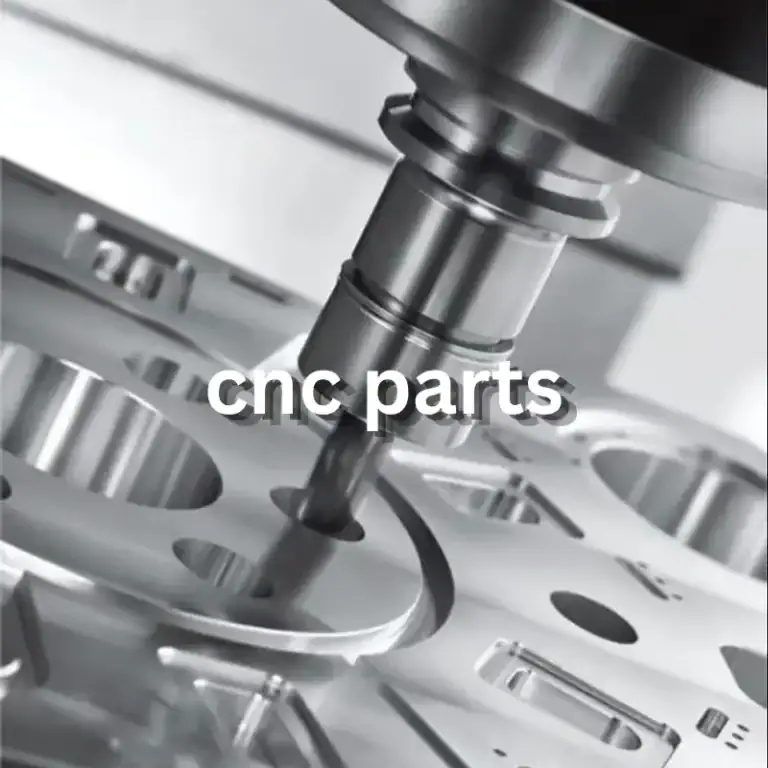
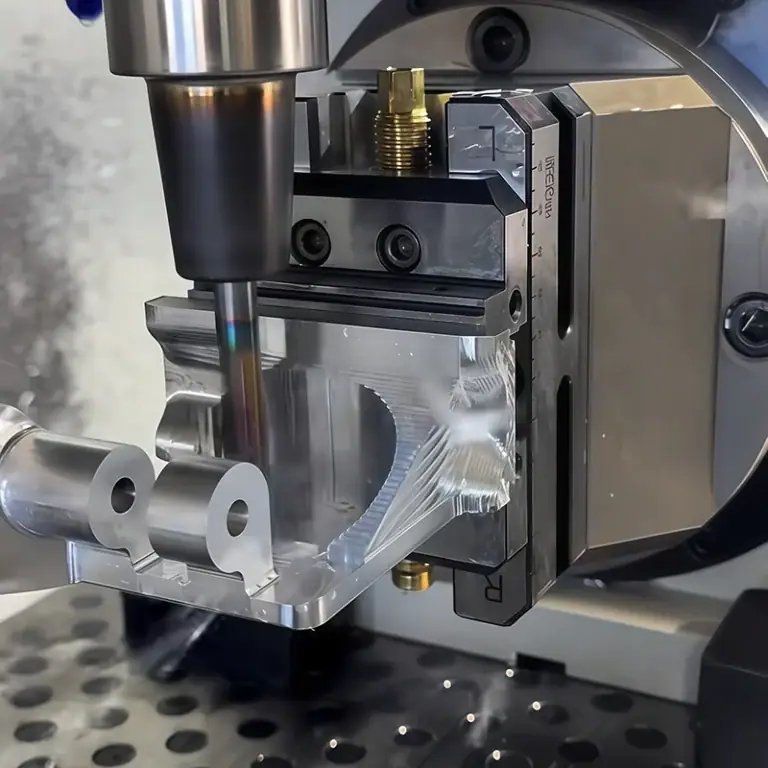
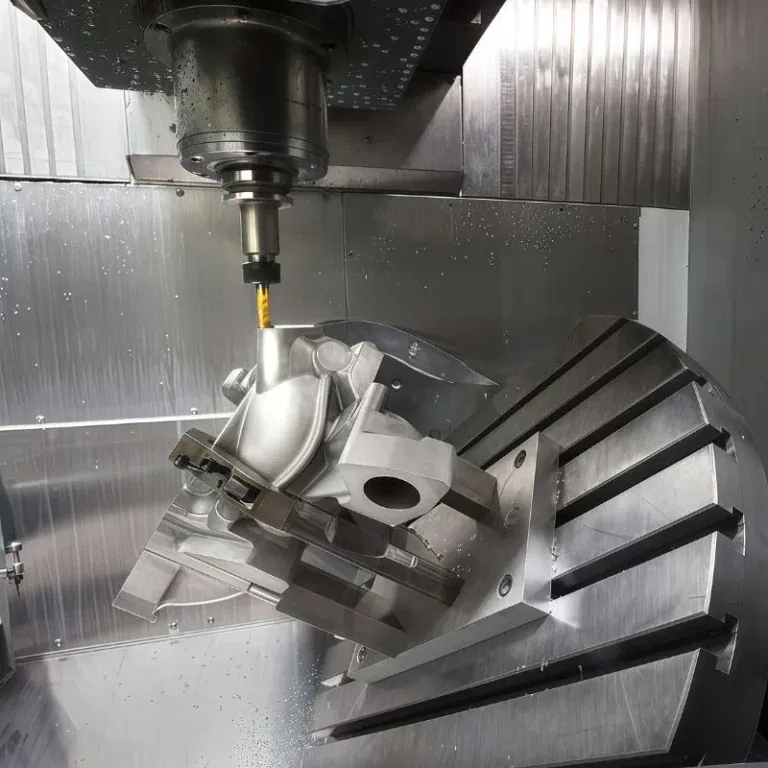
Precision electronic components often feature multi-sided machining, deep cavities, thin walls, densely arranged holes, and complex contours. Depending on the structure, 3-axis, 4-axis, or 5-axis CNC milling, CNC turning, or small-scale precision machining processes can be combined to reduce positional errors caused by repeated clamping.
| Component Type | Common Materials | CNC Machining Focus |
| Precision electronic housings | Aluminum alloys, copper, engineering plastics | Wall thickness, hole positions, appearance |
| Connectors and terminals | Copper alloys, stainless steel | Dimensions, concentricity, surface quality |
| Heat sinks | Aluminum alloys, copper | Fins, flatness, thermal contact surfaces |
| Mounting brackets | Aluminum alloys, stainless steel | Hole spacing, locating surfaces, assembly accuracy |
| Miniature precision components | Aluminum, copper, engineering plastics | Small dimensions, tolerances, repeatability |
A reasonable combination of processes can control machining time and manufacturing costs while meeting precision requirements.
How Does CNC Machining Ensure Batch Consistency for Precision Electronic Components?
After electronic products move from prototype validation to mass production, customers are more concerned with whether every batch of components remains stable than with whether a single sample is qualified.
Establish Stable Machining References from the Prototype Stage
The process foundation established during the prototype stage directly affects the stability of subsequent small-batch and mass production. During the R&D stage, hole positions, external shapes, and assembly structures are often modified. If a supplier can directly adjust CNC programs based on 2D drawings and 3D models, prototype validation can be completed quickly, and the proven process can be continued after the design is finalized. This continuous machining approach from prototypes to small-batch production can reduce the time lost to finding new suppliers and repeating validation.
Reduce Batch Variation Through Process Control
The focus of batch production is to maintain stable dimensions and performance across every batch.
- Set up first-piece, in-process, and final inspections around critical dimensions.
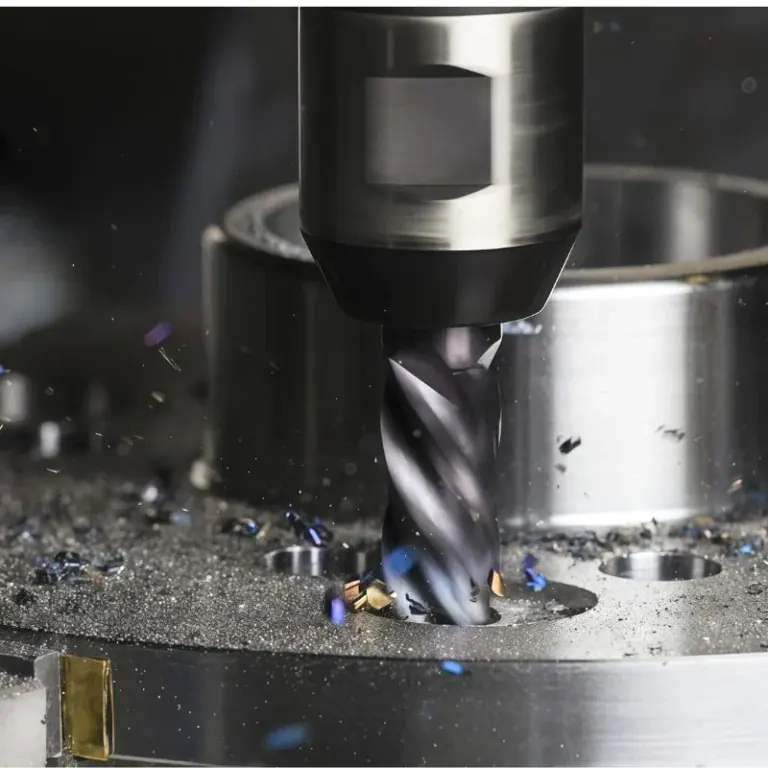
- Monitor tool wear, fixture positioning, and changes in machining parameters.
- Conduct focused inspections of hole diameters, hole spacing, mounting surfaces, and mating dimensions.
- Use stable programs and consistent machining references to reduce batch variation.
Continuous monitoring of the machining process can help identify dimensional deviations in time and prevent problems from being discovered only after the entire batch has been completed.
Small-Batch and Mass Production Require Different Cost Strategies
Different production stages require different machining approaches.
Electronic products are updated quickly, so large-volume production is usually unnecessary during the early stages.
- CNC machining does not require mold production, making it suitable for prototypes, small-batch trial production, and design adjustments.
- After the product design is finalized, processes and machining cycles can be optimized according to order quantities.
- This can reduce initial investment and facilitate subsequent production expansion.
Establishing a continuous machining and inspection process from prototypes to mass production helps improve component consistency.
Which Precision Electronic Components Are Suitable for CNC Machining?
CNC machining covers a wide range of electronic components and is particularly suitable for customized parts with complex structures, high precision requirements, and unstable production volumes.
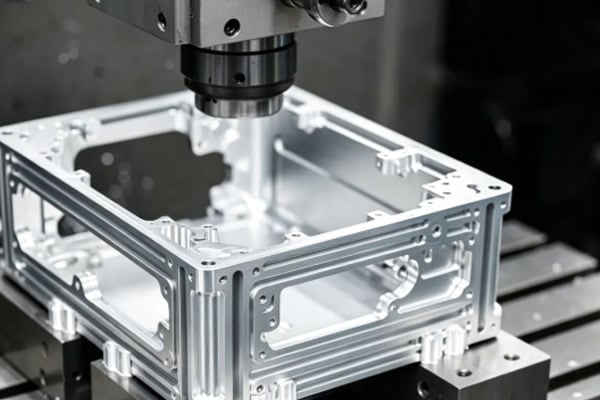
Precision Housings and Shielding Structures
Precision housings often perform multiple functions, including protection, mounting, heat dissipation, and shielding.
- Electronic housings not only provide protection but may also involve mounting, heat dissipation, and electromagnetic shielding.
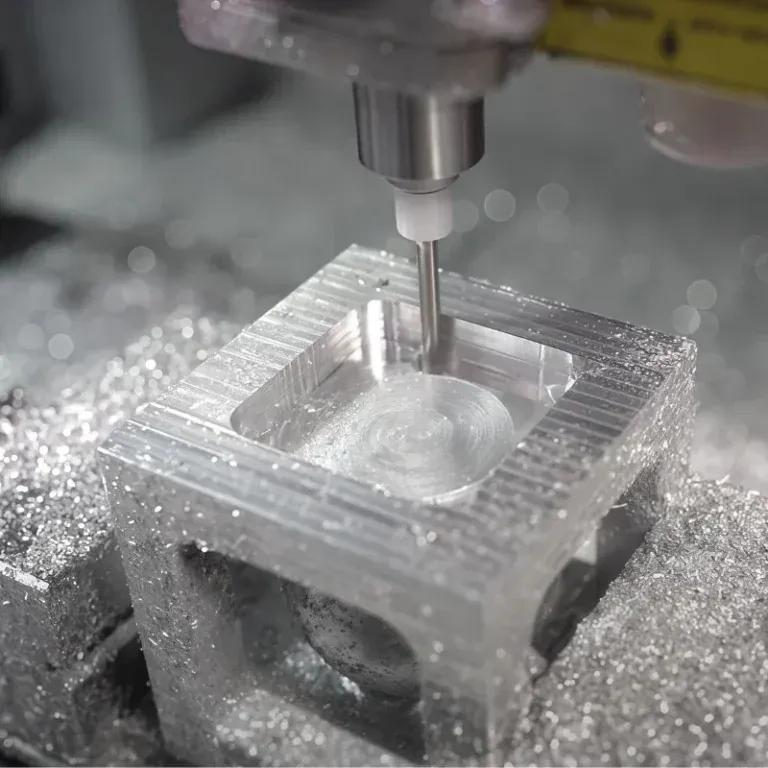
- CNC machining can produce cavities, mounting holes, sealing grooves, and complex external contours.
- Anodizing, sandblasting, polishing, and other surface treatments can also be added according to product requirements.
- For high-end electronic equipment, appearance consistency and internal assembly accuracy need to be controlled simultaneously.
Housing machining must focus not only on appearance but also on ensuring accurate and reliable assembly relationships between the internal structure and electronic modules.
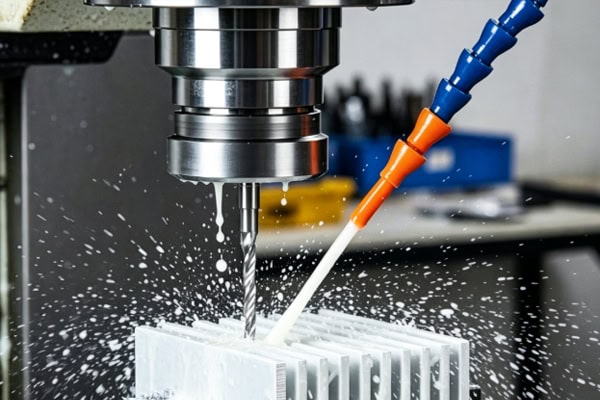
Heat Sinks and Thermal Management Components
The machining quality of a heat sink affects the heat dissipation performance of electronic equipment.
- High-power equipment typically requires complex heat dissipation structures.
- Heat sinks often include fins, grooves, and precision contact surfaces.
- CNC machining can produce these features and provide a stable mounting base for chips and power modules.
- Material thermal conductivity and machining stability must also be considered during production.
Only by combining material selection, structural design, and machining accuracy can the application requirements of thermal management components be met.
Connectors, Brackets, and Miniature Precision Components
Although miniature components are small in size, they often have high requirements for assembly accuracy and surface quality. Connectors, terminals, sensor brackets, locating components, and various mounting components directly affect the mechanical fit between electronic modules. These components typically require control of hole diameter, positional accuracy, concentricity, and surface burrs. For miniature components, reliable machining and inspection capabilities are often more important than simply increasing machining speed.
How Should You Choose a CNC Machining Supplier for Precision Electronic Components?
When purchasing precision electronic components, the number of machines a supplier owns does not directly represent its actual delivery capability. It is more important to determine whether the supplier can consistently address drawing requirements, tolerances, inspection, and batch production.
Review Precision Machining and Material Capabilities
A supplier’s equipment and material range are important indicators of its machining capabilities.
- The supplier should have CNC equipment in different specifications.
- It should be capable of machining common materials such as aluminum alloys, copper, stainless steel, and engineering plastics.
- Complex components require multi-axis machining capabilities.
- Suitable equipment and processes can reduce outsourcing and repeated clamping, thereby lowering quality risks.
Purchasing personnel should confirm whether the supplier has the appropriate equipment and experience based on the component structure, material, and precision requirements.
Confirm Inspection Capabilities
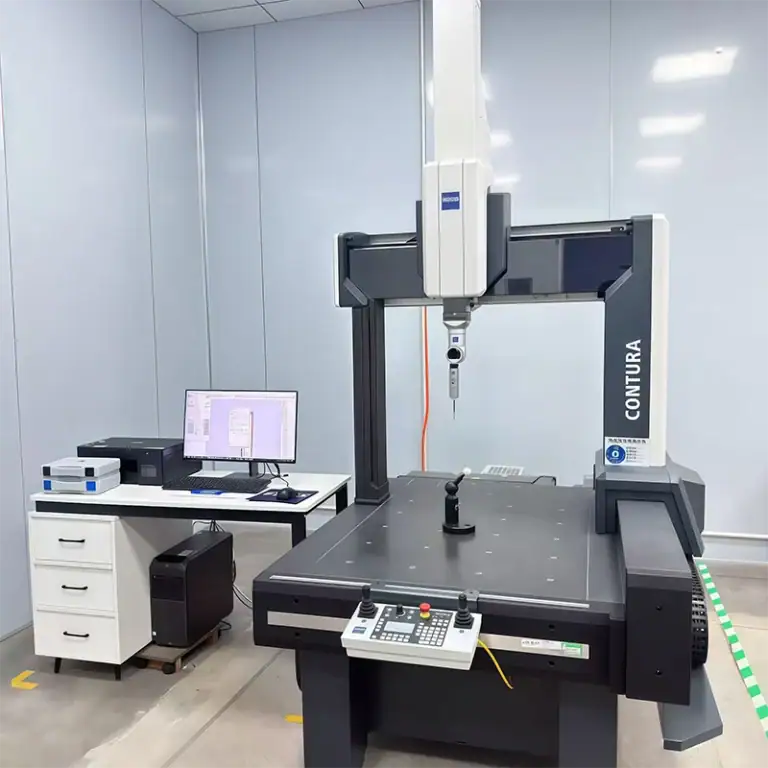
Inspection capabilities determine whether components meet drawing and assembly requirements. Suppliers should not rely solely on basic measuring tools such as calipers. Critical dimensions can be verified using coordinate measuring machines, optical measurement, and surface roughness testing. Complete inspection records help confirm component quality, while a comprehensive inspection system can also identify problems in time and support improvements to the machining process.
Evaluate the Ability to Transition from Prototypes to Mass Production
Whether a supplier can cover the entire project process affects development efficiency and delivery stability.
- Electronic projects typically include design, prototyping, testing, modification, small-batch production, and mass production.
- If a supplier can provide prototype machining, CNC machining, surface treatment, inspection, and batch production, communication will be more efficient.
- Stable production transitions can reduce the cost of repeated prototyping and process validation.
When selecting a supplier, equipment, materials, inspection, and project transition capabilities should be considered comprehensively rather than comparing only the unit price.
The value of CNC machining for precision electronic components lies in transforming miniature dimensions, complex structures, and strict assembly requirements into stable and repeatable manufacturing results. TiRapid provides CNC machining services for precision electronic components and supports prototype, small-batch, and mass production based on drawings and 3D models, helping customers complete the procurement and project delivery of customized electronic components more efficiently.