When machining large mechanical parts, the biggest problem is not necessarily a long production cycle. It is discovering halfway through the job that the machine lacks sufficient travel, the workpiece cannot be held securely, or critical dimensions are difficult to achieve. Large frames, heavy-duty connectors, long shafts, and complex mounting bases used in industrial equipment often require machining on multiple surfaces, with some parts featuring deep holes, narrow slots, and specialized mating structures. Poorly planned machining processes can lead to repeated setups, accumulated dimensional errors, and wasted material. With the right CNC machining solution, equipment selection, tooling, machining sequences, and inspection procedures can be planned in advance, making large-part production more predictable and providing a reliable dimensional foundation for final assembly.
What Are the Main Challenges in CNC Machining Large Mechanical Parts?
Large workpieces differ from smaller components in more than just size and weight. As workpiece dimensions increase, clamping, cutting forces, machine travel, and measurement conditions become more important. The machining strategy must reflect the actual part geometry rather than simply following a standard process used for smaller components.
What If a Large Workpiece Exceeds the Machine’s Working Range?
Before machining begins, the workpiece’s length, width, height, and weight must be checked, along with the space required for installed tooling and fixtures. Parts that require machining on multiple surfaces also need sufficient room for rotation, repositioning, and tool access. If the machine’s working range is insufficient, dividing the process into additional operations may increase positioning errors and affect the relative locations of critical features. Evaluating machine capacity early helps determine whether the part can be completed in one setup or requires a carefully planned sequence of operations.
How Are Deep Holes and Complex Contours Machined in Large Mechanical Parts?
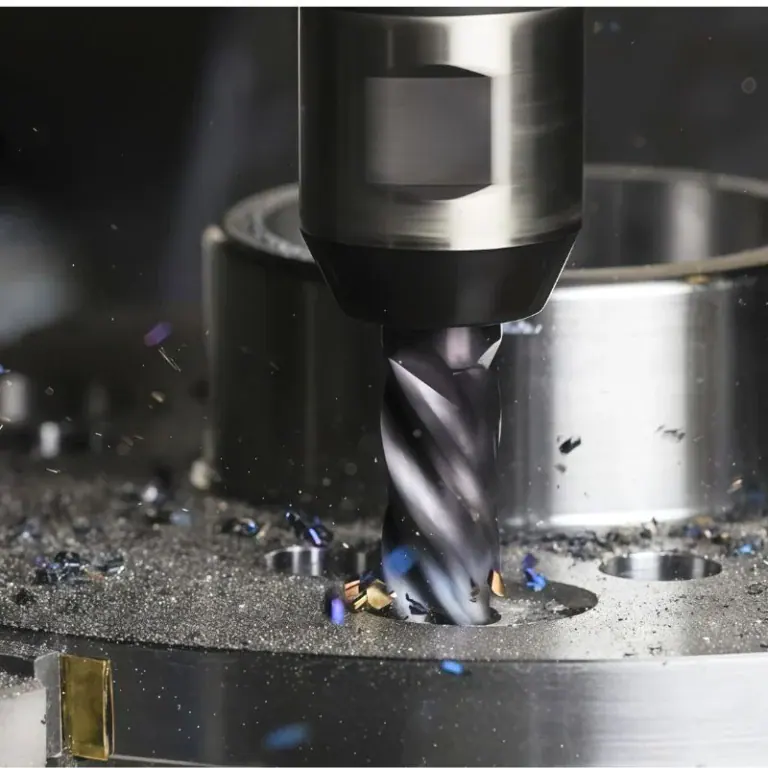
Deep holes, internal cavities, long slots, and irregular surfaces often require different tools and cutting parameters. Excessive tool overhang can cause vibration, while poor chip evacuation may affect hole-wall quality. CNC machining controls toolpaths through programmed operations, allowing milling, drilling, boring, and multi-axis machining to be selected according to the part’s structure.
- Deep-hole machining: Hole depth-to-diameter ratios, chip evacuation, and tool rigidity must be considered to prevent hole deviation.
- Multi-surface machining: Proper datum selection and setup planning help reduce errors caused by repeated repositioning.
- Complex contours: Toolpaths should match the geometry and tolerance requirements while balancing surface quality and cutting efficiency.
- Heavy material removal: Removing material in stages helps prevent excessive cutting loads from affecting machine and workpiece stability.
Complex geometry does not automatically mean high machining costs. With complete engineering drawings and a well-planned process, some operations can be combined to reduce unnecessary setups and waiting time.
How Can Vibration and Deformation Be Reduced During Large-Part Machining?
Large workpieces may shift or deform under their own weight, clamping forces, and internal material stresses. Long shafts, thin-walled components, and asymmetrical structures are particularly susceptible. Machining plans should include appropriate support points, controlled cutting loads, and, where necessary, a combination of rough machining, stress-relief measures, and finish machining. For long components, measurement datums and support conditions must also be clearly defined to prevent differences in workpiece positioning from affecting inspection results.
How Should Machining Operations and Equipment Be Planned for Large Mechanical Parts?
Choosing suitable equipment can reduce unnecessary process changes, while a well-designed machining sequence helps control accuracy and production time. For large industrial components, nominal machine travel is only one consideration. Load capacity, spindle performance, fixture clearance, and compatibility with the part geometry must also be evaluated.
Which CNC Machining Processes Are Suitable for Large Mechanical Parts?
| Machining Process | Suitable Features | Main Purpose |
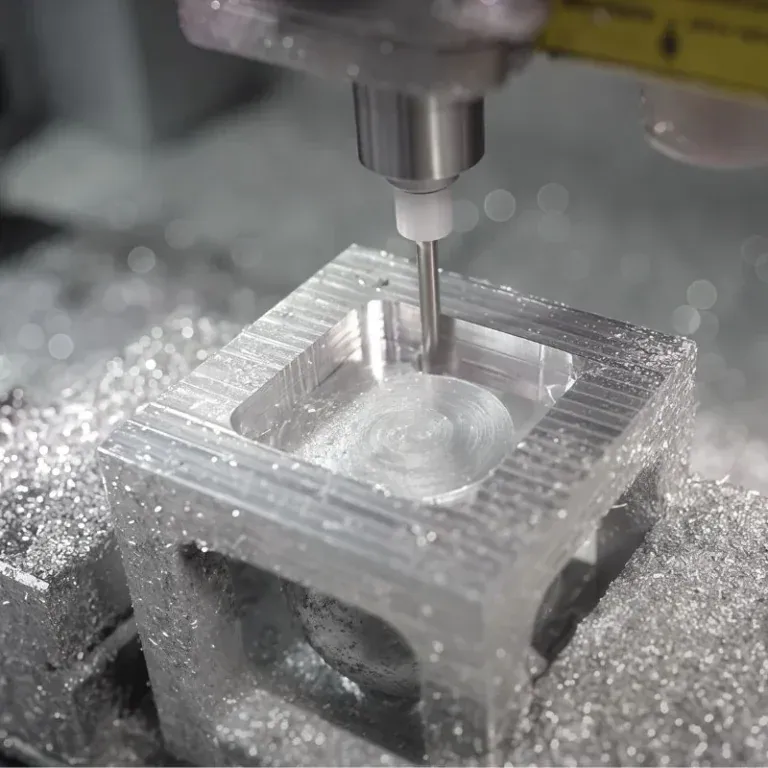
| CNC milling | Mounting surfaces, steps, slots, and complex contours | Machines flat surfaces and various geometric features |
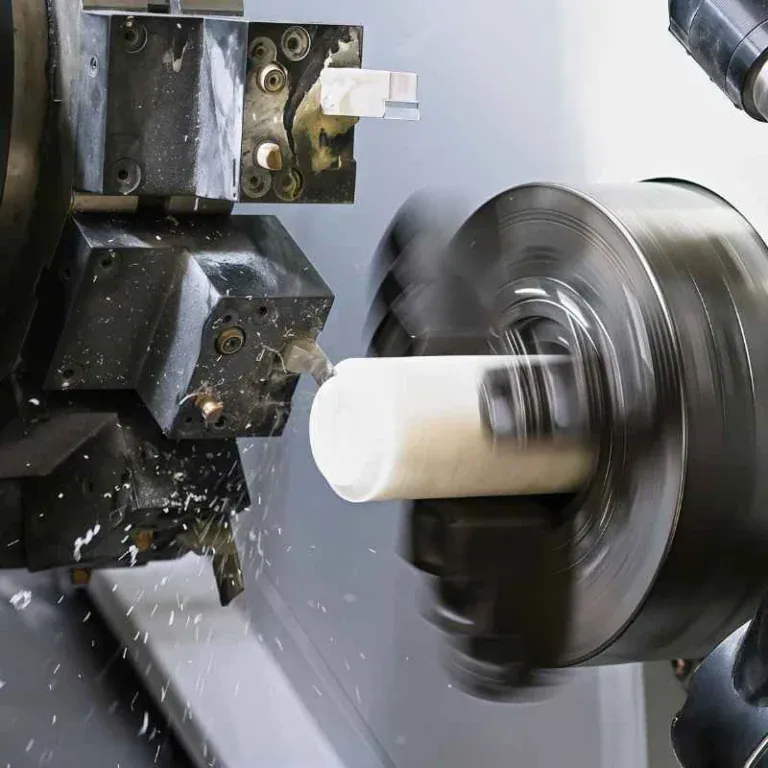
| CNC turning | Long shafts, rotational components, and flanges | Controls outer diameters, end faces, and rotational dimensions |
| CNC boring | Large holes, deep holes, and hole patterns | Improves hole size and positional accuracy |
| Multi-axis CNC machining | Multi-directional holes and complex surfaces | Reduces some repeated setup operations |
The right process depends on part geometry, dimensional tolerances, and available equipment. Some workpieces require several machining methods to work together. Planning the purpose and sequence of each operation helps prevent one process from negatively affecting another.
How Should Rough Machining and Finish Machining Be Arranged?
Rough machining removes excess material efficiently, while finish machining achieves the final dimensions and surface requirements. Machining a part directly to its final dimensions too early can leave it vulnerable to deformation caused by subsequent cutting stresses. A better approach is to leave sufficient machining allowance on critical surfaces, remove most of the excess material, and then finish locating surfaces, mating holes, and other important features. For workpieces with complex structures, intermediate measurements can help confirm dimensional stability before machining continues.
How Can Multiple Machining Operations Maintain the Relative Positions of Different Surfaces?
Large components may require machining on their top, sides, bottom, and multiple connection holes. If each operation uses a different locating datum, dimensional errors can accumulate. A clear and stable datum system should be established during process planning, with the locating method documented for critical operations. For related holes and mounting surfaces, positional tolerances must be specified rather than checking each dimension independently. This helps reduce the risk of misaligned holes and mismatched mating surfaces during assembly.
How Can CNC Machining Costs and Delivery Quality Be Controlled for Large Mechanical Parts?
The cost of machining large workpieces includes more than raw materials and machine time. Fixture preparation, tool wear, inspection, surface treatment, and transportation can all contribute to the final price. Even a part with a relatively short machining cycle may become expensive if it requires specialized fixtures or complex inspection procedures. Defining technical requirements early helps reduce quotation discrepancies and avoid later changes.

What Factors Affect CNC Machining Quotes for Large Mechanical Parts?
Quotes generally depend on raw material dimensions, material type, workpiece weight, structural complexity, tolerance requirements, machining time, and order quantity. Deep holes, narrow slots, multi-surface machining, and special surface requirements can increase process-planning and inspection workloads. To obtain a more accurate quote, provide complete 2D engineering drawings or a 3D model, together with the material grade, critical tolerances, surface treatment requirements, and expected quantity.
| Cost Factor | Impact on Machining Costs | Information to Confirm |
| Material and stock size | Affects raw material costs and machining allowance | Material grade and stock dimensions |
| Part geometry | Deep holes, multiple surfaces, and complex contours increase machining time | 3D model and machining features |
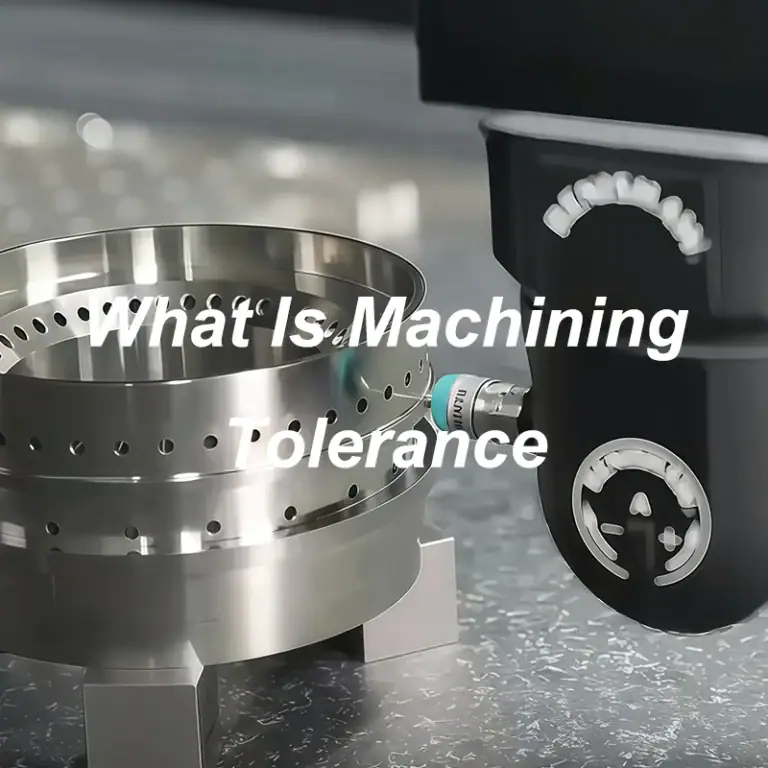
| Dimensional tolerances | Tighter tolerances generally require more demanding processes and inspections | Critical dimensions and tolerance specifications |
| Surface treatment | May add subcontracting and finishing costs | Coatings, anodizing, and corrosion protection |
| Order quantity | Affects how programming and setup costs are distributed | Prototype quantity and batch requirements |
The more complete this information is, the easier it becomes to prepare a quote that reflects actual production requirements and reduces additional costs caused by later changes to materials, tolerances, or processes.
What Should Be Checked Before Delivering Large Mechanical Parts?
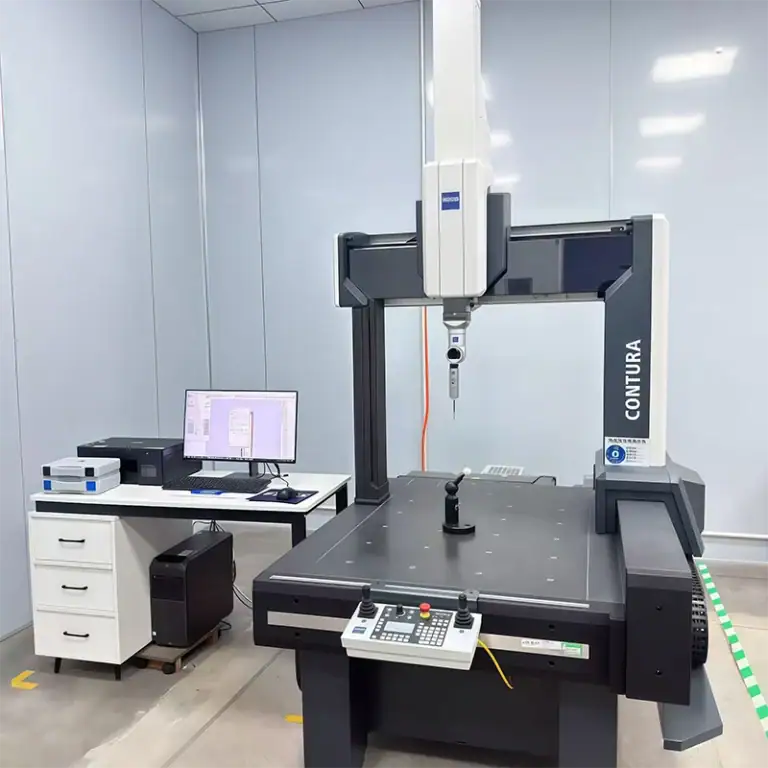
Completing the machining process does not mean the job is finished. Large parts still require verification of critical dimensions, surface condition, post-processing requirements, and transportation protection. Precision-machined surfaces and mating features must be protected from impact during handling.
- Check critical dimensions, hole positions, flatness, and specified tolerances.
- Verify that threads, mating surfaces, and connection features have no obvious defects.
- Confirm deburring, rust prevention, coatings, and other finishing requirements.
- Arrange suitable supports and packaging based on workpiece weight, geometry, and precision-machined areas to reduce transportation damage.
If the part must fit existing equipment, interface dimensions and assembly conditions should also be confirmed in advance to avoid additional adjustments at the installation site.
How Can Custom Large Mechanical Parts Move into Production More Efficiently?
During drawing review, define the component’s intended use, critical dimensions, material, quantity, and delivery schedule. For complex parts, discuss tool accessibility, clamping positions, and opportunities to optimize non-critical features before machining begins. Once production starts, maintain validated process parameters and inspect important dimensions throughout the process. These steps reduce last-minute changes and help improve consistency across repeat orders.
Machining large mechanical parts requires a balance of equipment capacity, process planning, dimensional accuracy, and delivery protection. Simply pursuing faster machining does not guarantee a better result. The right CNC machining solution can reduce repeated setups, control deformation, and help complex industrial equipment components move more smoothly into assembly. TIRAPID provides custom CNC machining services. Submit your part drawings, material requirements, critical tolerances, and order quantity to receive a machining assessment and quotation tailored to your project.