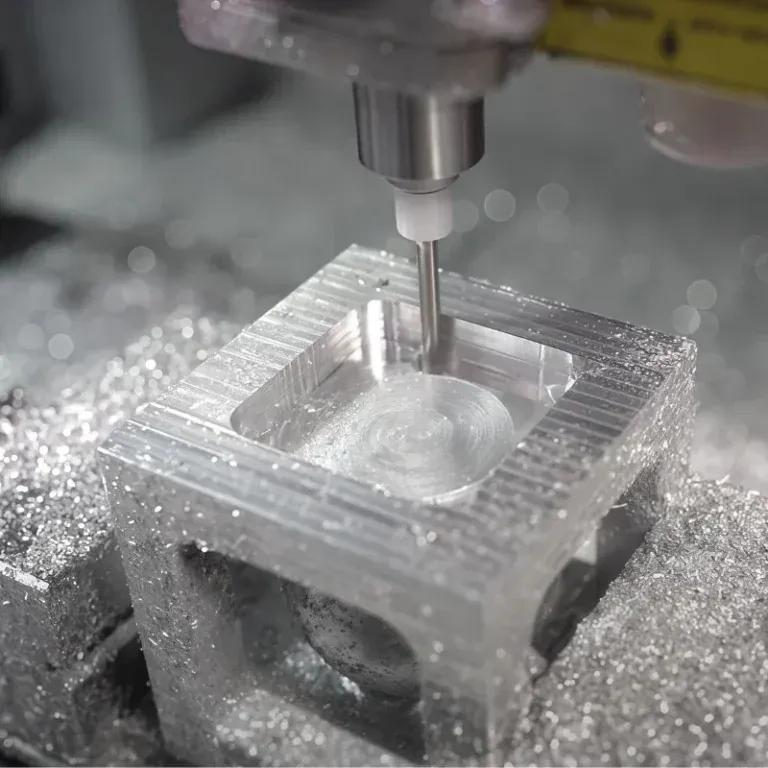
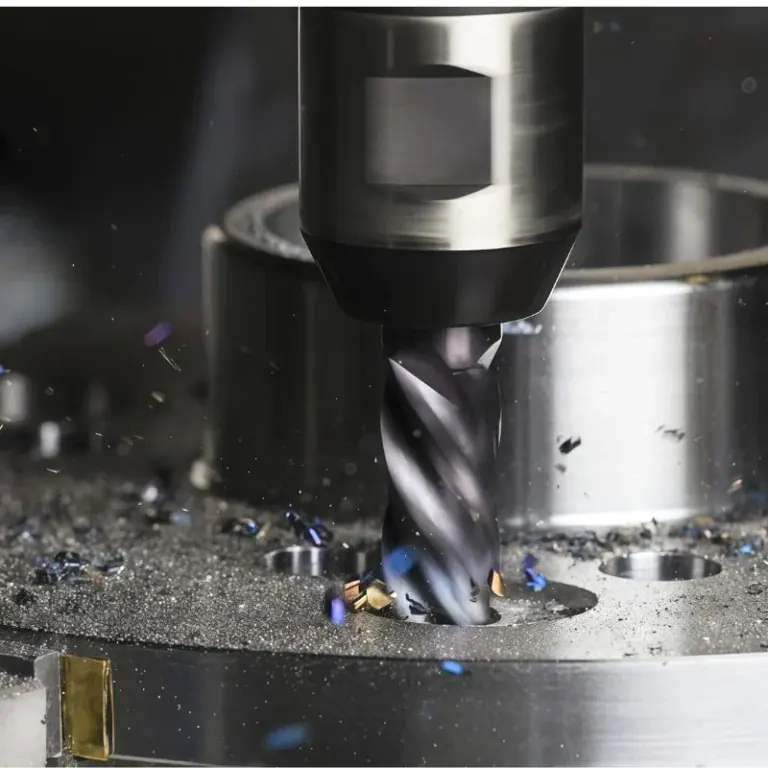
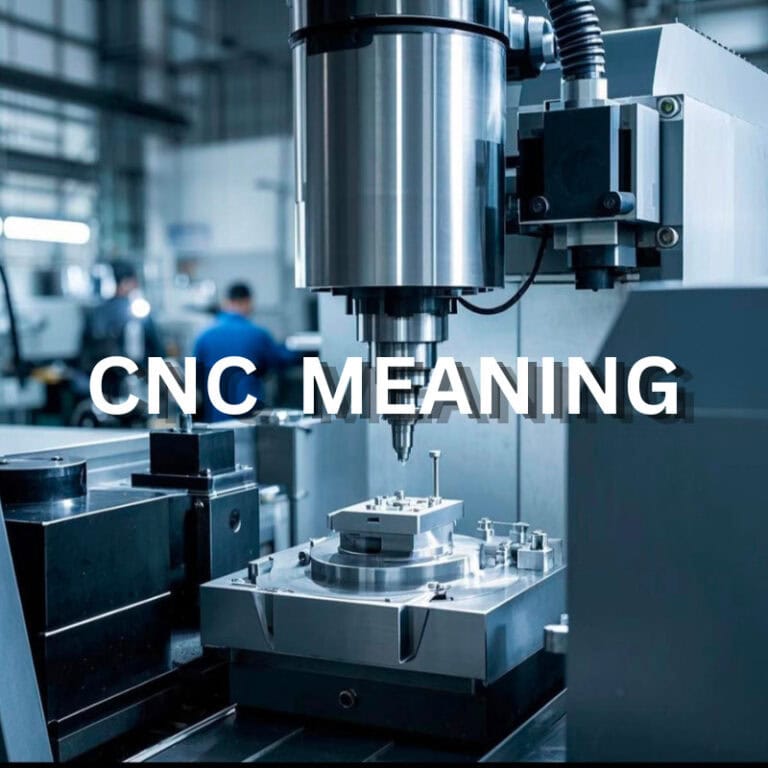
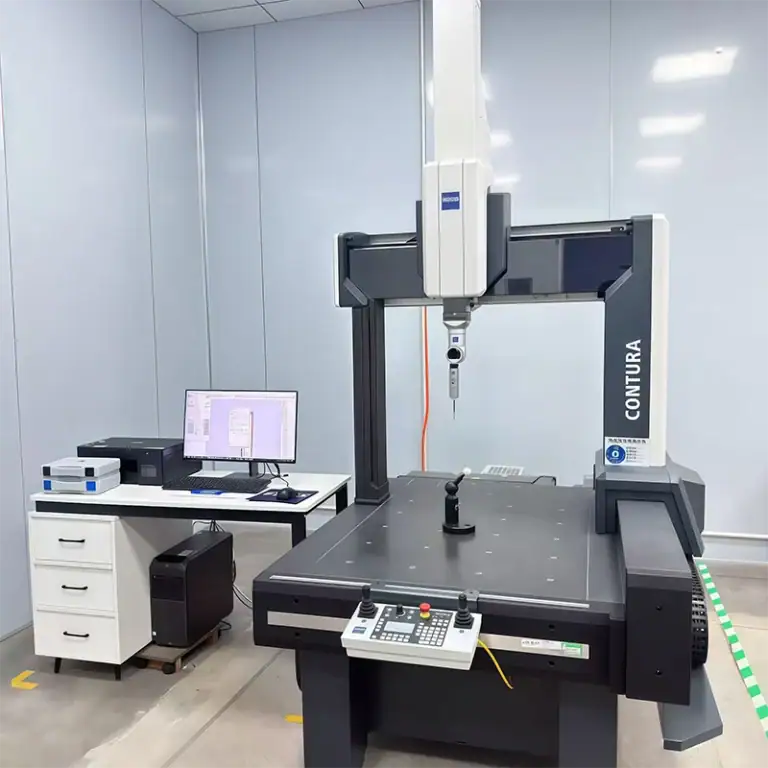
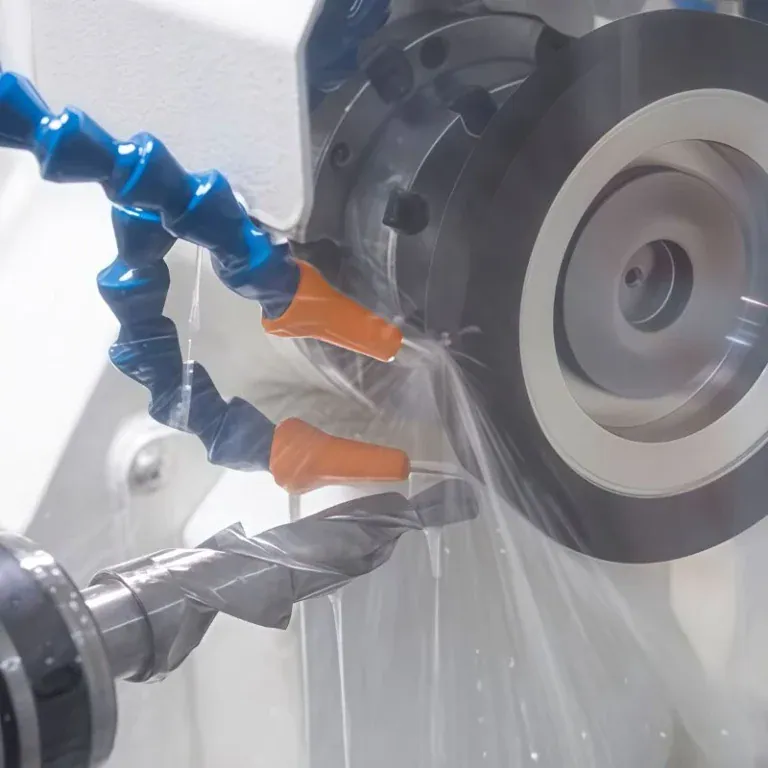
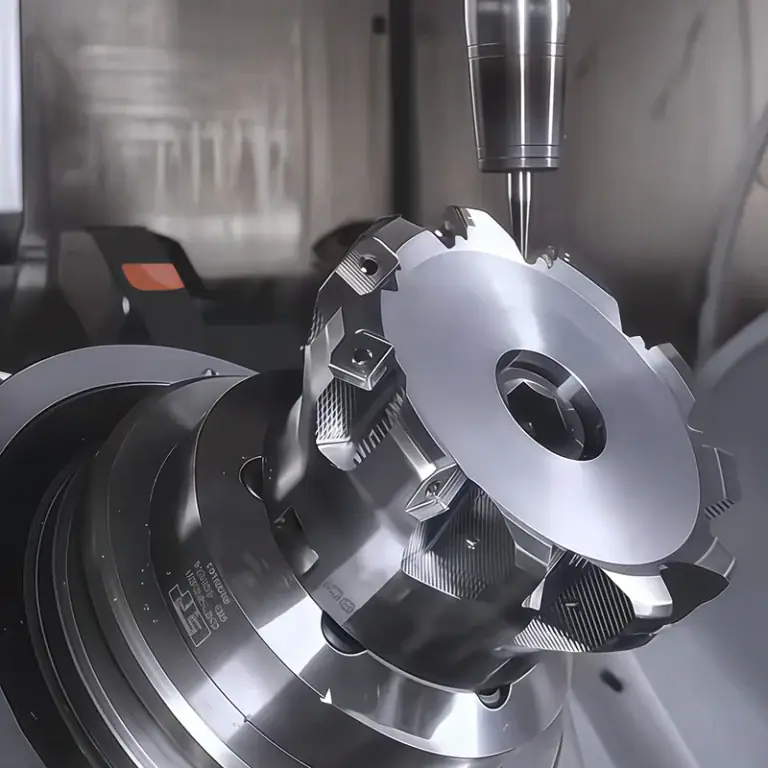
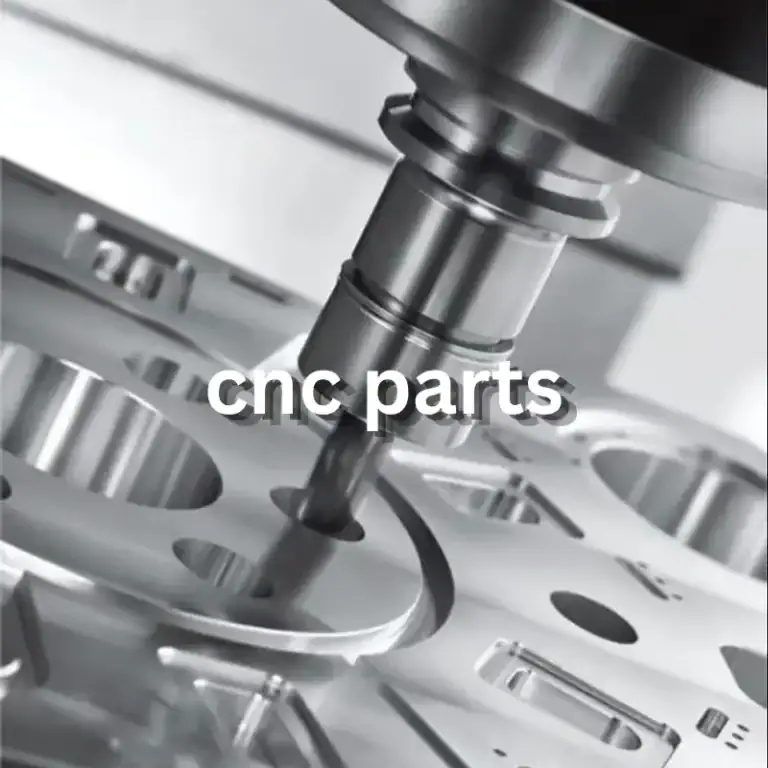
Automated welding equipment performs multiple tasks, including workpiece positioning, clamping, movement, welding, and inspection. Its stable operation depends largely on the machining quality of its internal mechanical components. CNC precision machining can produce customized components in various specifications based on equipment drawings and 3D models. While meeting precision requirements, it also supports low-volume prototyping and batch production, providing flexible and reliable manufacturing solutions for automated welding equipment companies.
What Are the Core Requirements for Manufacturing Automated Welding Equipment Components?
Automated welding equipment includes a wide variety of components, each serving a different function. The machining solution must therefore consider the structure, precision, and operating environment at the same time.
Component Precision Affects Welding Positioning
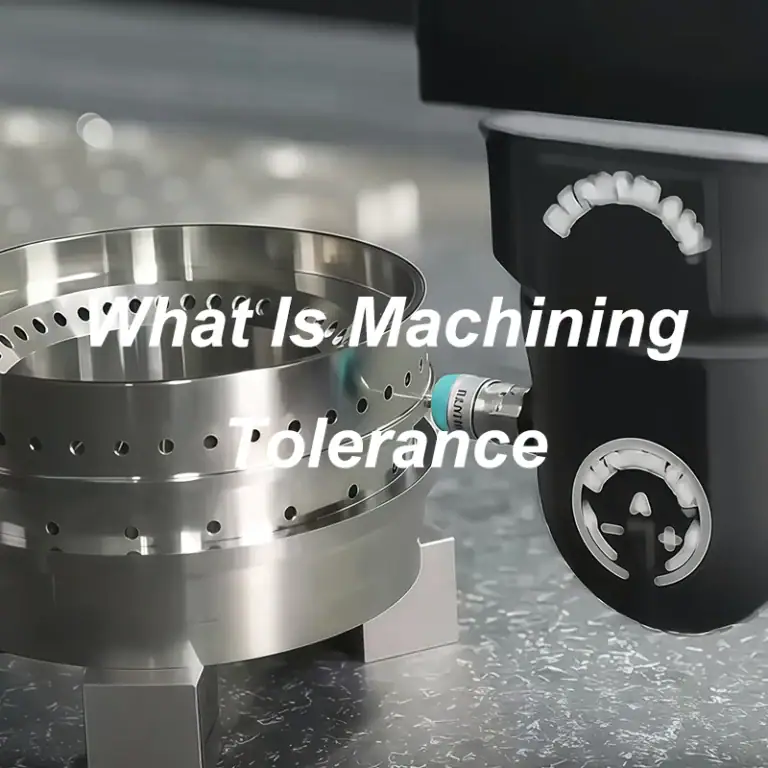
Automated welding equipment requires mechanical components to maintain stable motion paths. The dimensional accuracy of positioning components directly affects the positional relationship between the welding torch and the workpiece.
- CNC machining can consistently control the dimensions of mounting holes, locating holes, and mating surfaces.
- Precision machining helps reduce assembly errors between mechanical components.
- Inspecting critical dimensions can reduce repeated adjustments during equipment commissioning.
Precision component manufacturing provides a foundation for maintaining stable positioning accuracy in welding equipment.
Complex Structures Require Flexible Machining
Automated welding equipment is often customized according to the shape of the workpiece and the welding process. Components may include irregular contours, deep holes, slots, and multi-angle mounting structures.
- Supports the machining of non-standard structures such as brackets, connecting blocks, and mounting bases.
- Components can be manufactured directly from CAD drawings or 3D models.
- Multi-axis CNC machining can be selected for complex components according to their structure.
Flexible manufacturing capabilities can better accommodate the design requirements of different automated welding systems.
Material Selection Affects Equipment Service Life
Welding equipment operates for long periods in environments involving mechanical movement, heat, and metal dust. Component materials should therefore be selected according to the specific location and load conditions.
| Machining Requirement | CNC Manufacturing Solution | Common Components |
| High-precision positioning | CNC precision milling | Locating bases, mounting bases |
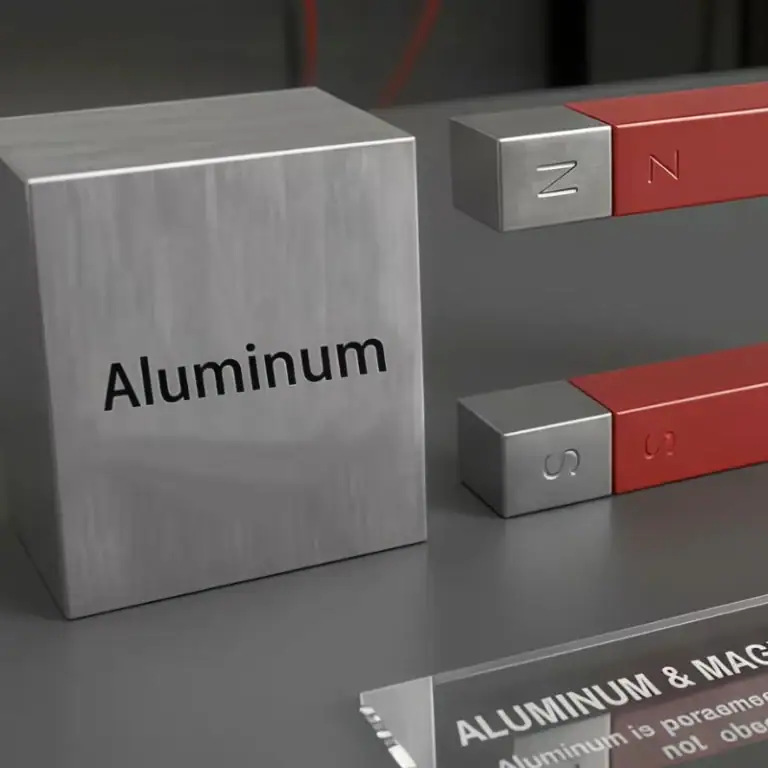
| Lightweight moving structures | Aluminum CNC machining | Robotic arm connectors, brackets |
| High-strength transmission | Precision machining of alloy steel | Shafts, connecting shafts |
| Complex structure manufacturing | 3-axis/5-axis CNC machining | Welding torch mounts, irregular components |
| New equipment development | Rapid CNC prototyping | Non-standard prototypes, test components |
Automated welding equipment components require solutions based on their function, material, and machining accuracy. This helps avoid focusing solely on low machining costs while overlooking the actual operating requirements of the equipment.
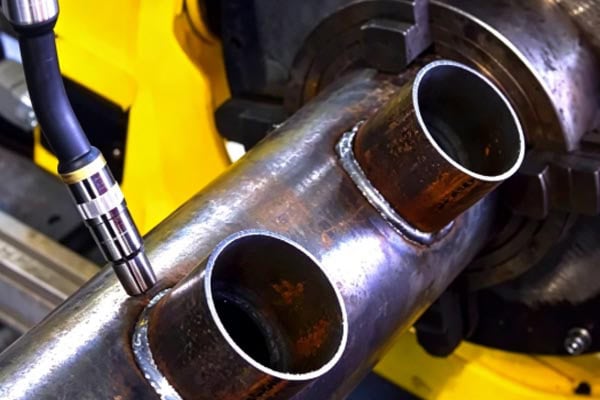
How Can CNC Machining Improve Automated Welding Equipment Manufacturing Efficiency?
Automated welding equipment is generally highly customized, so both project development time and component delivery speed can affect the progress of the complete machine.
Accelerating Equipment Development and Prototype Validation
During the development stage of automated welding equipment, fixture structures, mounting positions, and motion components often need to be adjusted. Rapid manufacturing capabilities can shorten the validation cycle.
- Test components can be machined directly from 3D models.
- CNC machining programs can be quickly adjusted after design changes.
- Completed prototypes can be installed directly on the equipment for testing.
This helps development teams identify structural issues and complete optimization more quickly.
Ensuring Assembly Consistency Among Multiple Components
An automated welding system usually contains many mechanical components that must work together. Therefore, the qualification of an individual component does not necessarily guarantee smooth overall assembly.
- Focus on controlling mating holes, mounting surfaces, and positioning structures.
- Use standardized machining programs to reduce dimensional differences between batches.
- Maintain production stability through first-article approval and in-process inspection.
- Keep necessary dimensional records and quality traceability for batch components.
Good dimensional consistency can reduce equipment assembly, commissioning, and rework time.
Supporting Low-Volume and Batch Orders
Automated welding equipment components often involve many models and varying quantities. CNC machining does not require dedicated molds for each component, making it more suitable for development prototypes and low-volume customized production. For structures that have already been validated, standardized machining programs can also be used for subsequent batch manufacturing, allowing equipment manufacturers to adjust procurement quantities flexibly according to project orders.
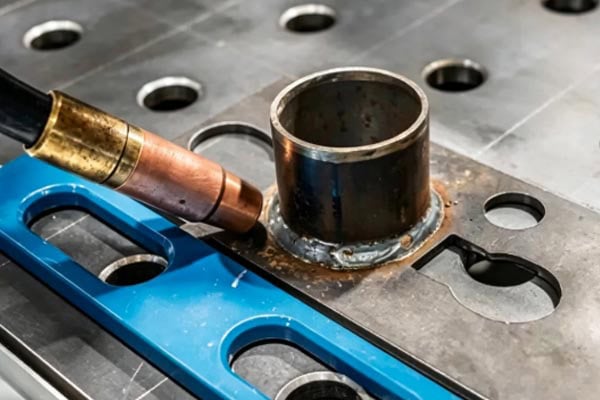
CNC Machining Applications for Common Automated Welding Equipment Components
From welding mechanisms to workpiece positioning systems, CNC machining can cover a wide range of mechanical structural components used in automated welding equipment.
Welding Torch Mounts and Robotic Arm Connectors
The welding torch must maintain a stable position and motion path, so its mounting components require a certain level of structural precision and rigidity.
- Can machine welding torch holders, connecting blocks, and robotic arm mounts.
- Supports customized dimensions for different equipment models.
- Provides precision machining for mounting hole positions and mating surfaces.
Stable connection structures can reduce positional deviations during welding.
Workpiece Fixtures and Positioning Components
Fixtures and positioning mechanisms directly determine whether the workpiece can remain in the correct position and are important parts of automated welding equipment.
- Supports the manufacture of locating blocks, fixture bases, clamping components, and other parts.
- Component structures can be quickly adjusted according to workpiece dimensions.
- Suitable for developing customized fixtures for multiple workpiece types.
Precision fixture components help equipment maintain consistent repeat positioning accuracy.
Guide Rails, Brackets, and Transmission Structures
The moving mechanisms in automated welding equipment perform repetitive movements over long periods, placing high demands on the mounting accuracy and structural strength of related components.
- Supports the machining of guide rail mounts, slide table connectors, and equipment brackets.
- Aluminum, stainless steel, or alloy steel can be selected according to load requirements.
- Complex mounting structures can be completed through multi-axis machining.
Reliable motion structures provide support for the continuous operation of automated welding equipment.
How to Choose a Supplier for Automated Welding Equipment Components?
When selecting a machining partner, automated welding equipment companies should make a comprehensive assessment based on machining capabilities, quality management, and project coordination capabilities.
Check Whether the Supplier Has Non-Standard Precision Machining Capabilities
Automated welding equipment components are rarely purchased entirely as standard parts, so suppliers need strong customized machining capabilities. Three-axis, four-axis, and five-axis CNC equipment can cover components with different levels of complexity. Suppliers should also have experience machining common materials such as aluminum alloys, stainless steel, and alloy steel. The more complete the equipment and technical capabilities, the easier it is to maintain machining quality and delivery stability when handling complex drawings.
Check Whether the Quality Inspection Process Is Complete
Key components in automated welding equipment usually require precise fitting, making inspection capabilities an important factor when evaluating suppliers.
- Inspect critical dimensions, hole positions, and mounting surfaces.
- Approve first articles to reduce the risks of batch production.
- Maintain consistency between prototypes and batch-produced components.
A complete inspection process can reduce the likelihood of discovering machining problems during assembly.
Check Whether the Supplier Can Support the Process from Prototyping to Mass Production
Component requirements change continuously as equipment projects progress. An ideal machining supplier should be able to support development prototyping, low-volume trial production, and subsequent batch manufacturing, while also providing supporting services such as DFM analysis and surface treatment. This reduces repeated communication between different suppliers and makes the transition between equipment development and production more efficient.
The stable operation of automated welding equipment depends on reliable component manufacturing and proper assembly coordination. TiRapid provides CNC precision machining services for automated welding equipment components, supporting rapid prototyping, low-volume production, and batch manufacturing based on drawings and 3D models to help customers efficiently complete their automated equipment component sourcing.