Titanium alloy dental implant components are usually small in size, but they have demanding requirements for machining accuracy, surface condition, connection dimensions, and batch consistency. Components such as implants, abutments, connectors, and fixation screws require structures such as threads, internal holes, hexagonal connection features, and tapered surfaces to be machined within limited spaces. Any dimensional deviation may affect assembly performance. Titanium alloys also offer high strength, relatively low weight, and corrosion resistance, but they can present challenges during machining, including heat generation, tool wear, and dimensional changes. For dental implant components, CNC turning, milling, and multi-axis machining can complete complex structures in a single operation or in multiple stages, while precision inspection can be used to control critical dimensions. TiRapid offers CNC turning, CNC milling, 5-axis machining, micro machining, precision machining, and other capabilities, supporting projects from prototypes to mass production and providing manufacturing support for medical component projects from drawing evaluation to finished-part delivery.
Why Dental Implant Components Require CNC Machining
Stable Machining of Small-Size Structures
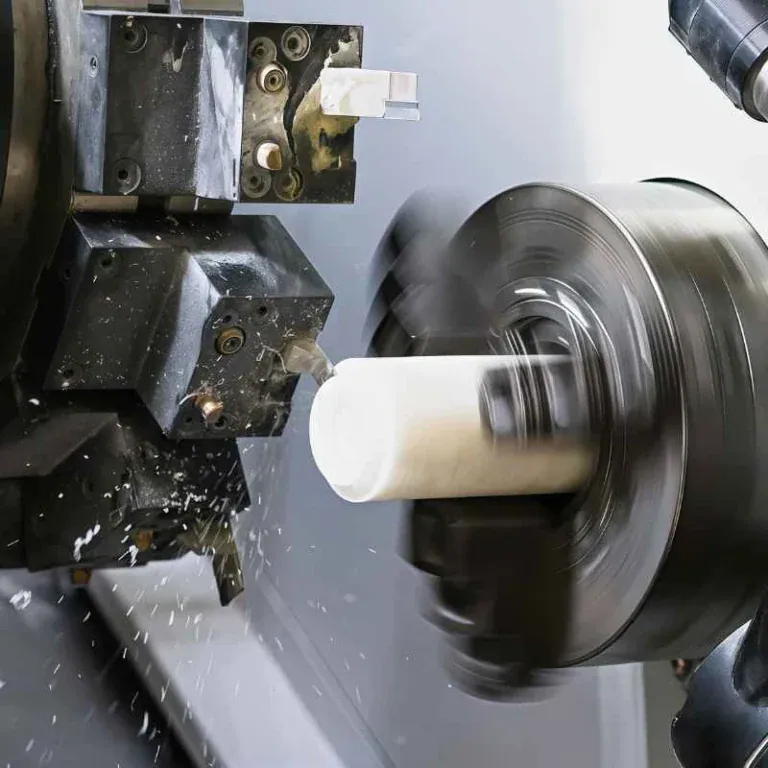
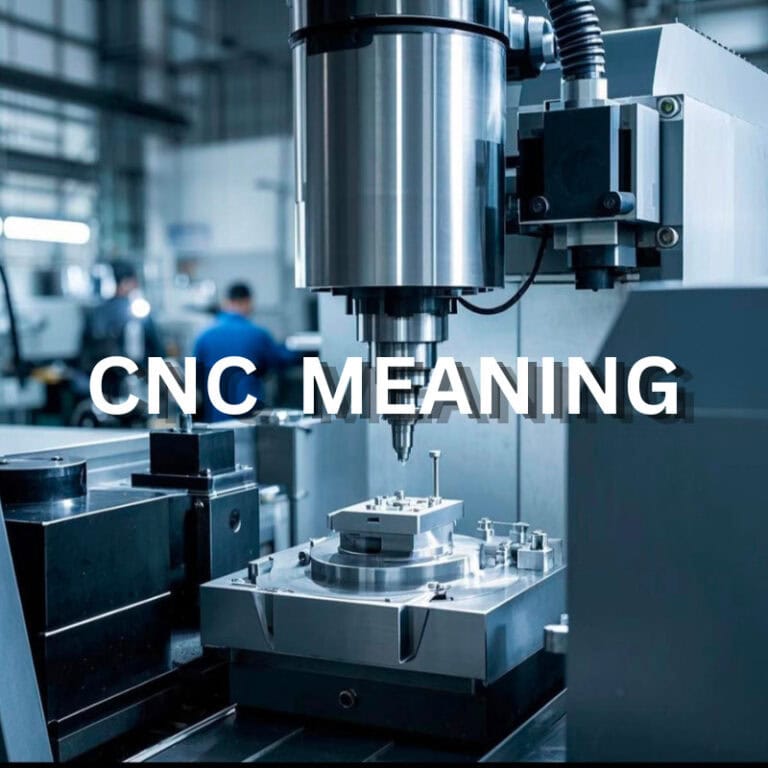
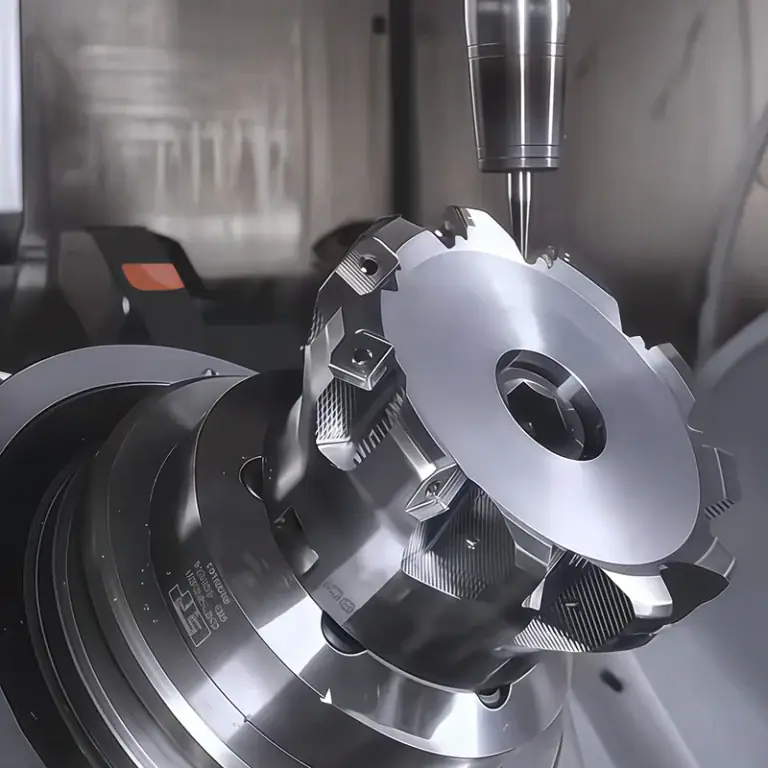
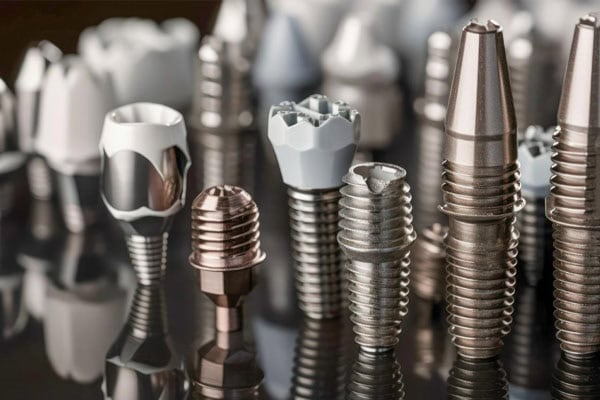
Dental implant components often have relatively simple external shapes, but their internal structures can be highly precise. For example, implants require external threads, while abutments may require connection ends, tapered surfaces, and screw holes. Some components may also feature hexagonal, internal hexagonal, or other positioning structures. If these structures are manufactured using conventional machining methods alone, problems such as dimensional instability, excessive burrs, or difficult assembly can easily occur. The advantage of CNC machining is that components can be continuously machined according to digital models and engineering drawings. For cylindrical components requiring turning, CNC lathes can control the outer diameter, internal holes, end faces, and threads. When hexagonal features, side holes, or complex surfaces are required, CNC milling or multi-axis machining can be used. For small dental implant components, machining stability is more important than simply pursuing machining speed. Equipment, tools, fixtures, and programs need to be planned according to the component dimensions so that parts within the same batch maintain consistent dimensional conditions.
Titanium Alloy Machining Techniques
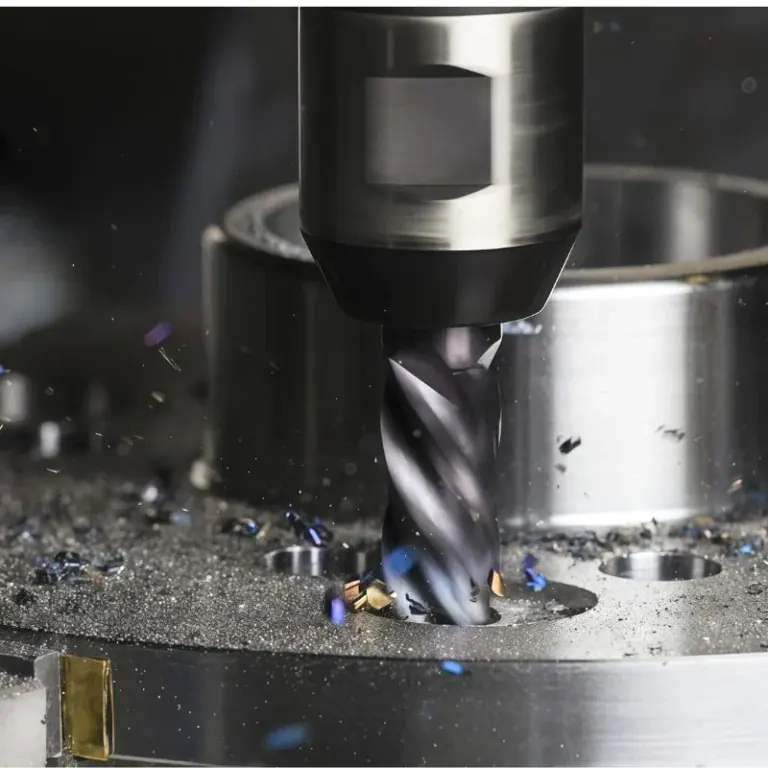
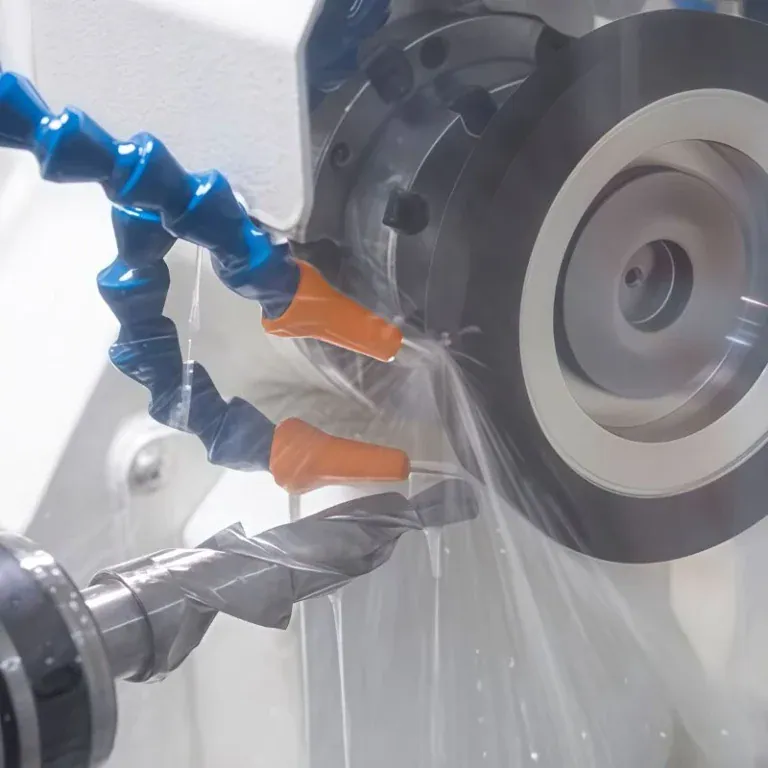
Titanium alloys require different machining practices from conventional aluminum and steel. Their thermal conductivity is relatively low, meaning that heat generated during machining is not easily dissipated. If the cutting tool remains in prolonged frictional contact with the workpiece, tool wear may accelerate, and changes in the machined surface or dimensional fluctuations may occur. Publicly available industry information on titanium alloy machining also generally emphasizes rigid fixturing, tool selection, cooling, and cutting paths as key control factors. Therefore, roughing and finishing operations for dental implant components need to be planned in advance. Rough machining primarily removes excess material efficiently, while finishing focuses on controlling connection dimensions, threads, hole diameters, and surface condition. For small components, repeated fixturing should also be minimized whenever possible, because each repositioning may increase accumulated dimensional errors.
Different Components Require Different Machining Solutions
“Dental implant components” are not a single type of product. Different structures require different machining methods.
| Component Type | Common Structures | Recommended Machining Method | Key Controls |
| Implant | External threads, tapered structures, connection features | CNC Turning + Milling | Threads, outer diameter, concentricity |
| Implant Abutment | Tapered surface, connection end, screw hole | CNC Turning + Precision Milling | Connection dimensions, hole position, surface condition |
| Fixation Screw | Small-diameter outer diameter, fine threads, screw head | Precision Turning | Threads, head dimensions |
| Custom Connector | Irregular surfaces, holes, grooves | 3-Axis / 5-Axis CNC | Position accuracy, profile, burrs |
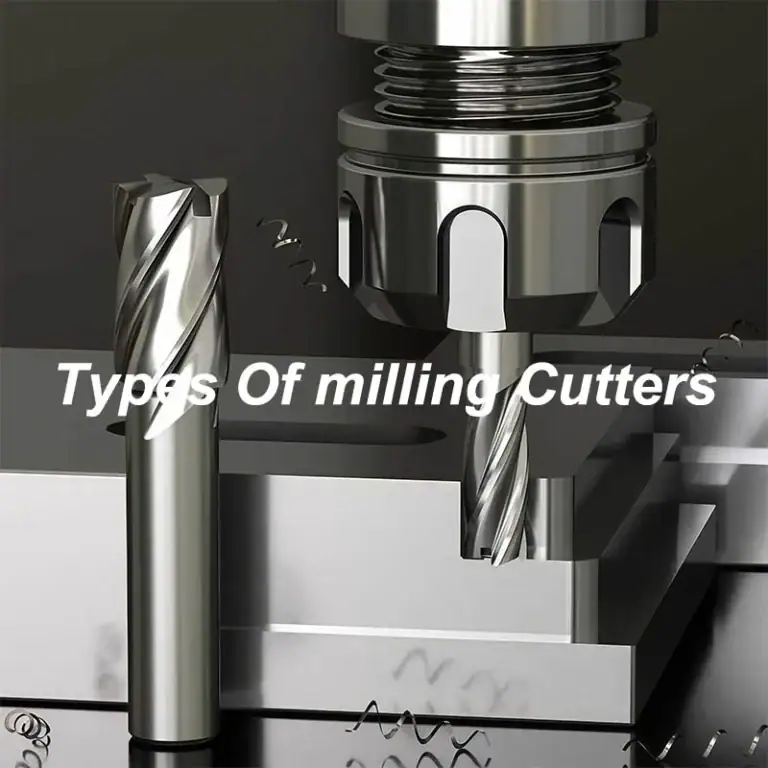
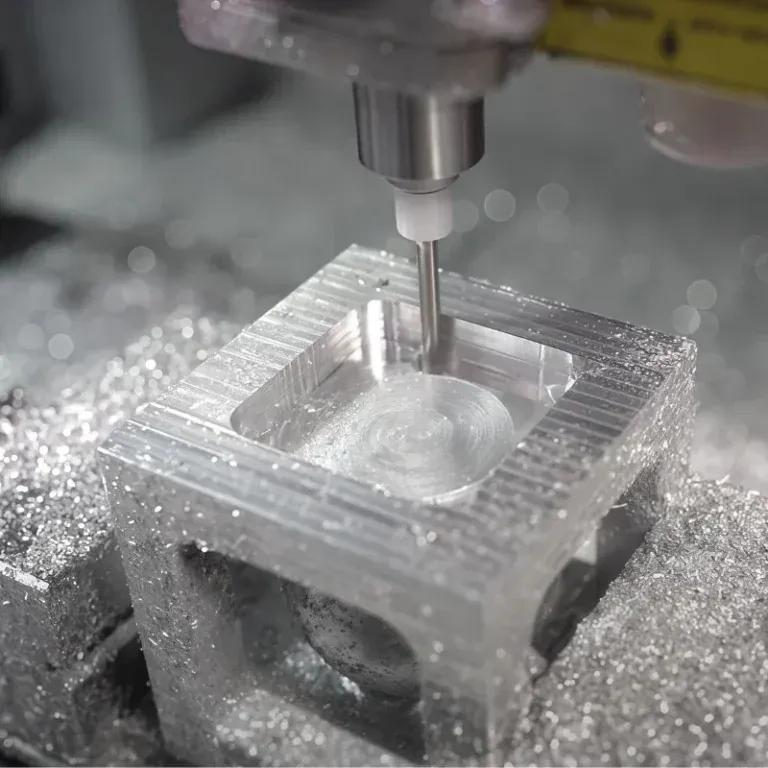
This approach of selecting the machining method according to the component structure is more practical than simply specifying a single type of equipment. For components with relatively complex structures that require machining from multiple directions, 5-axis CNC machining can reduce the number of setups and make it easier to control the relative positions between multiple machined surfaces. TiRapid currently provides 5-axis CNC, CNC milling, CNC turning, and micro machining services.
How Are Titanium Alloy Dental Implants CNC Machined?
Drawing Review
A stable implant component project typically does not begin production immediately after receiving the drawings. Engineers first need to review the 3D model and 2D engineering drawings to confirm the material, dimensions, tolerances, threads, surface requirements, and special features. For example, if a connection area requires high dimensional accuracy, it should not necessarily be machined in exactly the same way as an ordinary external surface. For structures such as thread minor diameters, hole diameters, tapered surfaces, and connection ends, it is also necessary to check whether the tool can access the area, whether the machining depth is excessive, and whether deformation may occur after fixturing. The TiRapid website currently provides DFM support. After customers upload 3D CAD files such as STP and STEP, quotation and design-for-manufacturing analysis can be performed based on manufacturing requirements.
Material and Machining Parameters
Common titanium materials used for dental implant-related components include commercially pure titanium and titanium alloys such as Ti-6Al-4V. The actual material used should be determined according to the customer’s product design, application requirements, and applicable material standards. It should not be arbitrarily substituted simply because “titanium alloys have high strength.” After receiving the material requirements, the component’s dimensions and structure also need to be considered. Tool cutting, cooling, feed rate, and machining sequence all need to be adjusted according to the actual workpiece.
Roughing, Finishing, and Cleaning Stages
The machining process consists of three stages: first removing excess material, then bringing critical dimensions into specification, and finally handling the surface and cleaning. The roughing stage mainly focuses on material removal; the finishing stage focuses on connection features, threads, hole diameters, and external dimensions. After mechanical machining is completed, deburring, surface treatment, and cleaning can be carried out according to customer requirements. Especially for small dental components, microscopic burrs that are difficult to see with the naked eye may still affect assembly. Therefore, completing CNC machining does not mean that the entire manufacturing process is finished.
How to Control the Accuracy and Quality of Dental Implant Components
Inspect Critical Dimensions
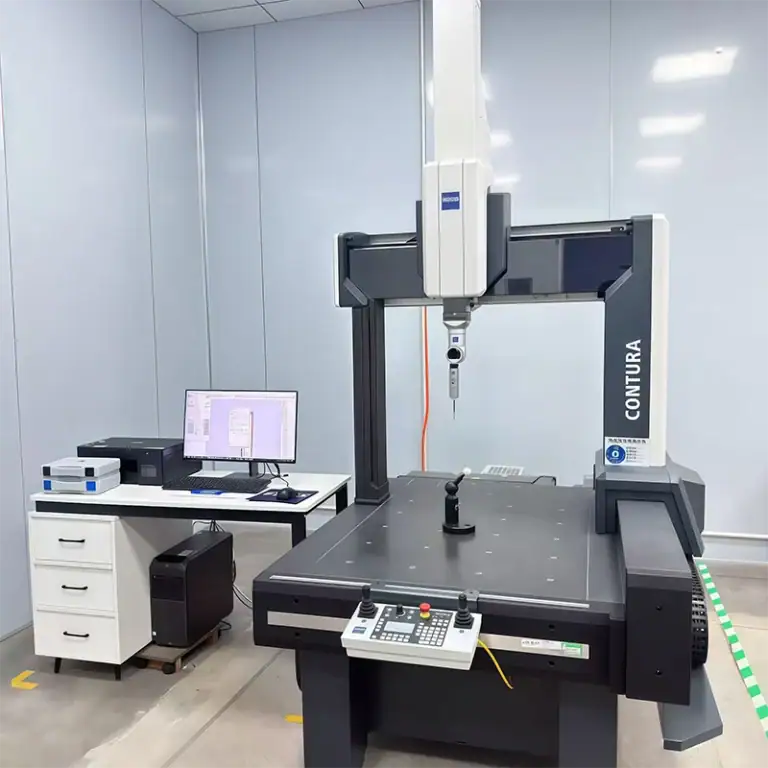
Dental implant components need to identify the critical dimensions that directly affect assembly and use. For example, implant thread dimensions, connection-end diameters, internal hole dimensions, tapered surface positions, and abutment connection dimensions should all be inspected according to the drawings. The TiRapid website states that its manufacturing services include CMM inspection capabilities and support production from prototypes and small batches to scaled manufacturing.
Use Different Inspection Methods
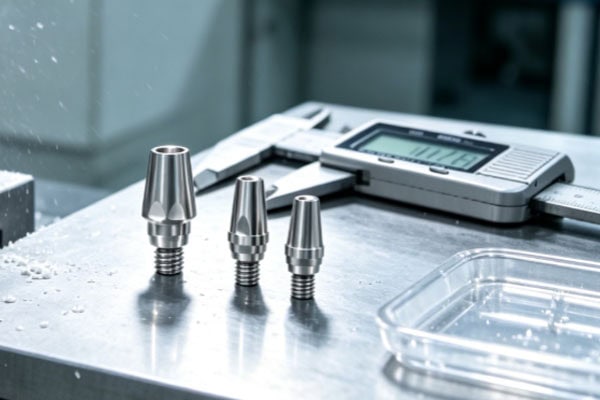
For standard dimensions, tools such as calipers and micrometers can meet basic inspection requirements. However, for hole positions, concentricity, complex profiles, and positional relationships between multiple dimensions in dental implant components, manual measurement alone may not be sufficient. Different inspection methods can be selected according to component requirements. For example, standard dimensions can be checked using micrometers, calipers, and similar tools; small holes and internal diameters can be inspected with dedicated gauges; complex profiles and positional relationships can be measured using CMM; and dedicated surface inspection can be performed when higher surface roughness requirements apply. This inspection approach can reduce situations where an individual dimension is within specification but the component does not assemble properly.
Pay Attention to Surface Condition
Different areas of dental components have different functions and may therefore have different surface requirements. For example, connection areas generally place greater emphasis on dimensional stability and fit, while exposed areas may place greater emphasis on surface quality. For areas requiring subsequent surface treatment, reasonable machining allowances should be reserved during CNC machining. For implant products, surface treatments such as sandblasting and acid etching are also used in the industry, but the specific process must be confirmed according to the customer’s product specifications, material requirements, and medical device regulations rather than being determined independently by the machining supplier.
How TiRapid Provides Support for Dental Implant Component Machining
From Single Prototypes to Mass Production
Dental product development often requires a small number of samples to be produced first, followed by dimensional and assembly verification before moving into small-batch or formal production. Therefore, suppliers that can only handle large-volume production may have difficulty meeting early-stage development requirements. TiRapid provides prototype, small-batch, and scaled manufacturing services, along with CNC turning, milling, 5-axis machining, and micro machining capabilities, allowing the appropriate production method to be selected according to component structure. The website also states that its manufacturing services cover CNC machining, sheet metal fabrication, 3D printing, and other manufacturing processes. For projects requiring rapid validation, samples can be machined first. Once the design is confirmed, the machining solution can be adjusted according to the required quantity, reducing the pressure of making a large upfront investment during product development.
Solve Machining Problems in Advance
Many components only reveal problems after entering production, such as tools being unable to access a feature properly, holes being too deep, thin-wall areas being prone to deformation, or insufficient space for thread machining. Modifying the program or redesigning the drawing at this stage can often add time. The value of DFM evaluation is to identify these issues before machining begins. TiRapid provides free DFM reports and supports project evaluation through 3D CAD files. The website states that it can provide fast quotations and manufacturing recommendations.
Common Questions
Q1: Can titanium alloy dental implant components be produced in small batches?
Yes. Dental product development, prototyping, and design validation often require small quantities of components, making CNC machining suitable for these applications. The specific quantity, lead time, and price need to be evaluated based on the drawings, material, and component structure.
Q2: Can I request a quotation if I only have a 3D model without a complete 2D drawing?
Yes. STEP, STP, and other 3D files can be submitted for an initial evaluation. If critical dimensions, tolerances, or surface requirements are incomplete, the engineering team will further confirm them based on the actual requirements.
Q3: Can titanium alloy machining cause deformation?
It is possible, particularly for thin-wall, small-sized, and structurally complex components. Proper fixturing, machining sequence, tool selection, and cutting parameters can help reduce the risk.
Q4: Can you manufacture different components such as implants and abutments?
CNC turning, milling, 5-axis machining, or micro machining solutions can be evaluated according to the component structure. Whether a specific component is suitable for production should be determined based on the customer’s drawings and product requirements.
A good machining solution is not simply about selecting a high-precision CNC machine. From the moment the drawings are received, the material, machining sequence, fixturing method, tools, cooling, inspection, and post-processing all need to be properly planned. If you already have a 3D drawing for a titanium alloy dental implant component but are unsure whether turning, milling, or 5-axis machining is the right choice, you can provide the drawing and quantity to TiRapid for evaluation. The engineering team can provide manufacturing recommendations based on the component structure and machining requirements before determining the quotation and production method.
Email: projects@tirapid.com
Phone: +86 760 8999 8536
Submit your drawings today and let the TiRapid engineering team evaluate the right titanium alloy CNC machining solution for your project.