Aircraft structural parts are an important component of modern aerospace manufacturing. They perform functions such as connection, support, positioning, and load transfer. Because aircraft need to maintain structural strength while reducing overall weight, structural components often feature lightweight designs with thin walls, deep cavities, complex ribs, irregular contours, and precision holes.An aircraft structural parts precision machining solution needs to consider material properties, component geometry, machining tolerances, workholding methods, and quality control. By combining CNC precision machining and multi-axis machining technologies, manufacturers can provide stable and efficient manufacturing support for aircraft structural components.
Main Characteristics of Aircraft Structural Parts Precision Machining
Complex Structures Require Advanced Machining Capabilities
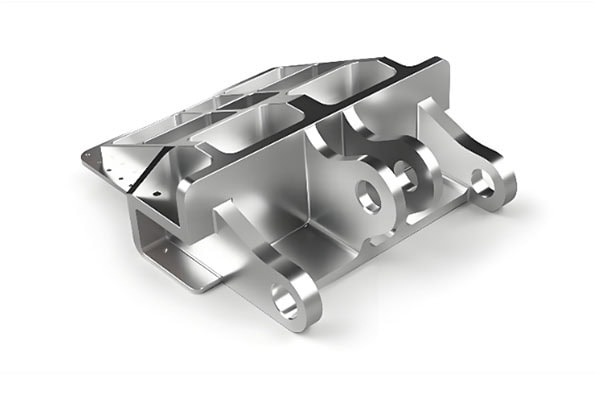
Aircraft structural components are not simply flat parts. Many components contain reinforcing ribs, deep grooves, curved surfaces, and multi-directional holes. Integrated structural designs can reduce the number of individual components and connection points, but they also increase machining complexity.
CNC machining equipment can generate machining programs based on CAD models and engineering drawings, allowing different structural features to be produced accurately. For complex areas, multi-axis machining can also be used to reduce inaccessible areas and improve machining flexibility.
Lightweight Designs Can Increase the Risk of Machining Deformation
Aerospace structural components need to balance strength and weight, which is why aluminum alloys and other lightweight materials are widely used for aircraft structures. To further reduce weight, some components feature thin walls and deep cavities.
During machining, excessive cutting forces or inappropriate workholding methods may cause thin-wall areas to deform. Therefore, roughing and finishing operations should be properly arranged, while the workholding strategy should be optimized according to the component structure.
Precision Holes and Mounting Surfaces Require Tight Control
Aircraft structural components often need to be assembled with other aerospace components. Therefore, hole diameter, hole spacing, positional accuracy, and mounting surface dimensions are critical.
Stable CNC machining processes and appropriate positioning references can help improve the consistency between different machining features and provide a reliable foundation for subsequent assembly.
Common Materials for Aircraft Structural Parts
Aircraft structural components need to balance weight, strength, corrosion resistance, and machinability. Different materials require different machining strategies.
| Material | Key Characteristics | Common Aircraft Structural Parts |
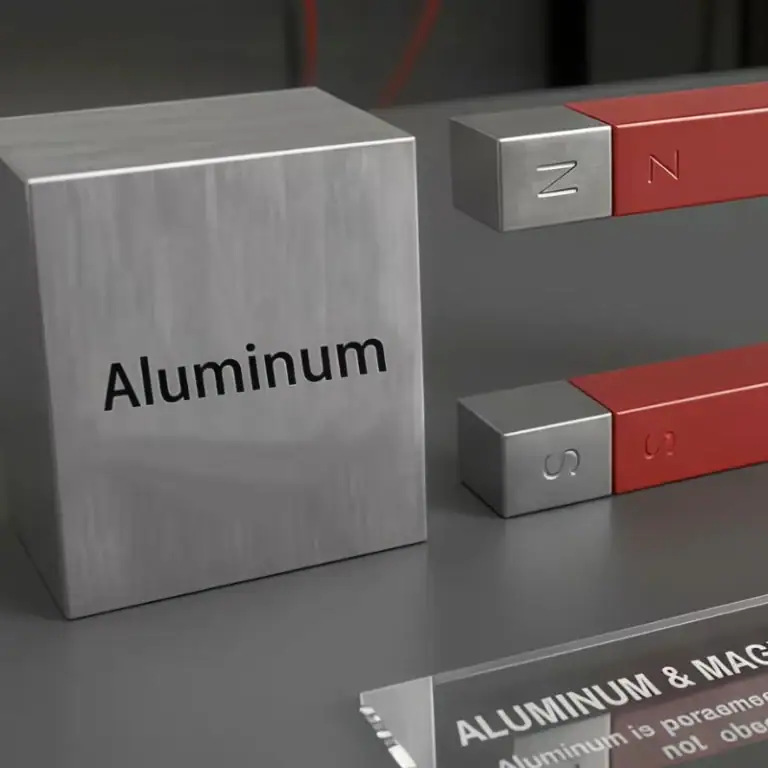
| Aluminum Alloy | Lightweight, moderate strength, good machinability | Brackets, frames, skin structures |
| Titanium Alloy | High strength and corrosion resistance | Connectors, load-bearing structures |
| Stainless Steel | High strength and corrosion resistance | Fasteners and structural components |
| High-Strength Alloys | High strength and good high-temperature performance | High-load structural components |
Aluminum alloys are widely used for lightweight aircraft structural components, while titanium alloys are suitable for critical components requiring higher strength and corrosion resistance.
Core Machining Processes for Aircraft Structural Parts
CNC Milling
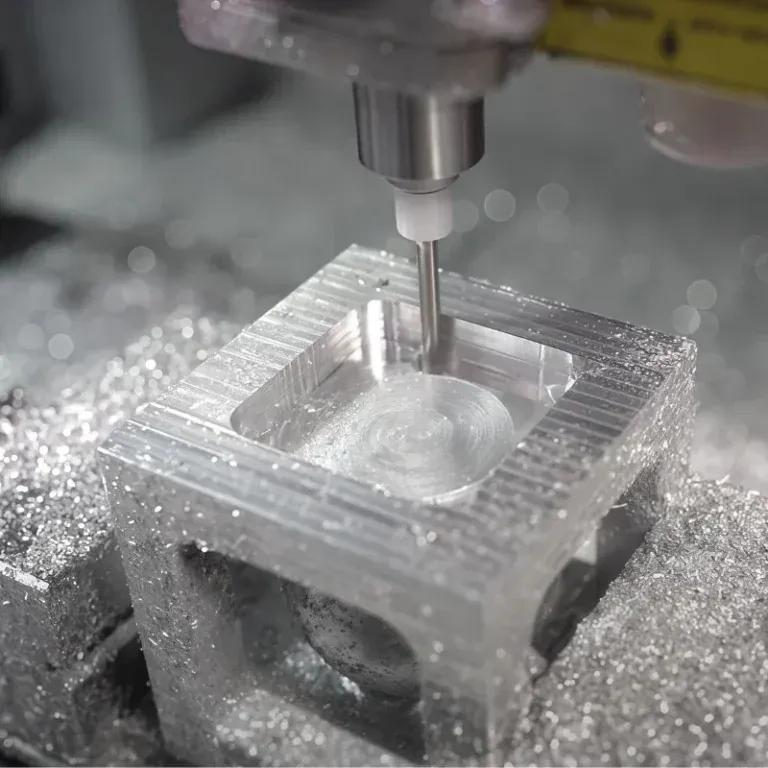
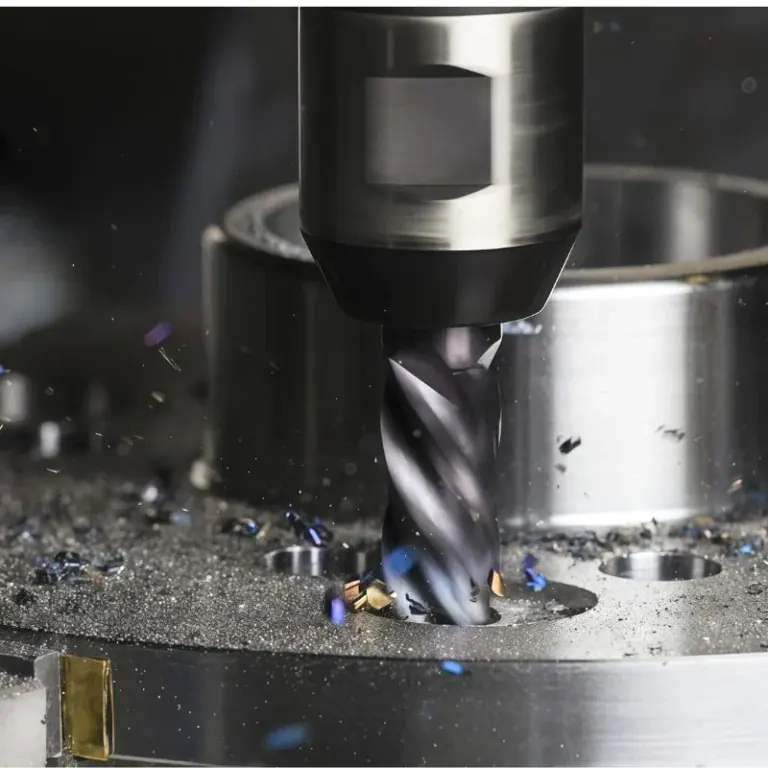
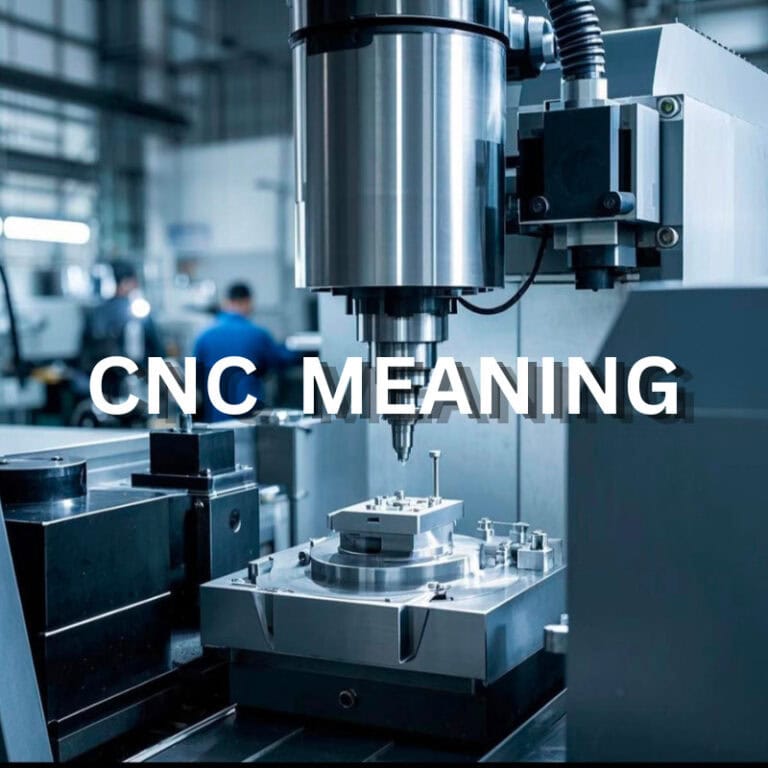
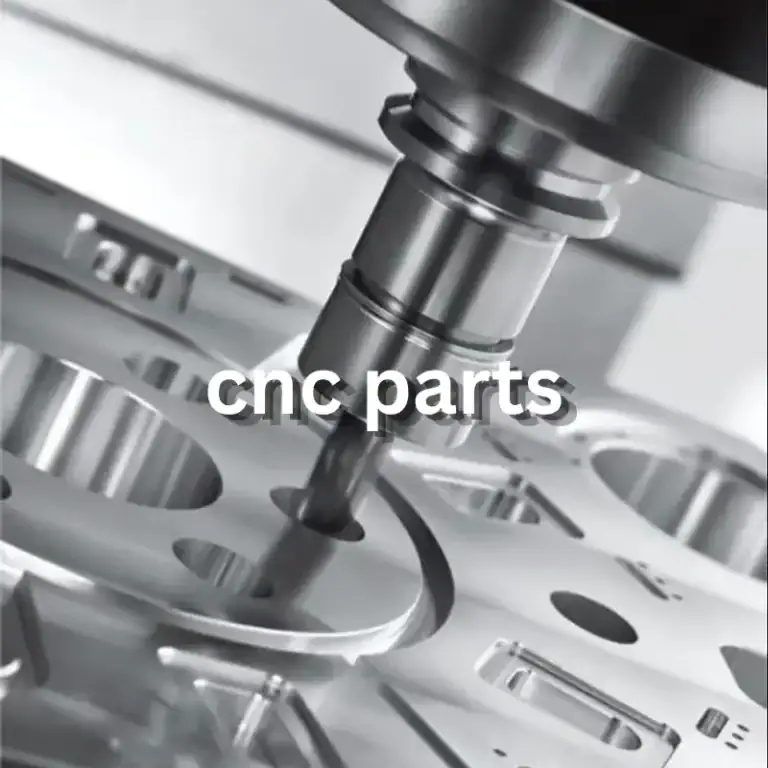
CNC milling is an important manufacturing process for aircraft structural components. It can be used to machine planes, slots, holes, ribs, and complex contours.By gradually removing material through multiple machining operations, manufacturers can achieve better control over component dimensions and minimize machining risks.
5-Axis CNC Machining
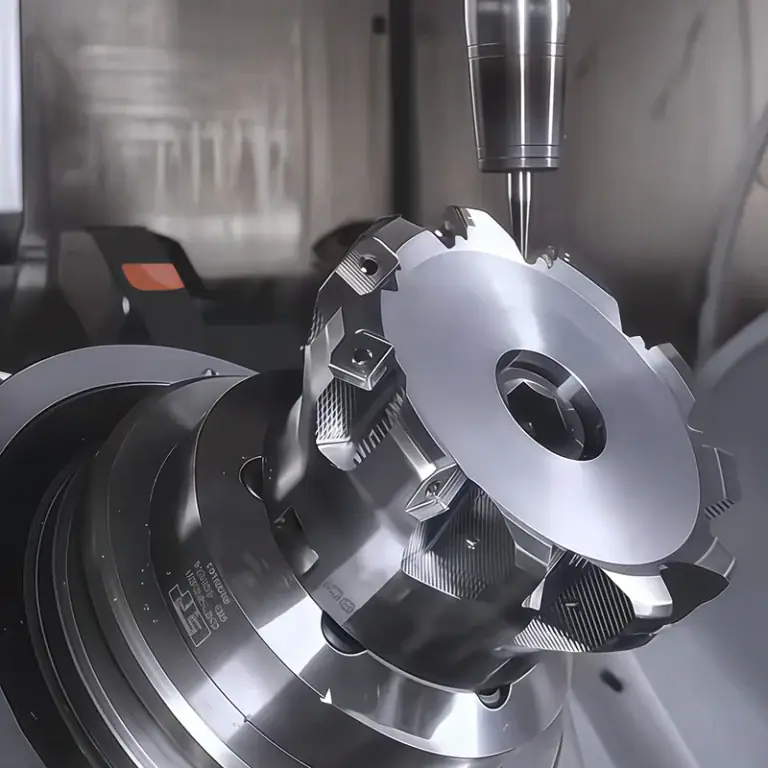
For aircraft components with complex curved surfaces, angled surfaces, and multi-directional structures, 5-axis machining provides greater tool movement flexibility.Reducing repeated workpiece setups can help minimize positioning errors while improving machining efficiency in complex structural areas. This makes 5-axis CNC machining particularly suitable for integrated structural components and complex aerospace parts.
Thin-Wall Component Machining
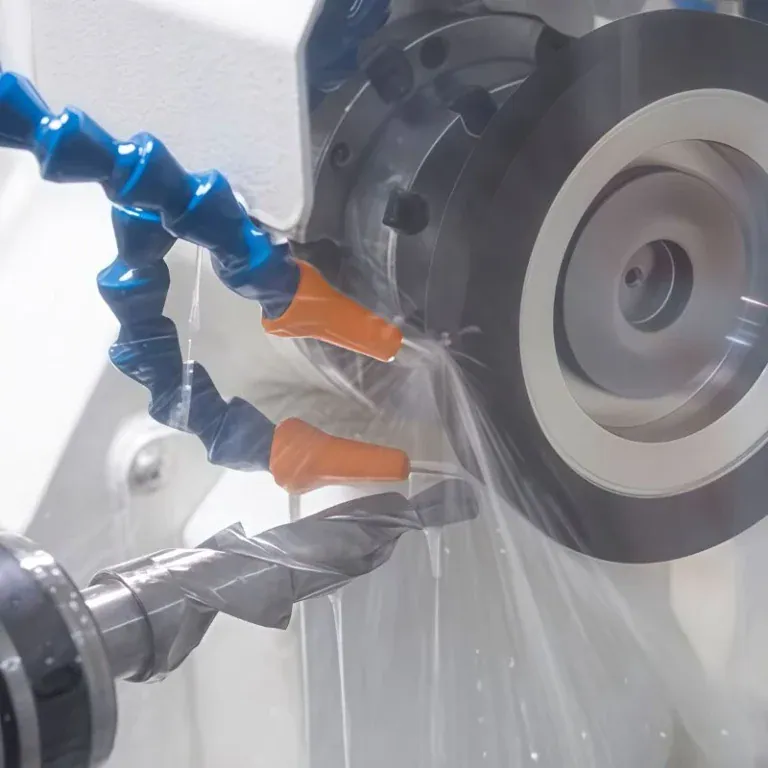
Thin-wall aircraft structural components require careful machining process control. Proper cutting parameters, tool paths, and machining allowances can help reduce the impact of cutting forces on the workpiece.Roughing, semi-finishing, and finishing operations can be performed progressively to remove material while helping control machining deformation.
Quality Control for Aircraft Structural Parts Precision Machining
Optimize Workholding Methods
Aircraft structural components can be relatively large while containing thin sections, making workholding particularly important. Appropriate positioning references and fixtures should be selected according to the component geometry.Stable workholding helps reduce vibration, movement, and deformation during machining.
Plan the Machining Sequence Properly
The machining sequence can affect internal stress and final component dimensions. For large thin-wall structural parts, removing too much material at once should be avoided.Machining allowances can be removed progressively through staged machining processes to help control deformation and improve dimensional stability.
Strengthen Dimensional Inspection
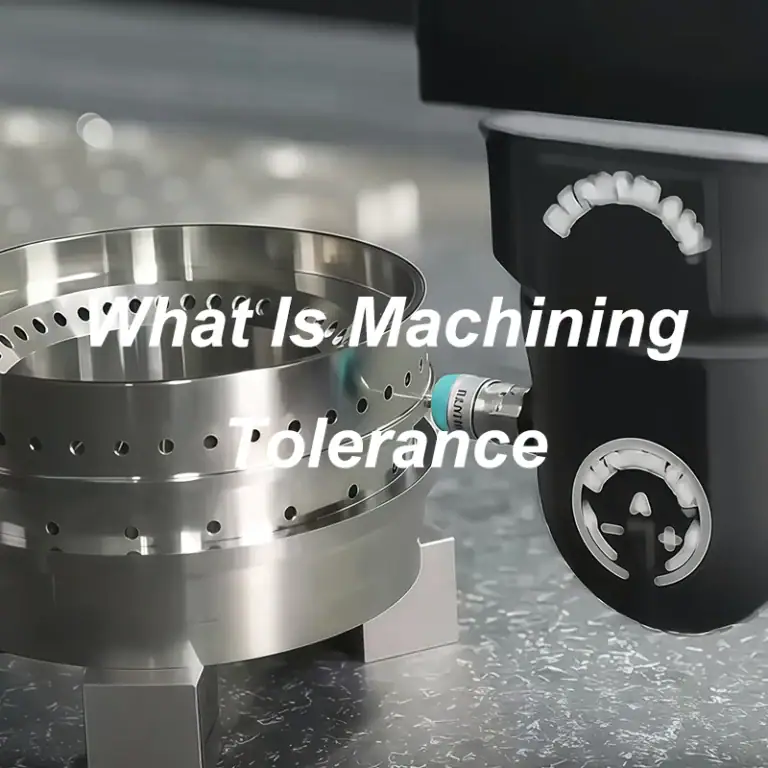
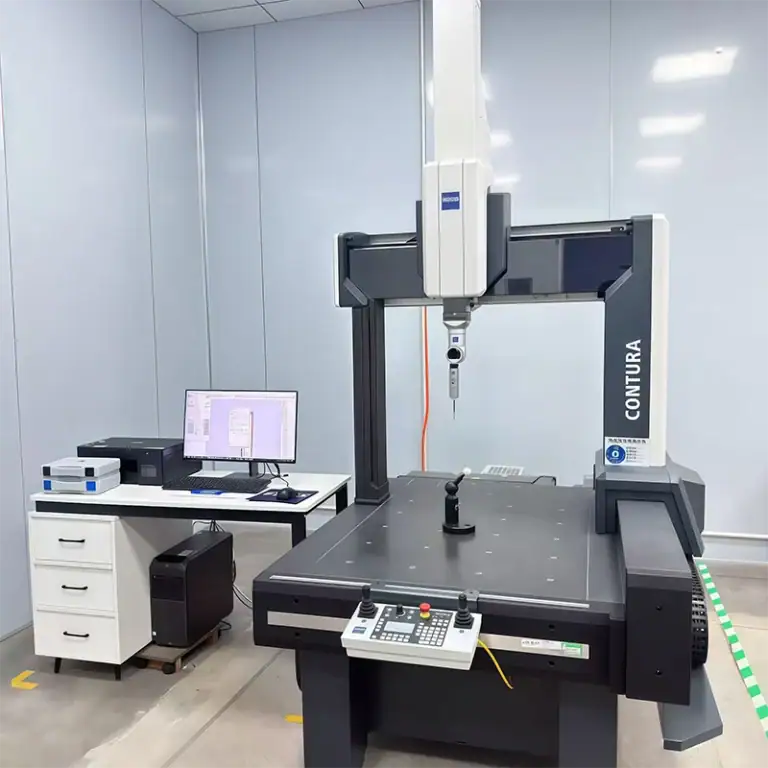
After machining, critical dimensions, hole positions, flatness, contours, and other important geometric features should be inspected.First-article inspection and in-process quality control can help identify machining deviations and improve dimensional consistency between production batches.
Applications of Aircraft Structural Parts Precision Machining
Precision CNC machining of aircraft structural components can be applied to various aerospace manufacturing requirements, including aircraft frames, brackets, connectors, mounting bases, structural housings, and other customized metal components.
During aerospace product development, CNC machining can be used to quickly manufacture prototype structural components for dimensional verification, assembly testing, and design optimization.
During production, small-batch CNC machining can support the manufacturing of components for different aircraft models and customized structural requirements.For complex and high-value aerospace components, 5-axis CNC machining can reduce repeated positioning operations and provide greater manufacturing flexibility.
TiRapid Aircraft Structural Parts Precision Machining Solutions
TiRapid specializes in precision CNC machining of metal components and can develop suitable machining solutions based on aircraft structural component drawings, 3D models, material requirements, and dimensional tolerances.
For common aircraft structural features such as thin walls, deep cavities, complex curved surfaces, precision holes, and multi-angle structures, TiRapid can combine CNC milling, precision machining, and 5-axis CNC machining processes to support component manufacturing.For materials including aluminum alloys, titanium alloys, and stainless steel, machining tools, cutting parameters, and process sequences can be adjusted according to specific material characteristics.
TiRapid also supports CNC prototype machining, small-batch production, and customized component manufacturing during aerospace product development. By developing machining processes according to customer drawings and technical requirements, TiRapid can support the manufacturing of aircraft brackets, frames, connectors, housings, and other precision structural components.
Aircraft structural parts precision machining requires careful consideration of component geometry, material characteristics, machining accuracy, and dimensional stability. CNC precision milling, 5-axis machining, thin-wall machining, and optimized process planning can effectively address challenges such as machining deformation, complex curved surfaces, and precision hole positioning.Choosing a professional aircraft structural parts precision machining solution can provide reliable support for aerospace product development, prototype validation, small-batch production, and customized manufacturing.With precision CNC machining capabilities and flexible manufacturing processes, TiRapid provides customized machining services for aircraft structural components and other precision metal aerospace parts.