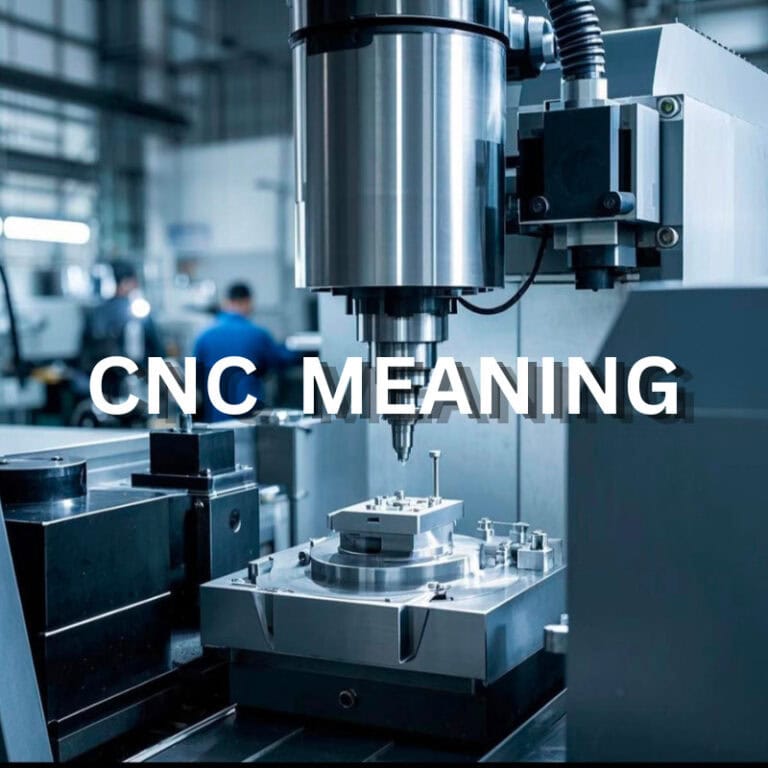
The continuous development of automotive lightweight design has increased the use of aluminum alloys, especially in body structural components, mounting brackets, connecting bases, reinforcement parts, door-related components, and new energy vehicle structural parts. With advantages such as low weight, good machinability, and corrosion resistance, aluminum alloys have become a common manufacturing material. Since automotive body components often feature thin walls, multiple holes, complex curved surfaces, and high assembly dimensional requirements, machining must also take deformation, burrs, surface quality, and batch consistency into consideration. CNC machining can mill, drill, tap, chamfer, and perform other operations on aluminum alloy materials according to CAD/3D models, while proper fixturing, tooling, and machining sequences help maintain dimensional stability. TiRapid’s existing aluminum alloy CNC machining services cover materials such as 6061, 7075, and 2024, and support 3-axis, 4-axis, and 5-axis milling, turning, drilling, and various surface treatments for automotive component prototyping, small-batch production, and mass manufacturing.
Why Do Aluminum Alloy Automotive Body Components Require CNC Machining?
Lightweight Design and Machinability Can Be Achieved Together
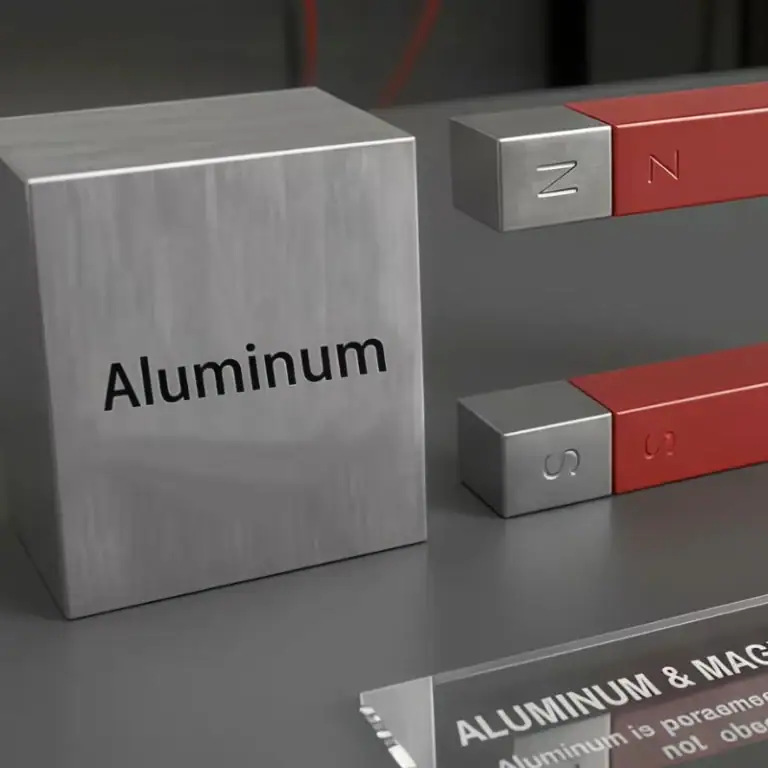
Automotive body components need to provide a certain level of structural strength without adding excessive weight. Aluminum alloys have a significantly lower density than steel, making them valuable for components such as brackets, connectors, and mounting bases. At the same time, aluminum alloys offer good cutting performance and are suitable for CNC machining of holes, slots, flat surfaces, curved surfaces, and mounting structures. Taking the common 6061-T6 as an example, it provides a good balance of strength, weight, and machinability, making it suitable for various automotive structural and mounting components. 7075-T6 offers higher strength and is more suitable for components with higher strength requirements. TiRapid’s automotive CNC machining resources also list 6061-T6 as a commonly used aluminum alloy material for components such as brackets, housings, and frames.
Complex Body Components Can Be Manufactured More Efficiently
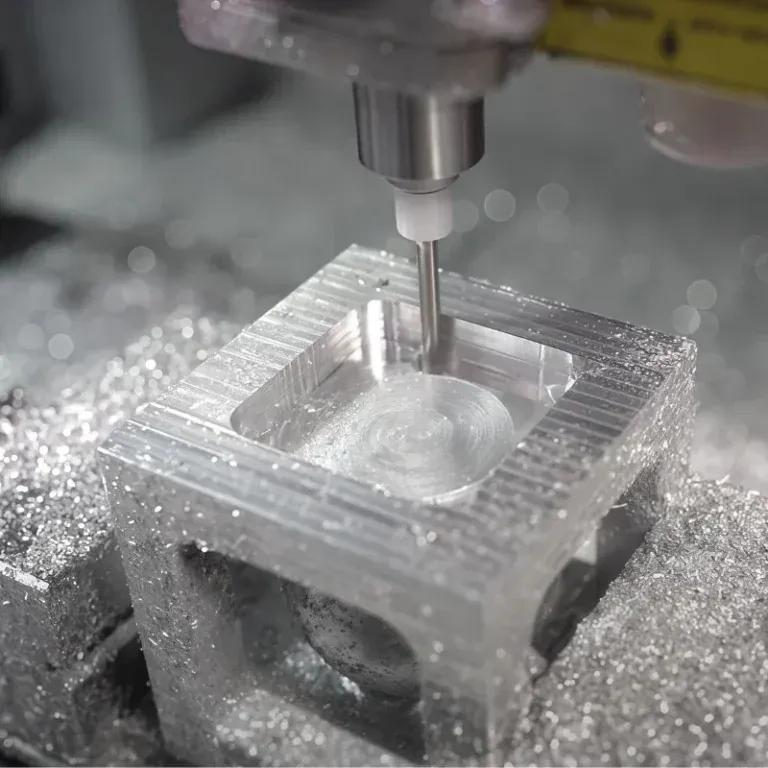
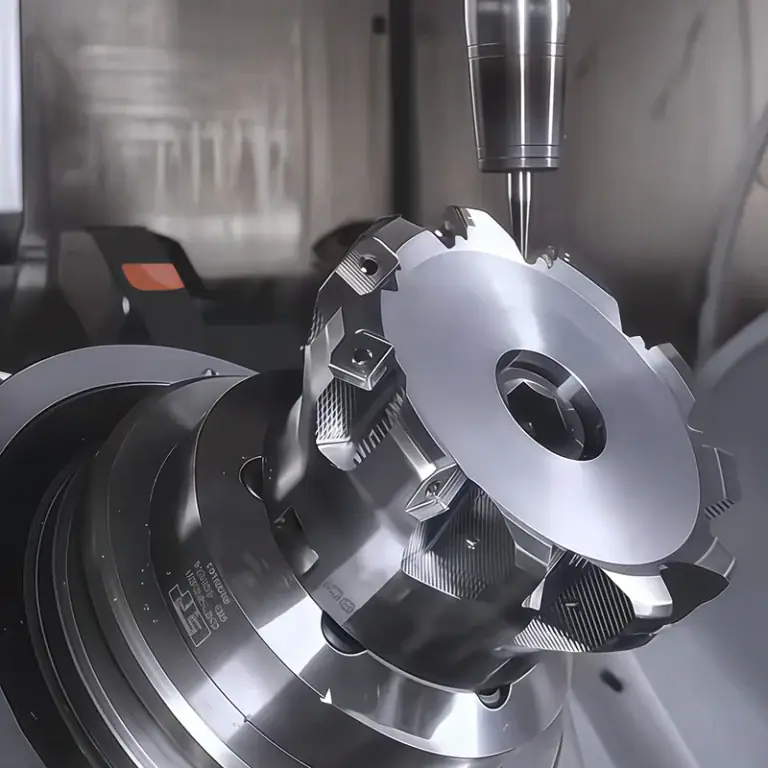
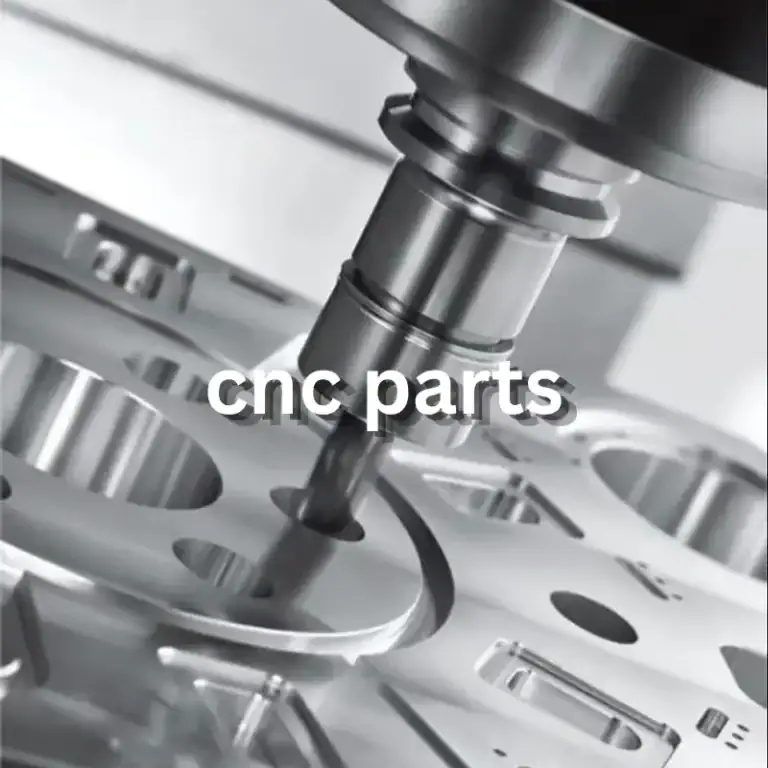
Automotive body components are not always simple flat structures. Some mounting bases, connectors, and reinforcement parts may contain inclined surfaces, rounded corners, grooves, holes, and curved surfaces at the same time. With traditional machining methods, multiple positioning operations may be required, increasing the possibility of human error. CNC machining can arrange different machining paths according to the component structure, while complex components can use multi-axis equipment to reduce the number of re-fixturing operations. TiRapid provides 3-axis, 4-axis, and 5-axis CNC milling, with 5-axis machining suitable for complex geometries and capable of reducing errors caused by repeated repositioning.
Suitable for Prototypes as Well as Mass Production
Automotive projects often do not enter mass production immediately. They usually go through design, prototyping, assembly verification, and adjustment stages. Aluminum alloy CNC machining is relatively flexible throughout this process. During the design stage, a small number of prototypes can be machined to verify installation dimensions and structural design. Once the design is finalized, the same programs and processes can be used for small-batch or mass production. This approach is also convenient for new energy vehicle components that require frequent design modifications.
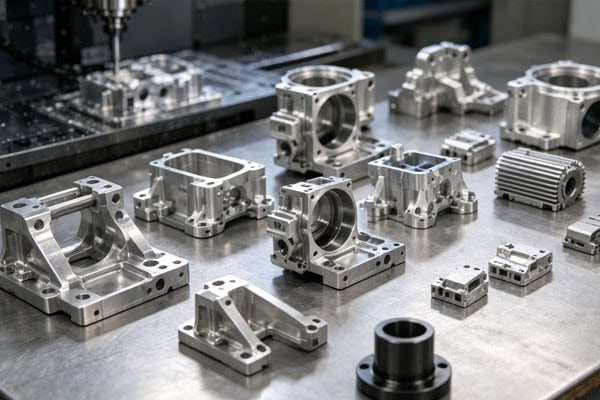
CNC Machining Solution for Aluminum Alloy Automotive Body Components
Start with Drawing and Model Inspection
A stable machining solution should not focus only on final dimensions. The component structure also needs to be reviewed in advance. After receiving STEP, IGES, DWG, PDF, or other files from the customer, the hole diameter, wall thickness, chamfers, fillets, threads, and assembly positions can be reviewed according to the intended application. If certain dimensions do not affect assembly or functionality, there is no need to apply extremely tight tolerances to every feature, as this can increase machining time and inspection costs. For automotive body components, particular attention should be paid to mounting holes, locating holes, mating surfaces, and connection positions. Dimensions that directly affect assembly should be strictly controlled, while general external dimensions can use more reasonable machining tolerances.
Select the Machining Method According to the Structure
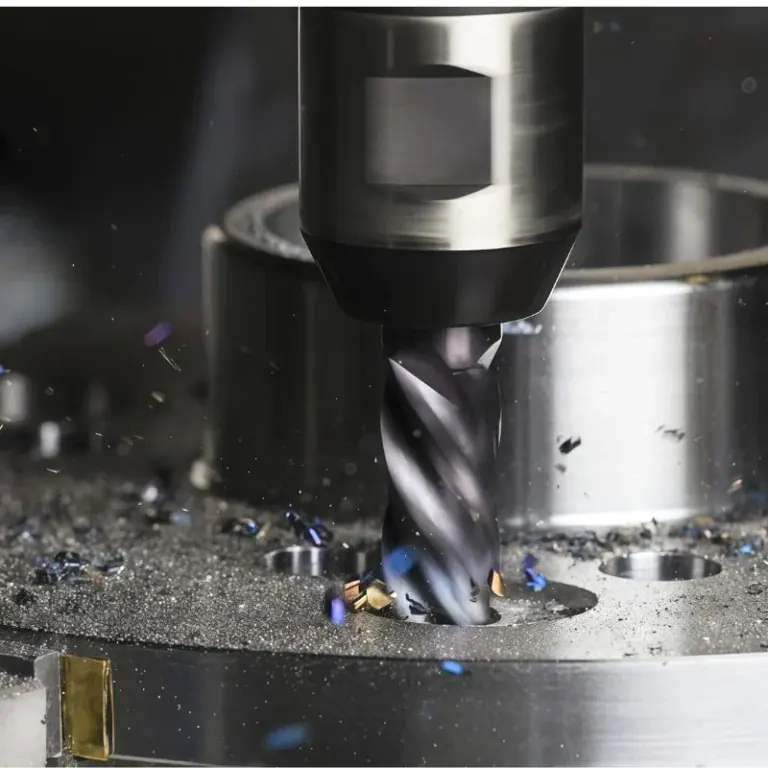
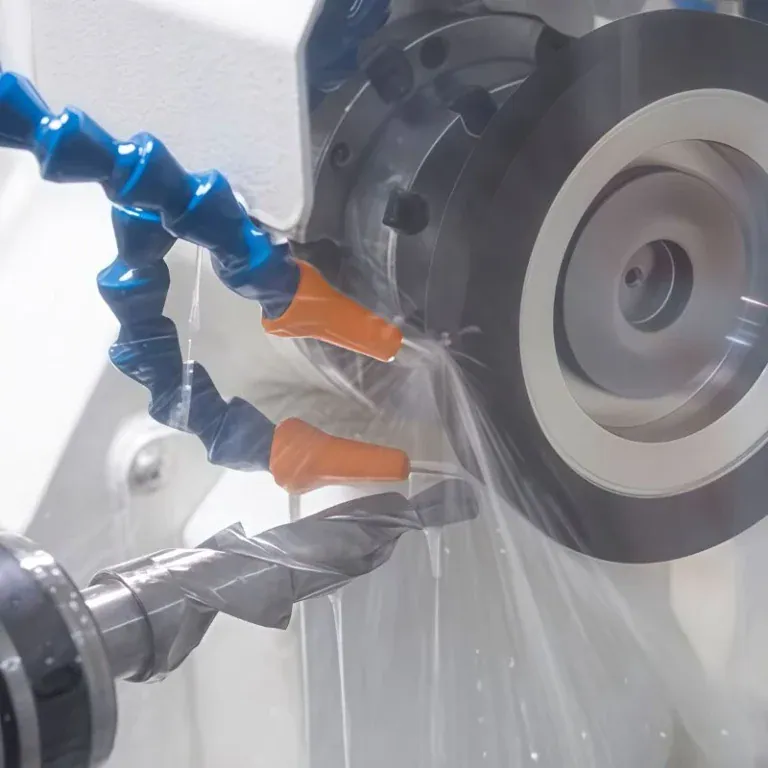
Different structures require different machining methods. For example, brackets with many flat surfaces, slots, and holes can be completed through CNC milling; cylindrical connectors and shaft components can be produced using CNC turning; complex curved surfaces and multi-directional structures can be considered for 4-axis or 5-axis machining; precision holes can be processed through drilling, reaming, or finishing operations. After machining, anodizing, sandblasting, powder coating, or other treatments can be selected according to appearance and corrosion resistance requirements. TiRapid’s aluminum machining capabilities cover CNC milling, turning, EDM, wire cutting, drilling, and surface finishing, with options including Type II/Type III anodizing, sandblasting, and powder coating.
Fixturing and Machining Sequence
Aluminum alloys are relatively soft. Excessive clamping force may cause deformation in thin-walled components, while insufficient clamping force may result in vibration or movement during machining. Therefore, suitable support positions need to be selected according to the component shape, along with a reasonable machining sequence. For thin-walled automotive body components, cutting depth and machining allowance also need to be controlled to prevent deformation caused by removing too much material in a single operation.
How to Select the Material and Surface Treatment
How to Select Common Aluminum Alloys
Different aluminum alloys vary in strength, machinability, and cost, so material selection should not be based on price alone.
| Aluminum Alloy | Main Characteristics | Common Applications |
| 6061-T6 | Balanced strength and machinability | Brackets, mounting bases, frames, housings |
| 6063 | Good machinability | Extruded profiles and partial structural components |
| 7075-T6 | High strength | High-strength connectors, components with high performance requirements |
| 2024 | High strength, suitable for certain structural applications | Specific high-strength components |
TiRapid currently offers various aluminum alloy options, including 6061, 6063, 6082, 7075, 2024, 5083, and 5754. Therefore, the material can be selected according to the component’s strength, weight, machining difficulty, and budget.
Surface Treatment Methods
For automotive components, surface treatment affects not only appearance but also corrosion resistance, surface hardness, and suitability for the operating environment. If a component is mainly used as a general mounting structure, anodizing, sandblasting, or powder coating can be selected according to appearance requirements. If the component will be exposed to humid or salt-spray environments for extended periods, a more suitable treatment method should be selected based on the specific operating conditions. Anodizing is particularly suitable for aluminum alloy components because it can improve the surface condition while providing different color options. TiRapid’s aluminum alloy CNC services support Type II and Type III anodizing, as well as sandblasting, powder coating, chemical conversion coating, and other treatments.
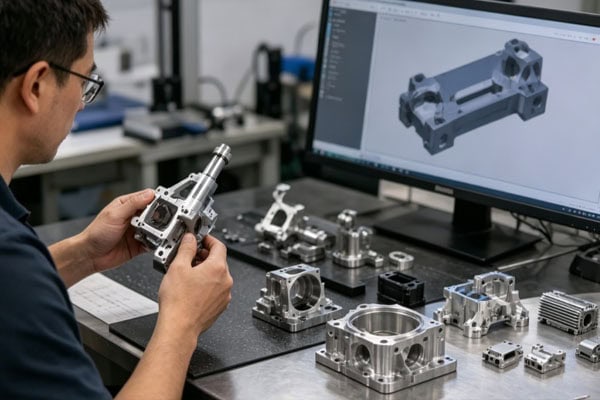
How Does TiRapid Manufacture Automotive Aluminum Alloy Body Components?
From Design Review to Machining Production
TiRapid can conduct pre-production reviews based on 3D models or engineering drawings provided by customers to identify potential issues that may affect manufacturing before machining begins. For automotive components with complex structures, thin walls, or numerous holes, machining challenges can be evaluated in advance, and designs can be optimized through DFM recommendations. TiRapid’s publicly available automotive component machining services support CNC milling, CNC turning, drilling, tapping, and surface treatment, covering requirements from prototypes to mass production.
Use Professional Equipment to Control Complex Structures
For standard aluminum alloy automotive body brackets, 3-axis CNC machining may already be sufficient for most operations. If a component contains multiple machining directions, complex curved surfaces, or deep structures, 4-axis or 5-axis machining can be considered. The value of multi-axis machining is not simply that the equipment is more advanced. More importantly, it can reduce repeated fixturing, maintain more stable machining references, and shorten production time for certain complex components.
Ensure Batch Consistency Through Inspection
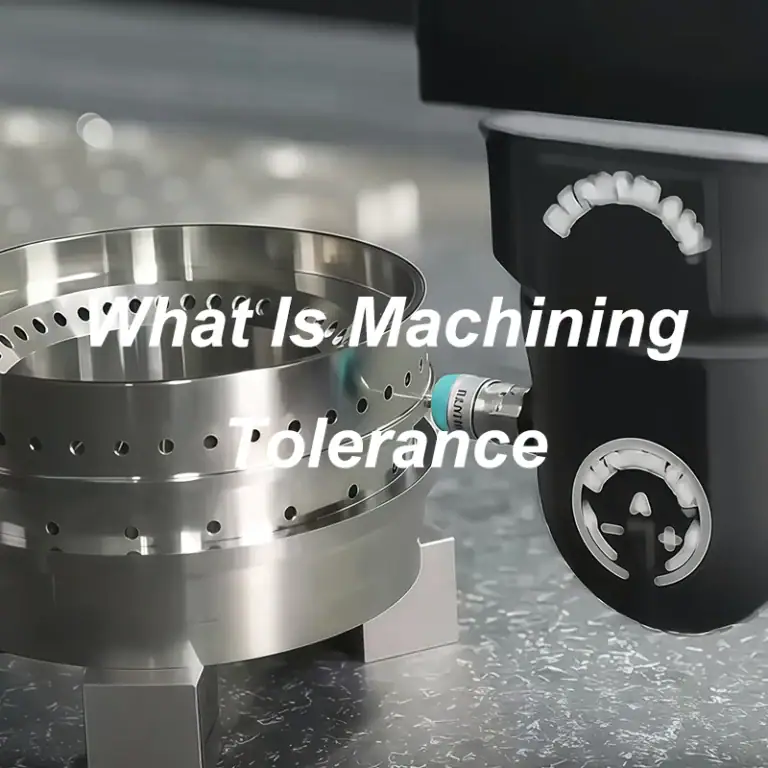
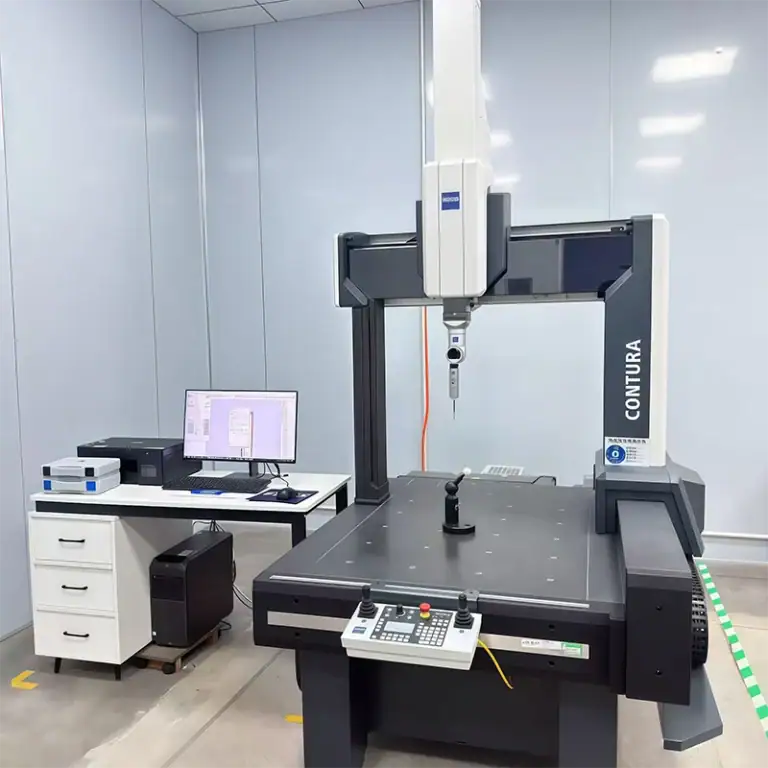
Even a small automotive component such as a bracket needs to be assembled with other components. If dimensional variations within the same batch are significant, installation difficulties may occur. Therefore, key dimensions need to be inspected during production, with corresponding quality verification performed according to component requirements. TiRapid provides CMM inspection capabilities and manages quality according to the ISO 9001 quality management system, supporting quality control for precision and batch-produced components.
For CNC machining of aluminum alloy automotive body components, the key concerns are whether the finished parts can be properly assembled, whether dimensions remain stable, whether the surface meets application requirements, and whether consistency can be maintained during subsequent mass production. For a simple bracket, the process may be relatively straightforward. However, thin-walled components, complex curved-surface parts, or components with numerous mounting holes require early consideration of fixturing, machining sequence, and deformation. Material selection should not be based on price alone. 6061 is suitable for many conventional structural components, while 7075 is more suitable for products requiring higher strength. The final choice should be based on the actual application of the component. For projects requiring prototyping, a small number of samples can be produced first to verify the design before moving into small-batch or mass production, making project risks easier to control. For customers with finalized engineering drawings, 3D models and drawings can be submitted directly to the machining manufacturer so that the manufacturability of the design can be reviewed in advance.
If you are developing automotive body brackets, connecting bases, reinforcement parts, mounting components, aluminum alloy housings, or other custom components, you can submit your drawings or 3D models directly to TiRapid for evaluation. TiRapid provides precision CNC machining, sheet metal fabrication, 3D printing, and other manufacturing solutions, supporting single-piece prototypes, small-batch production, and large-scale manufacturing while strictly following ISO9001 certification standards. We provide free DFM reports, instant quotations, and dedicated support, with a response within 3 minutes and a free quotation within 4 hours. You do not need to repeatedly determine the machining process yourself. We can help select a more suitable manufacturing method based on the component structure, material, quantity, and application requirements.
Email: projects@tirapid.com
Phone: +86 760 8999 8536