The aerospace industry has strict requirements for component strength, weight, corrosion resistance, dimensional accuracy, and long-term reliability. Titanium alloys are widely used in aircraft structural components, engine parts, connectors, brackets, and precision components because of their high strength-to-weight ratio, low density, excellent corrosion resistance, and good high-temperature performance. However, titanium alloys are more difficult to machine than many conventional metals. Their poor thermal conductivity can cause heat to build up in the cutting zone, while their high strength can accelerate tool wear. A well-designed titanium alloy CNC machining solution is therefore essential for achieving stable dimensions, good surface quality, and reliable production efficiency.
Key Characteristics of Aerospace Titanium Alloy Machining
High Strength and Difficult Machinability
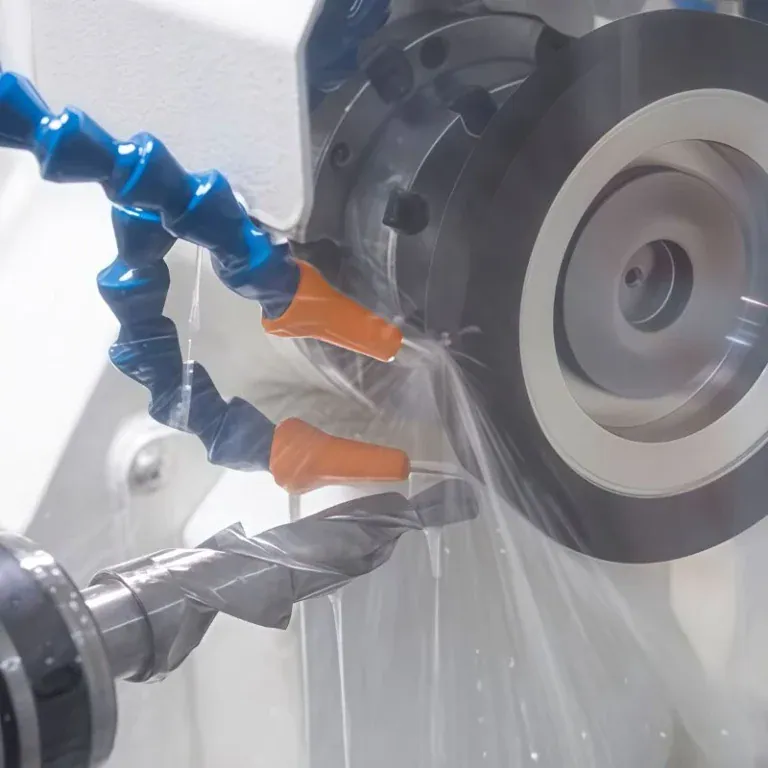
Titanium alloys offer excellent strength and corrosion resistance, but their machining characteristics are significantly different from those of materials such as aluminum alloys. Because titanium does not dissipate cutting heat efficiently, high temperatures can develop around the cutting edge, increasing thermal stress and tool wear. Cutting speed, feed rate, depth of cut, and cooling conditions must therefore be carefully controlled.
High Precision for Complex Structures
Aerospace components often feature lightweight and integrated designs. A single titanium component may include deep cavities, thin walls, curved surfaces, ribs, and holes in multiple directions. Multiple setups can introduce positioning errors and affect dimensional consistency. 5-axis CNC machining allows the cutting tool to approach the workpiece from different directions, reducing the number of setups and improving machining consistency for complex aerospace parts.
Thin-Wall Structures Require Careful Control
Lightweight aerospace designs often use thin walls, thin plates, and intricate rib structures. Excessive cutting forces can cause vibration, deformation, or dimensional changes during machining. A suitable machining sequence, optimized clamping method, and staged material removal process can help minimize these risks.
Common Titanium Alloys for Aerospace Parts
| Titanium Alloy | Key Characteristics | Common Applications |
| Ti-6Al-4V | High strength, corrosion resistance, and wide application range | Aerospace structures, brackets, connectors |
| Ti-6Al-4V ELI | Good toughness and low-temperature performance | Critical aerospace structural components |
| High-Strength Titanium Alloys | High strength and relatively low weight | High-load structural components, connectors |
| Heat-Resistant Titanium Alloys | Good performance at elevated temperatures | Engine-related and high-temperature components |
Different titanium alloys have different hardness, strength, and thermal characteristics. Machining tools, cutting parameters, and cooling methods should be selected according to the specific material grade and component structure.
Core CNC Machining Processes for Aerospace Titanium Parts
CNC Milling
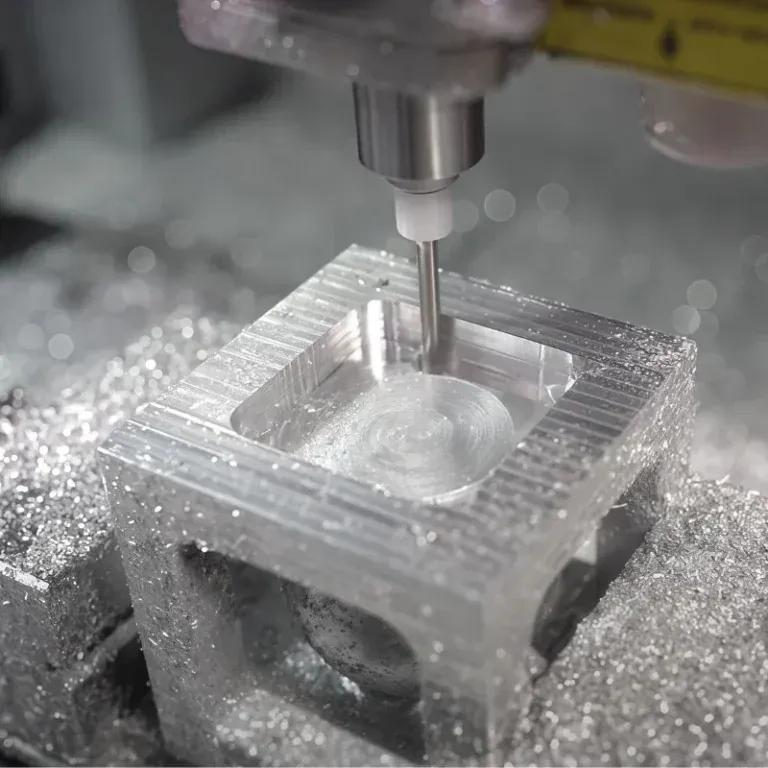
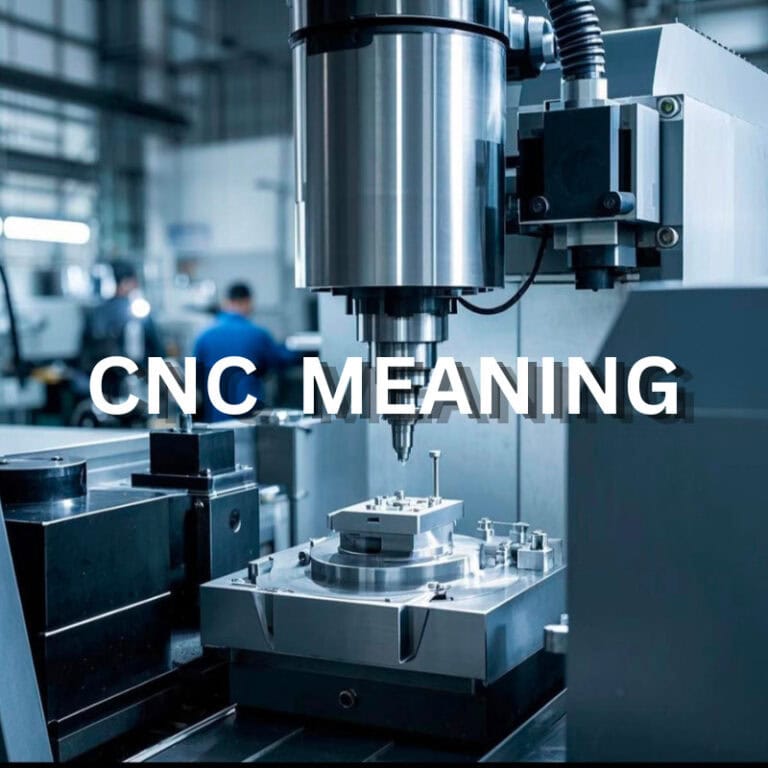
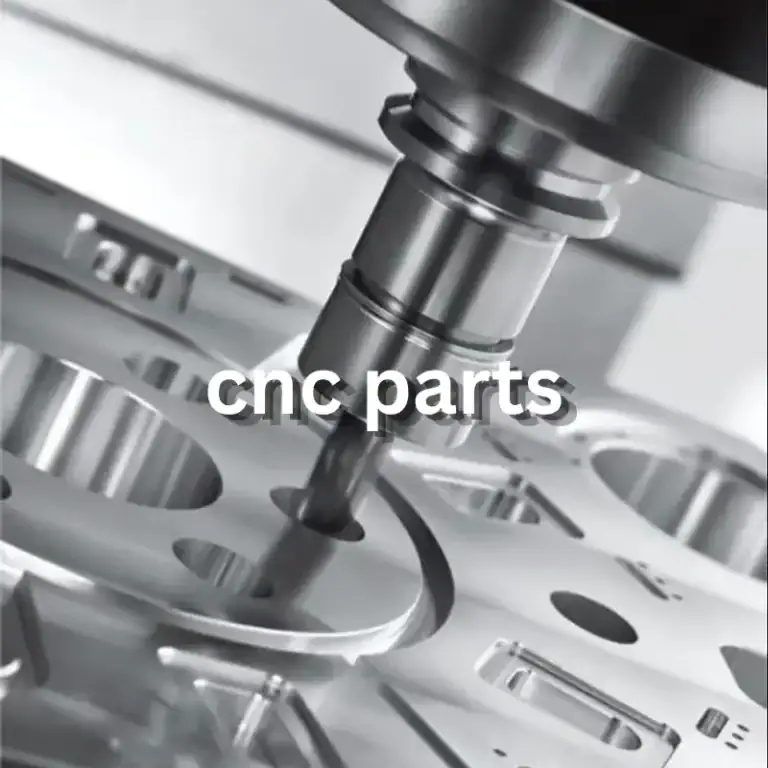
CNC milling is widely used for titanium brackets, housings, connectors, structural components, and mounting parts. Roughing and finishing operations can be separated to improve material removal efficiency while maintaining final dimensional accuracy. For deep cavities and complex contours, machine rigidity, tool overhang, and machining vibration must also be carefully controlled.
5-Axis CNC Machining
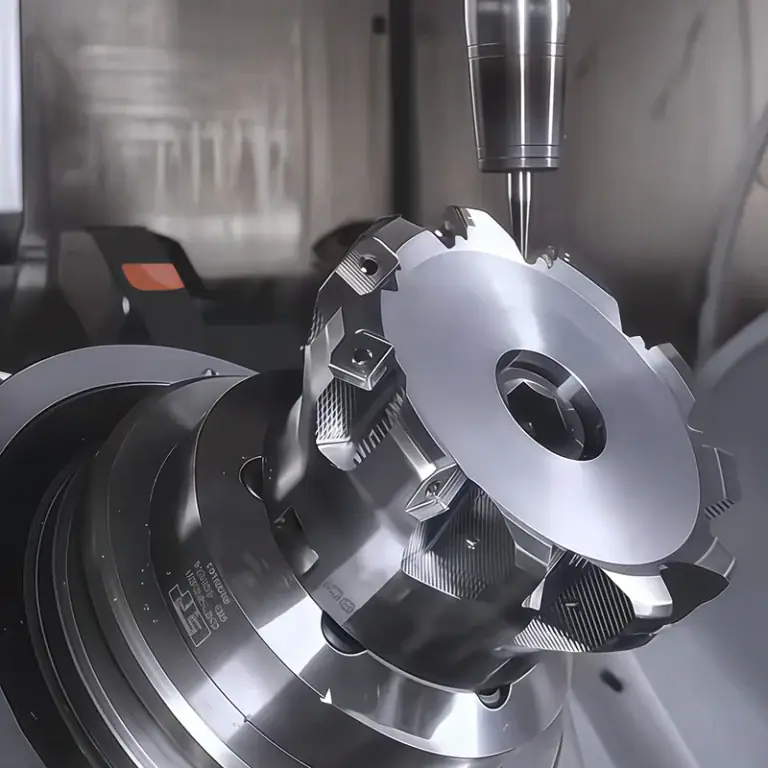
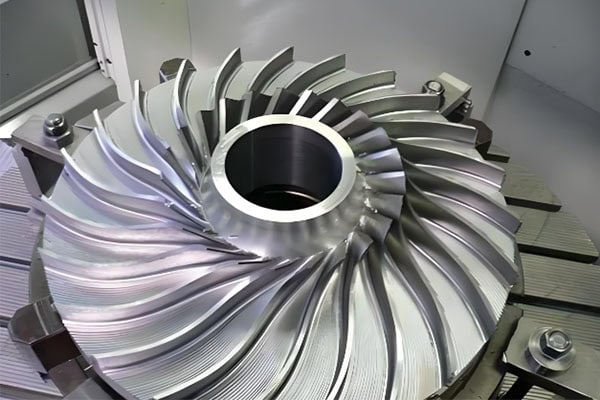
5-axis CNC machining is an important manufacturing method for complex aerospace titanium components. The machine can adjust the tool orientation across multiple axes, reducing repeated setups and improving machining efficiency for curved surfaces, angled features, and multi-directional structures. For integrated structural components, 5-axis machining can also help reduce positioning errors.
Precision Thin-Wall Machining
Thin-wall titanium components require careful control of cutting force and material removal. Machining allowances should be distributed appropriately, while tool paths and machining sequences should be optimized to reduce localized stress. These measures help improve dimensional stability and reduce deformation during production.
Quality Control for Aerospace Titanium Alloy Parts
Select Suitable Tools and Cutting Parameters
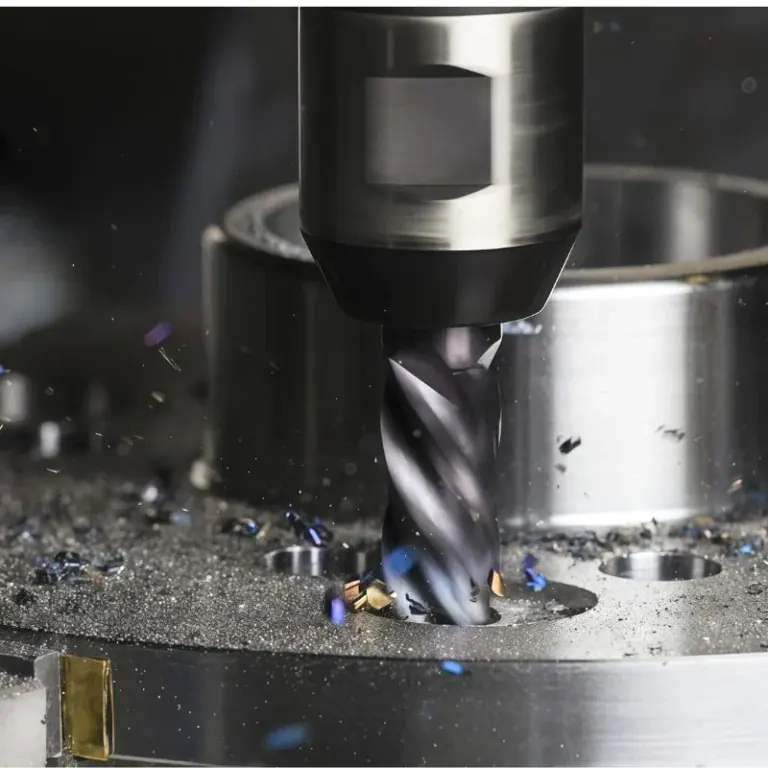
Titanium machining requires cutting tools designed for high-strength materials. Cutting parameters should be adjusted according to the alloy, component geometry, and machining operation. Appropriate tool geometry and cooling can help reduce cutting heat and extend tool life.
Control Machining Deformation
Thin-wall, deep-cavity, and large titanium components require careful planning of machining sequences and workholding methods. Layered machining, controlled material removal, and sufficient finishing allowance can help reduce the influence of residual stress on final dimensions.
Strengthen Dimensional Inspection
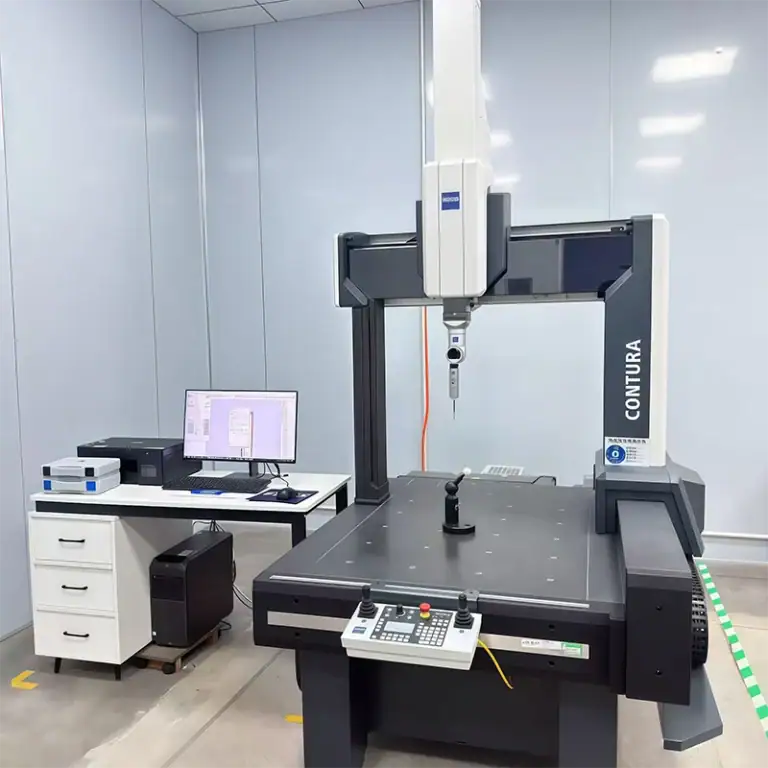
Aerospace components often contain critical holes, mounting surfaces, curved profiles, and precision dimensions. Finished parts should be inspected according to engineering drawings and specified tolerances. In-process inspection of critical dimensions can further improve production consistency and reduce the risk of dimensional deviations.
Applications of Aerospace Titanium Alloy Parts
Titanium alloy CNC machining is widely used for aerospace structural brackets, connectors, engine-related components, housings, mounting bases, and UAV structural parts. During new product development, CNC machining can be used to produce prototypes for assembly and functional testing. For small-batch projects, machining programs can also be adjusted according to engineering drawings and 3D models to support different stages of product development.
TiRapid Aerospace Titanium Machining Solution
TiRapid specializes in precision metal CNC machining and provides customized manufacturing based on engineering drawings, 3D models, material specifications, and dimensional requirements. For aerospace titanium components with high strength, thin walls, deep cavities, and complex curved surfaces, TiRapid can combine CNC milling, 5-axis machining, and precision turning to develop suitable machining processes.
During production, appropriate cutting tools and parameters are selected according to the component structure and titanium alloy grade. Machining sequences, workholding methods, and inspection procedures are also optimized to maintain dimensional stability. TiRapid supports CNC prototypes, small-batch production, and customized metal part manufacturing, providing flexible machining support for aerospace component development, testing, and production.
Aerospace titanium alloy parts provide an excellent combination of high strength and lightweight performance, but their machining requirements are more demanding than those of many conventional metals. CNC milling, 5-axis machining, precision thin-wall machining, and effective process control can help meet the requirements for complex structures, dimensional accuracy, and surface quality.Working with a manufacturer experienced in precision CNC machining and complex metal part manufacturing can help aerospace companies improve machining efficiency, part consistency, and production reliability for titanium alloy components.