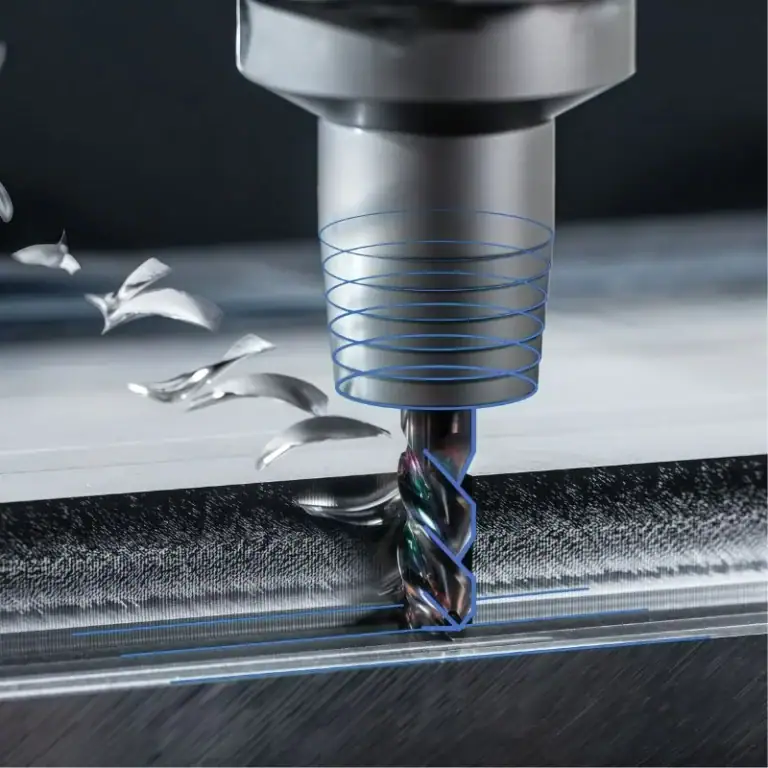
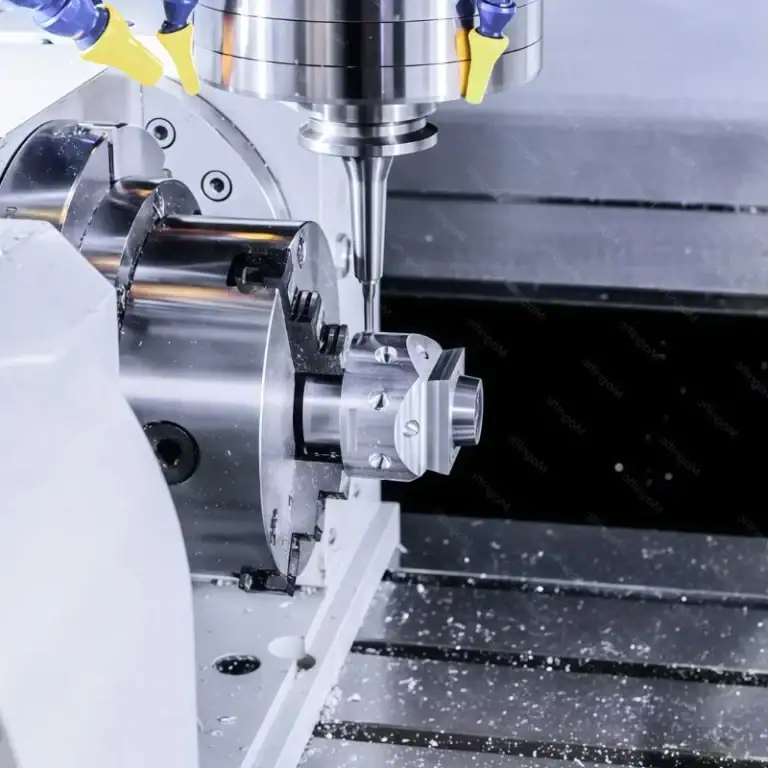
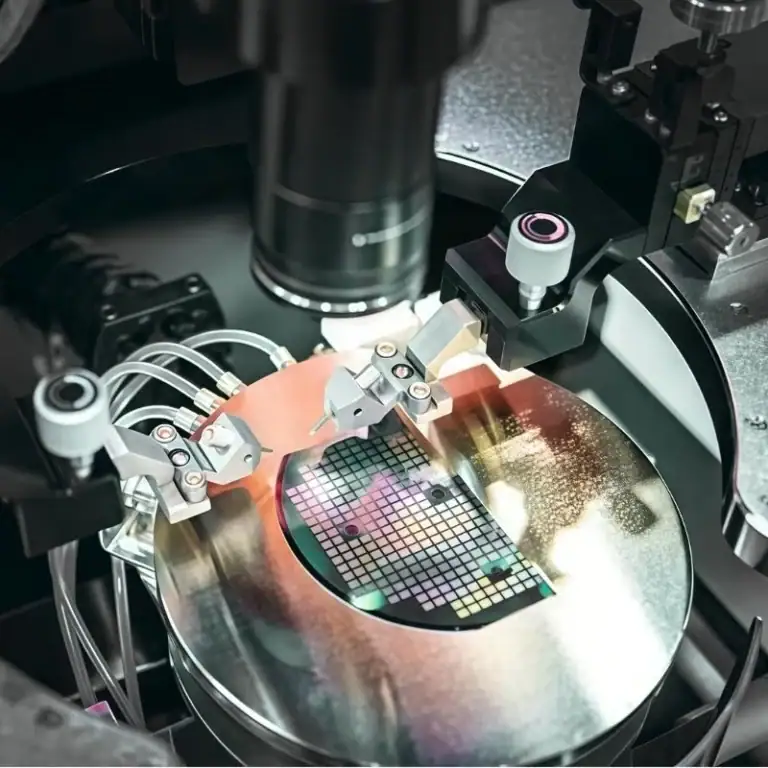
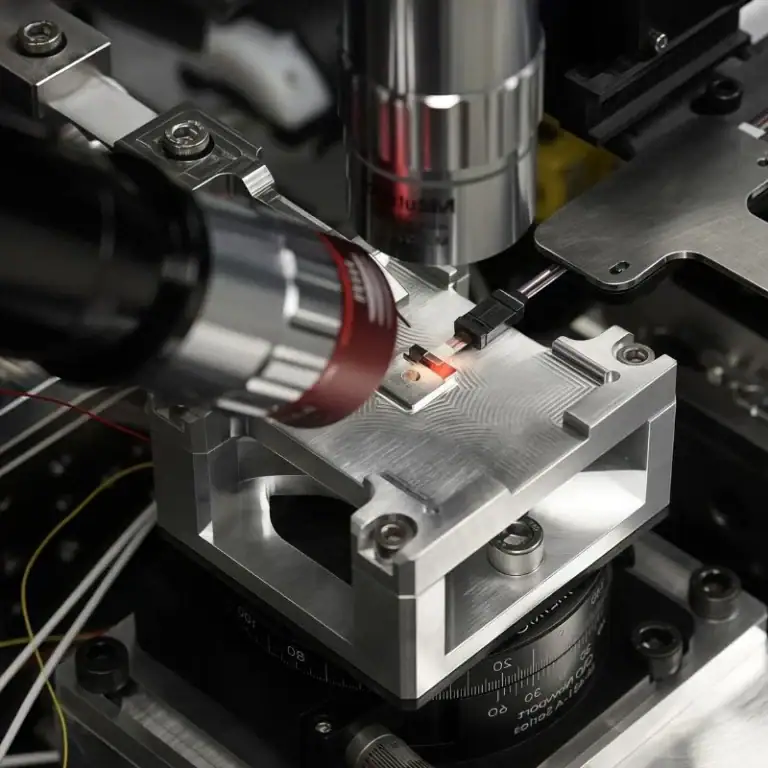
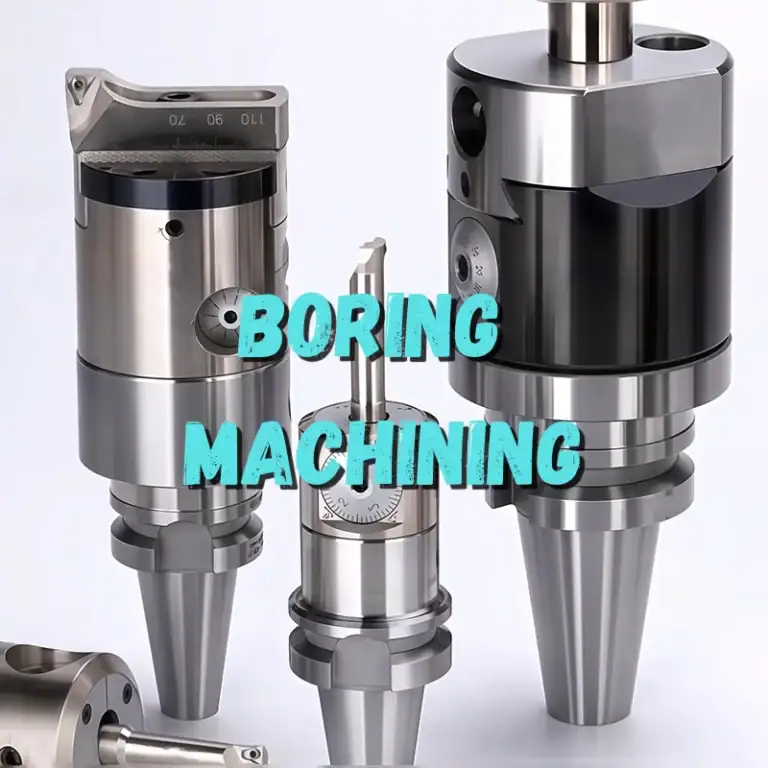
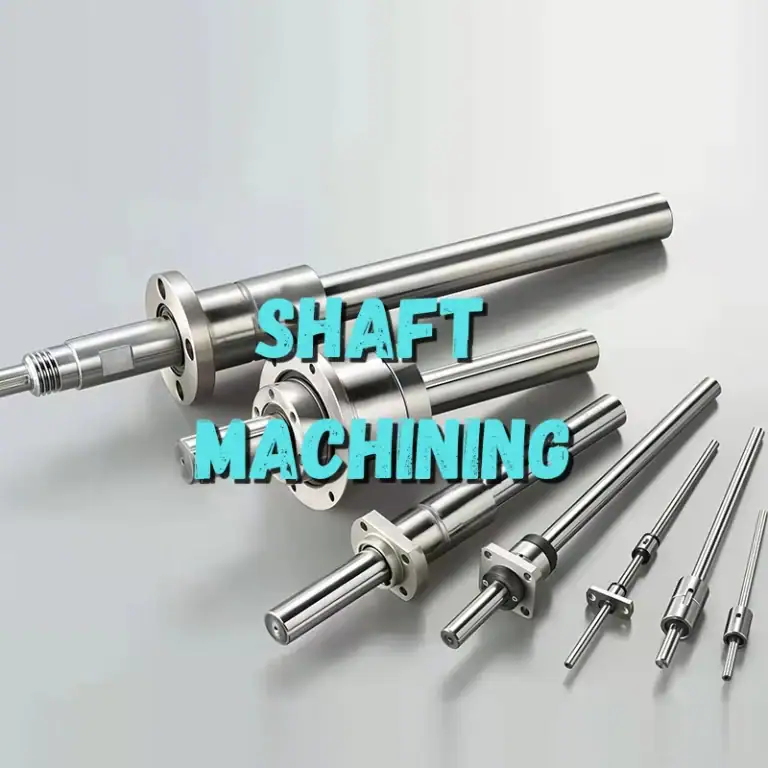
Industrial robots may appear to be made up of robotic arms, joints, and control systems, but the real factors that determine performance are often the small precision components inside the equipment. A joint connector, precision shaft sleeve, or positioning component may look simple, yet even a small machining error can affect robot repeatability and long-term operating stability. As smart manufacturing continues to develop, industrial robots are becoming faster, more accurate, and capable of handling more complex applications, creating higher requirements for component manufacturing. With advantages such as precise control, complex structure machining capability, and stable batch production, CNC machining has become an important solution for manufacturing industrial robot parts.
Why Do Industrial Robot Parts Require Higher Manufacturing Standards?
Industrial robots are widely used in automotive manufacturing, electronics assembly, logistics, medical equipment, and other industries, where they often operate continuously for long periods. Compared with ordinary mechanical components, robot parts need to meet not only basic dimensional requirements but also ensure motion stability, assembly accuracy, and service life. Components such as joints, transmission parts, and positioning structures can directly affect robot performance if machining accuracy is insufficient. CNC machining provides a reliable manufacturing approach to meet these demanding requirements.

Precision Structures Determine Robot Performance
Industrial robot movements rely on precise cooperation between multiple components, including joint connectors, transmission shafts, and mounting structures. Although these parts may not be large in size, their machining accuracy directly affects robot operation.
- Improves dimensional control, CNC machining uses programmed tool paths to accurately manufacture holes, curved surfaces, and connection structures, reducing errors that may affect robot movement.
- Ensures assembly stability, high-precision machining reduces unnecessary gaps between components, allowing robots to operate more smoothly with less vibration.
- Enhances repeat positioning accuracy, industrial robots often perform repeated movements, and stable machining quality helps maintain consistent performance over long-term operation.
For robot manufacturers, component precision affects not only individual parts but also the overall performance of the complete robotic system.
Complex Part Structures Increase Machining Difficulty
Modern industrial robots are becoming more sophisticated, and many components involve irregular shapes, multi-angle holes, precision surfaces, and special installation structures. Traditional machining methods may require multiple adjustments, increasing production time and error risks.
- Supports complex shape manufacturing, CNC machines can process parts based on 3D models to meet diverse robot component requirements.
- Reduces repeated setups, optimized machining strategies minimize positioning errors and improve overall production efficiency.
- Adapts to customized part production, different robot models and applications often require different component designs, and CNC machining can quickly adjust manufacturing solutions.
The ability to manufacture complex structures makes CNC machining an important technology for industrial robot component production.
Long-Term Operation Requires Reliable Components
Industrial robots often work continuously for many hours, meaning their components must withstand repeated mechanical movement. Poor machining quality can accelerate wear and increase equipment downtime.
- Reduces operational wear, accurate machining improves component fit and reduces unnecessary friction.
- Extends component service life, stable manufacturing quality helps robot parts withstand long-term operating loads.
- Lowers maintenance costs, reliable components reduce replacement frequency and improve production line efficiency.
Reliability is a key factor in industrial robot part manufacturing.
How Does CNC Machining Meet Industrial Robot Part Manufacturing Requirements?
Industrial robot components come in many different types, and each part performs a different function. Some components handle mechanical movement, some provide positioning support, while others maintain transmission system stability. CNC machining can develop suitable manufacturing strategies based on part structure, material, and application environment, supporting everything from prototype development to mass production.
Common industrial robot components and CNC machining applications include:
| Part Type | Application Area | CNC Machining Focus |
| Robotic Arm Connectors | Robot joint structures | Maintain connection accuracy and improve motion stability |
| Precision Shaft Sleeves | Transmission systems | Control dimensional tolerances and reduce operating wear |
| Positioning Fixtures | Automated assembly equipment | Improve repeat positioning performance |
| Mounting Brackets | Robot support structures | Enhance structural strength and assembly reliability |
Although these components serve different purposes, the final goal is the same: ensuring industrial robots operate efficiently and reliably.
CNC Machining Improves Robot Part Consistency
Industrial robot manufacturing requires not only individual part quality but also stable production quality over long-term supply. Large differences between production batches may affect equipment assembly and future maintenance.
- Maintains batch production stability, CNC machining uses fixed programs to reduce differences caused by manual operations and keep parts more consistent.
- Reduces assembly adjustment time, stable dimensions help reduce repeated adjustments during installation and improve production efficiency.
- Simplifies future maintenance replacement, consistent machining quality makes replacement components easier to match with existing equipment.
- Improves overall manufacturing efficiency, stable production processes reduce rework and make robot manufacturing smoother.
For industrial robot manufacturers, consistent production capability is just as important as machining accuracy.
CNC Machining Supports Rapid Robot Part Customization
Industrial robots are being used in more industries, and different applications require different structures and functions. Many projects involve customized designs rather than standard components.
- Quickly responds to design changes, machining programs can be modified to adjust manufacturing solutions efficiently.
- Suitable for small-batch production, CNC machining does not require large investments in molds, making it ideal for robot development and upgrade projects.
- Supports complex component development, special structures and non-standard robot parts can be produced through optimized CNC processes.
Flexible manufacturing capability allows CNC machining to better support the development of the industrial robot industry.
CNC Machining Supports Multiple Material Applications
Industrial robot components use different materials depending on their location and function. Lightweight robotic arms may use aluminum alloys, while high-strength transmission components may require steel or stainless steel.
- Aluminum alloy machining for lightweight structures, reducing robot movement load and improving operational efficiency.
- Steel machining for high-strength components, meeting requirements for long-term mechanical loads and impact resistance.
- Engineering plastic machining for special applications, suitable for insulation, low-friction, and other unique environments.
Combining suitable materials with CNC machining processes allows robot components to achieve better performance.
How Does CNC Machining Ensure Quality of Industrial Robot Parts?
High-quality industrial robot components require not only advanced equipment but also complete process management. From design analysis and machining control to final inspection, every stage affects part quality. Especially in high-precision robotic applications, even small errors can influence overall equipment performance, making strict quality control essential.
Conduct Detailed Process Analysis Before Machining
Robot components often have complex structures, so manufacturing plans need to be carefully prepared before machining begins.
- Analyze part characteristics, identify machining challenges and critical areas.
- Select suitable tools and parameters, adjusting machining methods according to material properties.
- Develop proper clamping strategies, reducing the risk of deformation during processing.
Thorough process preparation improves machining efficiency and reduces production problems.
Control Critical Details During Machining
Although CNC machining offers a high level of automation, production conditions still need to be monitored carefully.
- Monitor machine operation, identifying abnormal factors that may affect quality.
- Inspect critical dimensions, ensuring parts meet design requirements.
- Adjust machining parameters, maintaining stable production conditions.
- Record production data, supporting future process optimization.
Strict process control is an important way to improve robot component quality.
Perform Comprehensive Inspection After Machining
After machining, robot components need final inspection to confirm they meet equipment requirements.
- Check dimensional accuracy, ensuring parts meet engineering drawings.
- Inspect surface quality, reducing issues that may affect assembly and operation.
- Verify assembly performance, confirming components work properly within robotic systems.
A complete inspection process improves industrial robot reliability.
How Does CNC Machining Support the Upgrade of Industrial Robot Manufacturing?
As smart manufacturing continues to expand, industrial robots are being adopted across more industries, creating new demands for component manufacturing. Companies need not only higher machining accuracy but also more flexible production capabilities to respond quickly to market changes. CNC machining provides industrial robot manufacturers with efficient and stable manufacturing support through digital processes and precise control.
Accelerating Robot Product Development
During robot development, engineers need to test different structural solutions and performance results.
- Rapidly produces prototype components, helping engineering teams verify designs quickly.
- Supports multiple development options, making it easier to compare different structures.
- Shortens product development cycles, improving the speed of new equipment launches.
Improving Robot Production Efficiency
During mass production, stable machining capability becomes essential.
- Improves manufacturing automation, reducing the impact of manual operations.
- Reduces production fluctuations, maintaining consistent part quality.
- Enhances delivery capability, meeting customer project requirements.
Supporting Future Industrial Equipment Development
Industrial robots continue to evolve, creating higher requirements for component manufacturing.
- Meets high-precision equipment needs, supporting improved robot performance.
- Adapts to future technology changes, increasing manufacturing flexibility.
- Promotes industrial equipment upgrades, helping companies improve competitiveness.
Industrial robot part manufacturing requires a balance between precision, reliability, and production efficiency. CNC machining provides dependable support for industrial equipment through accurate manufacturing, flexible production, and strict quality control. Tirapid specializes in CNC machining services, providing high-precision part manufacturing solutions for industrial equipment and robotics industries to help customers achieve stable and high-quality customized manufacturing.