The aerospace industry has strict requirements for the precision, stability, and reliability of manufactured components. Aircraft structural parts, engine components, mounting brackets, precision shafts, and complex curved components must meet demanding dimensional tolerances while also supporting lightweight design, high strength, and reliable performance in challenging environments.An aerospace precision parts machining solution combines CNC precision machining, 5-axis machining, material selection, and customized manufacturing processes. By considering component geometry, material characteristics, tolerance requirements, and production volume, manufacturers can provide reliable machining support for aerospace applications, from prototype development to small-batch production.
What Are the Characteristics of Aerospace Parts Machining?
High Machining Accuracy Requirements
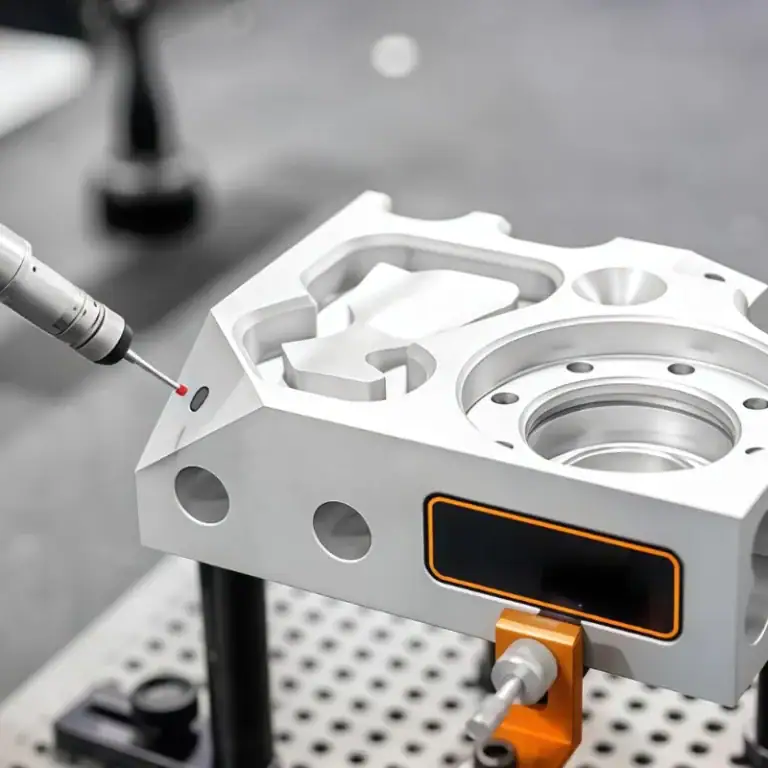
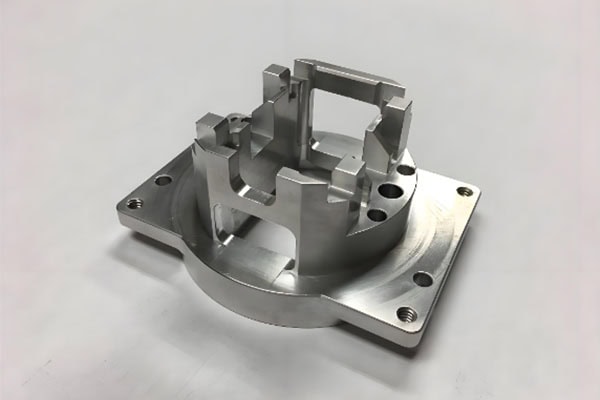
Aerospace components often contain precision holes, mounting surfaces, positioning features, and complex contours. These features require strict control of dimensional accuracy and geometric tolerances.During machining, factors such as tool paths, cutting parameters, workholding methods, and machining sequences must be carefully optimized. Proper process planning can help reduce deformation and accumulated errors.
Complex Component Structures
Lightweight design is an important trend in aerospace manufacturing. As a result, aerospace components may include thin walls, deep cavities, narrow slots, and complex curved surfaces.Multi-axis CNC machining provides greater flexibility for manufacturing these structures. It can reduce the number of setups required and improve positioning consistency when machining complex components.
Challenging Engineering Materials
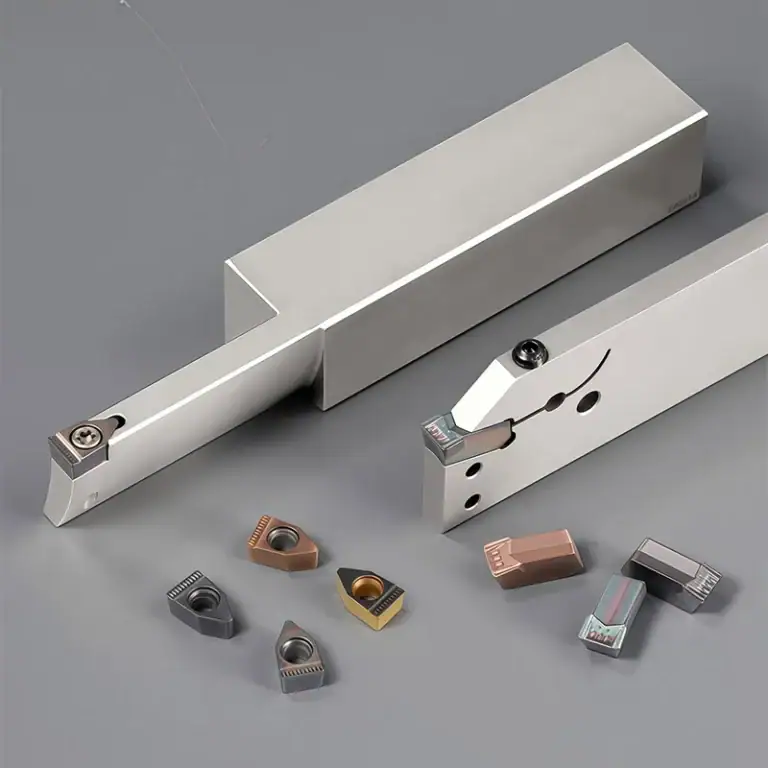
Aerospace applications commonly use aluminum alloys, titanium alloys, stainless steel, and other high-performance materials. These materials have different strength, hardness, thermal conductivity, and machinability characteristics.Therefore, aerospace CNC machining requires appropriate cutting tools and machining parameters based on the specific material.
Aerospace Precision Parts Machining Solutions
CNC Precision Machining
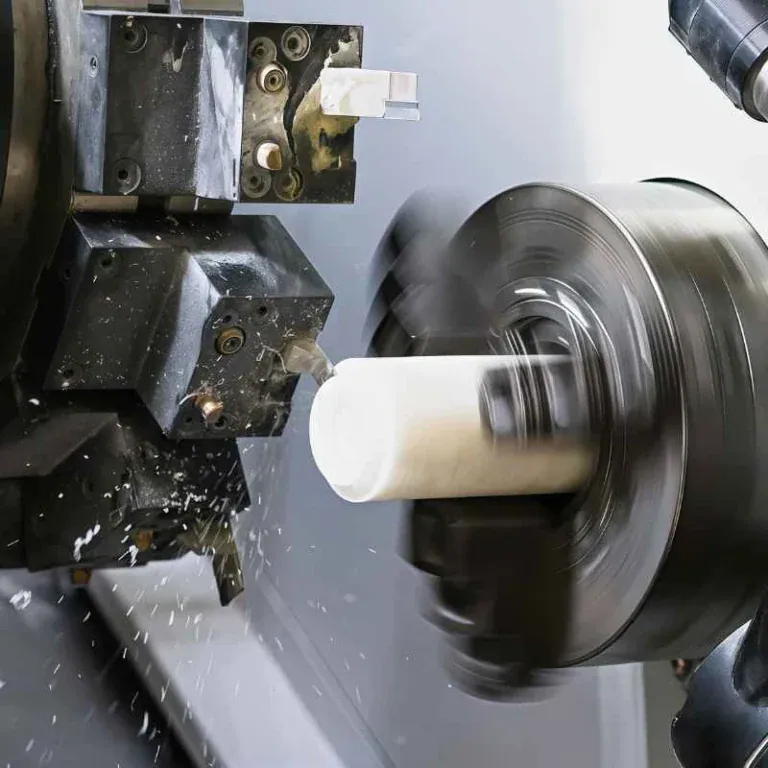
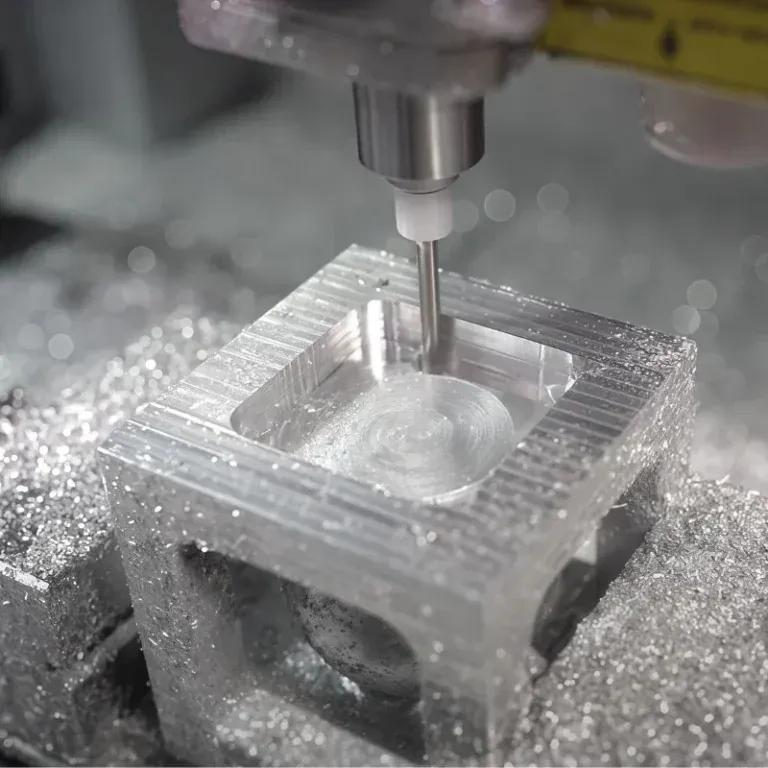
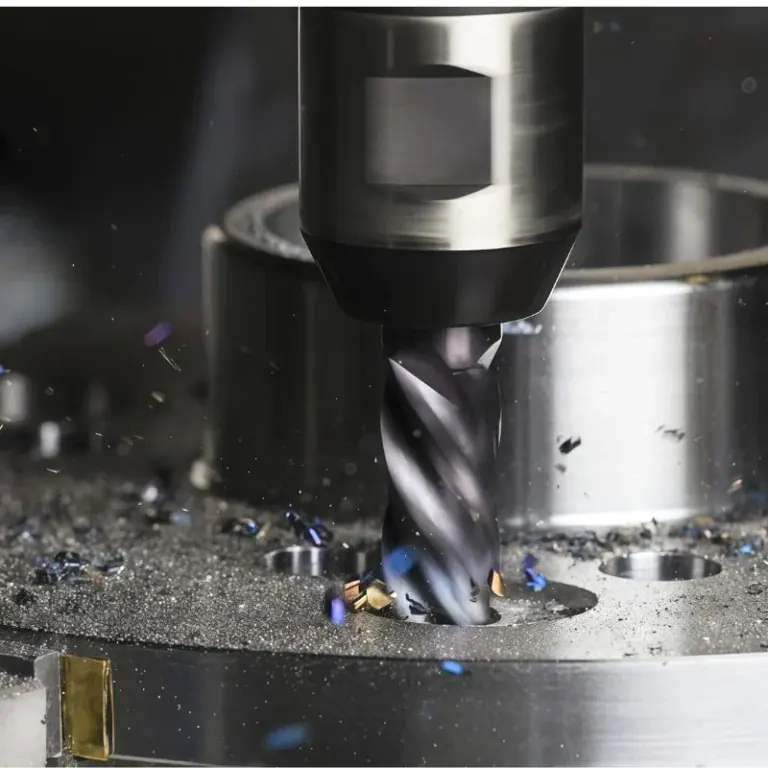
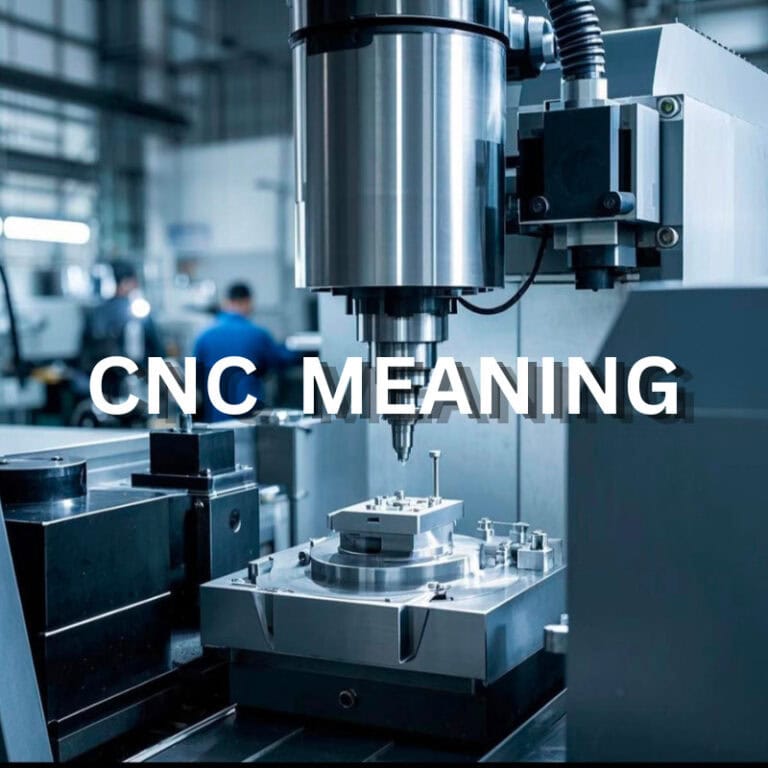
CNC machining is widely used for manufacturing precision aerospace components. With computer-controlled machining processes, manufacturers can produce complex contours, precision holes, and detailed structural features with consistent results.
A machining process can be developed according to the component drawings. Rough machining, semi-finishing, and finishing operations can then be used to gradually achieve the required dimensions and surface quality.
5-Axis Machining for Complex Components
Aerospace components with complex curved surfaces, multi-angle features, or deep cavities can benefit from 5-axis CNC machining.
Compared with conventional 3-axis machining, 5-axis equipment can adjust the cutting tool orientation during the machining process. This reduces the need for repeated workpiece setups and helps improve the positional accuracy and surface quality of complex aerospace components.
Thin-Wall and Lightweight Component Machining
Lightweight construction is an important consideration in aerospace component design. However, thin-wall structures are more susceptible to deformation during machining.
For thin-wall aerospace parts, manufacturers can optimize workholding methods, control cutting depth, and carefully arrange the machining sequence to reduce machining stress. Precision finishing can then be used to achieve the required final dimensions while maintaining structural integrity.
Common Aerospace Machining Materials and Applications
| Material | Key Characteristics | Common Applications |
| Aluminum Alloy | Lightweight, easy to machine, relatively high strength | Aircraft structures, brackets, housings |
| Titanium Alloy | High strength, corrosion resistance, high-temperature performance | Engine components, connectors |
| Stainless Steel | High strength and corrosion resistance | Fasteners, shafts, structural components |
| High-Strength Alloys | High-temperature and fatigue resistance | Engine and high-load components |
Different materials present different machining challenges. Aluminum alloys generally offer good machinability, while titanium alloys require greater attention to cutting tools, cutting speeds, and heat dissipation.
For this reason, aerospace CNC machining processes should be adjusted according to the specific characteristics of each material.
How to Ensure the Quality of Aerospace Precision Parts?
Optimize the Machining Process
Precision machining depends not only on equipment accuracy but also on effective process planning. Every stage, from raw material selection and workpiece positioning to tool paths and machining sequences, can affect the final dimensional accuracy.A well-planned machining process helps improve consistency and reduce production risks.
Control Machining Deformation
Thin-wall, slender, and complex aerospace components can be sensitive to cutting forces. Excessive cutting loads may cause deformation and dimensional deviations.Manufacturers can reduce these risks by controlling cutting conditions, distributing machining allowances appropriately, and using staged machining processes when necessary.
Strengthen Dimensional Inspection
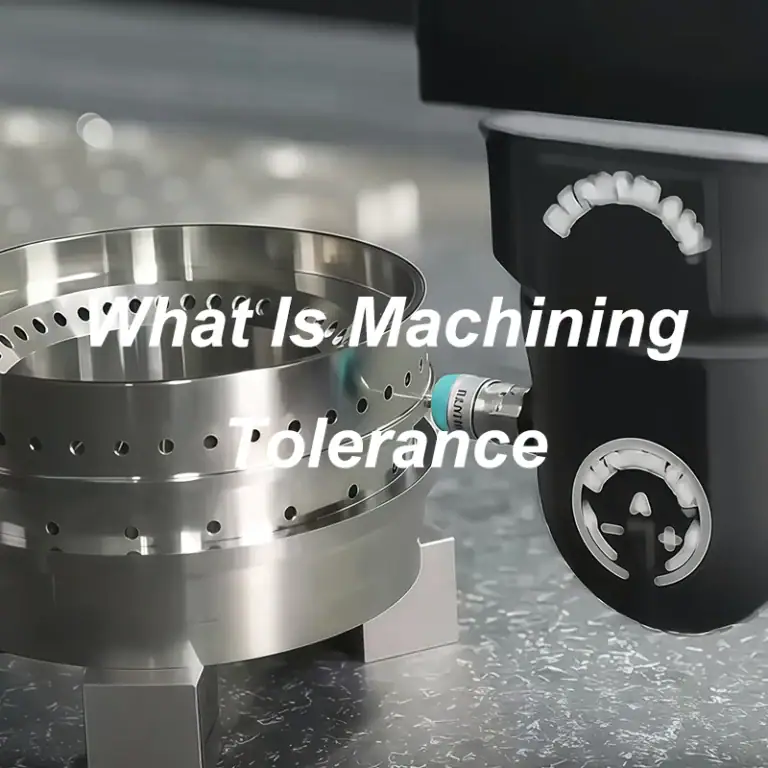
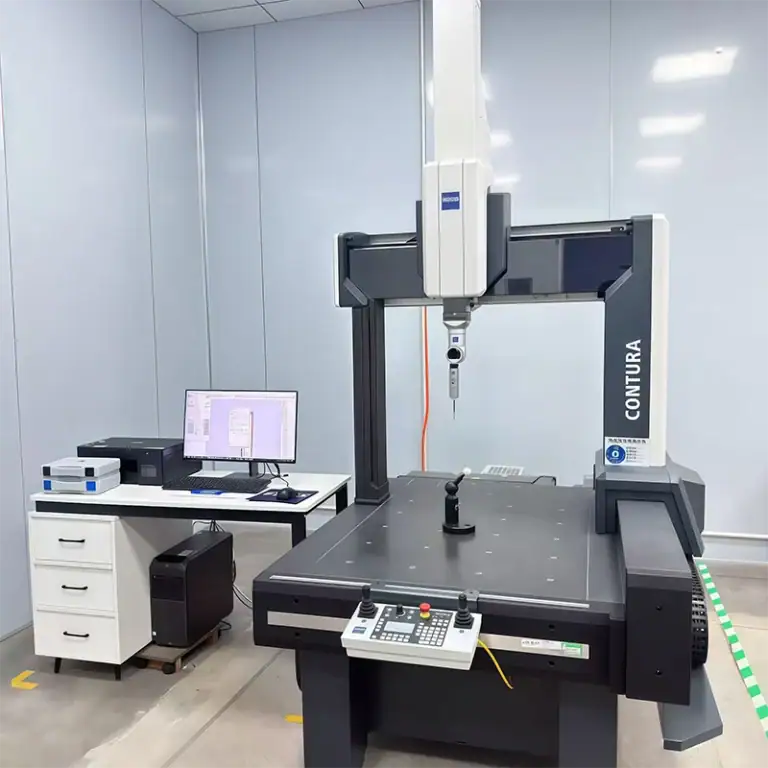
After machining, critical dimensions such as hole diameters, flatness, positional accuracy, and other key tolerances should be inspected.A systematic quality control process helps identify machining deviations and ensures that finished aerospace components meet the specified design requirements.
TiRapid Aerospace Precision Machining Advantages
For aerospace manufacturers, a reliable machining supplier needs more than basic CNC capabilities. The supplier should also be able to handle complex components, customized requirements, prototypes, and small-batch production.
TiRapid can develop customized machining solutions based on customer drawings and component requirements. By combining CNC precision machining, 5-axis machining, and the processing capabilities of different metal materials, TiRapid provides customized manufacturing services for aerospace applications.
From prototype components during product development to small-batch precision parts for production, machining processes can be planned according to component geometry, material properties, dimensional tolerances, and application requirements.
Aerospace precision parts machining places demanding requirements on equipment, materials, machining processes, and quality control. CNC precision machining, 5-axis machining, thin-wall component machining, and optimized process planning can effectively address the challenges associated with complex structures, high-performance materials, and tight dimensional tolerances.Choosing a professional aerospace precision parts machining solution can help improve machining accuracy and component consistency while supporting shorter development cycles. From prototype manufacturing and product development to small-batch production and customized aerospace components, an experienced CNC machining partner can provide flexible and reliable manufacturing support.