As competition in the manufacturing industry continues to intensify, companies are placing greater emphasis on production efficiency, delivery speed, and cost control. CNC turning is one of the most widely used machining processes, and its efficiency has a direct impact on overall manufacturing performance. While maintaining product quality and dimensional accuracy, manufacturers can increase output by improving machine utilization, reducing non-cutting time, shortening cycle times, and optimizing resource allocation. Through process optimization, tooling improvements, cutting parameter adjustments, equipment management, and automation integration, businesses can unlock greater productivity and achieve stable, high-volume production.
Optimize Machining Processes to Reduce Non-Productive Time
In CNC turning operations, actual cutting time represents only a portion of the total production cycle. Workpiece loading, tool changes, measurements, program execution delays, and material handling can consume a significant amount of time. Reducing these activities improves machine utilization and allows more production time to be dedicated to machining operations.
Plan Machining Sequences Effectively
The machining sequence has a direct influence on production efficiency. Poor process planning often leads to repeated positioning, excessive setups, and inefficient tool movements. By carefully evaluating part geometry, tolerance requirements, and machine capabilities, manufacturers can create a logical machining sequence that improves workflow and reduces downtime. Roughing, semi-finishing, and finishing operations should be organized to minimize interruptions and maximize machine productivity. For high-volume production, even small reductions in setup time can significantly increase overall output.
- Optimize process order
- Reduce repeated setups
- Minimize auxiliary machining time
- Improve positioning efficiency
- Reduce waiting time
- Increase production rhythm
An optimized machining sequence helps maintain continuous machine operation, improves workflow, and supports higher production rates.
Combine Multiple Operations
Modern CNC machines often support multiple machining functions within a single setup. Combining operations reduces part transfers and minimizes repositioning requirements, which improves both efficiency and accuracy.
- Reduce workpiece transfers
- Minimize repositioning errors
- Shorten setup times
- Increase machine utilization
- Lower labor involvement
- Improve batch production efficiency
Operation consolidation reduces non-cutting activities and allows machines to spend more time producing parts.
Optimize CNC Programming Paths
Toolpath design directly influences machining efficiency. Unnecessary movements increase cycle time and reduce productivity. Optimized programs minimize idle movements and maximize effective cutting time.
- Reduce unnecessary tool travel
- Shorten tool change paths
- Improve cutting continuity
- Minimize machine idle time
- Increase program efficiency
- Improve production rhythm
Efficient toolpaths not only increase productivity but also reduce machine wear and energy consumption.
Improve Tooling System Efficiency
The tooling system plays a critical role in determining machining productivity. High-performance tools enable higher cutting parameters while maintaining part quality and process stability.
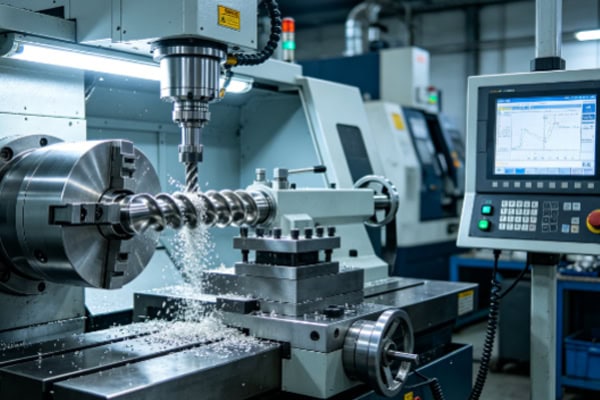
Select High-Performance Cutting Tools
Different materials require specific tool geometries and cutting materials. Advanced cutting tools offer improved wear resistance and cutting performance, enabling higher machining efficiency.
- Use high-performance inserts
- Select wear-resistant coatings
- Increase cutting speed capability
- Extend tool life
- Reduce tool replacement frequency
- Improve machining stability
Premium cutting tools provide the foundation for achieving higher productivity and consistent results.
Implement Tool Life Management
Tool wear directly affects productivity and part quality. Monitoring tool life helps prevent unexpected failures and reduces downtime caused by damaged tools.
- Record tool usage data
- Establish replacement standards
- Create tool life databases
- Reduce unexpected failures
- Improve production continuity
- Lower quality risks
A structured tool management system improves scheduling reliability and increases machine availability.
Reduce Tool Change Frequency
Frequent tool changes consume valuable production time. Reducing the number of tool changes increases effective machining time and improves output.
- Use multifunctional tools
- Increase tool utilization
- Optimize machining sequences
- Minimize backup tool switching
- Reduce machine stoppages
- Improve production continuity
Reducing tool changes allows machines to spend more time cutting and less time performing auxiliary operations.
Optimize Cutting Parameters to Improve Productivity
Cutting parameters determine material removal rates and machining efficiency. Proper optimization can significantly shorten cycle times while maintaining quality standards.
Increase Cutting Speed
Within the limits of machine capability and tool performance, increasing cutting speed can reduce machining time and improve productivity.
- Increase spindle speed
- Improve material removal rate
- Shorten cycle times
- Increase machine utilization
- Reduce waiting periods
- Expand production capacity
Appropriate cutting speed optimization increases throughput while maintaining stable machining conditions.
Adjust Feed Rates
Feed rates directly influence the amount of material removed over time. Proper adjustment improves productivity without compromising accuracy.
- Increase cutting efficiency
- Improve material removal rate
- Control cutting loads
- Maintain dimensional accuracy
- Enhance productivity
- Reduce cycle time
Optimized feed rates provide an effective balance between efficiency and quality.
Set Appropriate Depth of Cut
Depth of cut affects machining time and cutting force. Proper settings allow more material to be removed in fewer passes.
- Increase material removal per pass
- Reduce machining cycles
- Lower auxiliary time
- Maintain process stability
- Improve rough machining efficiency
- Optimize production flow
Selecting the correct depth of cut helps maximize machine productivity while maintaining process reliability.
Increase Machine Utilization and Reduce Downtime
Machine utilization is one of the most important indicators of production performance. Reducing planned and unplanned downtime can significantly improve manufacturing capacity.
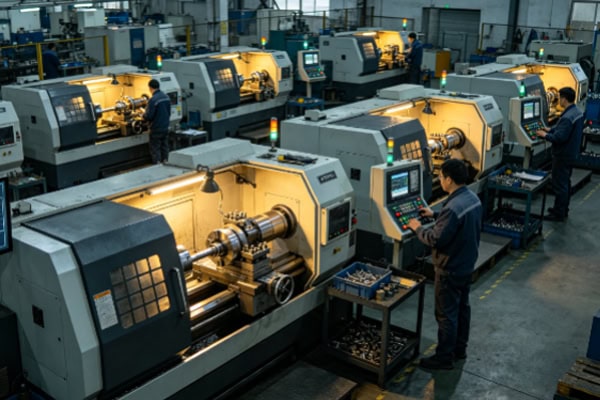
Establish Preventive Maintenance Programs
Preventive maintenance helps identify potential problems before they cause production interruptions. Regular inspections keep machines operating efficiently.
- Inspect machine condition regularly
- Maintain spindle systems
- Monitor guideway wear
- Calibrate machining accuracy
- Reduce failure rates
- Improve machine reliability
A comprehensive maintenance program supports long-term productivity and stable machine performance.
Minimize Equipment Downtime
Quick response to machine issues reduces production losses and improves machine availability.
- Create rapid response procedures
- Stock critical spare parts
- Improve maintenance efficiency
- Reduce downtime duration
- Maintain production continuity
- Increase machine utilization
Efficient troubleshooting systems help keep production schedules on track.
Optimize Production Scheduling
Effective production planning reduces machine idle time and improves resource utilization.
- Optimize order scheduling
- Balance machine workloads
- Reduce changeover time
- Improve resource allocation
- Maintain production continuity
- Strengthen delivery performance
Well-organized scheduling helps maximize equipment efficiency and support higher production output.
Promote Automation and Digital Manufacturing
Automation and digital technologies have become key drivers of manufacturing productivity. Automated loading systems, intelligent monitoring, and digital management platforms help maximize machine performance and production capacity.
Implement Automatic Loading and Unloading Systems
Automated material handling reduces manual intervention and increases machine operating time.
- Shorten loading time
- Improve production continuity
- Reduce labor costs
- Minimize human error
- Increase efficiency
- Support high-volume production
Automation significantly improves machine utilization and overall productivity.
Utilize Intelligent Monitoring Systems
Real-time monitoring allows manufacturers to track machine performance and identify opportunities for improvement.
- Monitor machine operation
- Track tool wear
- Analyze productivity data
- Detect abnormalities
- Optimize machining parameters
- Improve management efficiency
Smart monitoring systems enable more accurate production control and better resource management.
Adopt Digital Production Management
Digital management systems provide real-time visibility into production activities and improve decision-making.
- Collect production data in real time
- Improve execution efficiency
- Optimize resource allocation
- Reduce management costs
- Increase production transparency
- Strengthen capacity management
The integration of automation and digital manufacturing technologies helps companies continuously improve CNC turning productivity and remain competitive in the global market.