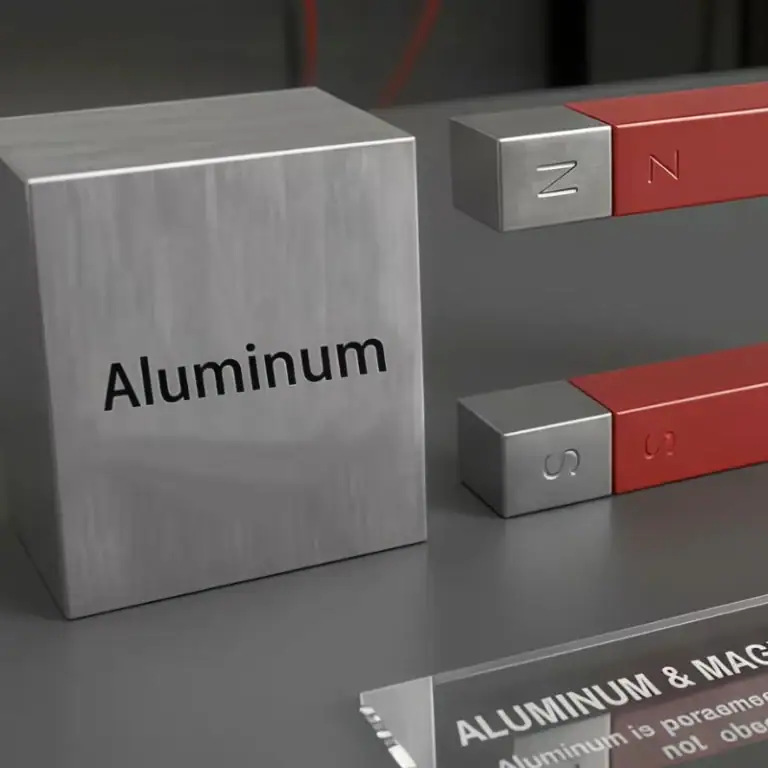
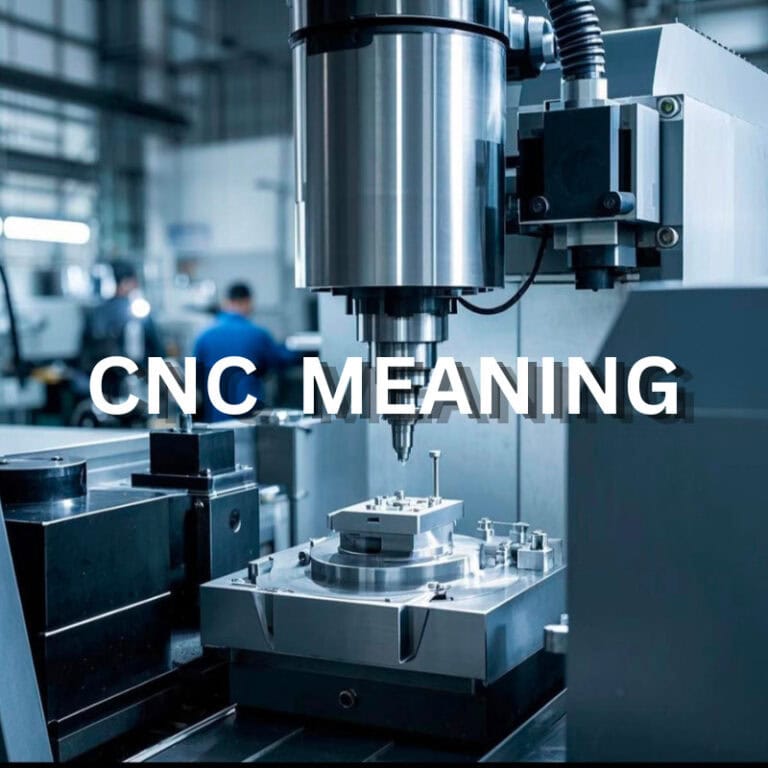
As industrial robots, collaborative robots, mobile robots, and automation equipment continue to develop toward lightweight construction, fast response, and high precision, aluminum alloy has become widely used for robotic structural components and functional parts due to its low weight, suitable strength, good corrosion resistance, and excellent machinability. Robots frequently perform rotation, movement, positioning, gripping, and inspection operations, so their components need sufficient structural rigidity without adding excessive moving loads. Precision CNC machining can process common aluminum alloys such as 6061, 6063, and 7075 through milling, turning, drilling, tapping, chamfering, and multi-axis machining based on 3D models and engineering drawings. With appropriate process planning, dimensional accuracy, hole-position accuracy, surface roughness, and structural consistency can be effectively controlled. Prototype development, sample production, small-batch manufacturing, and volume orders can all be supported through customized aluminum CNC machining solutions for robotic equipment.
CNC Machining Technology and Manufacturing Advantages for Aluminum Robotic Components
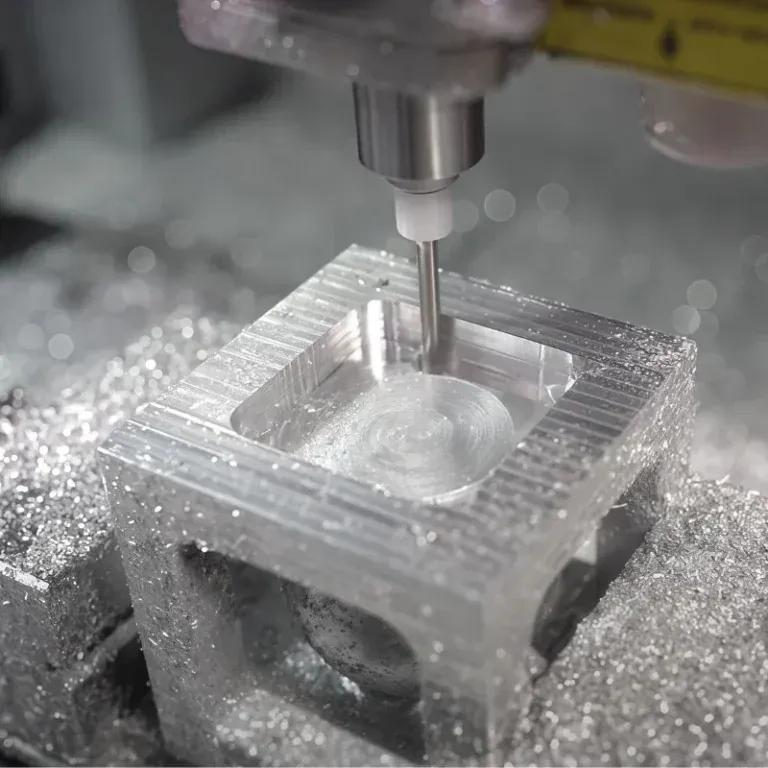
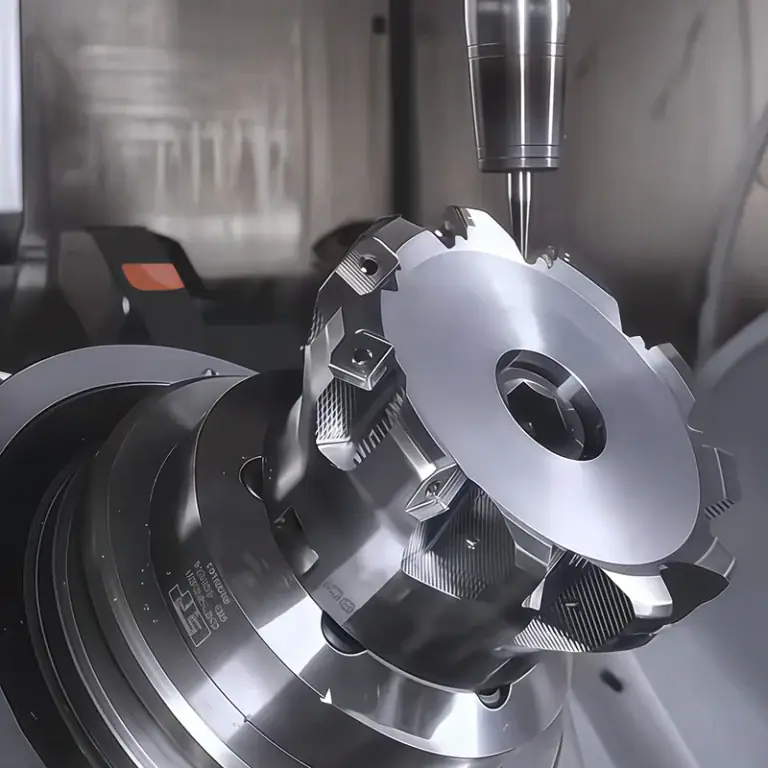
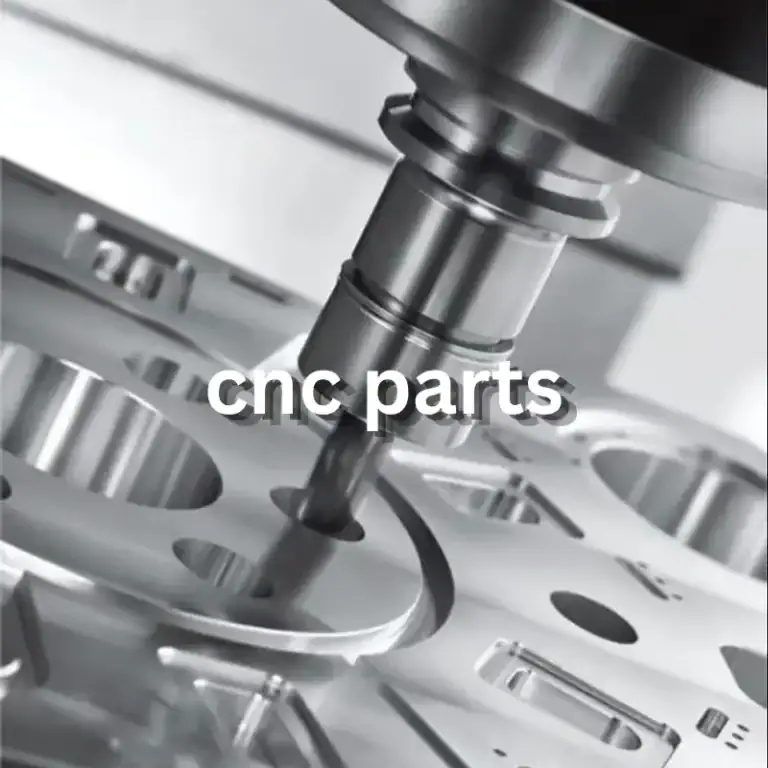
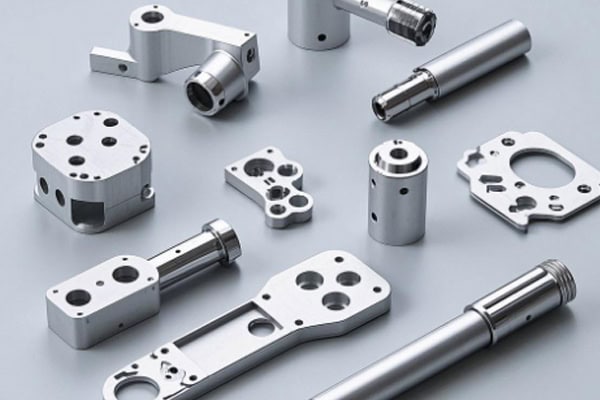
Aluminum alloys have excellent cutting characteristics and are highly suitable for high-speed CNC machining of complex profiles and precision structures. Robotic components often contain weight-reduction cavities, mounting holes, positioning slots, threaded holes, reinforcing ribs, and irregular curved surfaces, which can be produced through CNC milling with single or multiple setups. Cylindrical mounting components, shaft-related parts, and aluminum sleeves can be manufactured through CNC turning for accurate machining of outer diameters, internal bores, end faces, and grooves. Four-axis and five-axis machining can also reduce the number of repeated setups for complex components, helping maintain stable positional relationships between different machined surfaces.
Precision CNC Machining Processes for Aluminum Robotic Components
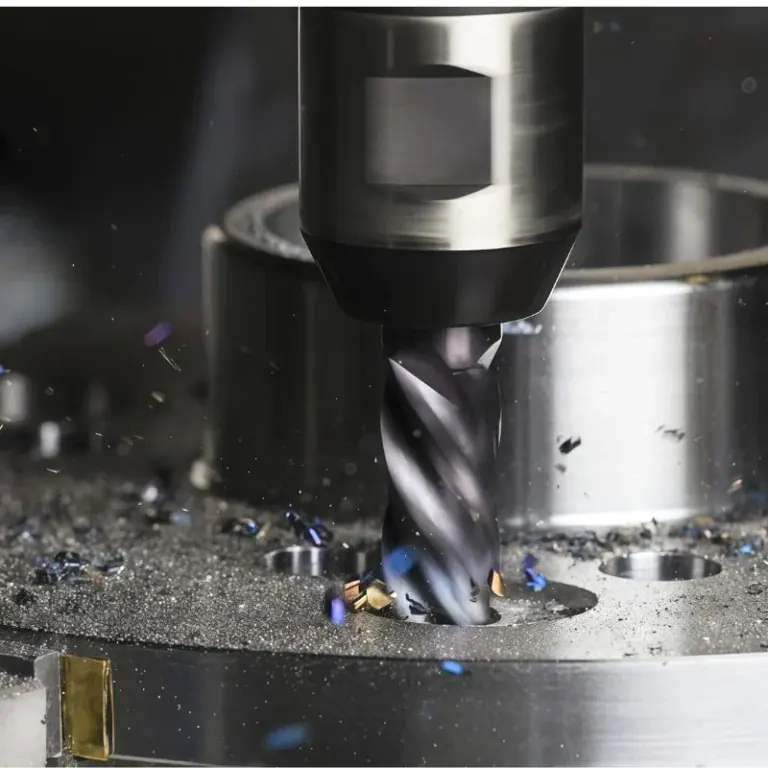
The machining process for aluminum robotic components needs to consider the alloy grade, component dimensions, wall thickness, tolerances, and surface finish requirements. Rough machining focuses on efficient material removal while leaving an appropriate finishing allowance. Semi-finishing further stabilizes the component profile and critical dimensions, while finishing focuses on mounting surfaces, mating holes, threads, and external contours.
For thin-wall aluminum components, excessive clamping force should be avoided and tool paths should be optimized to reduce deformation during machining. Deep cavities require suitable long-reach tools and layered cutting strategies to minimize cutting forces. Precision holes can be gradually produced through drilling, reaming, and related operations. For complex curved surfaces, multi-axis machining can maintain a more suitable tool orientation and cutting condition.
CNC Machining Workflow for Aluminum Robotic Parts
Aluminum robotic components require a structured workflow covering drawing review, process planning, machining, inspection, and delivery. A standardized production process helps improve machining efficiency and maintain dimensional consistency between different production batches.
- Drawing review: Verify 3D models, 2D drawings, alloy grades, dimensional tolerances, hole locations, threads, and surface treatment requirements.
- Process planning: Select three-axis, four-axis, five-axis milling, or turn-milling according to component geometry.
- Material preparation: Confirm the aluminum alloy grade, material dimensions, condition, and corresponding batch information.
- Program development: Create tool paths according to component geometry and machining features while setting suitable spindle speeds, feed rates, and cutting depths.
- Workholding and positioning: Select suitable fixtures and reference datums to minimize deformation in thin-wall and complex structures.
- Precision machining: Complete roughing, semi-finishing, and finishing operations while monitoring critical dimensions.
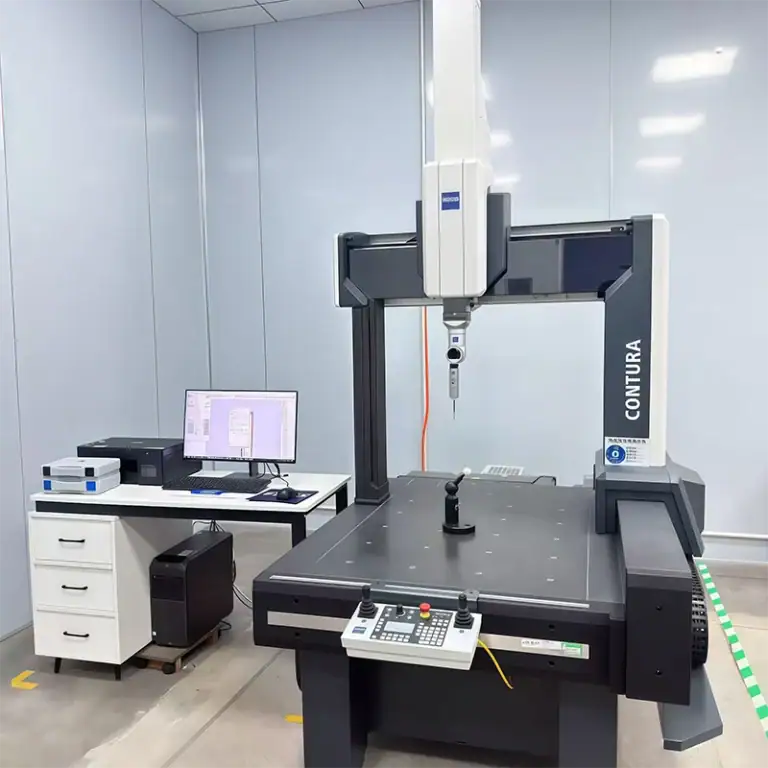
- Finished-part inspection: Use calipers, micrometers, pin gauges, optical measuring systems, and coordinate measuring machines to verify dimensional and positional accuracy.
- Post-processing and delivery: Perform anodizing, blasting, passivation, or other specified surface treatments before cleaning and protective packaging.
This workflow can support aluminum robotic components from individual prototypes to volume orders while allowing critical dimensions and material batches to be effectively traced.
Common Aluminum Alloy Materials and Performance
Different robotic structural components have different requirements for weight, strength, corrosion resistance, and machinability. The aluminum alloy grade should be selected according to actual loads and the installation environment.
| Aluminum Alloy | Main Properties | Typical Applications | CNC Machining Characteristics |
| 6061-T6 | Stable strength, corrosion resistance, good machinability | Brackets, mounting bases, connectors | Easy to mill and drill |
| 6063 | Good formability, low weight | Frames, exterior structures, supports | Suitable for profile machining |
| 7075-T6 | High strength, low weight | High-load structural and moving components | Requires careful tool and parameter selection |
| 6082 | High strength, corrosion resistance | Mechanical supports, bases | Suitable for precision milling |
| 5052 | Corrosion resistance, good formability | Protective parts, thin-wall structures | Suitable for thin-wall machining |
Proper aluminum alloy selection can reduce component weight while maintaining sufficient structural strength, helping robotic motion systems achieve faster response and improved operating efficiency.
Applications, Usage Methods, Functions, and Performance of Aluminum Robotic Components
Aluminum CNC components can be integrated into robotic structural supports, motion assemblies, sensor mounting systems, control module installations, and lightweight frames. Their low weight is particularly useful for robot arm end effectors, mobile platforms, and high-speed motion mechanisms. Robots continuously generate inertial loads and vibration during operation, so components must maintain stable assembly relationships to prevent structural deformation from affecting motion paths. Precision CNC machining can integrate weight-reduction cavities, reinforcing ribs, mounting holes, and positioning features into individual components, reducing the number of assembled parts while increasing structural integration.
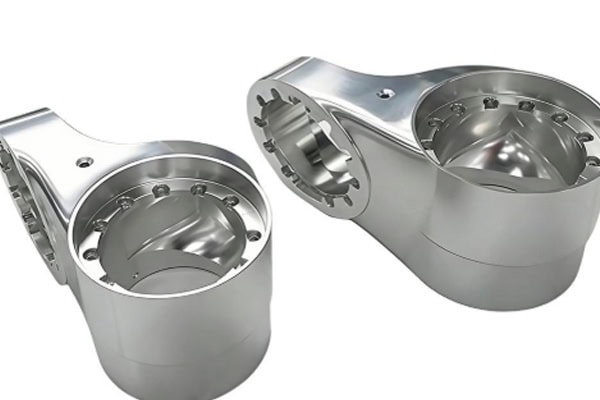
Aluminum CNC Components for Robot Arms and End Effectors
Robot arms frequently change direction during operation, while end effectors need to perform rapid gripping, handling, and positioning actions. Component weight can directly influence motion response. Aluminum alloys can be used for robot arm connectors, motor mounting parts, end-effector mounting plates, tool adapters, and sensor brackets.
CNC milling can create weight-reduction slots and internal cavities while preserving critical load-bearing areas. Precision-machined mounting and locating holes provide reliable connections with motors, bearings, linear guides, and end tools. For end effectors that require frequent replacement, locating pin holes and standardized threaded holes can be incorporated into the connection structure to improve tool change efficiency.
Aluminum Components for Collaborative Robots, AGVs, and Automation Equipment
Collaborative robots typically use compact structures that need to accommodate motors, sensors, reducers, and control components within limited installation spaces. Aluminum CNC machining is suitable for producing compact mounting bases, connection blocks, sensor brackets, and structural supports according to customized dimensions.
AGVs and mobile robots place greater emphasis on chassis weight, structural rigidity, and continuous operating capability. Aluminum can be used for motor brackets, wheel mounting components, control-box supports, and sensor mounting structures. Aluminum CNC machining is also suitable for automation equipment components such as linear guide bases, inspection platforms, tooling plates, and locating fixtures, helping reduce structural weight while improving dimensional consistency.
Functional and Performance Requirements for Aluminum Robotic Components
In addition to basic structural strength, aluminum robotic components may need to provide positioning, connection, support, heat dissipation, and lightweight functions. CNC machining can achieve precise dimensional control in critical areas.
| Function | Main Performance Requirement | Key Machining Indicators |
| Structural Support | Stable rigidity and moderate weight | Flatness, wall thickness, profile dimensions |
| Precision Positioning | Accurate location and stable dimensions | Hole spacing, position accuracy, perpendicularity |
| Motor Mounting | Reliable fit and accurate center position | Mounting holes, center distance, flatness |
| Sensor Mounting | Stable positioning and low vibration impact | Small-hole dimensions, hole-position accuracy |
| Lightweight Construction | Reduced moving load | Cavities, weight-reduction slots, reinforcing ribs |
| Heat Dissipation | Stable thermal conduction path | Cooling slots, contact-surface flatness |
| Connection Structure | Secure threads and convenient assembly | Thread accuracy, hole diameter, chamfers |
These requirements help aluminum components adapt to long-term robotic operation while balancing structural reliability, motion response, and assembly efficiency.
Customized CNC Machining and Quality Control for Aluminum Robotic Components
Although aluminum alloys offer excellent machinability, robotic components often feature thin walls, deep cavities, and complex weight-reduction structures. Deformation, burrs, tool marks, and dimensional deviations still require careful control during machining. For precision robotics projects, dedicated process parameters can be established according to component geometry, with first-piece verification, in-process inspection, and final inspection used to maintain quality. Rapid prototype machining can support R&D projects, process optimization can improve stability during trial production, and standardized programs and inspection records can help maintain consistency during volume manufacturing.
Methods for Improving Aluminum Robotic Component Machining Accuracy
Aluminum can be machined at relatively high cutting speeds, but thin-wall structures are sensitive to cutting forces and clamping pressure. Optimizing the machining strategy can reduce deformation and dimensional variation.
- Select suitable fixtures: Use soft jaws, locating pins, and auxiliary supports according to component geometry to prevent excessive localized forces.
- Optimize cutting tools and parameters: Select tools designed for high-speed aluminum machining and monitor tool wear.
- Use layered machining: Remove material from deep cavities and high-volume structures in multiple layers to reduce cutting loads.
- Control finishing allowance: Maintain a stable finishing allowance to prevent significant dimensional changes during the final cutting operation.
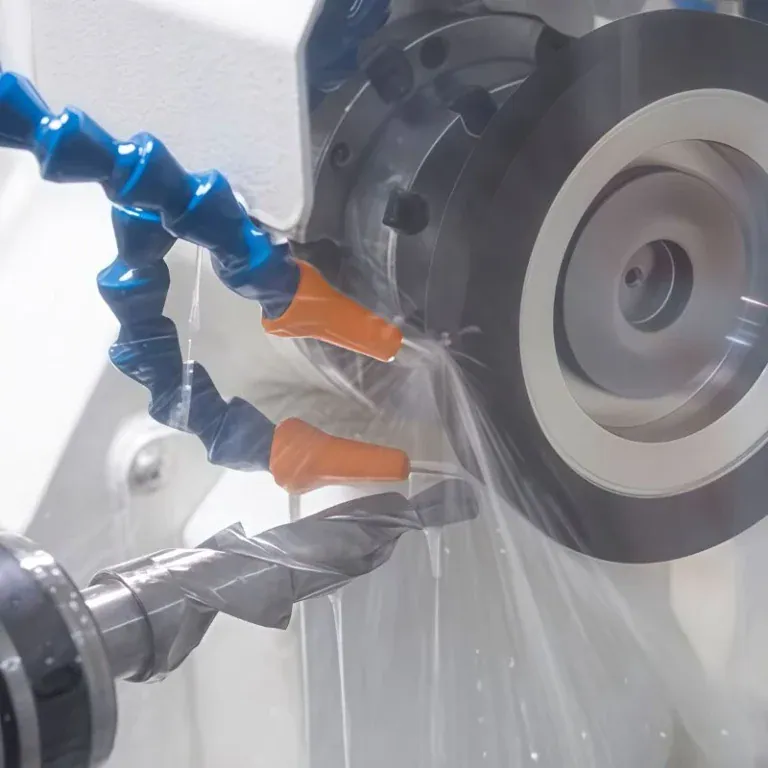
- Improve chip evacuation: Remove aluminum chips efficiently to prevent recutting and surface scratches.
- Control machining temperature: Apply appropriate cooling and lubrication methods to reduce dimensional changes caused by temperature variation.
- Inspect critical dimensions: Perform in-process inspections on mounting holes, locating holes, and mating surfaces.
- Verify the first piece: Confirm dimensions and surface quality before volume productionand continue only after the process is verified as stable.
Coordinated control of fixtures, tools, cutting parameters, and inspection procedures can further improve dimensional stability and surface quality for aluminum robotic components.
Surface Treatment and Usage Methods for Aluminum Robotic Components
After CNC machining, aluminum components can receive anodizing, hard anodizing, sandblasting, brushing, or other surface treatments according to the operating environment. Anodizing can improve corrosion resistance and surface durability, while hard anodizing is more suitable for components exposed to friction or higher wear requirements. Sandblasting can improve surface appearance and texture while helping create a more uniform visual finish.
During robotic assembly, chips and burrs should be removed from holes, threads, and locating surfaces, and the dimensional relationship between the component and adjacent assemblies should be verified. For aluminum mounting components that are frequently removed and installed, appropriate tightening torque should be maintained to prevent thread damage caused by excessive tightening. After the equipment enters operation, mounting components should be inspected periodically for looseness or abnormal wear, while critical mating areas should be kept clean.
Inspection and Customized Supply Services for Aluminum Robotic Components
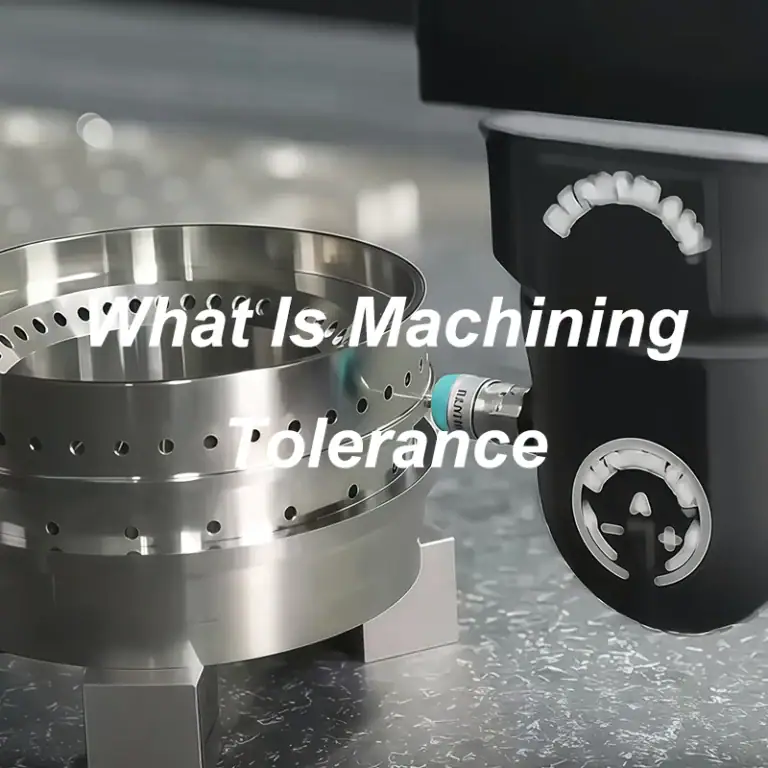
Quality inspection for aluminum robotic components should be established according to drawing tolerances and final application requirements. Standard external dimensions can be measured with calipers and micrometers, while hole diameters can be checked with pin gauges or internal measuring tools. Complex profiles and positional relationships can be inspected using optical measuring systems or coordinate measuring machines. Critical mounting surfaces can also be checked for flatness, perpendicularity, position accuracy, and surface roughness.
Customized supply can cover prototype machining, small-batch production, repeat orders, and volume manufacturing. After receiving 3D models, 2D drawings, material specifications, tolerance requirements, and surface treatment standards, a suitable machining process can be developed according to component geometry. For long-term robotic component supply, dedicated CNC programs, inspection records, and material batch traceability can be established to maintain stable consistency between production batches. Through precision CNC machining, strict dimensional inspection, and standardized delivery, aluminum robotic components can effectively support the lightweight construction and precision assembly requirements of robot arms, collaborative robots, mobile robots, and automation equipment