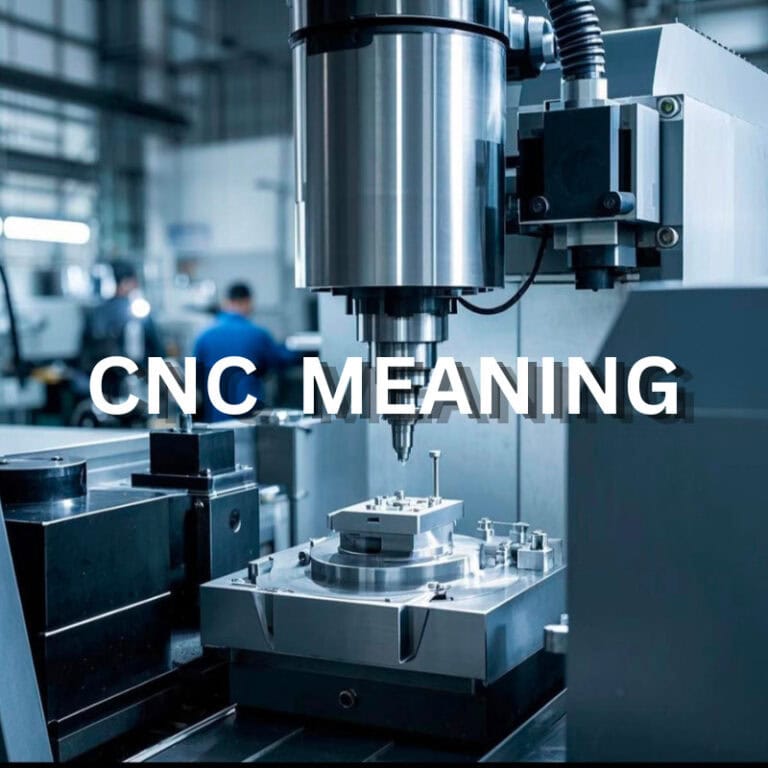
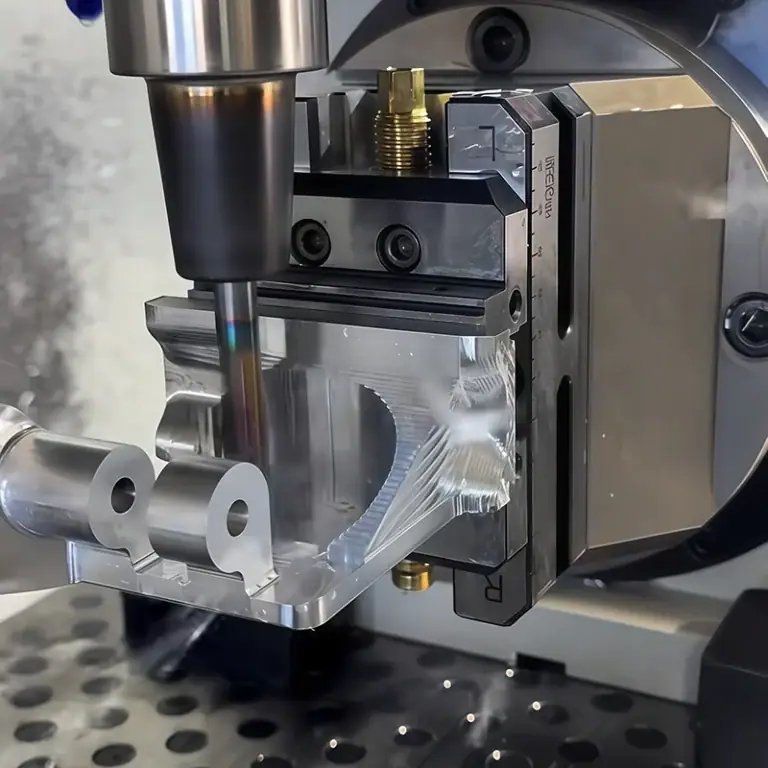
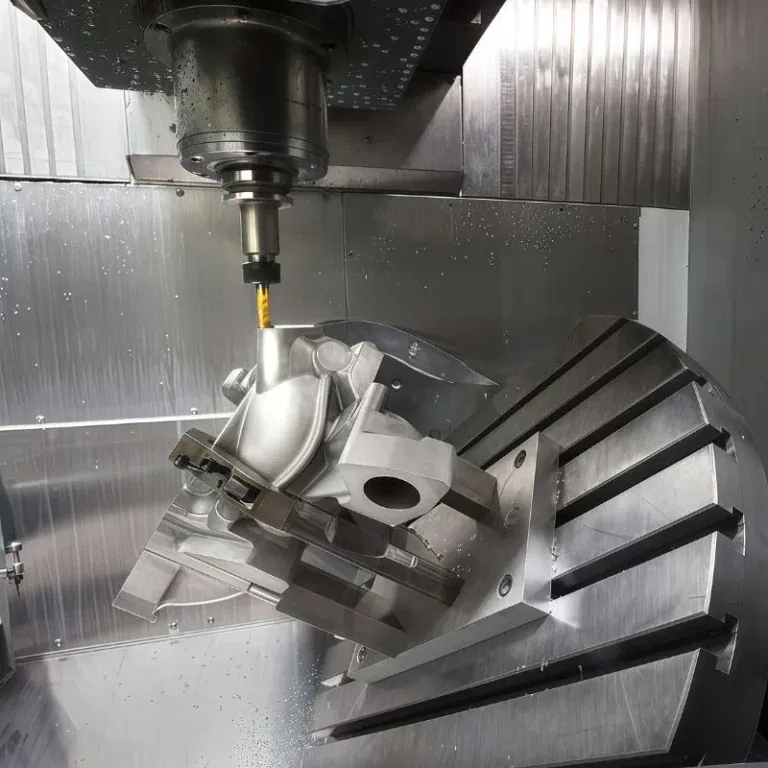
Aerospace components require a combination of lightweight design, high strength, dimensional accuracy, and structural reliability. For this reason, thin-wall structures are widely used in aircraft structural components, engine parts, satellite components, and aerospace electronics housings. Compared with conventional metal components, aerospace thin-wall parts machining is more sensitive to cutting forces, vibration, heat deformation, and clamping stress, creating higher requirements for CNC machining equipment, tooling, and process control.
TiRapid provides customized thin-wall machining solutions for the aerospace industry through CNC milling, 5-axis CNC machining, and precision machining. These capabilities are suitable for prototypes, small-batch production, and high-precision aerospace components.
Get 20% offf
Your First Order
Need custom metal and plastic parts?
What Are the Main Challenges of Aerospace Thin-Wall Parts Machining?
Thin-Wall Structures Are Prone to Deformation
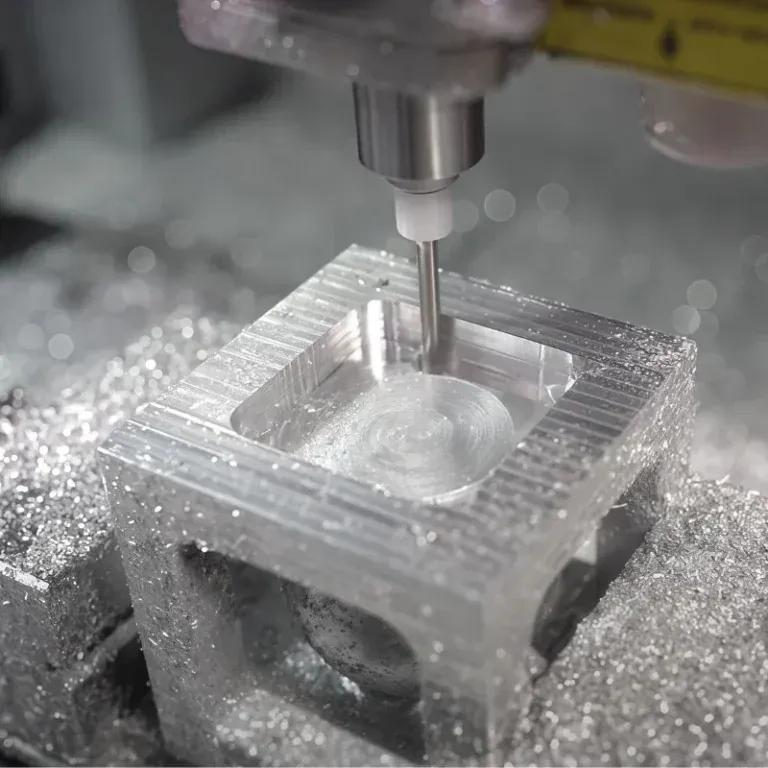
Thin-wall components have relatively low structural rigidity. During machining, excessive cutting forces can cause bending, vibration, or localized deformation. For aerospace materials such as aluminum alloys and titanium alloys, internal stress released during extensive material removal can also affect final dimensional accuracy.
Therefore, aerospace thin-wall components cannot simply be processed using standard CNC machining methods. The entire manufacturing process needs to be carefully planned, including the raw material, workholding method, cutting strategy, and finishing process.
Complex Surfaces Increase Machining Difficulty
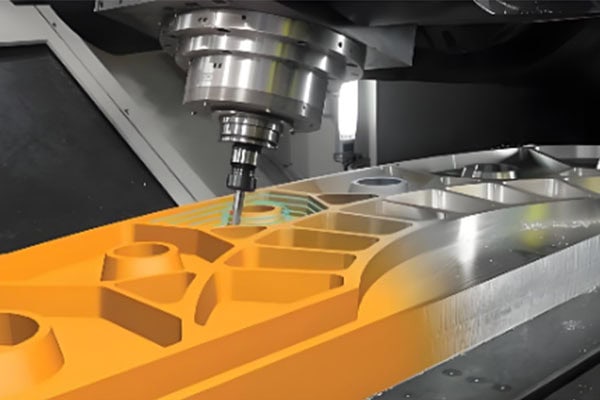
Aerospace components often feature curved surfaces, deep cavities, narrow slots, reinforcing ribs, and complex profiles. Conventional 3-axis machining may require multiple setups, which can increase machining time and introduce positioning errors.
5-axis CNC machining can control the tool from multiple directions, reducing the need for repeated setups. This makes it particularly suitable for complex aerospace thin-wall structures and multi-angle surfaces.
Aerospace Thin-Wall Parts Machining Process
DFM Analysis Before Machining
Before production, the 3D model and engineering drawings should be carefully reviewed. Key factors include wall thickness, cavity depth, corner radii, hole locations, and available clamping areas.
Proper design for manufacturing can reduce tool loads and minimize the risk of vibration and deformation in thin-wall sections. For metal thin-wall components, factors such as minimum wall thickness, machining depth, and corner radius can have a significant impact on machining stability.
Roughing and Semi-Finishing in Stages
For aerospace components requiring substantial material removal, a staged machining strategy can improve stability. Rough machining is used to remove excess material efficiently while leaving an appropriate amount of stock. Semi-finishing then improves the geometry and stabilizes the structure, followed by precision finishing to achieve the required dimensions and surface quality.
This approach helps reduce excessive cutting heat and stress changes caused by heavy material removal in a single operation, allowing thin-wall sections to remain more stable throughout machining.
Optimize Toolpaths with 5-Axis CNC Machining
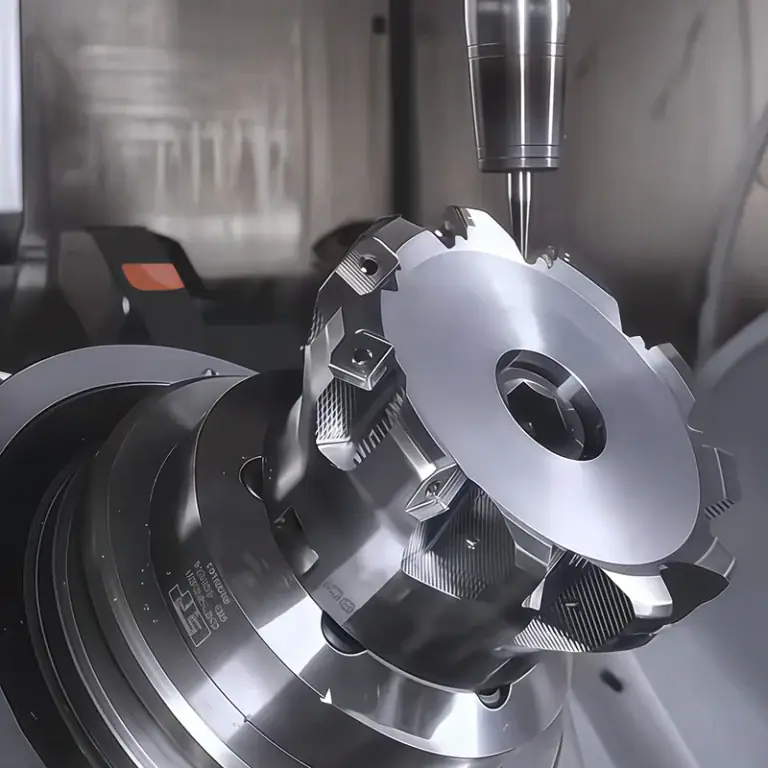
For aerospace thin-wall parts with complex surfaces, 5-axis machining can reduce tool interference and minimize the number of setups. It also allows the cutting tool to maintain a more suitable cutting angle throughout the machining process.
By optimizing feed rates, cutting depths, tool orientations, and toolpaths, manufacturers can reduce cutting vibration while improving surface quality and dimensional consistency in thin-wall areas.
Common Aerospace Thin-Wall Components and Machining Characteristics
How to Control Machining Accuracy for Aerospace Thin-Wall Parts?
Optimize the Workholding Method
The clamping method must provide sufficient support without applying excessive force. Over-tightening can create initial deformation in thin-wall components.Depending on the component geometry, soft jaws, customized fixtures, and auxiliary supports can be used to maintain stability during machining and reduce deformation after unclamping.
Optimize Cutting Tools and Parameters
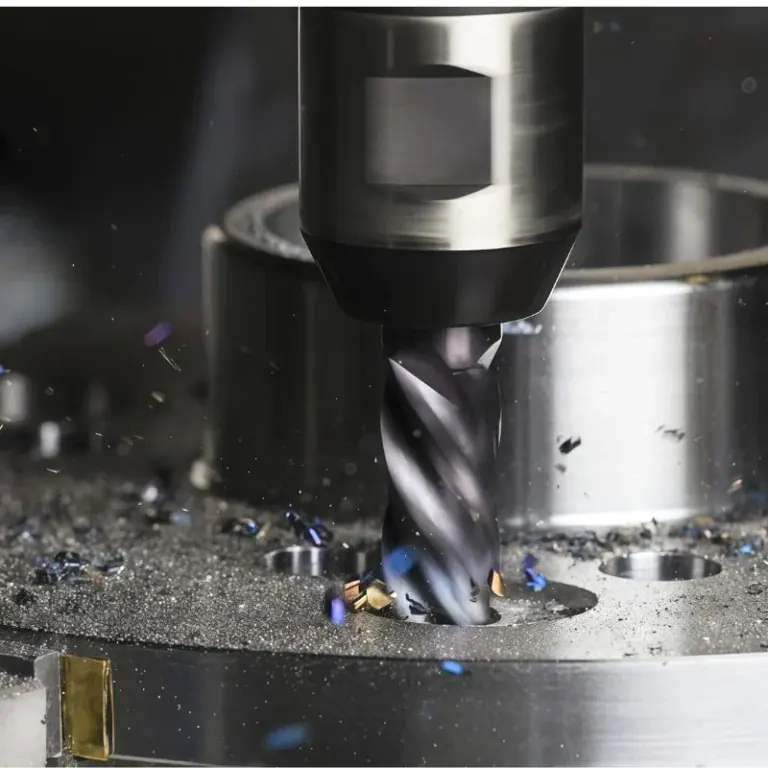
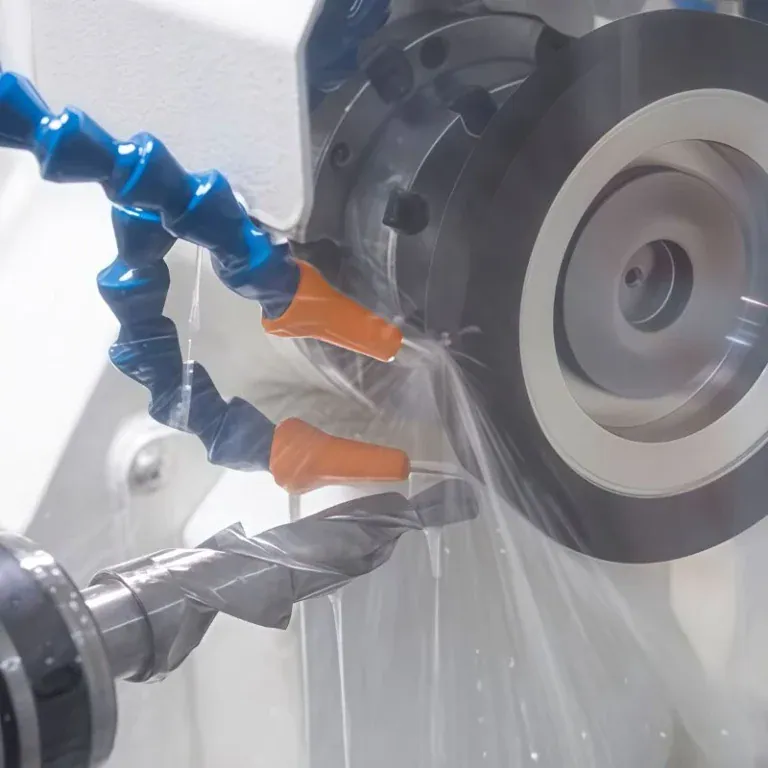
Sharp cutting tools with geometries suitable for the workpiece material can help reduce cutting resistance. When machining aluminum alloys, chip evacuation and built-up edge should be carefully controlled. When machining titanium alloys, greater attention should be paid to cutting heat, tool wear, and overall process stability.Optimized tool selection, advanced toolpaths, appropriate cutting parameters, and tool-condition monitoring can contribute to better machining performance for aerospace components.
Perform Dimensional Inspection After Machining
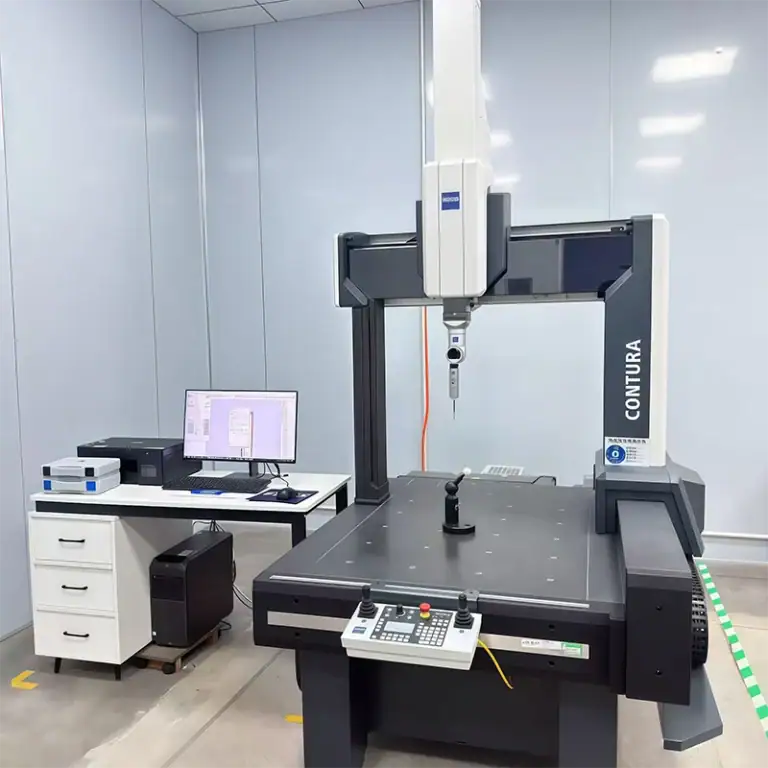
Aerospace thin-wall components often require inspection of critical dimensions, hole diameters, flatness, profile tolerances, and surface quality. Combining in-process control with final inspection helps minimize dimensional variation between production batches.TiRapid provides CNC machining services with high dimensional accuracy and supports a wide range of materials and surface finishing options, making it suitable for customized aerospace components.
TiRapid Aerospace Thin-Wall Parts Machining Advantages
TiRapid provides comprehensive manufacturing support for complex precision components, from engineering analysis to CNC machining. Its machining capabilities include 3-axis, 4-axis, and 5-axis CNC machining, as well as CNC milling, CNC turning, micro machining, and wire EDM.
For aerospace thin-wall components, TiRapid can optimize material selection, workholding, cutting tools, and machining strategies according to customer drawings and component requirements. This helps balance dimensional accuracy, structural stability, and production efficiency.
The machining process can be adapted to different aerospace applications, including aircraft structural components, aerospace brackets, engine housings, satellite components, and aerospace electronics enclosures.
The key to successful aerospace thin-wall parts machining is not simply using a high-precision CNC machine. A stable and well-designed manufacturing process is equally important. From design analysis and material selection to workholding, toolpath planning, cutting parameters, and final inspection, every stage can affect the dimensional stability and performance of thin-wall components.For aircraft structural components, aerospace brackets, engine housings, satellite structures, and aerospace electronics enclosures, a properly engineered aerospace thin-wall parts machining solution can support lightweight designs while maintaining high precision and structural reliability.TiRapid can provide customized CNC machining solutions based on customer drawings, material requirements, component geometry, and production volume, supporting the precision manufacturing needs of the aerospace industry.
Author
Galen Director and Founder
Committed to ensuring we provide the best possible service in the manufacturing industry.
CNC machining is used to manufacture precise metal and plastic components for automotive, medical, aerospace, industrial equipment, and electronic products. It transforms raw material into functional parts through computer-controlled milling,
A shaft must enter its mating bore, a bearing must stay seated, and a cover must locate correctly on its housing. Each function permits some dimensional variation. The engineering task
SFM machining uses surface feet per minute to measure the cutting speed between a rotating tool and the workpiece. It helps machinists calculate suitable spindle speeds, control cutting conditions, and
CNC is one of the core technologies behind modern manufacturing. It allows machines to follow programmed instructions and produce parts with controlled dimensions, repeatable movements, and less dependence on manual
A machined housing can have correctly sized holes and still fail to assemble if those holes are in the wrong locations. Checking each diameter tells you only part of the
Grinding is a precision machining process that removes material from a workpiece using a rotating abrasive wheel. Unlike conventional cutting tools, which remove material with defined cutting edges, grinding uses
A bracket may need a curved edge to clear an adjacent component. A housing may require an accurately shaped internal wall, while a mold needs a continuous surface that defines
The main spindle is one of the most important assemblies in a CNC machine. It provides the rotational motion required for cutting, holds either the cutting tool or the workpiece,
Guide pins are simple components, but they play a critical role in mold alignment, repeatable positioning, and long-term tooling stability. In injection molds, die sets, fixtures, and precision assemblies, a
CNC Part Manufacturing: Process, Quality & Design Guide CNC parts are used across aerospace, medical equipment, robotics, automotive systems, electronics, and industrial machinery because CNC machining can produce complex components
Two parts made from the same material can have very different milling prices. One may fit a standard vise and run with common tools. The other may need several setups,
Multiaxis machining is a CNC manufacturing process that allows the cutting tool, workpiece, or both to move across multiple controlled axes during machining. Instead of only cutting from one fixed